A stump of medieval shaft, two feet three inches high, with a font from before the Reformation set on top of it — two separate objects made into one monument in 1873.
This is two broken things made into one. The lower part is a fragment of octagonal shaft from a market cross, two feet three inches high on a stone base — a stump, with the rest of the cross long gone. Sitting on top of it is a font from before the Reformation of 1560, the stone basin in which the parish once performed its baptisms. The two objects were made for entirely different purposes and have no original relationship at all.
They were put together and resited in 1873. That date belongs to the arrangement, not to either piece. Someone in Victorian Kettins, faced with a truncated cross and a displaced font, chose to solve both problems at once by stacking them, and the result stands beside the parish kirk.
Such a cross was the visible token of a settlement’s trading privilege, and the appointed spot for anything the burgh needed everyone to hear. That function had been over here for a long time before 1873. What remains is a monument to two separate losses — a cross broken down to its base, and a font turned out of a church that no longer baptised in the old way — assembled into something that reads, at a glance, like a single object.
The fragment is recorded in J. W. Small’s Scottish Market Crosses, where it appears at plate 70.
What follows is drawn from published sources, with each claim labelled by how firmly it is established.
History
What survives is a fragment of octagonal shaft, standing two feet three inches high on a stone base. The rest of the cross is gone, so what exists is a stump rather than a standing cross, and the shaft's original height can no longer be judged from anything left on the ground at Kettins. Set on top of the fragment is a font from before the Reformation of 1560 — the stone basin used for baptism in the parish church. The two pieces have no original connection to one another and were made for entirely different purposes, but they have been combined into what now reads as a single object.
The composite monument was resited in 1873. That date marks the arrangement rather than the making of either piece, both of which are older, and it is the point at which a broken cross and a displaced font were put together and set up beside the parish kirk. Such a cross was the visible token of a settlement's trading privilege, and the appointed spot for reading out anything the burgh needed everyone to hear. That function had ended here long before the Victorian rearrangement. The fragment is recorded in J. W. Small's Scottish Market Crosses, where it appears at plate 70.
Cultural influences
-
A trading cross remade from two objects
The fragment marks Kettins’ former market privilege, while its Victorian assembly with a pre-Reformation font gives the monument its unusual present form.
Connections
-
Kettins Parish Kirk
The composite cross and font stand beside the parish church, where the font would originally have been used for baptism.
What to look for
-
The joint between the two pieces
The octagonal shaft fragment and the font sitting on it are separate objects of different purposes, married together when the monument was resited in 1873.
-
The pre-Reformation font
A stone basin from the church's Catholic era, now serving as the head of a market cross.
Plan your visit
- Location
- 56.5373°N · 3.2406°W
- Nearest settlement
- Kettins
- Access
- Visible from a public way
- Terrain
- Easy going
- Time needed
- About 15 minutes
- What survives
- A two-foot-three-inch octagonal cross-shaft stump stands on a base, topped by a separate pre-Reformation baptismal font.
Nearby places

Carved stone · Pictish & early medieval
Meigle Sculptured Stone Museum
Perth and Kinross
Twenty-seven Pictish stones pulled from the ruins of a church that burned in 1869, now in the village schoolhouse: including one carved by the Pict…
- Near Meigle
- Easy path
Fortified place · Iron Age
Dunsinane Hill
Perth and Kinross
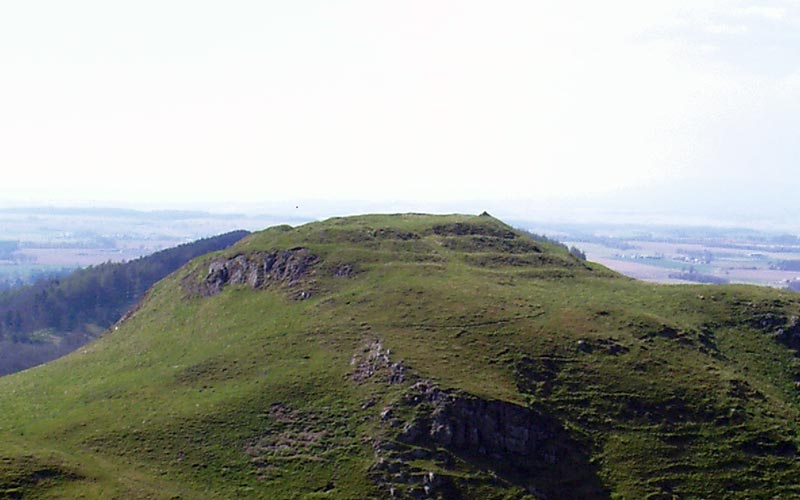
Nineteenth-century antiquarians came here because of Macbeth and dug the hill fort apart. Little of value was learned.
- Some walking
Minor monument · Medieval
Village And Market Cross, Rossie
Perth and Kinross
Two lions and two unicorns share the top of this cross, holding up a ball finial between them.
- Easy path
Fortified place · Roman
Inchtuthil
Perth and Kinross
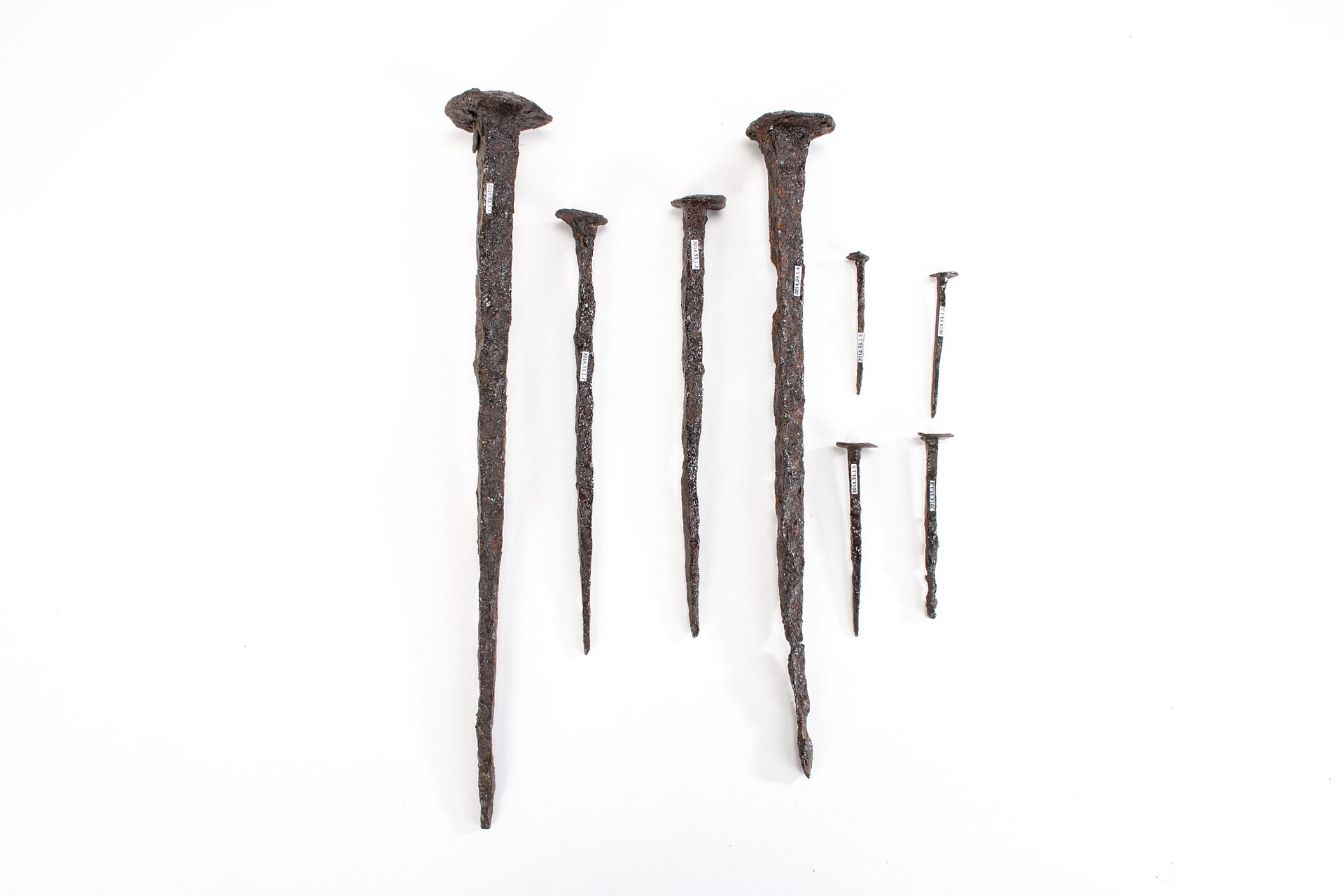
The only legionary fortress in the Roman empire whose complete plan survives: abandoned after four years, with 875,400 nails buried in a pit so the…
- Near Dunkeld
- Some walking
Questions people ask
- What survives of the Kettins cross?
- A fragment of octagonal shaft two feet three inches high, on a stone base.
- Why is there a font on top of it?
- A pre-Reformation font was set on the shaft fragment when the monument was resited in 1873. The two pieces were not originally connected.
- When was it moved?
- The monument was resited in 1873; both the shaft and the font are older than that date.
Sources
The Ancient Codex, in your pocket
Get the Pocket Codex app
Carry the directory with you — Mercat Cross, Kettins and thousands of ancient places across Britain and Ireland, offline, wherever you roam.