
Twenty-seven Pictish stones pulled from the ruins of a church that burned in 1869, now in the village schoolhouse — including one carved by the Picts onto a standing stone already two thousand years old.
On 28 March 1869 the old church at Meigle burned down. William Galloway went into the ruins immediately afterwards and pulled out the carved stones. Twenty-seven of them now stand in the village schoolhouse of 1844, a few hundred yards away, and they are the reason anyone comes to Meigle at all.
They were all found here — in the neighbouring churchyard, or built into the fabric of the church that burned. That concentration is itself an argument. Nobody carves twenty-seven monuments for a place of no consequence, so there was an important church at Meigle, and quite possibly a monastery. One early record supports it: Thana, son of Dudabrach, is recorded working at Meigle, written Migdele, in the middle of the ninth century during the reign of King Pherath. He was most likely a monk serving as a scribe, in a house that may have been founded a century earlier.
About a third of the stones are Class II — carved in relief, bearing symbols and usually a Christian cross. Most date from the ninth or tenth century and were made as tombstones. The dead they commemorate are the Pictish warrior aristocracy, and the stones show them as they wished to be remembered: armed, or hunting.
The carving has a local accent. Meigle work favours aggressive biting beasts, fills its crosses with a diagonal key pattern, and rounds the heads of its cross-slabs. Some elements show Northumbrian influence, so the workshop was aware of what was being cut further south without simply copying it. The material is local old red sandstone, soft enough to take very fine detail and correspondingly quick to erode. The carvers used iron chisels, punches and hammers along with hammerstones and wooden mallets, and the designs may have been taken from painted vellum pattern books.
Two stones stand out, and they used to stand facing each other at the northern entrance to the churchyard. Meigle 1 may be the oldest here, perhaps carved in the late eighth century — but the Picts were not the first to use it. It had been a standing stone two thousand years before they touched it, and the cup and ring marks of that earlier use survive low on the back. Its cross is Greek in form, with full circles where the shaft meets the arms, filled with interlace and spiralled at the crossing point. The other face is an uncoordinated jumble arranged around a hunting scene, and among the figures are a winged figure that may represent a Persian deity and a kneeling camel.
Meigle 2 is nearly 2.5 metres high and the work of a master. The figures are cut in deep relief and arranged in order, not crowded. The head of its cross is unique and was probably modelled on a jewelled metal cross; the projecting boss at its centre is ringed by eight smaller ones, most likely the eight days of Passion Week from Palm Sunday to Easter Sunday. Three pairs of animals face each other down the shaft with tails and tongues interlaced. Tenons project from the top and sides, so the slab was made to slot into a screen or a wall.
The other face shows Daniel in the lions’ den, with a mounted huntsman and two hounds above, an angel hovering over the dogs, and a procession of four horsemen — three of them leading a fourth marked out by a large saddlecloth.
Local folklore reads that scene differently. It holds that the figure among the beasts is Guinevere, known here as Vanora, abducted by Mordred and condemned by Arthur to be torn apart by wild animals, and that the grass mound in front of which Meigle 1 and Meigle 2 stood is her grave. Some of the stones appear to have been trimmed and placed near the mound in the sixteenth and seventeenth centuries in order to decorate it — which means the folklore is old enough to have rearranged the monuments.
The collection runs well past those two. Meigle 22 is a fragment of architectural frieze with a cross-legged figure whose entwined legs end in fish-tails, flanked by two clawed animals, read either as a siren or as a Pictish version of the Celtic god Cernunnos. Meigle 25 is a hogback tombstone of the late tenth century, its sloping sides carved as concave roof-tiles and its ridge as an elongated beast that ends in a fish’s tail, with clear links to early hogbacks from around Glasgow. Meigle 26 is an exceptionally fine recumbent gravestone with a socket at one end for a vertical cross, three coiled snakes at its head, twelve bosses at its middle, two sea-horses facing each other at its foot, a hunting scene and a griffin along one side, and along the other a corpse being consumed by two beasts.
Not everything survived. Local records say eight stones were lost before the end of the nineteenth century, Meigle 10 and Meigle 24 among them. Several of the survivors are only parts of larger monuments, and it is likely that other fragments are still in the churchyard soil or in the walls of buildings around the village.
Sir George Kinloch, the local laird, bought the schoolhouse towards the end of the nineteenth century for the express purpose of protecting the stones. The museum passed into state ownership in 1936, was renovated after the Second World War and reopened in 1949. The building itself is Category C listed — which is a modest designation for a house holding one of the most important collections of Pictish sculpture anywhere.
What follows is drawn from published sources, with each claim labelled by how firmly it is established.
History
The museum holds 27 carved Pictish stones, all found near Meigle — mostly in the neighbouring churchyard or reused in the fabric of the old church. A collection of that size in one village implies an important church nearby, and possibly a monastery. An early record names Thana, son of Dudabrach, working at Meigle — recorded as Migdele — in the middle of the ninth century during the reign of King Pherath. Thana was probably a monk serving as a scribe in a local monastery that may have been founded in the eighth century.
The old church burned down on 28 March 1869. William Galloway rescued the stones from the ruins immediately afterwards; the present church was built about 1870. The collection survives because one man went into the wreckage of a fire and pulled the carved stones out of it. Sir George Kinloch, the local laird, bought the village schoolhouse of 1844 towards the end of the nineteenth century specifically to protect the symbol stones. The museum passed to the State in 1936, was renovated after the Second World War and reopened in 1949. The building is Category C listed.
About a third of the stones are Class II — carved in relief with symbols and usually bearing a Christian cross. Most date from the ninth or tenth century and were intended as tombstones for the dead of the Pictish warrior aristocracy, who appear on them bearing weapons or hunting. The Meigle stones have a distinct local style — an emphasis on aggressive biting beasts, crosses decorated with a diagonal key pattern, and rounded heads on the cross-slabs. Some elements show the influence of Northumbria, so the workshop was neither isolated nor imitative.
The stone is local old red sandstone, soft enough to take fine detail and correspondingly vulnerable to erosion. The carvers worked with iron chisels, punches and hammers, together with hammerstones and wooden mallets, and the designs may have been copied from painted vellum pattern books. Local records say eight stones were lost before the close of the nineteenth century, Meigle 10 among them. Several survivors are pieces of larger monuments, and other fragments are probably still buried in the churchyard or built into walls.
People
-
William Galloway
Rescued the sculptured stones from the old church after its fire on 28 March 1869, preserving the collection for the new museum.
-
Sir George Kinloch
Local laird who bought Meigle’s former 1844 schoolhouse late in the nineteenth century specifically to house and protect the Pictish stones.
Cultural influences
-
A Pictish workshop with Northumbrian connections
The Meigle stones share a distinctive local style of biting beasts and patterned crosses while also showing influence from Northumbria.
Connections
-
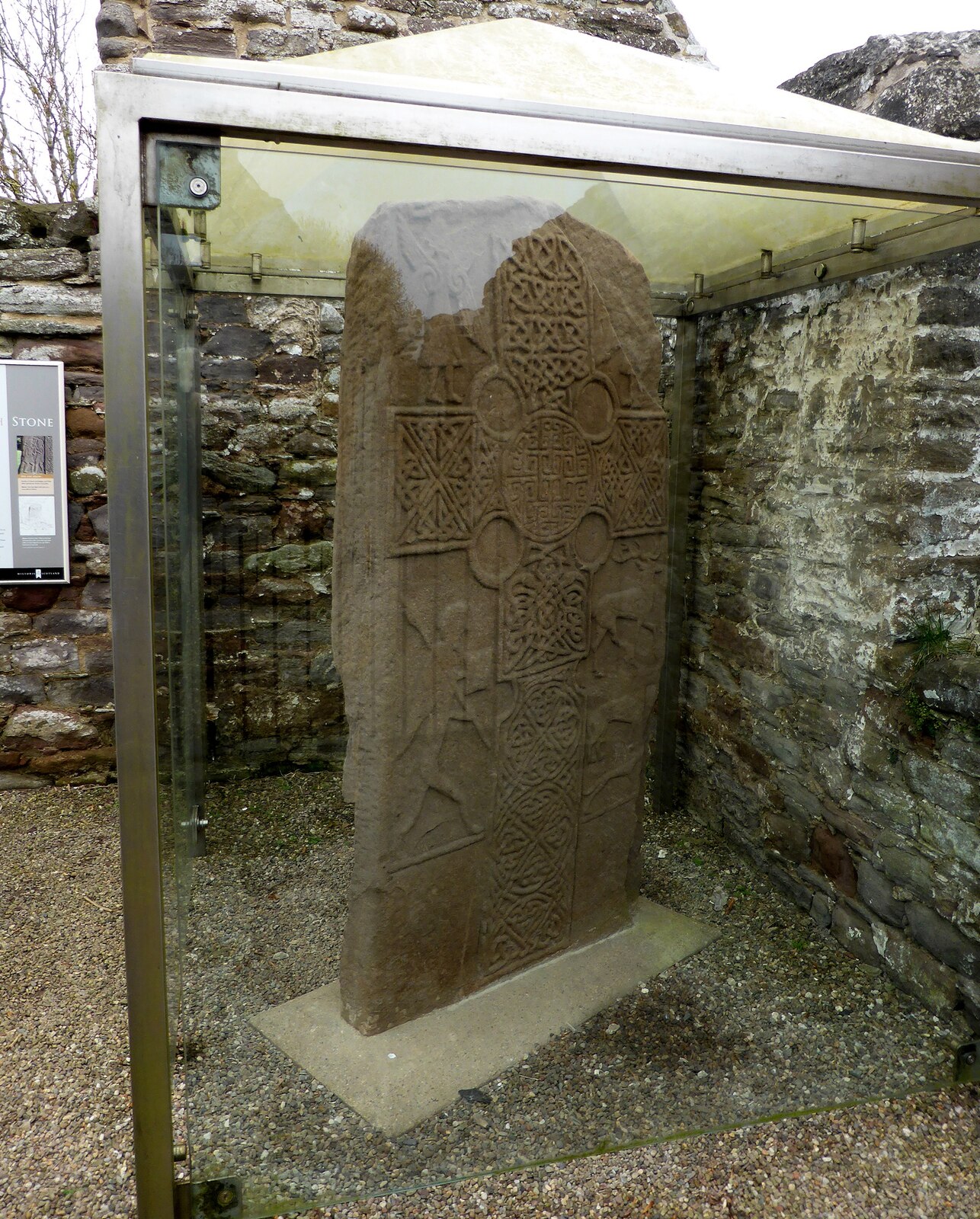
Photo: Sandy Gerrard / Wikimedia Commons / CC BY-SA 2.0 Both are Pictish carved-stone monuments in Perthshire, preserving the region’s early medieval sculpture and Christian imagery.
-
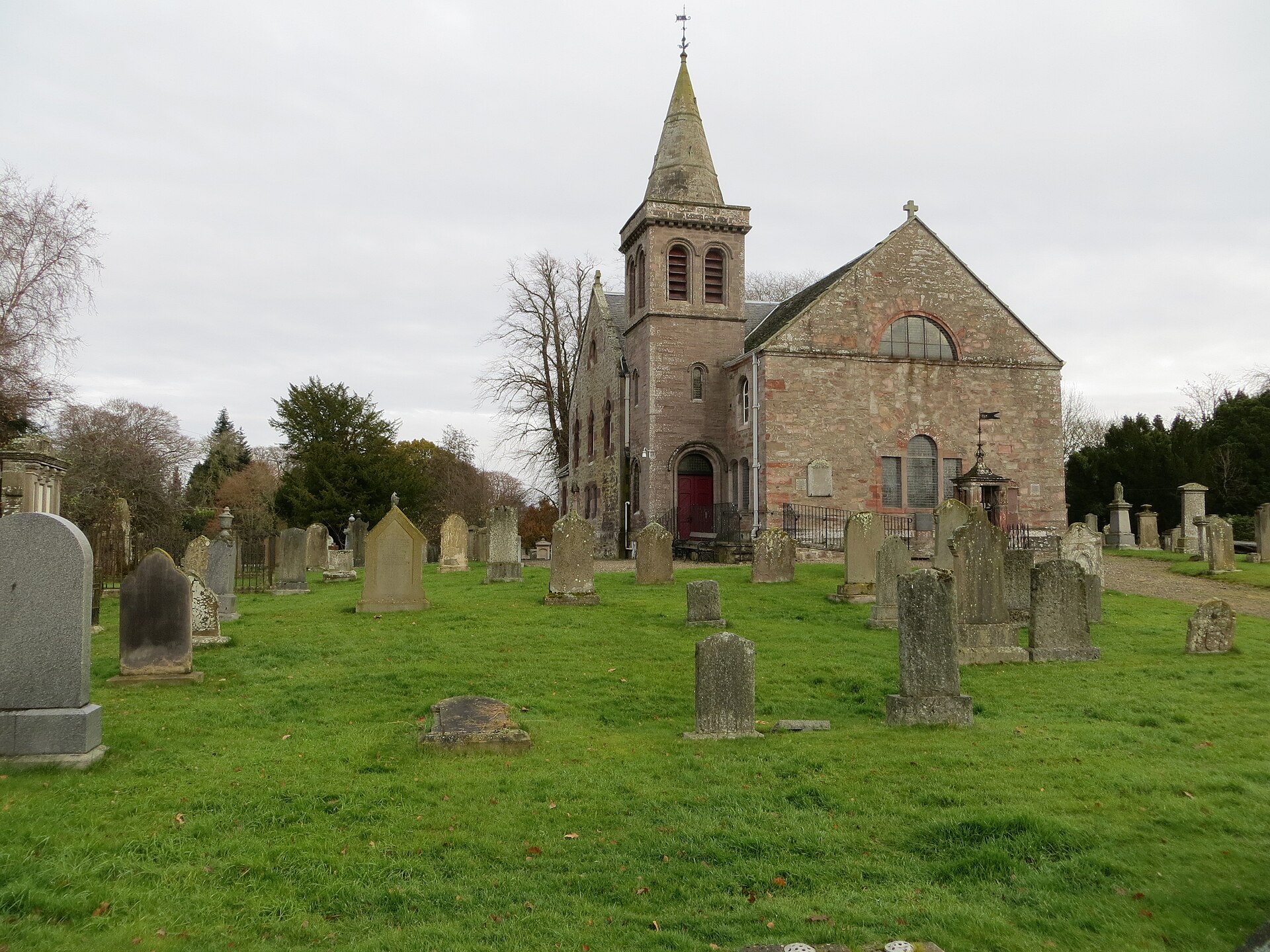
Photo: Peter Wood / Wikimedia Commons / CC BY-SA 2.0 The museum and cross belong to the wider historic landscape of Angus and eastern Perthshire, linking Pictish monuments with later civic markers.
-
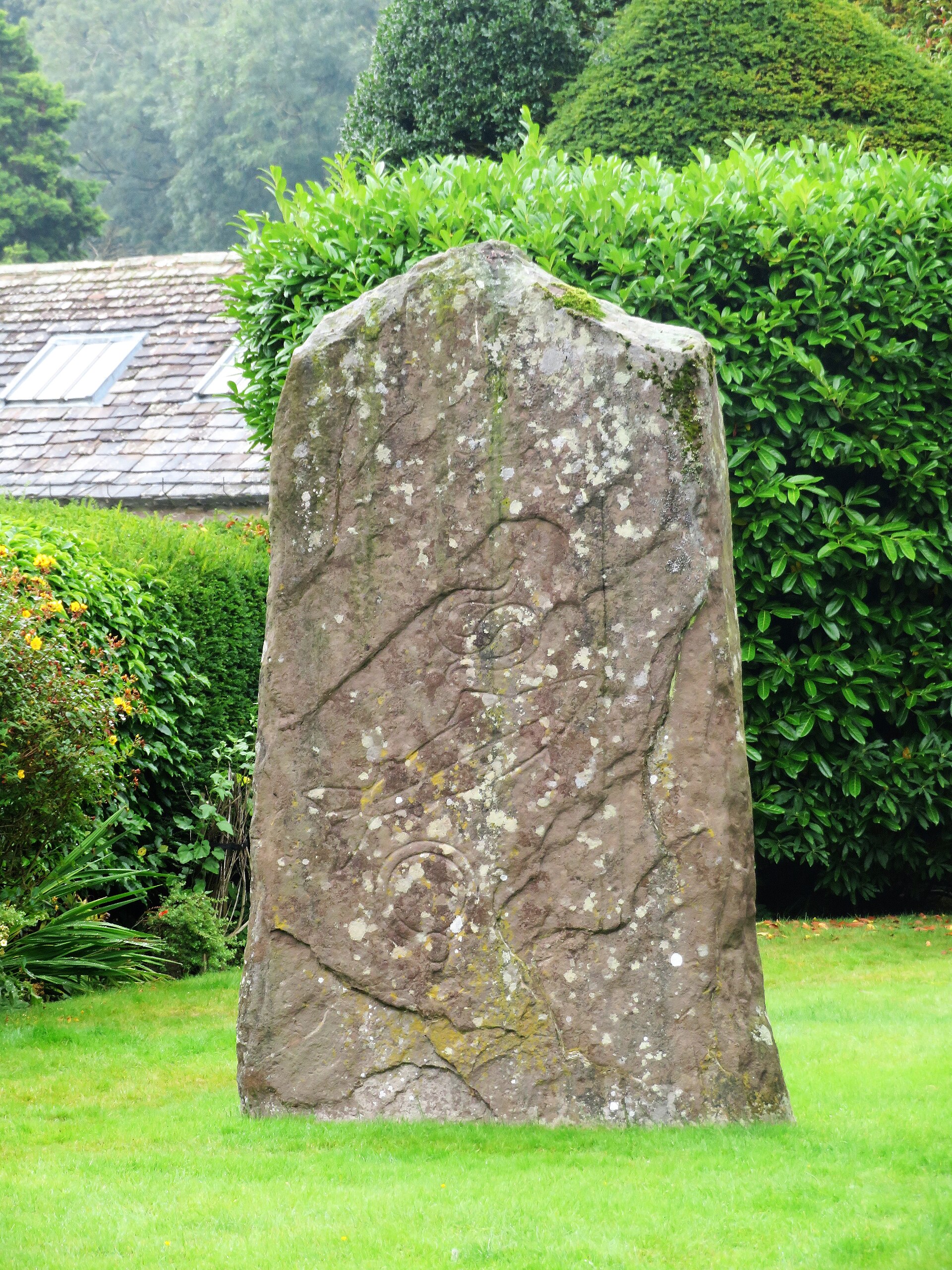
Photo: Gordon Hatton / Wikimedia Commons / CC BY-SA 2.0 The museum and stone are part of the same regional concentration of Pictish sculpture, preserving evidence of early medieval communities.
Discovery & excavation
After the old church burned in 1869, William Galloway rescued the stones from its ruins; the museum was then established in the former schoolhouse to protect them.
What to look for
-
Meigle 1
Possibly the oldest here, perhaps carved in the late eighth century — and already ancient when the Picts got to it. It was a standing stone two thousand years earlier, and cup and ring marks from that first use survive low on the back. The other face carries a winged figure that may be a Persian deity and a kneeling camel.
-
Meigle 2
Nearly 2.5 metres high, the work of a master sculptor, with figures cut in deep relief. Its cross-head is unique and probably copies a jewelled metal cross; the central boss is ringed by eight smaller ones, likely the eight days of Passion Week. Tenons on the top and sides show it was meant to slot into a screen or wall.
-
Meigle 22
A piece of architectural frieze carrying a cross-legged figure whose entwined legs end in fish-tails, flanked by two clawed animals. It has been read either as a siren or as the Pictish form of the Celtic god Cernunnos.
-
Meigle 25 and 26
Meigle 25 is a hogback tombstone of the late tenth century, its sides carved as concave roof-tiles and its ridge as a fish-tailed beast, with stylistic links to early hogbacks from Glasgow. Meigle 26 is a recumbent gravestone with coiled snakes, twelve bosses, facing sea-horses, a hunting scene with a griffin, and a corpse being eaten by two beasts.
Plan your visit
- Location
- 56.5879°N · 3.1625°W
- Nearest settlement
- Meigle
- Access
- Open access
- Terrain
- Easy going
- Time needed
- About 60 minutes
- What survives
- The museum preserves 27 mostly ninth- and tenth-century carved stones, some fragmentary, in the former schoolhouse; local old red sandstone is vulnerable to erosion.
Opening & admission
- Museum in the former parish schoolhouse at Meigle.
- Opening is museum-managed; check current Historic Environment Scotland arrangements.
Nearby places
Carved stone · Pictish & early medieval
Eassie Stone
Angus
Carved on both faces with warriors, hunters, angels and a figure entangled with severed heads, it survived only because Georgian antiquarians pulle…
- Near Eassie
- Easy path
Minor monument · Medieval
Mercat Cross, Kettins
Perth and Kinross
A stump of medieval shaft, two feet three inches high, with a font from before the Reformation set on top of it: two separate objects made into one…
- Near Kettins
- Easy path
Carved stone · Pictish & early medieval
Glamis Manse Stone
Angus
One of the most crowded cross faces in Pictish sculpture: axe-fighters, a cauldron with legs dangling from it, and a centaur share the stone with a…
- Easy path
Fortified place · Medieval
Glamis Castle
Angus
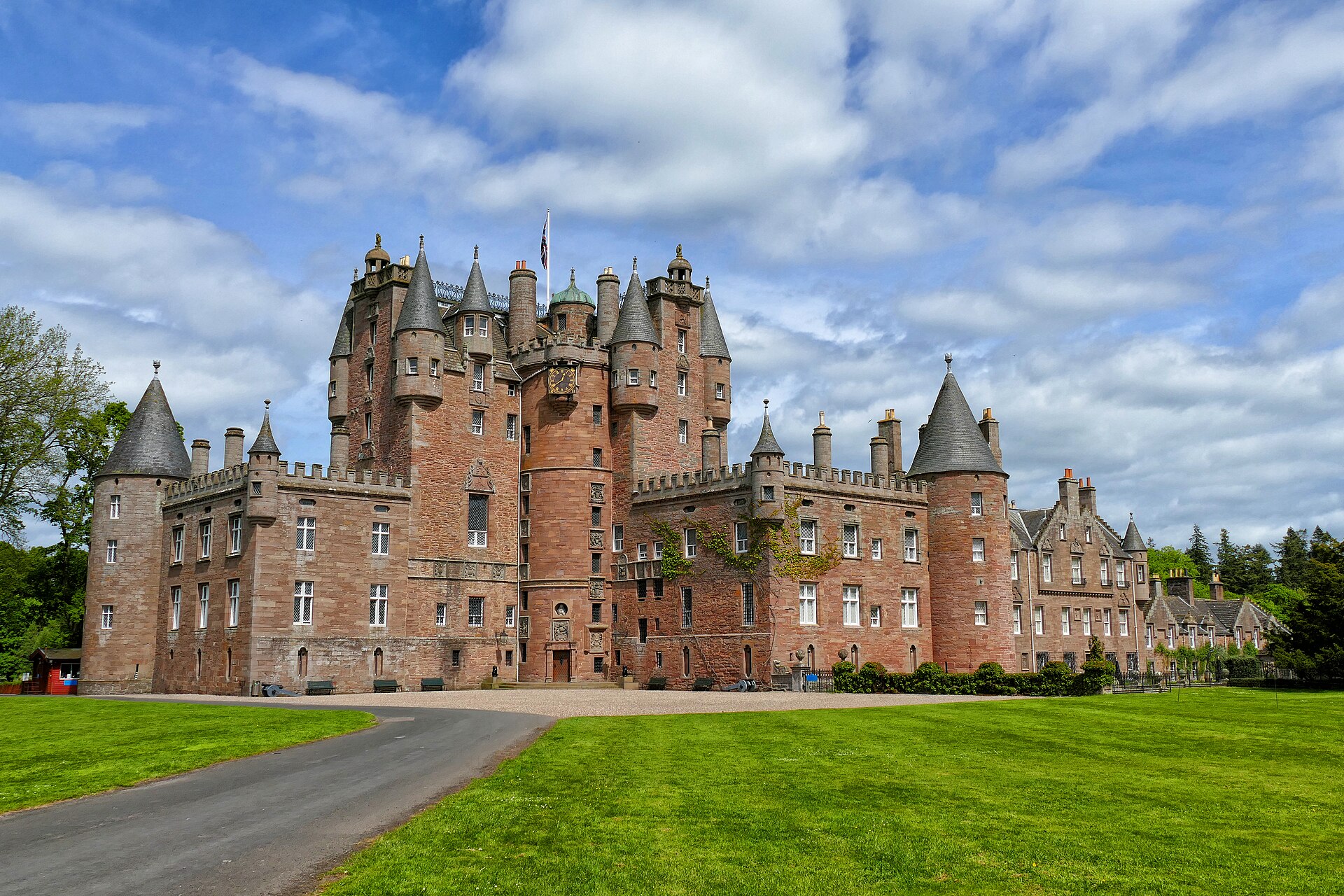
One family, the Lyons, has held this Strathmore estate since the 1370s, and its rooms have hosted a murdered king, a woman burned for witchcraft, a…
- Easy path
Questions people ask
- What does the museum hold?
- Twenty-seven carved Pictish stones, all found near Meigle — mostly in the neighbouring churchyard or reused in the fabric of the old church. A collection of that size in one village implies an important church nearby, and possibly a monastery.
- How did the collection survive?
- Because one man went into the wreckage of a fire and pulled the stones out. The old church burned down on 28 March 1869 and William Galloway rescued the stones from the ruins immediately afterwards. Sir George Kinloch, the local laird, later bought the village schoolhouse of 1844 specifically to protect them; the museum passed to the State in 1936 and reopened in 1949.
- What kind of stones are they?
- About a third are Class II — carved in relief with symbols and usually bearing a Christian cross. Most date from the ninth or tenth century and were intended as tombstones for the dead of the Pictish warrior aristocracy, who appear on them bearing weapons or hunting.
- Is there a local style?
- A distinct one: an emphasis on aggressive biting beasts, crosses decorated with a diagonal key pattern, and rounded heads on the cross-slabs. Some elements show the influence of Northumbria, so the workshop was neither isolated nor imitative. The stone is local old red sandstone, soft enough to take fine detail and correspondingly vulnerable to erosion.
Sources
The Ancient Codex, in your pocket
Get the Pocket Codex app
Carry the directory with you — Meigle Sculptured Stone Museum and thousands of ancient places across Britain and Ireland, offline, wherever you roam.