
The only legionary fortress in the Roman empire whose complete plan survives — abandoned after four years, with 875,400 nails buried in a pit so the Caledonians could not have the iron.
In the summer of 1960 an excavation on the Tay opened a pit that had been elaborately hidden. Inside were 875,400 complete iron nails, from two inches long to sixteen, weighing about six and a half tonnes, along with cartwheel rims and other ironwork bringing the total to ten. The Romans put them there. When the legion dismantled this fortress and left, it buried its nails rather than leave the Caledonian tribes several tonnes of refined iron that could be forged into weapons.
That is the most famous thing about Inchtuthil, but it is not the most important one. The fortress was built in AD 82 or 83 as the advance headquarters for Gnaeus Julius Agricola’s campaign against the Caledonians, on a site at the head of one of the main routes in and out of the Highlands. It covered 21.5 hectares and held Legio XX Valeria Victrix — 5,400 men at full strength, with specialists besides. Two or three building seasons went into it, with a temporary camp alongside to shelter the soldiers through the winters while the work went on.
It did not stand alone. Smaller forts were placed north and south at the mouth of each nearby glen, the works now called the Glenblockers, and together with the Strathmore forts at Cardean and Stracathro and the road, forts and watchtowers of the Gask Ridge they formed a single system. Inchtuthil was its pivot, and the only base in it large enough to mount an invasion of the Highlands.
Inside the turf rampart, faced in stone with a ditch outside and a gatehouse on each of the four sides, were 64 barrack blocks, a hospital covering 5,000 square metres and a workshop covering 3,500. Somebody has worked out that the timber walls of those buildings amounted to seven miles of perimeter.
Two things in the plan do not fit. The headquarters building, with its aedes — the shrine holding the legion’s standards and the images of the emperor — is far smaller than a legionary fortress ought to have, and must have been a temporary arrangement. And the large plot immediately east of it, where the commander’s house belonged, is empty. The ground was levelled and prepared, and then nothing was built on it. The fortress was abandoned before its most important building was started.
The abandonment came around the summer of AD 86 and certainly no later than early 87 — four years or so after the first turf was cut. The reason appears to have had nothing to do with Scotland. Legio II Adiutrix was pulled from Chester to Moesia to meet a Dacian invasion in 86, and XX Valeria Victrix was obliged to move south and take its place. Recent archaeology has complicated that account, hinting the fortress may have been in use considerably longer than the traditional dates allow.
What followed the departure is the reason the site matters. Nowhere else did a legionary fortress escape being built over — the Roman fortresses of Britain became York, Chester, Caerleon, and their plans have to be recovered in fragments from beneath living cities. Inchtuthil was left in a field. When Sir Ian Richmond excavated it between 1952 and 1965 the layout was still largely intact, and it produced the only complete plan of a legionary fortress anywhere in the Roman empire.
The nails had an afterlife of their own. Many went to museums. Some were sold to the public and to interested organisations at five shillings for a nail of seven to ten inches, or twenty-five shillings for a boxed set of five. David Colville and Sons, iron and steel refiners, were given the job of sorting and storing them, and the sorting, gifting and selling of every complete nail was finished by 1963. Since then, atomic scientists have used the two-thousand-year-old iron to estimate how quickly barrels of nuclear waste will corrode — a use for a Roman legion’s leftovers that nobody could have anticipated in 1960, let alone in AD 86.
What follows is drawn from published sources, with each claim labelled by how firmly it is established.
History
The fortress was built in AD 82 or 83 as the advance headquarters for the forces of the governor Gnaeus Julius Agricola during his campaign against the Caledonian tribes. It stood at the head of one of the main routes in and out of the Highlands and covered 21.5 hectares — some 53 acres. It was garrisoned by Legio XX Valeria Victrix, a legion numbering 5,400 men at full strength with specialist troops besides. Building it would have taken two or three seasons, and a temporary camp was raised nearby to house and protect the soldiers over the winter while the work went on.
Smaller forts were built north and south at the mouth of each nearby glen — the works now called the Glenblocker forts. With the Strathmore forts at Cardean and Stracathro and the towers of the Gask Ridge, they formed one system, and Inchtuthil was the only base in it large enough to launch an invasion of the Highlands. The defences were a turf rampart faced with stone, with a ditch outside and a gatehouse on each side, following the standard Roman plan. Inside were 64 barrack blocks, a hospital of 5,000 square metres and a workshop of 3,500. The timber walls of those buildings have been calculated to run to seven miles of perimeter in total.
Two things about the interior are anomalous. The headquarters building, with its aedes for the legion's standards and images of the emperor, is much smaller than a legionary fortress would normally have, and must have been temporary. The large empty plot east of it, where the commander's house should have stood, was levelled and prepared but never built on.
The fortress was evacuated around the summer of AD 86 and certainly no later than early 87. The likely cause was elsewhere — Legio II Adiutrix was called from Chester to Moesia to deal with a Dacian invasion in 86, and XX Valeria Victrix had to move south to take its place. Recent archaeology has raised some doubt, suggesting occupation may have run considerably longer. Because Inchtuthil was never built over afterwards, its layout survived largely intact until Sir Ian Richmond excavated between 1952 and 1965. It is the only complete plan of a legionary fortress anywhere in the Roman empire.
In the summer of 1960 the excavation found an elaborately concealed pit holding 875,400 complete iron nails, from 50 to 410 millimetres long, weighing about 6.4 tonnes, together with cartwheel rims and other ironwork totalling ten tonnes. The Romans buried it when they dismantled the fortress, to deny the local tribes both the nails and the refined iron in them, which could have been forged into weapons.
People
-
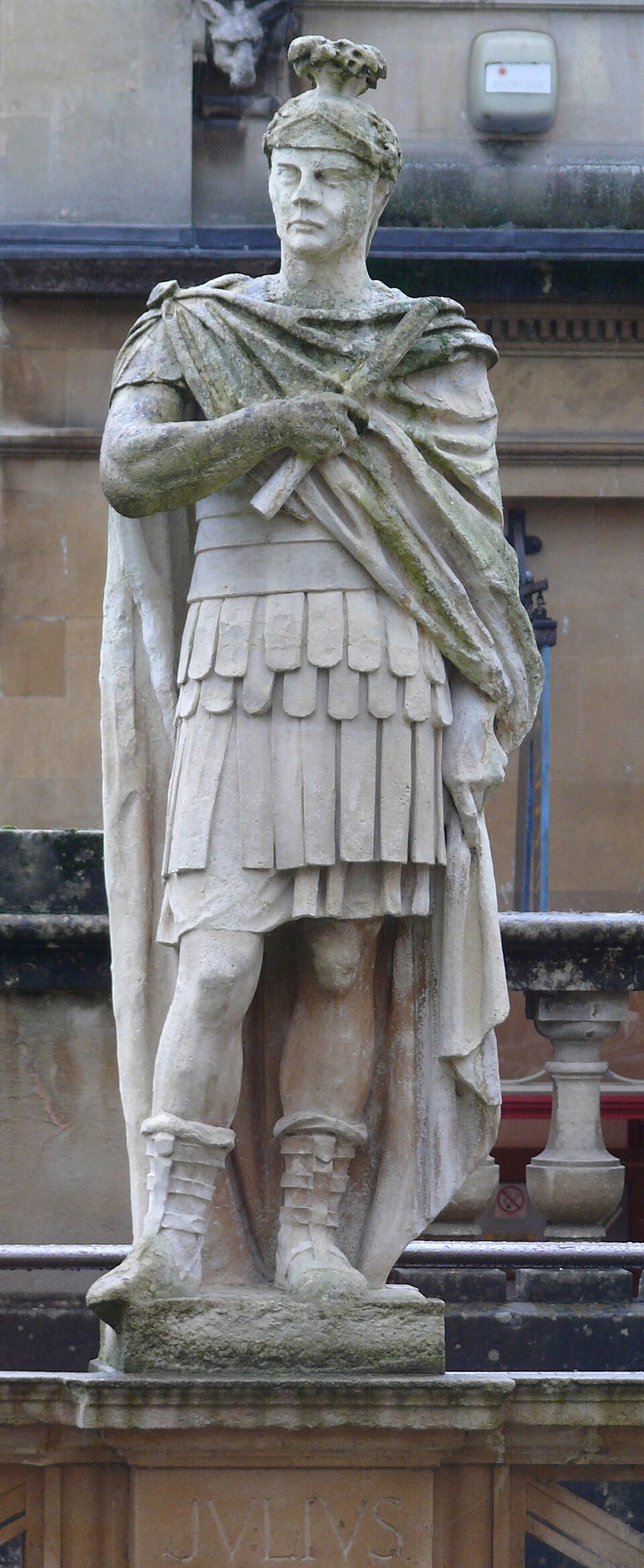
Portrait: Ad Meskens / Wikimedia Commons / CC BY-SA 3.0 Gnaeus Julius Agricola
Roman governor whose northern campaign prompted the fortress’s construction in AD 82 or 83.
Cultural influences
-
Inchtuthil was the only fortress in its network large enough to launch a Highland campaign, supported by Glenblocker forts and Gask Ridge towers.
Connections
-
Both are Roman forts in Perthshire, preserving the military network that controlled movement and supply through the Tay valley.
-

Photo: Niall Benvie / Wikimedia Commons / CC BY-SA 4.0 The fortress and ancient tree are landmarks in the same Tay valley landscape, linking Roman military occupation with later local tradition.
-

Photo: Gordon Hatton / Wikimedia Commons / CC BY-SA 2.0 Inchtuthil and the oak represent different layers of the historic Tay landscape, from Roman frontier infrastructure to natural and literary heritage.
Discovery & excavation
Excavation from 1952 to 1965 recovered the only complete plan of a Roman legionary fortress, including the 1960 discovery of a concealed pit of 875,400 nails.
What to look for
-
The complete plan
Nothing was ever built over Inchtuthil, which is why it yields the only full plan of a legionary fortress known anywhere in the Roman world. Every other example has a town or a city on top of it.
-
The empty praetorium plot
The large enclosure east of the headquarters was levelled and prepared for the commander's house, and then nothing was put on it. The fortress was abandoned before its most important residence was begun.
-
The undersized headquarters
The principia here is far smaller than a legionary fortress would normally have. It reads as a temporary structure, another sign of a base that was never finished.
-
The site of the nail pit
A concealed pit here held 875,400 iron nails and ten tonnes of ironwork, buried in the summer the legion left so the Caledonians could not have the metal.
Plan your visit
- Location
- 56.5410°N · 3.4240°W
- Nearest settlement
- Dunkeld
- Access
- Open access
- Terrain
- Moderate walking
- Time needed
- About 60 minutes
- Best time
- Daylight hours
- What survives
- A Roman legionary-fortress site whose undisturbed plan reveals barrack blocks, hospital, workshops, unfinished command plot and the buried nail pit.
Opening & admission
- Large Roman legionary fortress site on a natural platform above the Tay.
- The source is archaeological rather than visitor-oriented and gives no managed access route.
Nearby places

Ancient tree
Lady's Tree
Perth and Kinross
An osprey called Lady nested in this Scots pine for twenty-four years, laid 71 eggs and raised 50 chicks. The tree is named after the bird.
- Near Perth and Kinross

Ancient tree · Medieval
Birnam Oak
Perth and Kinross
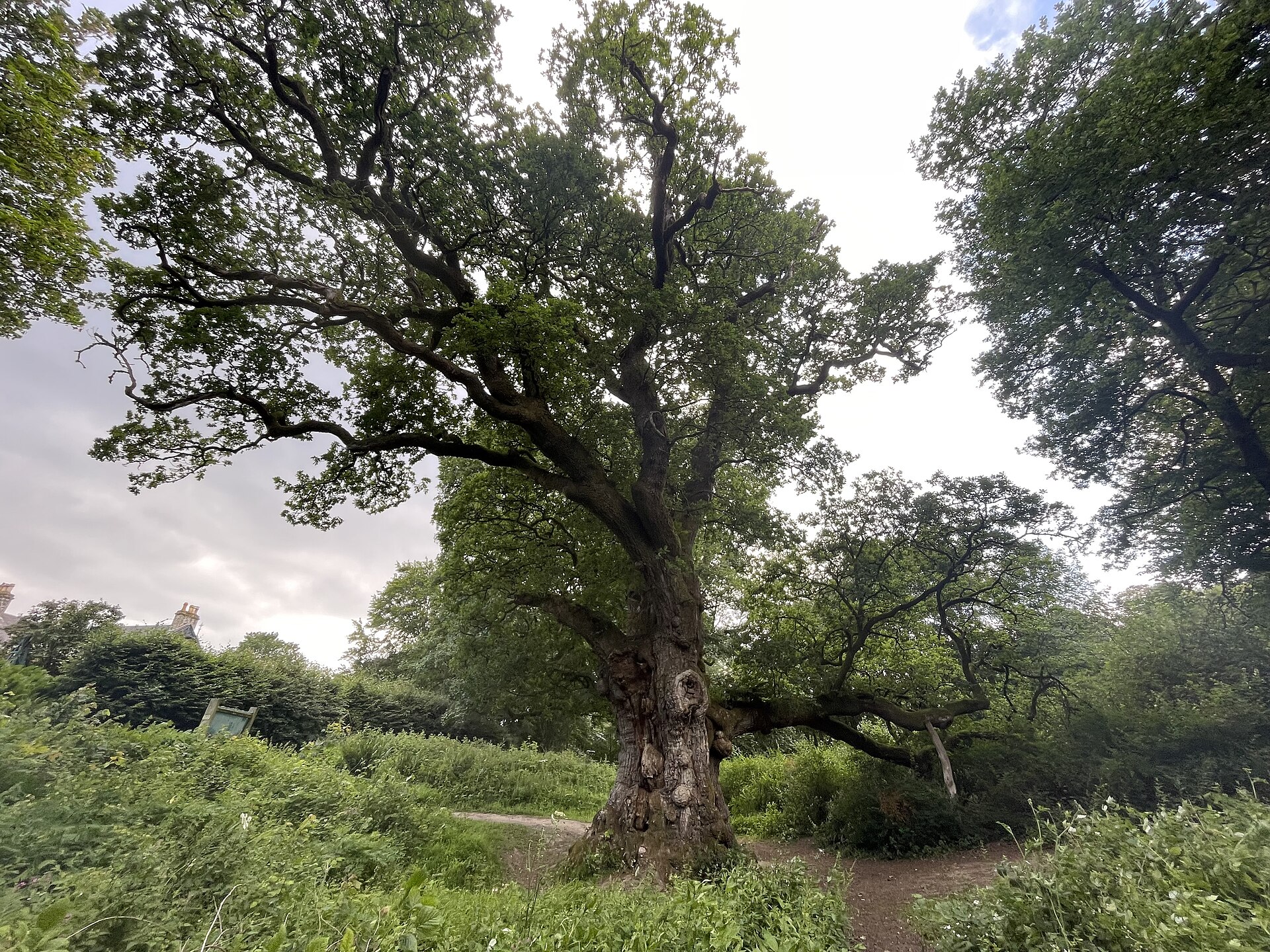
Birnam Oak, sometimes known as Macbeth's Oak, stands on the south bank of the River Tay and is associated with the surviving edge of Birnam Wood.
- Near Birnam
Ancient tree · Medieval
Birnam Sycamore
Perth and Kinross
Birnam Sycamore stands near Birnam Oak on the south bank of the River Tay and is associated with the surviving edge of Birnam Wood.
- Near Birnam

Sacred place · Medieval
Dunkeld Cathedral
Perth and Kinross
A cathedral begun in 1260 and finished in 1501, standing on a Columban monastery whose reused red sandstone still shows as a streak across the east…
- Near Dunkeld
Questions people ask
- Why is Inchtuthil important?
- Because it was never built over. Its layout survived intact until Sir Ian Richmond excavated between 1952 and 1965, and it provides the only complete plan of a legionary fortress anywhere in the Roman empire.
- What was the nail hoard?
- A concealed pit found in 1960 containing 875,400 complete iron nails weighing about 6.4 tonnes, along with cartwheel rims and other ironwork totalling ten tonnes. The Romans buried it when dismantling the fortress so the local tribes could not use the refined iron for weapons.
- How long was it occupied?
- Very briefly. It was built in AD 82 or 83 and evacuated around the summer of 86, certainly no later than early 87 — probably because Legio XX had to move south to replace a legion sent from Chester to the Danube. Recent archaeology has cast some doubt on how short the occupation really was.
- What happened to the nails?
- Many went to museums. Some were sold — five shillings for a nail of seven to ten inches, twenty-five shillings for a boxed set of five. David Colville and Sons sorted and stored them, finishing in 1963. Atomic scientists have since used them to estimate corrosion rates on nuclear waste containers.
Sources
The Ancient Codex, in your pocket
Get the Pocket Codex app
Carry the directory with you — Inchtuthil and thousands of ancient places across Britain and Ireland, offline, wherever you roam.