
Melrose’s 1645 market cross combines a restored seventeenth-century shaft with a nineteenth-century base and a weathered unicorn finial carrying the town’s mallet-and-rose emblems.
The cross in Melrose Market Square was raised in 1645, replacing an earlier cross on the same site. Its restored shaft and capital now stand on an octagonal stepped base added in the mid nineteenth century, so the monument visibly combines two phases of the town’s civic fabric.
The finial above is a heavily weathered unicorn holding a mallet and rose, emblems associated with Melrose. This small sculptural detail makes the cross more than a marker of the market place: it declares the identity of the burgh whose trading rights the monument represented.
Historic Environment Scotland lists the cross as LB37794 and records it as Scheduled Ancient Monument 1723. It remains visible in the square, where the surviving stonework offers a direct view of the seventeenth-century cross and its later rebuilding.
What follows is drawn from published sources, with each claim labelled by how firmly it is established.
History
The present cross dates from 1645 and replaced an earlier one on the same site. The sequence of two crosses on one spot is established, although the reason for the change is unknown. The shaft and capital of 1645 survive and have been restored. They now stand on an octagonal stepped base built in the middle of the nineteenth century, creating a visible meeting of seventeenth-century and Victorian stonework. Above the capital is a much-weathered finial representing a unicorn holding a mallet and a rose, the emblems associated with Melrose. The cross is Scheduled Ancient Monument number 1723 as well as listed.
Cultural influences
-
A burgh market cross carrying Melrose’s emblems
The 1645 cross marks Melrose’s market place and bears its mallet-and-rose emblems beneath a royal unicorn finial.
Connections
-
Melrose Market Square
The cross occupies the market square that gave it its civic purpose, marking the burgh’s market place and carrying the mallet-and-rose emblems associated with Melrose.
-
Melrose
The market cross is a civic monument of Melrose: its weathered unicorn finial bears the town’s mallet and rose, while the 1645 shaft marks the historic market centre.
What to look for
-
The unicorn finial
A unicorn holding a mallet and a rose, heavily weathered — the emblems are those associated with Melrose itself.
-
The junction of old and new stone
The shaft and capital of 1645 sit on an octagonal stepped base built in the middle of the nineteenth century.
Plan your visit
- Location
- 55.5973°N · 2.7193°W
- Access
- Visible from a public way
- Terrain
- Easy going
- Time needed
- About 15 minutes
- What survives
- The 1645 shaft and capital have been restored, but the unicorn finial and its mallet and rose are heavily weathered; the base is nineteenth-century.
Nearby places
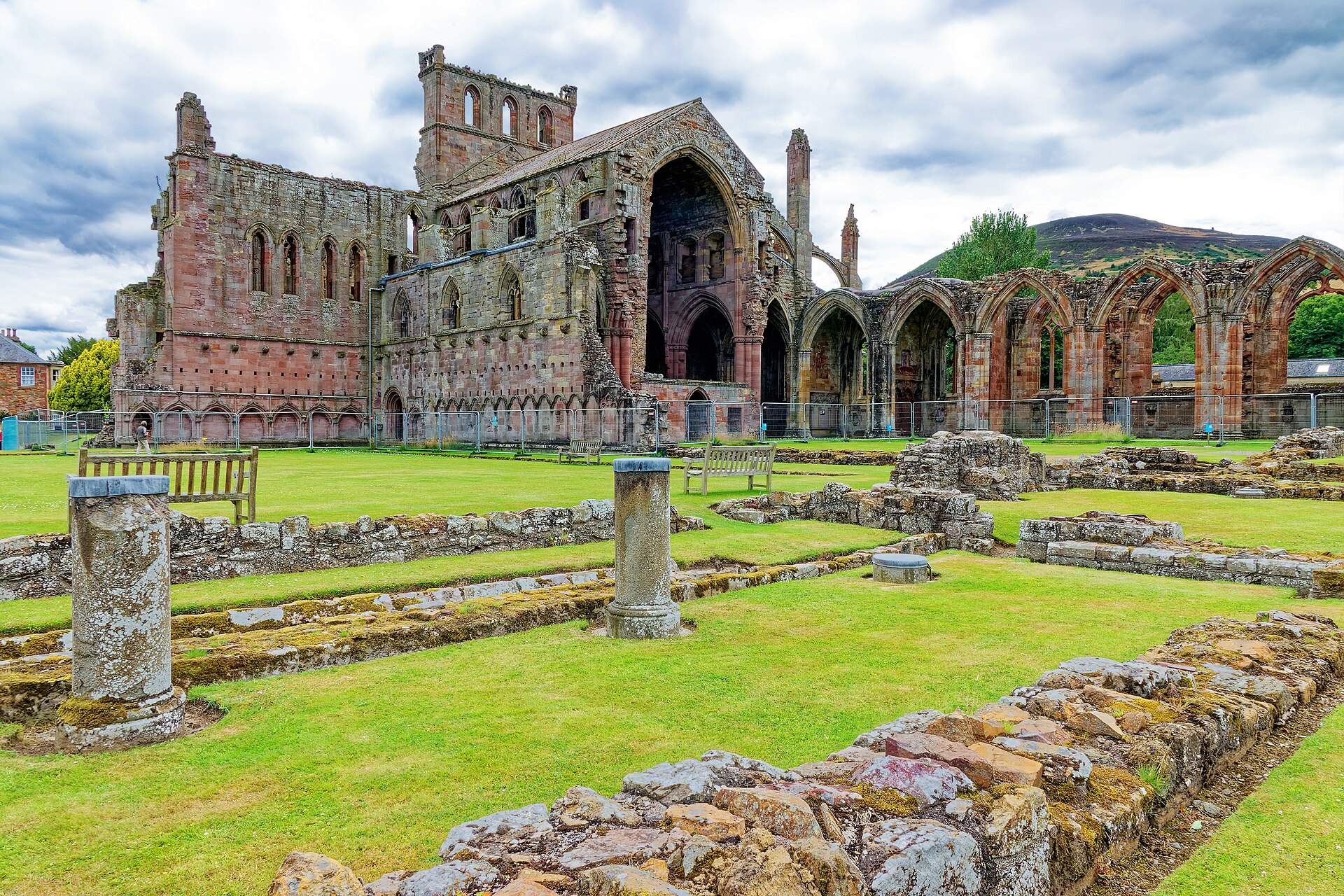
Building or ruin · Medieval
Melrose Abbey
Scottish Borders
St Mary's Abbey, Melrose was founded in 1136 by Cistercian monks at the request of King David I of Scotland: the first Cistercian abbey in Scotland…
- Near Melrose
- 2 min walk from car park
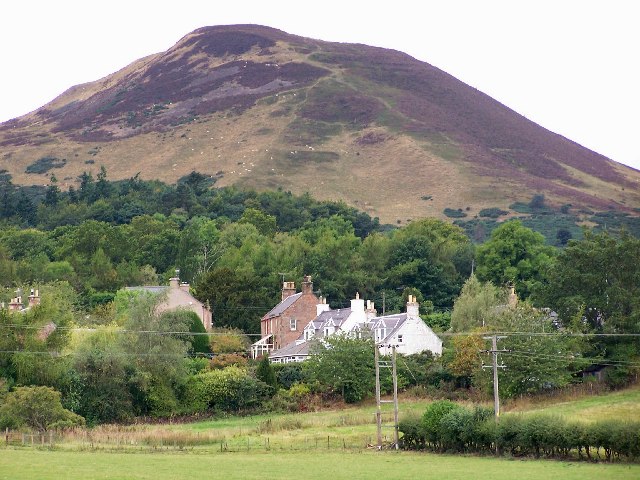
Fortified place · Iron Age
Eildon Hill North Hillfort
Scottish Borders
Excavation has shown the hillfort: a defended settlement on high ground: was occupied by 1000 BC, in the Bronze Age, roughly 2500–800 BC, when meta…
- Near Melrose
- 1.7 km from car park
- Some walking
Fortified place · Iron Age
Eildon Hill
Scottish Borders
Nearly 300 house platforms cut into a volcanic hilltop make this one of the largest hillforts known in Scotland: later crowned by a Roman signal to…
- Rough ground
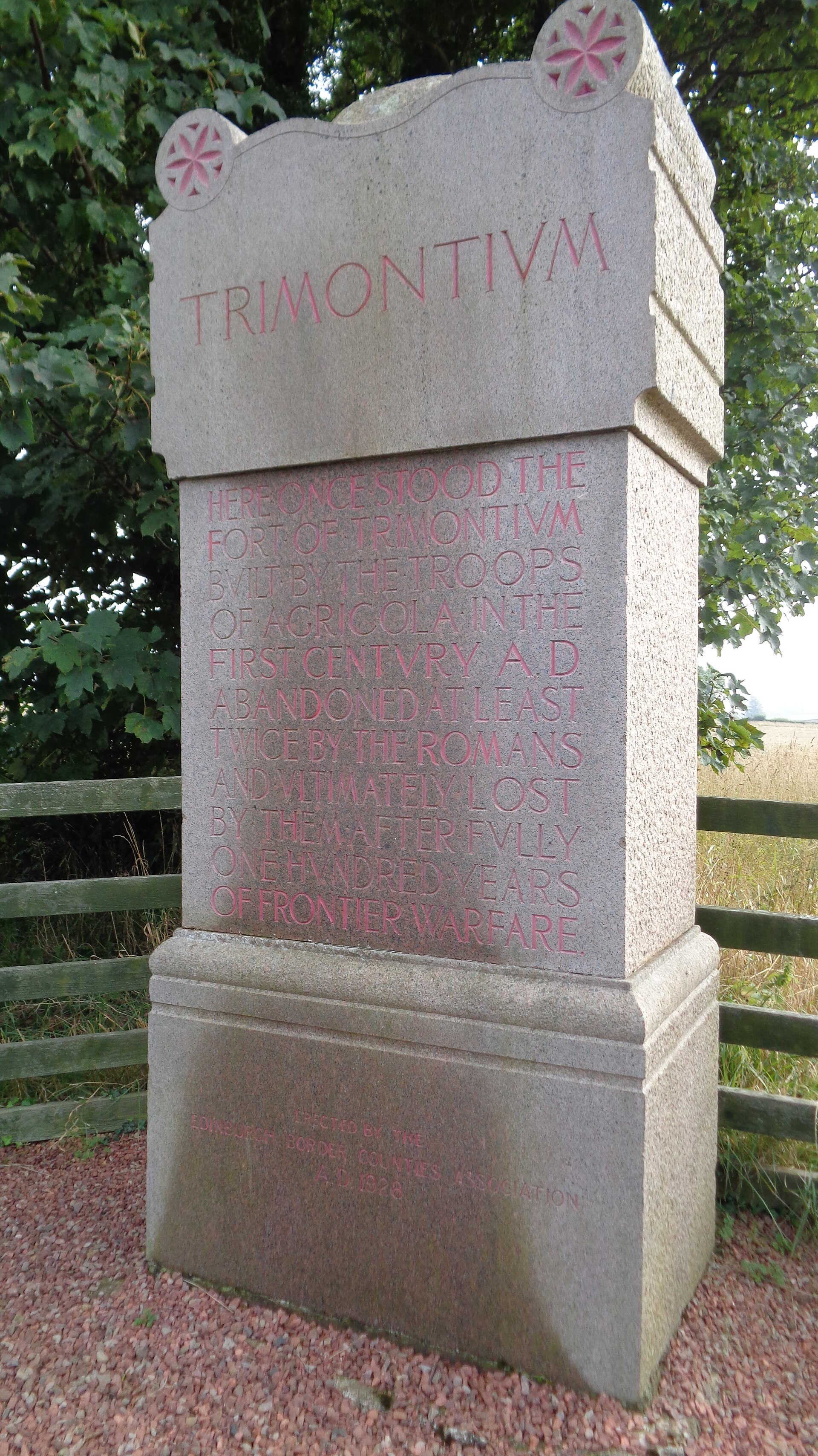
Fortified place · Roman
Trimontium (Newstead)
Scottish Borders
One of the largest caches of Roman military finds in Britain: arms and armour from 117 pits: came from a fort that was, briefly, the empire's most…
- Easy path
The setting
East Port in Melrose, a street beside the Market Square.
Photo: Jim Barton / Wikimedia Commons / CC BY-SA 2.0
High Street in Melrose, looking down through the town centre.
Photo: David Lally / Wikimedia Commons / CC BY-SA 2.0
Questions people ask
- How old is the Melrose market cross?
- The shaft and capital date from 1645, replacing an earlier cross. The stepped base beneath them is of the mid nineteenth century.
- What is on top of the cross?
- A finial representing a unicorn with a mallet and a rose, now much wasted by weathering.
- Is the cross protected?
- Yes. It is Scheduled Ancient Monument number 1723 as well as being listed.
Sources

The Ancient Codex, in your pocket
Get the Pocket Codex app
Carry the directory with you — Market Cross, Market Square, Melrose and thousands of ancient places across Britain and Ireland, offline, wherever you roam.