
Wormiston’s early-seventeenth-century pigeon house preserves a more ambitious estate structure than most Fife doocots, with twin chambers, a vaulted basement and surviving stone nest boxes.
A doocot — a dovecote, a stone house for pigeons kept for winter meat — stands harled at Wormiston House in Crail parish. Two chambers sit above a vaulted basement, a heavier and costlier build than the single-chamber examples more common across the county. Probably early seventeenth-century, it predates most of Fife’s surviving pigeon houses by a hundred years.
A rat course runs beneath the walls, and the crowstepped gabled roof carries swept dormer entries worked directly into the stonework. Stone nesting boxes survive inside, physical evidence of the building’s original purpose. No named builder or later repair history survives in the record.
Historic Environment Scotland listed the doocot Category A on 24 November 1972. Its double chamber and vaulted basement mark it out among Fife’s doocots, most of which manage with a single room and no undercroft at all.
What follows is drawn from published sources, with each claim labelled by how firmly it is established.
History
Wormiston Doocot, in Crail parish on the East Neuk coast, is probably early seventeenth-century work — older than most of Fife's surviving doocots, the bulk of which were built during the following century's boom in estate pigeon-keeping. Two internal chambers sit over a vaulted basement, a sturdier and more expensive build than the single-chamber doocots common elsewhere in the county.
A rat course, a projecting stone ledge meant to stop rodents climbing to the nest boxes, runs beneath the harled walls, and the crowstepped gabled roof carries swept dormer entries rather than plain openings cut into the slope — the same dormer treatment found at other Fife doocots of the period, here worked directly into the stonework rather than added as a later alteration. Stone nesting boxes survive inside the building, direct physical evidence of its original purpose as a working pigeon house rather than an inference drawn only from its external shape and proportions.
Historic Environment Scotland listed the doocot Category A on 24 November 1972, recording it at grid reference NO 61006 09603. No named builder, bibliography or later repair history survives anywhere in the record, so the building's own surviving fabric carries almost all of the evidence for its history.
Cultural influences
-
The doocot formed part of the historic Wormistone House estate, supplying pigeons from a more substantial two-chamber structure.
Connections
-

Photo: Tom Parnell / Wikimedia Commons / CC BY-SA 4.0 Wormistone House
The doocot stands within the historic Wormistone House estate, where its two chambers and vaulted basement reveal the food-producing infrastructure that supported the house.
Discovery & excavation
The vaulted basement, twin chambers, stone nesting boxes, rat course and swept dormers identify this early seventeenth-century pigeon house.
What to look for
-
Seventeenth-century
The listing places the doocot in the seventeenth century, among the earlier surviving examples on a Fife estate.
-
Part of the Wormiston group
The building belongs with Wormiston House rather than standing alone, and its interest is as one component of an estate that kept its own food supply.
-
A restricted privilege
The right to keep a doocot was not open to everyone. Its presence on an estate is a statement about the owner's rank as much as a practical arrangement for winter meat.
-
Stone nesting boxes
The surviving stone boxes are the clearest evidence of the building’s former purpose.
Plan your visit
- Location
- 56.2773°N · 2.6313°W
- Access
- Visible from a public way
- Time needed
- About 30 minutes
- Best time
- Visit in daylight and dry conditions, when the dovecot and surrounding setting can be viewed safely.
- What survives
- The early seventeenth-century doocot survives with a vaulted basement, two chambers, crowstepped roof and stone nesting boxes.
- Facilities
- No dedicated visitor facilities are documented at the dovecot; plan to use facilities in nearby settlements.
Opening & admission
No formal visitor admission is published.
- Historic Environment Scotland lists the doocot as part of the Wormiston House estate but does not publish opening hours.
- View it only from public access and do not enter private land.
Nearby places
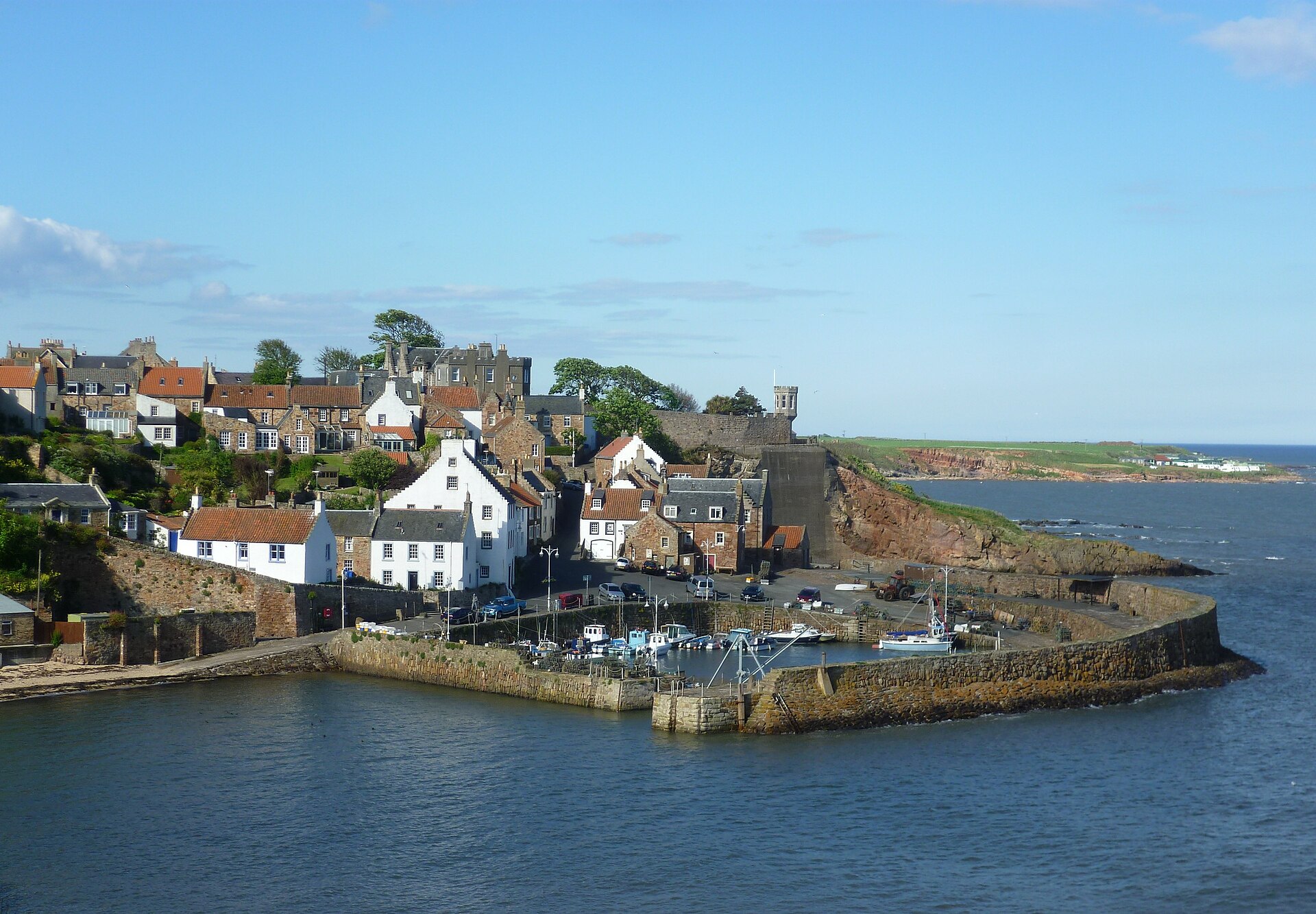
Fortified place · Medieval
Crail Castle
Fife
Crail Castle survives mostly as a moat and a short wall, but its records connect a vanished royal castle to the early history of one of Fife’s medi…

Sacred place · Medieval
St Fillan's Cave and Well, Pittenweem
Fife
St Fillan’s Cave is the sacred core of Pittenweem’s ‘place of the caves’ identity, linking an early Christian site, an Augustinian monastery and th…
- Near St Andrews
Minor monument · Medieval
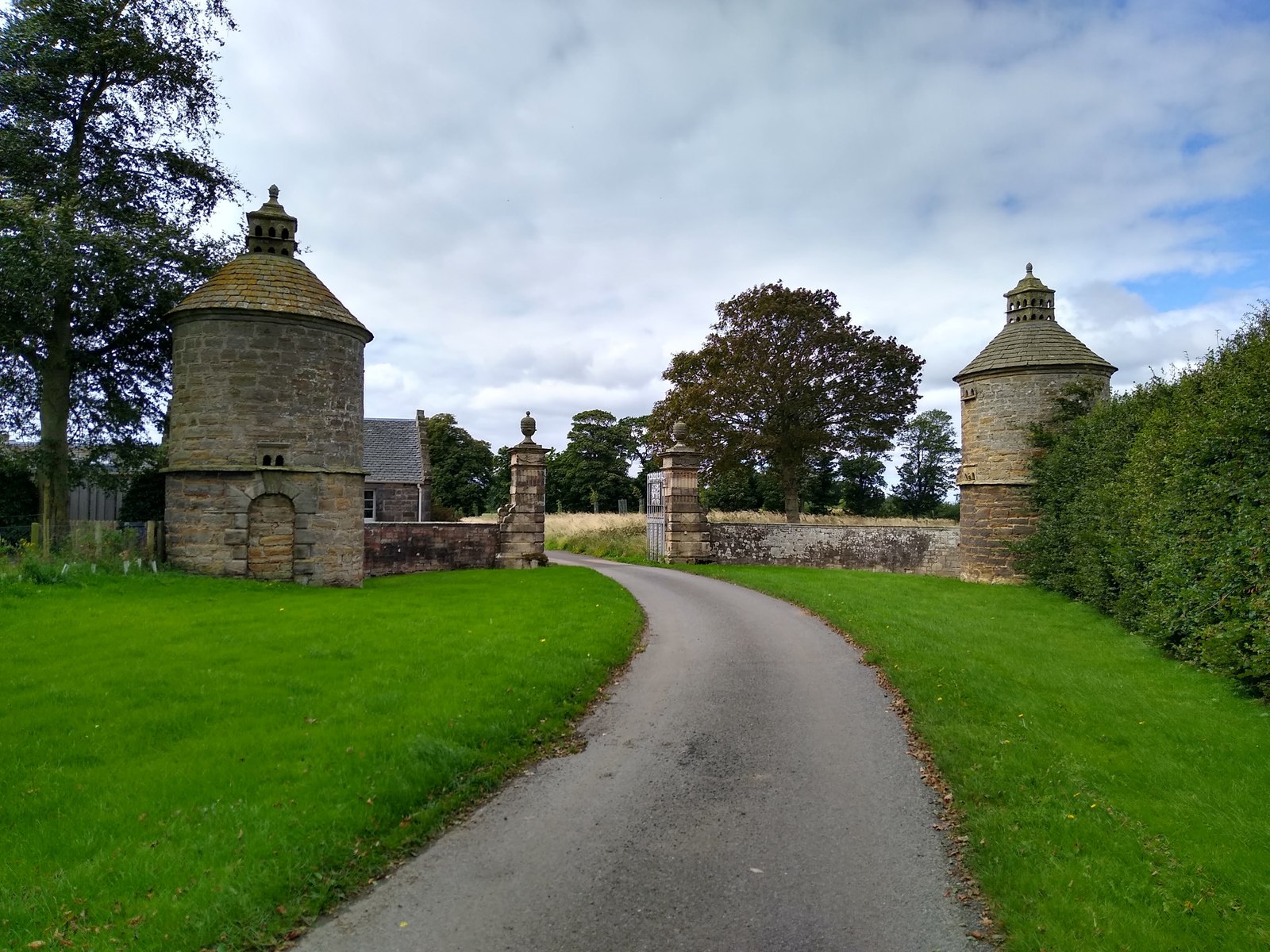
Gate Piers And Twin Dovecots, East Lodge, Balcaskie House
Fife
Balcaskie’s paired dovecots turn an estate entrance into architecture, combining 1714–45 gate piers, bird houses and later Lorimer ironwork in one…

Fortified place · Medieval
Kellie Castle
Fife
Kellie Castle brings together a 14th-century Fife tower house and an exceptional Arts and Crafts revival, preserving Lorimer family art, interiors…
The setting
Near Dovecot, Wormistone House, about 62 metres away.
Photo: Tom Parnell / Wikimedia Commons / CC BY-SA 4.0
Near Dovecot, Wormistone House, about 62 metres away.
Photo: Tom Parnell / Wikimedia Commons / CC BY-SA 4.0
Questions people ask
- When was it built?
- It probably dates from the early seventeenth century.
- What survives inside?
- Stone nesting boxes survive.
- What is the building’s plan?
- It is a rectangular double-chamber structure with a vaulted basement.
Sources
- Canmore site 35335
- Historic Environment Scotland — Wormiston Doocot, LB4329
- Historic Environment Scotland — Wormiston Doocot, LB4329
Explore more: Minor monuments · Medieval · Fife
The Ancient Codex, in your pocket
Get the Pocket Codex app
Carry the directory with you — Dovecot, Wormistone House and thousands of ancient places across Britain and Ireland, offline, wherever you roam.