Fortified place · Iron Age
Norman's Law Hillfort
Fife
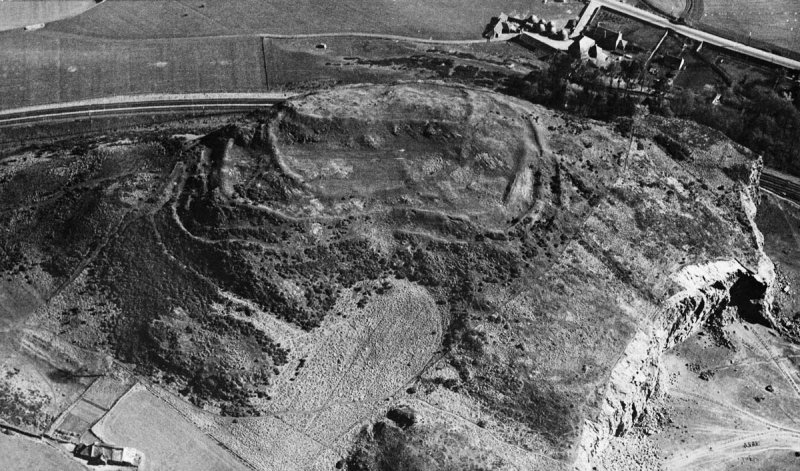
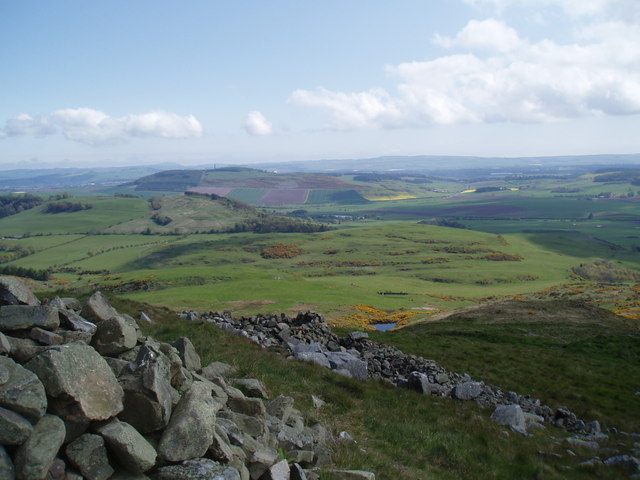
Two concentric stone ramparts enclosing roughly four hectares mark this as a hillfort (an upland enclosure defended by earthen banks) community of…
- Near St Andrews
- Rough ground
Scotland · Region
32 places in Fife, from the deepest prehistory to the medieval world.
Fortified place · Iron Age
Fife
Two concentric stone ramparts enclosing roughly four hectares mark this as a hillfort (an upland enclosure defended by earthen banks) community of…
Ancient tree · Medieval
Fife
Queen Mary’s Thorn keeps royal memory alive in St Andrews through a living tree, while the absence of contemporary evidence makes its famous planti…
Ancient tree · Medieval
Fife
The Balmerino Sweet Chestnut makes former monastic grounds a record of living heritage: inventory data, exceptional girth and national tree designa…
Fortified place · Medieval
Fife
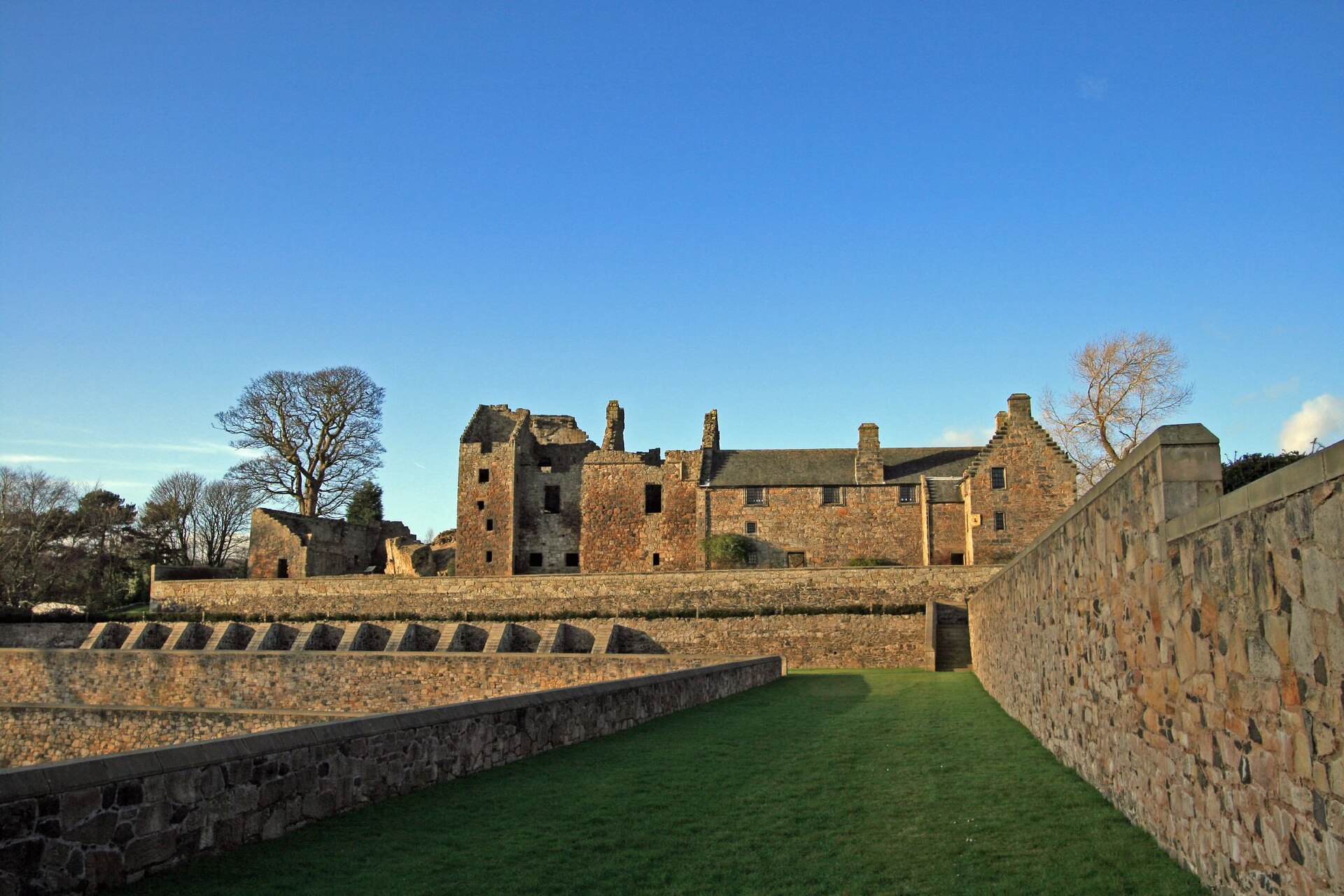
Aberdour Castle and Gardens combine one of Scotland’s oldest datable standing castles with a 400-year architectural sequence and terraced gardens t…
Building or ruin · Medieval
Fife
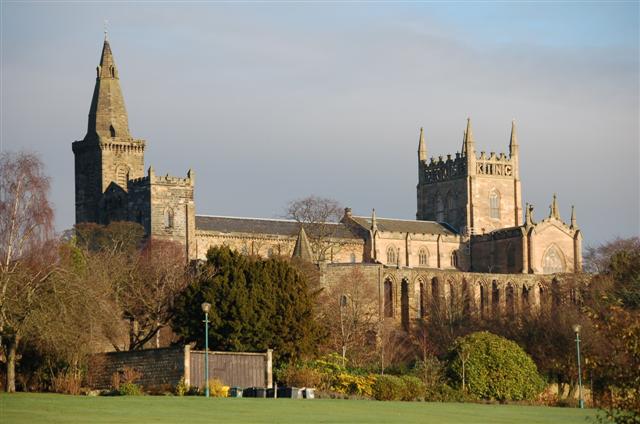
Dunfermline Abbey combines one of Scotland’s great round-arched churches, built before the Gothic style, with the country’s richest concentration o…
Building or ruin · Pictish & early medieval
Fife
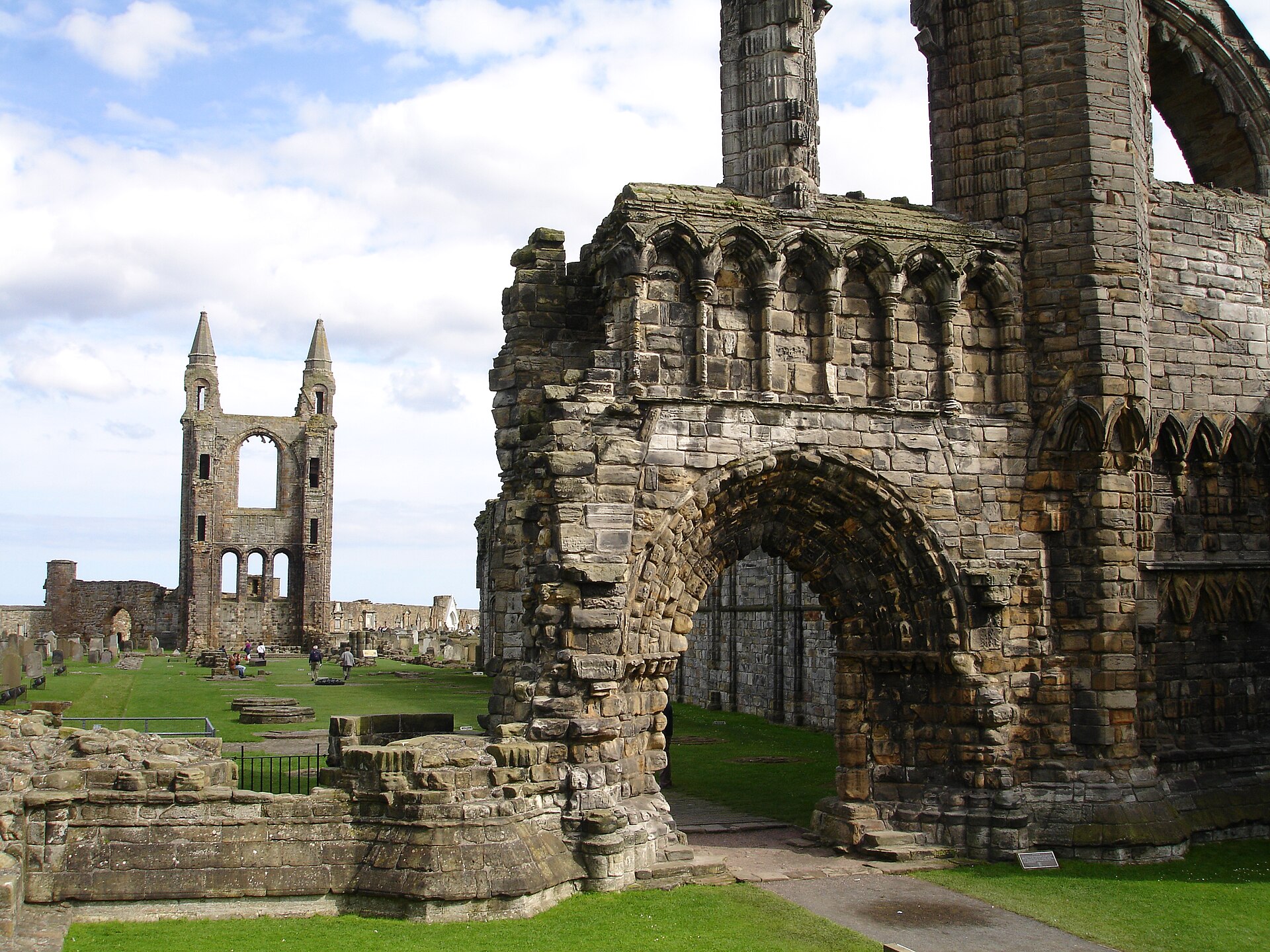
The Cathedral of St Andrew was founded in 1158 to provide more accommodation than the older church of St Regulus (St Rule) afforded, and became the…
Minor monument · Medieval
Fife
Creich’s 1723 pigeon house is an unusually formal castle lean-to, where twin chambers, rat-proofing and dormer entries make estate food production…
Minor monument · Medieval
Fife
Wormiston’s early-seventeenth-century pigeon house preserves a more ambitious estate structure than most Fife doocots, with twin chambers, a vaulte…
Minor monument · Medieval
Fife
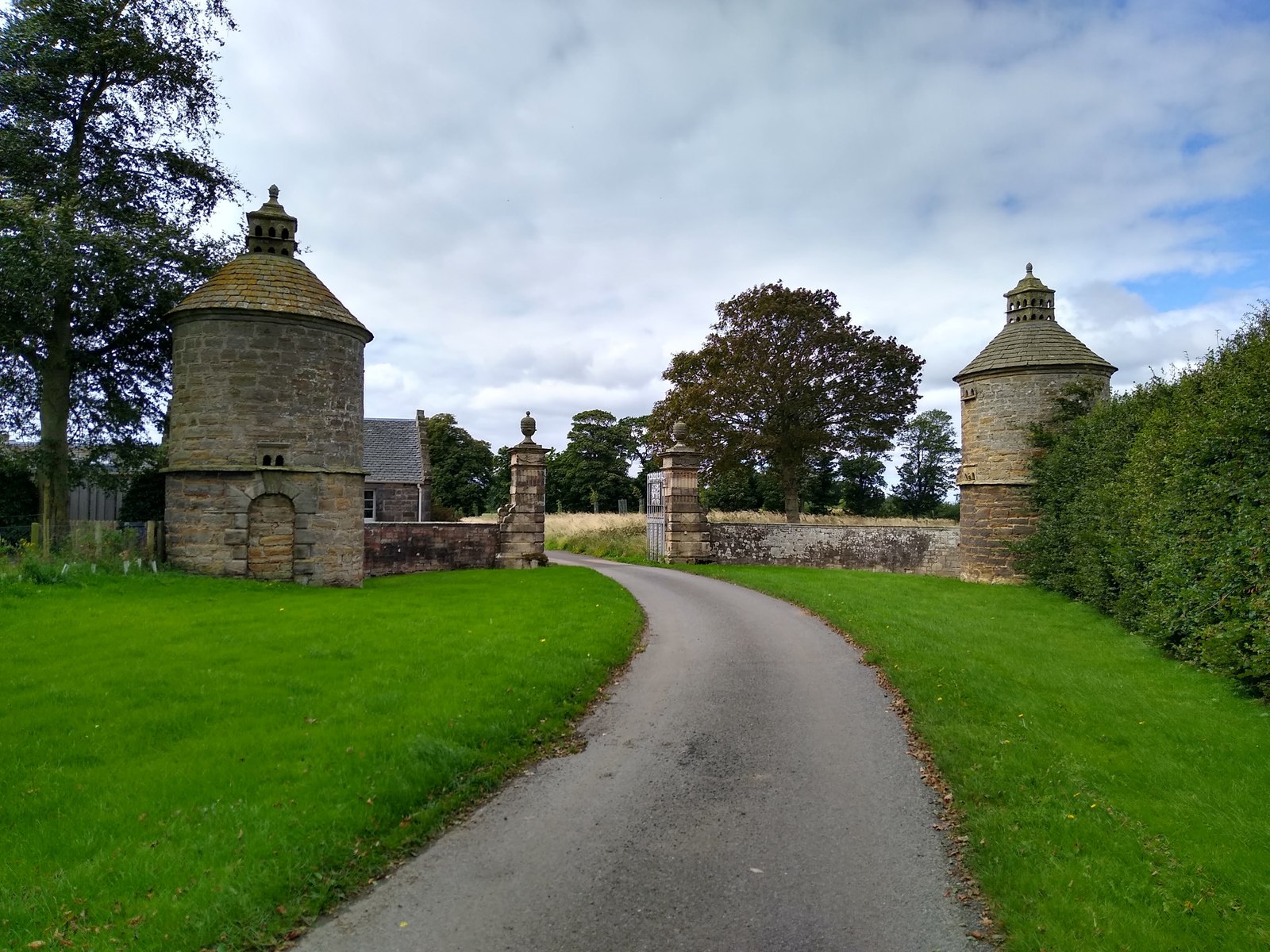
Balcaskie’s paired dovecots turn an estate entrance into architecture, combining 1714–45 gate piers, bird houses and later Lorimer ironwork in one…
Minor monument · Medieval
Fife
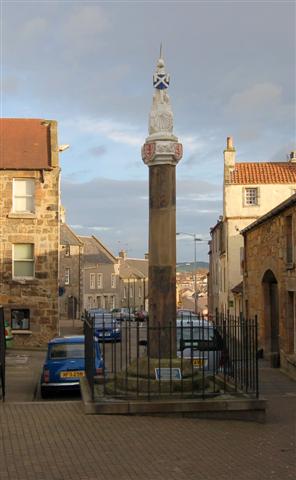
Inverkeithing’s market cross, the stone cross marking a burgh’s right to hold a market, carries centuries of civic self-image: royal heraldry and a…
Minor monument · Medieval
Fife
Culross’s market cross visibly joins a 1588 trading privilege to Edwardian civic revival, its original stepped base supporting a 1902 shaft, arms a…
Carved stone · Pictish & early medieval
Fife
The Abdie Stone is a rare Class I Pictish (of the Picts, the people of northern and eastern Scotland from about AD 300 to 900) monument in Fife who…
Sacred place · Prehistoric
Fife
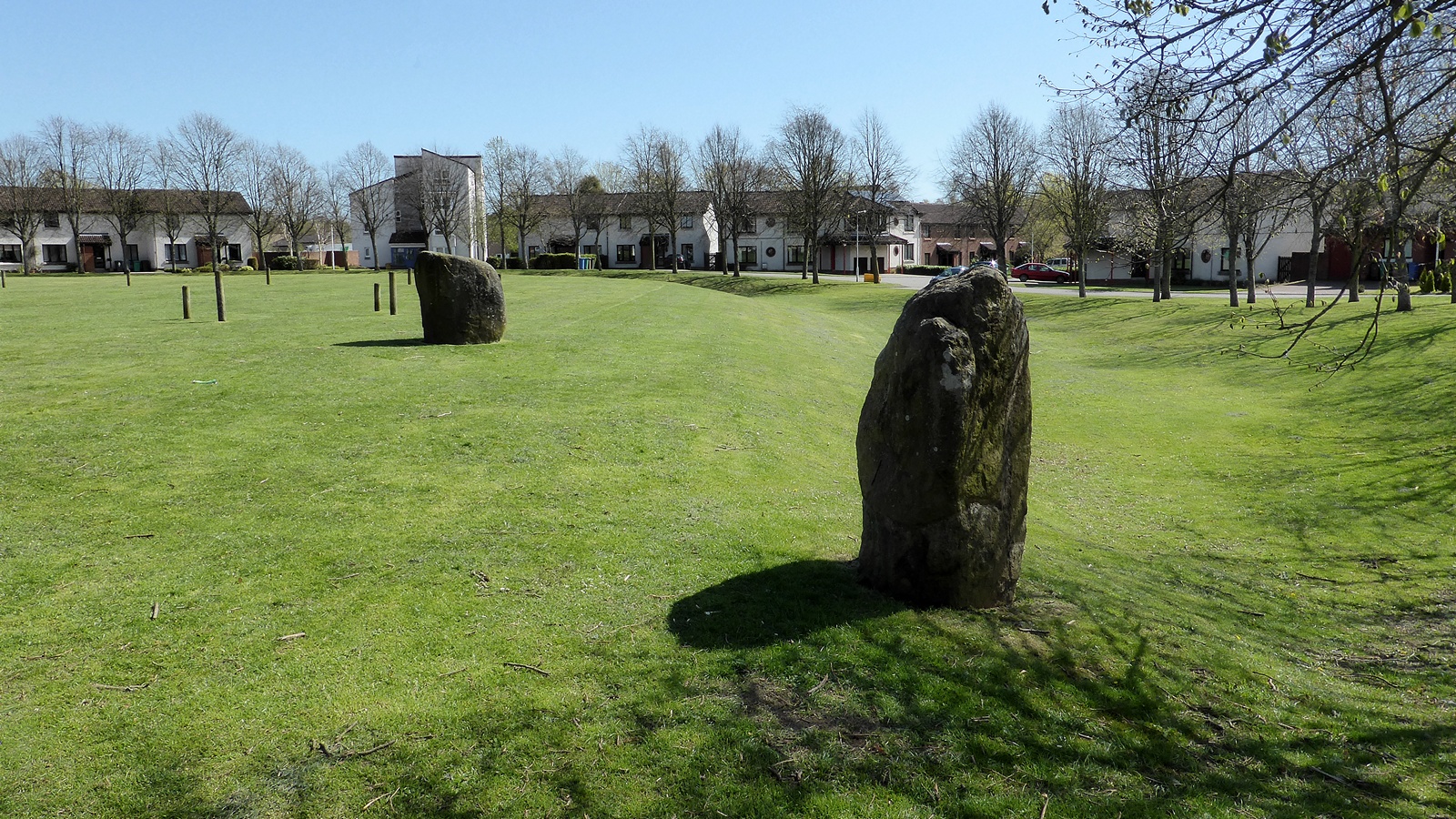
A circle of which only five stones stood when excavation began in 1970, four more stumps and a tenth socket being found beneath.
Sacred place · Prehistoric
Fife
Balfarg preserves a multi-phase Neolithic (the late Stone Age, about 4000–2500 BC in Britain) ceremonial landscape within modern Glenrothes, includ…
Fortified place · Medieval
Fife
Balgonie Castle shows five centuries of incremental change, from a 14th-century tower house to a restored residence within the remains of a 17th-ce…
Sacred place · Medieval
Fife
Balmerino Abbey preserves rare Cistercian fabric on the Fife coast, including a vaulted chapter house, after centuries of destruction, residential…
Fortified place · Iron Age
Fife
Clatchard Craig was an important stronghold of the Picts, the people of northern and eastern Scotland from about AD 300 to 900, with evidence of el…
Fortified place · Medieval
Fife
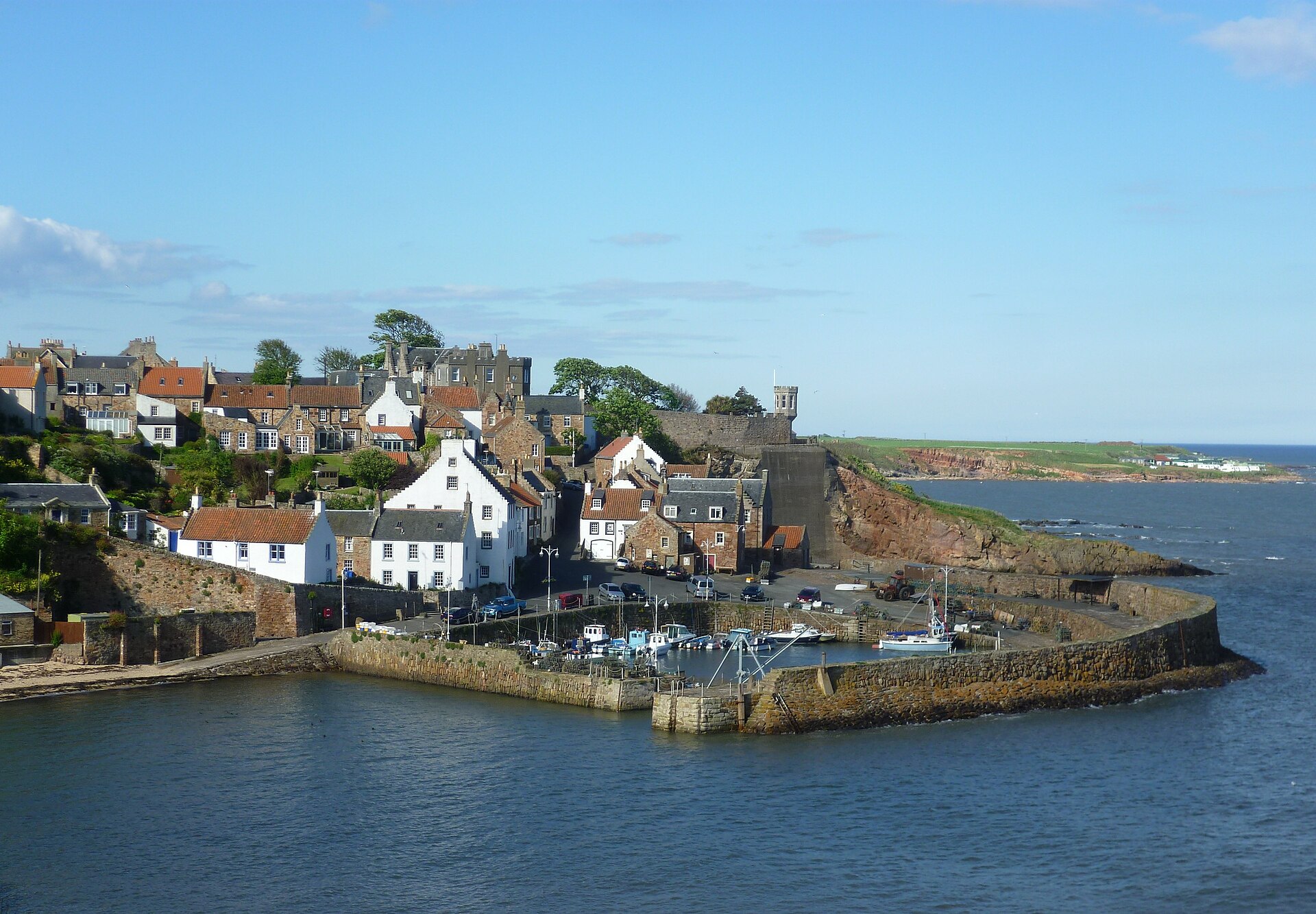
Crail Castle survives mostly as a moat and a short wall, but its records connect a vanished royal castle to the early history of one of Fife’s medi…
Fortified place · Medieval
Fife
Dairsie gathers Fife’s ecclesiastical, royal and civil-war histories in one tower: a bishop’s estate, a besieged refuge for Mary’s jewels, and a re…
Fortified place · Medieval
Fife
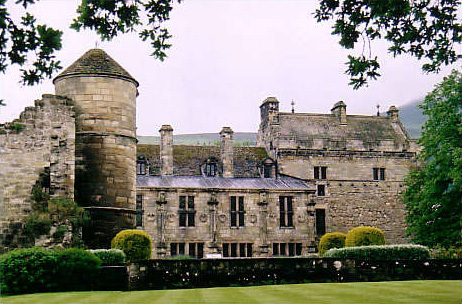
Falkland Palace is a major Scottish royal residence where a medieval hunting castle became a French Renaissance court, retaining the world’s oldest…
Sacred place · Medieval
Fife
Inchcolm Abbey is Scotland’s most complete surviving monastic complex, preserving an Augustinian island community whose buildings also reveal the F…
Fortified place · Medieval
Fife
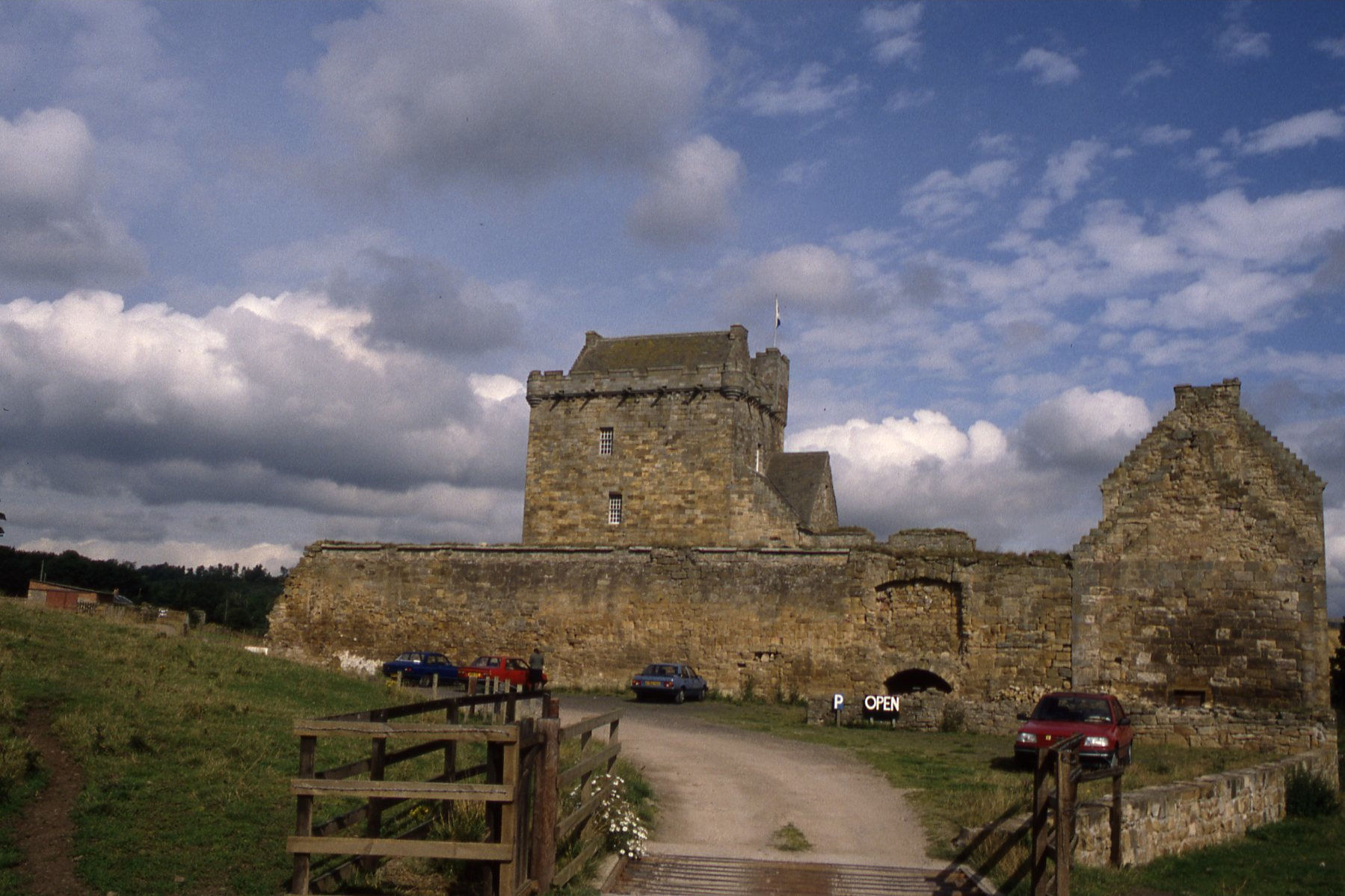
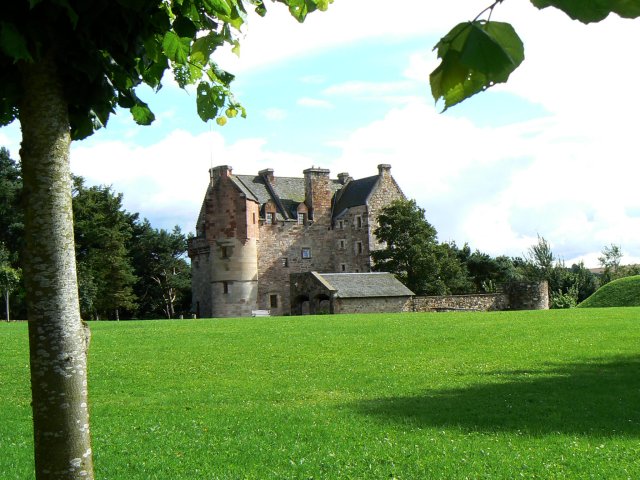
Kellie Castle brings together a 14th-century Fife tower house and an exceptional Arts and Crafts revival, preserving Lorimer family art, interiors…
Fortified place · Medieval
Fife
MacDuff’s Castle preserves the changing fortunes of Fife’s medieval elite, from the MacDuff earls and Wemyss family to Colville rebuilding, while i…
Fortified place · Medieval
Fife
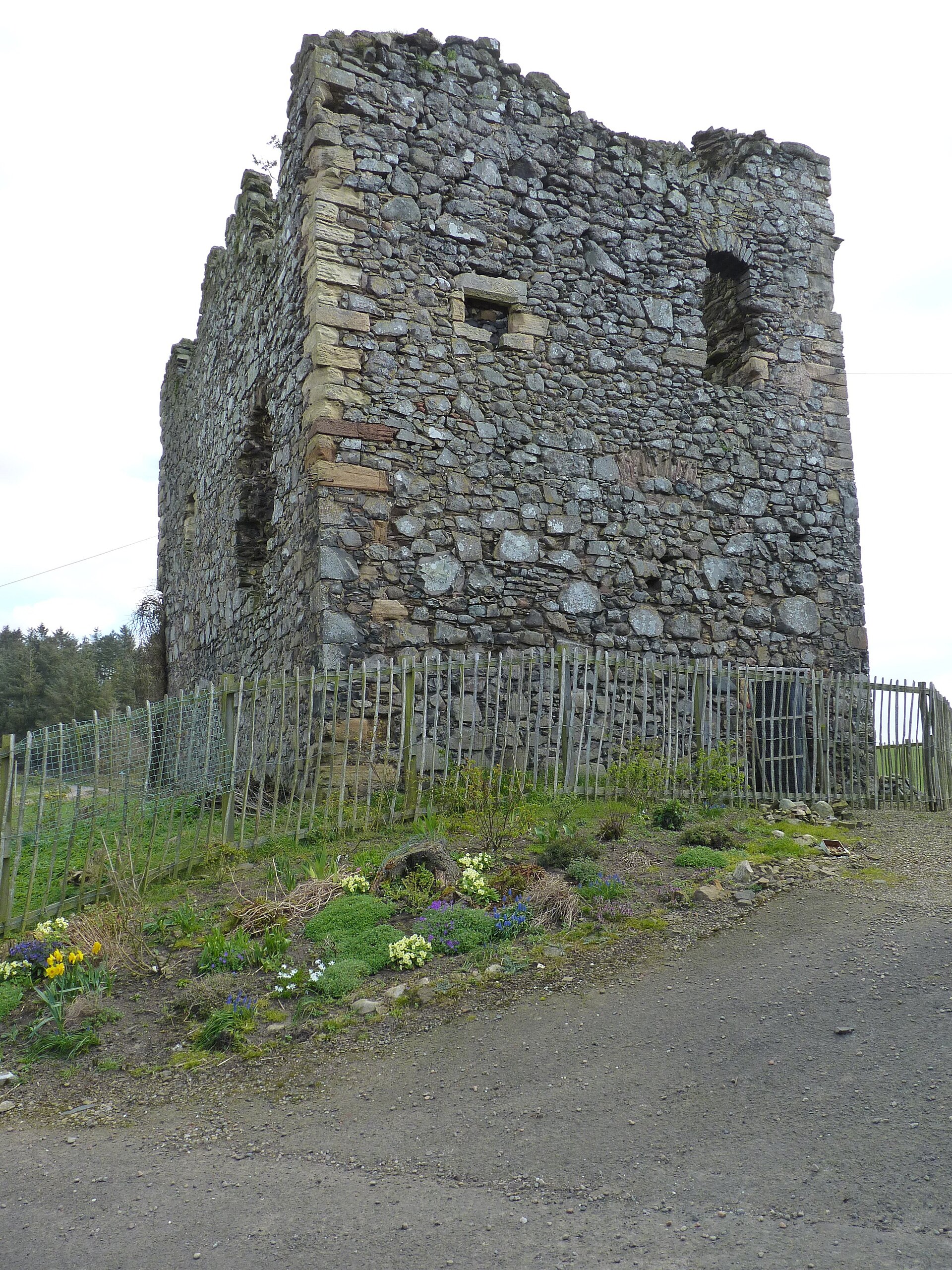
Scotstarvit Tower is a remarkably intact six-storey Fife tower house, recording the transition from an Inglis family residence to Sir John Scot’s l…
Fortified place · Medieval
Fife
St Andrews Castle was the palace and prison of Scotland’s bishops, a frontline fortress in the Wars of Independence and Reformation (the sixteenth-…
Sacred place · Medieval
Fife
St Fillan’s Cave is the sacred core of Pittenweem’s ‘place of the caves’ identity, linking an early Christian site, an Augustinian monastery and th…
Building or ruin · Medieval
Fife
One of the few surviving structures from the East Neuk's vanished salt-panning industry, and today the site of a modern revival of the same craft n…
Sacred place · Medieval
Fife
Wemyss Caves preserve rare northern symbols from the period after Roman rule, Christian carvings and evidence of ritual use along Fife’s coast.
Briefer entries: recorded and worth knowing, with fuller pages to come.
Fortified place · Iron Age
Fife
Norman’s Law pairs a scheduled defended settlement dating from from around 800 BC up to the Roman conquest with commanding views over Fife, the Tay…
No places match those filters.

.jpg?width=800)

_Cross_03.jpg?width=800)