The Balmerino Sweet Chestnut makes former monastic grounds a record of living heritage: inventory data, exceptional girth and national tree designations document its status without inventing an age.
A sweet chestnut stands in the grounds of Balmerino Abbey, a monastery headed by an abbot, above the south shore of the Tay in Fife, its trunk 6.30 metres round at chest height. That measurement is the only hard number anyone has published about it, and the rest of what is known is a matter of names and categories rather than dates.
The Woodland Trust’s Ancient Tree Inventory carries it as record 180. The species is Castanea sativa, the sweet chestnut; the form is maiden, meaning a single stem never pollarded or cut back to a stool, so the tree’s shape is its own growth rather than the result of management. Its veteran status is recorded as ancient. Beyond the inventory it is listed as a Heritage Tree and counted among Scotland’s Trees of National Special Interest.
What no record supplies is an age. There is no documented planting date and no published measurement of years, and the record itself is explicit that the tree’s fuller history is not independently confirmed. The girth is left to stand on its own.
The link to the abbey is one of position. The tree grows inside the abbey grounds and is identified by that setting in both the inventory entry and the surviving photograph, which is captioned as a Spanish chestnut in the grounds of Balmerino Abbey. Nothing in the record connects its planting to the abbey’s community.
What follows is drawn from published sources, with each claim labelled by how firmly it is established.
The name
The name is a descriptive modern record name: a sweet chestnut (Castanea sativa) identified by its setting in the grounds of Balmerino Abbey.
History
The tree enters the modern record through the Woodland Trust's Ancient Tree Inventory, which holds it as record 180 under the name it is known by locally, the Balmerino Sweet Chestnut, and places it at Balmerino in Fife at grid reference NO3587124676. The inventory gives the species as Castanea sativa, the form as maiden — a single-stemmed tree, neither pollarded nor coppiced — and the veteran status as ancient. That last is the inventory's own classification of condition and character, not an estimate of years.
One measurement has been published: a girth of 6.30 metres taken at a height of 1.50 metres. It is the only hard figure the record carries, and the inventory does not convert it into an age. No planting date is documented for this tree, and no measured or independently confirmed age has been published, so its years remain genuinely unknown rather than merely uncertain. The tree is recorded as standing and alive.
Two designations sit on the tree beyond its inventory entry. It is listed as a Heritage Tree, and it is included among Scotland's Trees of National Special Interest. Neither is dated in the records available here, and neither carries an account of why this particular chestnut was selected, so both are recorded as the standing they confer rather than as evidence of the tree's history.
What ties the tree to Balmerino Abbey is setting rather than any documented event. It stands within the abbey grounds, and it is by that position that both the inventory entry and the surviving photograph identify it — the photograph captioned as a Spanish chestnut in the grounds of Balmerino Abbey. No record connects the planting to the abbey's religious community, and none is claimed here.
Cultural influences
-
Its position in the abbey grounds gives the ancient chestnut its principal historical setting, though no evidence connects its planting to the medieval religious community.
Connections
-

Photo: Cb43569 at English Wikipedia / Wikimedia Commons / CC0 The sweet chestnut stands in the grounds of Balmerino Abbey, a living landmark beside the medieval ruins and an enduring part of the abbey precinct’s landscape.
Discovery & excavation
The tree is documented in the Woodland Trust Ancient Tree Inventory as record 180, classified as an ancient, living, single-stemmed maiden tree.
What to look for
-
The girth
Six point three metres round at chest height — the single published measurement, and the only quantity in the whole record.
-
A maiden stem
The trunk rises on one stem. The inventory records the form as maiden, meaning the tree was never pollarded or cut back to a stool, so its shape is its own rather than the product of management.
Plan your visit
- Location
- General area near Balmerino, Fife
- Nearest settlement
- Balmerino
- Access
- Reached on a public path
- What survives
- Living-tree condition and access should be checked against current local guidance before any visit copy is expanded.
This is a sensitive or fragile site, so we show only its general area. Please check official heritage sources for access before visiting, and take care not to disturb it.
Nearby places

Sacred place · Medieval
Balmerino Abbey
Fife
Balmerino Abbey preserves rare Cistercian fabric on the Fife coast, including a vaulted chapter house, after centuries of destruction, residential…
Minor monument · Medieval
Dovecot, Creich Castle
Fife
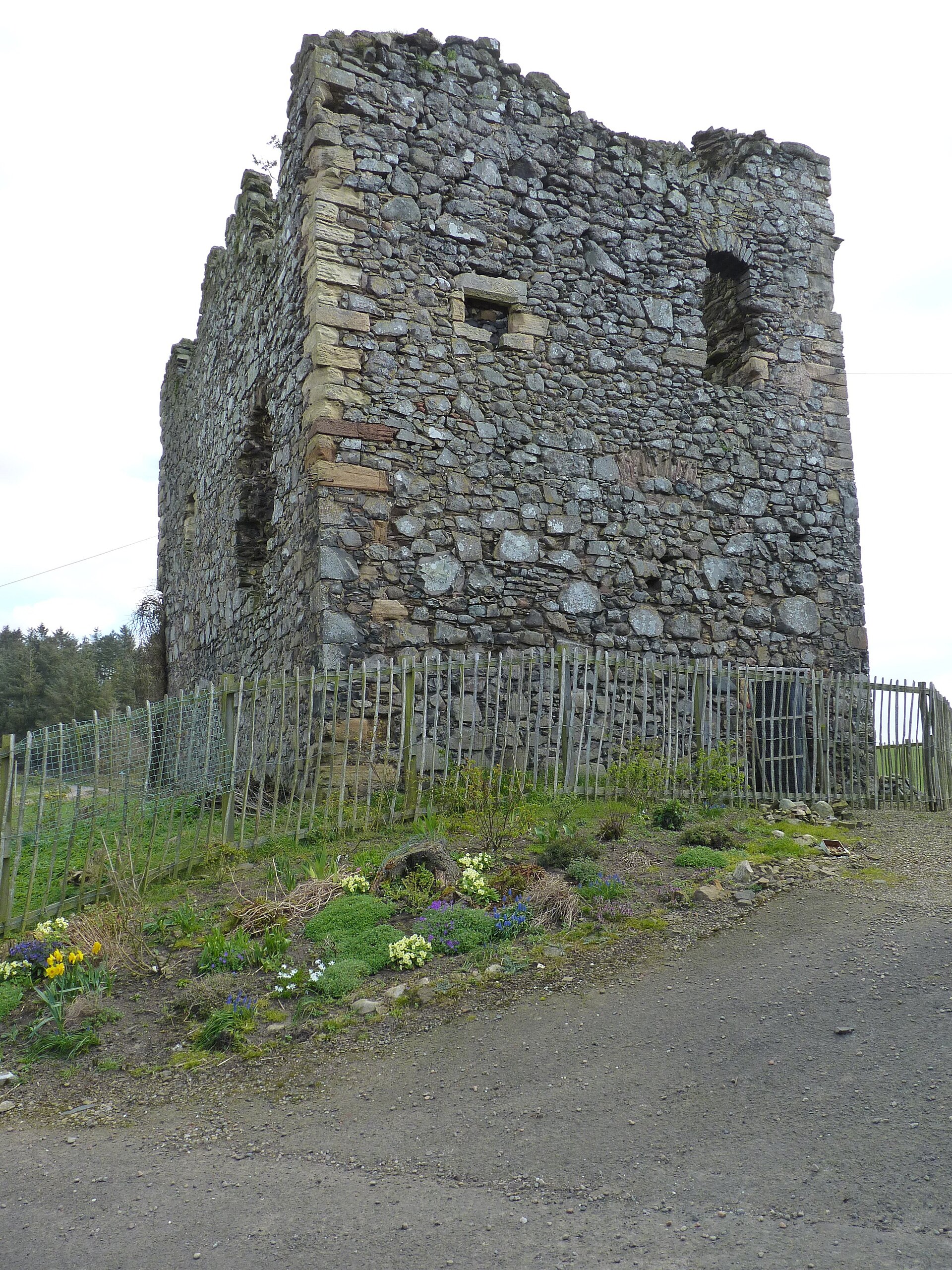
Creich’s 1723 pigeon house is an unusually formal castle lean-to, where twin chambers, rat-proofing and dormer entries make estate food production…
Sacred place · Prehistoric
Balgarthno Stone Circle
dundee-city
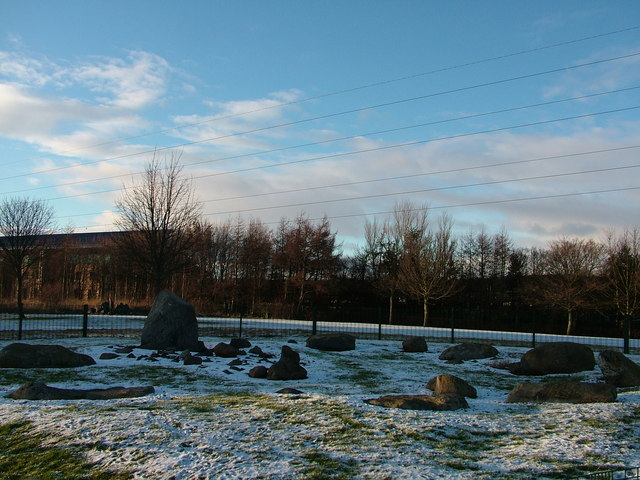
Nine stones on a circle six and a half metres across, all but one of them down, with a causeway running thirty metres east: surrounded now by the h…

Fortified place · Iron Age
Norman's Law
Fife
Norman’s Law pairs a scheduled defended settlement dating from from around 800 BC up to the Roman conquest with commanding views over Fife, the Tay…
- Near St Andrews
- Some walking
The setting
Near The Balmerino Sweet Chestnut, about 28 metres away.
Photo: Bill Harrison / Wikimedia Commons / CC BY-SA 2.0
Near The Balmerino Sweet Chestnut, about 28 metres away.
Photo: Scott Cormie / Wikimedia Commons / CC BY-SA 2.0
Near The Balmerino Sweet Chestnut, about 32 metres away.
Photo: Stanley Howe / Wikimedia Commons / CC BY-SA 2.0
Near The Balmerino Sweet Chestnut, about 36 metres away.
Photo: edward mcmaihin / Wikimedia Commons / CC BY-SA 2.0
Questions people ask
- How old is the Balmerino Sweet Chestnut?
- Not known. No planting date is documented and no measured age has been published. The Ancient Tree Inventory classes it as ancient, but that is a description of character and condition, not a figure in years.
- How big is it?
- Its girth is 6.30 metres, measured at a height of 1.50 metres. That is the only published measurement of the tree.
- Is it protected?
- It is listed as a Heritage Tree and included among Scotland's Trees of National Special Interest. The records available here do not date either designation or explain the grounds for it.
Sources
The Ancient Codex, in your pocket
Get the Pocket Codex app
Carry the directory with you — The Balmerino Sweet Chestnut and thousands of ancient places across Britain and Ireland, offline, wherever you roam.