
Aberdour Castle and Gardens combine one of Scotland’s oldest datable standing castles with a 400-year architectural sequence and terraced gardens that are among the country’s oldest.
Aberdour Castle overlooks the Dour Burn from Easter Aberdour, its surviving buildings tracing four centuries of change from a modest hall house around 1200 to a Renaissance residence and formal gardens. The collapsed medieval tower, roofed 17th-century wing and layered courtyards make its history visible as an architectural sequence rather than a single moment.
The Douglas Earls of Morton shaped much of what survives, adding the tower house, central range, gardens and Renaissance east wing. Their eventual move to nearby Aberdour House left the older castle to decay, but its early terraces, walled garden and dovecot retain a rare designed landscape beside the ruins.
What follows is drawn from published sources, with each claim labelled by how firmly it is established.
History
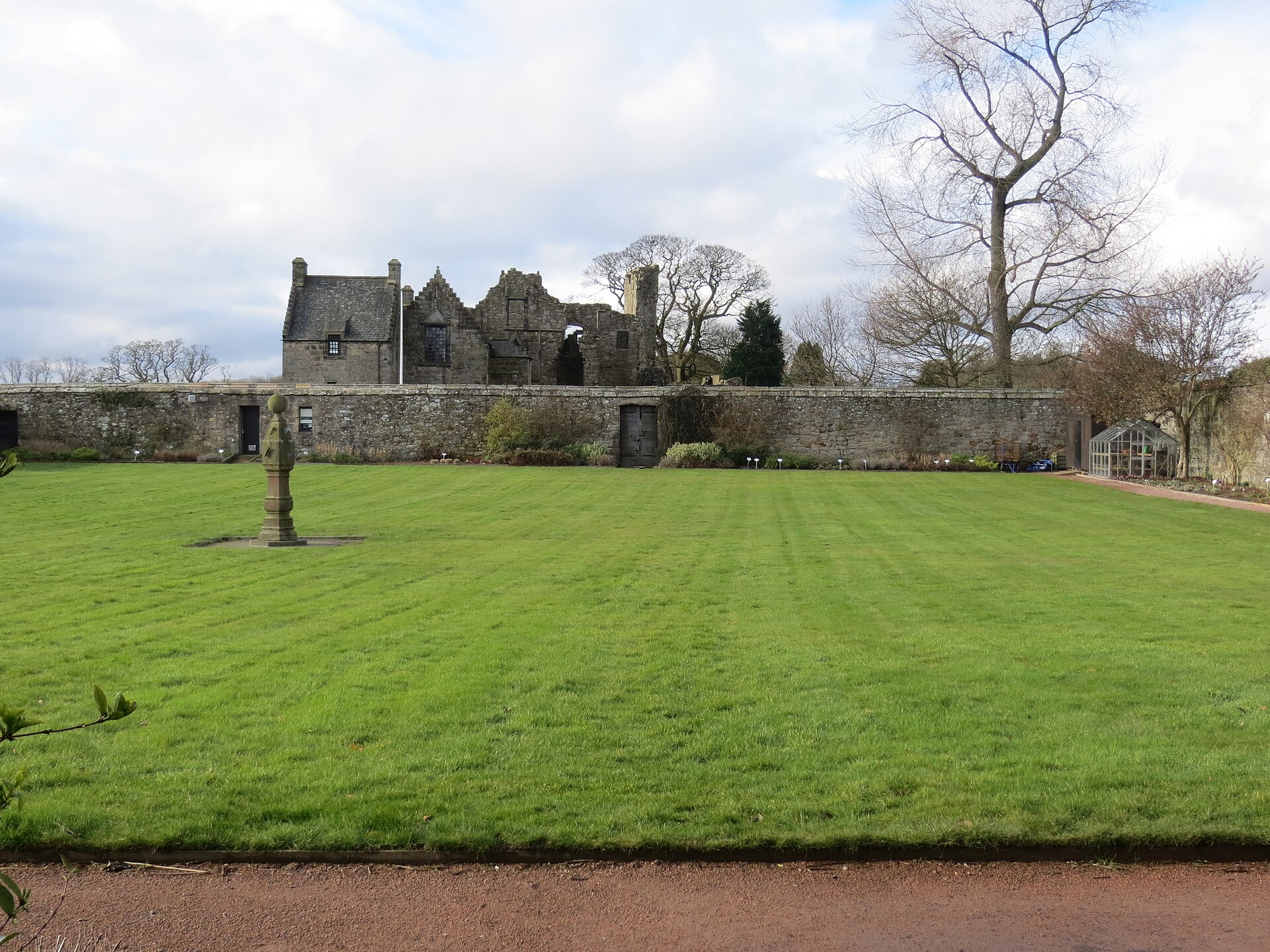
The original hall house at Aberdour was probably built around 1200, possibly by the de Mortimer family, on a site overlooking the Dour Burn. Its earliest fabric makes the castle one of Scotland’s two oldest datable standing castles, alongside Castle Sween. The lower two storeys of the later tower preserve this hall-house origin.
The Douglas Earls of Morton held Aberdour from the 14th century and repeatedly expanded it. The hall house became a tower house in the 15th century, a stair tower and south block were added around 1500, and the 4th Earl rebuilt and extended the central range in the 1570s. Around 1635, the 7th Earl added the Renaissance east wing, including a long gallery.
The mid-16th-century terraces are among Scotland’s oldest gardens and look over the Firth of Forth towards Edinburgh. A 17th-century walled garden, orchard, sundial and a 16th-century doocot complement them. Fires damaged the castle in 1688 and during the 1715 rising; after buying nearby Aberdour House in 1725, the Mortons ceased to use the castle as a residence.
People
-
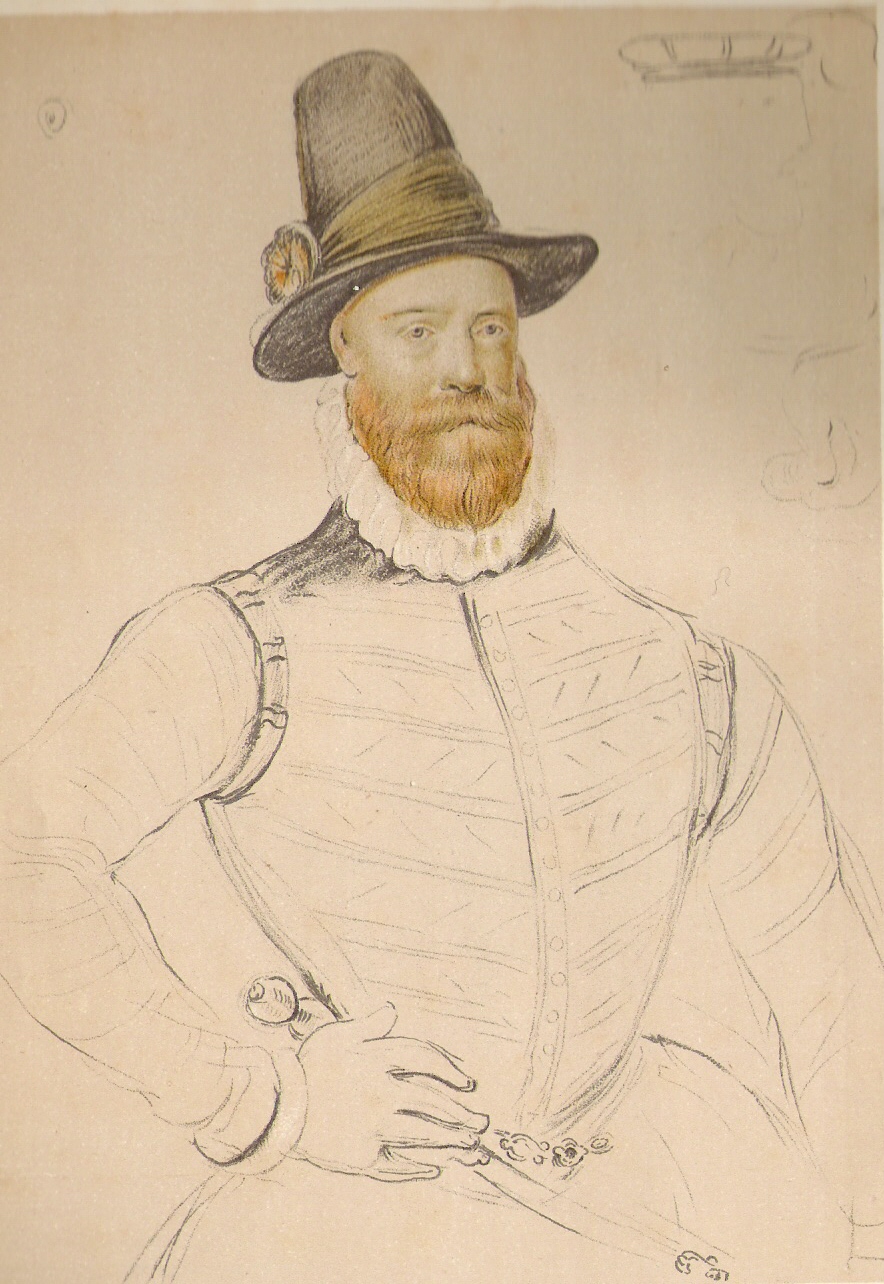
Portrait: Arnold Bronckorst / Wikimedia Commons / Public domain James Douglas, 4th Earl of Morton
Expanded Aberdour in the 1570s, rebuilding the south block and laying out terraced gardens inspired by contemporary English examples.
-
William Douglas, 7th Earl of Morton
Built the Renaissance east wing around 1635 and improved the gardens after the family sold their principal seat at Dalkeith.
Cultural influences
-
The east wing’s long gallery and the terraced gardens show how the Earls of Morton recast a medieval castle through 16th- and 17th-century Renaissance architectural and garden ideas.
Connections
-
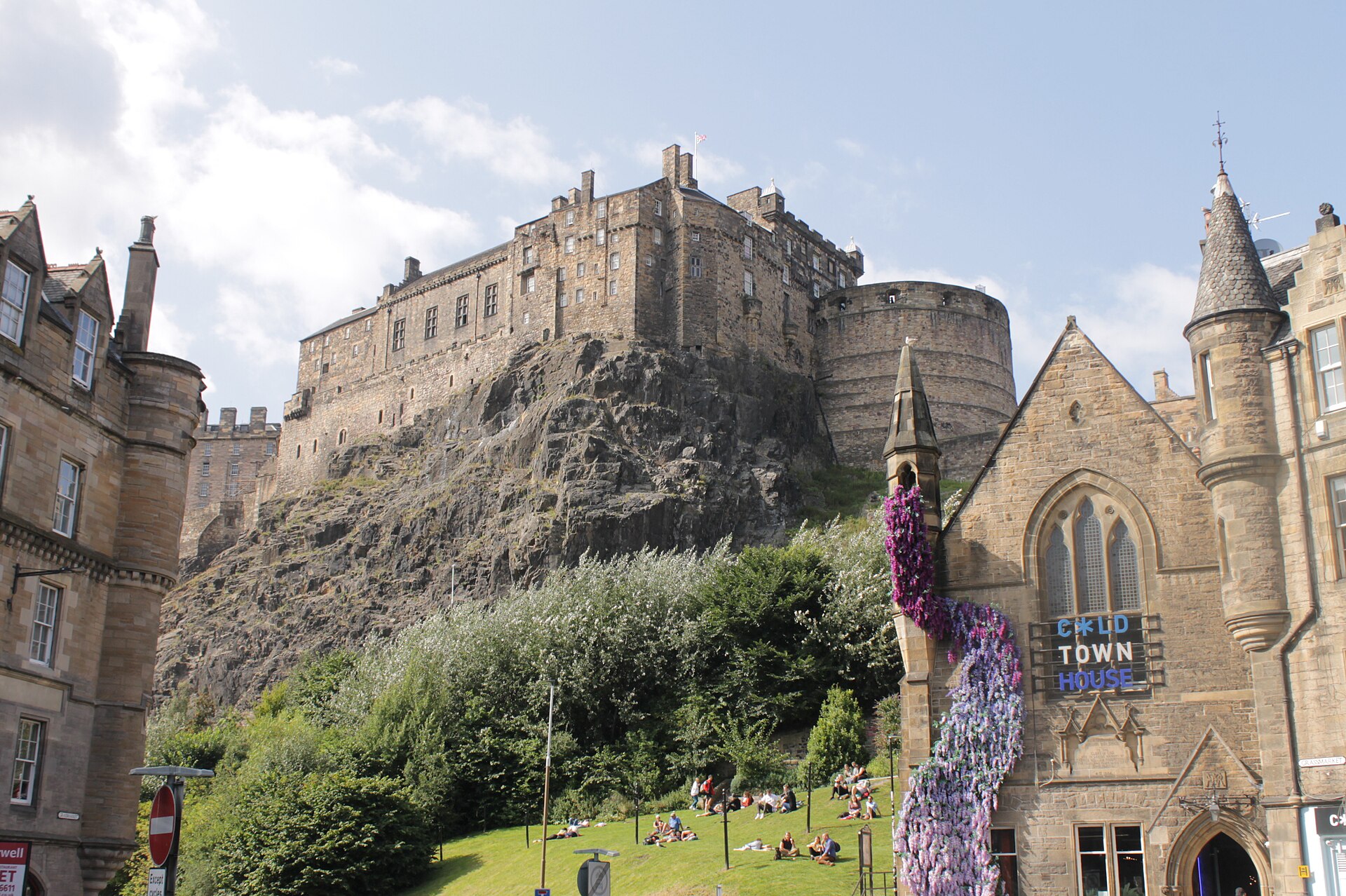
Photo: Stephencdickson / Wikimedia Commons / CC BY-SA 4.0 A major royal stronghold whose history provides a comparison with Aberdour’s smaller baronial castle and estate.
-

Photo: M J Richardson / Wikimedia Commons / CC BY-SA 2.0 The abbey and Aberdour belong to the same Firth of Forth landscape, contrasting monastic island settlement with a shore-based aristocratic residence.
-
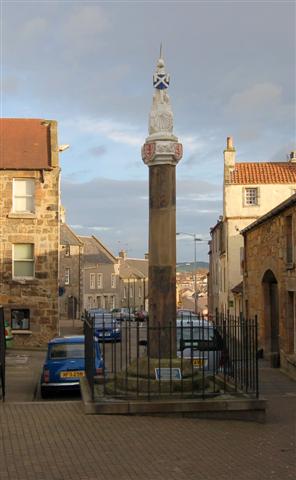
Photo: Paul McIlroy / Wikimedia Commons / CC BY-SA 2.0 Market Cross, Bank Street, Inverkeithing
A civic monument in a neighbouring historic burgh, complementing Aberdour’s estate history with the market infrastructure of Fife’s towns.
Discovery & excavation
Archaeological investigations between 1977 and 1980 confirmed that lower garden terraces shown on a 1740 map had existed. Their foundations were found but could not be precisely dated; the retaining walls were rebuilt in 1981 and the terraces laid to grass.
In culture
-
A 1647 inventory records 46 pictures and a harpsichord in the east wing’s long gallery, showing the castle’s role as an entertaining and display space as well as a fortified residence.
What to look for
-
One of the two oldest datable castles in Scotland
Parts of Aberdour date from around 1200, which puts it level with Castle Sween in Argyll as the oldest standing castle in the country that can be dated with confidence.
-
Four centuries of extension in one building
The earliest structure was a modest hall house above the Dour Burn. It became a tower house in the fifteenth century, was extended twice in the sixteenth, and received a final wing around 1635 with refined Renaissance detailing — so the building is a sequence of architectural fashions rather than a single design.
-
Terraces from the mid-sixteenth century
The terraced gardens to the south are among the oldest in Scotland, and they command extensive views over the Firth of Forth to Edinburgh. A walled garden lies to the east.
-
A second home, until the first was sold
The Douglas Earls of Morton held Aberdour from the fourteenth century and used it as a secondary residence until 1642, when they sold their principal seat at Dalkeith House.
-
Abandoned by purchase
After a fire late in the seventeenth century and some repairs, the family bought nearby Aberdour House in 1725 and let the medieval castle decay. Only the seventeenth-century wing is still roofed; the tower has largely collapsed.
-
The tower-house basement
The surviving basement of the medieval tower house.
-
The roofed east range
The 17th-century east range, the only roofed part of the castle.
-
The terraced gardens
The four broad L-shaped terraced gardens.
-
The doocot
The 16th-century doocot with about 600 nesting boxes.
-
The sundial
The walled garden’s early-17th-century sundial.
Plan your visit
- Location
- 56.0552°N · 3.2983°W
- Nearest settlement
- Aberdour
- Access
- Paid entry — managed visitor site
- Parking
- Parking available nearby — see the official getting-here page.
- Start point
- Aberdour, Fife, KY3 0SL · National Grid reference: NT 192 854 · Telephone: 01383 860 519 · [](https://www.goodjourney.org.uk/attractions/aberdour-castle/) · Let us know if you spot one of our sites in the wrong location by emailing digital@hes.scot
- Time needed
- About 90 minutes
- Best time
- Open year-round; the terraced gardens are at their best in late spring and summer.
- What survives
- Only the 17th-century east wing remains roofed; the medieval tower has largely collapsed (major falls in 1844 and 1919). The gardens, doocot and walled garden survive well.
- Facilities
- The south-east wing includes a café; the historic visitor buildings and gardens are managed by Historic Environment Scotland.
- Start point
- Aberdour Castle visitor centre car park — Small car park beside the HES visitor centre (call ahead for availability); additional parking at Aberdour railway station, a 5-minute walk.
- Sat-nav
- KY3 0SL
Opening & admission
Admission arrangements are managed by Historic Environment Scotland.
- The castle is open to the public throughout the year.
Nearby places

Sacred place · Medieval
Inchcolm Abbey
Fife
Inchcolm Abbey is Scotland’s most complete surviving monastic complex, preserving an Augustinian island community whose buildings also reveal the F…
- Near St Andrews
Minor monument · Medieval
Market Cross, Bank Street, Inverkeithing
Fife
Inverkeithing’s market cross, the stone cross marking a burgh’s right to hold a market, carries centuries of civic self-image: royal heraldry and a…
- Easy path
Fortified place · Roman
Cramond Roman Fort
City of Edinburgh
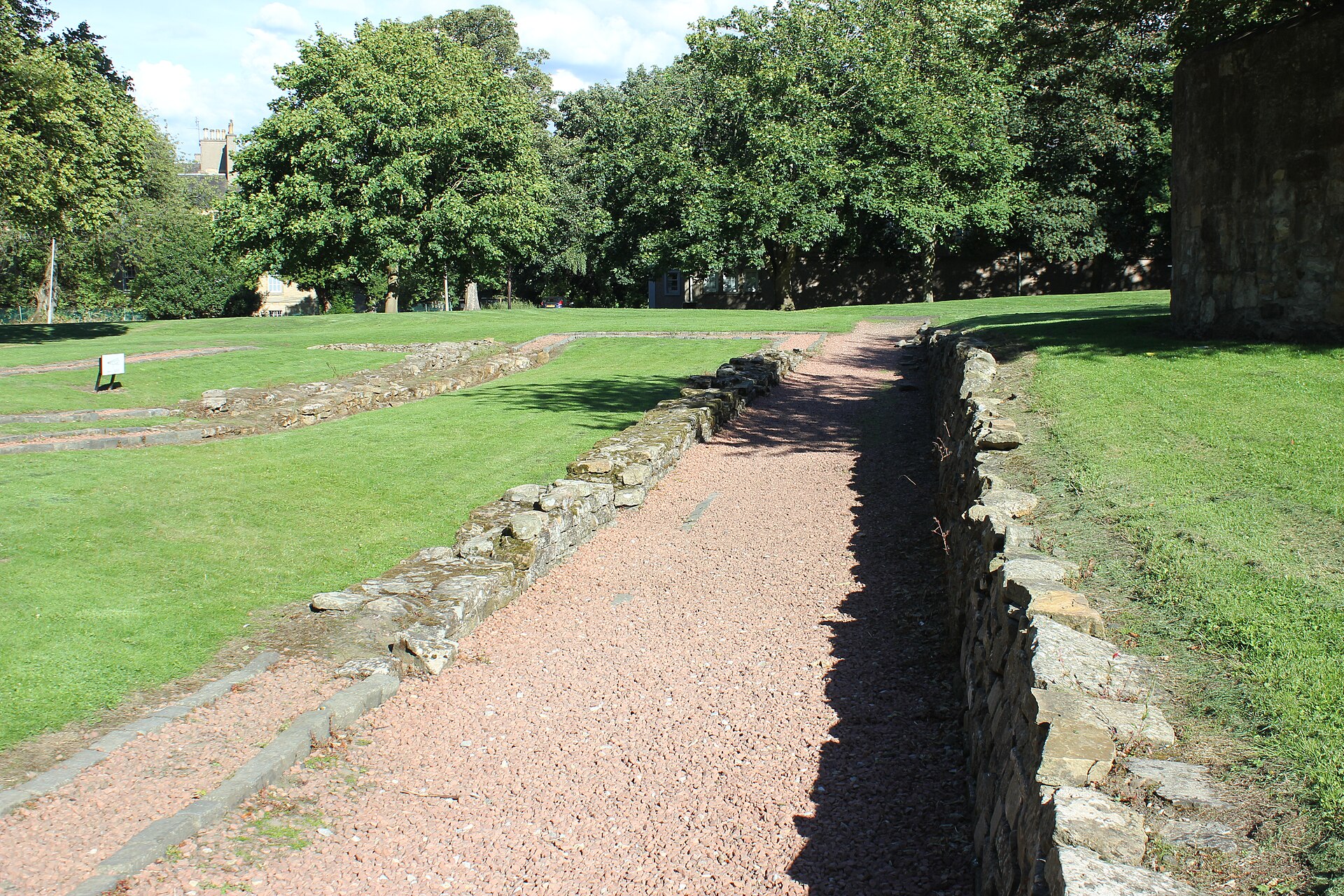
Cramond Roman Fort preserves evidence of Rome's Antonine and Severan campaigns at the River Almond, including inscriptions, a long-used road and th…
- Near Cramond
- Easy path
Questions people ask
- How old is Aberdour Castle?
- Parts date from around 1200, making it one of Scotland’s oldest datable standing castles.
- Who developed much of the castle?
- The Douglas Earls of Morton developed it from the 14th century onward.
- What is special about the gardens?
- Its mid-16th-century terraces are among Scotland’s oldest gardens, with views across the Firth of Forth.
Sources
The Ancient Codex, in your pocket
Get the Pocket Codex app
Carry the directory with you — Aberdour Castle and Gardens and thousands of ancient places across Britain and Ireland, offline, wherever you roam.