Balgonie Castle shows five centuries of incremental change, from a 14th-century tower house to a restored residence within the remains of a 17th-century designed park.
By the River Leven, Balgonie combines a restored medieval tower with later roofless ranges, chapel, hall and gatehouse. Building continued here from the fourteenth to the eighteenth century, leaving the castle’s successive additions visible in a single courtyard.
The Sibbalds, Lundies, Leslies and Melvilles each shaped the place. A medieval fortified courtyard became a more comfortable residence, while Sir Alexander Leslie’s work connected the castle to the career of a soldier, field marshal and Covenanter leader. Restoration since 1971 has returned the keep and chapel to use.
What follows is drawn from published sources, with each claim labelled by how firmly it is established.
History
The Sibbald family held Balgonie from at least 1246 and probably built its fortified courtyard and tower house in the 1360s. Sir Robert Lundie extended the castle in 1496 after becoming Lord High Treasurer of Scotland, adding a two-storey east range with a long hall and solar. King James IV visited that year and gave money to the masons.
Sir Alexander Leslie bought Balgonie in 1635 after military service in the Swedish army and leadership of the Covenanters. Created Lord Balgonie and Earl of Leven in 1641, he added a two-storey south-east block, rebuilt the north range with another storey and laid out a park. Initials for Leslie and his wife Agnes Renton survive in the south-east block.
Further work included a grand stair built by John Leslie, 7th Earl of Rothes, and a linking range completed in 1706. Rob Roy MacGregor captured the castle during a raid in 1716. Roofs were removed in the 19th century, and vandalism followed in the 1960s; restoration began in 1971, leaving the keep and chapel restored while other ranges remain roofless.
People
-
Sir Robert Lundie
Lord High Treasurer who extended Balgonie with a hall and solar range in 1496.
-
Sir Alexander Leslie
Covenanter and later Earl of Leven who enlarged the castle and laid out its park after 1635.
-
Rob Roy MacGregor
Raider who captured the castle in 1716.
Cultural influences
-
The castle’s fortified courtyard became a seventeenth-century park estate, with later ranges and deer-park walls reshaping the medieval core.
Connections
-

Photo: Kevin Rae / Wikimedia Commons / CC BY-SA 2.0 Another Fife castle, allowing comparison with Balgonie’s surviving tower and changing defensive architecture.
-

Photo: Kilnburn (talk) 18:49, 18 June 2009 (UTC) / Wikimedia Commons / Attribution A prehistoric monument in the surrounding landscape, giving Balgonie Castle a deeper context of settlement and ceremonial use.
-
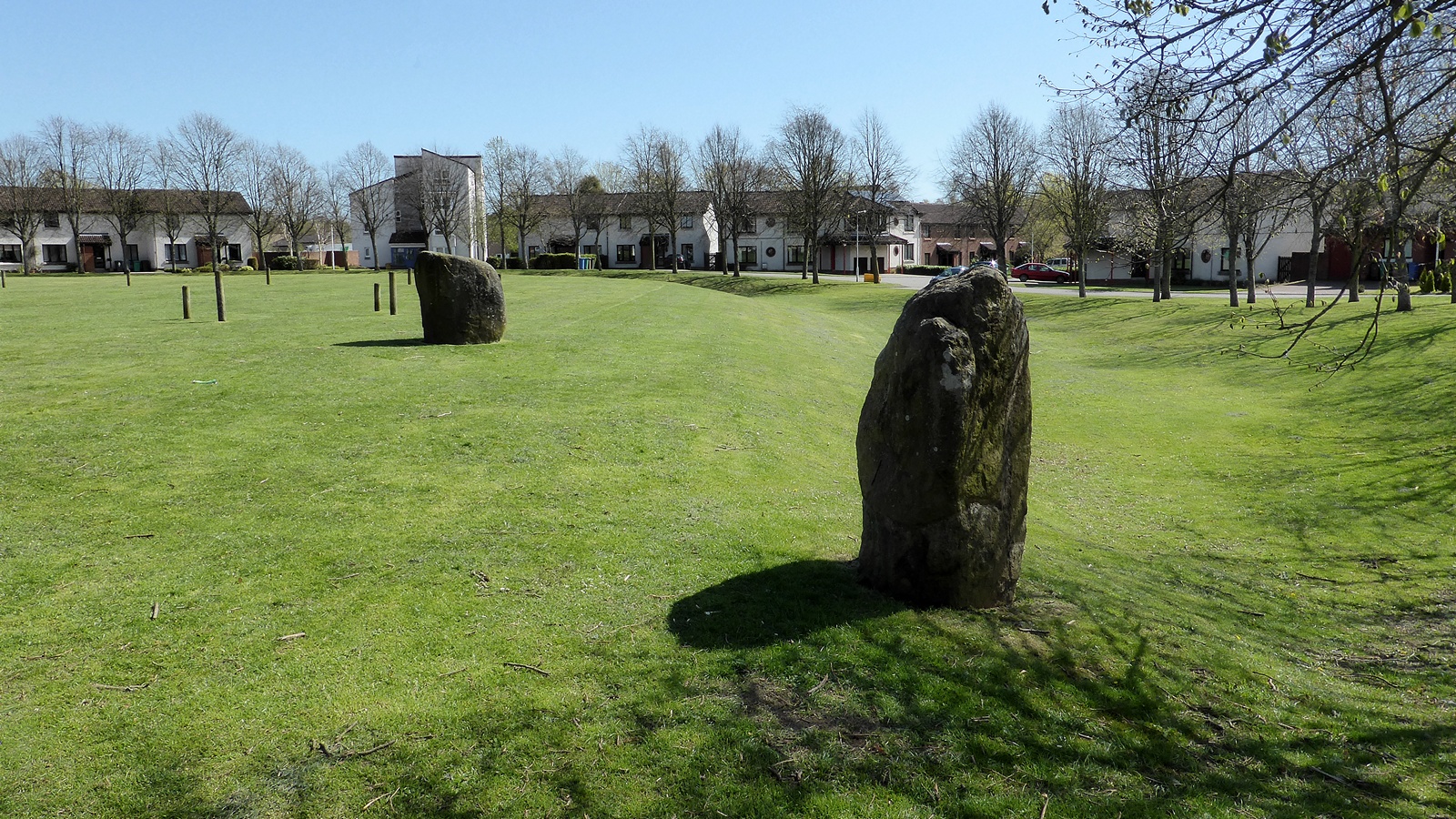
Photo: Sandy Gerrard / Wikimedia Commons / CC BY-SA 2.0 A prehistoric henge and burial landscape that contrasts with the castle’s medieval and early-modern history.
Discovery & excavation
The keep, gatehouse, vaulted hall, chapel and roofless later ranges preserve the castle’s successive medieval and seventeenth-century phases.
What to look for
-
The gatehouse prison
At the entrance, identify the fifteenth-century gatehouse with its guardroom and prison, one of the clearest survivals from Balgonie’s medieval courtyard.
-
The vaulted hall
Inside the keep, look up at the vaulted hall and its upper rooms, which show how the tower was made more comfortable for residence.
-
The restored chapel
Find the restored chapel in the north range, then compare its repaired roof with the adjacent ranges that remain visibly roofless.
-
The cannon spouts
Follow the seventeenth-century parapet walk and look for its cannon spouts, small openings that reveal how later owners adapted the castle’s defences.
-
The deer-park walls
Notice the boundary walls and mature trees around the castle, surviving elements of the deer park laid out with the seventeenth-century estate.
Plan your visit
- Location
- 56.1939°N · 3.1095°W
- Access
- Permission required
- Time needed
- About 45 minutes
- Best time
- Visit during published opening or event periods and check current arrangements before travelling.
- What survives
- The keep and chapel are restored, while several later ranges remain roofless after nineteenth-century decay and twentieth-century restoration.
- Facilities
- Visitor facilities depend on the current castle operation; check the official information before travelling.
Opening & admission
Tours and event admission vary; contact Balgonie Castle directly before travelling.
- The castle is a private residence and event venue, with visitor access on a restricted, pre-arranged basis rather than a dependable daily timetable.
- Use the official castle website to ask about current tour or event availability.
Nearby places

Sacred place · Prehistoric
Balbirnie Stone Circle
Fife
A circle of which only five stones stood when excavation began in 1970, four more stumps and a tenth socket being found beneath.
- Easy path
Sacred place · Prehistoric
Balfarg
Fife
Balfarg preserves a multi-phase Neolithic (the late Stone Age, about 4000–2500 BC in Britain) ceremonial landscape within modern Glenrothes, includ…
- Easy path

Fortified place · Medieval
MacDuff's Castle
Fife
MacDuff’s Castle preserves the changing fortunes of Fife’s medieval elite, from the MacDuff earls and Wemyss family to Colville rebuilding, while i…
- Near St Andrews
Sacred place · Medieval
Wemyss Caves
Fife
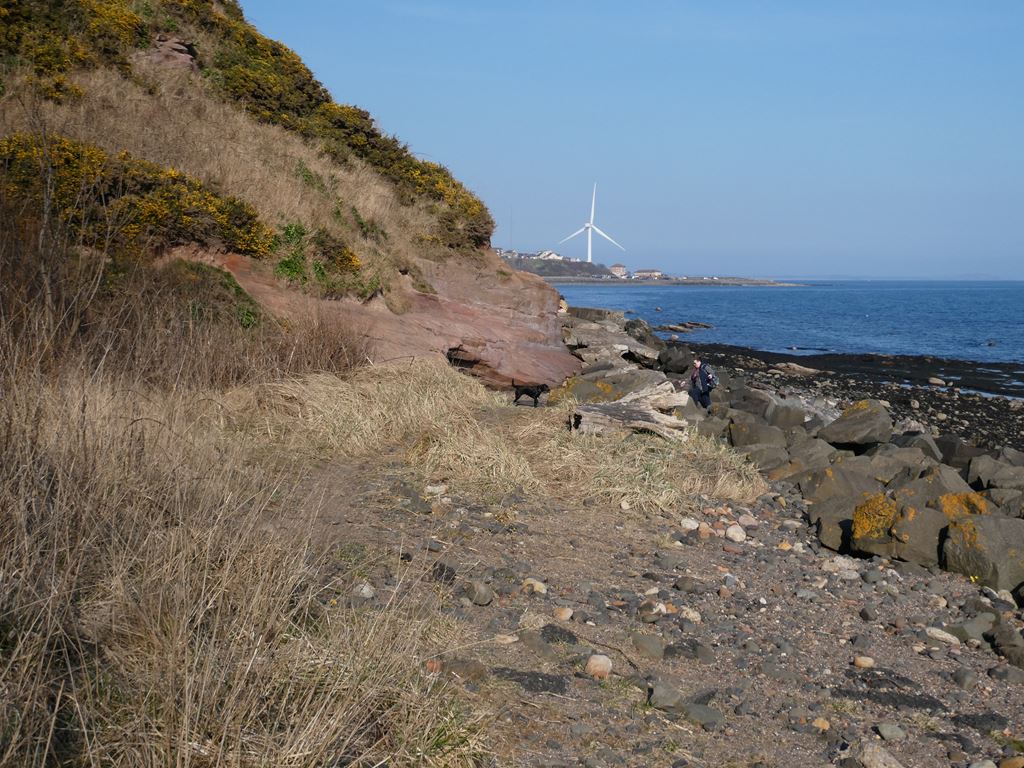
Wemyss Caves preserve rare northern symbols from the period after Roman rule, Christian carvings and evidence of ritual use along Fife’s coast.
The setting
Gatepiers and boundary walls near Balgonie Castle, showing the wider estate setting
Photo: Drkirstyross / Wikimedia Commons / CC BY-SA 3.0
Questions people ask
- When was Balgonie Castle founded?
- The Sibbalds probably built its fortified courtyard and tower house in the 1360s.
- Who made major 17th-century changes?
- Sir Alexander Leslie bought the castle in 1635 and added a south-east block, rebuilt the north range and laid out a park.
- What has been restored?
- Restoration beginning in 1971 restored the keep and chapel, while other parts remain roofless ruins.
Sources
The Ancient Codex, in your pocket
Get the Pocket Codex app
Carry the directory with you — Balgonie Castle and thousands of ancient places across Britain and Ireland, offline, wherever you roam.