
Balfarg preserves a multi-phase Neolithic (the late Stone Age, about 4000–2500 BC in Britain) ceremonial landscape within modern Glenrothes, including timber circles, stone circles, henges, mortuary structures and a later burial.
Balfarg Henge sits as a green centrepiece within a crescent-shaped modern housing estate in Glenrothes, but the ground beneath it records a much older ceremonial complex. Two surviving standing stones mark the north-west entrance of a partly reconstructed circle, while excavation has revealed successive timber, stone and earthwork (a mound or ditch formed by moving soil, not by building) monuments.
The sequence is unusually rich: activity began with deposited pottery, wood and bone, followed by a large timber circle, further rings, stone circles and a henge. Later excavations revealed another henge, mortuary enclosures and burial cairns nearby, making Balfarg a place where changing Neolithic and Bronze Age practices can be traced across one compact landscape.
What follows is drawn from published sources, with each claim labelled by how firmly it is established.
History
Balfarg is a scheduled prehistoric monument complex in Glenrothes. Excavation in 1977–78 ahead of a housing development established that its two surviving standing stones had been part of a circle within a henge. They frame the north-west-oriented entrance, while the henge encloses an area about 64.9 metres in diameter.
Before the henge, broken Neolithic pottery, burnt wood and bone were deposited on the site. A timber circle of 16 posts, 25 metres across, followed; two large portal timbers stood on its west side. Grooved Ware from the postholes dates to around 2900 BC, and five further concentric rings of narrower posts may have supported a palisade or hurdling.
The timber circle was later replaced by two concentric stone circles and then the henge. Around 1900 BC, a young man was buried in a central pit with a flint knife and handled beaker. Excavations in 1983–85 also found earlier Neolithic pits, a second henge around a timber mortuary enclosure, another nearby timber structure and two burial cairns.
People
-
Roger Mercer
Directed the 1977–78 excavation ahead of housing development, establishing that the surviving stones belonged to a circle within the henge.
-
Barclay and Russell-White
Led the 1983–85 excavations that identified earlier pits, a second henge, timber mortuary structures and burial cairns.
Cultural influences
-
Successive timber circles, stone circles, a henge, mortuary structures and burial cairns show how the place was repeatedly reshaped as ceremonial and burial practices changed.
Connections
-

Photo: Kilnburn (talk) 18:49, 18 June 2009 (UTC) / Wikimedia Commons / Attribution A nearby prehistoric stone circle that places Balfarg within a wider ritual landscape of monuments and burial.
-
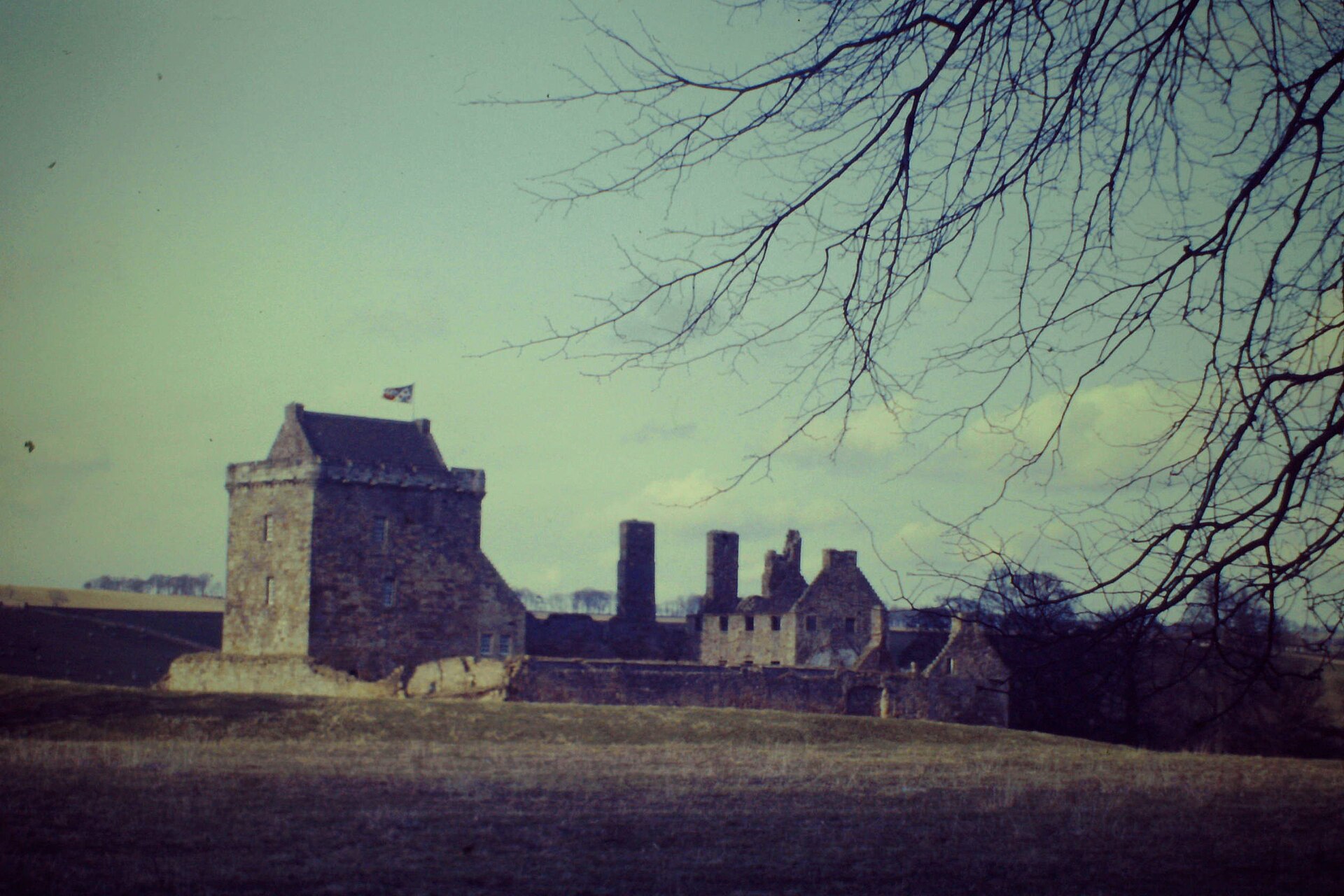
Photo: Colin Smith / Wikimedia Commons / CC BY-SA 2.0 A later fortified residence in the same Fife landscape, contrasting Balfarg’s prehistoric ceremonial use with medieval lordship.
-
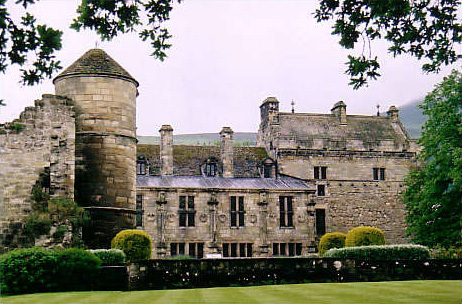
Photo: Sam Styles / Wikimedia Commons / CC BY-SA 2.0 A royal palace that provides a later context of elite power and settlement around the prehistoric monuments of central Fife.
Discovery & excavation
Roger Mercer excavated Balfarg in 1977–78 before construction of a housing estate, establishing that the two standing stones had belonged to a circle inside the henge. Further excavation in 1983–85 found earlier Neolithic pits, a second henge, timber mortuary structures and two burial cairns.
What to look for
-
A henge built last, not first
Excavation in 1977 and 1978 by Roger Mercer established a sequence. Broken Neolithic pottery, burnt wood and bone were dumped on the site before a timber circle of sixteen posts, 25 metres across, was raised; the henge itself, 64.9 metres in diameter, appears to have come after those phases rather than before them.
-
Two stones from a vanished circle
The two standing stones still on site were shown by excavation to be survivors of a stone circle within the henge. They flank the north-west entrance, so the surviving pair mark the way in.
-
The two great portal timbers
On the west side of the timber circle stood two especially large posts. Oversized portal timbers of this kind mark a formal entrance and signal that movement into the enclosure was controlled and directed.
-
Henbane in the pottery
Grooved ware from the postholes dates to about 2900 BC, and some of the vessels may have held black henbane — a poison, and a powerful hallucinogen. That possibility bears directly on what the enclosure was for.
-
A monument inside a new town
Balfarg sits in Glenrothes, and the housing estate built around it in the later twentieth century took the monument's name. The 1977 excavation happened because that estate was coming.
-
The two entrance stones
The two surviving stones at the north-west entrance.
-
The reconstructed circle
The partly reconstructed stone circle within the henge.
-
The green among the houses
The circular greenspace within modern housing.
-
Balbirnie nearby
The relationship with nearby Balbirnie Stone Circle.
Plan your visit
- Location
- 56.2150°N · 3.1593°W
- Access
- Open access
- Terrain
- Easy going
- Time needed
- About 45 minutes
Nearby places

Sacred place · Prehistoric
Balbirnie Stone Circle
Fife
A circle of which only five stones stood when excavation began in 1970, four more stumps and a tenth socket being found beneath.
- Easy path
Fortified place · Medieval
Balgonie Castle
Fife
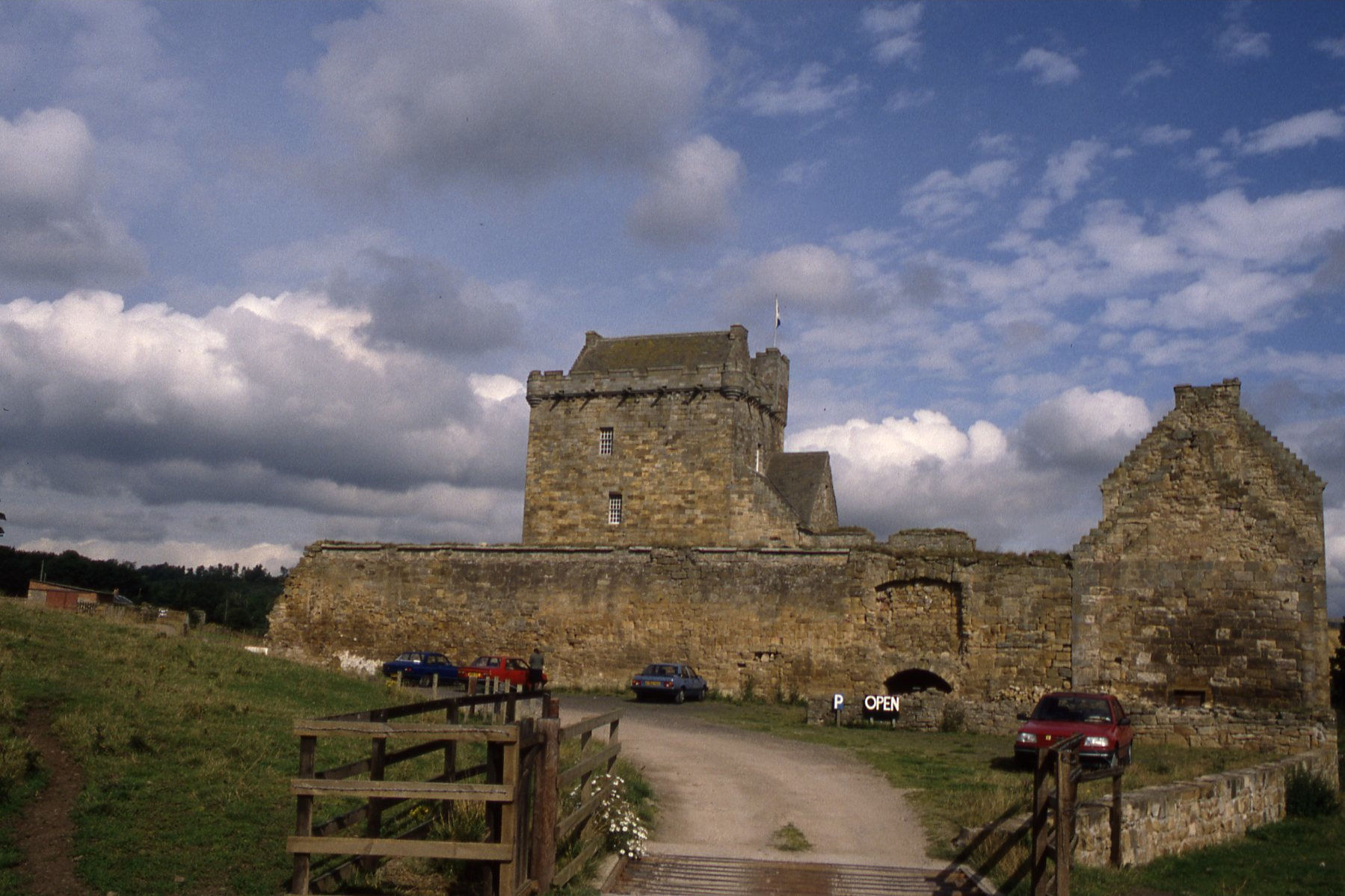
Balgonie Castle shows five centuries of incremental change, from a 14th-century tower house to a restored residence within the remains of a 17th-ce…
Fortified place · Medieval
Falkland Palace
Fife
Falkland Palace is a major Scottish royal residence where a medieval hunting castle became a French Renaissance court, retaining the world’s oldest…

Fortified place · Medieval
MacDuff's Castle
Fife
MacDuff’s Castle preserves the changing fortunes of Fife’s medieval elite, from the MacDuff earls and Wemyss family to Colville rebuilding, while i…
- Near St Andrews
Questions people ask
- What is Balfarg?
- It is a scheduled prehistoric monument complex in Glenrothes, centred on a henge and stone-circle remains.
- How old is the timber circle?
- Grooved Ware from its postholes dates to around 2900 BC.
- What burial was found at the site?
- Around 1900 BC, a young man was placed in a central pit with a flint knife and handled beaker.
Sources
Explore more: Sacred places · Prehistoric · Fife
The Ancient Codex, in your pocket
Get the Pocket Codex app
Carry the directory with you — Balfarg and thousands of ancient places across Britain and Ireland, offline, wherever you roam.