
St Andrews Castle was the palace and prison of Scotland’s bishops, a frontline fortress in the Wars of Independence and Reformation (the sixteenth-century suppression of monastic houses), and preserves a remarkable siege mine and counter-mine beneath its coastal ruins.
St Andrews Castle stands on a rocky promontory over Castle Sands and the North Sea. For centuries it was the palace of Scotland’s powerful bishops and archbishops, whose charters described it as their own palatium.
The castle repeatedly changed hands in the Wars of Independence, was rebuilt by Bishop Walter Trail around 1400 and later served as a notorious prison. Its bottle dungeon, cut into rock beneath the north-west tower, held both local offenders and prominent political prisoners.
During the Reformation, Cardinal David Beaton’s murder and the Protestant siege made the castle a national flashpoint. The underground mine and counter-mine cut in 1546–47 survive open to visitors, making the conflict’s physical traces unusually immediate.
What follows is drawn from published sources, with each claim labelled by how firmly it is established.
History
A castle existed at St Andrews by the time of Bishop Roger, who served from 1189 to 1202. During the Wars of Scottish Independence it was repeatedly destroyed, recaptured and rebuilt; after Bannockburn Bishop William Lamberton repaired it, but the Scots deliberately destroyed it again in 1336–37 to deny the English a stronghold.
Bishop Walter Trail rebuilt the ruined castle around 1400, creating the basis of the visible remains. The building became a palace for bishops and a prison, with the bottle dungeon cut into rock beneath the north-west tower used for local offenders and figures such as David Stuart, Duke of Rothesay, and Murdoch Stewart. Cardinal David Beaton imprisoned Protestant preacher George Wishart and had him burned outside the castle on 1 March 1546. In May, Wishart’s supporters entered disguised as masons, killed Beaton and displayed his body from a window, then took refuge in the castle as Scotland’s first Protestant congregation.
A siege followed in 1546–47. Attackers cut a mine through solid rock, defenders counter-mined it, and French artillery under Leone Strozzi eventually made the castle indefensible; the Protestant defenders, including John Knox, were taken away after surrender. The mine and counter-mine were rediscovered in 1879 and remain open.
People
-
Walter Trail
Bishop who rebuilt the castle around 1400, creating the main surviving medieval form.
-

Portrait: Quicumque / Wikimedia Commons / Public domain David Beaton
Cardinal whose persecution of George Wishart and subsequent murder made the castle a Reformation flashpoint.
-
.jpg?width=320)
Portrait: William Holl / Wikimedia Commons / Public domain John Knox
Reformer who served as the besieged Protestant garrison’s preacher in 1547.
Cultural influences
-
Religious conflict turned the castle into a prison, murder scene and Protestant stronghold.
Connections
-

Photo: Unknown / Wikimedia Commons / CC BY-SA 3.0 University of St Andrews
Institution founded in 1410 by Bishop Henry Wardlaw, who educated James I at the castle.
-
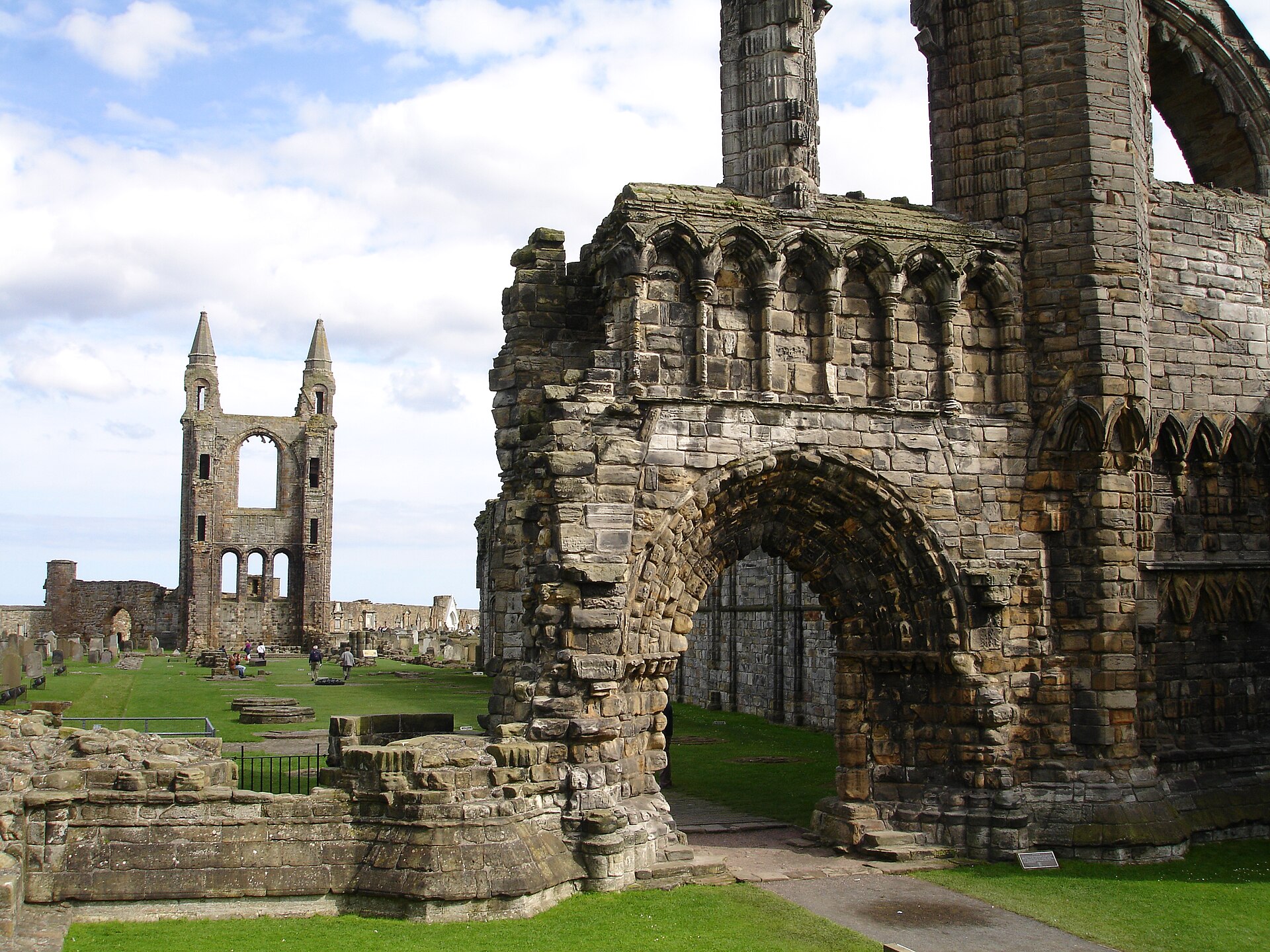
Photo: KPapageorgiou / Wikimedia Commons / CC BY-SA 4.0 Ecclesiastical centre linked to the bishops who used the castle as their palace.
Discovery & excavation
The 1546–47 siege mine and counter-mine were rediscovered in 1879. Their opposing rock-cut passages remain among the castle’s most legible physical evidence.
What to look for
-
Bottle dungeon
Rock-cut pit beneath the north-west tower that illustrates the castle’s use as a prison.
-
Siege mine and counter-mine
The 1546–47 underground tunnels preserve the opposing sides’ attempts to break or defend the castle.
-
Sea Tower and coastal walls
The surviving walls and towers show how the promontory and sea shaped the castle’s defence and appearance.
Plan your visit
- Location
- 56.3422°N · 2.7901°W
- Time needed
- About 45 minutes
- Best time
- Visit during published opening hours and in dry daylight, when the castle ruins, tunnels and coastal setting can be explored comfortably.
- What survives
- A coastal ruin whose principal remains include the south-wall tower, bottle dungeon, kitchen tower and the rock-cut mine and counter-mine.
- Facilities
- The visitor centre displays carved fragments from the castle and has a shop.
Opening & admission
The castle is managed by Historic Environment Scotland and is open to the public.
- Check the official site for current opening arrangements.
Nearby places
Building or ruin · Pictish & early medieval
St Andrews Cathedral
Fife
The Cathedral of St Andrew was founded in 1158 to provide more accommodation than the older church of St Regulus (St Rule) afforded, and became the…
- Near St Andrews
- 6 min walk from car park

Ancient tree · Medieval
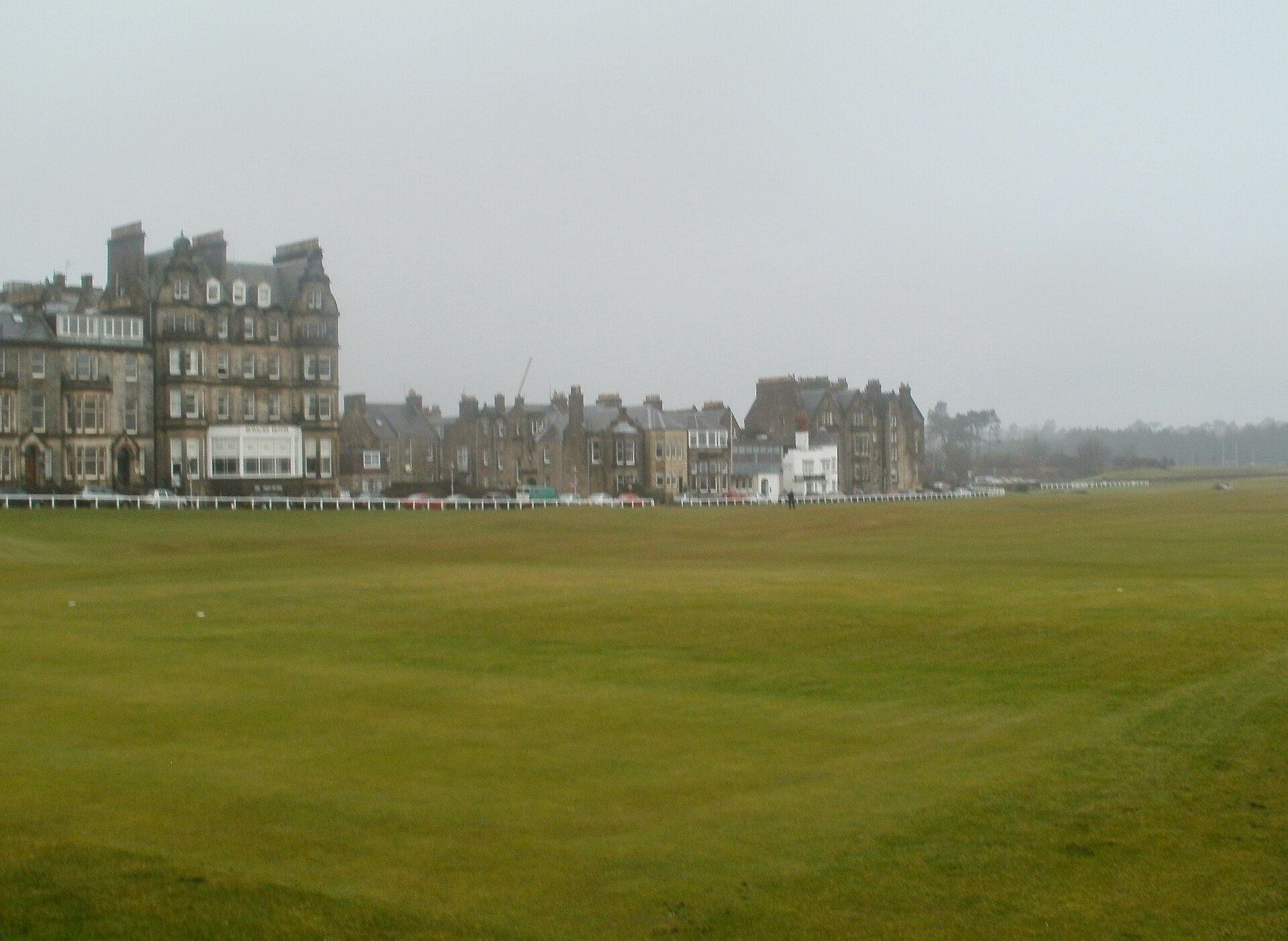
Queen Mary's Thorn
Fife
Queen Mary’s Thorn keeps royal memory alive in St Andrews through a living tree, while the absence of contemporary evidence makes its famous planti…
- Near Fife
Fortified place · Medieval
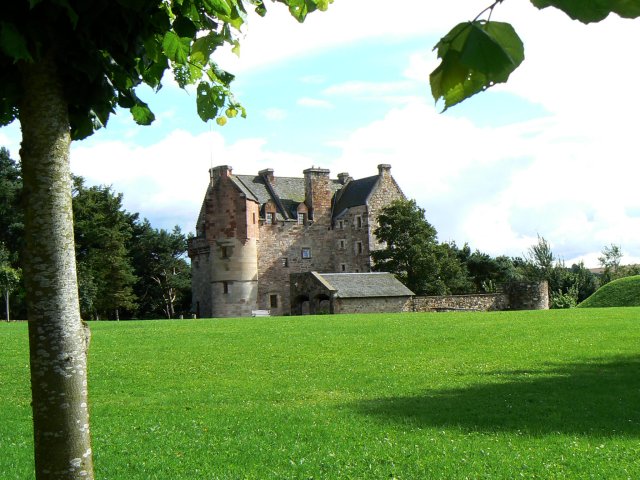
Dairsie Castle
Fife
Dairsie gathers Fife’s ecclesiastical, royal and civil-war histories in one tower: a bishop’s estate, a besieged refuge for Mary’s jewels, and a re…
- Near St Andrews
The setting
A general view towards St Andrews Castle from the south-east, retained as context rather than as the lead image.
Photo: Tom Parnell / Wikimedia Commons / CC BY-SA 4.0
Questions people ask
- Who used St Andrews Castle?
- It was the palace of the bishops and archbishops of St Andrews, a royal and ecclesiastical prison, and later a centre of Reformation conflict.
- What happened to Cardinal David Beaton at the castle?
- After he ordered George Wishart’s execution, Protestant conspirators entered the castle in May 1546, killed Beaton and displayed his body from a window.
- Can the siege tunnels be visited?
- Yes. The mine and counter-mine cut during the 1546–47 siege were rediscovered in 1879 and remain open to visitors.
Sources
The Ancient Codex, in your pocket
Get the Pocket Codex app
Carry the directory with you — St Andrews Castle and thousands of ancient places across Britain and Ireland, offline, wherever you roam.