
Dairsie gathers Fife’s ecclesiastical, royal and civil-war histories in one tower: a bishop’s estate, a besieged refuge for Mary’s jewels, and a restored residence.
Dairsie Castle overlooks the River Eden south of Dairsie, its restored tower-house form standing beside the church built by a later Archbishop of St Andrews. The present building carries a long history of church lordship, royal visitors, siege and political tension, even though its fabric was extensively rebuilt in the 1990s.
The site began as a castle of the bishops of St Andrews and hosted a Scottish parliament in 1335. In the 16th century the Learmonth family rebuilt it and found themselves caught in the Marian Civil War; in 1575 the Regent besieged the castle over jewels pledged by Mary, Queen of Scots.
What follows is drawn from published sources, with each claim labelled by how firmly it is established.
History
The first castle at Dairsie belonged to the bishops of St Andrews and may have been built by William de Lamberton, bishop from 1298 to 1328. A Scottish parliament met at the castle in early 1335, placing it within the political geography of 14th-century Scotland as well as the ecclesiastical estate of St Andrews. The Learmonth family rebuilt the castle in the 16th century. During the Marian Civil War, Patrick Learmonth had jewels of Mary, Queen of Scots as security for a loan to William Kirkcaldy of Grange. Regent Morton demanded their return and besieged Dairsie in 1575. James VI later stayed there in 1583 after escaping the Raid of Ruthven.
In the 17th century Dairsie was sold to John Spottiswoode, Archbishop of St Andrews, who built Dairsie Old Church beside it in 1621. The castle became ruinous in the 19th century, then was rebuilt in the 1990s and now operates as holiday accommodation. It is a Category B listed building and was de-scheduled before the restoration.
People
-
John Spottiswoode
Archbishop of St Andrews who bought Dairsie in the seventeenth century and built the adjacent Old Church in 1621.
Cultural influences
-
Dairsie was shaped by its connection with the bishops of St Andrews and later by Marian civil-war politics, including the 1575 siege.
Connections
-
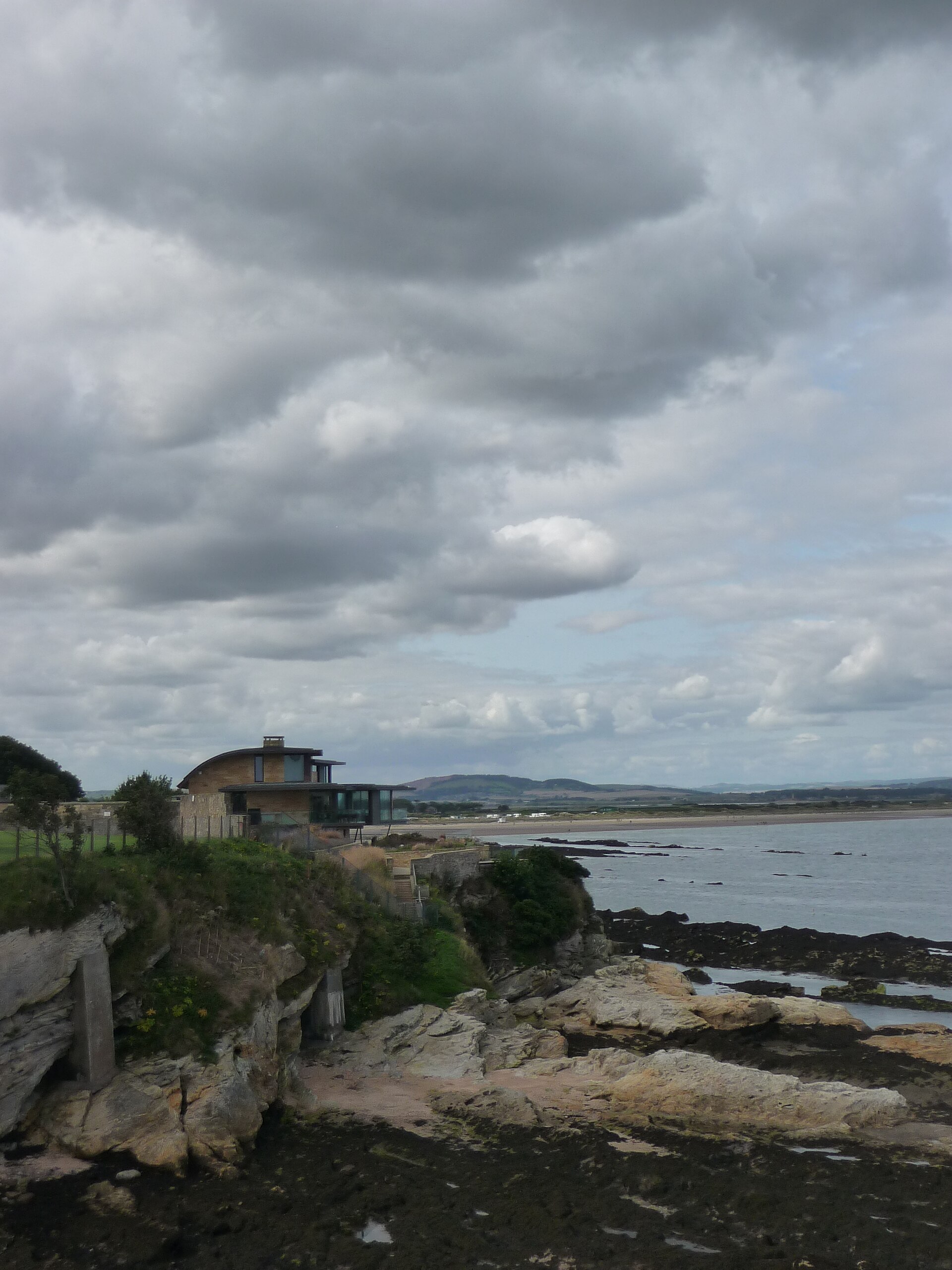
Photo: Marcok / Wikimedia Commons / CC BY-SA 4.0 A major ecclesiastical and political stronghold, providing a comparison with Dairsie’s smaller Fife residence.
-

Photo: Gordon Hatton / Wikimedia Commons / CC BY-SA 2.0 Another Fife tower house, allowing comparison with Dairsie’s domestic fortification and estate history.
-

Photo: Drkirstyross / Wikimedia Commons / CC BY-SA 3.0 A long-lived natural landmark in the historic landscape, connecting Dairsie’s castle with local memory and tradition.
What to look for
-
The restored tower house
View the restored tower-house from the outside, then notice how its coherent late-medieval silhouette differs from the extensive rebuilding carried out in the 1990s.
-
The Eden below
Look down the slope towards the River Eden, where the castle’s elevated position explains both its outlook and its connection to the wider Dairsie landscape.
-
Dairsie Old Church
Find Dairsie Old Church beside the castle, built by Archbishop John Spottiswoode in 1621 and a visible reminder of the estate’s ecclesiastical owners.
-
Restored against original
Compare the visibly restored walls and roofline with the earlier castle site, a useful way to distinguish surviving history from its twentieth-century reconstruction.
Plan your visit
- Location
- 56.3331°N · 2.9499°W
- Nearest settlement
- St Andrews
- Time needed
- About 45 minutes
Nearby places

Fortified place · Medieval
Scotstarvit Tower
Fife
Scotstarvit Tower is a remarkably intact six-storey Fife tower house, recording the transition from an Inglis family residence to Sir John Scot’s l…
- Near St Andrews

Ancient tree · Medieval
Queen Mary's Thorn
Fife
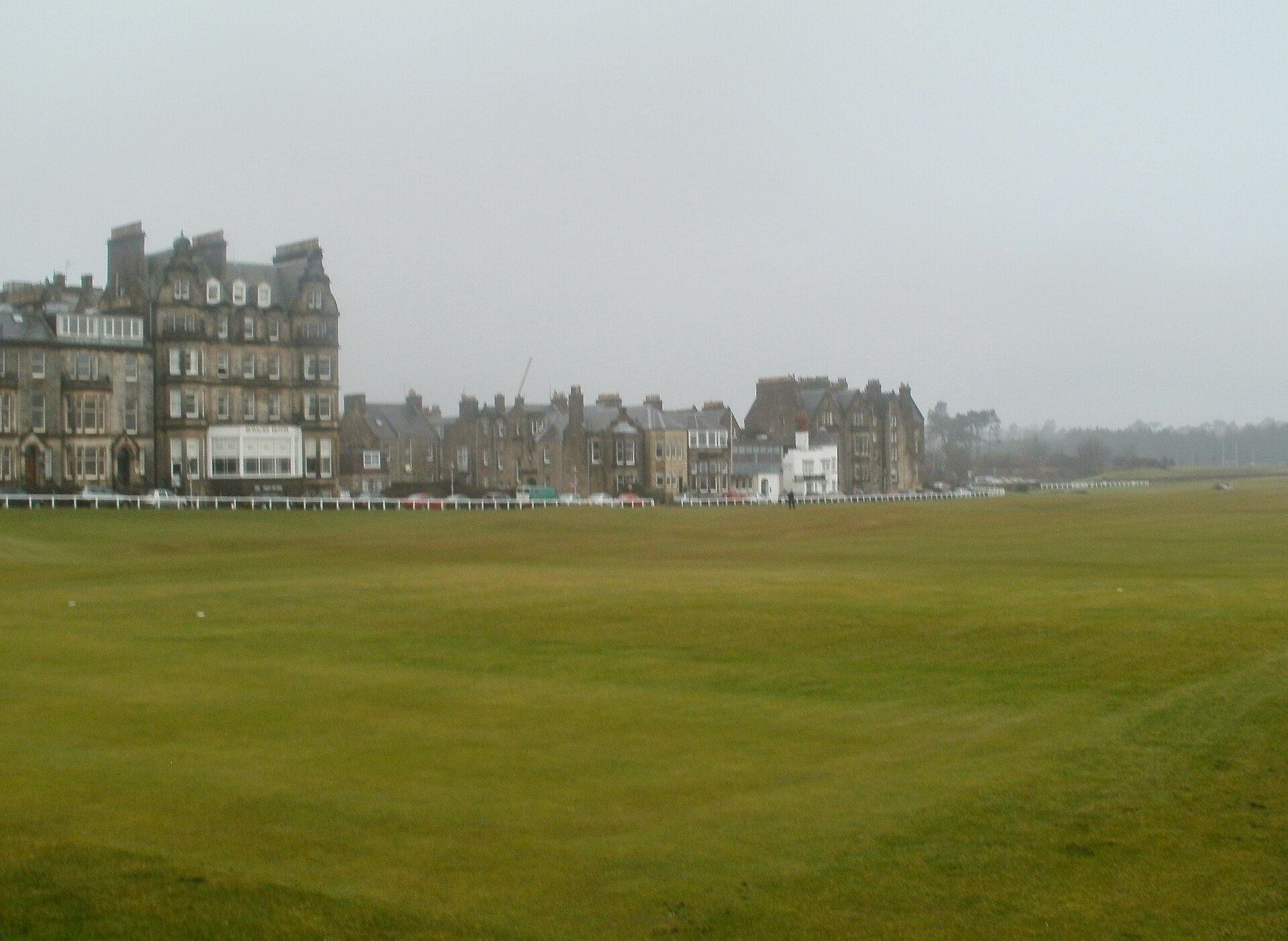
Queen Mary’s Thorn keeps royal memory alive in St Andrews through a living tree, while the absence of contemporary evidence makes its famous planti…
- Near Fife
Fortified place · Medieval
St Andrews Castle
Fife
St Andrews Castle was the palace and prison of Scotland’s bishops, a frontline fortress in the Wars of Independence and Reformation (the sixteenth-…
Questions people ask
- Who owned the first castle at Dairsie?
- It belonged to the bishops of St Andrews and may have been built by Bishop William de Lamberton.
- What happened at Dairsie in 1575?
- Regent Morton besieged the castle over jewels of Mary, Queen of Scots held by Patrick Learmonth.
- Is the castle original medieval fabric?
- The castle became ruinous in the 19th century and was rebuilt in the 1990s.
Sources
The Ancient Codex, in your pocket
Get the Pocket Codex app
Carry the directory with you — Dairsie Castle and thousands of ancient places across Britain and Ireland, offline, wherever you roam.