
The Cathedral of St Andrew was founded in 1158 to provide more accommodation than the older church of St Regulus (St Rule) afforded, and became the centre of the medieval Catholic Church in Scotland…
Roofless gables of Norman and Early Scottish stonework rise nearly 119 metres apart above St Andrews, the largest church ever raised in Scotland reduced to its outline in the turf. Founded in 1158 to replace the cramped older church of St Regulus, it grew over more than a century into the seat of the Archdiocese and the Bishops and Archbishops of St Andrews — the ecclesiastical heart of the medieval Scottish church.
Construction and disaster ran side by side: a storm brought down the west end, rebuilt between 1272 and 1279; the finished building was consecrated in 1318 before King Robert the Bruce; fire damaged it in 1378, with repairs finished by 1440. Then, in June 1559, a Protestant mob roused by John Knox’s preaching tore through the interior. By 1561 the cathedral stood abandoned, its stone carried off by the town for building until the central tower itself collapsed around the century’s end. Nothing was done to preserve the ruin until 1826.
Beside it stands St Rule’s Tower, an 11th- or 12th-century church older than the cathedral it was built to serve, kept in use through the long construction so that worship never stopped. Its 33-metre sandstone tower, fitted with an inserted spiral stair, still gives the view it was raised for — town, harbour and sea that once guided pilgrims to the relics of St Andrew.
What follows is drawn from published sources, with each claim labelled by how firmly it is established.
The name
The cathedral is dedicated to St Andrew, whose relic cult made St Andrews a major medieval pilgrimage centre and gave the town its enduring name.
History
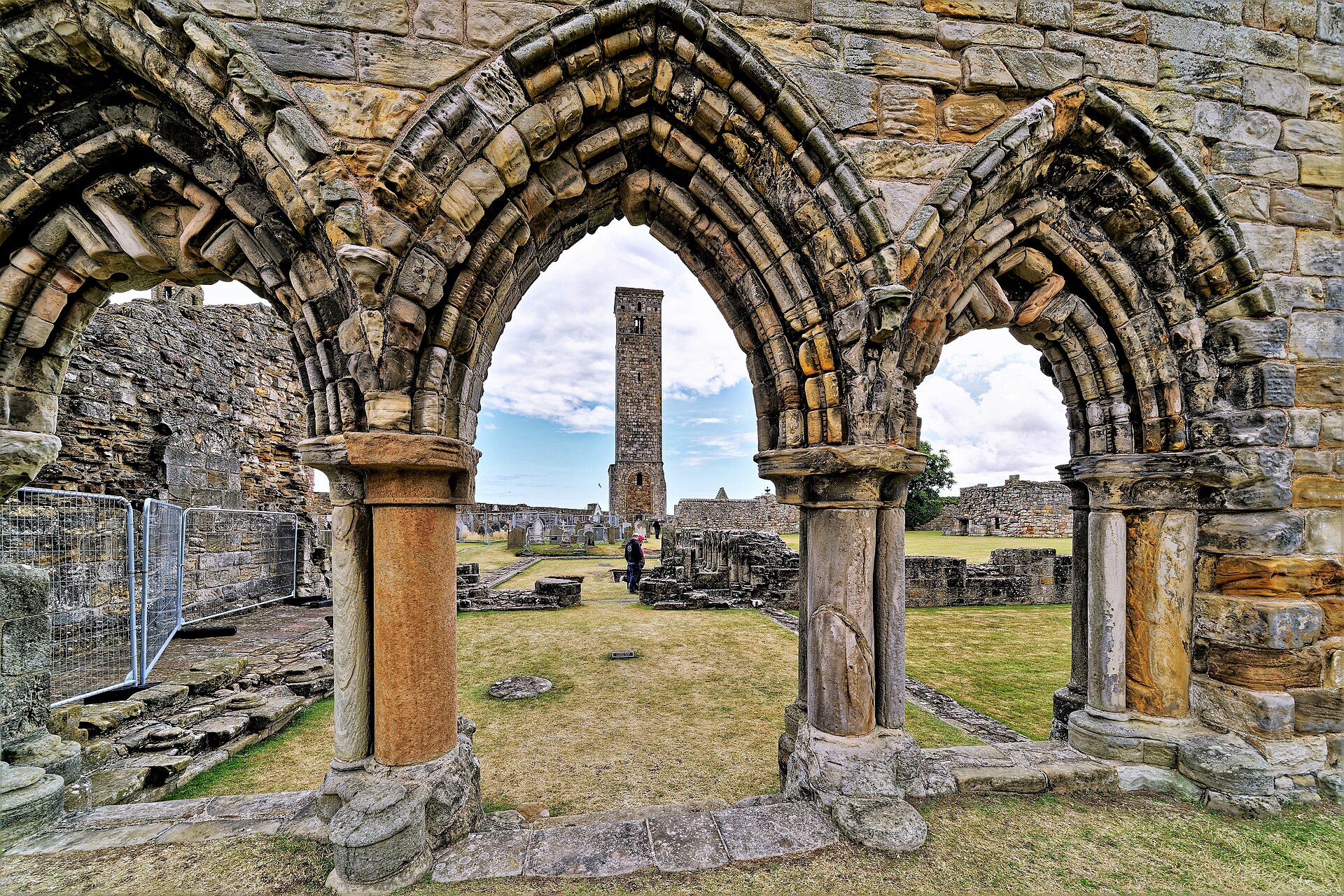
The Cathedral of St Andrew was founded in 1158 to provide more accommodation than the older church of St Regulus (St Rule) afforded, and became the centre of the medieval Catholic Church in Scotland as the seat of the Archdiocese and the Bishops and Archbishops of St Andrews. At about 119 m (390 ft) long it is the largest church ever built in Scotland.
Building continued for over a century; the west end was blown down in a storm and rebuilt between 1272 and 1279. The cathedral was completed in 1318 and consecrated in the presence of King Robert the Bruce. A fire partly destroyed it in 1378, with restoration and embellishment completed in 1440.
In June 1559, during the Reformation, a Protestant mob incited by the preaching of John Knox ransacked the cathedral and destroyed its interior. It was abandoned by 1561 and left to ruin, becoming a source of building stone for the town. Around the end of the 16th century the central tower gave way, carrying the north wall with it. Nothing was done to preserve the ruins until 1826.
People
-
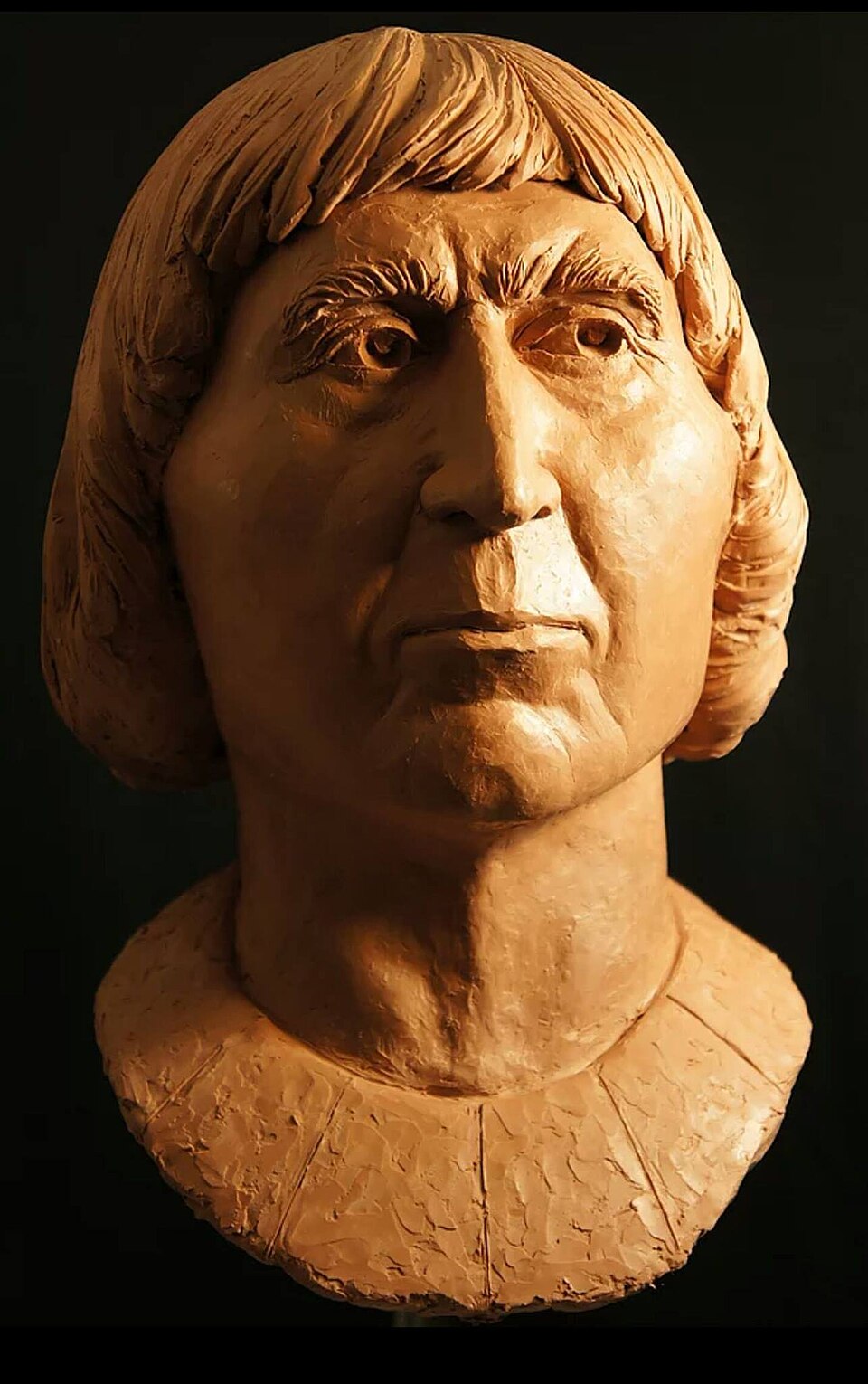
Portrait: S.A.Farabi / Wikimedia Commons / CC BY-SA 4.0 Robert the Bruce
King of Scots, present at the cathedral's consecration in 1318
-
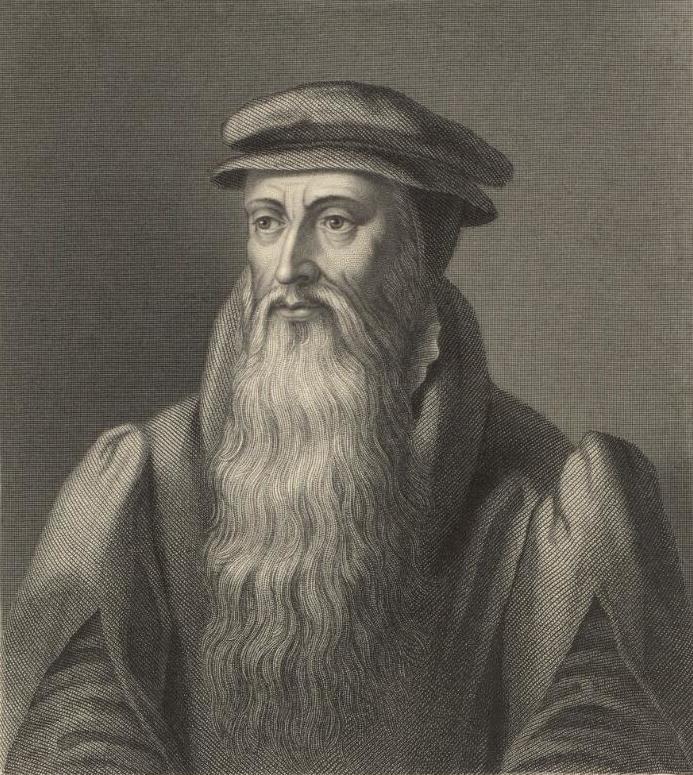
Portrait: William Holl / Wikimedia Commons / Public domain John Knox
Reformer whose preaching incited the mob that ransacked the cathedral in 1559
-
St Rule (St Regulus)
Saint credited by legend with bringing relics of St Andrew to the area from Patras in Greece
-
The Augustinian Canons (St Andrews Cathedral Priory)
The community that served the cathedral, successors to the Culdees of the Celtic church
-
Old Tom Morris and Young Tom Morris
Pioneering golfers buried in the cathedral burial ground
Cultural influences
-
The cathedral superseded the much smaller Romanesque church of St Rule and the even older Culdee site of St Mary on the Rock, marking the shift from the early Celtic church to the organised medieval Catholic Church in Scotland.
-
Its surviving fabric is partly Norman and partly Early Scottish (Gothic), reflecting the long span of its construction from 1158 into the 14th century.
-
As the seat of the Archdiocese of St Andrews and the destination of pilgrims venerating the relics of St Andrew, it was the ecclesiastical heart of medieval Scotland until the Reformation.
Connections
-
St Rule's Tower (Church of St Regulus)
Earlier 11th/12th-century church within the cathedral grounds, retained to allow worship during construction; its tall tower still stands
-
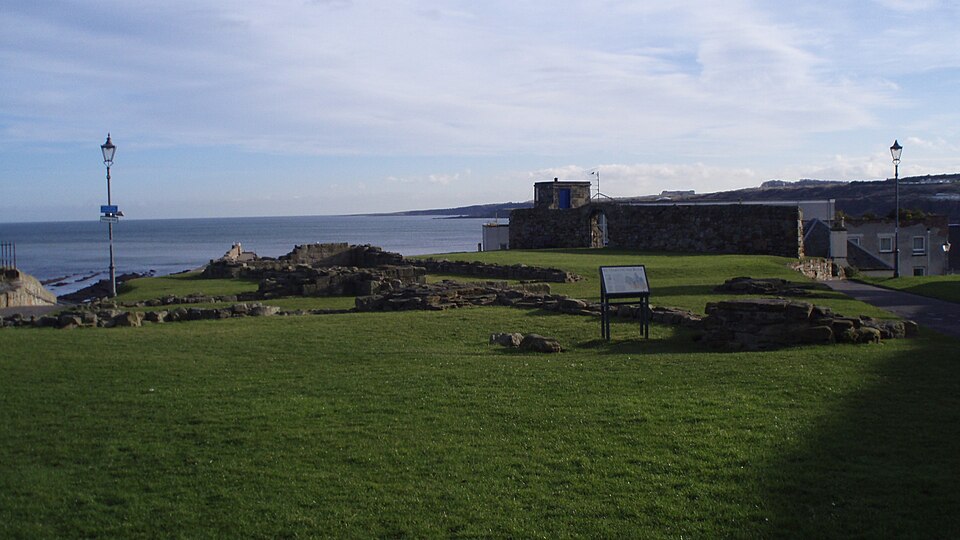
Photo: Calgacus / Wikimedia Commons / CC BY-SA 4.0 Church of St Mary on the Rock
Older Culdee religious site to the east that became a collegiate church
-
St Andrews Cathedral Priory
The Augustinian community that served the cathedral; surviving traces include the priory wall and the archways known as The Pends
-
Relics of St Andrew
The Apostle's relics, said to have been brought to the site, made it a major pilgrimage centre
In culture
-
According to legend, King Robert the Bruce rode his horse up the aisle at the cathedral's consecration in 1318.
What to look for
-
St Rule's Tower
St Rule's Tower — a tall (33 m / 108 ft) grey sandstone ashlar tower predating the cathedral, built to house the relics of St Andrew and long a land- and sea-mark guiding pilgrims; a stone spiral staircase was inserted in the 18th century.
-
The standing gables
The surviving gables and walls — the east and west gables, much of the south wall of the nave, and the west wall of the south transept, showing both Norman and Early Scottish work.
-
The turf ground-plan
The ground-plan of the church cut out in the turf, marking the full 119 m extent of the lost building.
-
The Pends
The Pends — the surviving archways of the priory precinct — and portions of the priory wall.
-
The golfers' graves
The burial ground, resting place of figures including the golfers Old and Young Tom Morris.
What is said
Folklore and tradition, recorded as what is said — not as established fact.
-
Legend credits St Rule (St Regulus) with bringing the relics of St Andrew to the area from their original location at Patras in Greece. (traditional legend of the relics' origin)
-
According to legend, King Robert the Bruce rode up the aisle of the cathedral on his horse at its consecration in 1318. (recorded as legend)
Standing there
- The lost building can still be read from the ruins — the great surviving gables of the tall east and west walls and the south nave wall — and from the full ground-plan cut into the turf, which traces the largest church ever built in Scotland, about 119 metres end to end, now open to the Fife sky and sea air.
- Beside the cathedral rises St Rule's Tower, a slender 33-metre grey sandstone tower older than the cathedral itself; climb its inserted stone spiral stair and it still commands the view it was built to give — town, harbour, open sea and countryside — the land- and sea-mark that once guided pilgrims to St Andrew's relics.
- Today the precinct is a walled burial ground threaded by the surviving priory wall and the archways called The Pends, headstones standing where the cloisters were — among them the golfers Old and Young Tom Morris — the whole site quiet, grassy and salt-weathered above the North Sea.
- Before 1559 this was the ecclesiastical heart of medieval Scotland — a vast roofed cathedral filled with the sung Latin liturgy of its Augustinian canons, candlelight, incense and the press of pilgrims come to venerate the relics of the Apostle Andrew at the seat of Scotland's archbishops.
- The emptiness itself is the experience: in June 1559 a Protestant mob roused by John Knox's preaching stripped and wrecked the interior, and within a generation the central tower fell and townspeople carried off the stone for building — so the bare gables and turf-cut plan are the visible record of the Reformation's force.
Plan your visit
- Location
- 56.3400°N · 2.7877°W
- Nearest settlement
- St Andrews
- Access
- Paid entry — managed visitor site
- Start point
- The Pends · St Andrews · Fife · KY16 9QL · National Grid reference: NO 513 166
- Time needed
- About 45 minutes
- Best time
- Prices & times Due to essential maintenance, the Museum is currently closed and sections of the graveyard are fenced off due to unstable gravestones. 1 April to 30 September: Daily, 9.30am to last entry at 4.45pm (closes 5.30pm). 1 October to 31 March: Friday to Monday, 10am to last entry at 3.15pm (closes 4pm).
- What survives
- The cathedral remains a major ruin, but essential conservation work has closed the museum and shop and fenced sections of the graveyard because of unstable gravestones.
- Facilities
- Visitor facilities depend on the current museum and cathedral-site operation; check the official information before travelling.
- Start point
- St Nicholas Burn car park — There is no dedicated cathedral car park; this is the nearest public pay-and-display car park. The cathedral grounds (postcode KY16 9QL, The Pends) are free to enter.
Opening & admission
Ticketed — check the official site for current prices
- Prices & times Due to essential maintenance, the Museum is currently closed and sections of the graveyard are fenced off due to unstable gravestones.
- 1 April to 30 September: Daily, 9.30am to last entry at 4.45pm (closes 5.30pm).
- 1 October to 31 March: Friday to Monday, 10am to last entry at 3.15pm (closes 4pm).
- _Opening times and admission prices are subject to change._ Opening times The grounds of the cathedral are open and are accessible free of charge.
- Due to essential maintenance, the Museum is currently closed and sections of the graveyard are fenced off due to unstable gravestones.
Nearby places
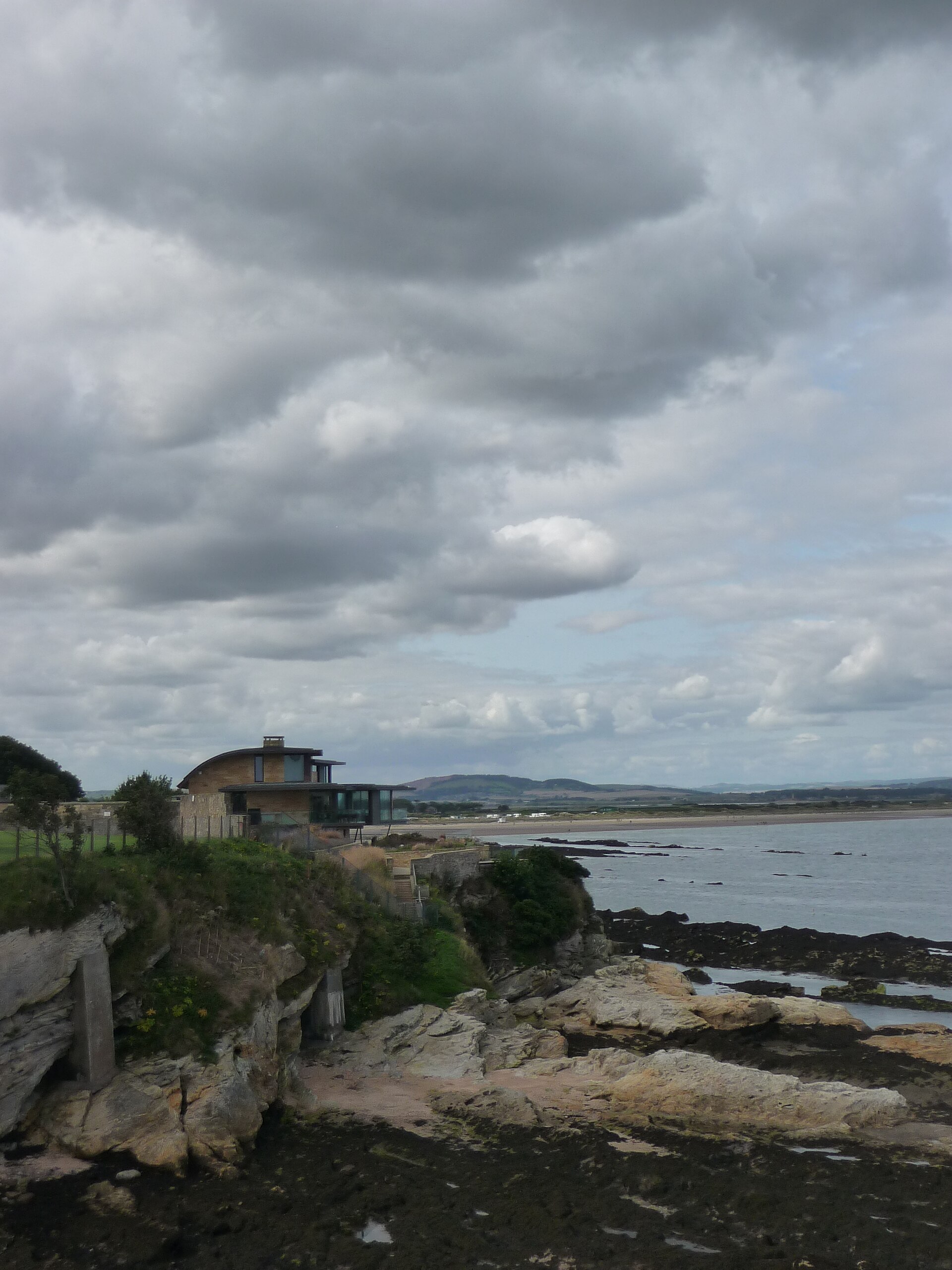
Fortified place · Medieval
St Andrews Castle
Fife
St Andrews Castle was the palace and prison of Scotland’s bishops, a frontline fortress in the Wars of Independence and Reformation (the sixteenth-…

Ancient tree · Medieval
Queen Mary's Thorn
Fife
Queen Mary’s Thorn keeps royal memory alive in St Andrews through a living tree, while the absence of contemporary evidence makes its famous planti…
- Near Fife
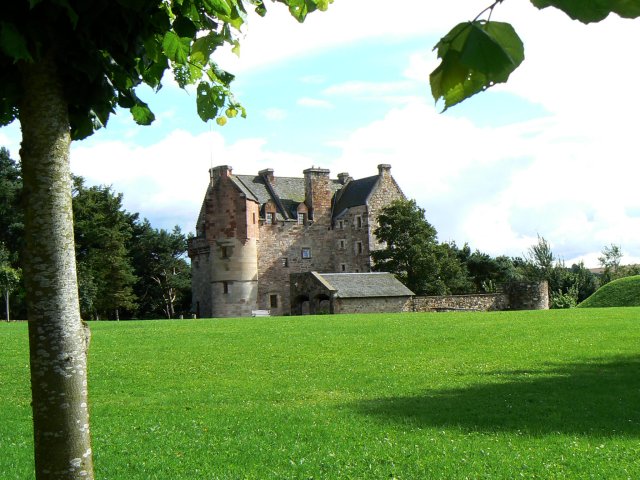
Fortified place · Medieval
Dairsie Castle
Fife
Dairsie gathers Fife’s ecclesiastical, royal and civil-war histories in one tower: a bishop’s estate, a besieged refuge for Mary’s jewels, and a re…
- Near St Andrews
Sources
- Canmore site record 34299 (accessed 2026-06-13)
- Trove (HES) record (accessed 2026-06-13)
- Wikipedia: St Andrews Cathedral (accessed 2026-06-13)
- Wikidata Q2361738 (accessed 2026-06-13)
Explore more: Building or ruins · Pictish & early medieval · Fife
The Ancient Codex, in your pocket
Get the Pocket Codex app
Carry the directory with you — St Andrews Cathedral and thousands of ancient places across Britain and Ireland, offline, wherever you roam.