The capital carries the arms of Moray and Campbell, two sundials and a lion — a good deal of information packed onto the top of one shaft.
Two sundials are set into the capital of this cross, beneath a lion, alongside the arms of Moray and Campbell. That is a considerable amount of information to load onto the top of a single shaft: two families, the time of day, and a royal beast, all within reach of the same glance.
The cross itself is of about 1620 — an octagonal shaft rising from a flight of six steps. The steps matter. They are part of the monument rather than a modern platform, and they exist so that whoever was reading a proclamation stood above the people listening to it. These crosses answered two civic errands at once, being both proof of the privilege to trade and a rostrum for announcement, and the design assumes an audience standing round the base.
The paired arms suggest an alliance rather than a single proprietor. Moray and Campbell together on one capital is the sort of statement made when two families’ interests met in a burgh’s superiority, and the stone records the fact without explaining it.
The sundials are a recurring feature of Scottish burgh crosses in the seventeenth century, and they turn the monument into a public clock as well as a market marker. In a town without any other means of agreeing the hour, that is a practical function rather than an ornament.
The cross stands at The Cross in Doune, so it has kept both its position and the street name that goes with it. It was formerly Scheduled Ancient Monument number 1647, scheduled on 27 September 1955 and descheduled on 13 May 2016 when its protection passed to the listing, and it is illustrated in Small’s Scottish Market Crosses at plates 39 and 40.
What follows is drawn from published sources, with each claim labelled by how firmly it is established.
History
The cross dates from about 1620 and takes the form of an octagonal shaft rising from a flight of six steps. The steps are part of the monument rather than a later platform, and they raise whoever stood on them above the crowd that would gather at the foot. The capital at the head of the shaft carries the arms of Moray and Campbell. Two families are therefore commemorated on one stone, which points to the marriage or alliance behind the burgh's superiority rather than to a single owner.
Set into the same capital are two sundials, surmounted by a lion. A cross that tells the time as well as marking market rights is doing more than one civic job at once, and sundials of this kind are a recurring feature on Scottish burgh crosses of the seventeenth century. Crosses of this form answered two civic errands at once — proof of the privilege to trade, and a rostrum for public announcement. This one stands at The Cross in Doune, so it retains the position and the street name that go with that function.
The cross was formerly Scheduled Ancient Monument number 1647, scheduled on 27 September 1955 and descheduled on 13 May 2016, when its protection transferred to the listing rather than lapsing. It appears in Small's Scottish Market Crosses at plates 39 and 40, which is the fullest published record of its carving.
Cultural influences
-
A seventeenth-century burgh cross
The cross marked Doune’s trading privilege and created a raised place for public proclamation, while its sundials also made it a civic timepiece.
Connections
-
The Cross, Doune
The cross stands at the street junction that takes its name, keeping the position that gave it its purpose.
Discovery & excavation
The market cross survives as a historic civic monument in the centre of Doune.
What to look for
-
The two sundials
Set into the capital beneath the lion, so the cross served as a public clock as well as a market marker.
-
The arms of Moray and Campbell
Two coats of arms on a single capital, pointing to an alliance rather than to one family's ownership.
-
The six steps
The octagonal shaft rises from a flight of six steps, which lift a speaker above the crowd at the foot of the cross.
Plan your visit
- Location
- 56.1897°N · 4.0528°W
- Access
- Visible from a public way
- Terrain
- Easy going
- Time needed
- About 15 minutes
- What survives
- The early-seventeenth-century cross survives complete at The Cross, retaining its shaft, steps, armorial capital, sundials and lion.
Nearby places
Fortified place · Medieval
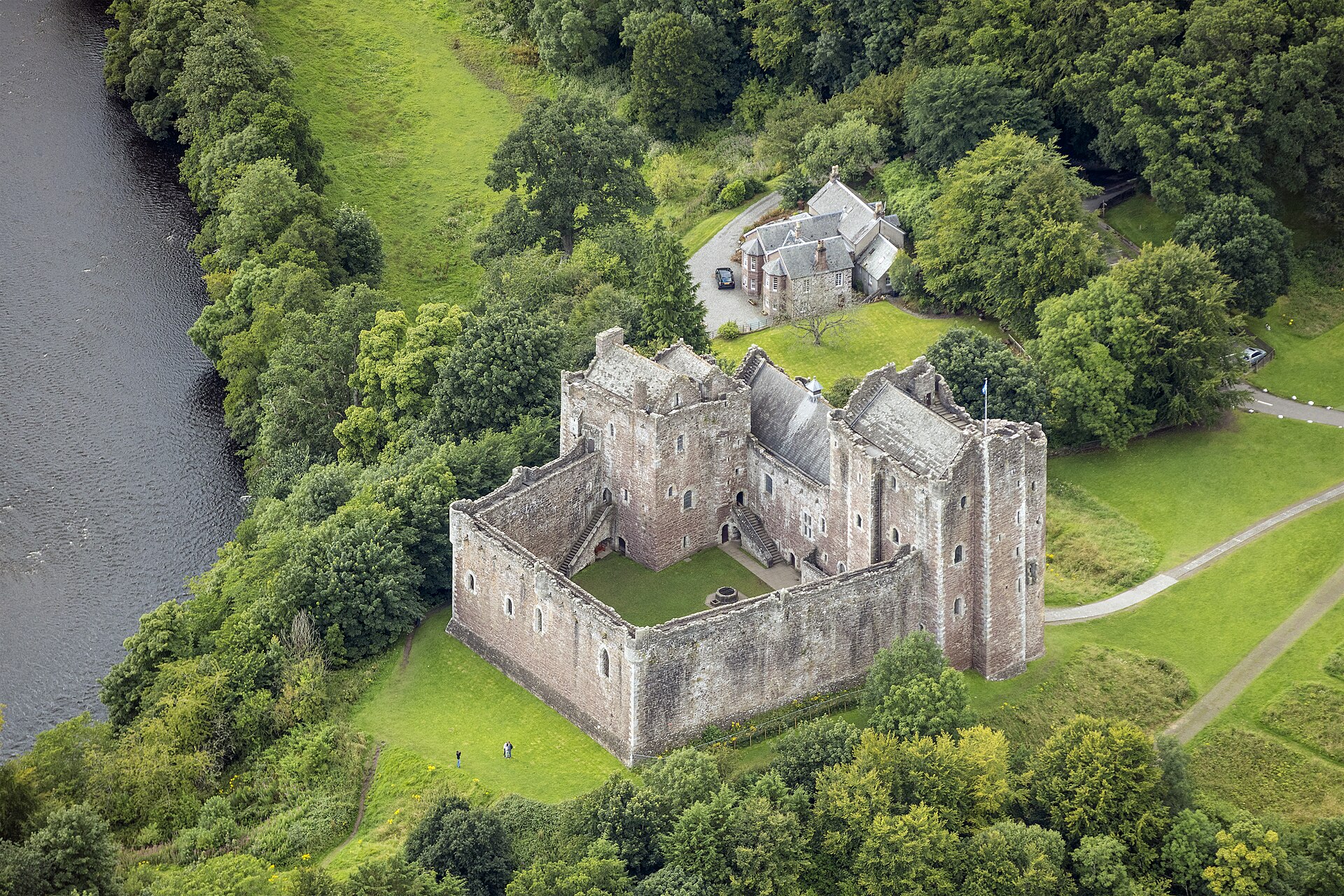
Doune Castle
Stirling
Only two ranges of the intended courtyard were ever finished, and the stonework is almost all late fourteenth century: repaired, but never replaced.
Fortified place · Iron Age
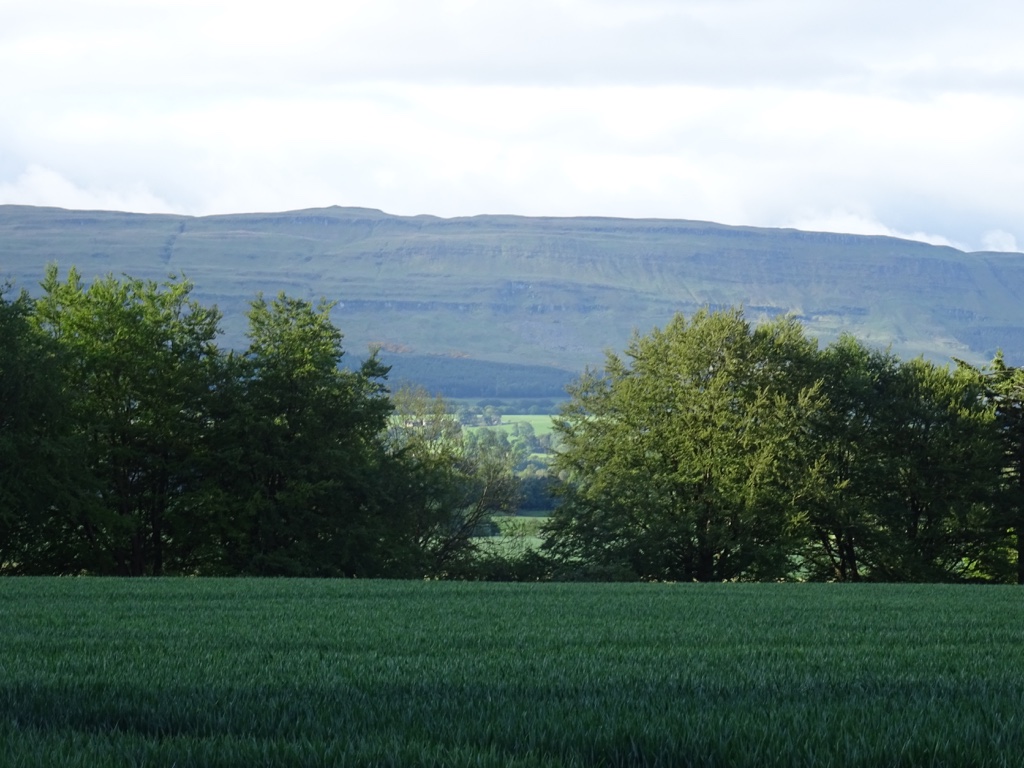
Coldoch Broch
Stirling
Cleared out just before 1870. A plan was drawn, and the excavation report never appeared.
- Near Doune
- Rough ground
Sacred place · Medieval
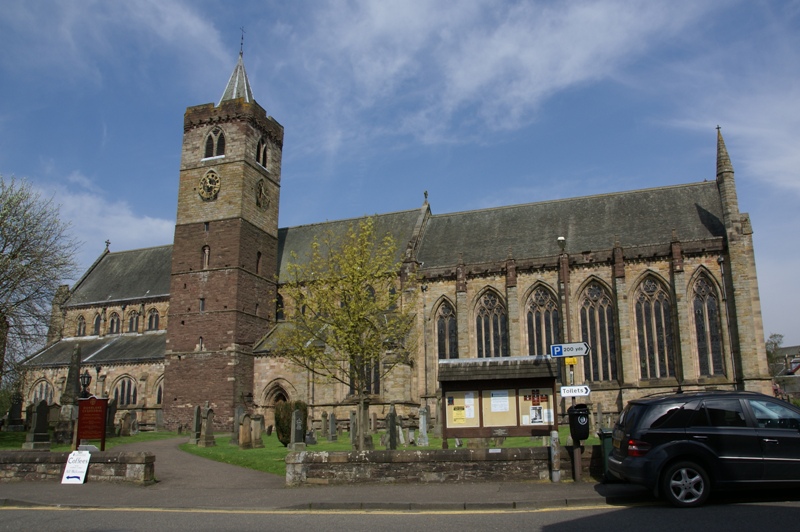
Dunblane Cathedral
Stirling
A cathedral whose nave stood roofless for nearly three centuries: and which holds the finest medieval woodwork in Scotland after King's College, Ab…
- Near Dunblane
Fortified place · Iron Age
Leckie Broch
Stirling
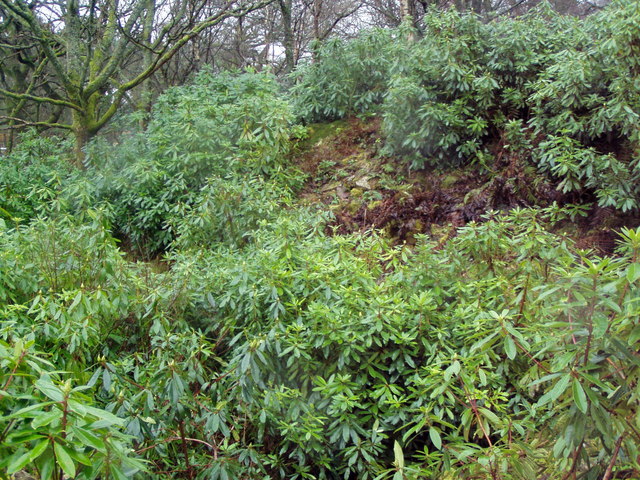
An Iron Age broch: a drystone tower unique to Iron Age Scotland: that rhododendrons closed off entirely until they were cleared in 2020.
- Rough ground
Questions people ask
- How old is the Doune market cross?
- It dates from about 1620.
- What is carved on the capital?
- The arms of Moray and Campbell, two sundials, and a lion above them.
- Is the cross a scheduled monument?
- It was Scheduled Ancient Monument number 1647 from 27 September 1955 until it was descheduled on 13 May 2016, when the listing took over its protection.
Sources
- Historic Environment Scotland — The Cross, Doune, LB24671
- John Small, Scottish Market Crosses
Explore more: Minor monuments · Medieval · Stirling
The Ancient Codex, in your pocket
Get the Pocket Codex app
Carry the directory with you — Market Cross, The Cross, Doune and thousands of ancient places across Britain and Ireland, offline, wherever you roam.