
Cleared out just before 1870. A plan was drawn, and the excavation report never appeared.
Somebody emptied this broch - a tall circular tower of unmortared stone, found only in Scotland - just before 1870. A plan was drawn of what they found. The report was never published, so the contents of the interior — everything that would have dated the tower and said who used it — are simply not on record. The structure was dug, and the digging is lost.
What can still be measured is the building. The internal diameter is 8.8 metres at its widest and the wall stands to 2.4 metres. The entrance faces east and is unusually narrow, its passage 5.8 metres long, and it has no guard cell — the small chamber beside a broch door from which an approach could be watched, and which most brochs of this kind have. Inside, three roughly rectangular rooms are built into the thickness of the wall, and a doorway opens onto the stair that climbs within it.
The position is worth noting. The tower sits on a slight rise right at the edge of the flat land of the Forth Valley, which was an extensive marsh when it was built. That is a different choice from the hilltop, and the wet ground would have served much of the purpose a ditch serves elsewhere. Leckie Broch stands three miles south in comparable country.
The site was described as recently as 2007 as overgrown with turf and weeds.
What follows is drawn from published sources, with each claim labelled by how firmly it is established.
History
The broch stands 4.5 kilometres south-west of Doune, on a slight rise immediately beside the flat land of the Forth Valley, which was originally an extensive marsh. A tower set at the edge of wet ground rather than on high ground is making a different calculation from a hilltop fort, and the marsh would have done much of the work of a ditch.
The tower has a maximum internal diameter of 8.8 metres and survives to a height of 2.4 metres. Its entrance is on the east side and is unusually narrow, with a passage about 5.8 metres long and no guard cell — the small chamber beside a broch entrance from which a doorway could be watched, and which most brochs have. Three intramural rooms, chambers built into the thickness of the wall, open off the interior. They are approximately rectangular in shape. A doorway leads to the intramural stair, the stone stair that climbs inside the wall itself.
The broch was apparently cleared out just before 1870, and a plan was prepared. No report on the excavation ever appeared, so what came out of the interior is not recorded. That is the central problem with this site — it has already been dug, and the record of the digging is a drawing and nothing else. As recently as 2007 the site was described as overgrown with turf and weeds. Leckie Broch stands three miles to the south, in comparable country at the edge of the same valley.
Connections
-
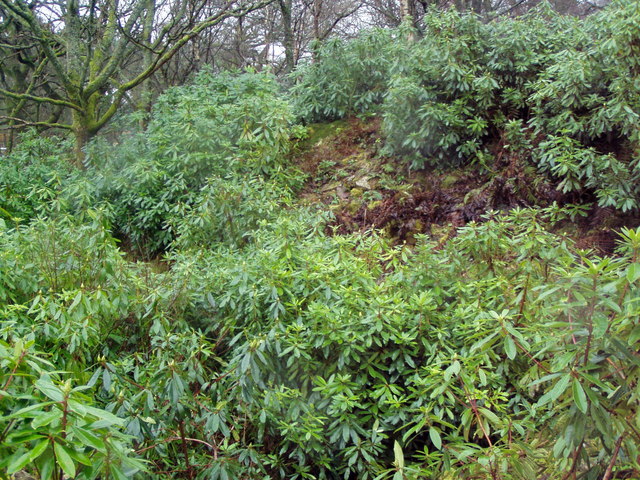
Photo: Ewen Rennie / Wikimedia Commons / CC BY-SA 2.0 Another broch three miles to the south, on the same edge of the Forth Valley, offering the closest structural comparison with Coldoch.
-
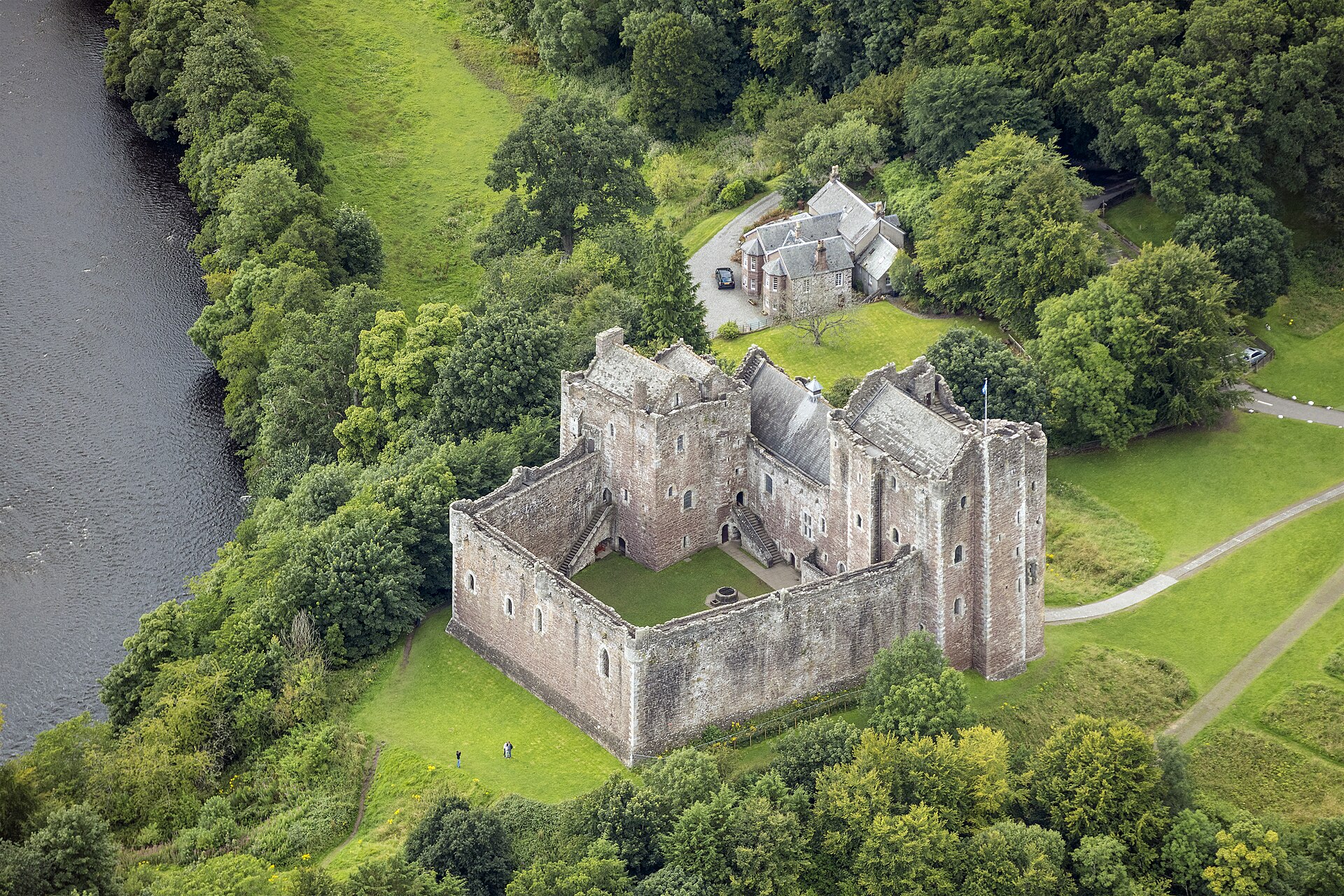
Photo: Godot13 / Wikimedia Commons / CC BY-SA 4.0 The medieval castle lies north-east of Coldoch, marking a later fortified use of the same Forth Valley route corridor and its surrounding landscape.
-
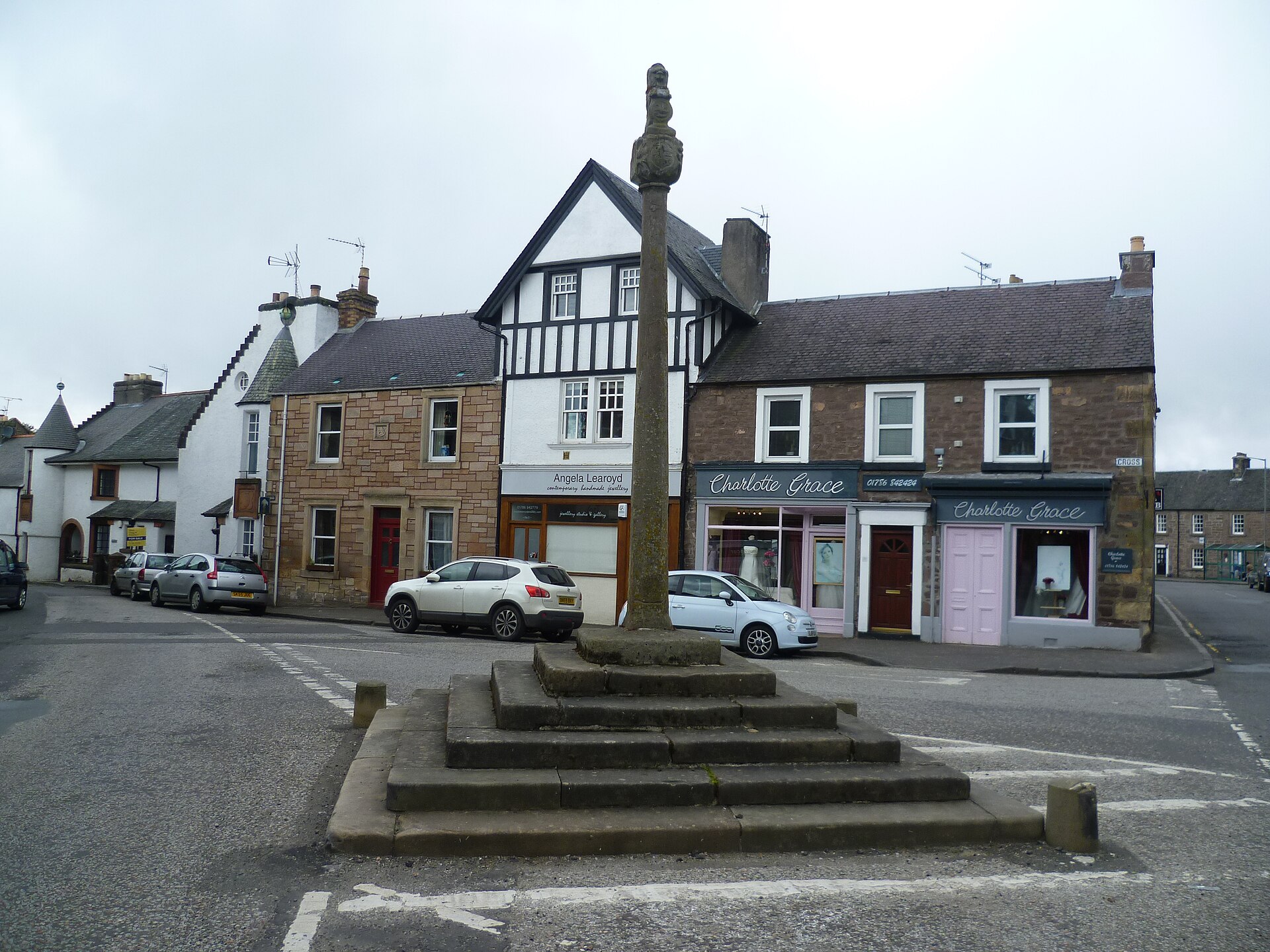
Photo: Kim Traynor / Wikimedia Commons / CC BY-SA 3.0 Market Cross, The Cross, Doune
The market cross in nearby Doune connects Coldoch’s marsh-edge tower with the later civic centre of the settlement at the valley’s northern side.
Discovery & excavation
The broch was apparently cleared shortly before 1870 and a plan prepared, but no excavation report was published and the finds from the interior are unrecorded.
What to look for
-
The narrow entrance
On the east side, with a passage 5.8 metres long and, unusually, no guard cell beside it.
-
The three intramural rooms
Roughly rectangular chambers built into the thickness of the wall, with a doorway to the stair that climbs inside it.
-
The position
A slight rise at the very edge of the Forth Valley flats, which were marsh when the tower was built.
Plan your visit
- Location
- 56.1580°N · 4.1004°W
- Nearest settlement
- Doune
- Access
- Open access
- Terrain
- Rough ground — reasonable boots advised
- Time needed
- About 30 minutes
- What survives
- The broch survives to about 2.4 metres high, but was described in 2007 as overgrown with turf and weeds; its intramural rooms and narrow entrance remain the principal visible evidence.
Opening & admission
No admission details are recorded for this site; check current local access arrangements before travelling.
Nearby places
Fortified place · Iron Age
Leckie Broch
Stirling
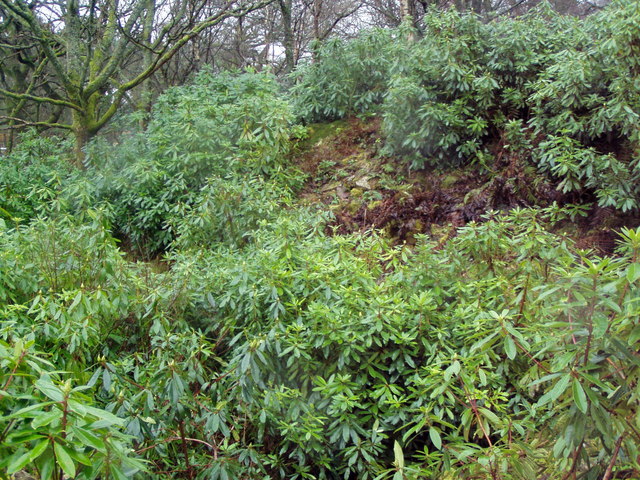
An Iron Age broch: a drystone tower unique to Iron Age Scotland: that rhododendrons closed off entirely until they were cleared in 2020.
- Rough ground
Fortified place · Medieval
Doune Castle
Stirling
Only two ranges of the intended courtyard were ever finished, and the stonework is almost all late fourteenth century: repaired, but never replaced.
Minor monument · Medieval
Market Cross, The Cross, Doune
Stirling
The capital carries the arms of Moray and Campbell, two sundials and a lion: a good deal of information packed onto the top of one shaft.
- Easy path
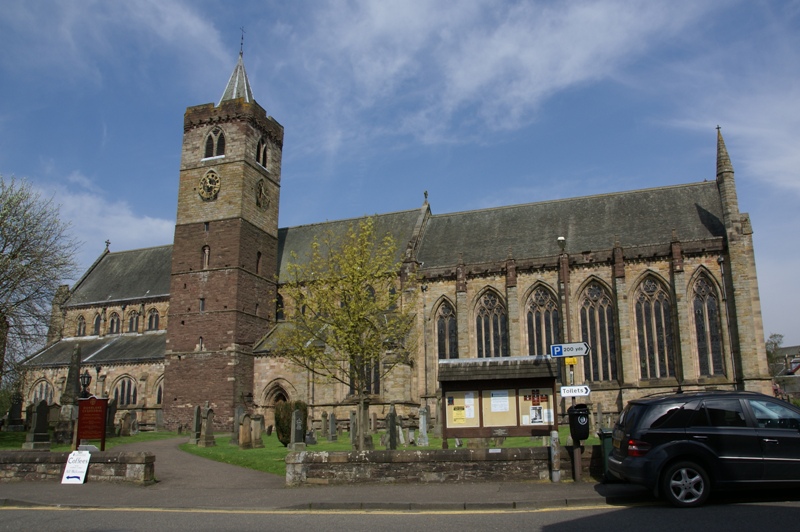
Sacred place · Medieval
Dunblane Cathedral
Stirling
A cathedral whose nave stood roofless for nearly three centuries: and which holds the finest medieval woodwork in Scotland after King's College, Ab…
- Near Dunblane
The setting
Farm track below Ashentree — 234 m from the recorded location of Coldoch Broch
Photo: Alan Reid / Wikimedia Commons / CC BY-SA 2.0
Questions people ask
- How much survives?
- The tower stands up to 2.4 metres high, with a maximum internal diameter of 8.8 metres, three intramural rooms and a doorway to the stair inside the wall.
- Has it been excavated?
- It was apparently cleared out just before 1870 and a plan was drawn, but no excavation report was ever published, so the finds are unrecorded.
- What is unusual about the entrance?
- It is unusually narrow, and the 5.8-metre passage has no guard cell, the small chamber beside the door that most brochs have.
Sources
- Canmore site 45356
- Wikipedia: Coldoch Broch
- Wikidata: Q18150066
- Historic Environment Scotland scheduled monument SM1593 — Coldoch, broch (accessed 2026-08-03)
Explore more: Fortified places · Iron Age · Stirling
The Ancient Codex, in your pocket
Get the Pocket Codex app
Carry the directory with you — Coldoch Broch and thousands of ancient places across Britain and Ireland, offline, wherever you roam.