
A cathedral whose nave stood roofless for nearly three centuries — and which holds the finest medieval woodwork in Scotland after King's College, Aberdeen.
For nearly three centuries Dunblane Cathedral was half a building in use and half a ruin. After the abolition of prelacy following the Glorious Revolution of 1689, the choir became the parish church and the nave fell out of use altogether — and its roof had in fact already fallen in by about 1600. Services continued at one end of the church while the other stood open to the weather.
That was not put right until the late nineteenth century. Under the direction of the Rev Alexander Ritchie, the architect Robert Rowand Anderson restored the building and re-roofed the nave between 1889 and 1893, with the works finally completed by Sir Robert Lorimer in 1912.
What was being restored had been built over a very long period. The oldest surviving part is the lower four storeys of the tower, dating from around 1100, and it was originally free-standing — a separate structure that the church was later built against. Its upper two storeys were added around 1500. Between those two dates came the thirteenth-century Gothic work that forms most of the rest of the building, including the choir, with its long vaulted chamber on the north side serving as chapter house and sacristy.
The church is dedicated to St Blane, a saint of the sixth century, and the dedication named the town: Dunblane means the hill of St Blane. There was also an altar to St Laurence.
The best reason to go inside is the woodwork. The choir holds many of the fifteenth-century stalls commissioned by Bishop Ochiltree, with carved misericords — the hinged ledges under the seats that let standing clergy rest — including one with an unusual depiction of a bat. At the west end of the nave are further, more elaborate canopied stalls commissioned by Bishop Chisholm. Taken together, Dunblane has the largest surviving collection of medieval Scottish ecclesiastical woodwork after King’s College Chapel in Aberdeen, and some detached fragments are displayed in the town’s museum.
The choir also holds the mural tomb of the cathedral’s founder, Bishop Clement, who died in 1258, and among the other monuments are Malise II, Earl of Strathearn, and the graves of Margaret Drummond of Stobhall — a mistress of James IV — with her two sisters, all three of whom are said to have been poisoned.
In the nave stands a much more recent monument. A standing stone by the sculptor Richard Kindersley commemorates the events of 13 March 1996, carrying quotations from E. V. Rieu, Richard Henry Stoddard, Bayard Taylor and W. H. Auden.
Technically the building is no longer a cathedral at all, since the Church of Scotland is Presbyterian and has no bishops. It was the seat of the bishops of Dunblane, sometimes styled of Strathearn, until 1689, and remains of the vaults of the episcopal palace survive to the south. Unusually, the building is owned by the Crown and looked after by Historic Scotland rather than by church governance, and there is no entrance charge.
What follows is drawn from published sources, with each claim labelled by how firmly it is established.
History
Dunblane Cathedral is a Church of Scotland church in Dunblane. It is dedicated to the sixth-century saint Blane, and that dedication gives the settlement its name — Dunblane meaning the hill of St Blane. The church also had an altar to St Laurence. The oldest surviving part is the lower four storeys of the tower, dating from around 1100 and originally free-standing. The upper two storeys were added around 1500, so the tower alone spans four centuries of building.
Most of the rest of the building is Gothic work of the thirteenth century. The choir dates from that period and has a long vaulted chamber on its north side which served as chapter house and sacristy — two functions in one room, which is an economy typical of a modest cathedral. The choir contains the mural tomb of the cathedral's founder, Bishop Clement, who died in 1258. Many of the fifteenth-century choir stalls commissioned by Bishop Ochiltree survive there, with carved misericords including one with an unusual depiction of a bat.
Further and more elaborate canopied stalls, commissioned by Bishop Chisholm, are preserved at the west end of the nave. Dunblane has the largest surviving collection of medieval Scottish ecclesiastical woodwork after King's College Chapel, Aberdeen. The cathedral was the seat of the bishops of Dunblane, also styled of Strathearn, until the abolition of bishops after the Glorious Revolution in 1689. Remains of the vaults of the episcopal palace survive to the south of the building.
After the abolition of prelacy the choir became the parish church, but the nave fell out of use and its roof had fallen in by about 1600. The building therefore spent nearly three centuries half-ruined and half in service. Robert Rowand Anderson restored the building and re-roofed the nave between 1889 and 1893, under the direction of the Rev Alexander Ritchie, with the works completed by Sir Robert Lorimer in 1912.
People
-
Bishop Clement
Thirteenth-century bishop credited with rebuilding Dunblane Cathedral; his mural tomb in the choir commemorates the founder who died in 1258.
-
Bishop Ochiltree
Fifteenth-century bishop who commissioned the surviving choir stalls and their carved misericords, among the cathedral’s most distinctive medieval furnishings.
-
Robert Rowand Anderson
Architect who led the late nineteenth-century restoration and re-roofing of Dunblane Cathedral’s nave between 1889 and 1893.
Connections
-
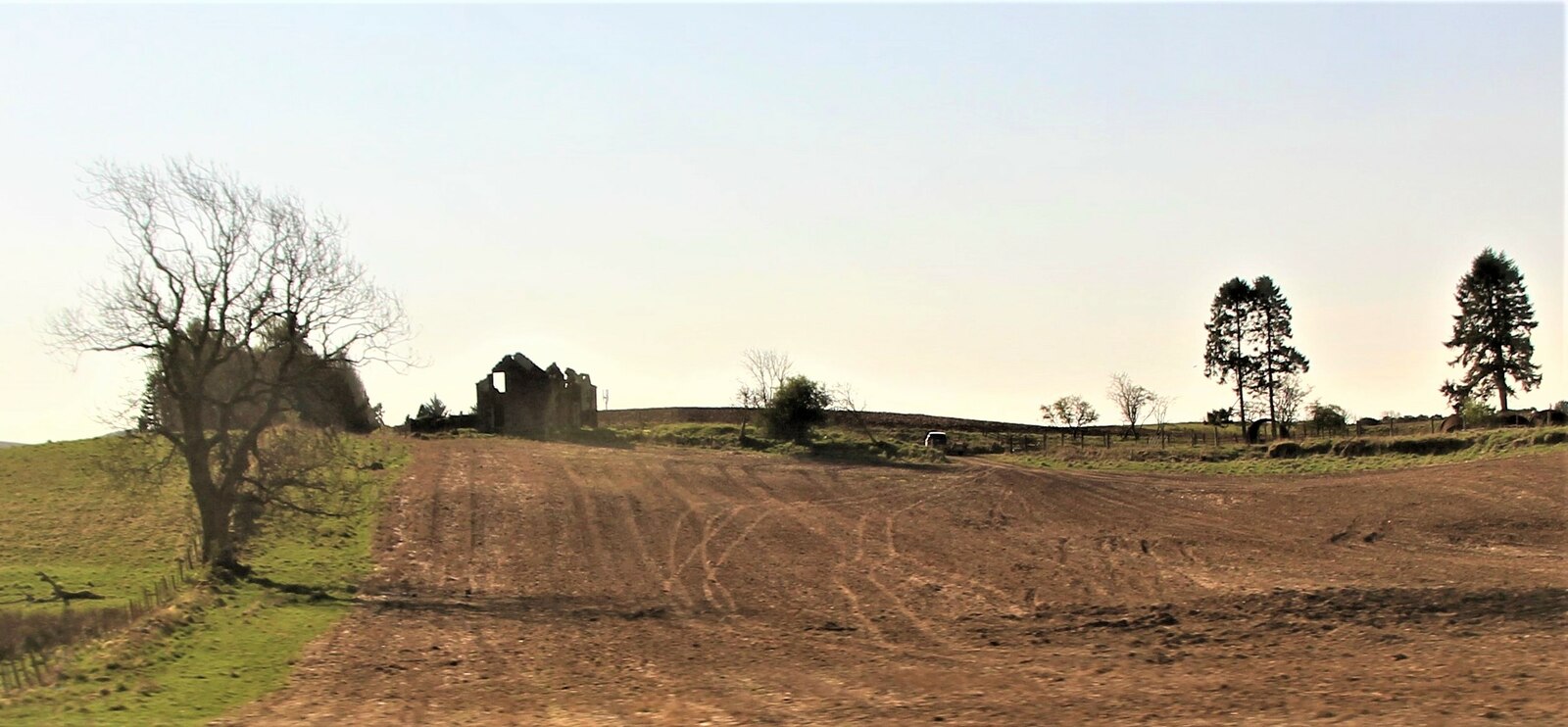
Photo: Alan Reid / Wikimedia Commons / CC BY-SA 2.0 A nearby Roman fort site, adding an earlier layer to the historic landscape around Dunblane and the River Teith valley.
-
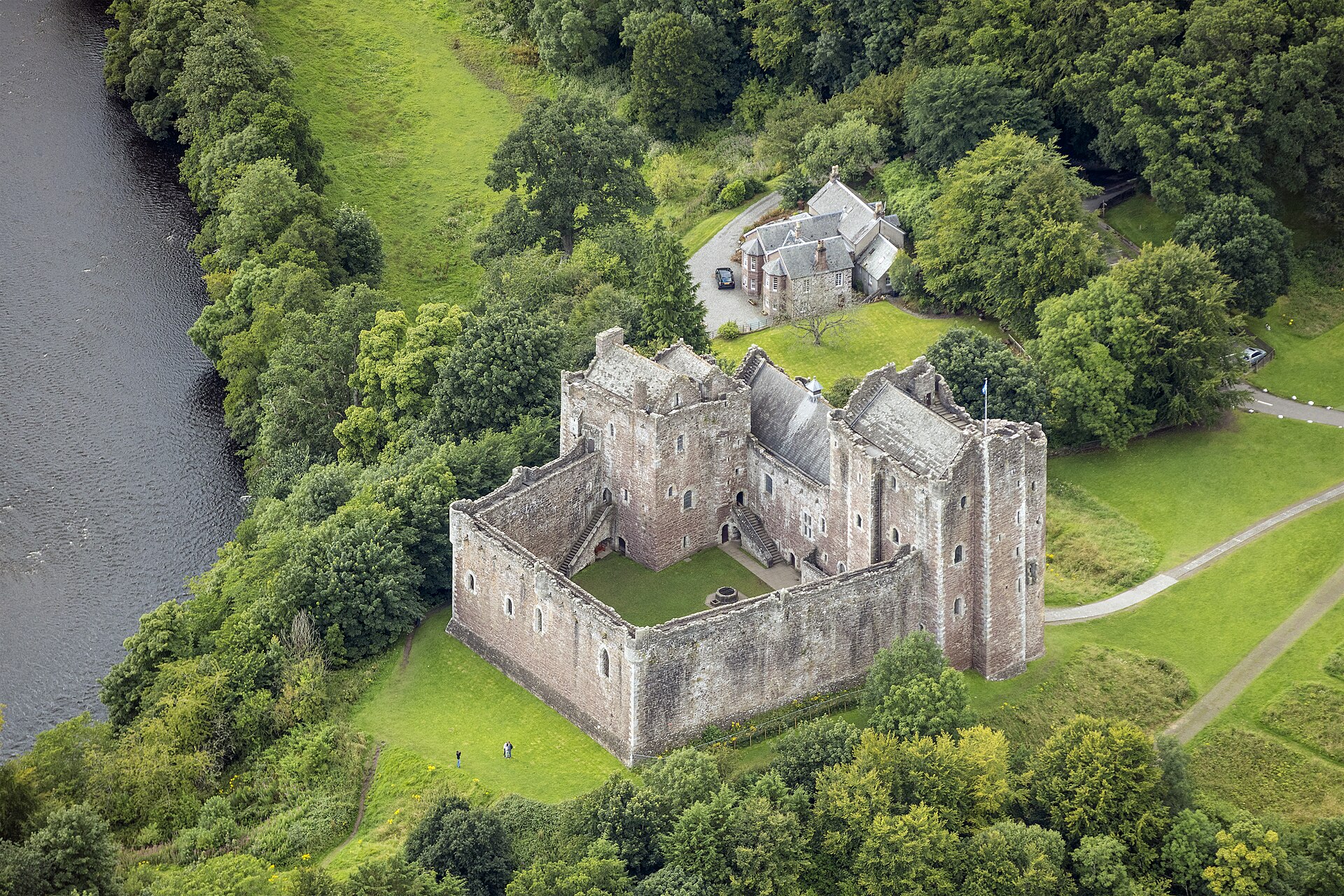
Photo: Godot13 / Wikimedia Commons / CC BY-SA 4.0 The medieval castle down the River Teith, a strong comparison for the secular power and patronage that shaped the same regional landscape.
-
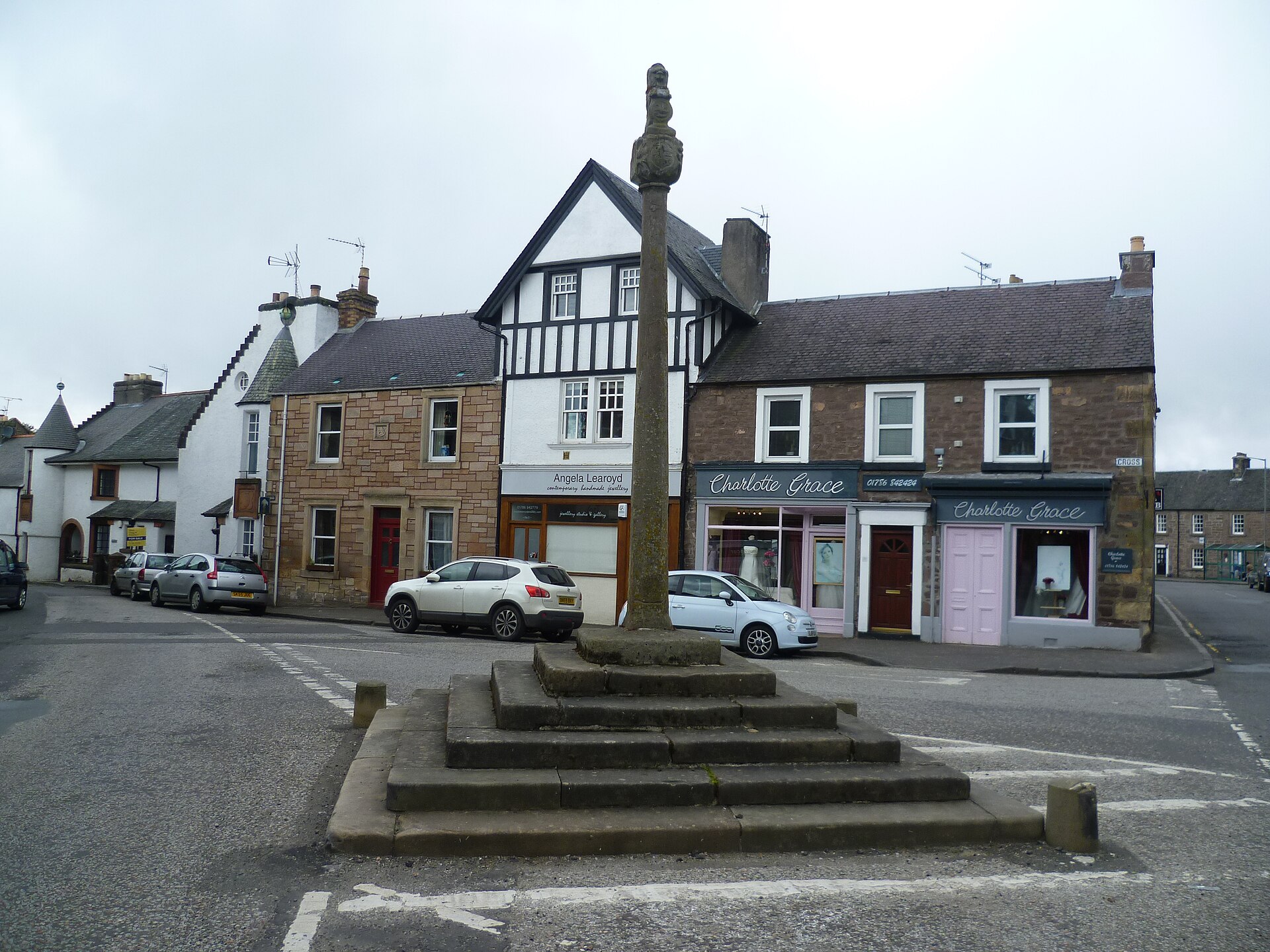
Photo: Kim Traynor / Wikimedia Commons / CC BY-SA 3.0 Market Cross, The Cross, Doune
A medieval civic monument in nearby Doune, marking the market centre of a settlement linked to the same Teith-side landscape.
Discovery & excavation
The cathedral preserves a thirteenth-century choir, Bishop Clement’s mural tomb, medieval choir stalls and surviving episcopal-palace vaults; the surviving account records no separate excavation campaign.
What to look for
-
The tower
The lower four storeys date from around 1100 and were originally free-standing; the upper two were added around 1500. It is the oldest fabric in the building by a wide margin.
-
The misericords
Fifteenth-century choir stalls commissioned by Bishop Ochiltree carry carved misericords — the hinged ledges beneath the seats — including one with an unusual depiction of a bat.
-
Bishop Chisholm's canopied stalls
More elaborate stalls at the west end of the nave. Together with Ochiltree's, they make up the largest surviving collection of medieval Scottish ecclesiastical woodwork after King's College Chapel, Aberdeen.
-
The Drummond graves
The cathedral contains the graves of Margaret Drummond of Stobhall, a mistress of James IV, and her two sisters, all said to have been poisoned.
-
The Dunblane commemoration stone
A standing stone by the sculptor Richard Kindersley in the nave, commemorating the events of 13 March 1996, carrying quotations by E. V. Rieu, Richard Henry Stoddard, Bayard Taylor and W. H. Auden.
Plan your visit
- Location
- 56.1894°N · 3.9650°W
- Nearest settlement
- Dunblane
Nearby places
Fortified place · Roman
Glenbank
Perth and Kinross
The Romans pulled it down themselves when they left. Aerial photography found it again in 1983.
- Near Dunblane
- Some walking
Fortified place · Medieval
Doune Castle
Stirling
Only two ranges of the intended courtyard were ever finished, and the stonework is almost all late fourteenth century: repaired, but never replaced.
Minor monument · Medieval
Market Cross, The Cross, Doune
Stirling
The capital carries the arms of Moray and Campbell, two sundials and a lion: a good deal of information packed onto the top of one shaft.
- Easy path
Building or ruin · Medieval
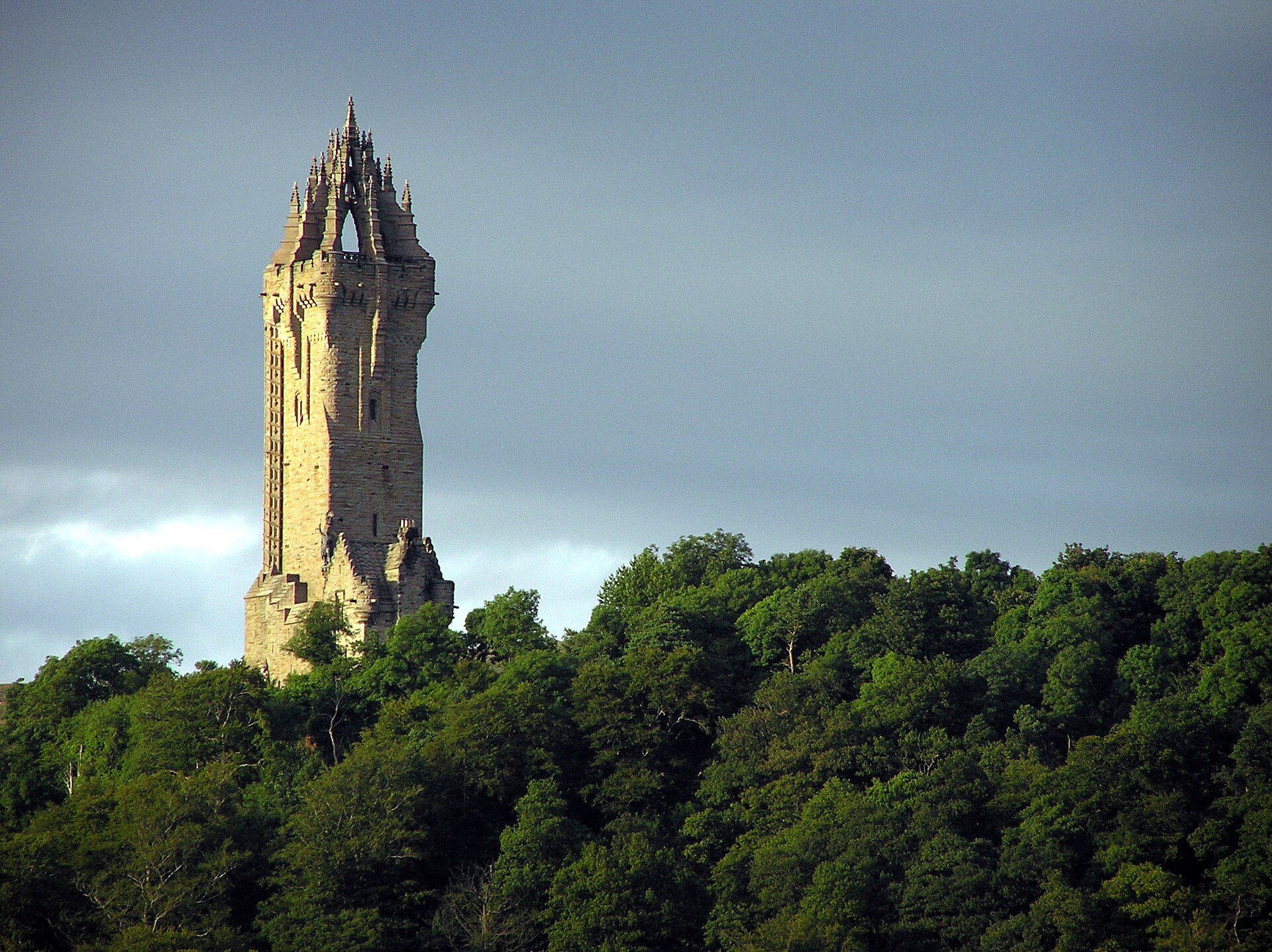
Wallace Monument
Stirling
Garibaldi helped pay for it. A statue of Wallace with Mel Gibson's face stood at the foot of the crag until the public loathing became unmanageable.
Questions people ask
- Is it still a cathedral?
- Technically no. There are no bishops in the Church of Scotland, which is Presbyterian, so the building is no longer a cathedral in the formal sense — though it keeps the name. It was the seat of the bishops of Dunblane until the abolition of bishops after the Glorious Revolution in 1689.
- How old is the building?
- The lower four storeys of the tower date from around 1100 and were originally free-standing. Most of the rest is thirteenth-century Gothic work, with the upper two storeys of the tower added around 1500.
- What happened to the nave?
- After the abolition of prelacy the choir became the parish church and the nave fell out of use. Its roof had fallen in by about 1600, and it was re-roofed by Robert Rowand Anderson between 1889 and 1893.
- Who looks after it?
- Unusually, the building is owned by the Crown and cared for by Historic Scotland rather than by the church governance. There is no entrance charge.
Sources
The Ancient Codex, in your pocket
Get the Pocket Codex app
Carry the directory with you — Dunblane Cathedral and thousands of ancient places across Britain and Ireland, offline, wherever you roam.