
Garibaldi helped pay for it. A statue of Wallace with Mel Gibson's face stood at the foot of the crag until the public loathing became unmanageable.
Giuseppe Garibaldi helped pay for this. The campaign to build a monument to William Wallace began in Glasgow in 1851, in the middle of a nineteenth-century resurgence of Scottish national feeling, and besides public subscription it drew money from foreign donors - among them the man then unifying Italy. National heroes were an international enthusiasm in that decade.
The site was chosen for a story. The Abbey Craig, a volcanic crag above Cambuskenneth Abbey, is said to be where Wallace watched Edward I’s army gathering before the Battle of Stirling Bridge in 1297. John Thomas Rochead designed the tower in Victorian Gothic; the Duke of Atholl laid the foundation stone in 1861 as Grand Master Mason of Scotland; and eight years and 18,000 pounds later, in 1869, the sandstone tower stood 67 metres above the crag.
Inside are three exhibition rooms, 246 steps of spiral staircase to a viewing gallery over the Ochils and the Forth valley, and the Wallace Sword - a longsword over five feet long. There is also the Hall of Heroes, a small national hall of fame in busts: Bruce, Knox, Burns, Adam Smith, Watt, Scott, Livingstone, Gladstone and eight more. All sixteen were men. In 2017 it was announced that Mary Slessor and Maggie Keswick Jencks would be the first women added.
The monument’s strangest chapter belongs to the car park. In 1996 the sculptor Tom Church carved a Wallace called Freedom, inspired by the film Braveheart and given the face of Mel Gibson. Stirling Council installed it at the foot of the craig in 1997. It was described as among the most loathed pieces of public art in Scotland, was vandalised so often that it had to be put in a cage, and was removed in 2008 when the visitor centre was extended. Church could not sell it at auction, reportedly offered it to a Trump golf resort, and ended up keeping it in his garden inside a replica castle, accompanied by the head of the decapitated governor of York. It went to Glebe Park stadium in Brechin in 2021.
What follows is drawn from published sources, with each claim labelled by how firmly it is established.
History
The tower stands 67 metres high on the shoulder of the Abbey Craig, a volcanic crag above Cambuskenneth Abbey overlooking Stirling. The crag is said to have been the point from which William Wallace watched the army of Edward I gathering, just before the Battle of Stirling Bridge in 1297. The monument was built following a fundraising campaign that accompanied a resurgence of Scottish national identity in the nineteenth century. The Rev Charles Rogers began it in Glasgow in 1851 and was joined by William Burns, who took sole charge from about 1855 after Rogers resigned.
Besides public subscription, the campaign drew contributions from a number of foreign donors, among them the Italian national leader Giuseppe Garibaldi. A monument to a medieval Scottish resistance leader part-funded by the architect of Italian unification is a reminder of how far the nineteenth-century enthusiasm for national heroes travelled.
The architect was John Thomas Rochead, and the design is Victorian Gothic. The Duke of Atholl laid the foundation stone in 1861 in his capacity as Grand Master Mason of Scotland, with a short speech from Sir Archibald Alison. The sandstone tower took eight years to build, was completed in 1869, and cost 18,000 pounds — about 1.8 million in 2024 terms.
Inside are three exhibition rooms and, in the crown, a viewing gallery reached by a 246-step spiral staircase, looking out over the Ochil Hills and the Forth Valley. Artefacts believed to have belonged to Wallace are displayed, including the Wallace Sword, a longsword 1.63 metres long weighing 2.35 kilograms.
The monument also holds the Hall of Heroes, a series of busts of famous Scots amounting to a small national hall of fame. Those commemorated are Robert the Bruce, George Buchanan, John Knox, Allan Ramsay, Robert Burns, Robert Tannahill, Adam Smith, James Watt, Sir Walter Scott, William Murdoch, Sir David Brewster, Thomas Carlyle, Hugh Miller, Thomas Chalmers, David Livingstone and W. E. Gladstone. In 2017 it was announced that Mary Slessor and Maggie Keswick Jencks would be the first heroines added.
The original Victorian statue of Wallace on the corner of the monument is by the Edinburgh sculptor David Watson Stevenson. A second statue had a much shorter career. In 1996 Tom Church carved a Wallace called Freedom, inspired by the film Braveheart and given the face of Mel Gibson, who had played Wallace in it. Church leased the statue to Stirling Council, who installed it in 1997 in the car park of the visitor centre at the foot of the craig. It was deeply unpopular — described as among the most loathed pieces of public art in Scotland — and was vandalised repeatedly until it was placed in a cage to prevent further damage.
Plans to expand the visitor centre with a new restaurant and reception led to its removal in 2008. It was returned to Church, who failed to sell it at auction and reportedly offered it to Donald Trump's Menie estate golf resort. It stayed instead in the garden of the sculptor's home, built into a replica castle and augmented with, among other things, the head of the decapitated governor of York. Local press reported in April 2016 that it might go to Ardrossan's old Barony Church; in September 2021 it was moved to Glebe Park stadium in Brechin.
People
-
John Thomas Rochead
Architect of the Victorian Gothic tower, completed in 1869 after eight years' building.
-
Charles Rogers
Began the fundraising campaign in Glasgow in 1851, resigning around 1855.
-
Giuseppe Garibaldi
Among the foreign donors who contributed to the building fund.
-
Tom Church
Carved the 1996 statue Freedom, with Mel Gibson's face, which was caged against vandalism and removed in 2008.
Connections
-
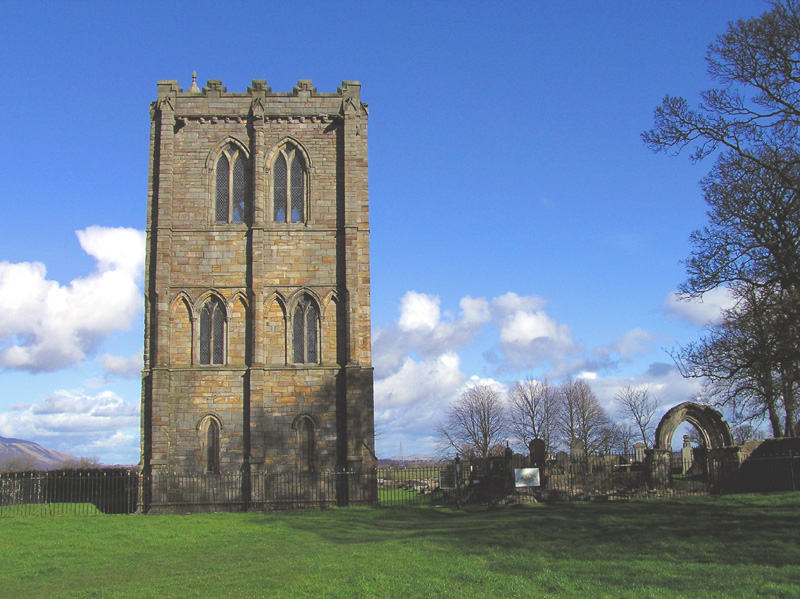
Photo: Unknown / Wikimedia Commons / CC BY-SA 3.0 Lies below the Abbey Craig, the volcanic crag the monument stands on.
-
Battle of Stirling Bridge
Fought in 1297; the crag is said to be where Wallace watched Edward I's army gather beforehand.
In culture
-
Braveheart
The 1995 film inspired Tom Church's statue Freedom, which was given the face of Mel Gibson and installed at the foot of the craig in 1997.
What to look for
-
The Wallace Sword
A longsword 1.63 metres long and weighing 2.35 kilograms, displayed inside as one of the artefacts believed to have belonged to Wallace.
-
The Hall of Heroes
Busts of sixteen famous Scots, from Robert the Bruce to Gladstone, with the first two heroines announced in 2017.
-
The viewing gallery
In the crown of the tower, 246 steps up, looking over the Ochil Hills and the Forth Valley.
-
Stevenson's Wallace
The original Victorian statue on the corner of the monument, by the Edinburgh sculptor David Watson Stevenson.
What is said
Folklore and tradition, recorded as what is said — not as established fact.
-
The watching place
The Abbey Craig is said to have been where Wallace watched the army of Edward I gathering before the Battle of Stirling Bridge in 1297.
Plan your visit
- Location
- 56.1388°N · 3.9180°W
Nearby places
Fortified place · Medieval
Cambuskenneth Abbey
Stirling
Cambuskenneth Abbey, a provostry of canons regular on land enclosed by a meander of the River Forth near Stirling, was founded by order of King Dav…
- Near Stirling
- 263 metres from car park
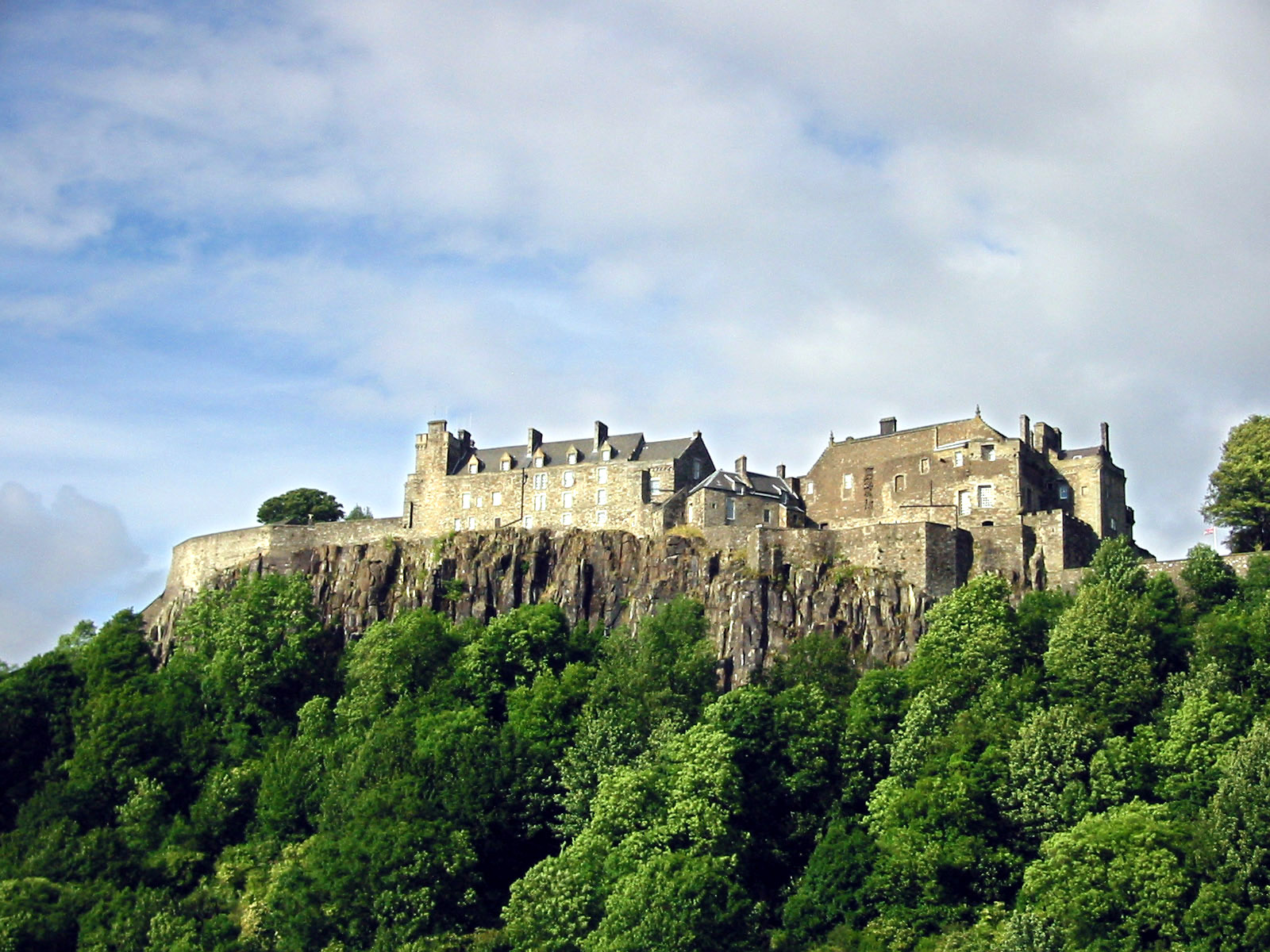
Fortified place · Medieval
Stirling Castle
Stirling
The castle Edward I kept bombarding after it had already surrendered, because he wanted to try out his new trebuchet.
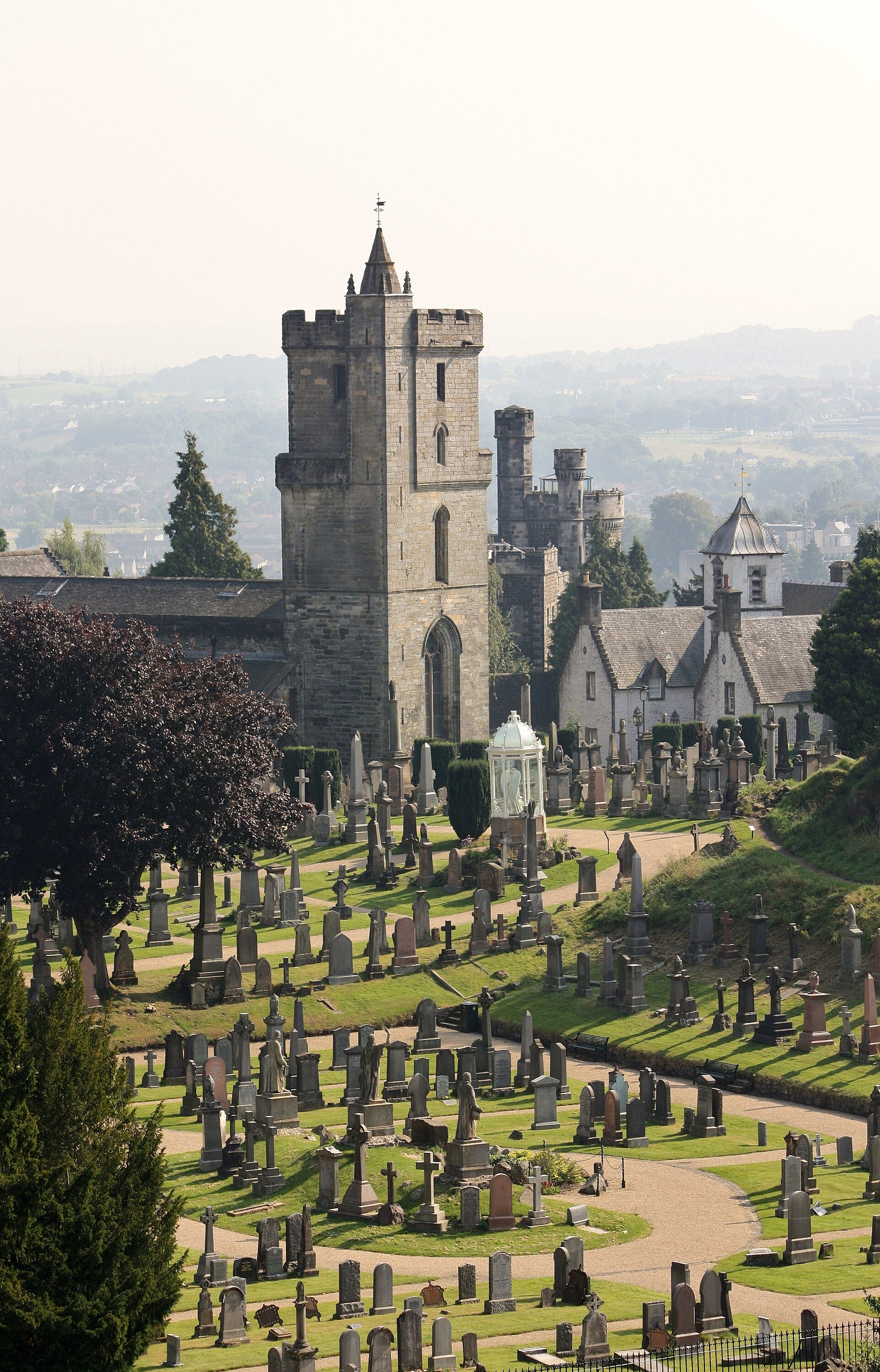
Sacred place · Medieval
Church of the Holy Rude
Stirling
One of only three churches still in use in Britain where a monarch has been crowned: and for 280 years it was two churches, divided by a wall down…
- Near Stirling

Fortified place · Iron Age
Dumyat
Clackmannanshire
Dumyat’s Castle Law preserves an excavated hill fort with evidence for occupation from around 500 BC and again in the fifth to seventh centuries AD.
- Near Alloa
- Rough ground
Questions people ask
- Who paid for the monument?
- Public subscription, raised from 1851, with contributions from foreign donors including Giuseppe Garibaldi. It cost 18,000 pounds, about 1.8 million in 2024 terms.
- How tall is it and how do you get to the top?
- 67 metres. A spiral staircase of 246 steps leads to the viewing gallery in the crown, past three exhibition rooms. The tower is not accessible to disabled visitors.
- What happened to the Braveheart statue?
- Tom Church's Freedom, carved in 1996 with Mel Gibson's face, was installed at the foot of the craig in 1997, caged after repeated vandalism, removed in 2008, and eventually moved to Glebe Park stadium in Brechin in 2021.
- Who is in the Hall of Heroes?
- Sixteen busts, from Robert the Bruce and John Knox to Adam Smith, James Watt, David Livingstone and Gladstone. Mary Slessor and Maggie Keswick Jencks were announced in 2017 as the first heroines.
The Ancient Codex, in your pocket
Get the Pocket Codex app
Carry the directory with you — Wallace Monument and thousands of ancient places across Britain and Ireland, offline, wherever you roam.