
Dumyat’s Castle Law preserves an excavated hill fort with evidence for occupation from around 500 BC and again in the fifth to seventh centuries AD.
At the western edge of the Ochil Hills, Dumyat rises above the Stirling area with two distinct summits: Castle Law to the west and Dumyat proper to the east. On Castle Law, the outline of an ancient hill fort remains visible. The hill’s name is thought to refer to a fort of the Maeatae, the people associated with the site’s earliest known occupation.
Radiocarbon evidence from the same programme of work indicates two periods of use, one about 500 BC and one in the three centuries after AD 400. The fort is a scheduled monument. Dumyat’s exposed slopes also record later use through sheep farming and abandoned copper and barytes mining, while a beacon erected in 1977 for the Queen’s Silver Jubilee adds a modern ceremonial layer to the summit.
What follows is drawn from published sources, with each claim labelled by how firmly it is established.
History
Castle Law, the western summit of Dumyat, contains the visible remains of an ancient hill fort associated with the Maeatae. Radiocarbon dates obtained in work led by Dr Murray Cook, with Professor Gordon Noble of the University of Aberdeen, point to at least two periods of occupation here: about 500 BC, with a second phase of use in the three centuries from around AD 400. The fort is protected as a scheduled monument. Later use of the hill included sheep farming and small-scale extraction of copper and barytes, now abandoned. A beacon was commissioned for the Queen’s Silver Jubilee in 1977, carried to the summit by the Menstrie Scout Group and used in the UK chain of Jubilee beacons.
Connections
-
Castle Law hillfort
Castle Law is the western summit of Dumyat, where the visible remains of the ancient hillfort associated with the Maeatae survive. Radiocarbon work identifies occupation around 500 BC and again from about AD 400, making the summit the clearest archaeological focus within the wider hill landscape.
-
Menstrie Scout Group
For the Queen’s Silver Jubilee in 1977, the Menstrie Scout Group carried a beacon to Dumyat’s summit, linking the hill’s modern public role with its older use as a prominent defended and signalling place. The event is a documented later chapter in the summit’s history.
Discovery & excavation
Radiocarbon work led by Dr Murray Cook and Professor Gordon Noble identified at least two phases of occupation at Castle Law, around 500 BC and again from about AD 400.
What to look for
-
Castle Law hillfort
The visible remains of the ancient fort occupy Dumyat’s western summit above the Stirling area. The summit setting and dated occupation phases, around 500 BC and again from about AD 400, show how the hill served as a defended place across different periods.
Plan your visit
- Location
- 56.1577°N · 3.8773°W
- Nearest settlement
- Alloa
- Access
- Open access
- Terrain
- Rough ground — reasonable boots advised
- Time needed
- About 60 minutes
Opening & admission
Free to visit at any time; check current conditions before setting out.
- Popular hill climb with multiple route options of varying difficulty; some gullies are steep or hazardous and best avoided by inexperienced walkers
- Exposed hill terrain suited to a proper hillwalking approach
- A gentler path from Sheriffmuir car parking area is commonly used
Nearby places
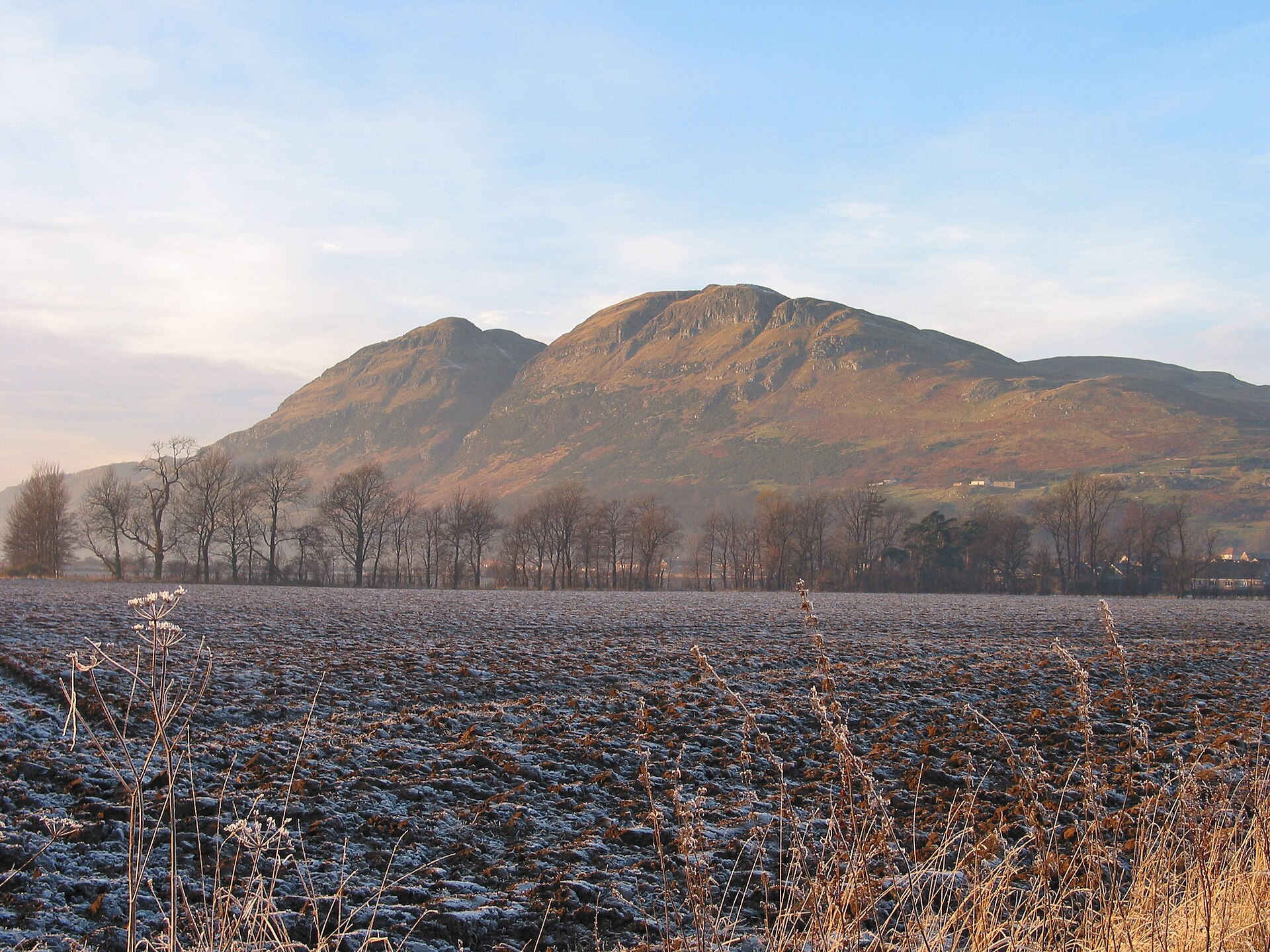
Fortified place · Iron Age
Castle Law, Dumyat
Stirling
A hillfort of the Maeatae with a thousand-year gap in its occupation: and a Jubilee beacon on the summit now filled with other people's wishes.
- Near Blairlogie
- 947 metres from car park
- Some walking
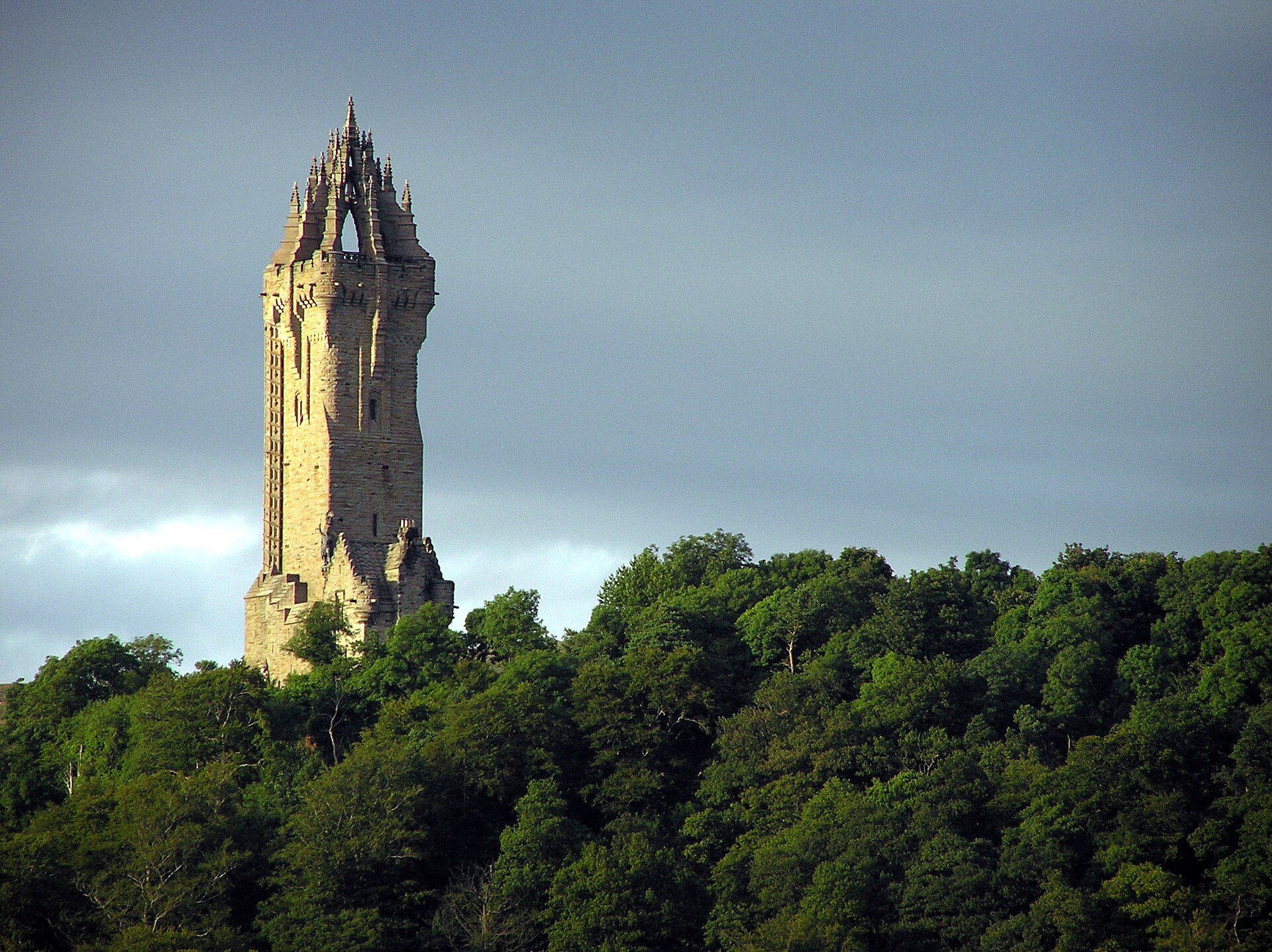
Building or ruin · Medieval
Wallace Monument
Stirling
Garibaldi helped pay for it. A statue of Wallace with Mel Gibson's face stood at the foot of the crag until the public loathing became unmanageable.
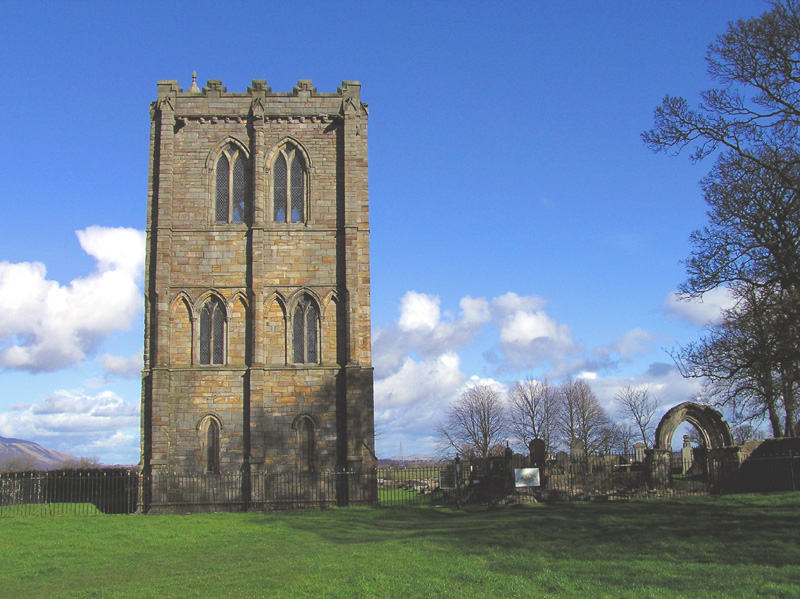
Fortified place · Medieval
Cambuskenneth Abbey
Stirling
Cambuskenneth Abbey, a provostry of canons regular on land enclosed by a meander of the River Forth near Stirling, was founded by order of King Dav…
- Near Stirling
- 263 metres from car park
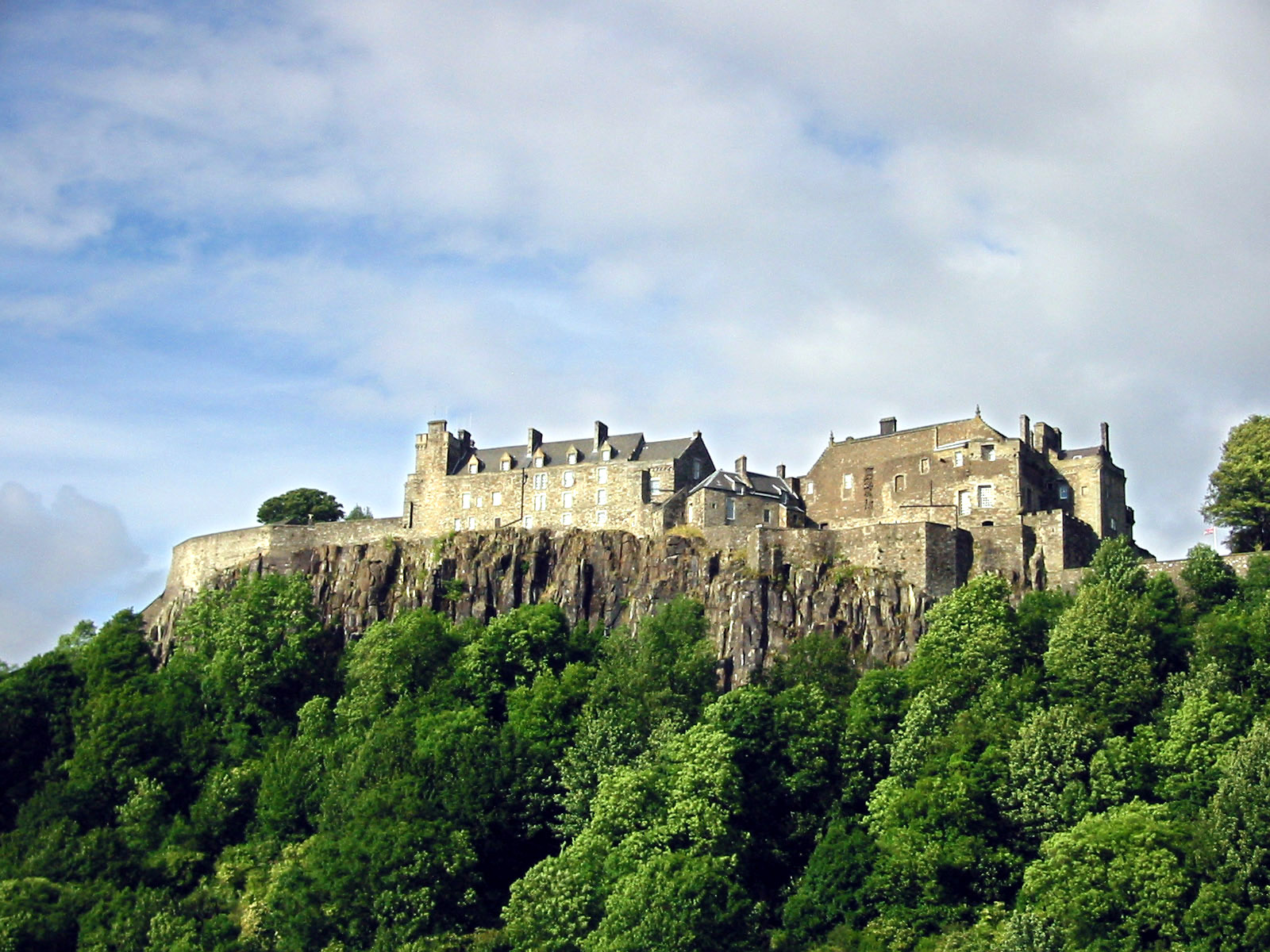
Fortified place · Medieval
Stirling Castle
Stirling
The castle Edward I kept bombarding after it had already surrendered, because he wanted to try out his new trebuchet.
The setting
Near Dumyat, about 53 metres away.
Photo: Richard Webb / Wikimedia Commons / CC BY-SA 2.0
Questions people ask
- What is the ancient site on Dumyat?
- Castle Law contains the remains of an ancient hill fort associated with the Maeatae.
- When was the hill fort occupied?
- Radiocarbon dates indicate use around 500 BC and again from the fifth to seventh centuries AD.
- Is the fort protected?
- Yes, Castle Law hill fort is a scheduled monument.
Sources
- Wikipedia — Dumyat
- Wikidata — Dumyat
Explore more: Fortified places · Iron Age · Clackmannanshire
The Ancient Codex, in your pocket
Get the Pocket Codex app
Carry the directory with you — Dumyat and thousands of ancient places across Britain and Ireland, offline, wherever you roam.