Only two ranges of the intended courtyard were ever finished, and the stonework is almost all late fourteenth century — repaired, but never replaced.
Doune was never finished. It was planned as a courtyard castle with ranges of buildings on all four sides, and only the northern and north-western ones were ever built — a large tower house over the entrance holding the lord’s own rooms, a separate tower with the kitchen and guest quarters, and the great hall linking the two. For centuries that unfinished arrangement has been read as a complete design.
What makes it valuable is how little else happened to it. The stonework is almost entirely of the late fourteenth century, with only minor repairs carried out in the 1580s, and the restoration of the 1880s replaced timber roofs, internal floors and fittings rather than walls. A visitor is looking at the building Robert Stewart, Duke of Albany, put up.
Albany was the son of Robert II and Regent of Scotland from 1388 until his death in 1420, and the castle reflects the current ideas of what a royal castle ought to be, because its builder was in a position to hold such ideas. He was rebuilding rather than starting: recent research has established an original castle of the thirteenth century here, probably damaged during the Wars of Independence, which the traditional account of a single building campaign had obscured. His work belongs to the years between 1375 and 1425, one of the most productive periods in Scottish medieval architecture, which also produced Dirleton, Tantallon and Bothwell.
The ground was old long before that. The Romans fortified the confluence of the Ardoch Burn and the River Teith in the first century AD, though nothing shows above ground, and ramparts and ditches to the south may mark another early fortification. The name says as much: Doune is from the Gaelic dùn, a fort.
The crown took the castle in 1425 when Albany’s son was executed, and used it as a royal hunting lodge and dower house before it passed to the Earls of Moray in the later sixteenth century. It saw fighting in the Wars of the Three Kingdoms, in Glencairn’s rising, and in the Jacobite risings, and was ruined by 1800. It is now maintained by Historic Environment Scotland.
What follows is drawn from published sources, with each claim labelled by how firmly it is established.
The name
Doune derives from the Gaelic dùn, meaning fort, referring to the earlier fortification at the confluence of the Ardoch Burn and River Teith.
History
The site at the confluence of the Ardoch Burn and the River Teith had been fortified by the Romans in the first century AD, though no remains are visible above ground. Ramparts and ditches south of the present castle may mark an earlier fortification, and the name Doune derives from the Gaelic dùn, meaning fort. Recent research has shown that Doune Castle was originally built in the thirteenth century and was probably damaged during the Scottish Wars of Independence. The whole castle was traditionally thought to be the product of a single building campaign, and that view has now been revised.
It was rebuilt in its present form in the late fourteenth century by Robert Stewart, Duke of Albany, son of Robert II of Scotland and Regent of Scotland from 1388 until his death in 1420. His stronghold has survived relatively unchanged and complete. The castle assumed that form during one of the most creative and productive periods of Scottish medieval architecture, between 1375 and 1425, when numerous castles were being built and remodelled — Dirleton and Tantallon in Lothian and Bothwell in Lanarkshire among them.
Because of the status of its builder, Doune reflected the current ideas of what a royal castle should be. It was planned as a courtyard with ranges of buildings on each side, but only the northern and north-western buildings were ever completed. Those comprise a large tower house over the entrance containing the rooms of the lord and his family, and a separate tower holding the kitchen and guest rooms, the two linked by the great hall. It is an unfinished design that has been read for centuries as a finished one.
The castle passed to the crown in 1425, when Albany's son was executed, and was afterwards used as a royal hunting lodge and dower house. In the later sixteenth century it became the property of the Earls of Moray. Doune saw military action during the Wars of the Three Kingdoms and Glencairn's rising in the mid-seventeenth century, and again during the Jacobite risings of the late seventeenth and eighteenth centuries. By 1800 the castle was ruined.
Restoration was carried out in the 1880s, replacing the timber roofs and internal floors along with interior fittings. The stonework is almost all of the late fourteenth century, with only minor repairs made in the 1580s, so the fabric a visitor sees is very largely Albany's. The castle passed into state care during the twentieth century and is now maintained by Historic Environment Scotland, so a building that was a ruin by 1800 is today among the most complete fourteenth-century castles in Scotland.
People
-

Portrait: AnonymousUnknown author / Wikimedia Commons / Public domain Robert Stewart, Duke of Albany
Son of Robert II and Regent of Scotland from 1388 until his death in 1420; rebuilt the castle in its present form in the late fourteenth century.
Cultural influences
-
Scottish royal architecture
Robert Stewart, Duke of Albany built Doune during the late-fourteenth-century flowering of Scottish castle design, when royal and aristocratic strongholds including Dirleton, Tantallon and Bothwell were being built or remodelled.
-
Changing military use
Wars of the Three Kingdoms and Jacobite action helped leave Doune ruined by 1800, before the 1880s restoration returned roofs, floors and fittings to Albany’s largely surviving stone shell.
Connections
-
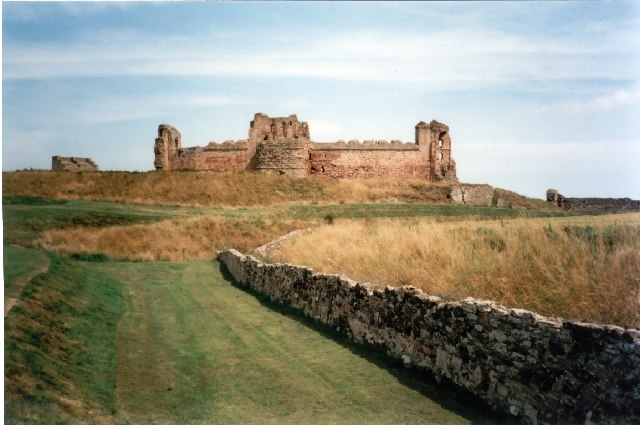
Photo: Lynne Kirton / Wikimedia Commons / CC BY-SA 2.0 One of the castles built or remodelled during the same intensely productive period of Scottish architecture between 1375 and 1425.
-

Photo: Otter / Wikimedia Commons / CC BY-SA 3.0 Another Scottish castle of that same building period in Lanarkshire.
Discovery & excavation
Recent research has established that a thirteenth-century castle preceded Albany’s late-fourteenth-century rebuilding, revising the earlier view that the whole complex came from one building campaign.
What to look for
-
The unbuilt ranges
Only the northern and north-western buildings of the intended courtyard were completed; the other sides were never raised.
-
The fourteenth-century stonework
Almost all the masonry is Albany's, with only minor repairs in the 1580s; the 1880s restoration replaced roofs, floors and fittings rather than walls.
-
The linking great hall
Joining the lord's tower house over the entrance to the separate kitchen and guest tower.
Plan your visit
- Location
- 56.1852°N · 4.0503°W
- Time needed
- About 60 minutes
Nearby places
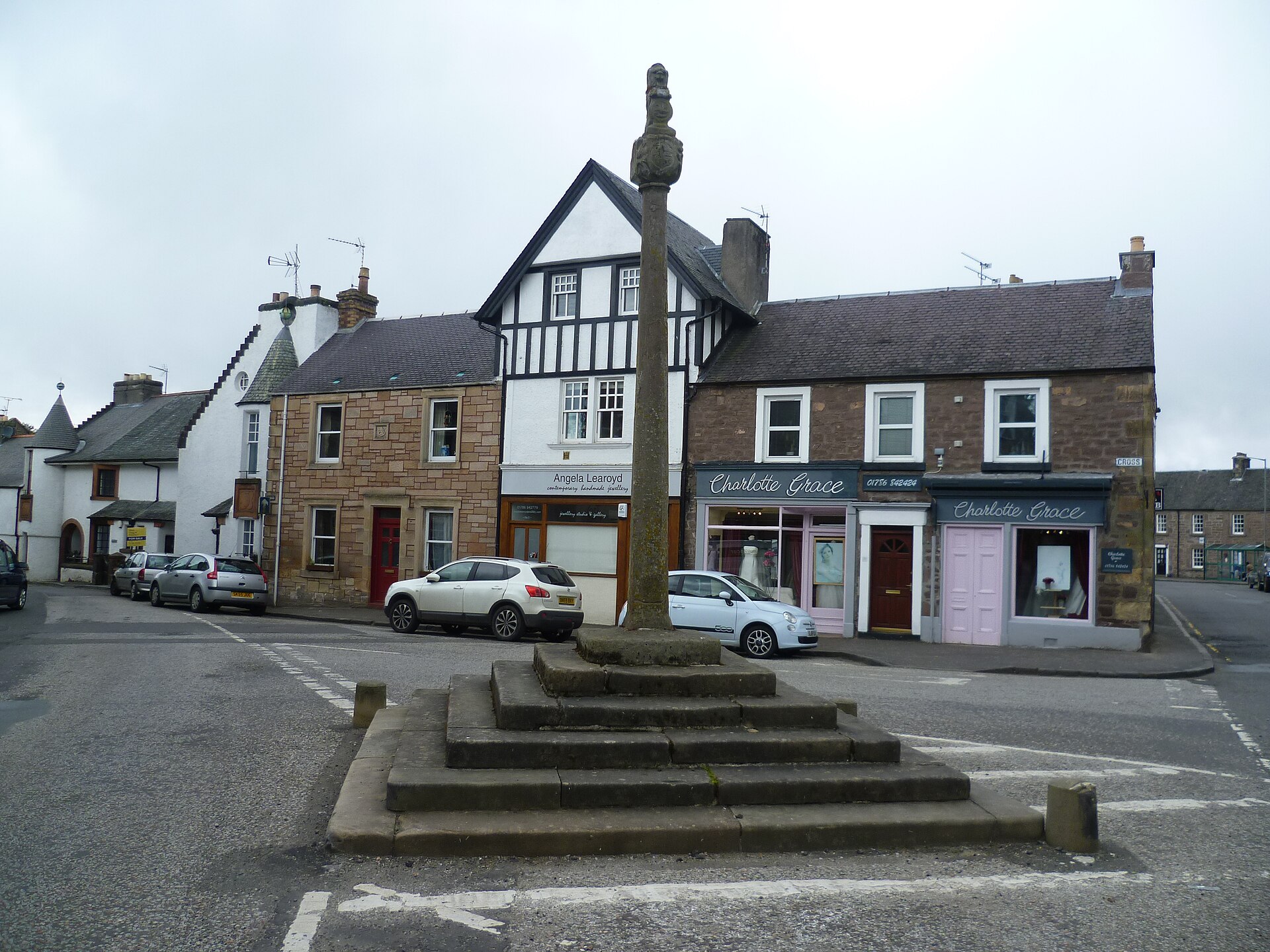
Minor monument · Medieval
Market Cross, The Cross, Doune
Stirling
The capital carries the arms of Moray and Campbell, two sundials and a lion: a good deal of information packed onto the top of one shaft.
- Easy path
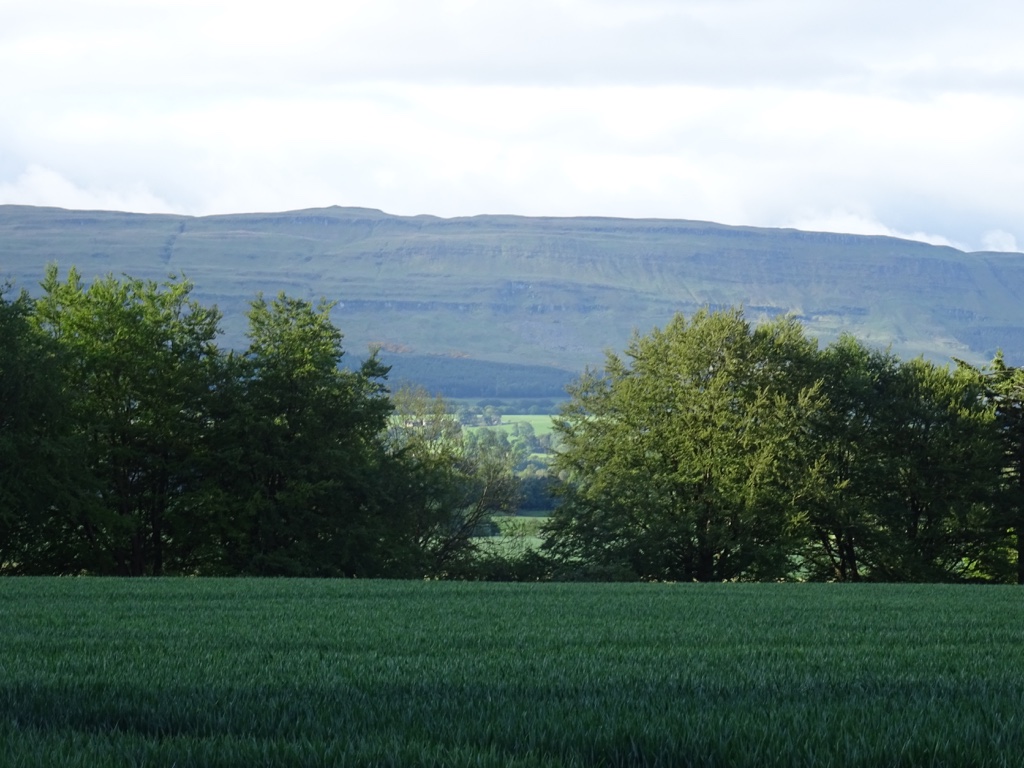
Fortified place · Iron Age
Coldoch Broch
Stirling
Cleared out just before 1870. A plan was drawn, and the excavation report never appeared.
- Near Doune
- Rough ground
Sacred place · Medieval
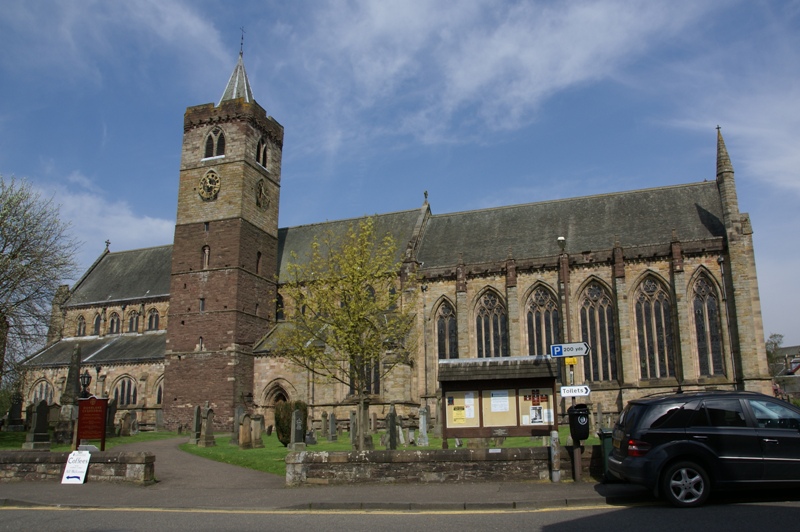
Dunblane Cathedral
Stirling
A cathedral whose nave stood roofless for nearly three centuries: and which holds the finest medieval woodwork in Scotland after King's College, Ab…
- Near Dunblane
Fortified place · Iron Age
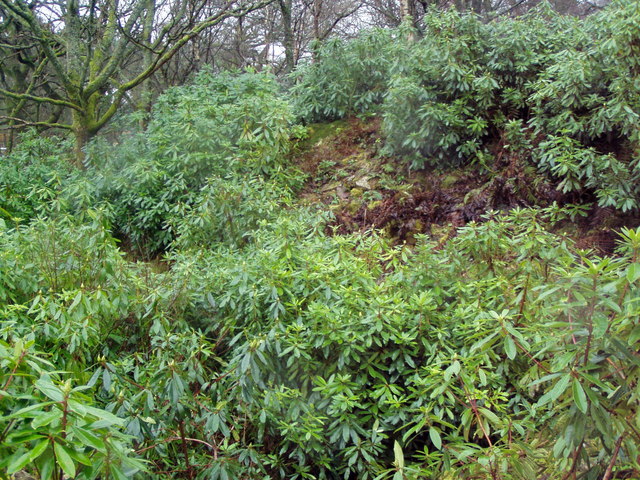
Leckie Broch
Stirling
An Iron Age broch: a drystone tower unique to Iron Age Scotland: that rhododendrons closed off entirely until they were cleared in 2020.
- Rough ground
Questions people ask
- Who built Doune Castle?
- Robert Stewart, Duke of Albany, rebuilt it in its present form in the late fourteenth century. Recent research shows an original castle of the thirteenth century beneath that work.
- Was the castle ever finished?
- No. It was planned as a courtyard with ranges on each side, but only the northern and north-western buildings were completed.
- How much of the fabric is original?
- Almost all the stonework is late fourteenth century, with only minor repairs in the 1580s. The 1880s restoration replaced timber roofs, internal floors and fittings.
- Was there anything here before?
- The Romans fortified the confluence of the Ardoch Burn and the River Teith in the first century AD, though nothing is visible above ground. The name Doune comes from the Gaelic dùn, meaning fort.
Sources
The Ancient Codex, in your pocket
Get the Pocket Codex app
Carry the directory with you — Doune Castle and thousands of ancient places across Britain and Ireland, offline, wherever you roam.