Sacred place · Prehistoric
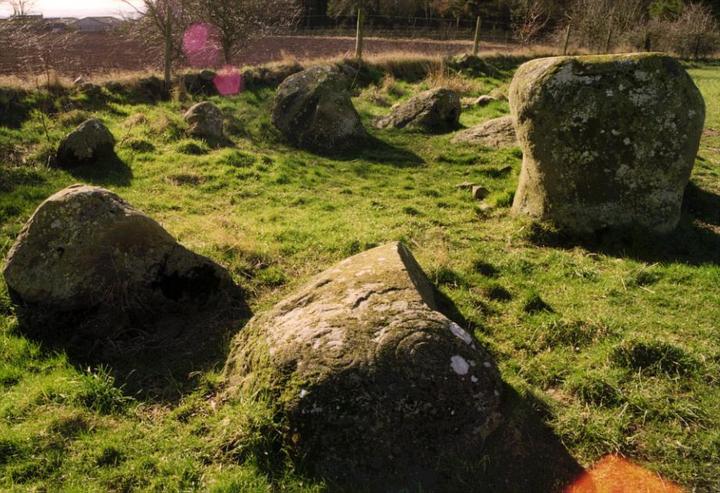
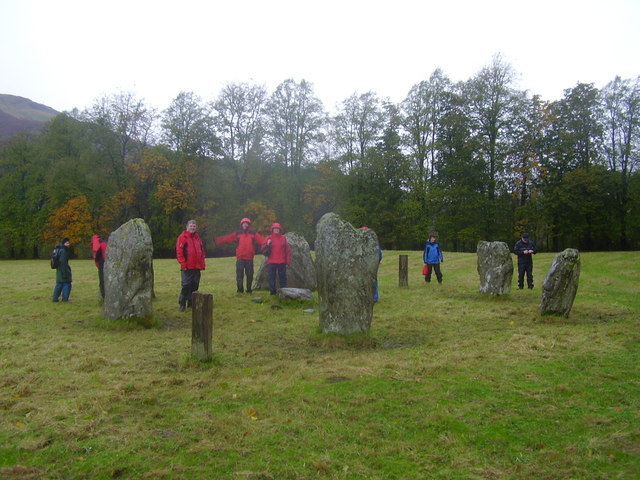
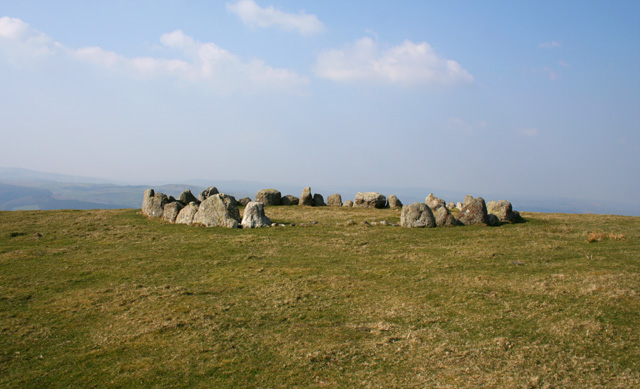
Grey Croft stone circle
Cumbria
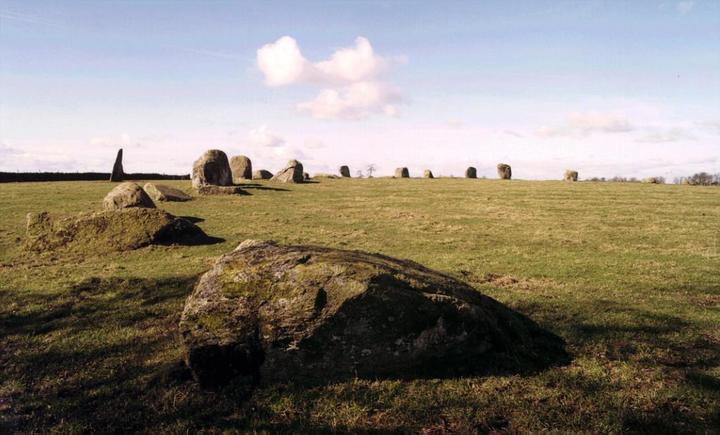
Ten upright stones stand today only because a 1949 dig found and re-set nine of them after a farmer toppled and buried the circle in 1820.
- Near Keswick
- Some walking
By type
Page 3 of 5.
Search and filters apply to these 100 places.
Sacred place · Prehistoric
Cumbria
Ten upright stones stand today only because a 1949 dig found and re-set nine of them after a farmer toppled and buried the circle in 1820.
Sacred place · Prehistoric
West Yorkshire
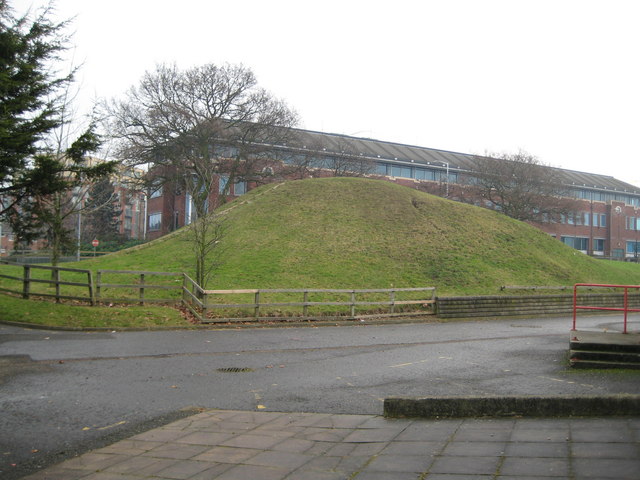
Someone built an orgone accumulator into it in the twentieth century: a mound meant to collect a life force that does not exist.
Sacred place · Prehistoric
Shetland Islands
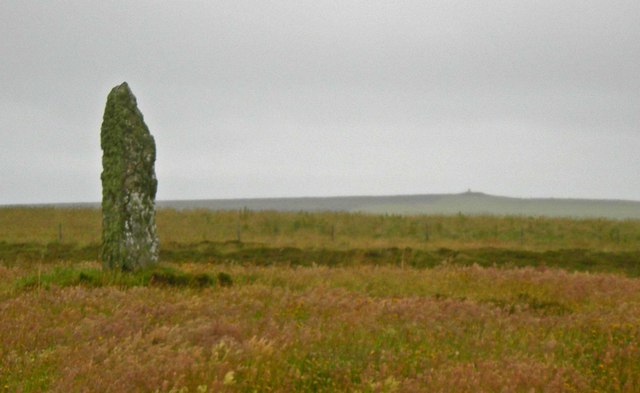
Thirty-eight stones once ringed this patch of ground on Fetlar, Shetland; twenty-two of them still stand fixed in the soil, describing a circle ele…
Tomb or burial place · Prehistoric
Gloucestershire
Genetic analysis of its dead reconstructed one of the earliest known family trees from a population living before written records reached Britain,…
Tomb or burial place · Prehistoric
Cumbria
A tiny girl buried here roughly 11,000 years ago is among the oldest human burials yet identified in northern England, pushing the region's story b…
Tomb or burial place · Prehistoric
County Sligo
At roughly 60 metres across, Heapstown ranks among Ireland's largest cairns, yet its untouched south-eastern flank may still conceal a passage tomb…
Sacred place · Prehistoric
Orkney Islands
The Orkney World Heritage group is made up of monuments from the closing Stone Age, roughly 4000–2500 BC, whose remains illuminate the islands’ cha…
Tomb or burial place · Prehistoric
Derbyshire
Fifty-nine mounds in a Derbyshire wood mark the only known Scandinavian cremation cemetery in the British Isles, raised by the Viking Great Army it…
Sacred place · Prehistoric
Wiltshire
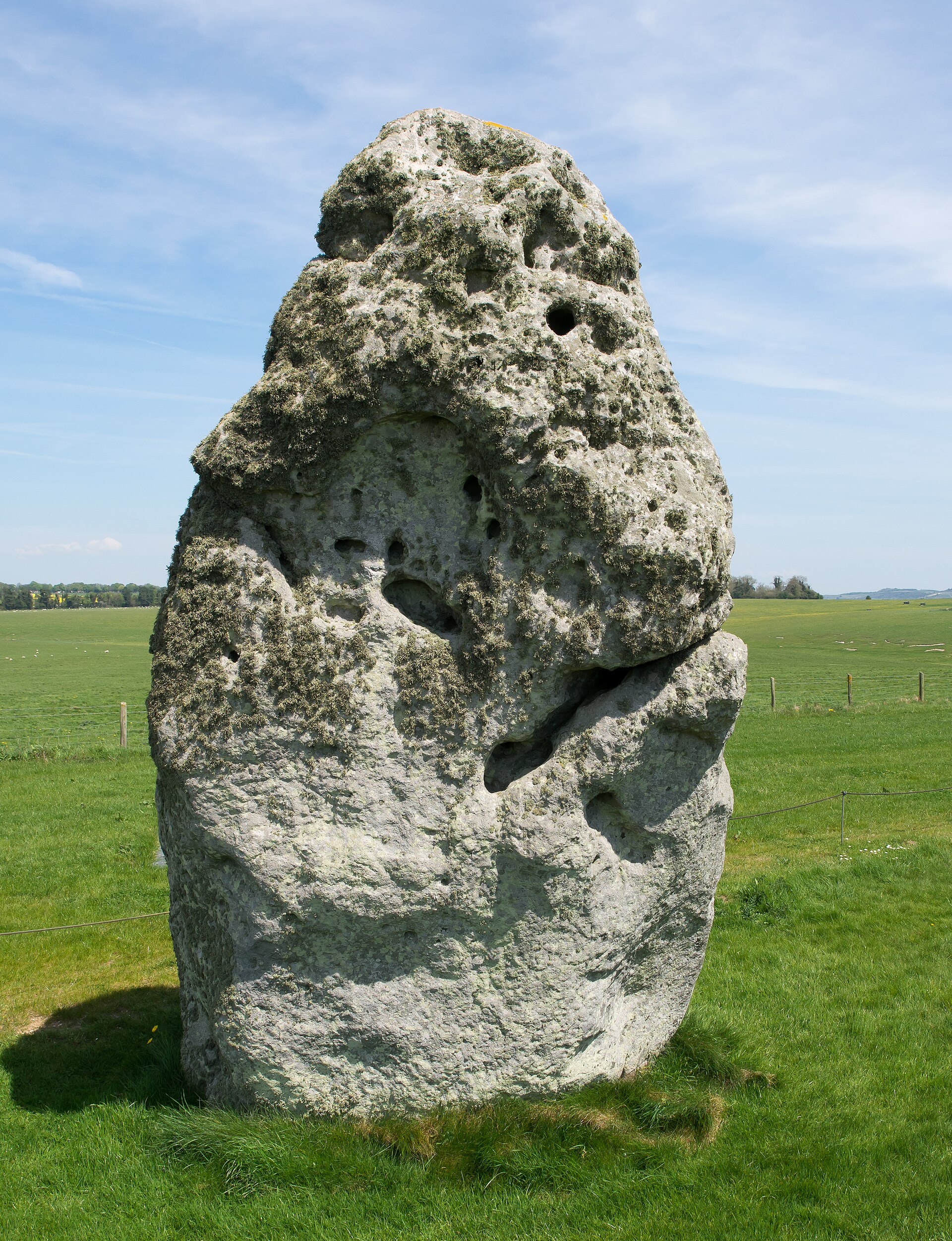
A narrow, steep-sided trench encircling the Heel Stone whose own relationship to that famous sarsen is still unresolved: did the ditch follow the s…
Tomb or burial place · Prehistoric
Dorset
Hell Stone is a Neolithic (the first farming period in Britain, roughly 4000–2500 BC) chambered tomb whose visible arrangement is shaped as much by…
Tomb or burial place · Prehistoric
Isle of Anglesey
Henblas Burial Chamber is a Neolithic (the closing Stone Age, roughly 4000–2500 BC) dolmen whose unusually massive quartz-rich uprights and displac…
Tomb or burial place · Pictish & early medieval
Lancashire
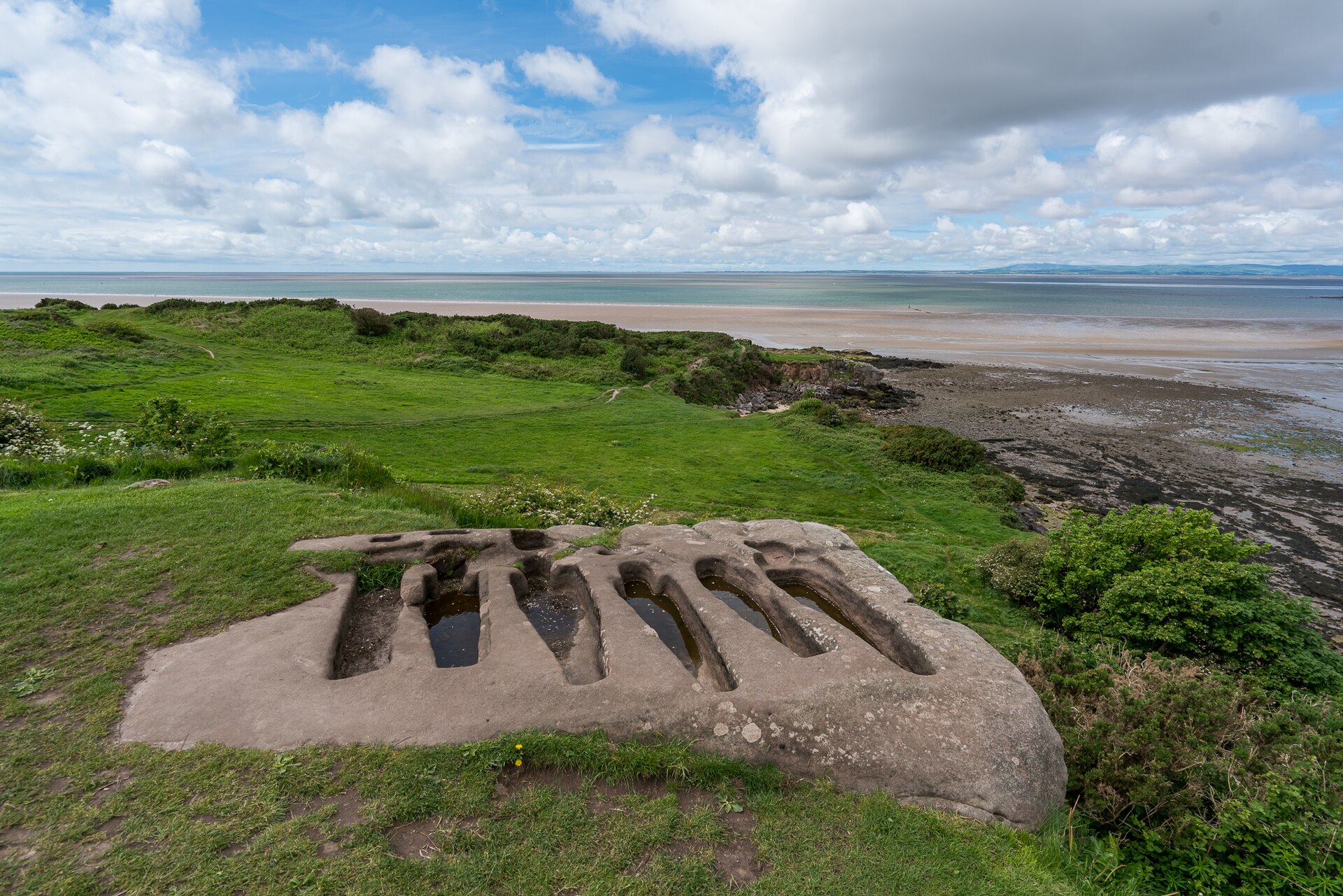
Eight graves cut straight into the bedrock, some shaped to the human body and fitted with sockets for stone or wooden crosses: a form of burial fou…
Sacred place · Prehistoric
Aberdeenshire
Reduced from a full stone circle to two boundary stones in a field wall, the site nonetheless carries the same legal protection as much larger monu…
Sacred place · Prehistoric
Shropshire
A stone circle in the parish of Chirbury with Brompton, known also as Hoar Stone Circle.
Tomb or burial place · Prehistoric
Derbyshire
Almost every burial mound in Britain from the Bronze Age, the period from about 2500 to 800 BC, is round; this one on Beeley Moor is rectangular, a…
Tomb or burial place · Prehistoric
Orkney Islands
A chambered cairn twenty metres long: a burial tomb of stone-built compartments under a mound: on an uninhabited islet of twenty-one hectares off P…
Sacred place · Prehistoric
Derbyshire
Only ten of a ring some believe once held 26 stones survive above Ladybower reservoir: three of them lying hidden and unnoticed until 1992.
Tomb or burial place · Prehistoric
Orkney Islands
An exceptionally rare two-storey tomb, its opposed entrances and flooded lower chamber reveal two burial spaces stacked within one small Eday mound.
Sacred place · Prehistoric
Aberdeenshire
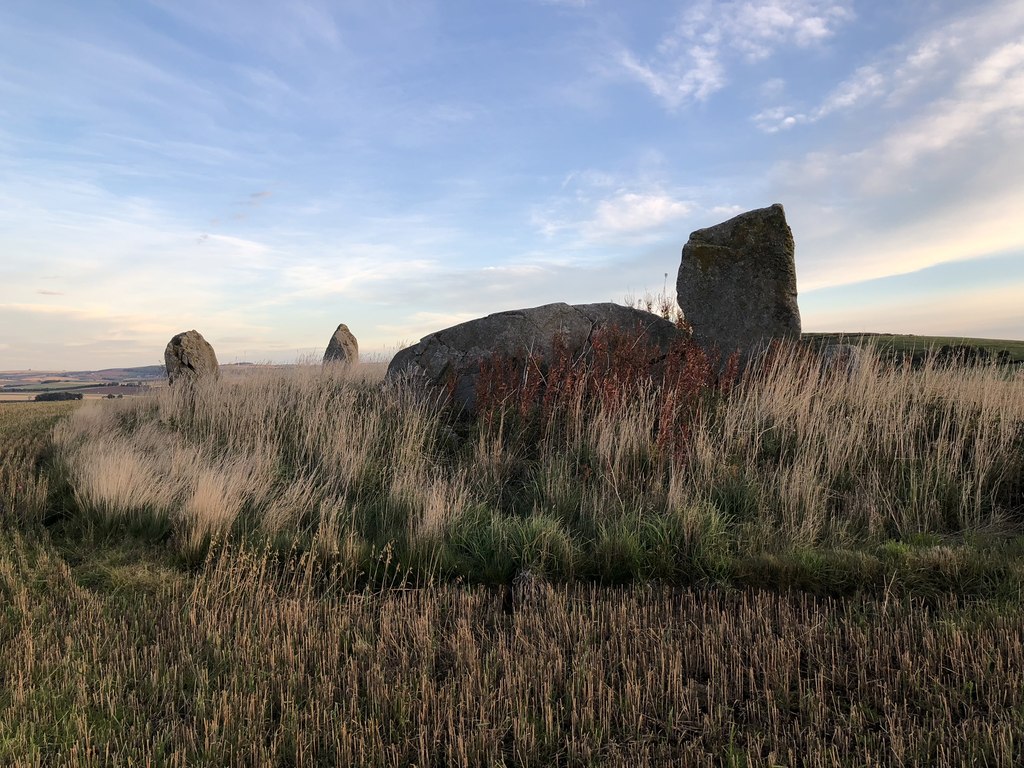
Only three stones survive from a ring that once spanned some 27 metres: a fragment of Aberdeenshire's rare recumbent stone circle tradition, now le…
Tomb or burial place · Prehistoric
Kent
Jacket’s Field is a scheduled Early Neolithic long barrow, a prehistoric: a period predating the written record in Britain: burial mound, part of K…
Tomb or burial place · Prehistoric
Kent
Julliberrie’s Grave is Kent’s excavated Stour long barrow, a prehistoric: a period before written records reached Britain: burial mound, preserving…
Tomb or burial place · Prehistoric
County Cork
Its axial stone pointed the wrong way for decades, forcing archaeologists to reverse their own reading of which end of the ring actually mattered.
Tomb or burial place · Prehistoric
County Kerry
A 13.5-tonne capstone raised on two portal stones nearly 6,000 years ago, holding cremation burials that span the Neolithic (the first farming age,…
Sacred place · Prehistoric
Stirling
Six schist slabs in a flattened ring by Loch Tay, with three cupmarks ground into the top of the northernmost.
Tomb or burial place · Medieval
Pembrokeshire
A late Stone Age burial chamber on high ground above Manorbier Bay, five miles east of Pembroke.
Tomb or burial place · Prehistoric
West Midlands
A prehistoric: from before written records reached Britain: burial mound beside a Roman road that later lent its name to a Civil War tradition and…
Sacred place · Prehistoric
Dorset
Kingston Russell is Dorset’s largest surviving stone circle, an unexcavated Bronze Age (the period from about 2500 to 800 BC) monument whose fallen…
Tomb or burial place · Prehistoric
Dumfries and Galloway
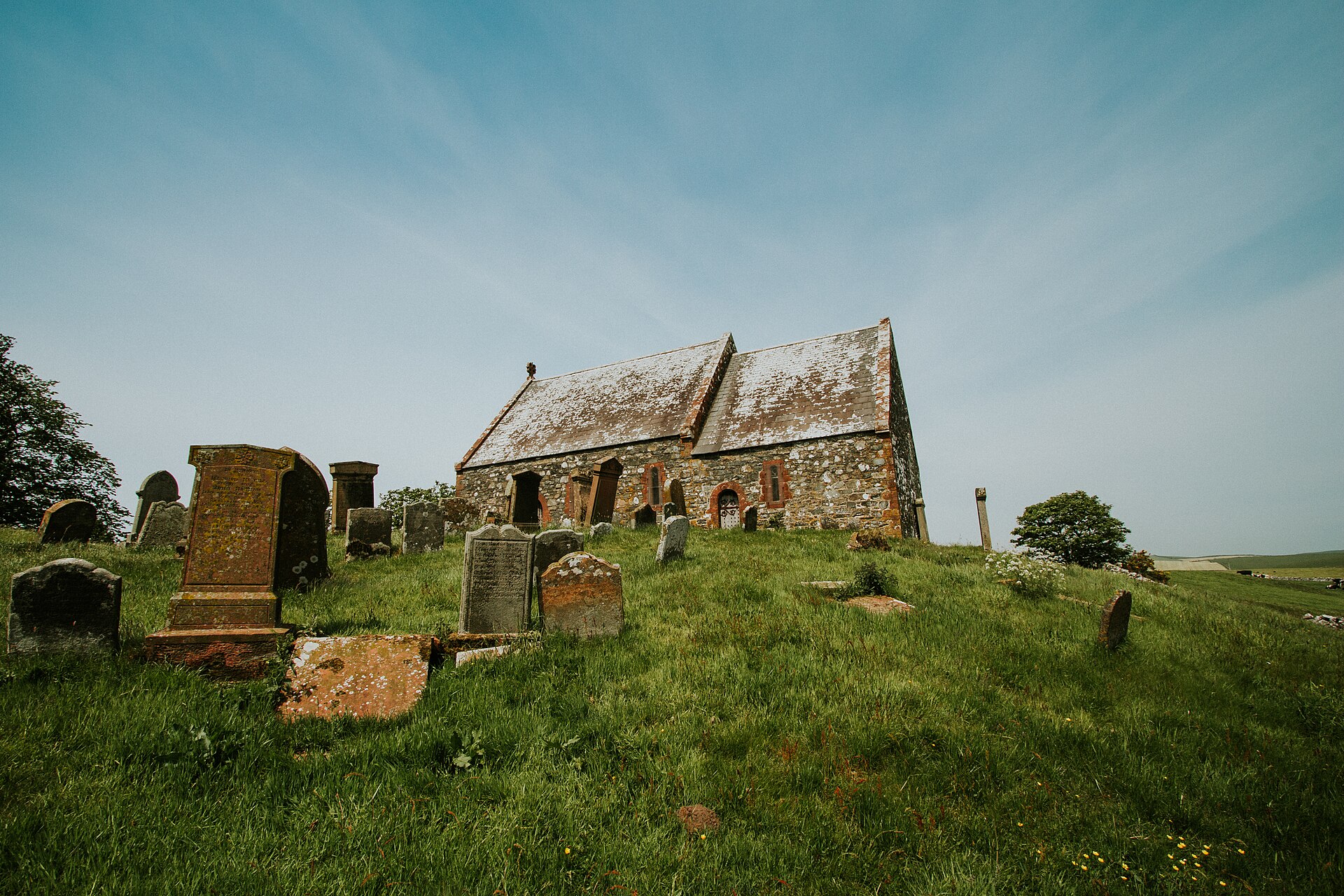
Kirkmadrine preserves three sixth-century Latin memorials naming early Christian priests, then traces continued devotion through later slabs and a…
Sacred place · Prehistoric
Aberdeenshire
Its broken recumbent stone is the longest known of its kind in Scotland: the sole survivor of what were once three stone circles in this parish.
Tomb or burial place · Prehistoric
Kent
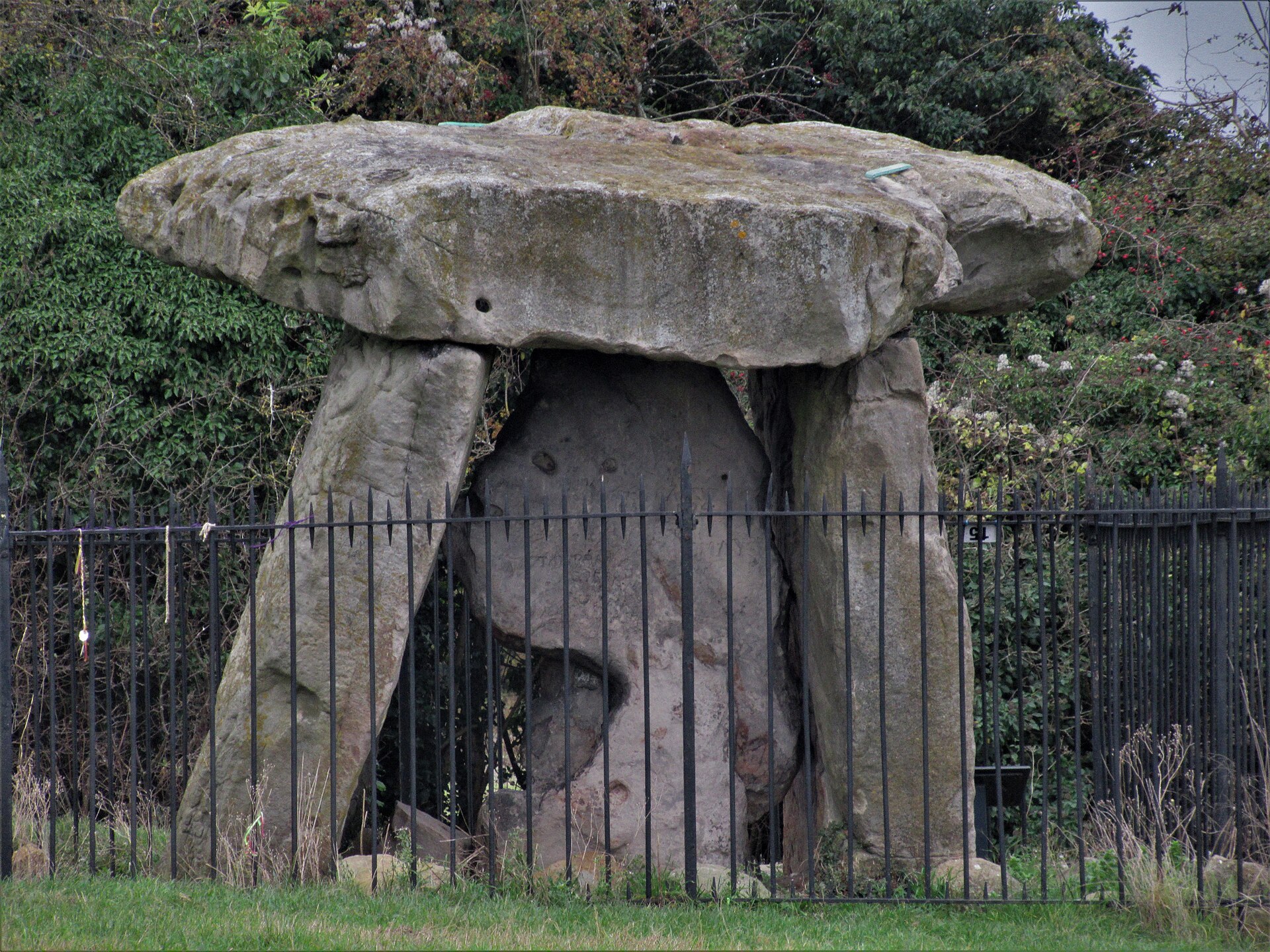
Kit’s Coty House preserves an Early Neolithic sarsen chamber near Aylesford, making a conspicuous fragment of Medway’s prehistoric: the time before…
Settlement · Prehistoric
Orkney Islands
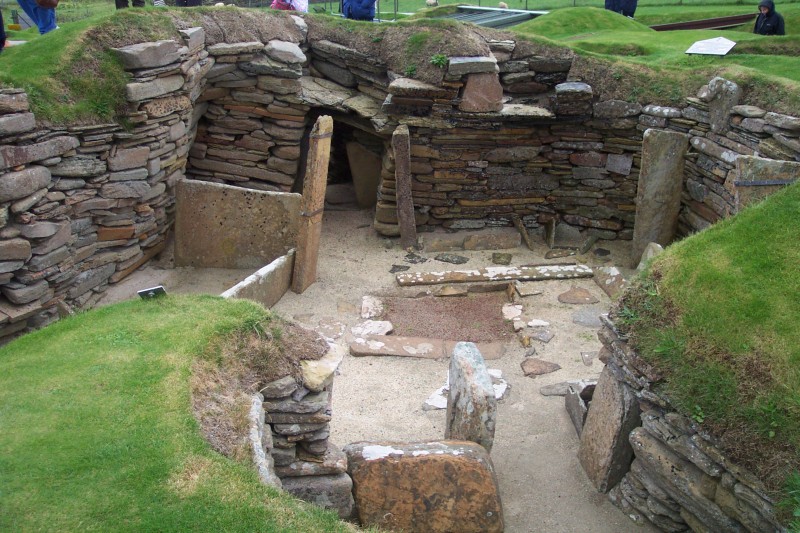
A farmstead of the first farming age on Papa Westray that may be the oldest standing house in northern Europe.
Sacred place · Prehistoric
Moray
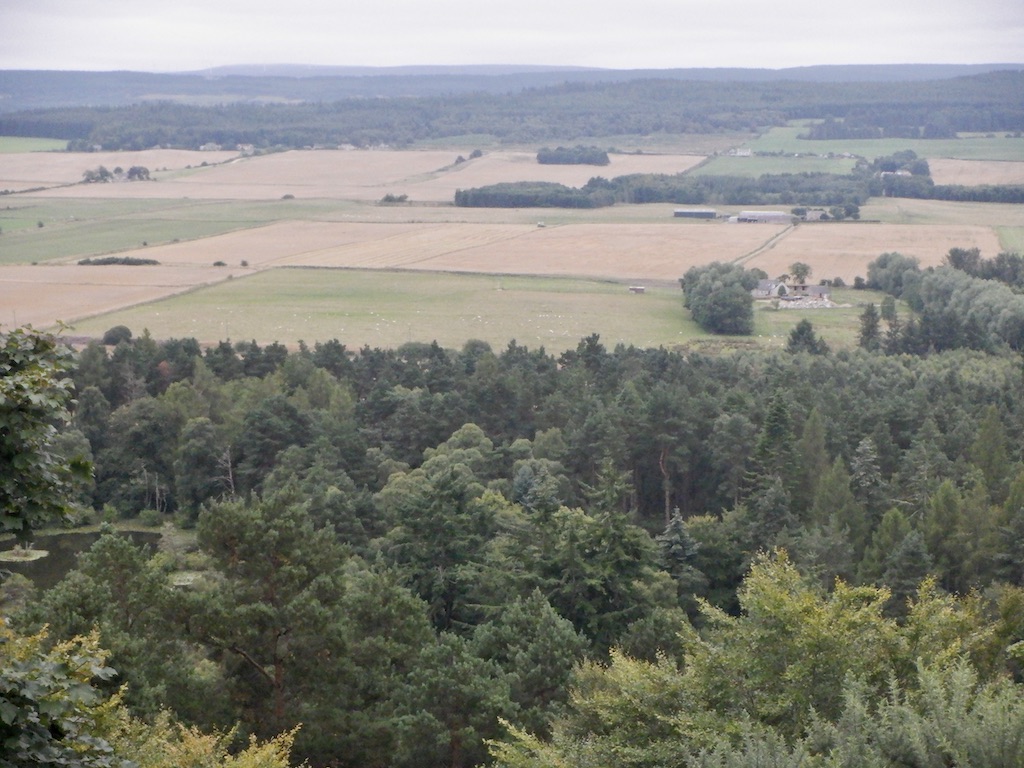
Six weathered boulders share a wooded hill with a much larger, older stronghold, one refortified deep into the Pictish (of the Picts, the people of…
Tomb or burial place · Prehistoric
County Waterford
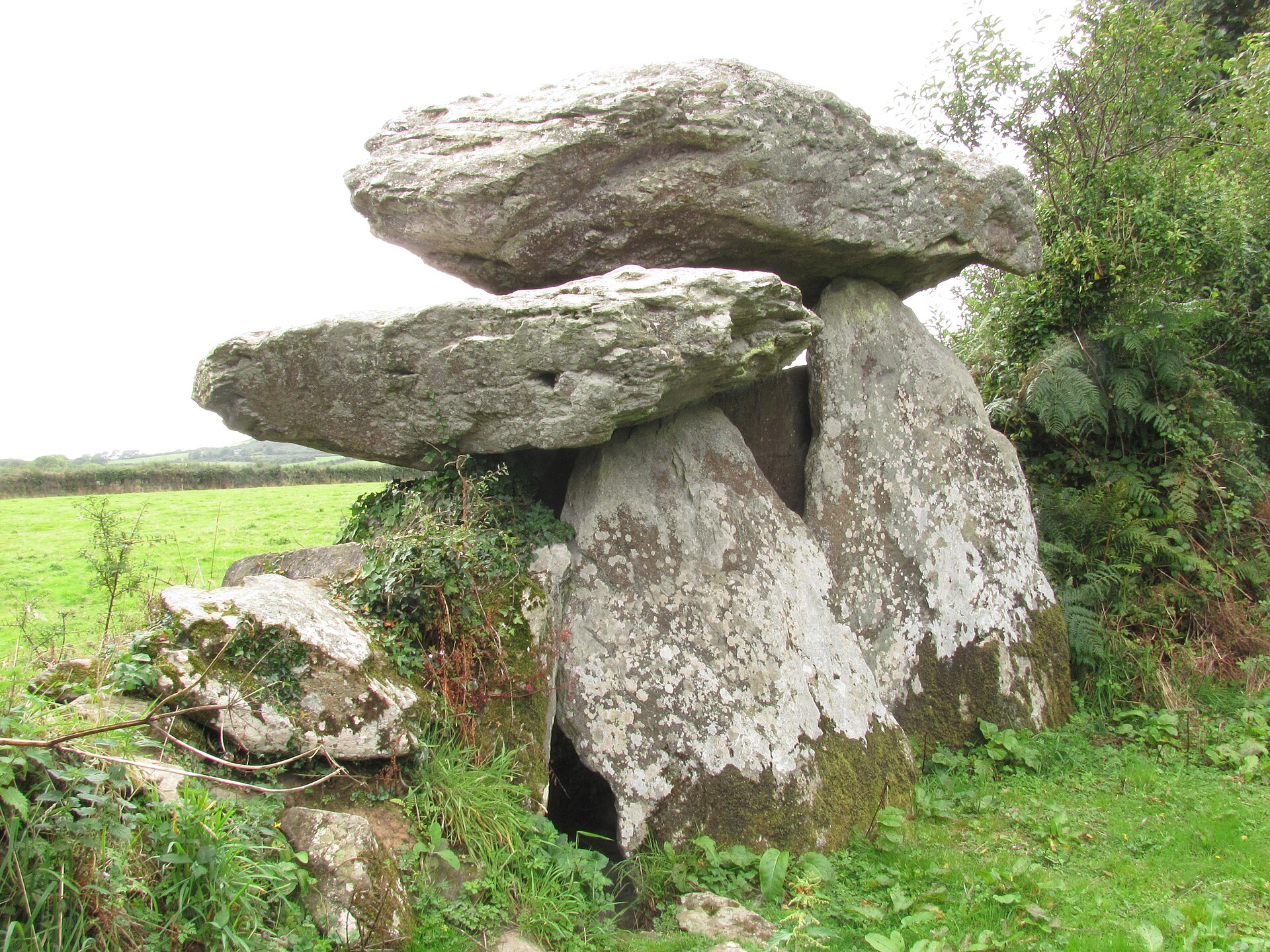
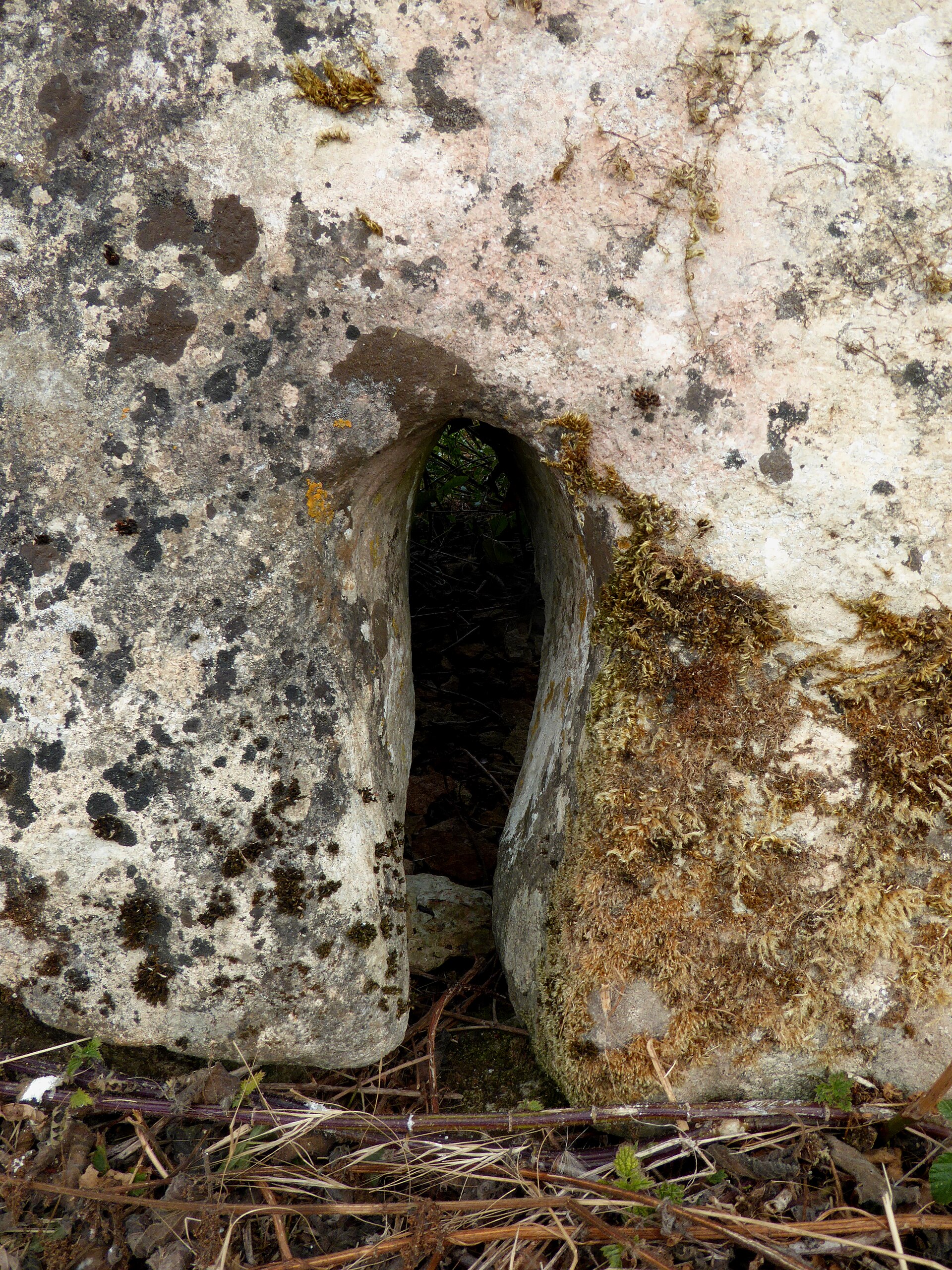
The largest dolmen in County Waterford, its keyhole entrance and possible solstice alignment with Sugarloaf hill hint at ritual as much as burial.
Tomb or burial place · Prehistoric
County Tyrone
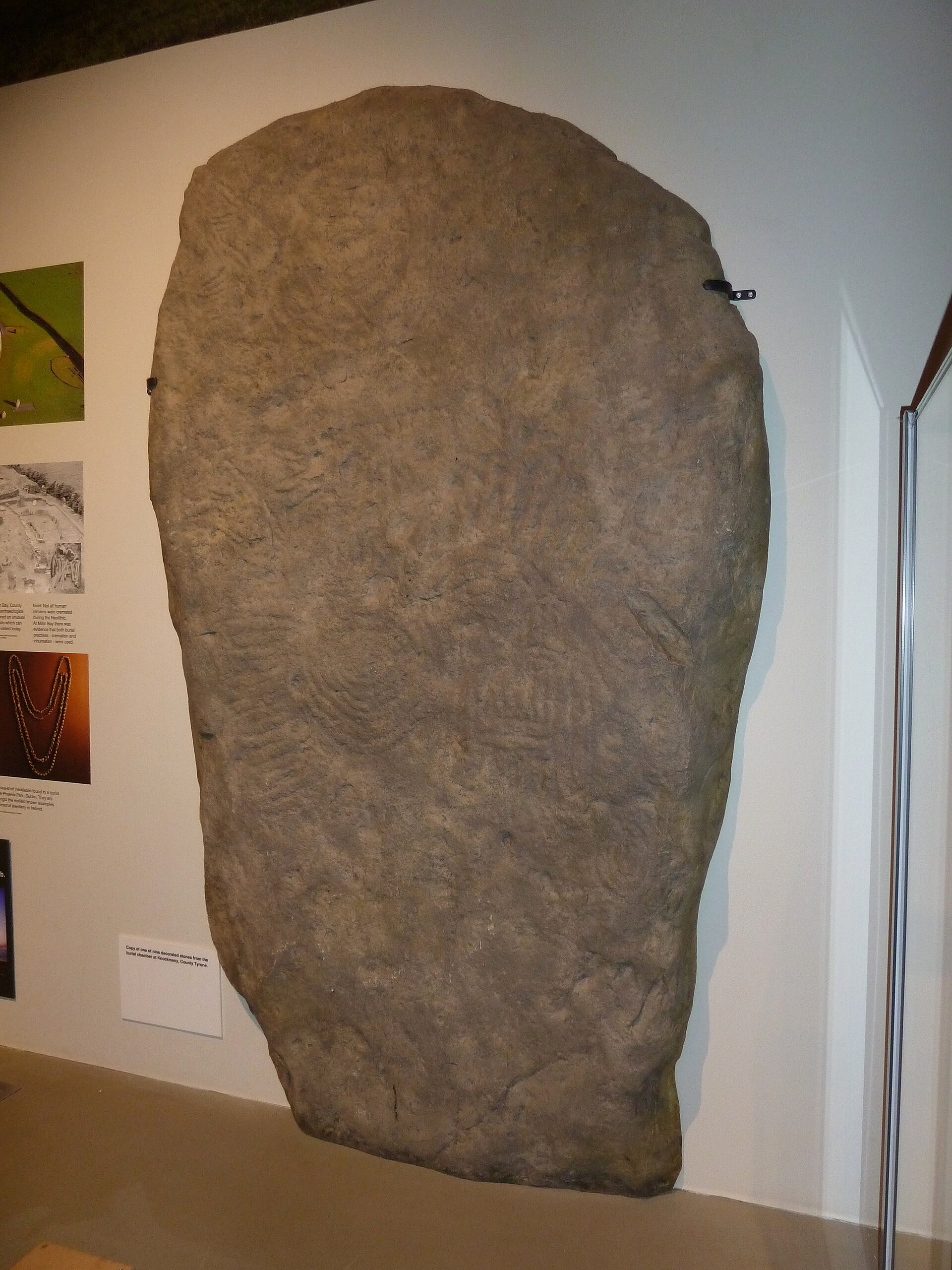
Three of its thirteen buried sandstone slabs carry rare megalithic art: concentric circles, spirals and zigzags: placing this hilltop grave in the…
Ancient place · Prehistoric
Orkney Islands
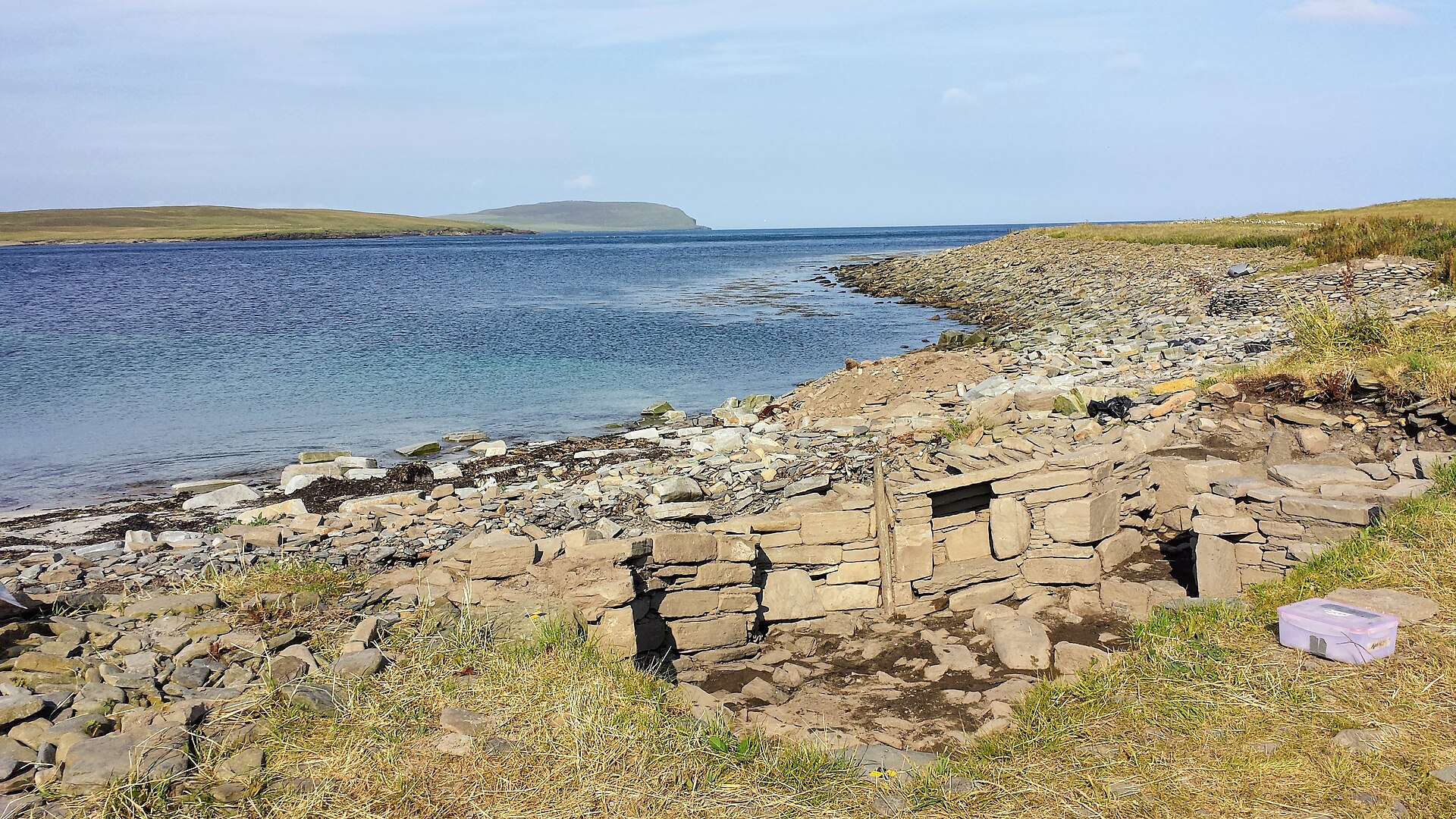
Knowe of Swandro is a coastal archaeological site on Rousay, where a burial tomb, settlement remains and Viking-age buildings are being eroded by t…
Tomb or burial place · Prehistoric
Orkney Islands
Knowe of Yarso preserves a burial mound built around a stone chamber, bringing together material remains and documented history that illuminate Ork…
Tomb or burial place · Prehistoric
Orkney Islands
An unusually rich Bronze Age cemetery where imported gold and amber were buried with cremated people, evidence that Orkney elites reached far beyon…
Tomb or burial place · Prehistoric
County Meath
One mound was a tomb, a Bronze Age ritual ground, a hill fort, a royal capital, a Norman motte and a Cistercian farm in turn: each layer built over…
Tomb or burial place · Prehistoric
County Cork
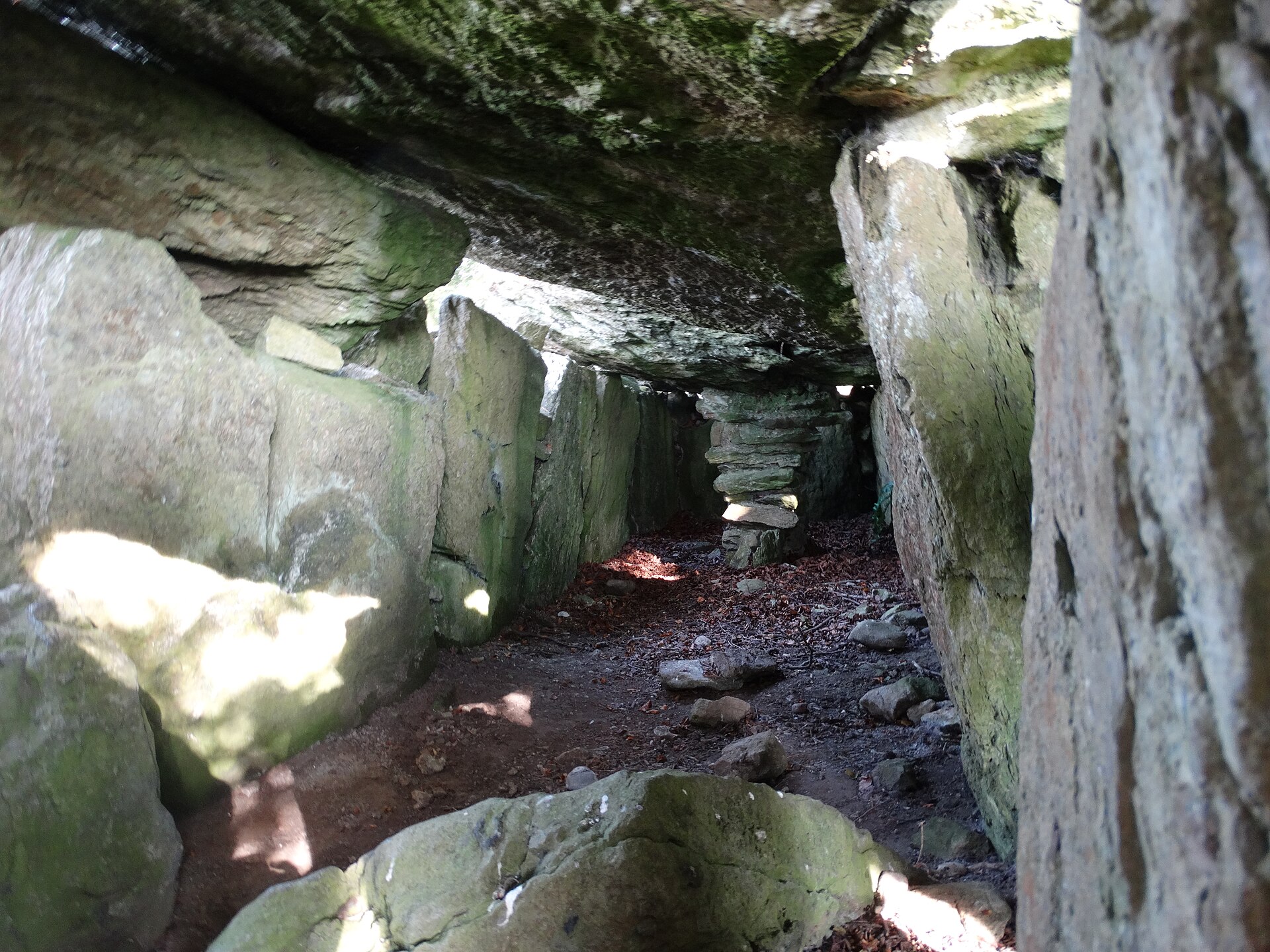
Labbacallee is Ireland’s largest wedge tomb, a c.2300 BC burial monument whose massive stones, excavated remains and later folklore show how one pl…
Sacred place · Prehistoric
Aberdeen City
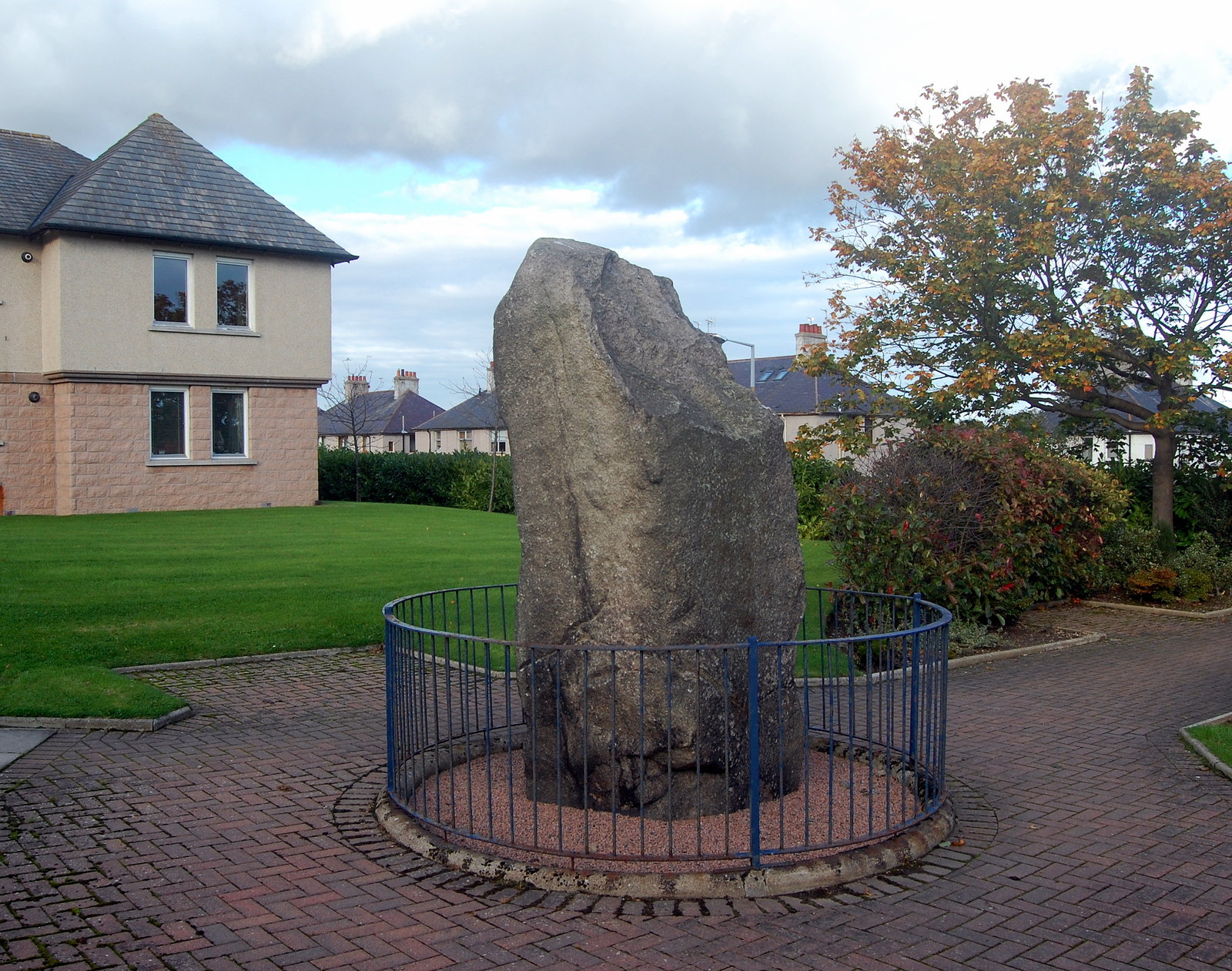
A granite monolith nearly three metres tall standing in Hilton, one of several Aberdeen stones sharing the name Lang Stane: Scots for long stone.
Sacred place · Prehistoric
Aberdeen City
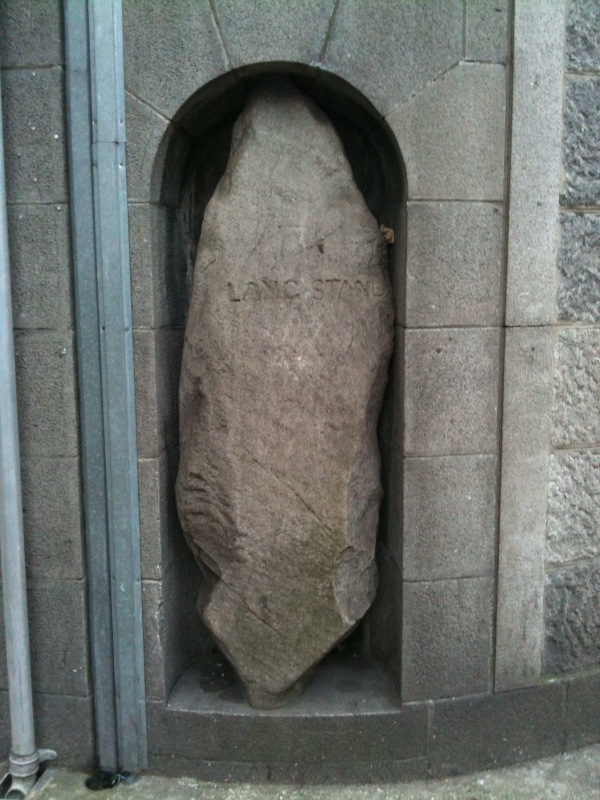
A keel-shaped base ties this Union Street stone to Aberdeenshire's recumbent circles: raised around 3000 BC, before writing reached Britain: long b…
Tomb or burial place · Prehistoric
Cornwall
A great Cornish dolmen transformed by an 1815 storm collapse, then rebuilt by local effort into the three-legged monument seen today.
Tomb or burial place · Prehistoric
County Down
Its name may preserve the memory of the goddess Áine, and its granite frame has stood on this Down mountainside since long before Ireland had a wri…
Tomb or burial place · Prehistoric
County Meath
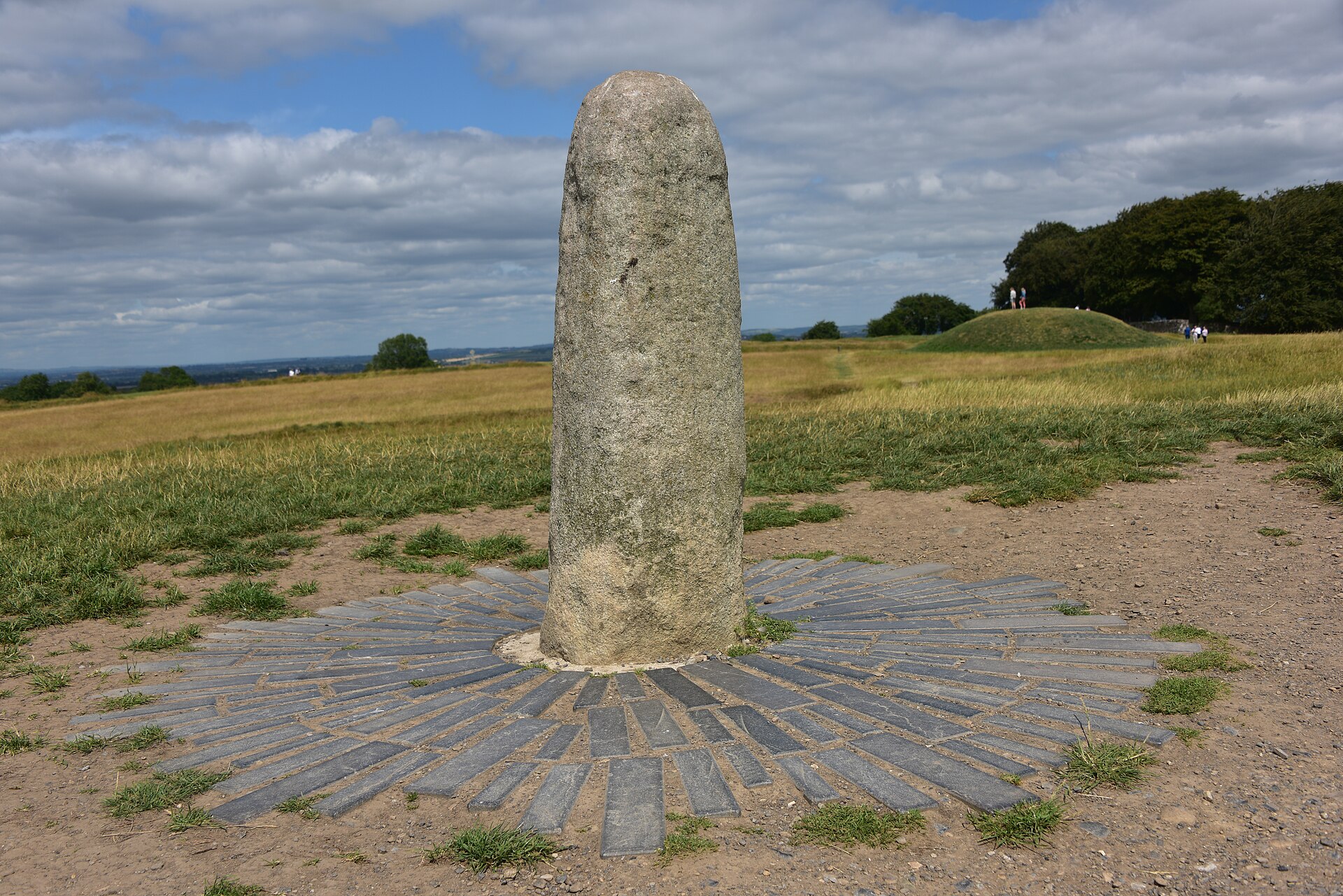
A modest standing stone credited in tradition with the power to make or unmake the High Kings of Ireland, and claimed by rival legends as the very…
Ancient place · Prehistoric
Orkney Islands
An excavated cooking complex where a huge watertight tank, heated stones and animal bones make an otherwise disputed type of Bronze Age site unusua…
Settlement · Prehistoric
Orkney Islands
Links of Noltland is a settlement with late Stone Age and early Bronze Age, roughly 2500–800 BC, when metalworking spread, dwellings, protected by…
Sacred place · Prehistoric
Orkney Islands
An enigmatic small coastal chapel whose proximity to the disputed Castle Bloody offers a rare glimpse of medieval worship beside a much older Shapi…
Sacred place · Prehistoric
Dumfries and Galloway
On the shore of the Solway Firth, near where the Kirtle Water empties into the estuary, a single weathered granite boulder stands roughly 7 feet ta…
Tomb or burial place · Prehistoric
East Sussex
A 180-foot earthen mound raised by Sussex's first farming communities, it belongs to a distinct chalk-downland style of long burial mound found now…
Tomb or burial place · Prehistoric
Staffordshire
Two cairns joined by a 200-metre bank of upright limestone slabs: a form found nowhere else in England, and still not understood.
Sacred place · Prehistoric
Cumbria
England's third-widest stone circle, its outlying monolith carved with cup-and-ring art that echoes Newgrange and stands aligned on the midwinter s…
Tomb or burial place · Prehistoric
County Leitrim
A doubtful megalithic tomb sits beside a lake ringed with Bronze Age crannogs, a 13th-century castle, and a 17th-century island jail: an unusually…
Sacred place · Prehistoric
Dumfries and Galloway
A low platform was built up out of the ground beside Eskdalemuir before the twelve stones of the Loupin Stanes were set in an oval on top of it, at…
Tomb or burial place · Prehistoric
Wiltshire
A false doorway: a capstone leaning on two uprights, leading nowhere. The real chambers held twenty-six people.
Tomb or burial place · Prehistoric
Oxfordshire
A long burial mound beside the A361, with a standing stone 1.8 metres high at its end.
Sacred place · Prehistoric
North Ayrshire
Machrie Moor gathers stone circles, burials and earlier timber settings into an exceptional prehistoric (before any written account of Britain exis…
Tomb or burial place · Prehistoric
Hampshire
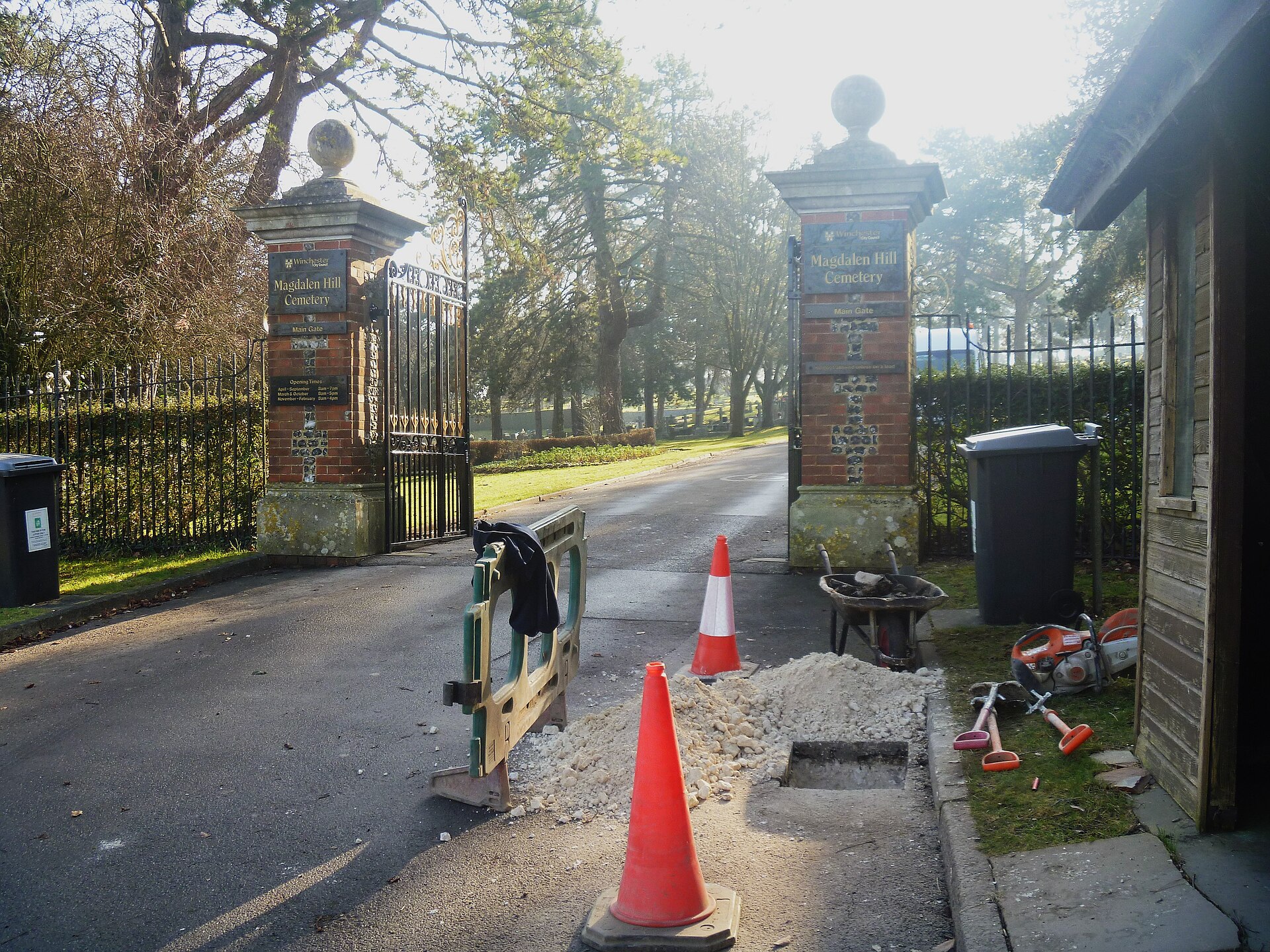
A chalk hillside east of Winchester carries three unconnected pasts in one place: a Bronze Age burial line, a medieval leper hospital turned First…
Tomb or burial place · Prehistoric
County Durham
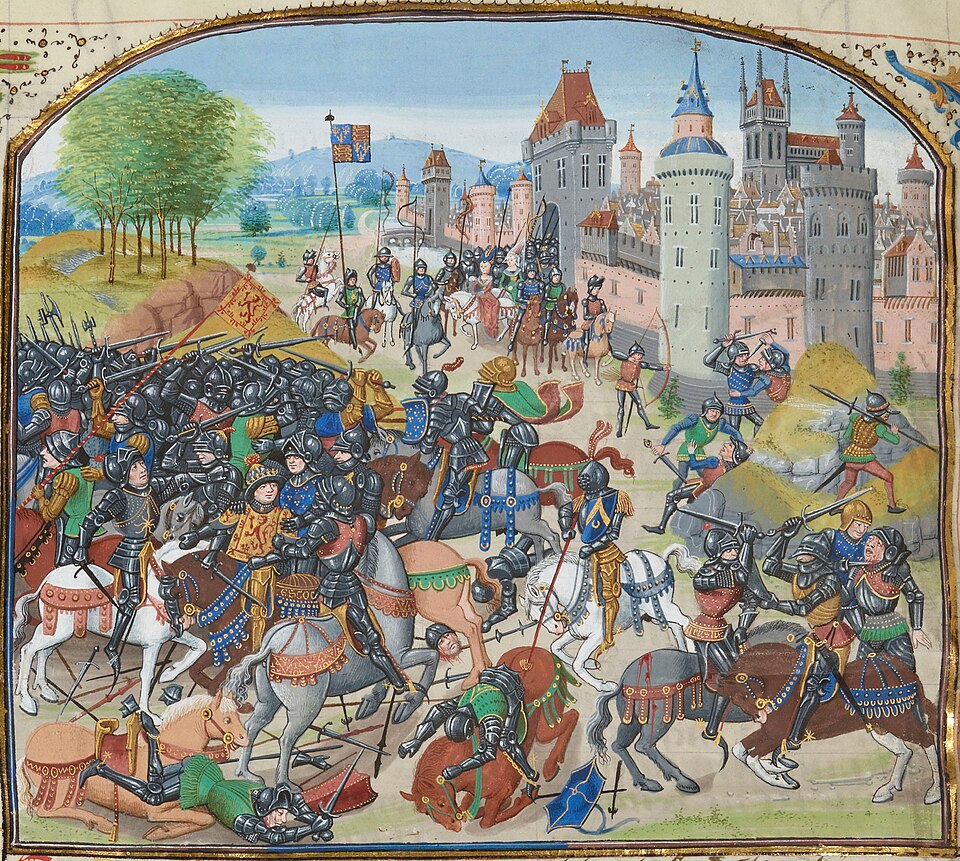
A prehistoric burial mound: from from the era before writing arrived in these islands: became a medieval battle standard: Durham's monks raised St…
Tomb or burial place · Prehistoric
County Roscommon
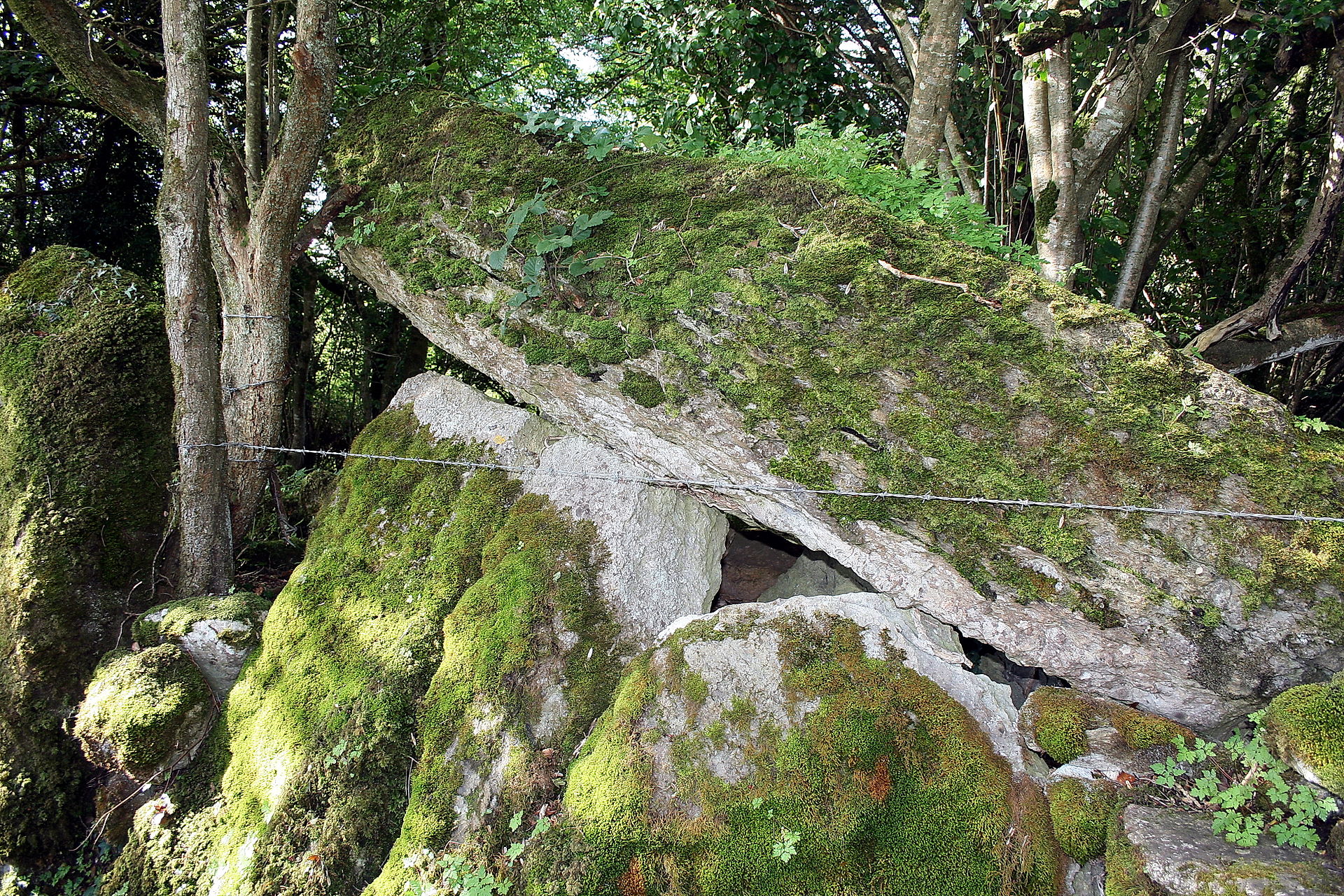
Its rear support gave way sometime after the medieval period, tipping a 24-tonne capstone into the steep tilt that still defines this unexcavated N…
Tomb or burial place · Prehistoric
Aberdeenshire
The sole survivor of a cemetery of three great Bronze Age (roughly 2500–800 BC, when metal tools first spread) cairns, its lost neighbours quarried…
Tomb or burial place · Prehistoric
Staffordshire
A hill a few miles east of Leek, in the civil parish of Fawfieldhead.
Tomb or burial place · Prehistoric
Dumfries and Galloway
Six burial cairns stand grouped together in the countryside of Dumfries and Galloway, two of them holding a particular importance for archaeologist…
Tomb or burial place · Prehistoric
Orkney Islands
Twenty-nine descending steps and fine stonework lead into an Iron Age chamber whose purpose remains unknown, making Mine Howe as compelling for its…
Sacred place · Prehistoric
Shropshire
Mitchell’s Fold is a stone circle whose surviving dolerite pillars, nearby ancient monuments and disputed legends preserve a layered ritual landsca…
Sacred place · Prehistoric
Denbighshire
Moel Tŷ Uchaf is a compact Welsh upland monument whose 41-stone ring and central cist, a stone-lined box grave, preserve the ambiguous boundary bet…
Tomb or burial place · Prehistoric
county-meath
A Neolithic enclosure on the northern rim of Brú na Bóinne whose bank holds thirty metres of standing water: a pond, deliberately made, at the edge…
Tomb or burial place · Prehistoric
Berkshire
A 2017 dig proved the mound is roughly 1,500 years old, making it a contemporary of Sutton Hoo and finally settling a century-old dispute over whet…
Sacred place · Prehistoric
Orkney Islands
An isolated three-metre standing stone whose uncarved bulk records the considerable communal labour of quarrying, moving and raising a monument who…
Sacred place · Prehistoric
Dorset
Mount Pleasant henge, a bank-and-ditch enclosure around a circular space, is a major late Stone Age Dorset monument whose vast earthwork, a bank-an…
Tomb or burial place · Prehistoric
County Dublin
A capstone weighing some 44 tons has slipped from its portal stones and now leans at an angle, described by one antiquarian (an early collector-sch…
Tomb or burial place · Prehistoric
Cornwall
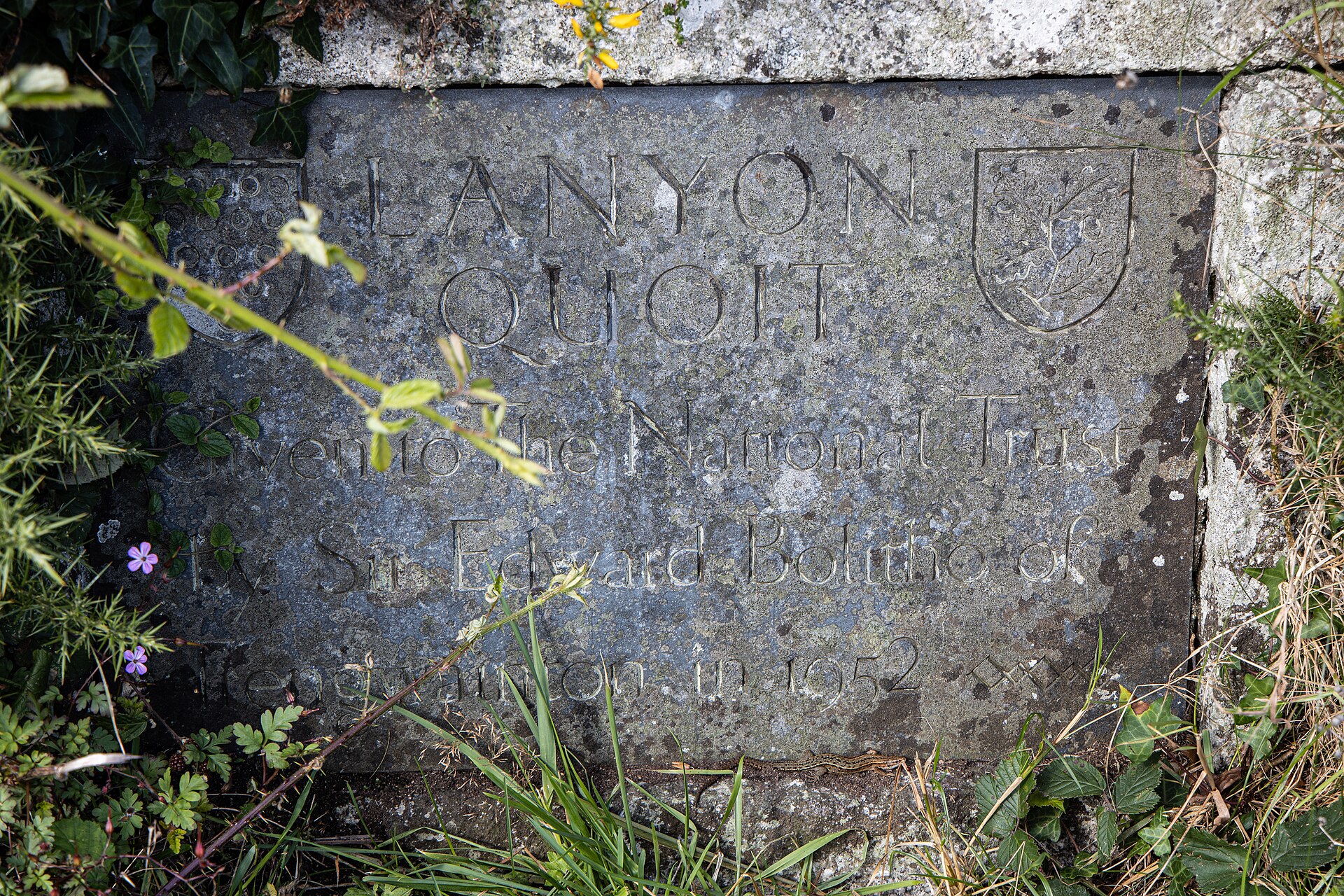
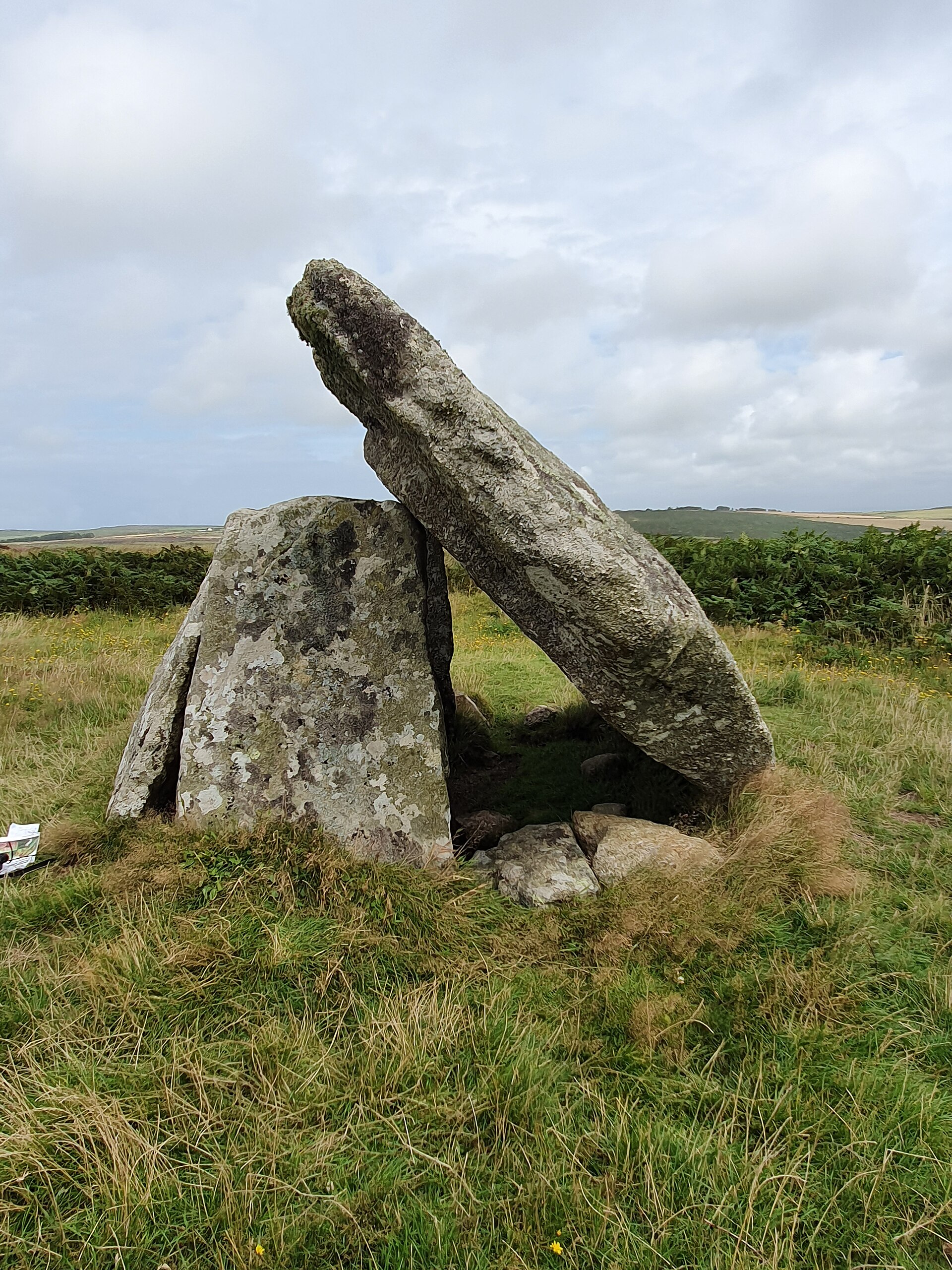
Mulfra Quoit is a Neolithic (the first farming period in Britain, roughly 4000–2500 BC) chamber tomb on Mulfra Hill whose slipped five-ton capstone…
Tomb or burial place · Prehistoric
County Monaghan
A Neolithic hilltop cairn: a mound of piled stones, often covering a burial, from the first farming age roughly 4000–2500 BC: whose summit once com…
Tomb or burial place · Prehistoric
Scottish Borders
A Neolithic long cairn named after a devil's mittenful of stones: and reduced to less than half its remembered height by shepherds building walls.
Sacred place · Prehistoric
Orkney Islands
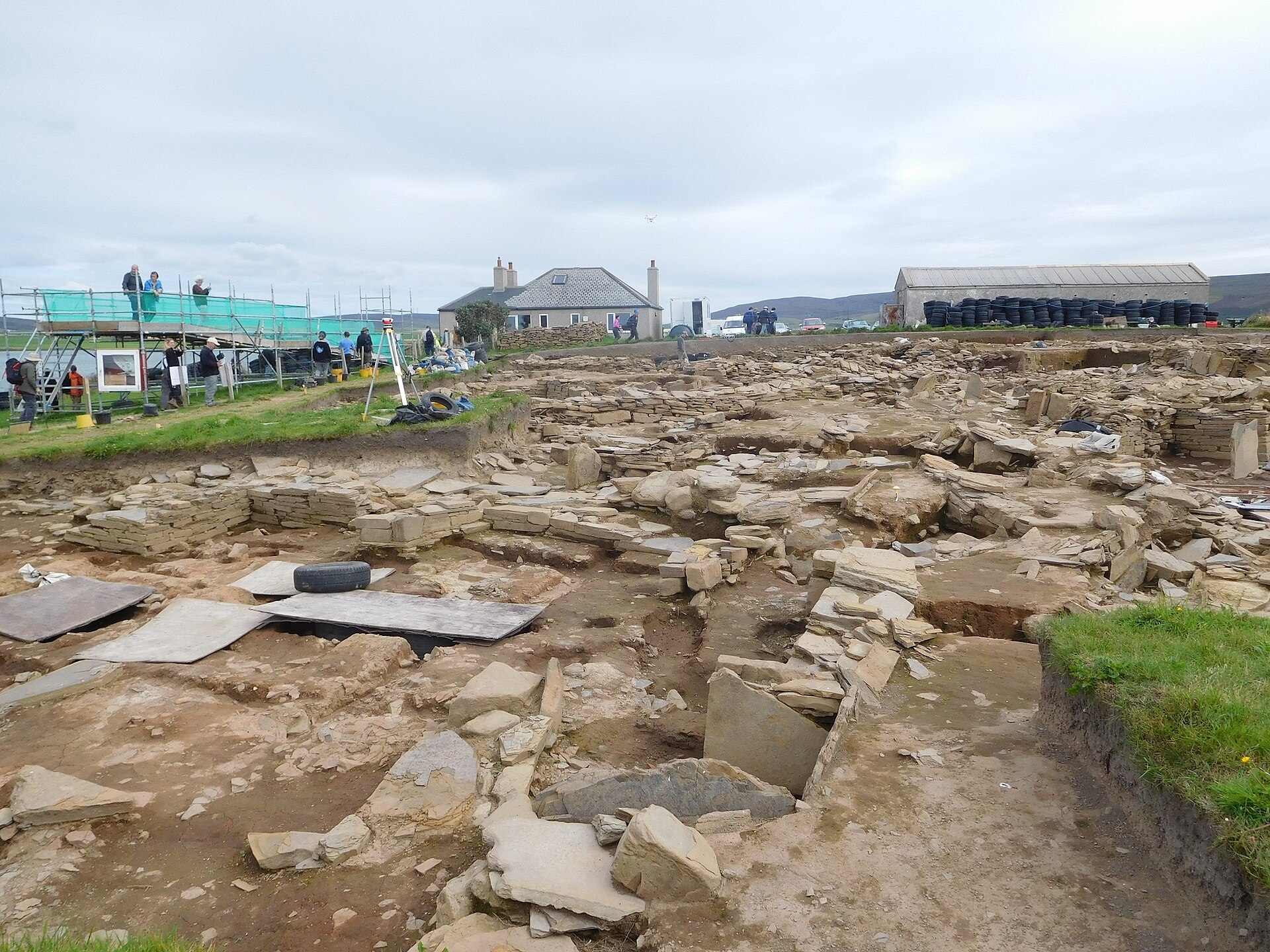
Ness of Brodgar preserves an archaeological site between the Ring of Brodgar and the Stones of Stenness.
Fortified place · Prehistoric
Shetland Islands
A narrow finger of land reaches south from Scat Ness into the sea at the southern extremity of Shetland Mainland, and near its end, on a rocky spur…
Tomb or burial place · Prehistoric
Argyll and Bute
Two burial cists inside still carry carved cup marks and a rare axehead symbol, evidence that survived even after most of the cairn (a mound of pil…
Tomb or burial place · Prehistoric
Argyll and Bute
The mound standing here today is not undisturbed ancient masonry: it is a 1930 reconstruction, a fact that changes what a visitor is actually looki…
Briefer entries: recorded and worth knowing, with fuller pages to come.
Sacred place · Prehistoric
Devon
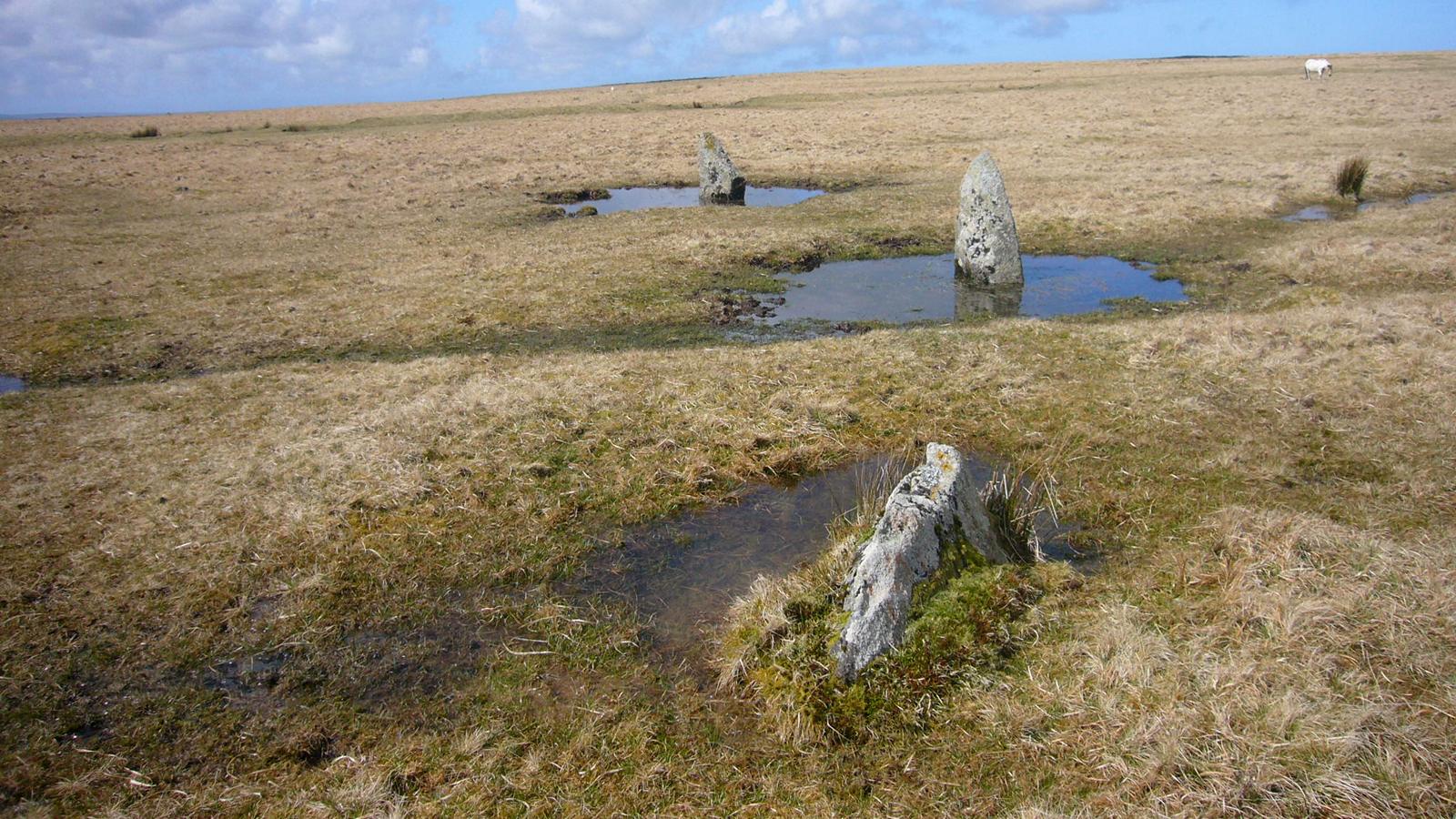
Grey Wethers is an unusually well-defined pair of prehistoric (predating the written record in Britain) stone circles on Dartmoor, with surviving l…
Sacred place · Prehistoric
Dorset
Hampton Down’s reconstructed stone circle offers a rare case study in how excavation corrected centuries of disturbance and revealed a much smaller…
Sacred place · Prehistoric
Wiltshire
A single sarsen block leaning nearly 27 degrees from vertical, with as much of its bulk buried below ground as most people ever see standing above it.
Tomb or burial place · Prehistoric
Cornwall
Innisidgen preserves two Bronze Age entrance graves: roughly 2500–800 BC, when metalworking spread: on St Mary's, Isles of Scilly, where well-prese…
Tomb or burial place · Prehistoric
County Tyrone
Killynaght pairs a named Tyrone townland with the Rocking Stone, a collapsed stone burial chamber protected as a Scheduled Historic Monument.
Sacred place · Medieval
Argyll and Bute
Within a six-mile radius of the village of Kilmartin, in Argyll north of Knapdale, stand more than 800 ancient monuments, of which some 150 date fr…
Tomb or burial place · Prehistoric
County Kilkenny
Kilmogue Portal Tomb is a National Monument whose granite-and-quartz structure, solstice-facing entrance and layered Irish name make a compact Neol…
Tomb or burial place · Prehistoric
County Dublin
A chamber sealed by a small door stone wedged between two entrance pillars, roofed by a single capstone estimated at around forty tonnes.
Sacred place · Prehistoric
Cumbria
A prehistoric circle pulled down for farm gate-posts and pieced back together in 1925: its eleven stones now held not by original earth but by conc…
Tomb or burial place · Prehistoric
County Down
Knock Iveagh is a County Down hill whose summit cairn (a mound of piled stones, often covering a burial), inauguration tradition, and surrounding s…
Sacred place · Medieval
Antrim
Knocklayd is a prominent Antrim Hills summit whose quartz passage tomb, surrounding standing stones and extraordinary townland boundary make it bot…
Tomb or burial place · Prehistoric
County Cork
A recumbent stone circle and radial cairn (a mound of piled stones, often covering a burial) paired with a leaning 3.7-metre portal stone, aligned…
Sacred place · Prehistoric
Dorset
One of Dorset's greatest ceremonial landscapes, prehistoric (from the era before writing arrived in these islands), where Stone Age henges and a de…
Sacred place · Prehistoric
Cornwall
Leaze stone circle is a fragmentary Bodmin Moor ring whose surviving granite stones, lost elements and nearby prehistoric (predating the written re…
Tomb or burial place · Prehistoric
County Down
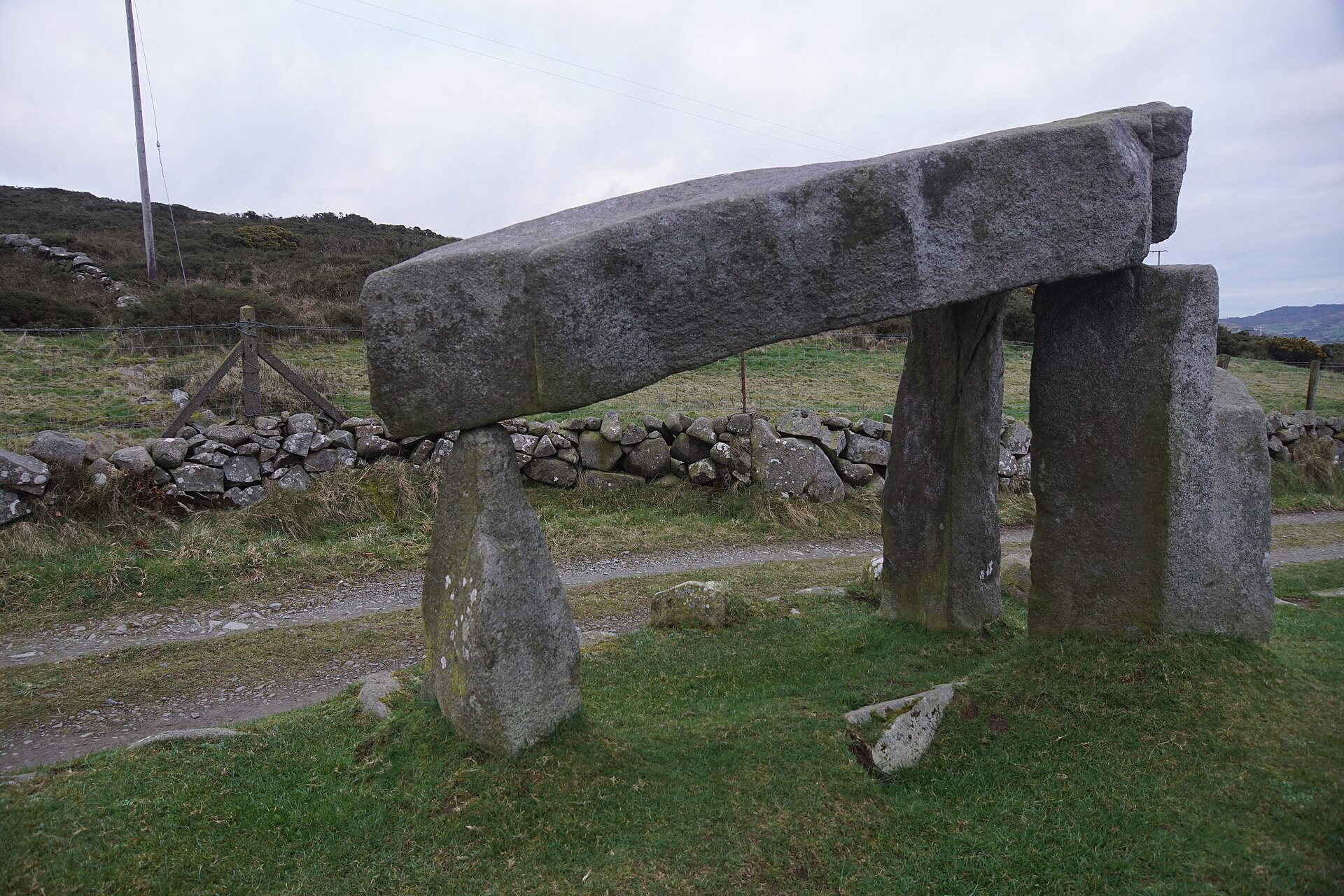
Legananny Dolmen is a State Care Neolithic portal tomb, a tomb of upright stones carrying a single great capstone, whose tall tripod supports a cap…
Tomb or burial place · Medieval
County Tyrone
Letterbrat combines a Tyrone townland’s portal tomb, a Stone Age tomb of upright stones carrying a single great capstone, with a working quarry exp…
Tomb or burial place · Prehistoric
County Sligo
The central 34-metre cairn (a mound of piled stones, often covering a burial) at Carrowmore, built around 3500 BC and restored after excavation, wi…
Sacred place · Prehistoric
Cumbria
One surviving boulder still carries a crisply cut spiral and rings, rare Bronze Age (roughly 2500–800 BC, when metal tools first spread) rock art p…
Tomb or burial place · Roman
Kent
Few country parks combine a Domesday deer-park inheritance, Roman pottery, Second World War decoy works, and veteran trees supporting nationally ra…
Sacred place · Prehistoric
Northumberland
Maelmin Henge is a modern, research-based reconstruction that makes the Neolithic (the first farming age, roughly 4000–2500 BC) and Early Bronze Ag…
Tomb or burial place · Prehistoric
South Yorkshire
A moorland summit whose stone cairn (a mound of piled stones, often covering a burial) turned out, on dating, to be a deliberately built Bronze Age…
Tomb or burial place · Prehistoric
County Sligo
A protected, 55-metre-wide cairn, a mound of piled stones often covering a burial, on Knocknarea, likely concealing a passage tomb from the Neolith…
Sacred place · Prehistoric
North Ayrshire
Moss Farm Road preserves a damaged Bronze Age: the period from about 2500 to 800 BC: stone-mound-and-circle monument within Arran’s wider Machrie M…
No places match those filters.



















.JPG?width=800)