
Kirkmadrine preserves three sixth-century Latin memorials naming early Christian priests, then traces continued devotion through later slabs and a ruinous Whithorn-linked church.
One surviving gable wall rises from the very ruinous remains of Kirkmadrine Church, enclosed by a wooded burial ground. Gravestones from the eighteenth and nineteenth centuries stand within the ruined church walls, while the wider site holds a much older Christian story.
An early ecclesiastical site may have stood here in the second half of the sixth century. Three memorials probably date from the same period, carrying Latin inscriptions and Greek chi-rho crosses and commemorating priests. They stood in the burial ground until the 1840s.
The listed church itself may have seventeenth-century origins and belonged to Whithorn Priory. The ruined building, later burial ground and early stones together record the long continuity of worship and burial at Kirkmadrine.
What follows is drawn from published sources, with each claim labelled by how firmly it is established.
History
An early ecclesiastical site may have stood at Kirkmadrine in the second half of the AD 500s. The three oldest memorials probably date from that period and are among the oldest Christian memorials in Scotland. How large that community was, and whether the stones marked a monastery, an episcopal seat or simply a burial ground used by clergy from a wider area, is not something they settle.
Kirkmadrine 1 carries a Latin inscription naming the holy and chief priests Ides, Viventius and Mavorius. Kirkmadrine 2 commemorates Florentius, while Kirkmadrine 3 refers to the beginning and the end and may have had a liturgical rather than burial use. What none of the three records is where these men served, or whether the stones stood over their graves at all.
The stones stood in the burial ground until the 1840s. Later fragments of cross slabs and gravestones date from the eighth to twelfth centuries, showing that the site’s Christian and commemorative use continued long after the earliest memorials. Where the three oldest stones went after the 1840s, and on whose authority they were lifted, is not part of the record.
The listed church may have seventeenth-century origins and belonged to Whithorn Priory. Today only part of one gable wall survives within a walled enclosure, alongside later gravestones and ruinous dry-stone walling. Nothing in the record ties that building to the sixth-century site beneath it beyond the ground the two share.
Cultural influences
-
Kirkmadrine preserves a long Christian landscape in which early inscribed memorials, a later priory church and the burial ground demonstrate continuing worship and commemoration across centuries.
Connections
-
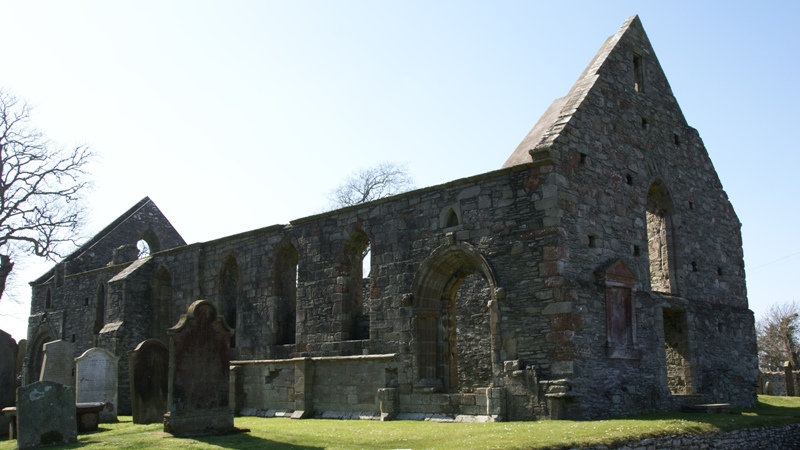
Photo: Otter / Wikimedia Commons / CC BY-SA 3.0 Whithorn Priory
The former church belonged to Whithorn Priory.
-
Kirkmadrine Stones
The burial ground was associated with three of Scotland’s oldest Christian memorials and later carved fragments.
Discovery & excavation
Three early Christian memorial stones bearing Latin inscriptions and chi-rho crosses stood in the burial ground until the 1840s; they are thought to date to the later sixth century.
What to look for
-
Early Christian memorials
The Latin inscriptions and Greek chi-rho crosses on the three oldest memorials connect Kirkmadrine with early Christian communities in northern Britain.
Plan your visit
- Location
- 54.7935°N · 4.9878°W
- Nearest settlement
- Newton Stewart
- Access
- Open access
- Terrain
- Easy going
- Time needed
- About 45 minutes
Nearby places
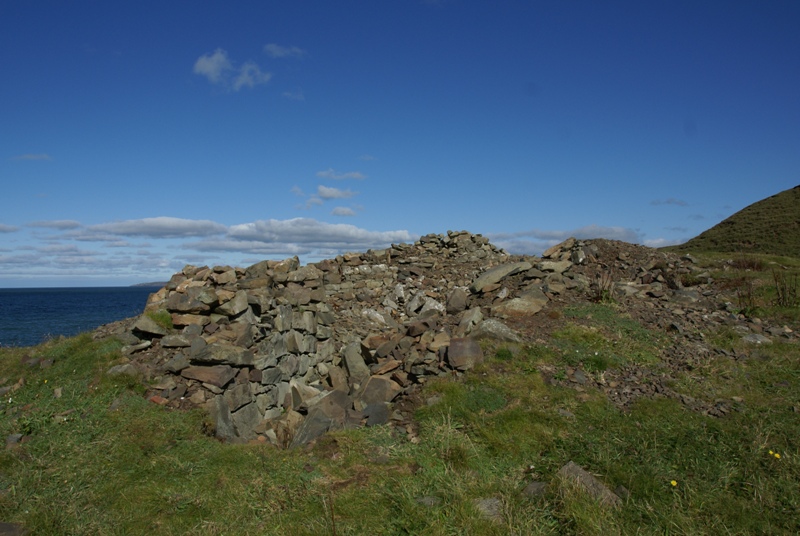
Fortified place · Iron Age
Doon Castle Broch
Dumfries and Galloway
On the south side of Ardwell Point, where the land juts into the North Channel on the Rhins of Galloway, the remains of Doon Castle broch (a tall c…
- Near Newton Stewart
- Some walking
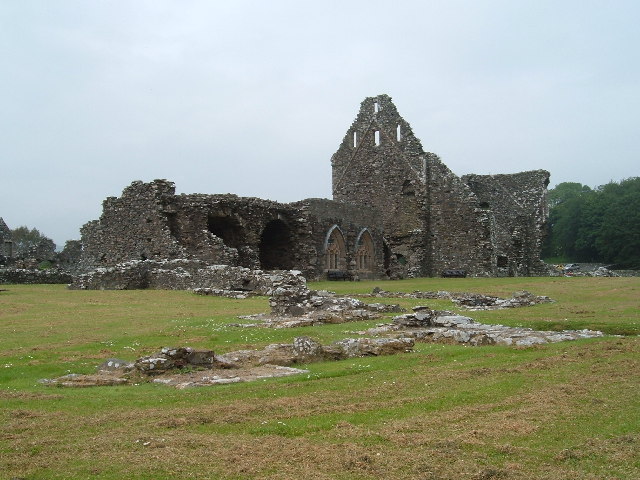
Sacred place · Medieval
Glenluce Abbey
Dumfries and Galloway
Glenluce Abbey preserves a Cistercian foundation in Galloway whose post-Reformation (the sixteenth-century closure of the monasteries) seizure, Ken…
Settlement · Prehistoric
Dorman's Island, Whitefield Loch
Dumfries and Galloway
Dorman's Island is a crannog (a dwelling built on an artificial island in a loch) in Whitefield Loch, in the parish of Old Luce in the Machars peni…
- Near Newton Stewart
- Some walking
Tomb or burial place · Prehistoric
Mid Gleniron
Dumfries and Galloway
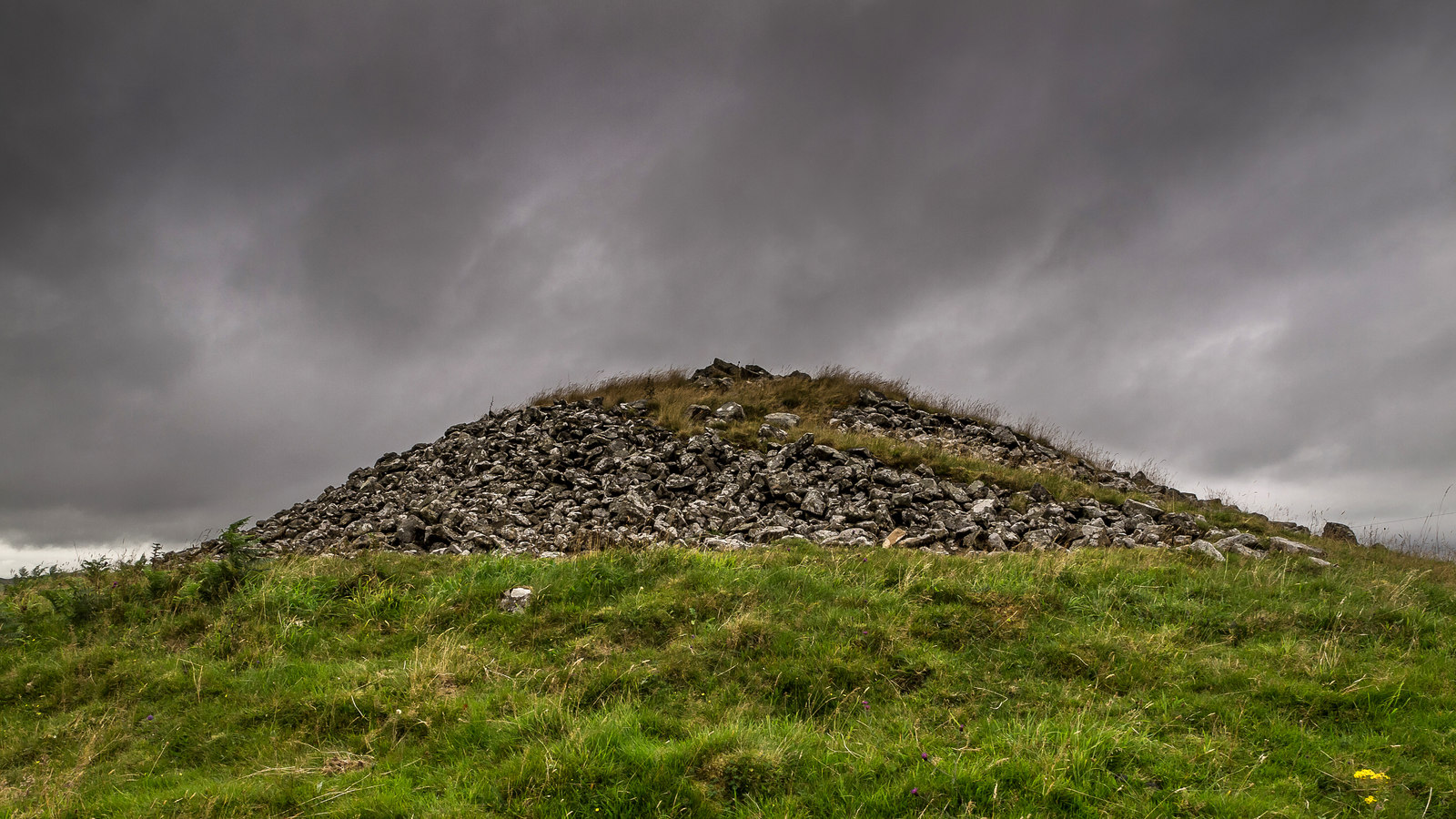
Six burial cairns stand grouped together in the countryside of Dumfries and Galloway, two of them holding a particular importance for archaeologist…
- Near Newton Stewart
- Easy path
Questions people ask
- How old are the oldest memorials?
- The three oldest memorials probably date from the AD 500s.
- What does Kirkmadrine 1 name?
- It names the priests Ides, Viventius and Mavorius.
- What survives of the church?
- Part of one gable wall and ruinous enclosure walls survive.
Sources
The Ancient Codex, in your pocket
Get the Pocket Codex app
Carry the directory with you — Kirkmadrine Church and Burial-ground and thousands of ancient places across Britain and Ireland, offline, wherever you roam.