Glenluce Abbey preserves a Cistercian foundation in Galloway whose post-Reformation (the sixteenth-century closure of the monasteries) seizure, Kennedy intrigue and later restoration reveal both the religious and political upheaval that reshaped Scottish monastic sites.
Ruins beside Glenluce mark the former Cistercian Abbey of Luce, also known as Vallis Lucis. Founded around 1190, it belonged to the monastic landscape of medieval Galloway.
Rolland or Lochlann, Lord of Galloway and Constable of Scotland, established the abbey. The community fell into disuse after the Scottish Reformation of 1560.
Its later history includes royal visits, disputed possession and a notorious Kennedy attempt to secure abbey lands. The ruins were consolidated and partly restored in 1898 and are now scheduled.
What follows is drawn from published sources, with each claim labelled by how firmly it is established.
History
Glenluce Abbey, also called the Abbey of Luce or Vallis Lucis, was founded around 1190 as a Cistercian monastery near Glenluce in south-west Scotland. Its founder was Rolland or Lochlann, Lord of Galloway and Constable of Scotland. The foundation firmly establishes the abbey’s Cistercian identity and late-twelfth-century place within Galloway’s medieval religious landscape.
On 23 January 1497, James IV created ‘Ballinclach in Glenluce’ a burgh of barony in favour of the abbey. No record survives of the burgh operating, but the royal act demonstrates that the monastery held rights significant enough to receive formal urban privileges. The charter is a documented but unrealised element of the abbey’s later medieval history.
After the Scottish Reformation in 1560, John Gordon of Lochinvar took possession of Glenluce Abbey. His servant refused entry to the abbot Thomas Hay, and Gordon later handed the key to Gilbert Kennedy, fourth Earl of Cassilis. Kennedy then persuaded a monk to forge signatures on a deed transferring abbey lands to him and his heirs. He arranged the monk’s murder and the execution of the assassin on a false theft charge, an episode illustrating the violent scramble for former church property.
Mary, Queen of Scots stayed at Glenluce on 9 August 1563. In 1587, Peter Young sought manuscripts that the last abbot had promised him, including Caesar’s Commentary and a Greek Hegisippus. The ruins were consolidated and partly restored in 1898 by Glasgow architect Peter MacGregor Chalmers. They are now protected as a scheduled monument, linking the ruined abbey with royal travel, lost or sought scholarly books and the conservation that preserved its remains.
People
-
Rolland or Lochlann, Lord of Galloway
Founded Glenluce around 1190 as a Cistercian monastery, establishing the Abbey of Luce within Galloway’s medieval religious landscape.
-
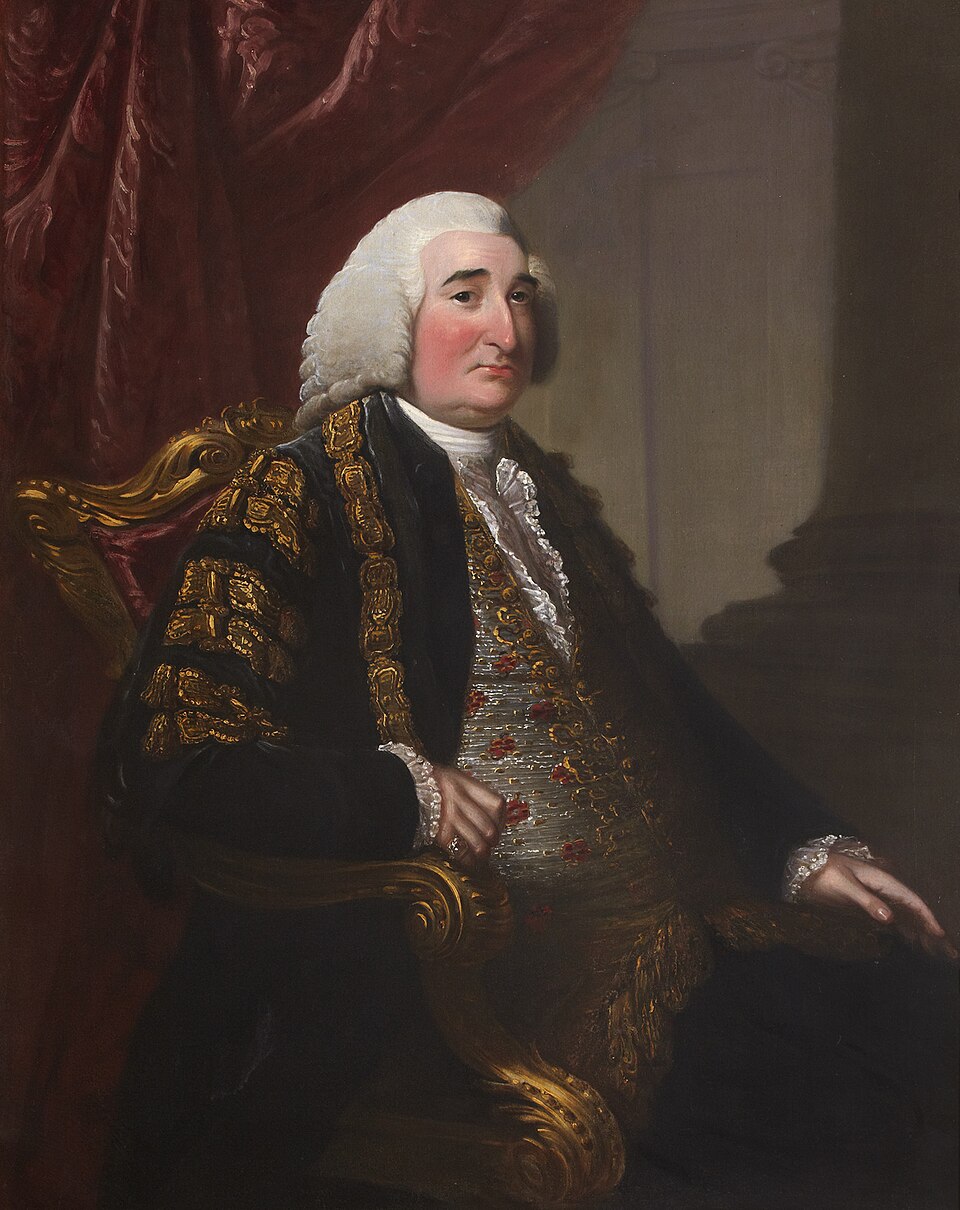
Portrait: David Martin / Wikimedia Commons / Public domain Thomas Hay
The abbot was refused entry after John Gordon of Lochinvar seized the abbey in 1560, a vivid episode of the Reformation takeover.
-
Gilbert Kennedy, 4th Earl of Cassilis
Acquired the abbey lands through a forged deed after the Reformation, illustrating the violent contest for former church property.
-
Peter MacGregor Chalmers
The Glasgow architect consolidated and partly restored the ruins in 1898, helping secure the medieval fabric visible at Glenluce today.
Cultural influences
-
Glenluce was part of the Cistercian religious landscape of medieval Galloway, while its 1497 burgh charter shows the abbey’s wider economic and administrative importance.
Connections
-
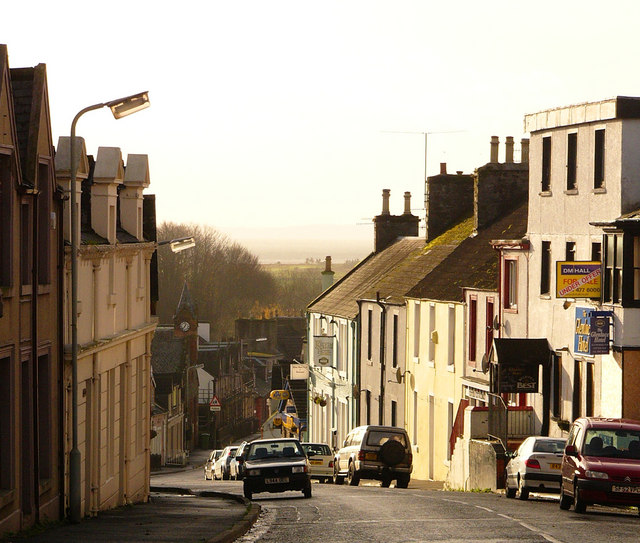
Photo: David Baird / Wikimedia Commons / CC BY-SA 2.0 Glenluce
The Cistercian abbey is located near this Scottish village.
-
Scottish Reformation
The abbey fell into disuse after this 1560 religious change.
-
Ballinclach
James IV created this proposed burgh of barony in the abbey’s favour in 1497.
-

Photo: NBC / Wikimedia Commons / Public domain Mary, Queen of Scots
She stayed at Glenluce Abbey on 9 August 1563.
What to look for
-
Cistercian ruins
The scheduled remains preserve the former Abbey of Luce, founded around 1190 as a Cistercian monastery in south-west Scotland.
-
1898 conservation
Peter MacGregor Chalmers consolidated and partly restored the ruins in 1898, an intervention that stabilised the medieval fabric now on view.
-
Galloway setting
The abbey stands in the medieval religious landscape of Galloway, near Glenluce and within the lordship that sponsored its foundation.
Plan your visit
- Location
- 54.8892°N · 4.8314°W
- Access
- Open access
- Time needed
- About 90 minutes
- Best time
- Visit during published opening hours and in dry daylight, when the abbey ruins and grounds can be explored comfortably.
- What survives
- Glenluce survives as extensive Cistercian ruins: the south transept and part of the presbytery remain substantial, while the cloister is less complete and the east-range chapter house retains its doorway, vaulting and traceried windows.
- Facilities
- Visitor facilities depend on the current HES operation; check the official site for the museum and visitor-centre arrangements before travelling.
Opening & admission
Check current Historic Environment Scotland opening times before travelling; grounds, museum and visitor-centre access can vary seasonally.
- Conservation or seasonal restrictions may affect access to the abbey buildings.
Nearby places
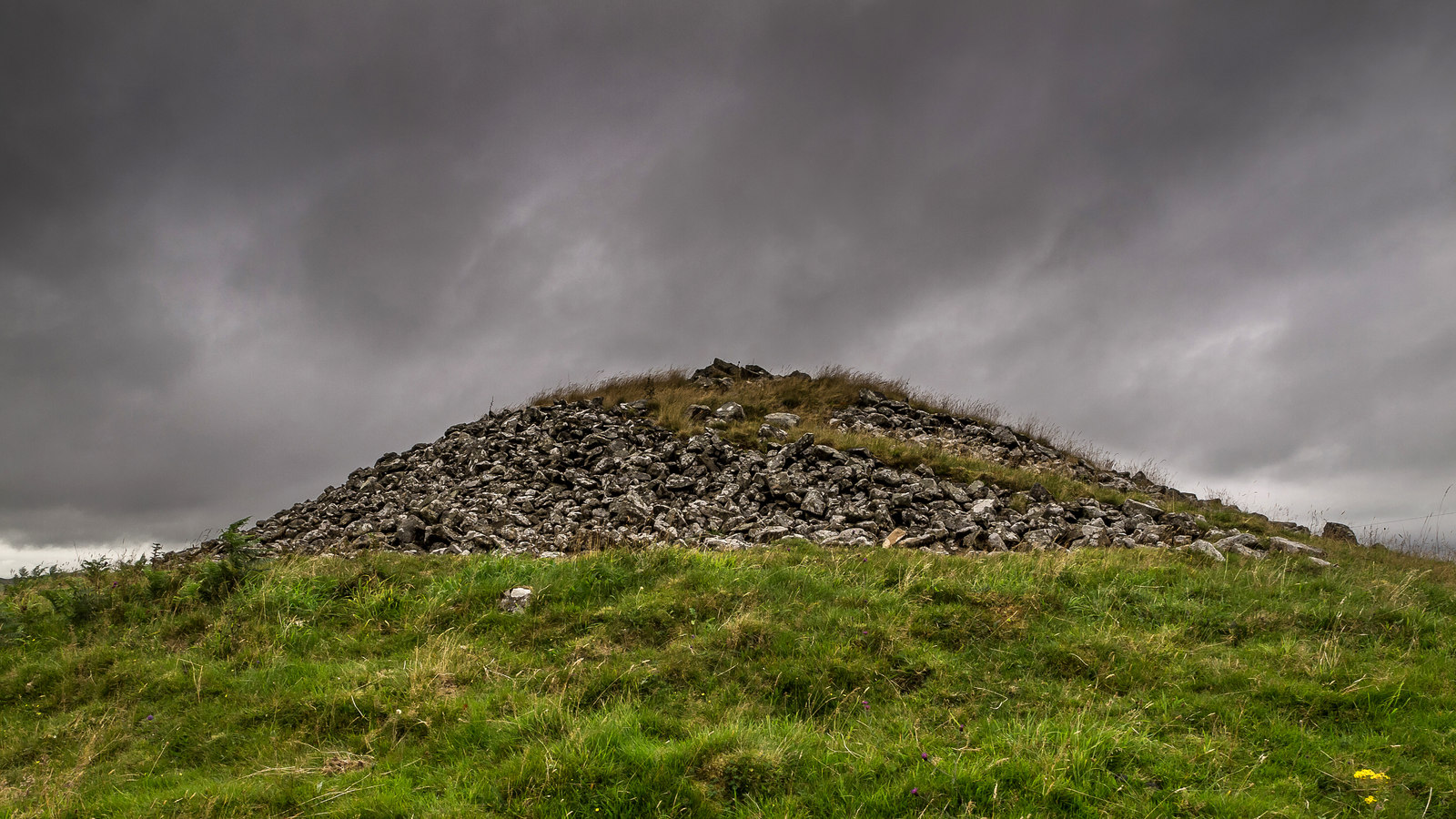
Tomb or burial place · Prehistoric
Mid Gleniron
Dumfries and Galloway
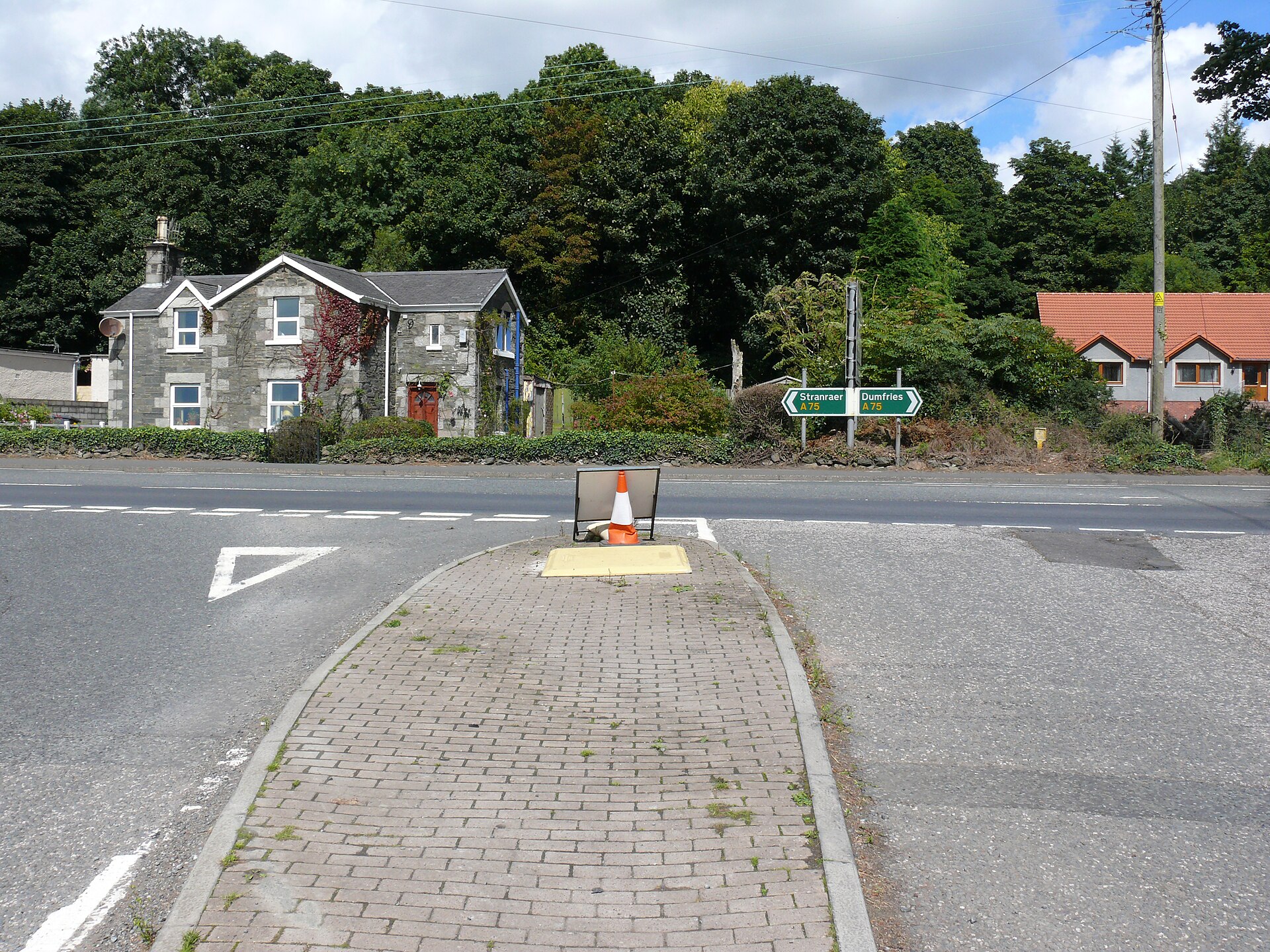
Six burial cairns stand grouped together in the countryside of Dumfries and Galloway, two of them holding a particular importance for archaeologist…
- Near Newton Stewart
- Easy path
Settlement · Prehistoric
Dorman's Island, Whitefield Loch
Dumfries and Galloway
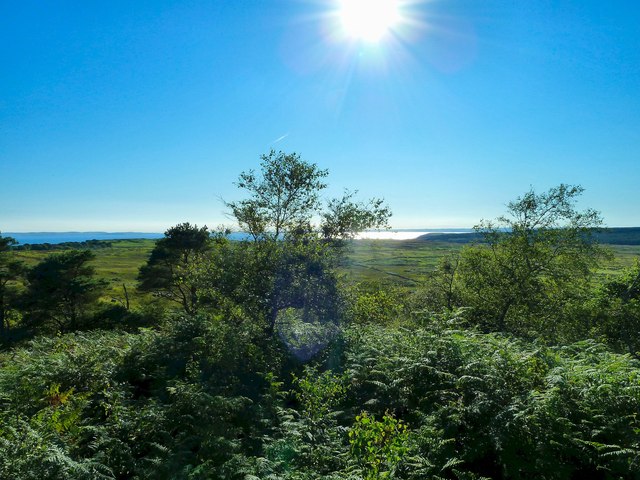
Dorman's Island is a crannog (a dwelling built on an artificial island in a loch) in Whitefield Loch, in the parish of Old Luce in the Machars peni…
- Near Newton Stewart
- Some walking
Fortified place · Iron Age
Doon of May
Dumfries and Galloway
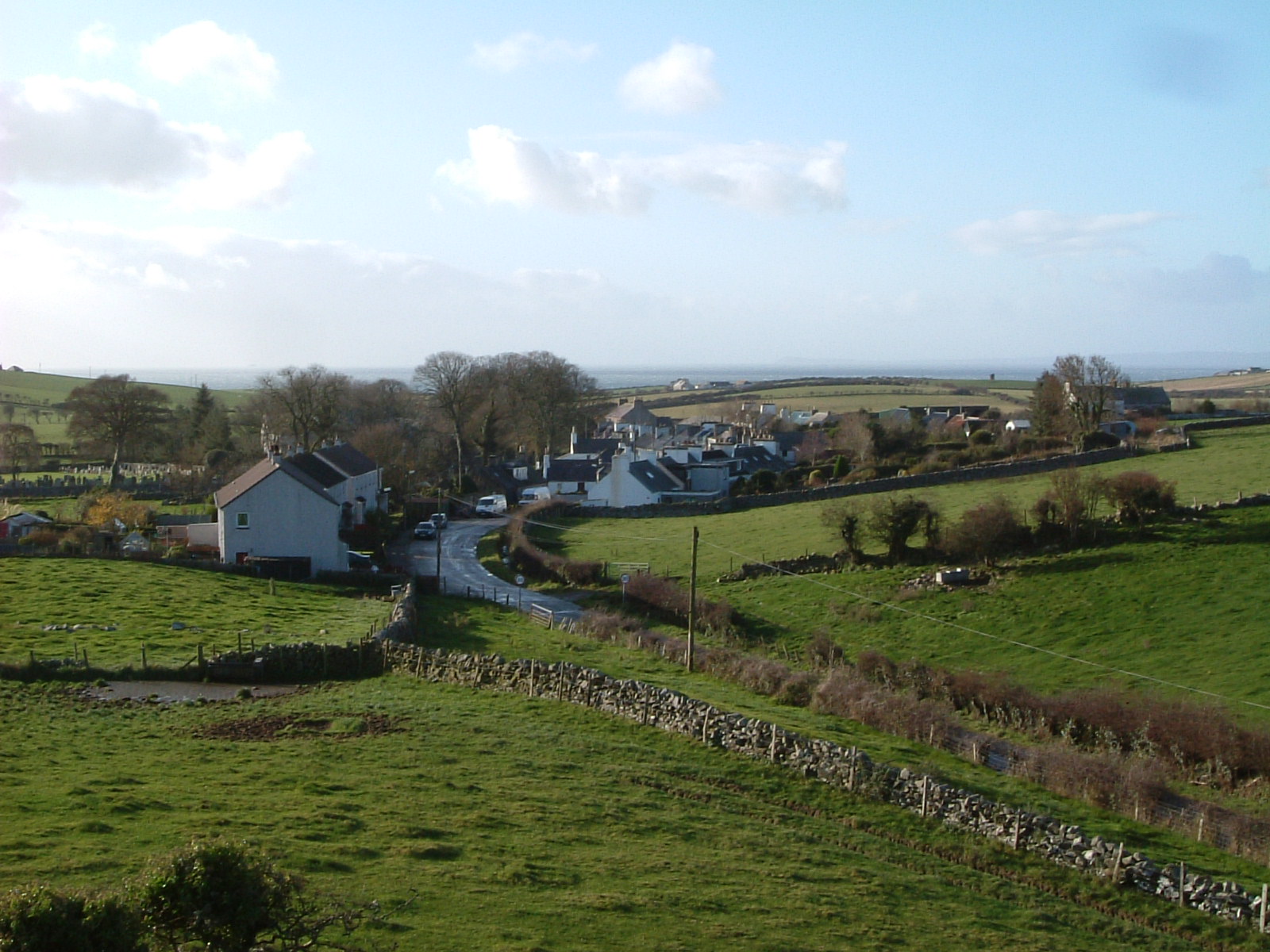
The facing stones of the wall have almost entirely gone, but the heat that once fused the rampart (an encircling bank built for defence) still show…
- Near Newton Stewart
- Some walking
Sacred place · Medieval
Chapel Finian and Chapel Finian Well
Dumfries and Galloway
Only the foundations remain of Chapel Finian, a small chapel built between the 10th and 11th centuries on an old raised beach at Corwall Port, on t…
- Near Newton Stewart
Questions people ask
- When was Glenluce Abbey founded?
- It was founded around 1190 by Rolland or Lochlann, Lord of Galloway.
- What happened to Glenluce Abbey after the Reformation?
- It fell into disuse after 1560, when John Gordon of Lochinvar took possession.
- Is Glenluce Abbey protected?
- Yes. The consolidated ruins are a scheduled monument.
Sources
The Ancient Codex, in your pocket
Get the Pocket Codex app
Carry the directory with you — Glenluce Abbey and thousands of ancient places across Britain and Ireland, offline, wherever you roam.