Tomb or burial place · Prehistoric
Newgrange
County Meath
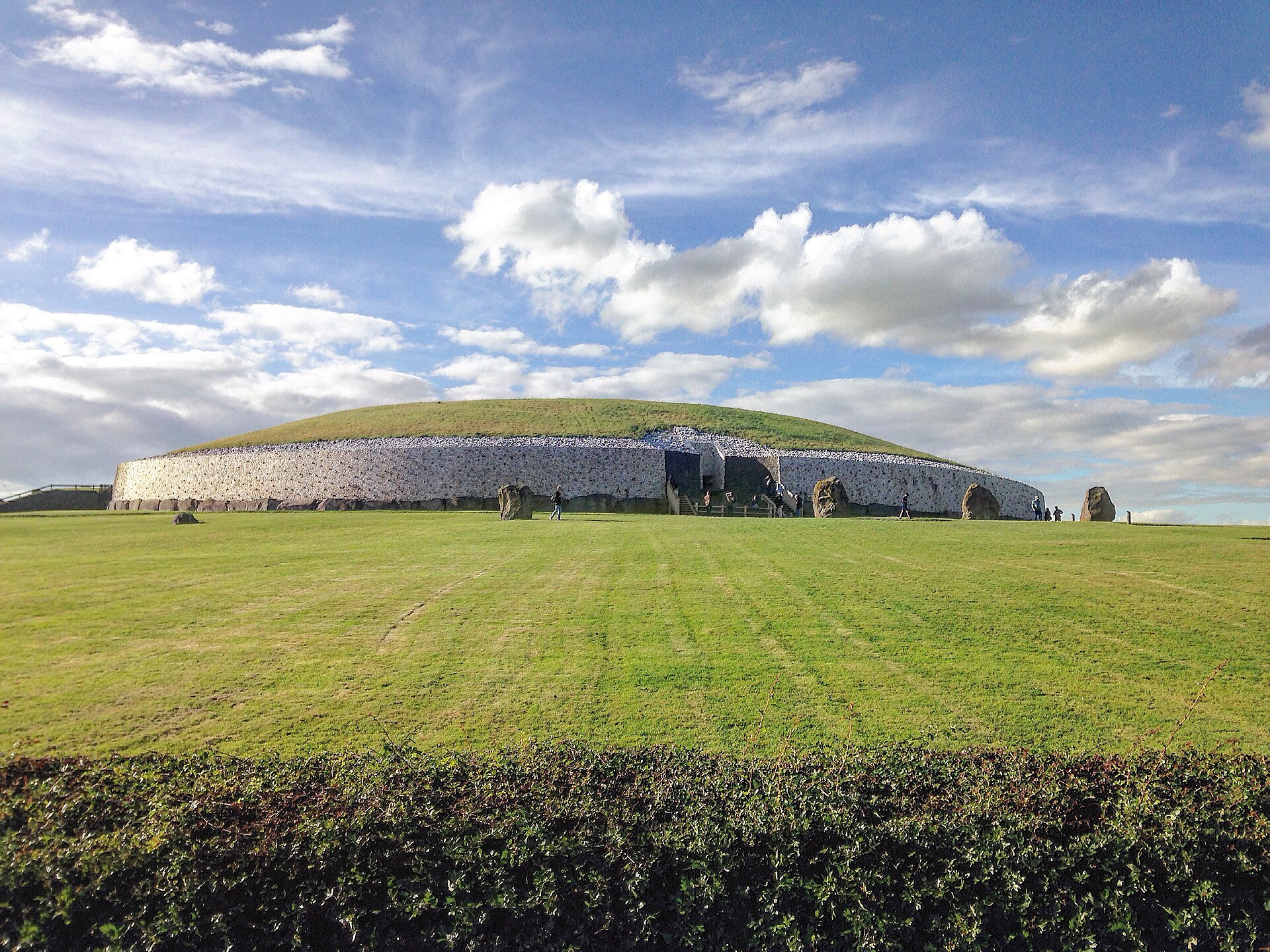
Raised five hundred years before Stonehenge took its familiar form, its inner chamber still catches the exact solstice sunrise its Neolithic (the f…
- Near Drogheda
- Easy path
By type
Page 4 of 5.
Search and filters apply to these 100 places.
Tomb or burial place · Prehistoric
County Meath
Raised five hundred years before Stonehenge took its familiar form, its inner chamber still catches the exact solstice sunrise its Neolithic (the f…
Sacred place · Prehistoric
Derbyshire
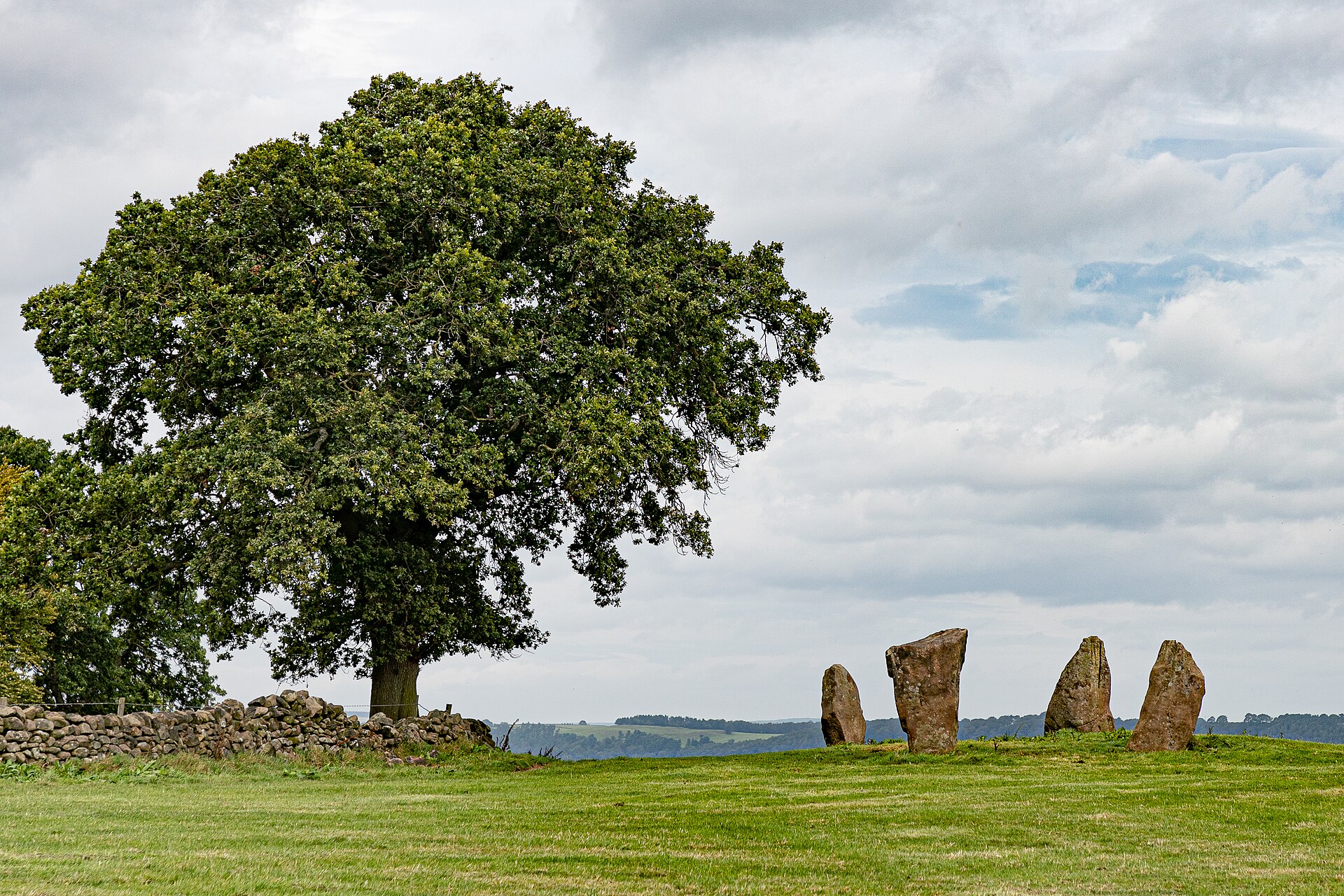
Ten weathered stones pretending to be nine, watched over by a leaning outlier scratched with a conman's graffiti, and defended for a decade by a pr…
Sacred place · Prehistoric
Derbyshire
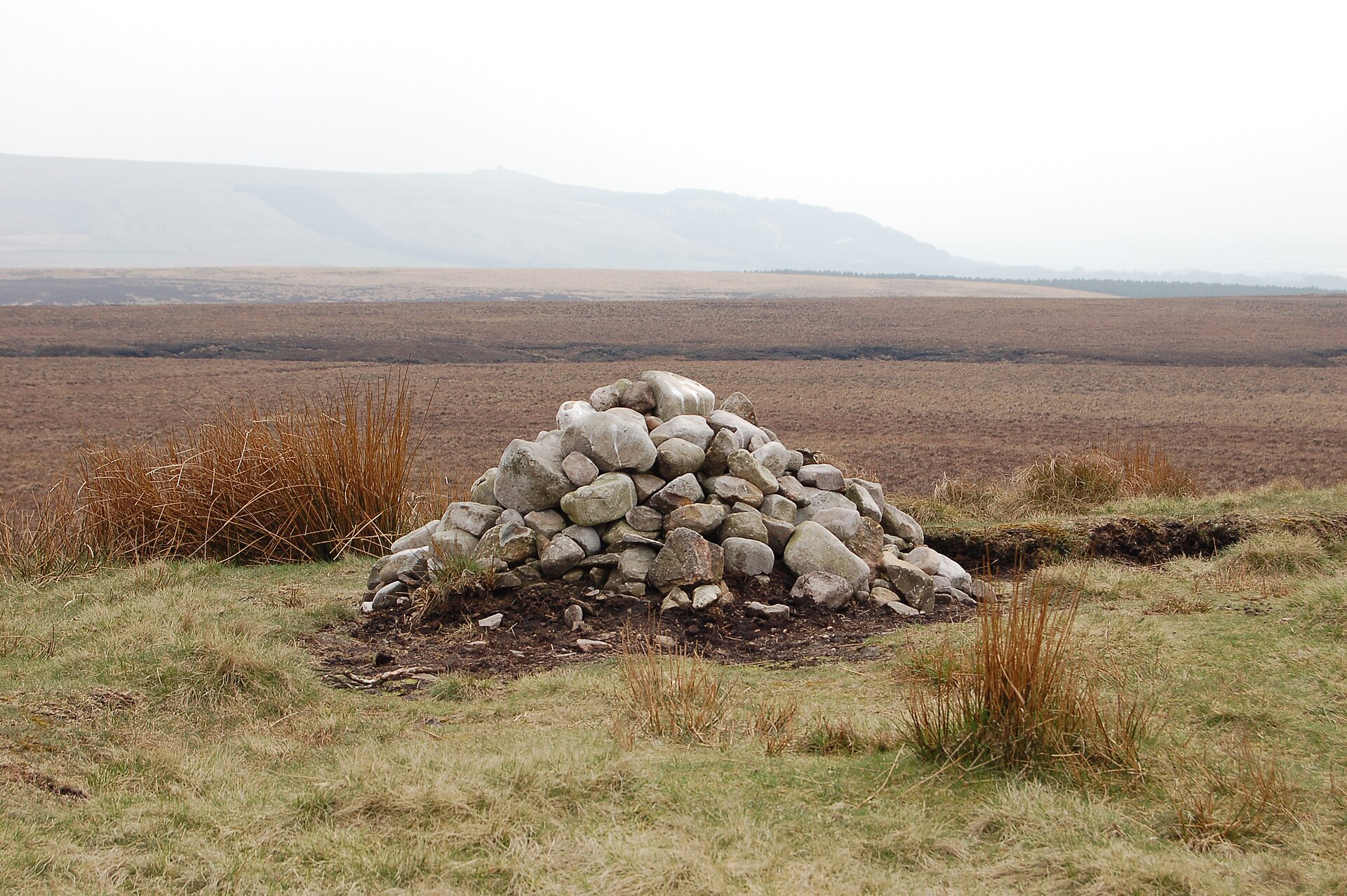
Four surviving stones on Harthill Moor retain two shallow cup marks, while the lost uprights explain the traditional name Nine Stones Close.
Sacred place · Prehistoric
Cornwall
Nine Stones is Bodmin Moor’s smallest stone circle, restored from near collapse in 1889 and retaining an unusual central granite post.
Sacred place · Prehistoric
Dorset
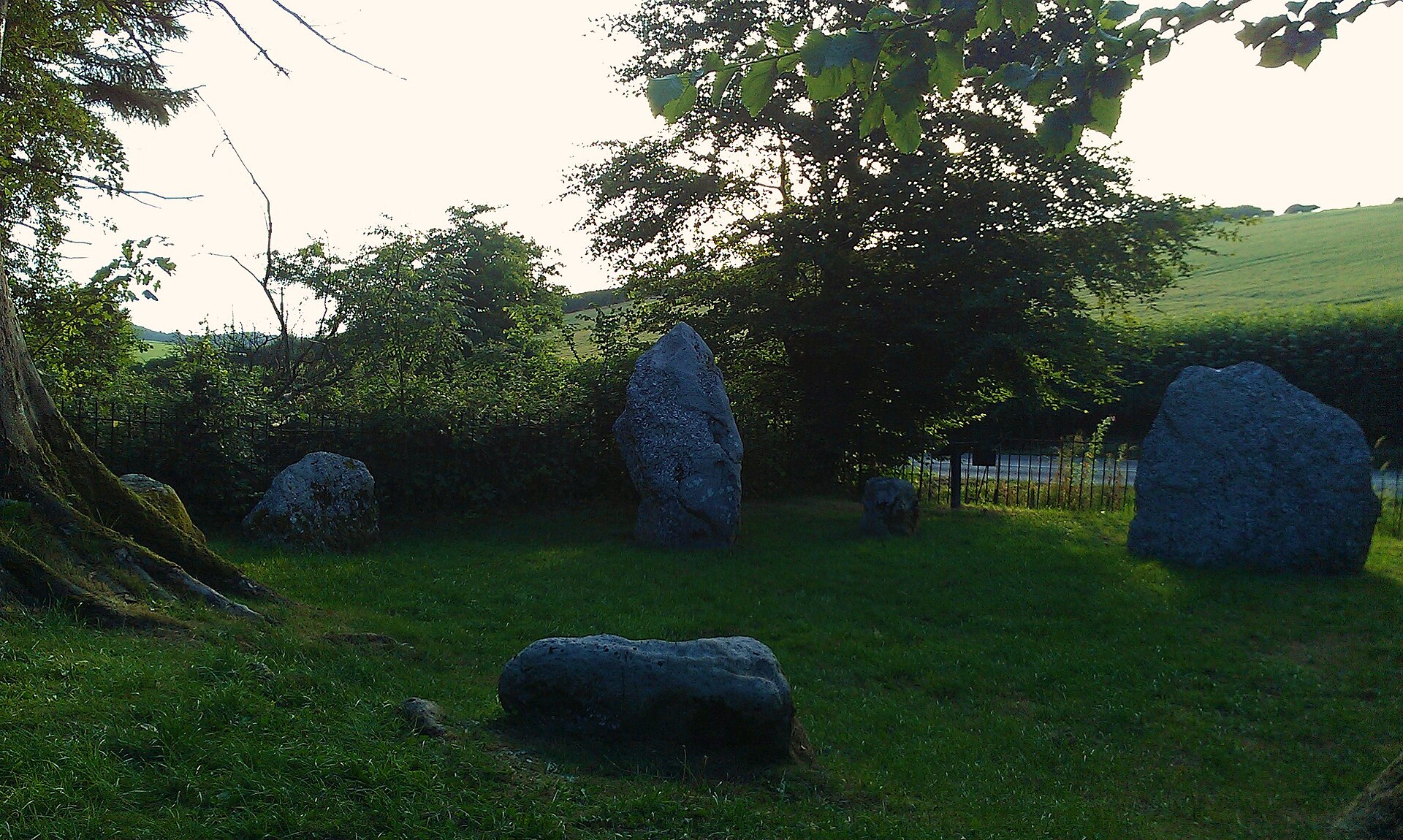
The Nine Stones is a small Bronze Age (roughly 2500–800 BC, when metal tools first spread) Dorset circle whose unusual pair of tall stones, long an…
Sacred place · Prehistoric
Scottish Borders
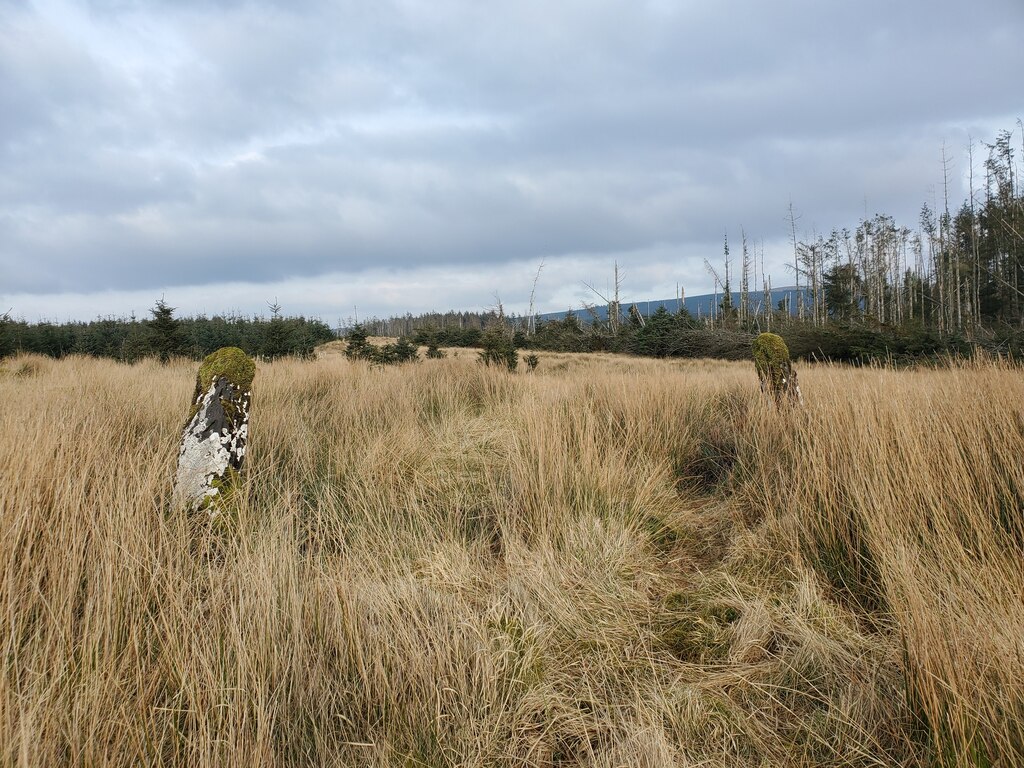
Legend says the lord of Hermitage Castle was boiled alive here in 1320, in a cauldron slung between the two big stones.
Tomb or burial place · Prehistoric
Wiltshire
One grave here held a gold lozenge, a bronze dagger and a mace among the richest Bronze Age (roughly 2500–800 BC, when metal tools first spread) bu…
Sacred place · Prehistoric
Perth and Kinross
Two pits and a cremation were placed here before the henge was built: a prehistoric earthwork of bank and ditch enclosing a circular space, with th…
Tomb or burial place · Prehistoric
Gloucestershire
A chambered long barrow, a communal burial mound, whose stone passage and side chambers stood open to the sky for millennia before being sealed shu…
Tomb or burial place · Prehistoric
Gloucestershire
Excavators found red ochre in this barrow, a burial mound of heaped earth, prehistoric in date: possibly face-paint to make the dead look alive: an…
Tomb or burial place · Prehistoric
Dorset
Oakley Down is a scheduled Cranborne Chase cemetery whose thirty Bronze Age, the period from about 2500 to 800 BC, mounds and early excavated buria…
Sacred place · Prehistoric
Orkney Islands
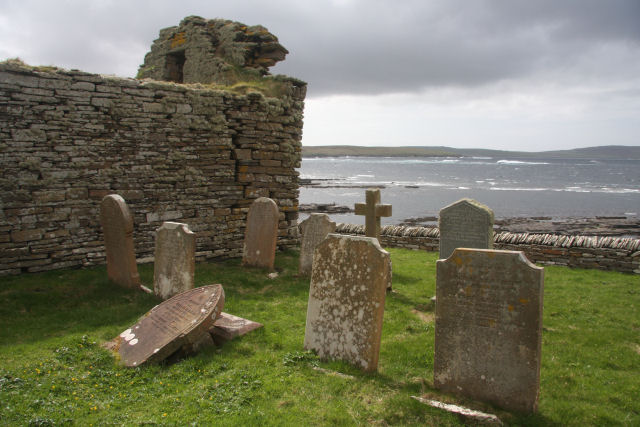
Orphir Round Church preserves the remains of a circular medieval church dedicated to Saint Nicholas.
Tomb or burial place · Prehistoric
Isle of Anglesey
Pant-y-Saer is a partially collapsed Neolithic (the late Stone Age, about 4000–2500 BC in Britain) chamber tomb where excavation revealed repeated…
Tomb or burial place · Prehistoric
Swansea
In 1869 workmen digging for road stone on the Gower Peninsula broke into a mound of limestone rubble and found it packed with broken human bone. Wh…
Tomb or burial place · Medieval
Isle of Anglesey
Perthi-Duon is an enigmatic collapsed Anglesey stone monument whose possible Neolithic (the closing Stone Age, roughly 4000–2500 BC) tomb status, e…
Tomb or burial place · Prehistoric
Shetland Islands
On a low rise in the parish of Nesting in north-east Whalsay, two burial monuments stand roughly 140 metres north-west of the settlement mound at B…
Sacred place · Prehistoric
Dumfries and Galloway
A small sandy bank rises out of the peat-covered valley of the Crooks Pow stream, four kilometres south-west of Dumfries, and it is on this slight…
Tomb or burial place · Prehistoric
Lancashire
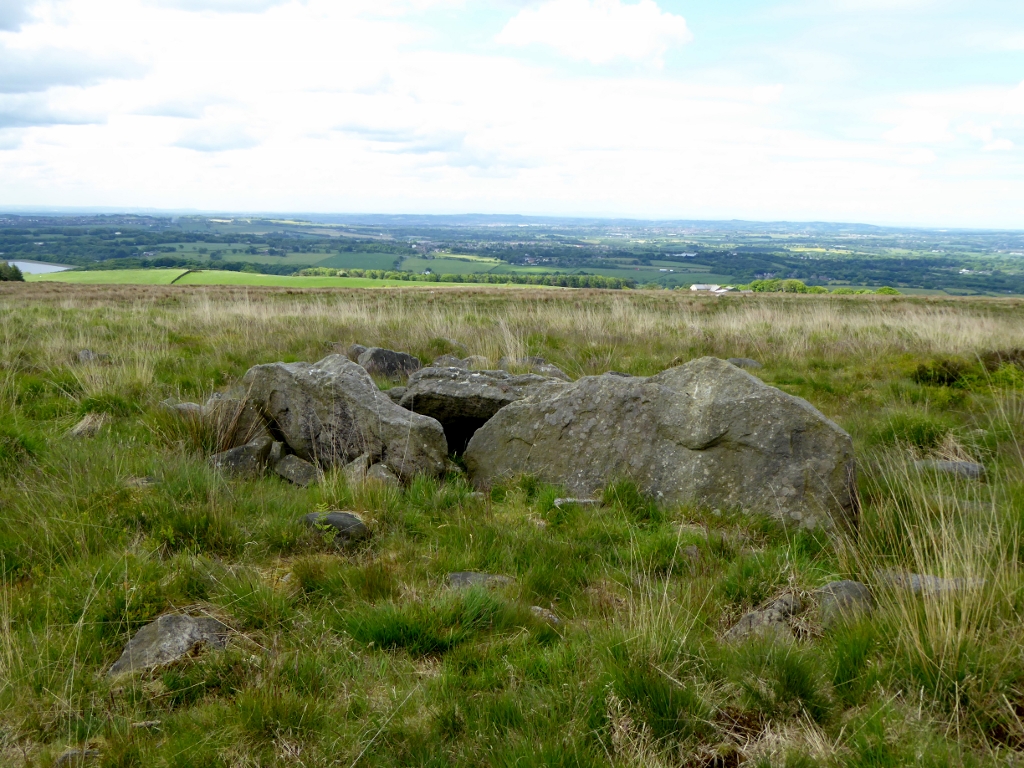
Pikestones is a robbed Neolithic chambered cairn, a Stone Age burial mound built around a stone chamber, on Anglezarke Moor, one of only two chambe…
Tomb or burial place · Prehistoric
County Wicklow
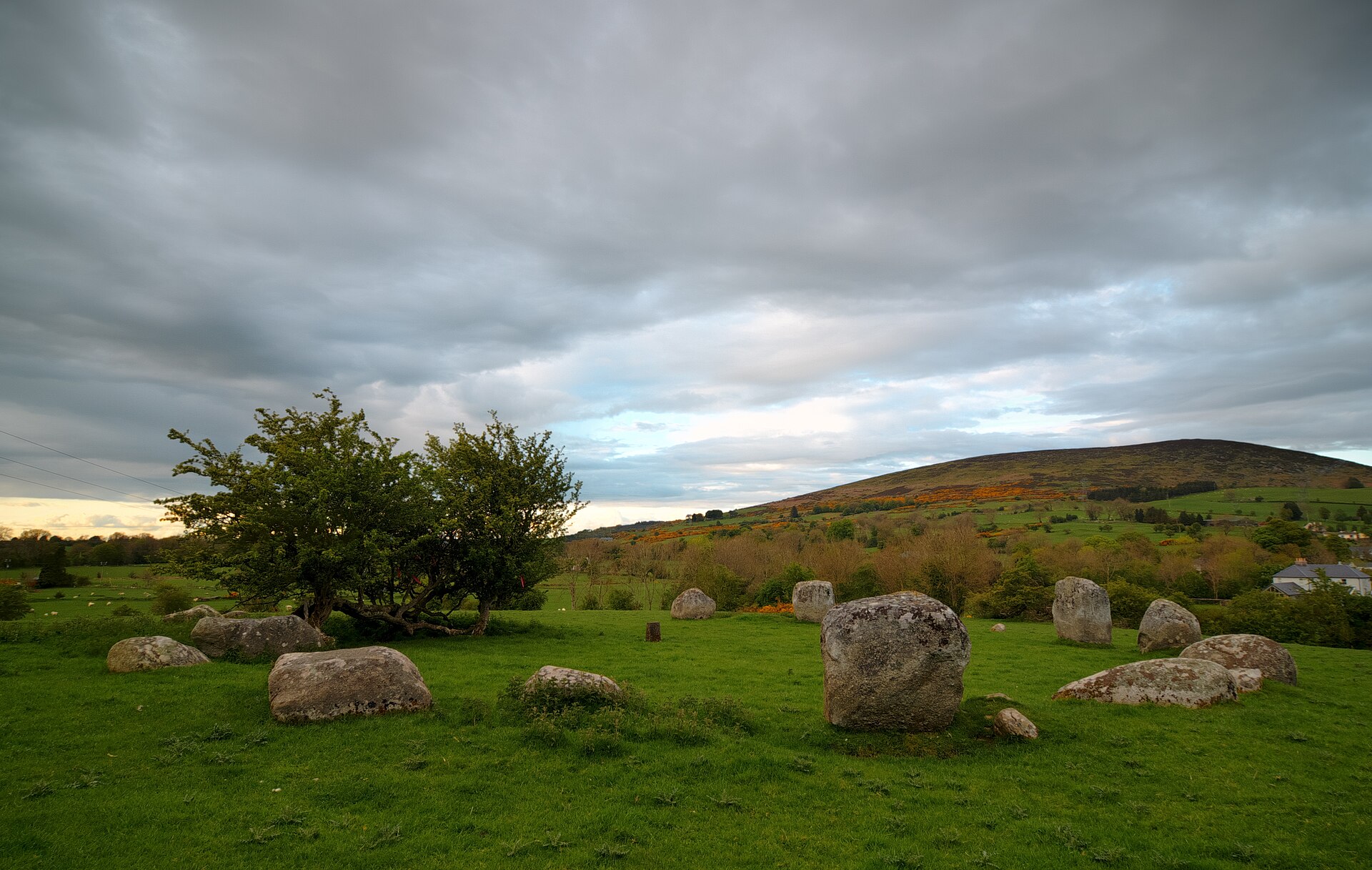
Only five of the granite boulders still stand exactly where Bronze Age hands set them roughly three thousand years ago: the rest were disturbed by…
Sacred place · Prehistoric
Outer Hebrides
At least two dozen stones stand in an oval on the south side of Ben Langass on North Uist, eight of them on the northern arc and sixteen on the sou…
Tomb or burial place · Roman
Lincolnshire
At least eleven Bronze Age (roughly 2500–800 BC, when metal tools first spread) burial mounds once stood on this ridge; five were bulldozed for iro…
Sacred place · Prehistoric
Somerset
Thirteen stones now, ten in 2009, forty-three when the circle went up in the era before writing arrived in these islands - and some of what stands…
Tomb or burial place · Prehistoric
County Clare
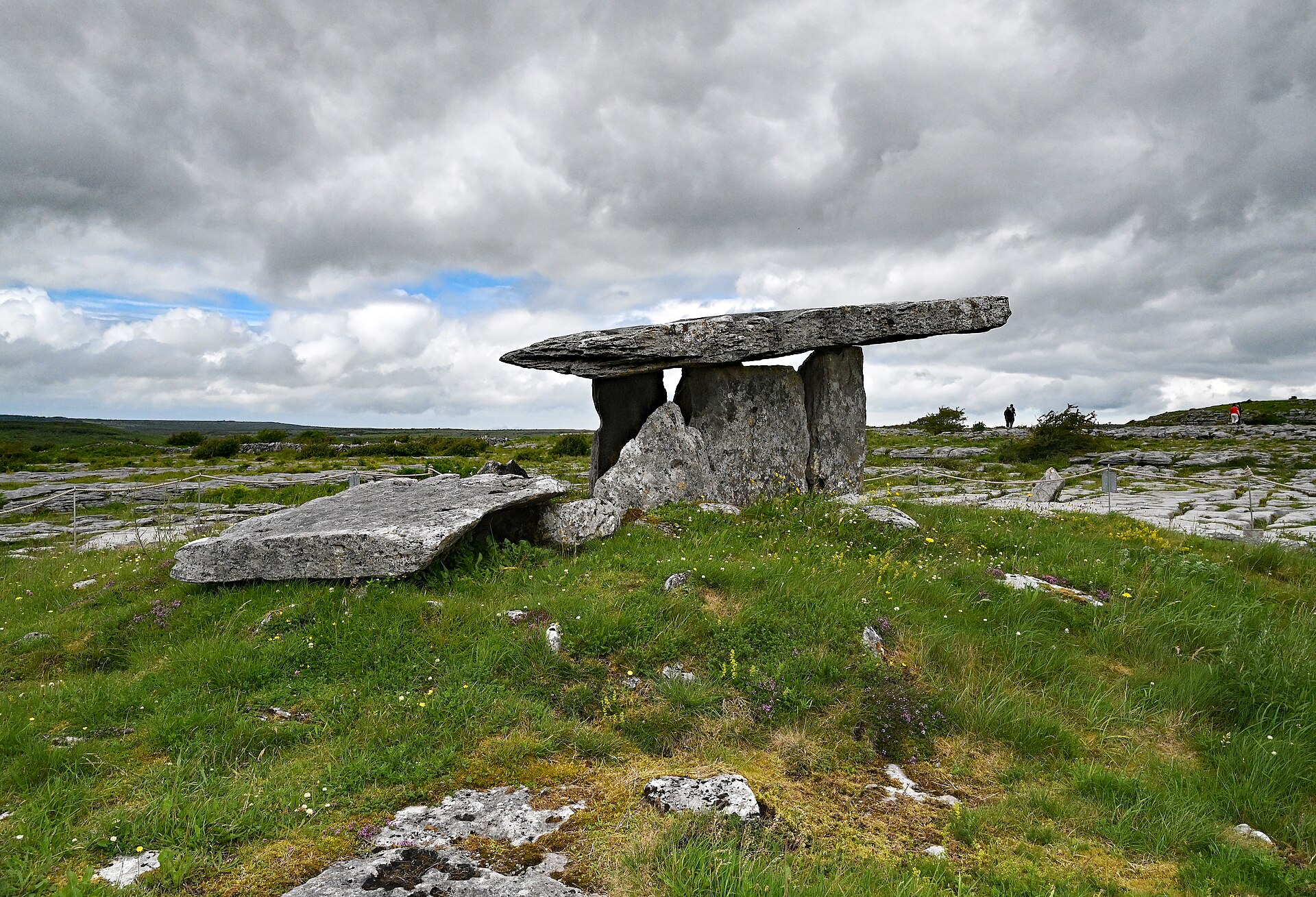
Poulnabrone is a Neolithic (the late Stone Age, roughly 4000–2500 BC in Britain) portal tomb (a Neolithic tomb of upright stones carrying a single…
Tomb or burial place · Prehistoric
Isle of Anglesey
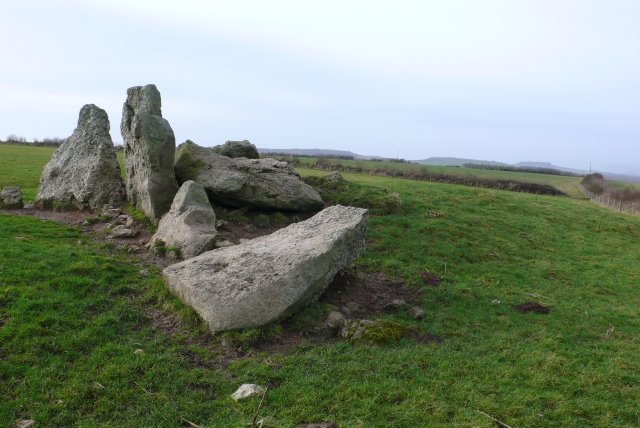
Two Neolithic tombs stand so close together that antiquarians still cannot agree whether they were ever one chamber beneath a single mound.
Tomb or burial place · Prehistoric
Hampshire
One of only two known unchambered long barrows on the North Downs, its true shape was masked for decades by farming damage and a mistaken Ordnance…
Sacred place · Prehistoric
Somerset
Four circular bank-and-ditch enclosures near Priddy in the Mendips, protected by law.
Tomb or burial place · Prehistoric
Somerset
Two Bronze Age barrow cemeteries on the two highest ridges in the district: scheduled in 1933, possibly to stop local schools digging them.
Tomb or burial place · Prehistoric
County Louth
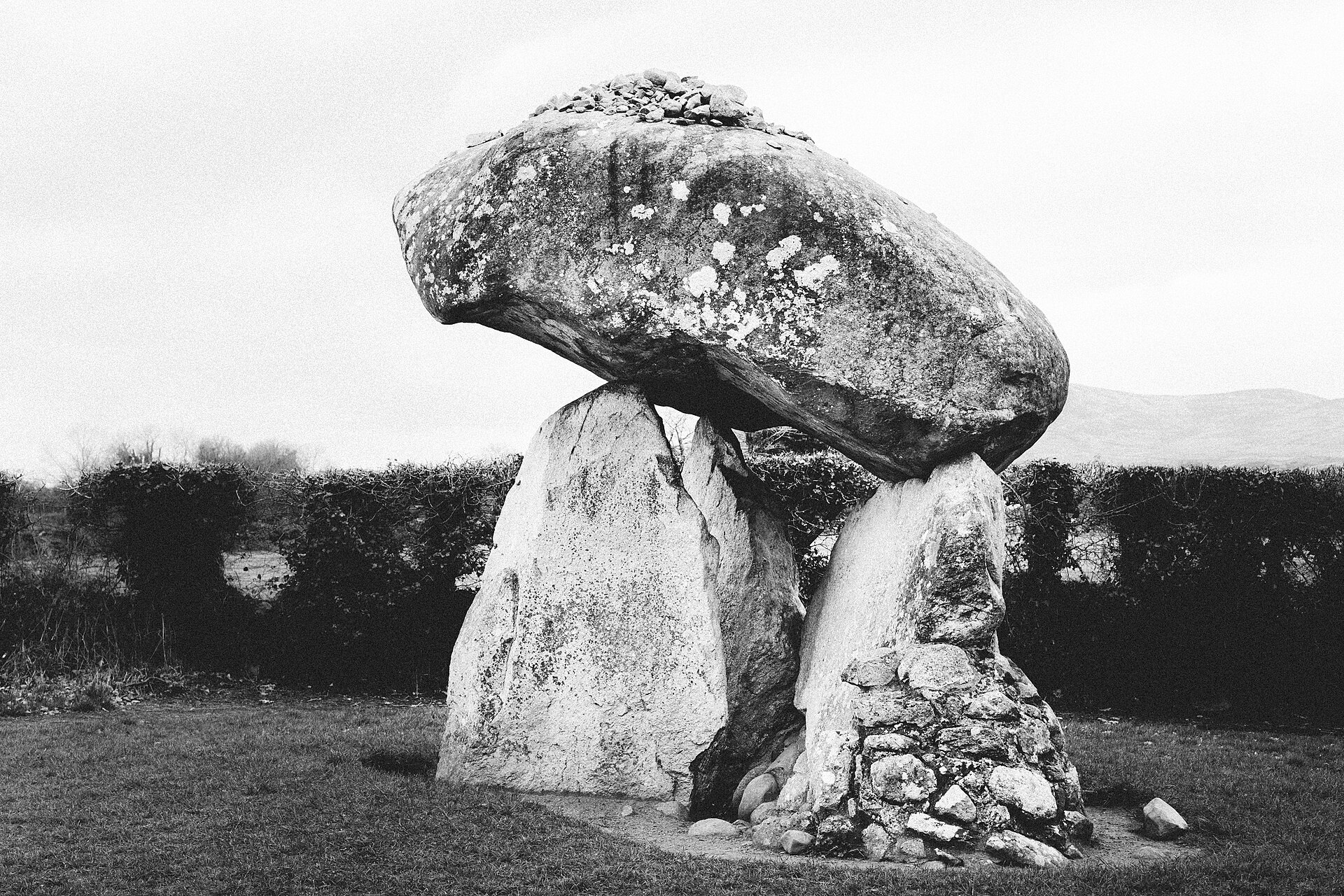
A single capstone weighing some 40 tonnes has balanced on two portal stones for roughly five thousand years, making it one of the heaviest dolmen c…
Tomb or burial place · Prehistoric
Shetland Islands
Above the peat near Mangaster, in Northmavine on Shetland's Mainland, a low mound of large boulders rises about 1.5 metres from the surrounding gro…
Sacred place · Prehistoric
Wiltshire
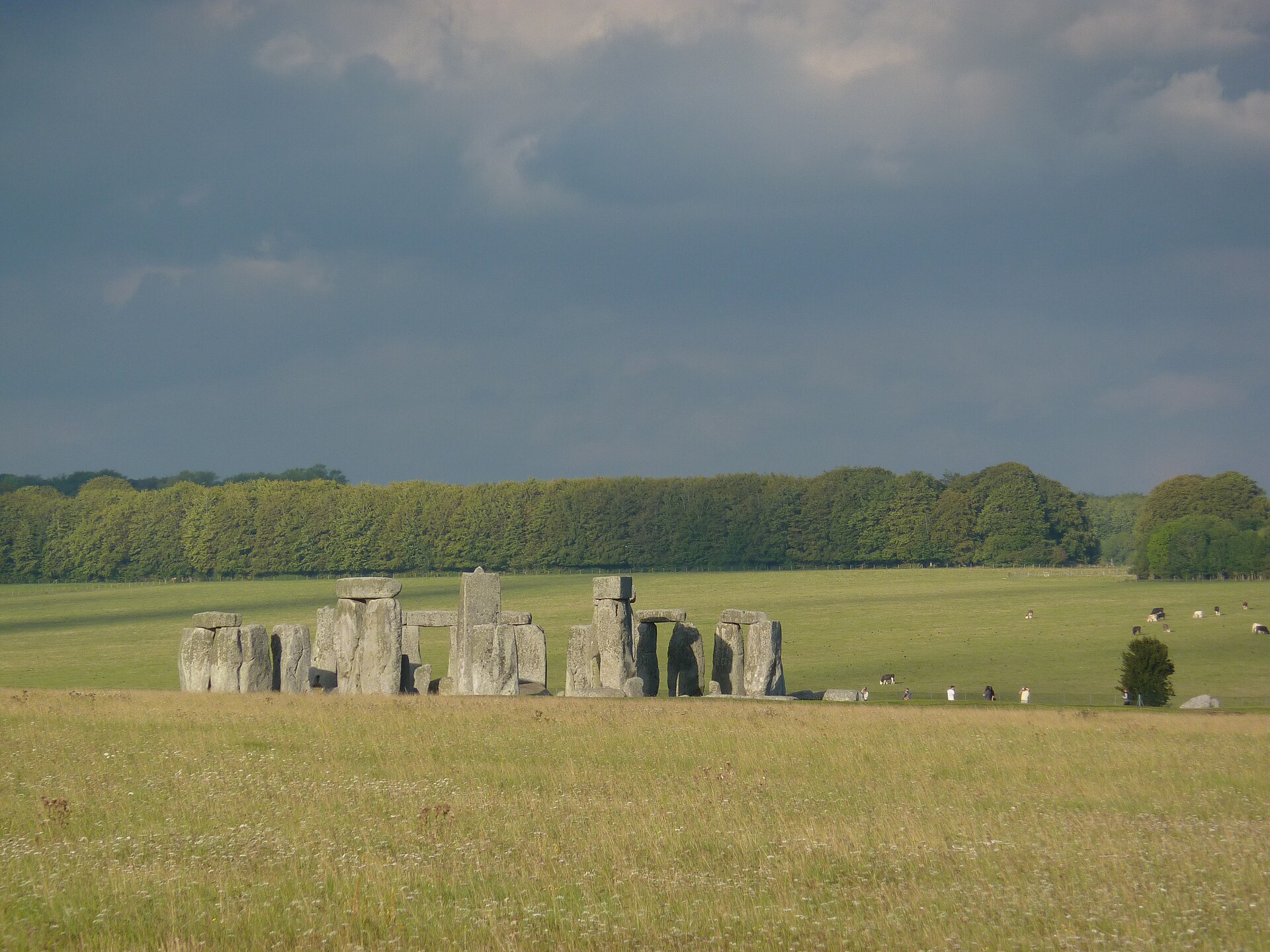
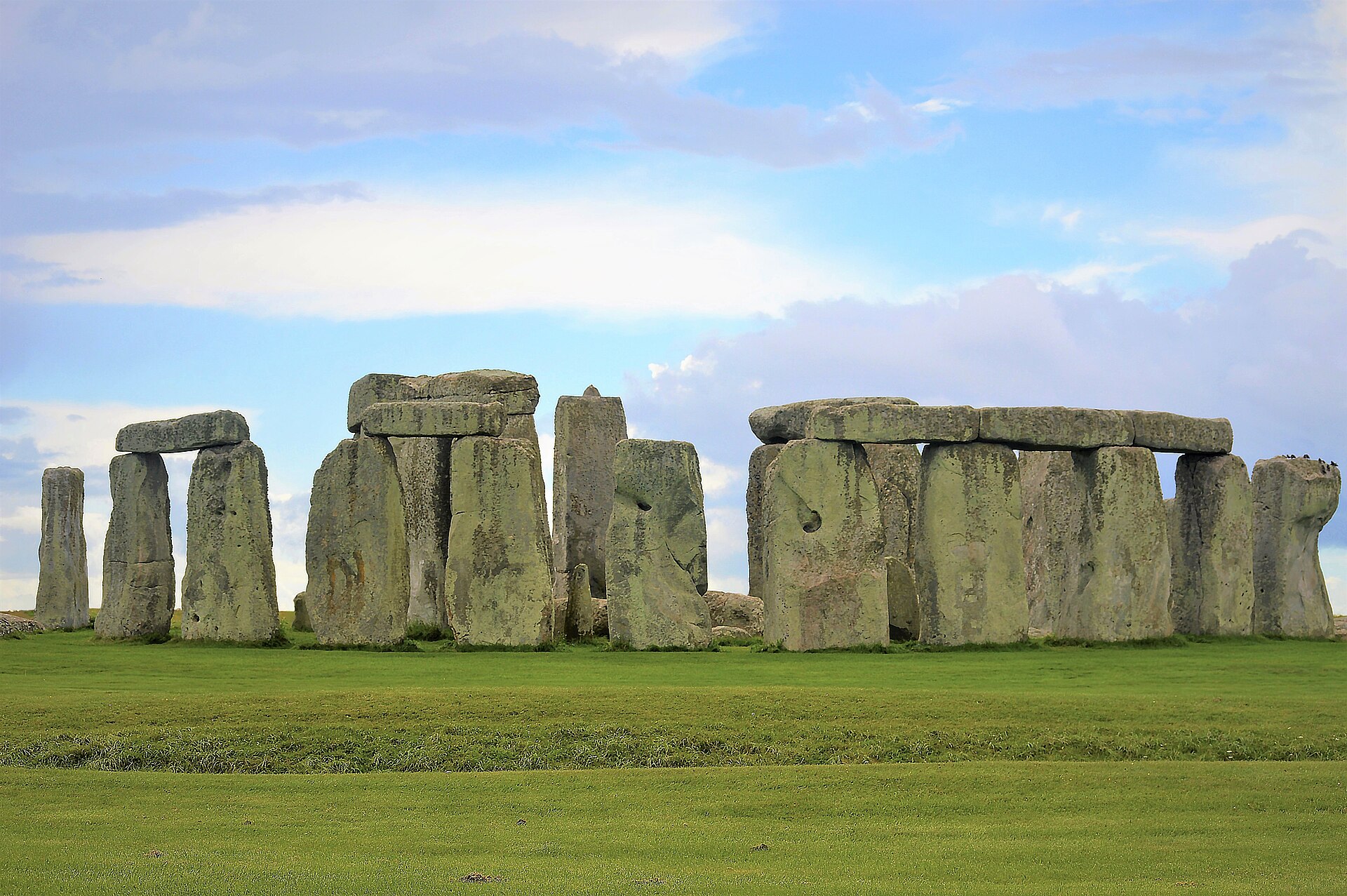
The earliest known stone structure at Stonehenge, predating the visible Sarsen Circle by centuries and giving the first clear evidence of the monum…
Tomb or burial place · Prehistoric
Orkney Islands
A burial monument on Mainland into which a roundhouse was built about 700 BC, and which held the remains of 157 people.
Ancient place · Prehistoric
Orkney Islands
A medieval Norse settlement on Westray, begun as a small farmstead between about 900 and 1000.
Sacred place · Prehistoric
City of Edinburgh
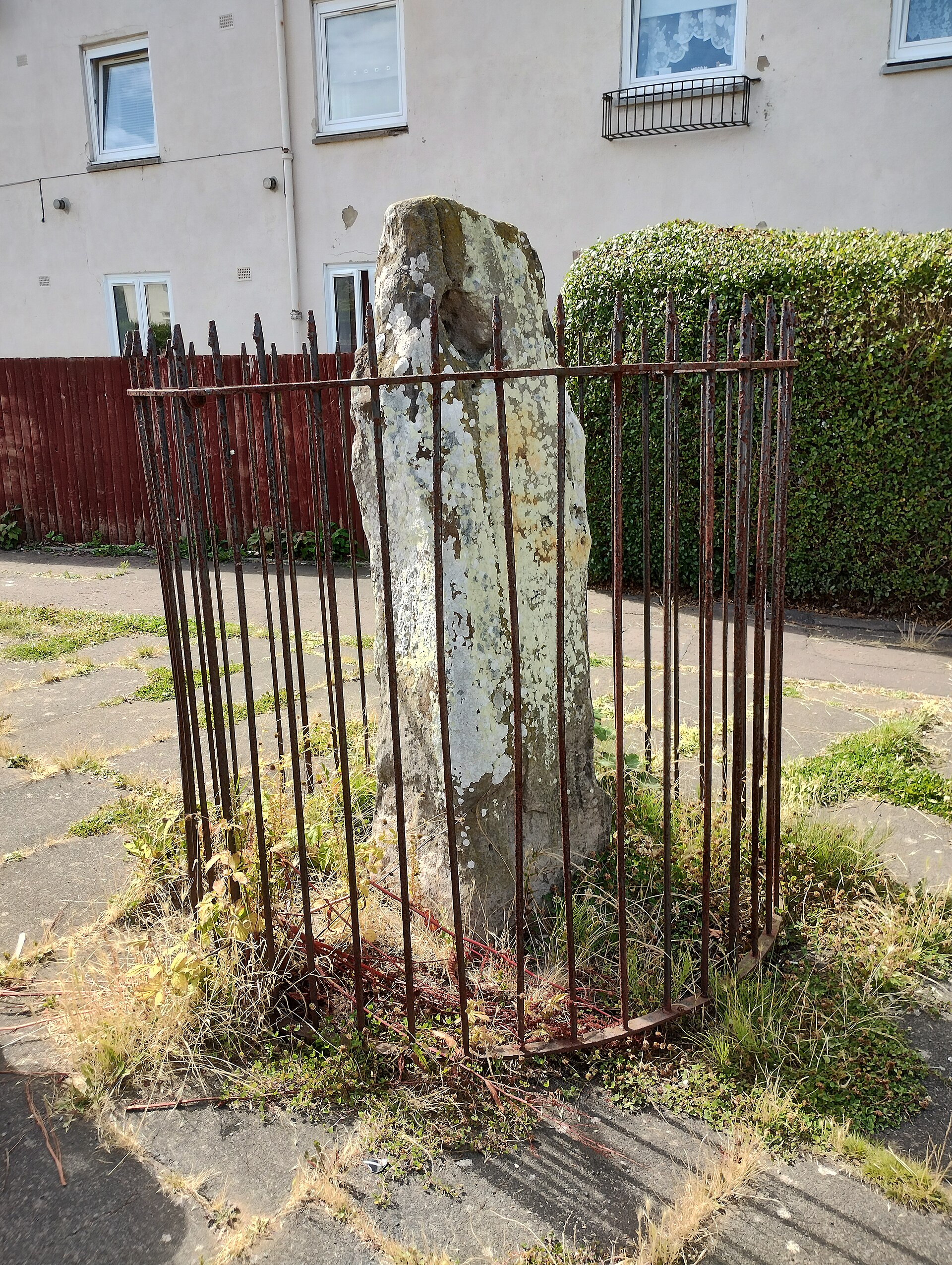
The Ravenswood standing stone is a Bronze Age (roughly 2500–800 BC) monument whose repeated moves and survival within an Edinburgh housing estate m…
Tomb or burial place · Pictish & early medieval
County Kerry
At the centre of a walled compound a kilometre east of Baile an Fheirtéaraigh, a single cross-inscribed standing stone rises from the grass, surrou…
Sacred place · Prehistoric
Dorset
Rempstone Stone Circle is Dorset’s only sandstone circle, a damaged and overgrown Bronze Age (roughly 2500–800 BC, when metalworking spread) monume…
Tomb or burial place · Prehistoric
Orkney Islands
An underground structure on Mainland, probably for storage, found in 1926 when a threshing machine broke through it.
Tomb or burial place · Prehistoric
Cornwall
Rillaton Barrow produced the celebrated Rillaton Gold Cup, a rare Bronze Age (the period from about 2500 to 800 BC) grave object now displayed at t…
Tomb or burial place · Prehistoric
Kent
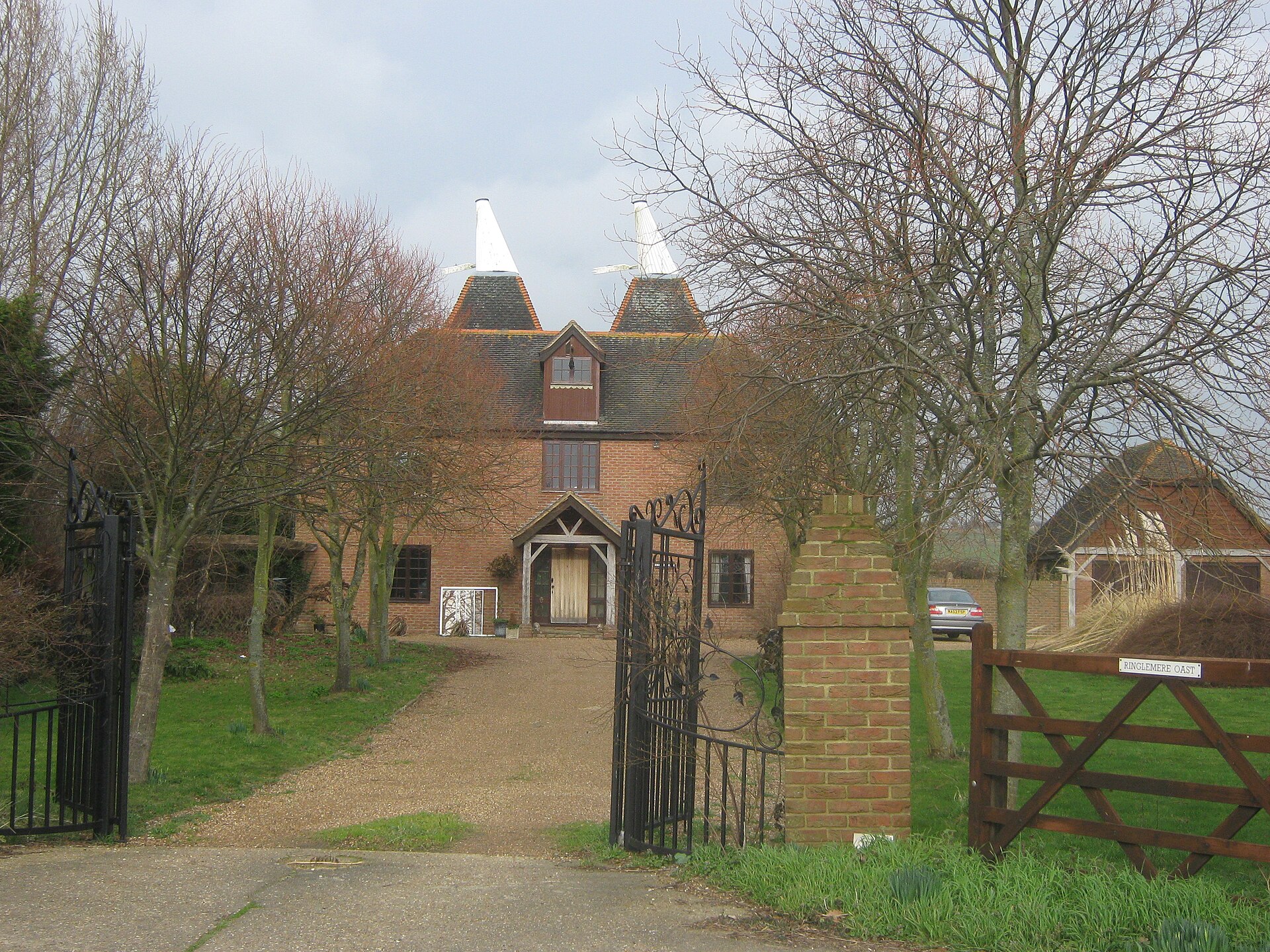
A metal-detected gold cup led to the discovery that this ploughed-out mound sits atop Kent's largest known assemblage of Neolithic (the late Stone…
Sacred place · Prehistoric
Warwickshire
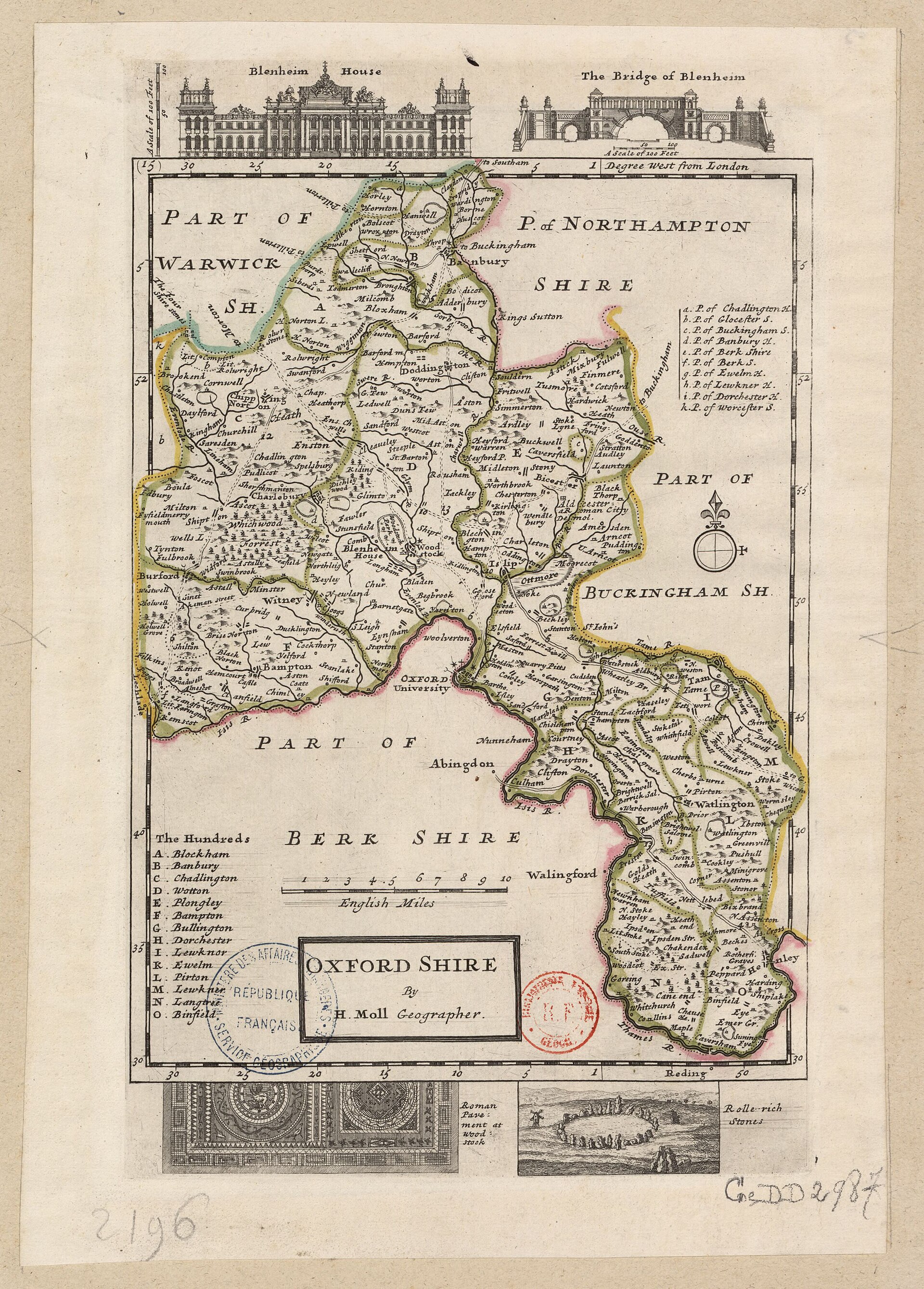
Three monuments of local oolitic limestone on the Oxfordshire border, known as the King's Men, the Whispering Knights and the King Stone.
Tomb or burial place · Prehistoric
Lancashire
Round Loaf is a nationally important, unexcavated burial mound dating from the late Stone Age or the period from about 2500 to 800 BC, whose large…
Ancient place · Prehistoric
Orkney Islands
A small hilly island north of Mainland, whose density of remains has earned it a reputation of its own.
Tomb or burial place · Prehistoric
Highland
A Neolithic chambered cairn shares this remote headland with an Iron Age dun and a rare medieval boat harbour: one of Skye's most densely layered a…
Tomb or burial place · Pictish & early medieval
Kent
Described after its 1863 excavation as arguably the richest Anglo-Saxon burial ground yet discovered, it was later found to be far larger than the…
Tomb or burial place · Prehistoric
Orkney Islands
A Viking boat burial on Sanday, dating from between 875 and 950.
Tomb or burial place · Prehistoric
Berkshire
A cemetery of Bronze Age (roughly 2500–800 BC, when metal tools first spread) burial mounds also shelters one of Berkshire's richest surviving frag…
Sacred place · Prehistoric
Cumbria
Antiquarians once ranked this Cumbrian avenue with Avebury as one of Europe's largest stone monuments: now a scatter of boulders and a circle half-…
Sacred place · Prehistoric
Aberdeenshire
Long classified as a recumbent stone circle despite no recumbent stone ever being found here, Sheldon has recently had that identity questioned by…
Tomb or burial place · Prehistoric
Greater London
Shrewsbury Barrow is the sole survivor of a cluster of Bronze Age (roughly 2500–800 BC, when metal tools first spread) burial mounds once visible o…
Tomb or burial place · Prehistoric
Kent
English Heritage counts it among the finest surviving oval barrows in south-east England, yet as of 2007 no archaeologist had ever formally excavat…
Tomb or burial place · Prehistoric
Wiltshire
Excavation here found no burial at all, making this Wiltshire mound one of England's clearest Neolithic (the first farming period in Britain, rough…
Tomb or burial place · Prehistoric
Cornwall
Sperris Quoit is a scheduled, ruined Penwith burial chamber whose missing capstone and surviving cremation evidence record both prehistoric (before…
Tomb or burial place · Prehistoric
Devon
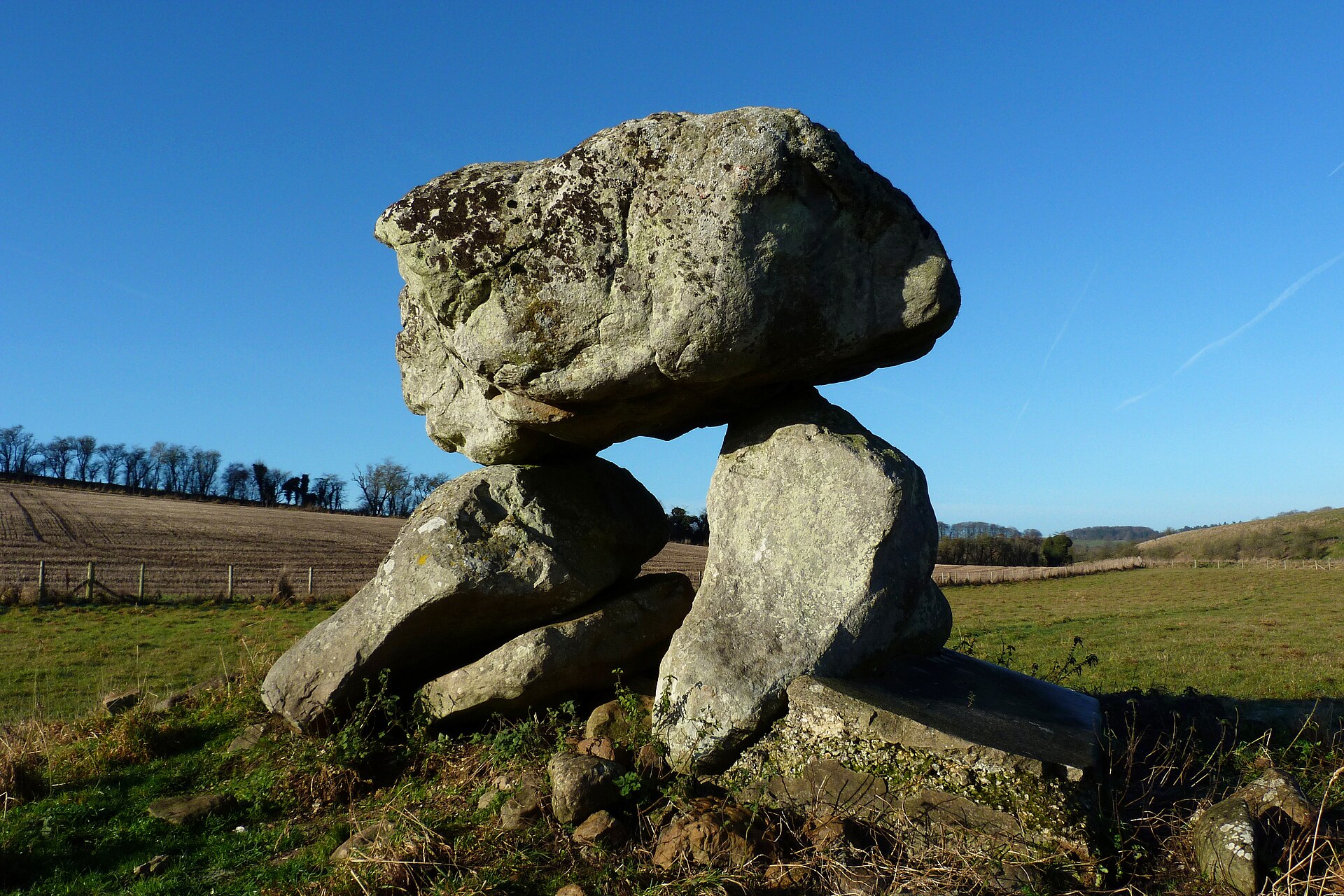
Spinsters’ Rock is a striking Neolithic (the first farming period in Britain, roughly 4000–2500 BC) dolmen near Drewsteignton, whose restored grani…
Fortified place · Iron Age
Hampshire
A single chalk hilltop carries an Iron Age (roughly 800 BC until the Roman conquest) hillfort, a lost medieval chapel, a 17th-century turf maze, an…
Tomb or burial place · Prehistoric
Outer Hebrides
Three generations of MacLeod chiefs are buried in the walls of this building, in tombs they had prepared for themselves while alive. The church at…
Tomb or burial place · Prehistoric
Vale of Glamorgan
A single-chamber megalithic dolmen of about 4000 BC, once covered by a long earthen mound.
Settlement · Prehistoric
Shetland Islands
Roughly a hundred yards southeast of Benie Hoose, close to the cliff edge at Yoxie Geo on Whalsay's northeastern coast, a partly ruined Neolithic (…
Sacred place · Prehistoric
Somerset
Geophysics in 1997 found nine concentric rings of postholes under the Great Circle - more than four hundred pits, holding timbers up to a metre thi…
Sacred place · Prehistoric
Derbyshire
Beyond the famous Nine Ladies circle, the moor carries three further Bronze Age (the period from about 2500 to 800 BC) rings, over seventy barrows…
Sacred place · Prehistoric
Wiltshire
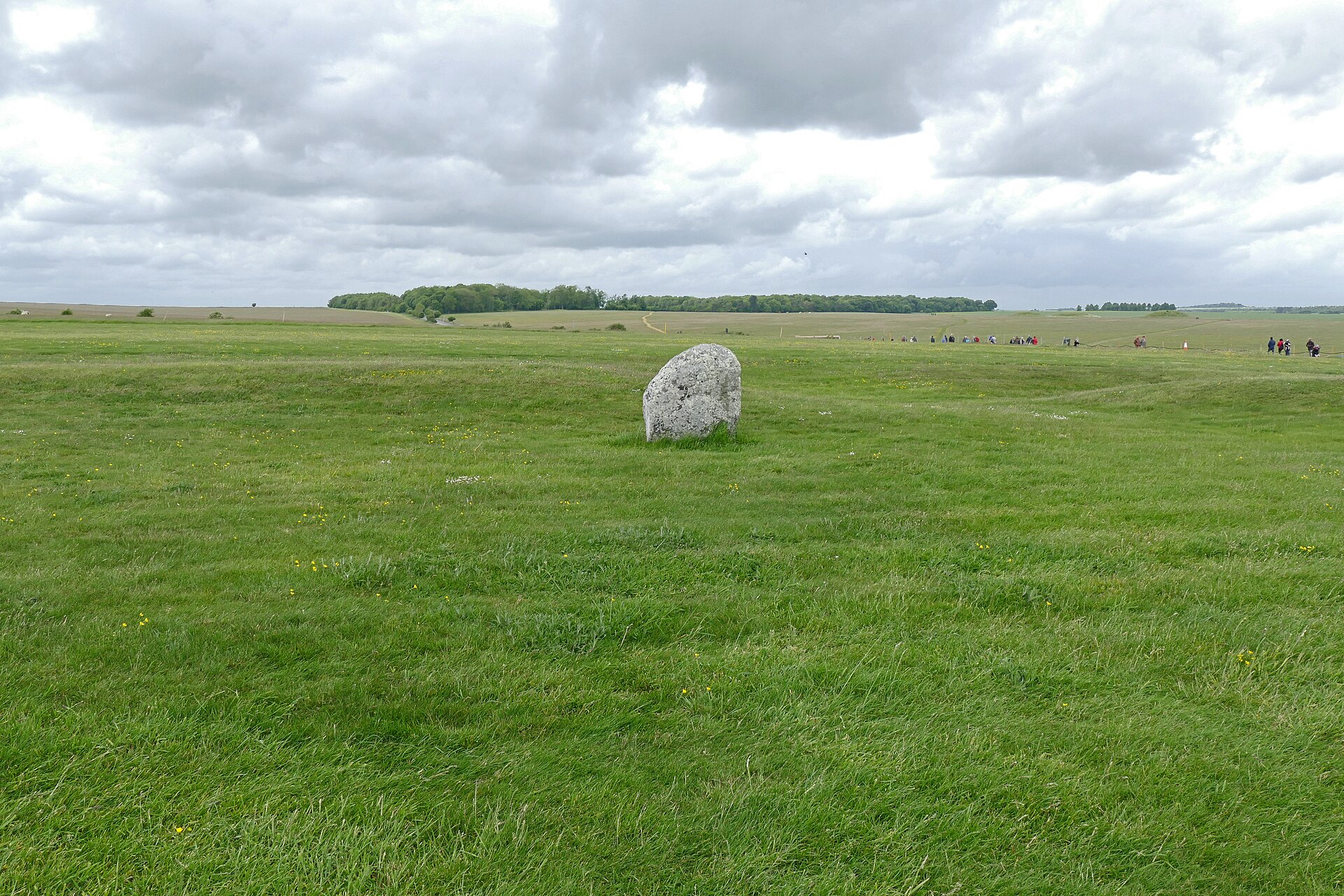
Two rough sarsens and two mounded corners trace a rectangle set precisely over Stonehenge's inner circle: a deliberate layout, not a random survival.
Tomb or burial place · Prehistoric
Outer Hebrides
Ten large stone slabs ring a low central mound on the west coast of Lewis, the only part still standing of the stone burial mound known as Steinacl…
Sacred place · Prehistoric
Highland
Its scale rivals the Ring of Brodgar, yet a fallen twin thirty metres off suggests it once anchored a deliberate sightline to the summer solstice s…
Sacred place · Prehistoric
Orkney Islands
A Late Neolithic standing stone on the island of Eday.
Tomb or burial place · Prehistoric
Somerset
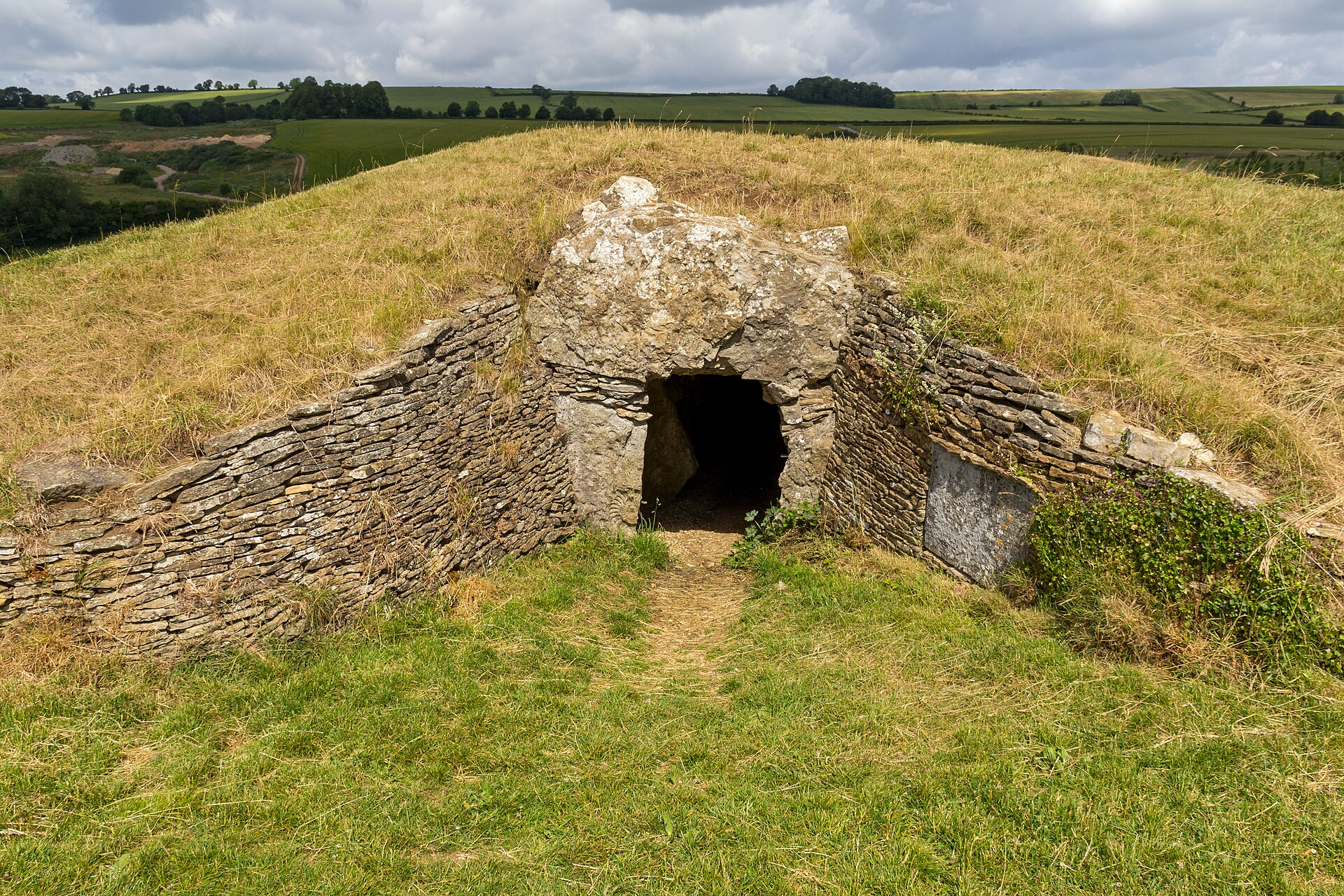
A tomb of about 3500 BC with a fossil ammonite carved into its doorway: and one of the first monuments the state ever undertook to protect.
Sacred place · Prehistoric
Oxfordshire
A working Catholic recusant household hid a secret printing press behind its walls in 1581: and a prehistoric (predating the written record in Brit…
Sacred place · Prehistoric
Aberdeenshire
Destroyed twice and rebuilt twice, Strichen is less a fixed ancient monument than a 250-year argument about where its stones truly belong.
Sacred place · Prehistoric
Aberdeenshire
A cup-marked recumbent stone facing a specific hill has drawn five generations of archaeoastronomers to this circle, from Norman Lockyer to Clive R…
Tomb or burial place · Prehistoric
Wiltshire
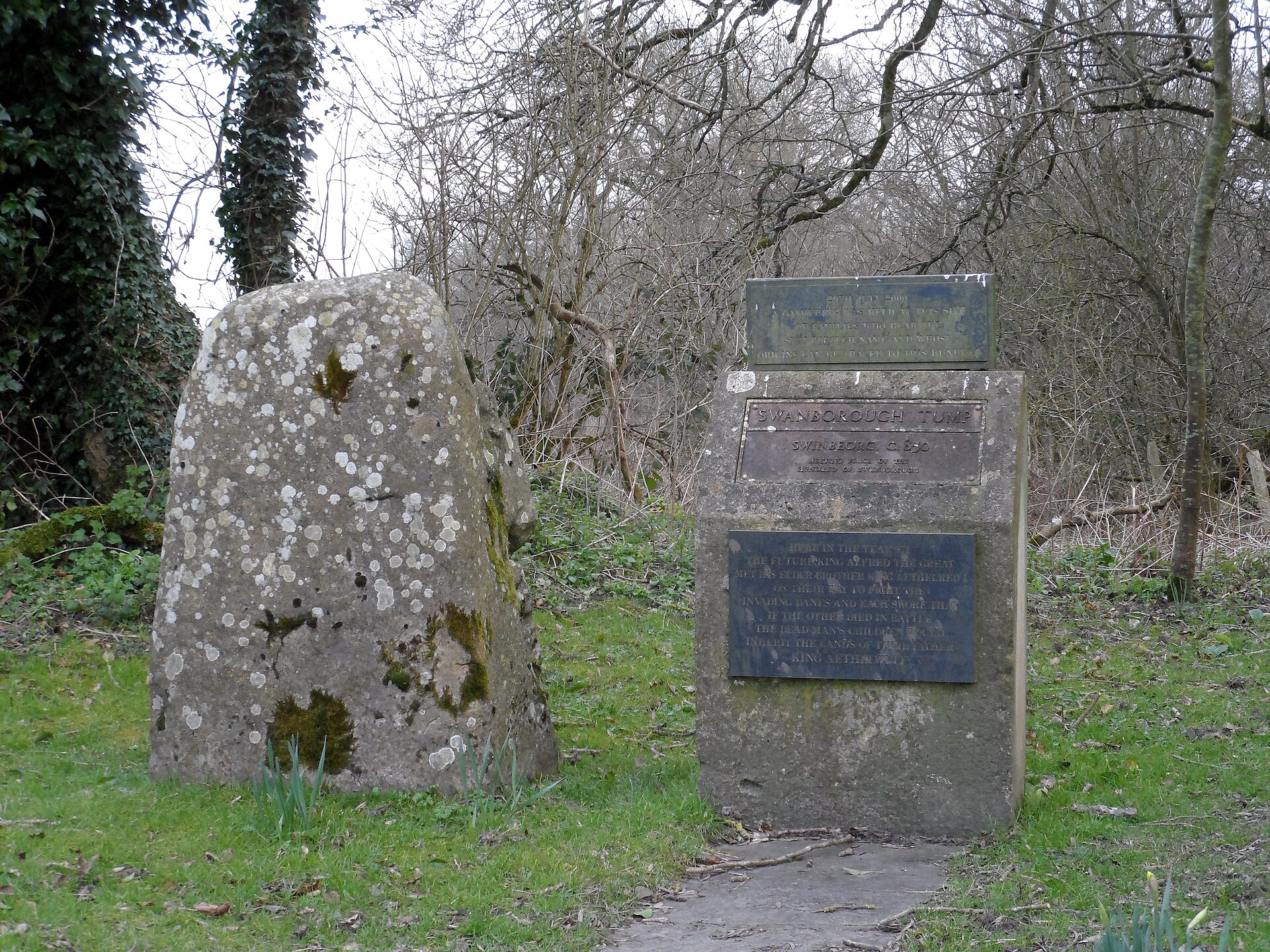
A humble mound where two Saxon princes bargained over an inheritance in 871, one of them soon to become Alfred the Great, before marching off to fi…
Sacred place · Prehistoric
Cumbria
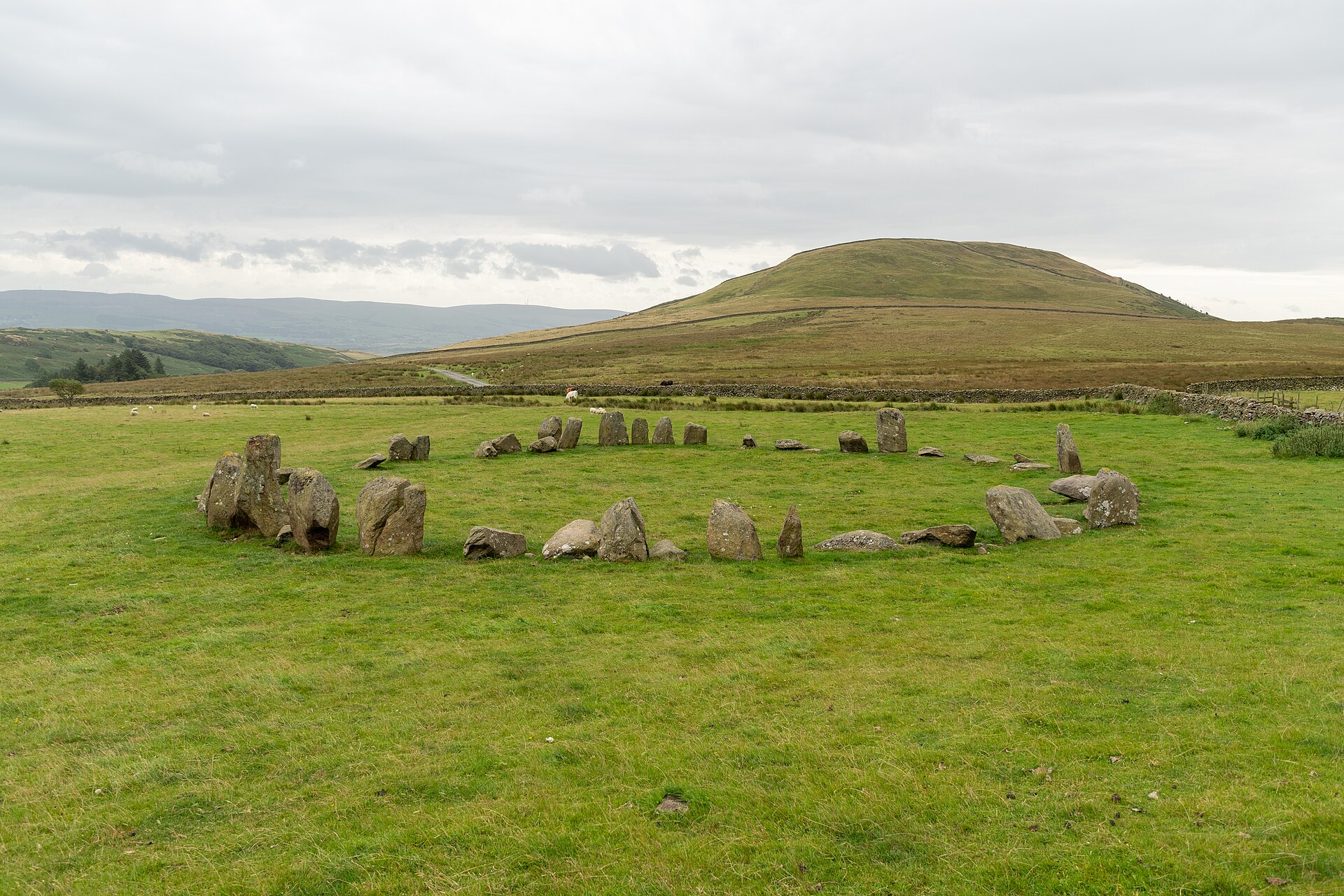
Aubrey Burl called it the loveliest stone circle in north-western Europe, yet reaching it still means a mile-and-a-quarter walk uphill on foot with…
Sacred place
Wiltshire
Nine sarsens that a 1973 investigation thought were probably cleared field stones rather than anything prehistoric: before written records reached…
Tomb or burial place · Prehistoric
Buckinghamshire
Second only to Sutton Hoo in wealth and display, this seventh-century mound gave up a lyre, a gold-and-garnet buckle and drinking horns fit for a K…
Tomb or burial place · Prehistoric
Orkney Islands
A burial mound on Rousay of about 4000–2500 BC, with a rare double-tiered chamber.
Tomb or burial place · Prehistoric
Cheshire
Only one burial chamber and two portal stones remain from this Stone Age cairn; a detailed 1764 account records the much larger monument that road-…
Tomb or burial place · Prehistoric
Merseyside
The Calderstones are Liverpool’s oldest known monument: six surviving Neolithic (the first farming period in Britain, roughly 4000–2500 BC) stones…
Tomb or burial place · Prehistoric
Wiltshire
A dolmen chamber whose single capstone is reckoned at seventeen tons: the sole surviving fragment of a long mound once some 70 metres in length.
Sacred place · Prehistoric
Northumberland
The Goatstones preserves a Bronze-Age four-poster stone circle near Ravensheugh Crags, with cup marks and a possible earlier burial cairn, a mound…
Tomb or burial place · Prehistoric
Dorset
The Grey Mare and her Colts is a substantial Neolithic: the late Stone Age, about 4000–2500 BC in Britain: chambered long barrow, a burial mound bu…
Sacred place · Prehistoric
Cornwall
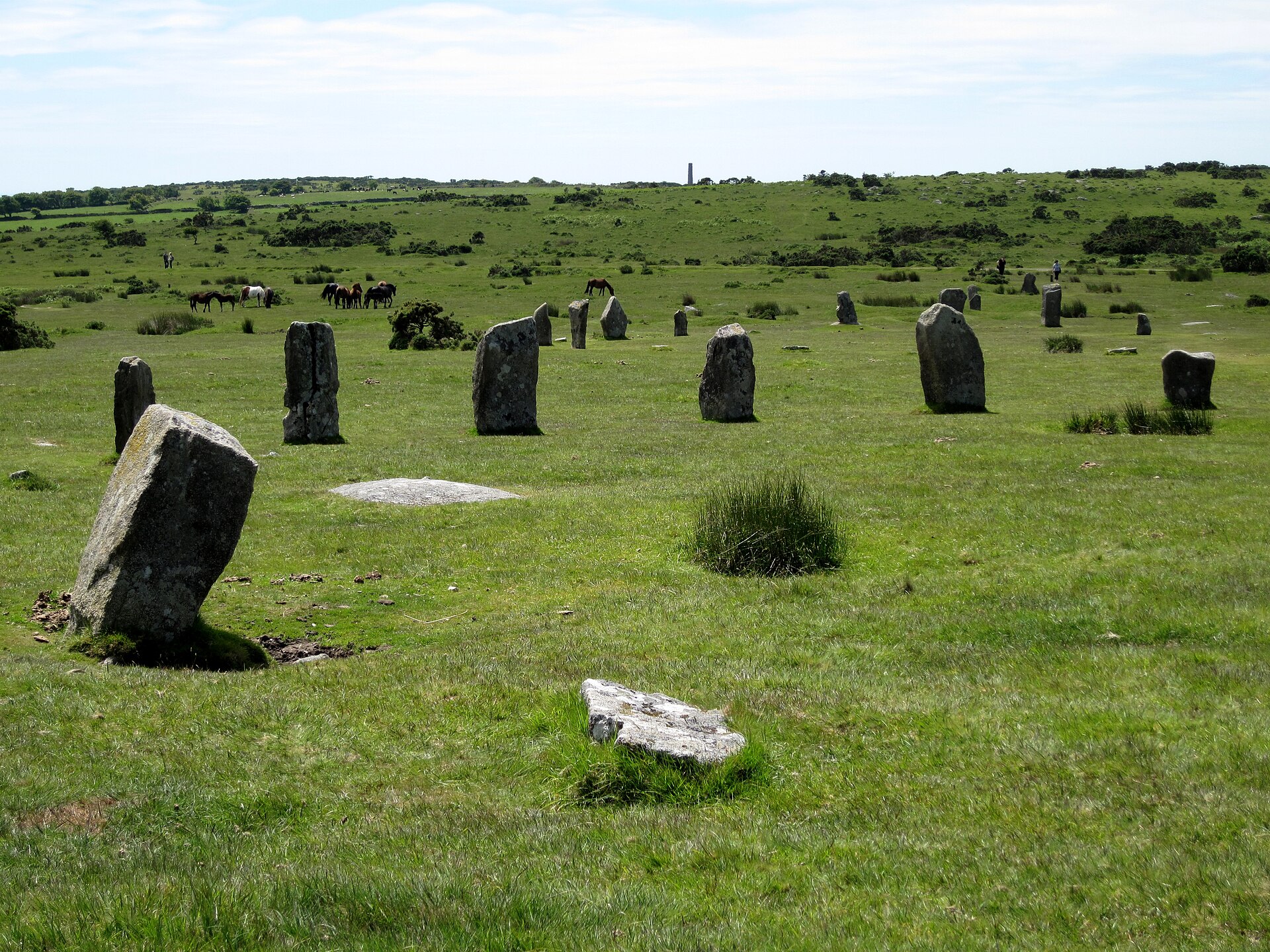
The Hurlers are three aligned stone circles on Bodmin Moor, a large ceremonial complex with surviving stones, nearby monoliths and a long record of…
Tomb or burial place · Prehistoric
Isle of Wight
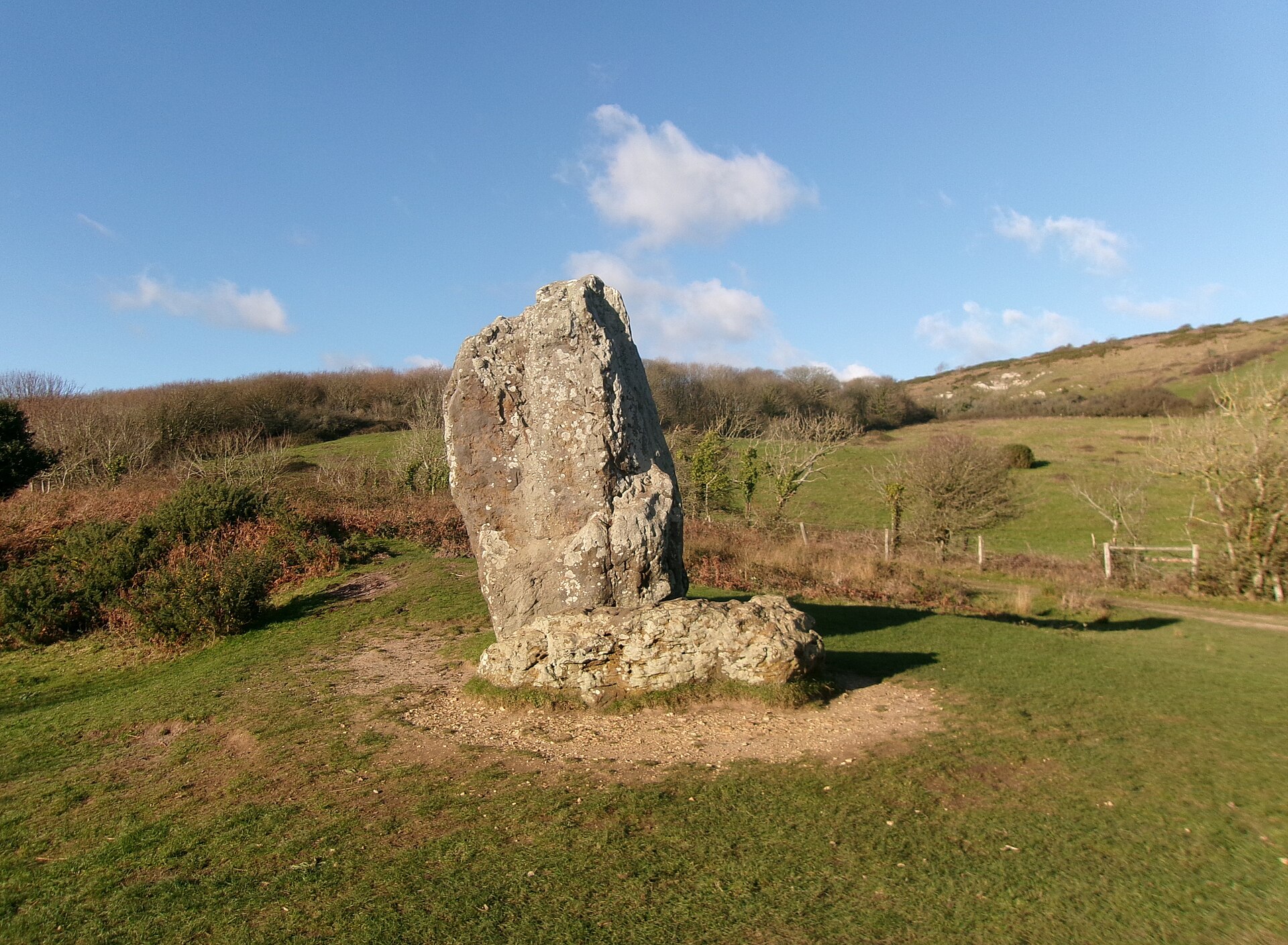
The Longstone is the Isle of Wight’s only megalithic monument, a pair of greensand stones linked to a rare non-chalk Neolithic long barrow: a buria…
Sacred place · Prehistoric
Cornwall
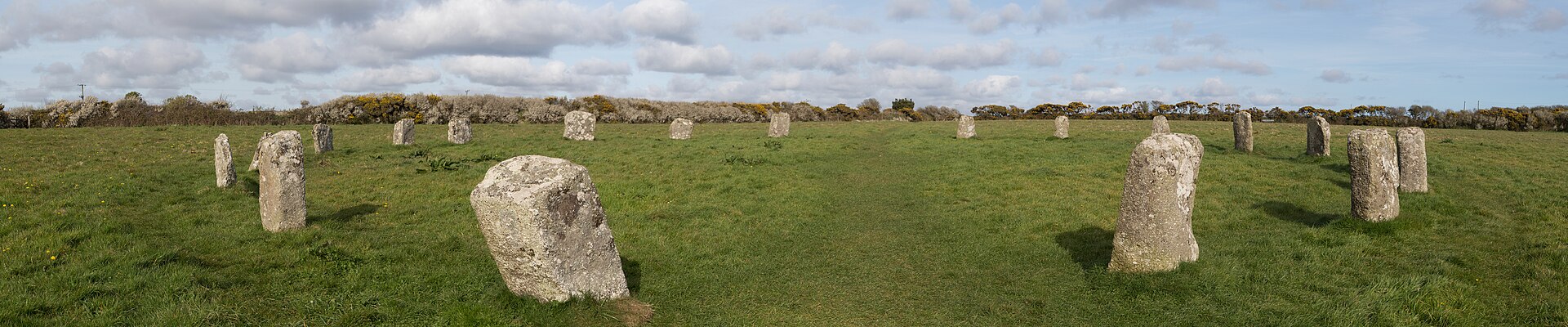
The Merry Maidens is a late Neolithic (the first farming age, roughly 4000–2500 BC) Penwith stone circle whose intact-looking ring, associated Pipe…
Briefer entries: recorded and worth knowing, with fuller pages to come.
Tomb or burial place · Prehistoric
County Meath
A short banked monument from the later Stone Age east of Newgrange preserves the ordered movement of ceremony: two banks framing a route towards th…
Sacred place · Prehistoric
Devon
The Nine Maidens is a Bronze Age (the period from about 2500 to 800 BC) Dartmoor stone circle whose damaged burial setting, survival among clitter…
Tomb or burial place · Prehistoric
Cornwall
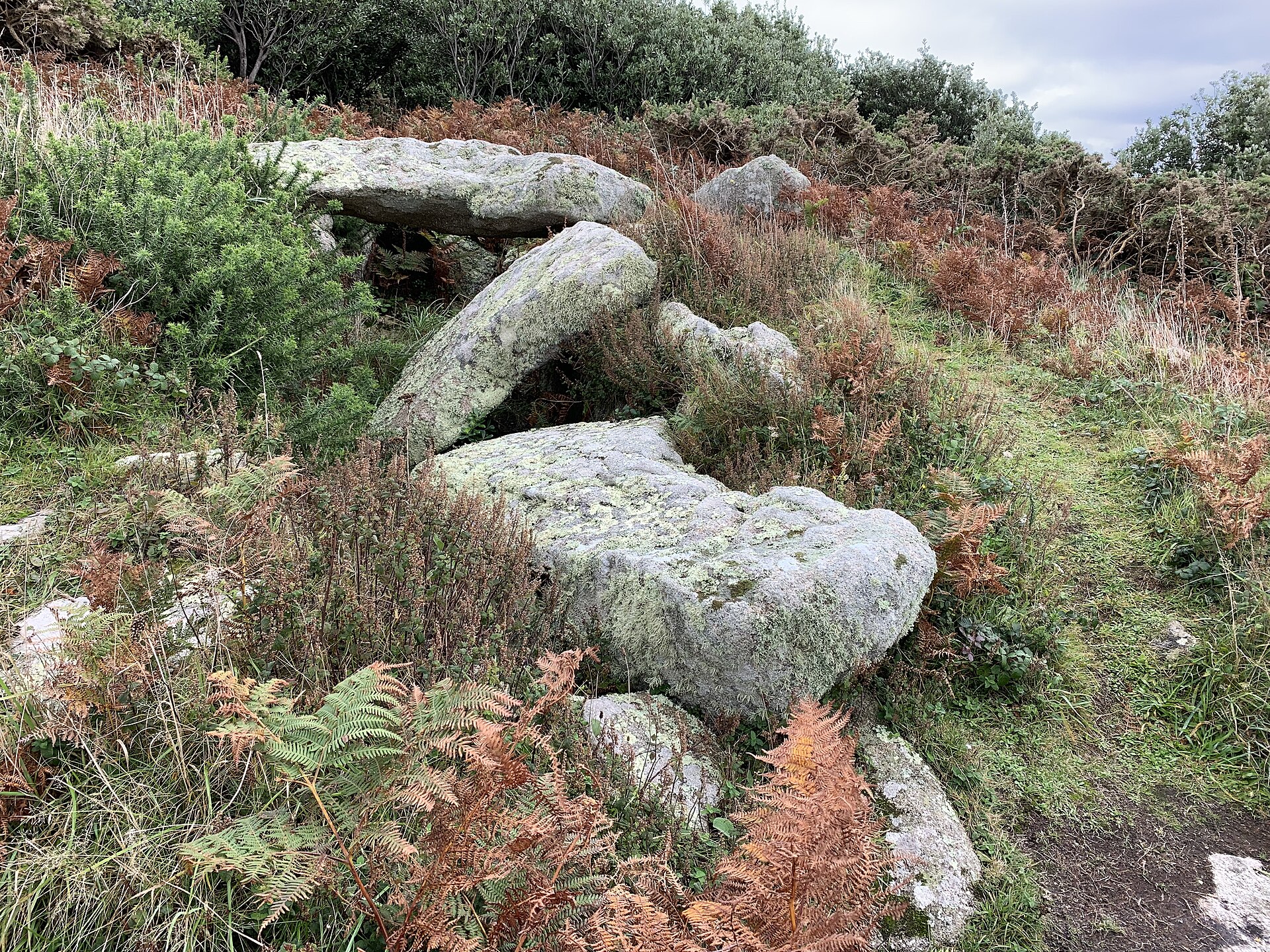
Obadiah’s Barrow: a burial mound of earth from from the era before writing arrived in these islands: is Gugh’s largest entrance grave, where a 1901…
Tomb or burial place · Prehistoric
Cornwall
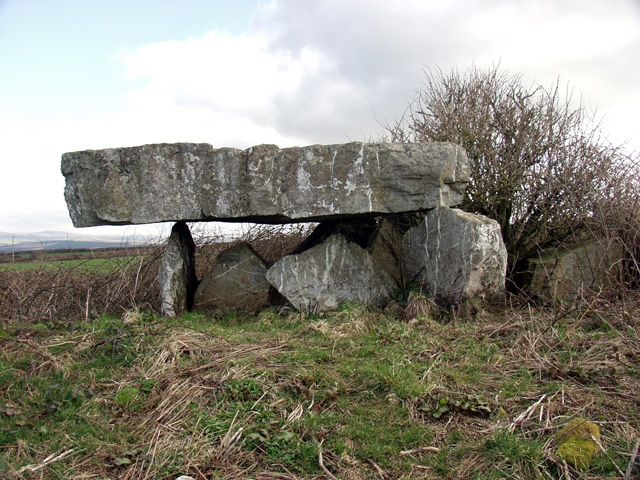
Pawton Quoit is an early Neolithic portal tomb: a tomb from from the era before writing arrived in these islands where uprights lift one huge roofi…
Tomb or burial place · Prehistoric
Herefordshire
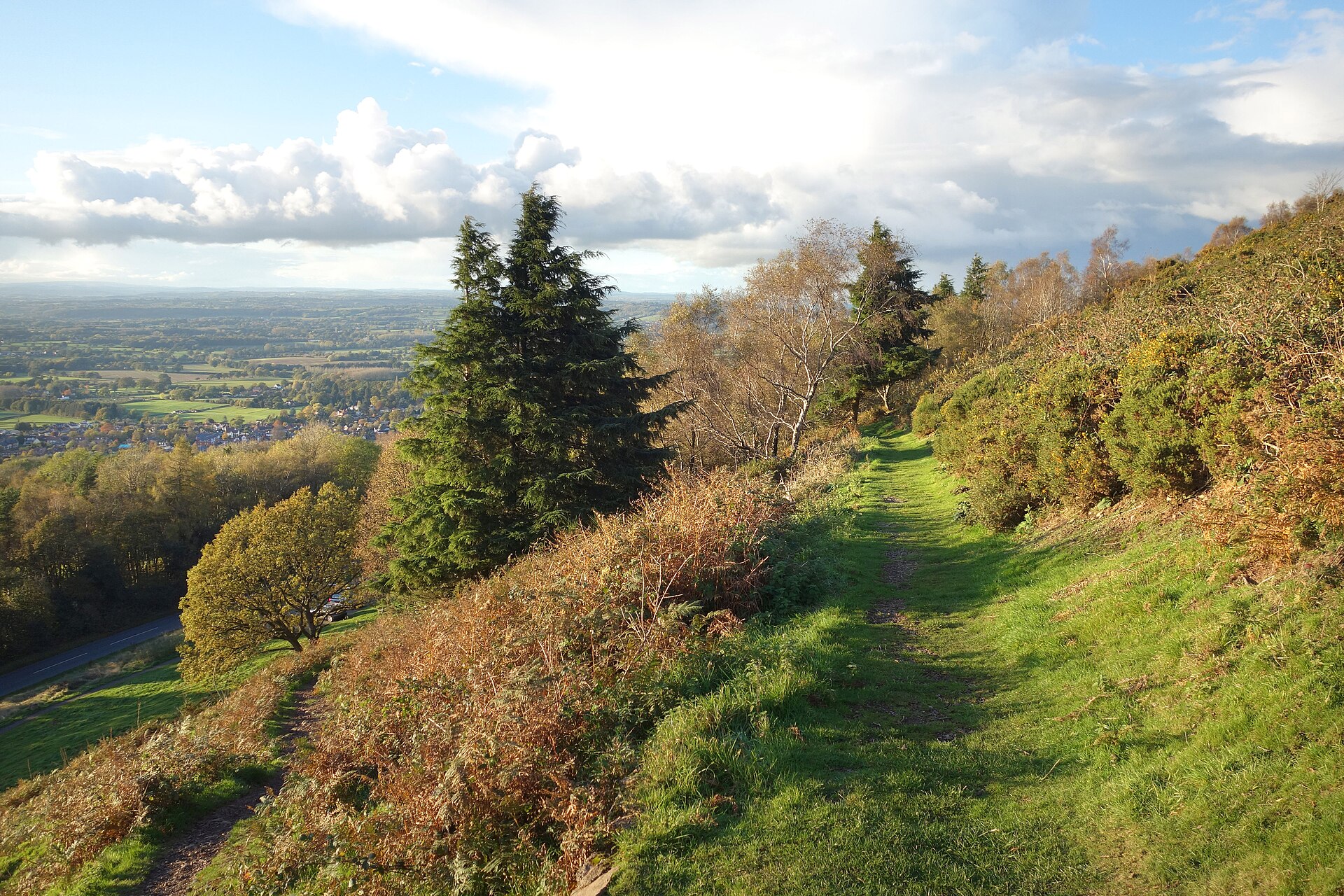
A summit on the Malvern ridge carrying two possible Bronze Age (roughly 2500–800 BC, when metal tools first spread) round barrows, burial mounds se…
Tomb or burial place · Prehistoric
Dorset
Poor Lot Barrow Cemetery is an unusually large, low-lying Bronze Age (the period from about 2500 to 800 BC) burial landscape in Dorset, where forty…
Tomb or burial place · Prehistoric
Cornwall
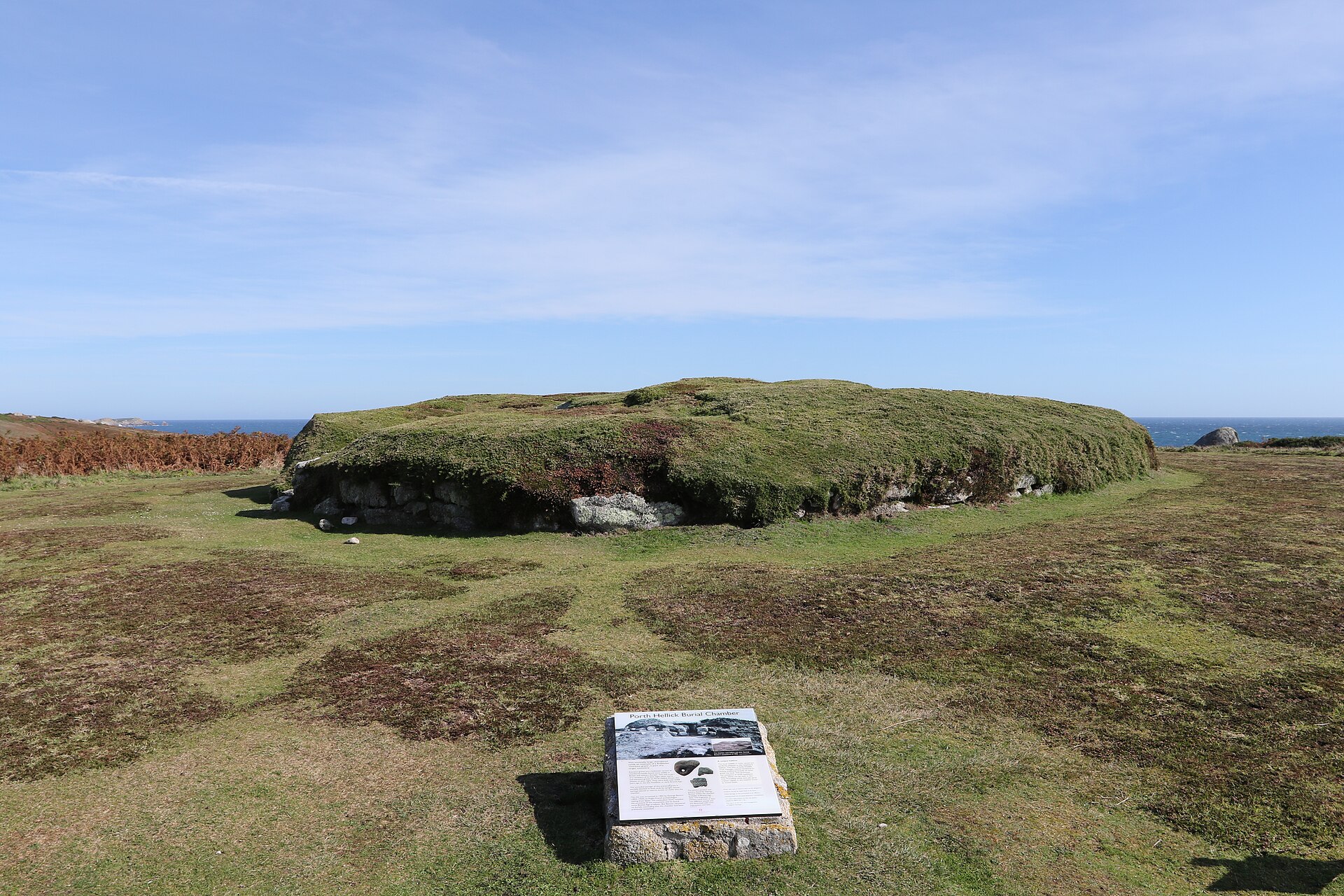
Porth Hellick Down contains the world’s largest surviving group of entrance graves, linking Neolithic burial monuments: from the closing Stone Age,…
Tomb or burial place · Prehistoric
County Wicklow
A Bronze Age hillfort, a defended hilltop settlement built when metal tools first spread between roughly 2500 and 800 BC, was built directly around…
Sacred place · Prehistoric
Devon
Ringmoor combines one of Devon’s long prehistoric (before written records reached Britain) stone rows with a cairn (a mound of piled stones, often…
Ancient place · Prehistoric
Orkney Islands
A settlement of the first farming age on Rousay, discovered in the winter of 1937.
Tomb or burial place · Prehistoric
Shetland Islands
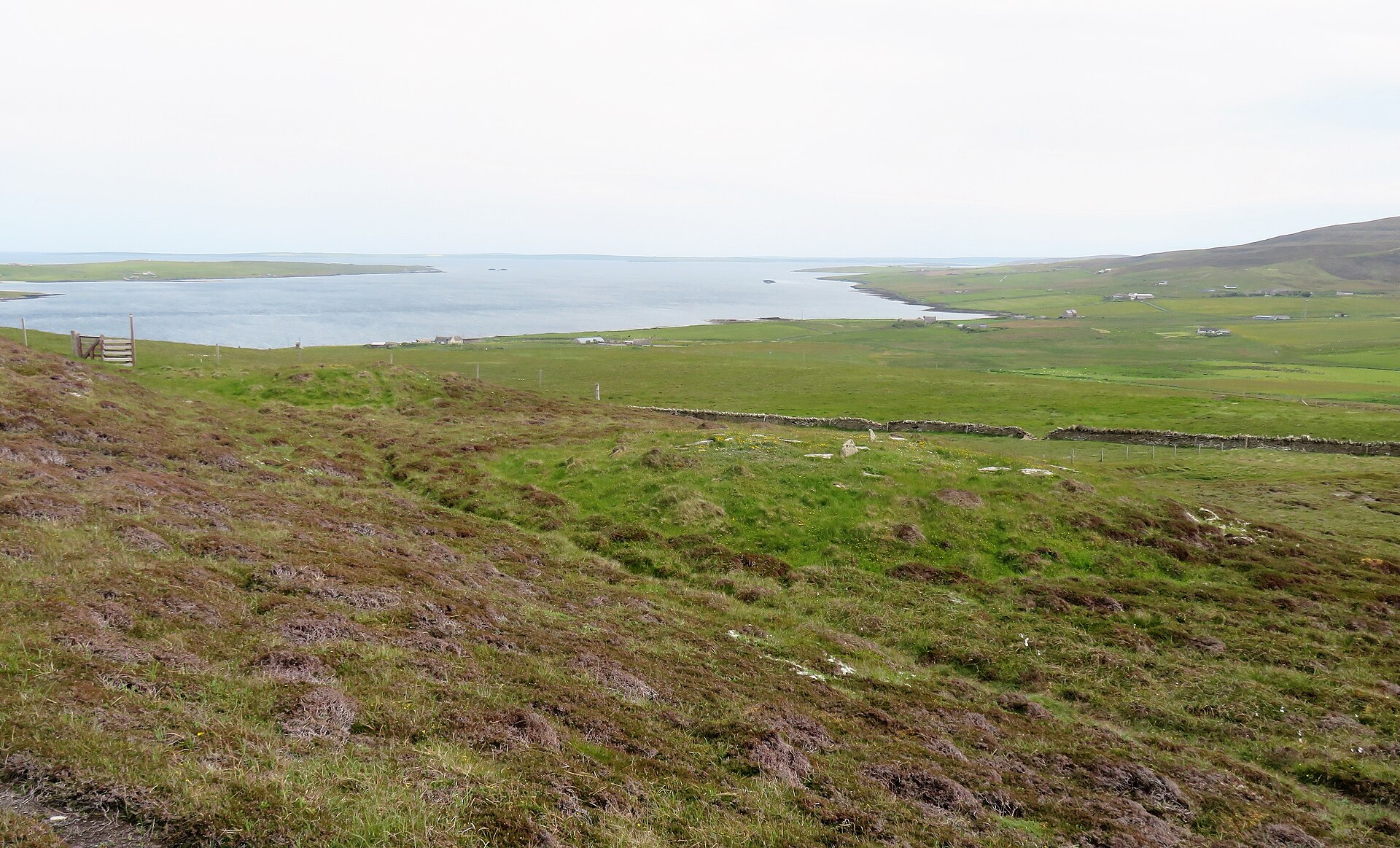
At 450 metres, Ronas Hill is the highest point in the Shetland Islands, and its summit is crowned not just by a trig point but by a Neolithic chamb…
Sacred place · Prehistoric
Devon
Scorhill is one of Devon’s largest and best-preserved Bronze Age (roughly 2500–800 BC, when metalworking spread) stone circles, where damaged but u…
Sacred place · Prehistoric
Devon
Shovel Down is a concentrated Dartmoor prehistoric (predating the written record in Britain) landscape, combining probable Bronze Age (roughly 2500…
Tomb or burial place · Prehistoric
Cornwall
Showery Tor is a distinctive Bodmin Moor outcrop wrapped in a large artificial cairn (a mound of piled stones, often covering a burial), preserving…
Tomb or burial place · Pictish & early medieval
Norfolk
Spong Hill is the largest known Early Anglo-Saxon cremation cemetery, containing 2,259 cremations and 57 inhumations that reveal a regional burial…
Sacred place · Prehistoric
Shetland Islands
St Ninian's Isle sits off the south-western coast of Shetland Mainland, joined to it by a 500-metre tombolo, the largest in the United Kingdom. Loc…
Sacred place · Prehistoric
Cornwall
Stannon stone circle is a large Bodmin Moor ring whose many surviving stones and nearby Bronze Age (roughly 2500–800 BC, when metal tools first spr…
Settlement · Prehistoric
Shetland Islands
In a field roughly 21 miles by road northwest of Lerwick, on Mainland Shetland, a large walled enclosure is all that survives of a building once ro…
Sacred place · Prehistoric
Cornwall
The Stripple Stones combine a henge (a prehistoric (predating the written record in Britain) earthwork (a bank or ditch dug and heaped from the gro…
Tomb or burial place · Prehistoric
Berkshire
Excavation of one mound recovered cremation burials placed in urns: direct physical evidence of Bronze Age (roughly 2500–800 BC, when metalworking…
Tomb or burial place · Prehistoric
County Cork
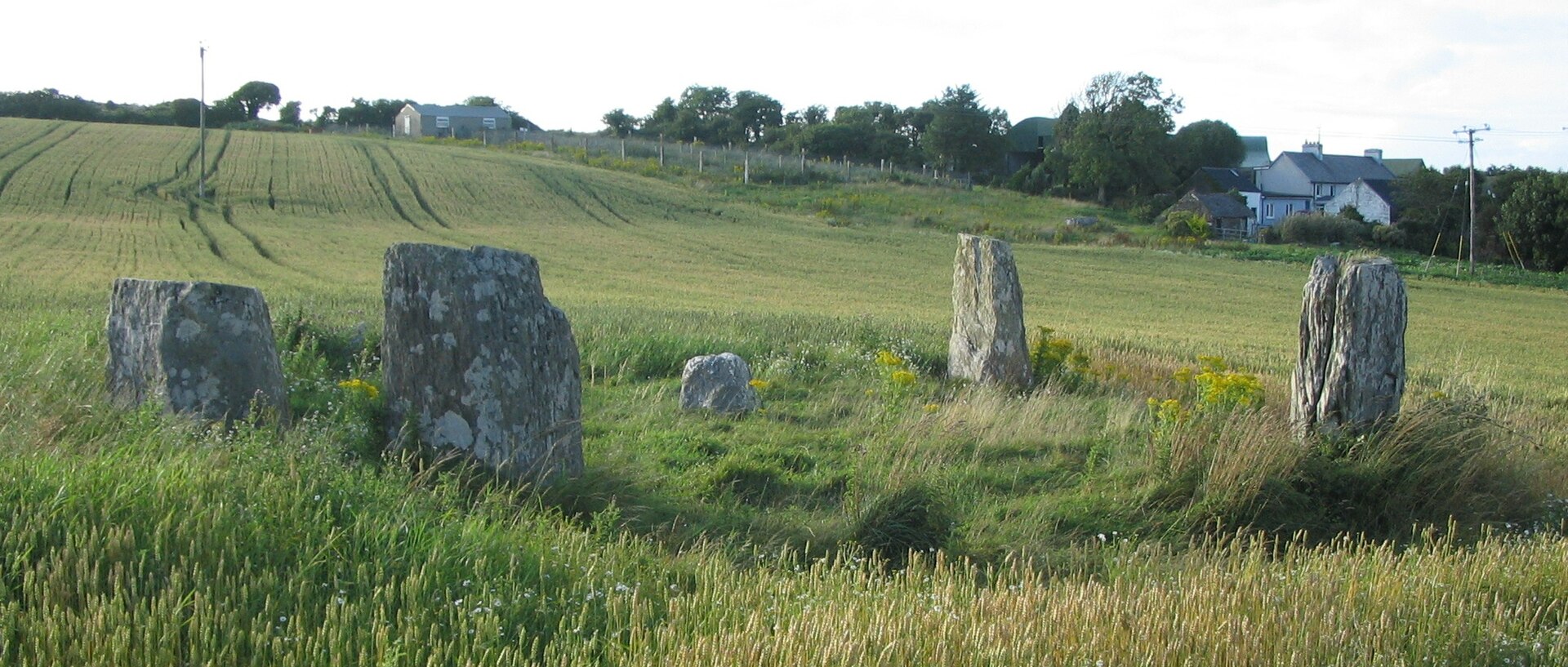
Only four of an original nine stones still stand, yet Templebryan preserves two sacred layers at once: a prehistoric (predating the written record…
No places match those filters.


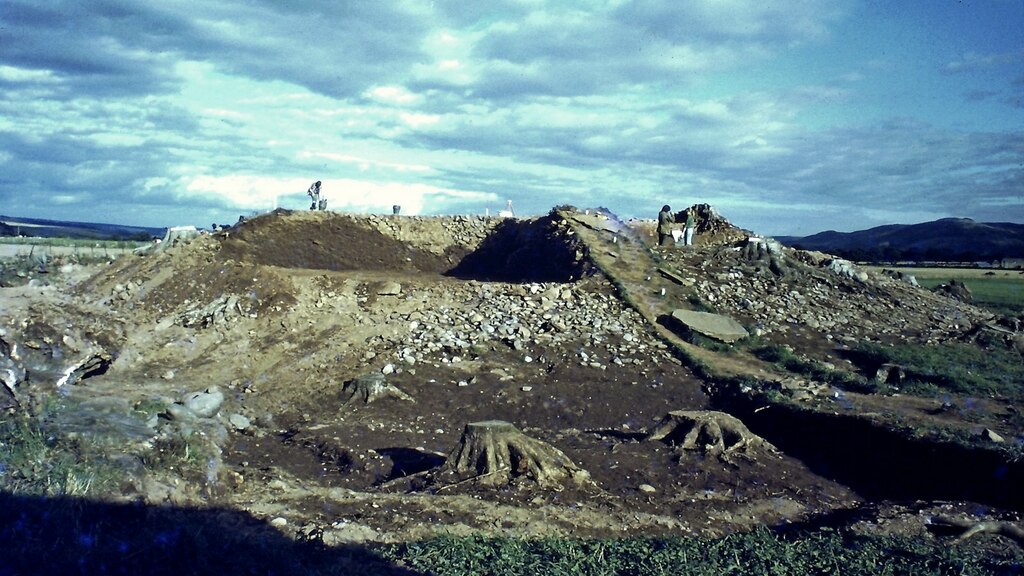
_-_geograph.org.uk_-_3090388.jpg?width=800)
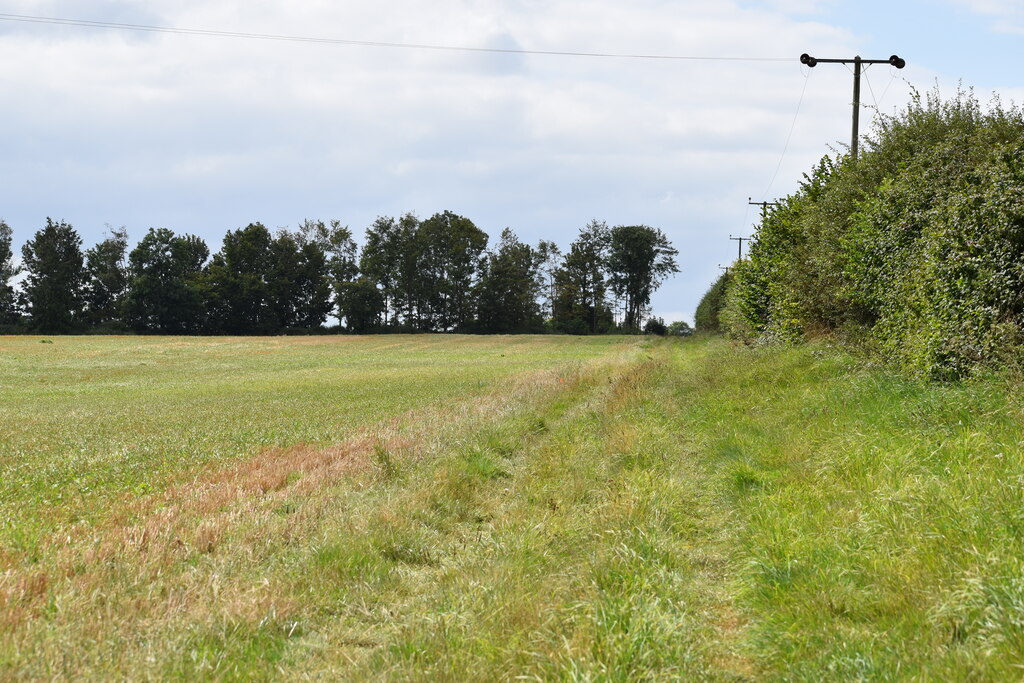
.jpg?width=800)

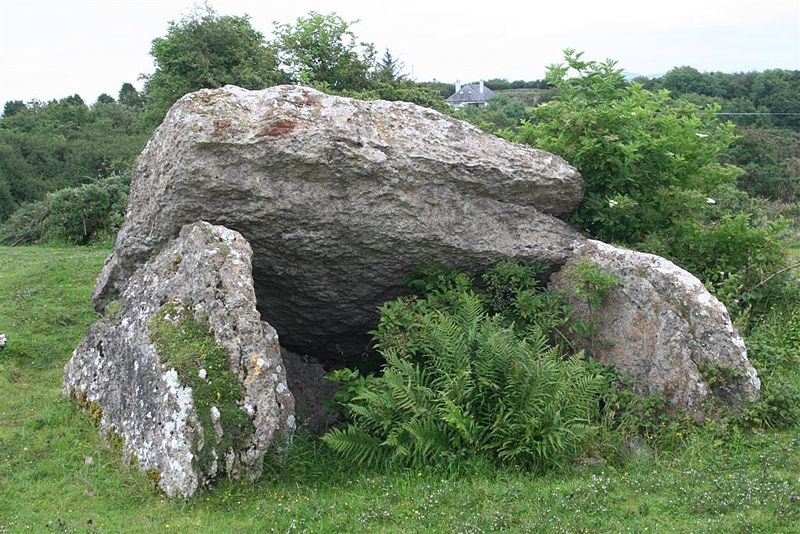






_-_geograph.org.uk_-_276389.jpg?width=800)












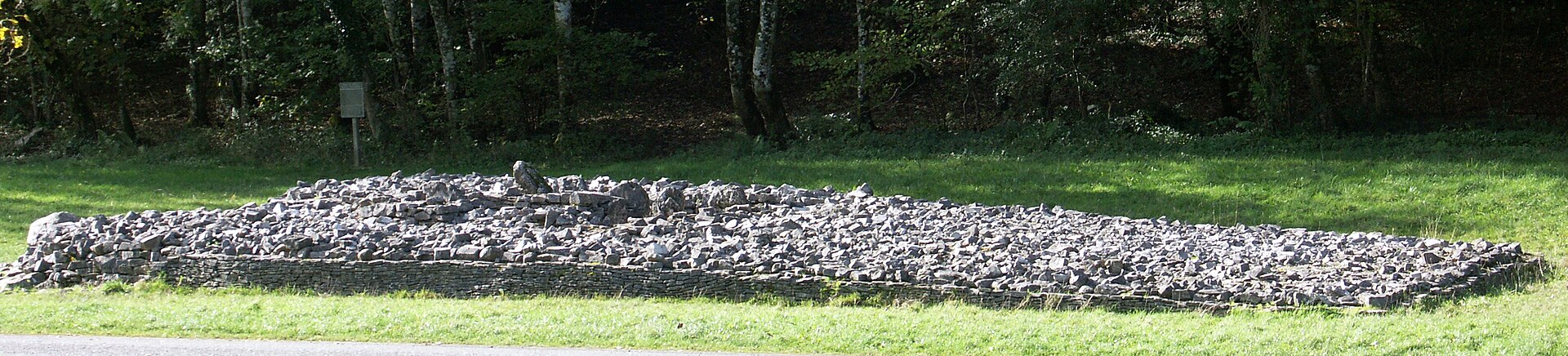
.jpg?width=800)









_(14590965339).jpg?width=800)