
Two pits and a cremation were placed here before the henge was built — a prehistoric earthwork of bank and ditch enclosing a circular space, with the ditch inside the bank — and an early Christian cemetery was dug into it long afterwards.
Before the henge was built, someone dug two pits here and placed a cremation burial. A henge — a prehistoric earthwork of bank and ditch enclosing a circular space, with the ditch inside the bank — is what was raised here. Long after it was raised, someone laid out an early Christian cemetery in the same ground, and between those two points the monument was used, buried into, and never quite forgotten.
That is the value of North Mains. It was excavated in 1979 and reported in full in 1983, so the sequence is documented rather than inferred: a ditch contemporary with one timber circle, a second timber circle besides, and a series of burials dug into and around the enclosure.
The last phase is the one worth pausing on. An early Christian cemetery cut into a prehistoric henge means the earthwork was still visible and still carried enough meaning, thousands of years later, that people chose to bury their dead in it.
The site lies in Strathearn, on the Strathallan Estate between Crieff and Auchterarder — though not, despite the estate’s name, in the valley called Strathallan.
What follows is drawn from published sources, with each claim labelled by how firmly it is established.
History
North Mains is a henge in Strathearn, on the Strathallan Estate between Crieff and Auchterarder in Perthshire. It was excavated in 1979 and the final report published in 1983, which is a properly documented sequence for a monument of this kind. Like most henges, North Mains saw use over many centuries rather than in a single phase. Two pits were dug on the site before the henge was built, and a cremation burial was placed here at that early stage — so the ground was already being used for burial before the enclosure existed.
The henge ditch and one timber circle appear to have been contemporary with one another, and there was a second timber circle as well. Timber circles inside henges are a recognised arrangement, and the relationship between bank, ditch and posts is what excavation of such a site is chiefly trying to establish. A series of burials was dug into and around the henge enclosure, and an early Christian cemetery was later cut into the same ground. That last phase is the important one for understanding the site — the monument was still legible, and still meaningful enough to bury in, thousands of years after it was raised.
Cultural influences
-
A place repeatedly used for burial
North Mains remained meaningful over millennia, from pre-henge cremation and timber circles to later burials and an early Christian cemetery.
Connections
-
Strathearn
The valley the henge stands in, between Crieff and Auchterarder.
-
Strathallan Estate
The estate the monument lies on; the site is not in the valley called Strathallan.
Discovery & excavation
Excavation in 1979 identified the henge, two timber circles, pre-henge pits and a sequence of burials; the final report appeared in 1983.
What to look for
-
The henge circuit
Bank and ditch, contemporary with one of the two timber circles found by excavation.
-
The burials
A series dug into and around the enclosure, with an early Christian cemetery cut into the site later still.
Plan your visit
- Location
- 56.3272°N · 3.7367°W
- Nearest settlement
- Crieff
- Access
- Open access
- Terrain
- Moderate walking
- Time needed
- About 30 minutes
- What survives
- The henge survives as bank and ditch; the timber circles and burials are known through excavation rather than standing structures.
Opening & admission
- Henge site on Strathallan Estate.
- The source records excavation history but no public access route.
Nearby places

Fortified place · Roman
Strageath
Perth and Kinross
One of the chain of forts along the Gask Ridge, and the name survives in three farms and a mill.
- Some walking
Building or ruin · Medieval
Tullibardine Chapel
Perth and Kinross
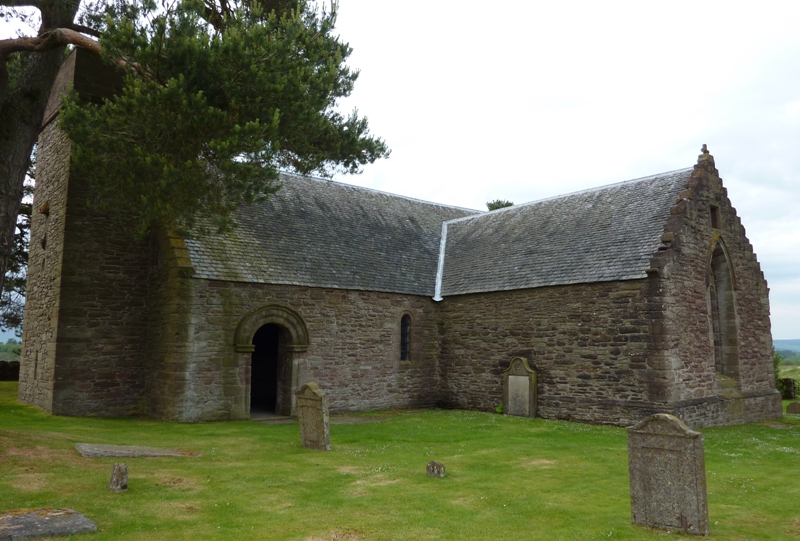
A large part of the chapel dates to 1446, when it was built by Sir David Murray, Baron of Tullibardine, of Tullibardine Castle, as a family chapel…
- Near Auchterarder
- 1 min walk from car park
Ancient tree · Medieval
Eppie Callum's Oak
Argyll and Bute
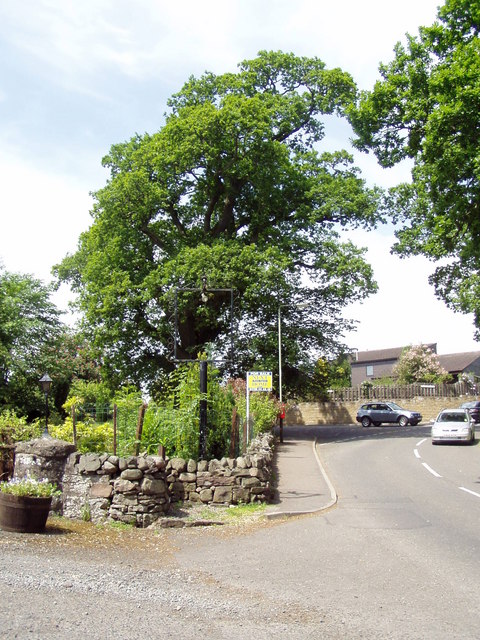
Eppie Callum’s Oak is a named living landmark whose value lies in the survival of local landscape memory, even though its age and namesake remain u…
- Near Argyll and Bute
Carved stone · Pictish & early medieval
Dupplin Cross
Perth and Kinross
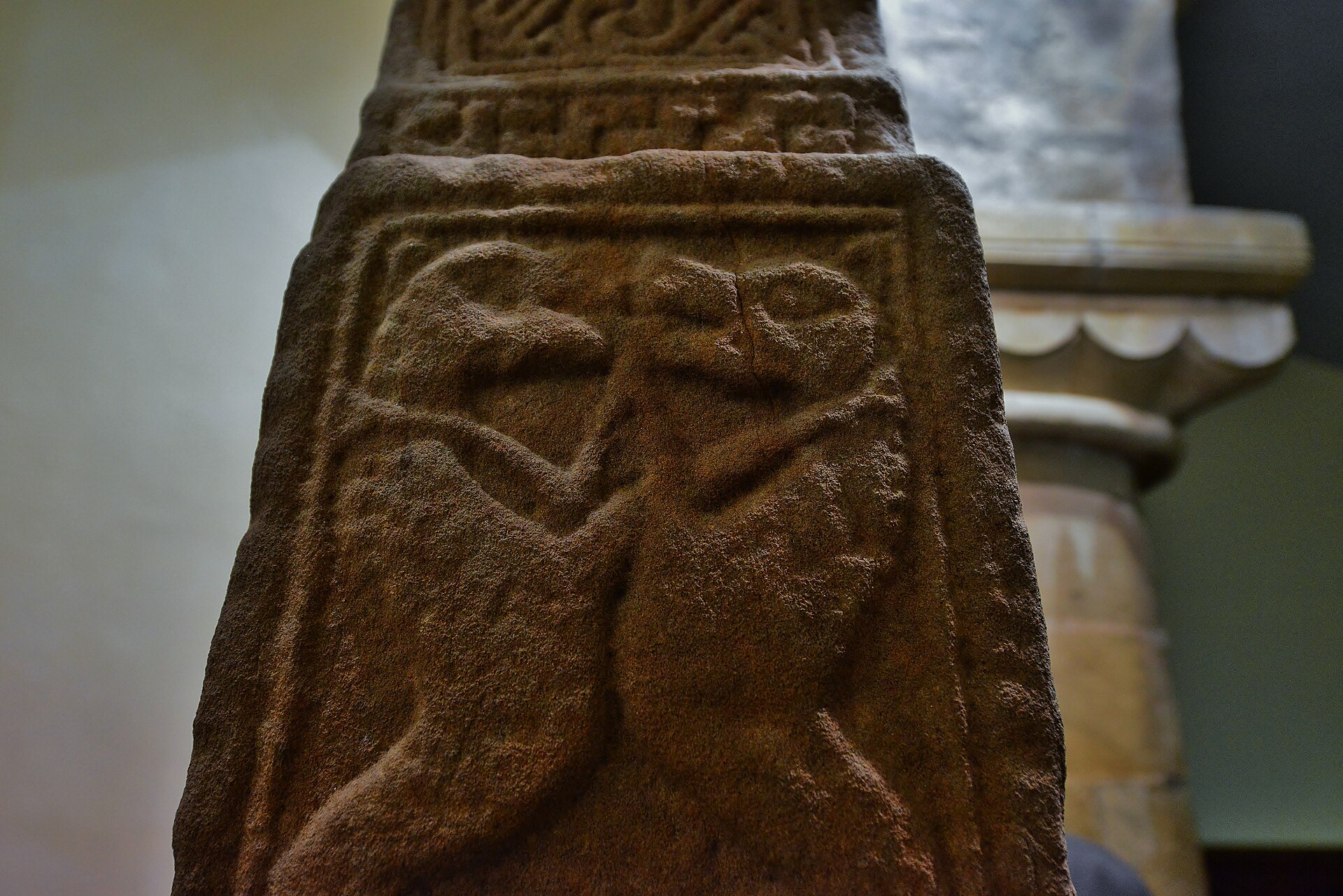
A Pictish high cross carrying the name of a king who reigned around AD 800: the fixed point from which the rest of Pictish sculpture is dated.
- Near Dunning
- Easy path
Questions people ask
- What was found here?
- Two pits and a cremation predating the henge, a ditch contemporary with one timber circle, a second timber circle, a series of burials, and a later early Christian cemetery.
- When was it excavated?
- In 1979, with the final report published in 1983.
Sources
The Ancient Codex, in your pocket
Get the Pocket Codex app
Carry the directory with you — North Mains and thousands of ancient places across Britain and Ireland, offline, wherever you roam.