
Eppie Callum’s Oak is a named living landmark whose value lies in the survival of local landscape memory, even though its age and namesake remain unrecorded.
The Eppie Callum’s Oak is remembered through its name rather than through a surviving building or monument. As an ancient or notable tree, its significance is carried by the relationship between a living specimen, a local person and the landscape around it.
The available record identifies the tree and its regional setting but does not preserve a secure age, girth, planting date or detailed story about Eppie Callum. Those absences are part of the honest record: the name survives, while the fuller explanation remains uncertain.
The tree belongs to the quieter heritage of place names and living landmarks. Its value lies in the continuity of a named natural feature within the historic landscape, not in claims about age or legend that cannot be supported.
What follows is drawn from published sources, with each claim labelled by how firmly it is established.
History
Eppie Callum’s Oak is a named living landmark in Argyll and Bute. Its personal name gives the mature tree a place in local landscape memory, even though its exact age, planting date and the identity of Eppie Callum are not established. The name is therefore part of the place’s significance, not a detail that can be separated from the tree.
The oak’s significance is botanical and cultural rather than architectural: it is a mature tree recognised as a place in its own right. The continuity of its name is the surviving heritage story, while the biography behind that name remains unknown. That combination — a tangible living landmark and an incomplete personal history — is precisely what makes the oak a modest but distinctive part of the Argyll landscape.
Cultural influences
-
A named natural landmark
The oak shows how a living tree can become a durable heritage landmark through continuity of local recognition, even when the story behind its personal name is no longer securely recorded.
Connections
-
Eppie Callum
The tree’s recorded name preserves an association with Eppie Callum, but the available evidence does not identify the person’s dates, occupation or exact relationship to the oak. The name is therefore the surviving local memory attached to a living feature, while the fuller story remains unknown.
-
Argyll landscape
Eppie Callum’s Oak belongs to the quieter heritage of named natural landmarks in Argyll, where a living tree carries a personal name within the historic landscape. Its significance lies in continuity of local recognition rather than a securely documented age, planting date or legend.
What to look for
-
The named oak
Look for the mature oak known as Eppie Callum’s Oak. Its distinctive personal name is the documented feature that gives this living landmark its local heritage interest.
Plan your visit
- Location
- General area near Argyll and Bute, Argyll and Bute
- Nearest settlement
- Argyll and Bute
- Access
- Reached on a public path
- Time needed
- About 15 minutes
- Best time
- Daylight, after checking current local guidance on the tree’s condition and access.
- What survives
- Living-tree condition and access should be checked against current local guidance before any visit copy is expanded.
- Facilities
- No visitor facilities are provided at the tree; check local access and condition before travelling.
This is a sensitive or fragile site, so we show only its general area. Please check official heritage sources for access before visiting, and take care not to disturb it.
Nearby places

Fortified place · Roman
Strageath
Perth and Kinross
One of the chain of forts along the Gask Ridge, and the name survives in three farms and a mill.
- Some walking
Sacred place · Prehistoric
North Mains
Perth and Kinross
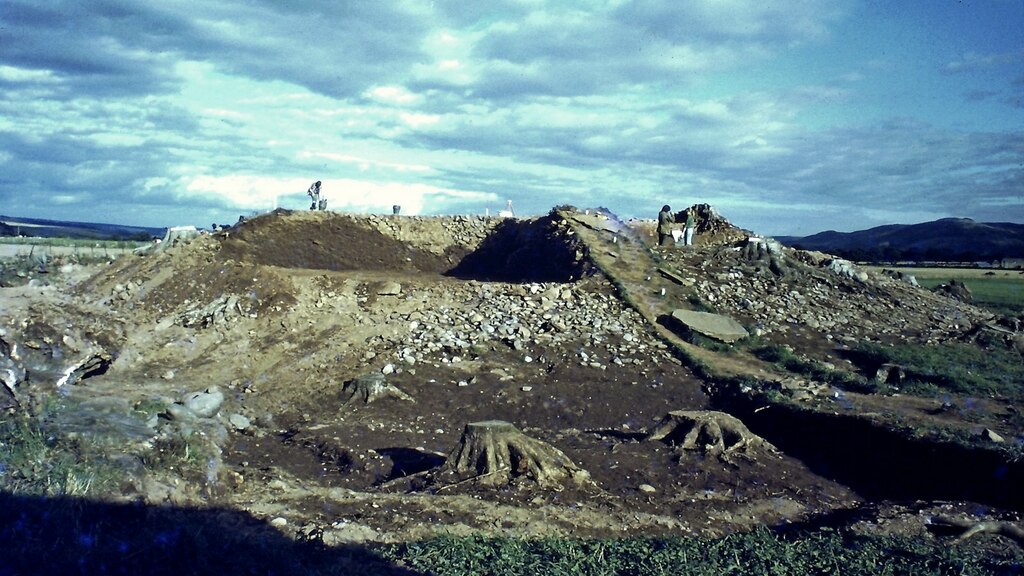
Two pits and a cremation were placed here before the henge was built: a prehistoric earthwork of bank and ditch enclosing a circular space, with th…
- Near Crieff
- Some walking
Building or ruin · Medieval
Tullibardine Chapel
Perth and Kinross
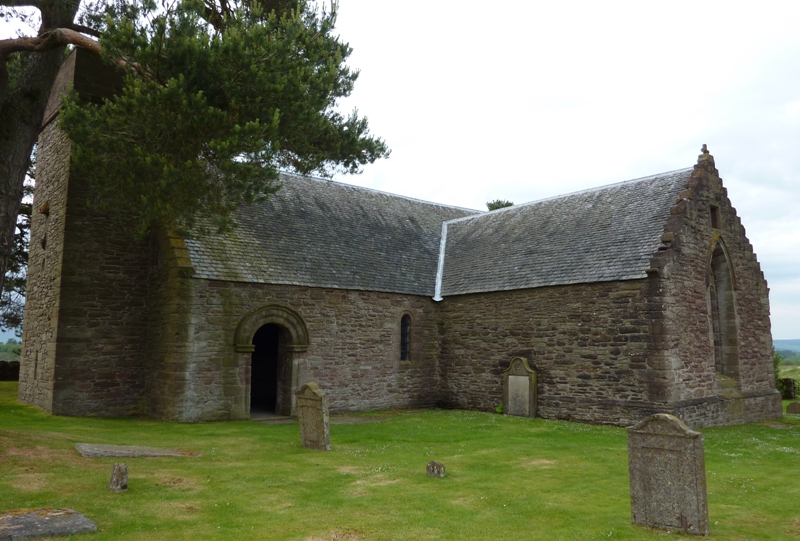
A large part of the chapel dates to 1446, when it was built by Sir David Murray, Baron of Tullibardine, of Tullibardine Castle, as a family chapel…
- Near Auchterarder
- 1 min walk from car park
Fortified place · Roman
Black Hill Roman Camps
Perth and Kinross
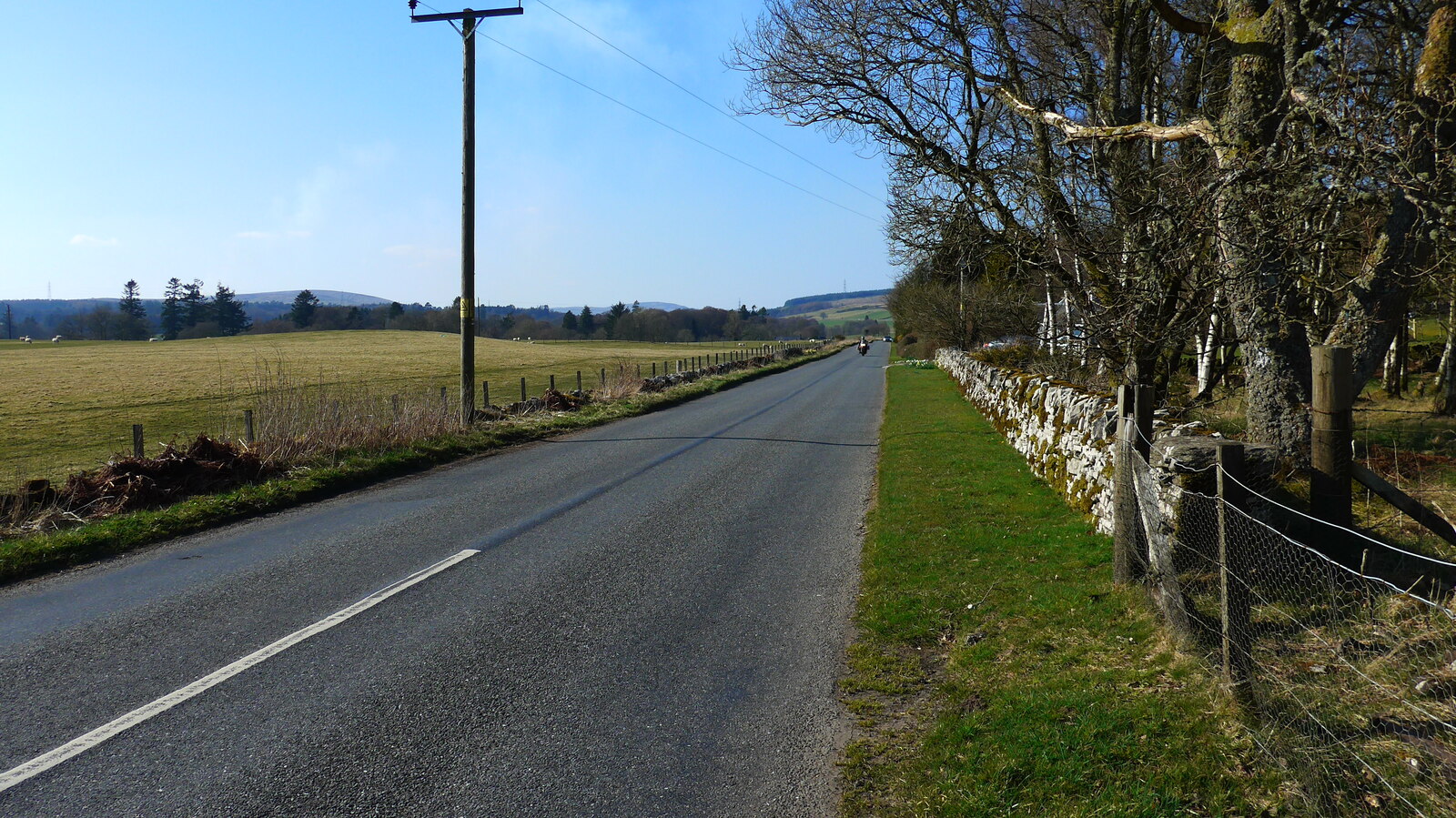
Two Roman camps within the extensive military complex centred on the fort at Ardoch.
- Some walking
The setting
Turret Burn.
Photo: Martin Addison / Wikimedia Commons / CC BY-SA 2.0
Woodland path beside the former railway.
Photo: Martin Addison / Wikimedia Commons / CC BY-SA 2.0
Woodland beside the former railway.
Photo: Jim Barton / Wikimedia Commons / CC BY-SA 2.0
Turret Burn.
Photo: Gordon Brown / Wikimedia Commons / CC BY-SA 2.0
Questions people ask
- What is Eppie Callum’s Oak?
- It is an ancient or notable oak recorded as a heritage feature in Argyll.
- How old is the tree?
- A secure age or planting date is not recorded in the available evidence.
- Who was Eppie Callum?
- The name preserves an association, but the available record does not explain the person’s relationship with the tree.
Sources
The Ancient Codex, in your pocket
Get the Pocket Codex app
Carry the directory with you — Eppie Callum's Oak and thousands of ancient places across Britain and Ireland, offline, wherever you roam.