
Two Roman camps within the extensive military complex centred on the fort at Ardoch.
Two Roman camps sit on Black Hill, part of a wider scatter of Roman military works across this district. Neither was meant to last a week.
A marching camp is a night’s defence: a ditch dug and a rampart thrown up by the men who were about to sleep behind it, abandoned at dawn when the column moved on. Nothing was built inside, so nothing survives inside — what is left is an outline in the ground and the ditch that made it.
The interest here is that there are two. Where camps overlap on one hill, one army has come this way after another, and the relationship between the ditches is the only surviving evidence that either of them did.
What follows is drawn from published sources, with each claim labelled by how firmly it is established.
History
Black Hill carries two Roman camps, part of an extensive complex of Roman military sites in this district. Temporary camps of this kind were thrown up by armies on the march and occupied for a matter of days, so a pair of them together records movement rather than settlement. Marching camps are defined by their ditch and rampart and by the absence of anything permanent inside. They were dug by the soldiers who would sleep in them and abandoned the next morning, which is why they survive as outlines in the ground and nothing else.
That two camps overlap on one hill is the point of the site. Where camps are superimposed, one army has passed this way after another, and the relationship between the two sets of ditches is the only surviving record that either of them came through at all — no other trace of the passage of a Roman column survives once the tents have gone.
Cultural influences
-
A route repeatedly used by Roman armies
The overlapping camps record separate Roman columns marching through the same hilltop position, rather than a permanent military settlement.
Discovery & excavation
A 2011 assessment examined twenty wind-felled-tree craters across the Roman marching camps. It found considerable disturbance but no archaeological remains visible in the craters.
What to look for
-
Overlapping camp lines
Two sets of temporary-camp ditches overlap, recording repeated Roman movement through the hilltop.
Plan your visit
- Location
- 56.2764°N · 3.8758°W
- Access
- Open access
- Terrain
- Moderate walking
- Time needed
- About 45 minutes
- What survives
- Only the earthwork outlines of the temporary camps survive; no permanent Roman buildings were left behind.
Opening & admission
Free to visit and open year-round.
- The camps are about 0.5 miles north of Braco, off the A822 just past its junction with the B827.
- The site is not signposted; strong footwear is recommended.
Nearby places
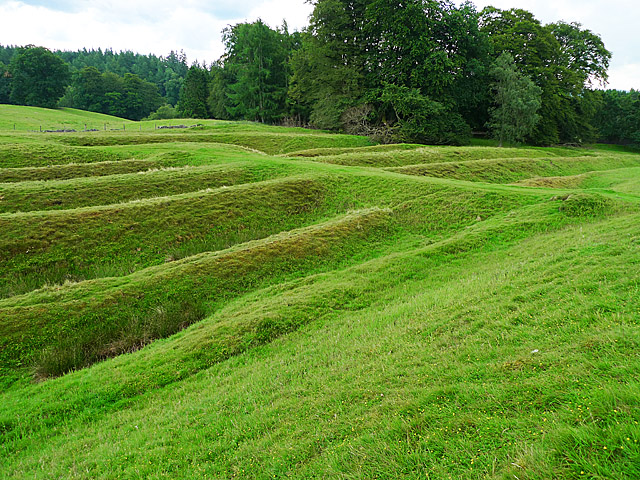
Fortified place · Roman
Ardoch Roman Fort
Perth and Kinross
Five ditches deep on two sides, and among the best-preserved Roman earthworks anywhere in the Empire.
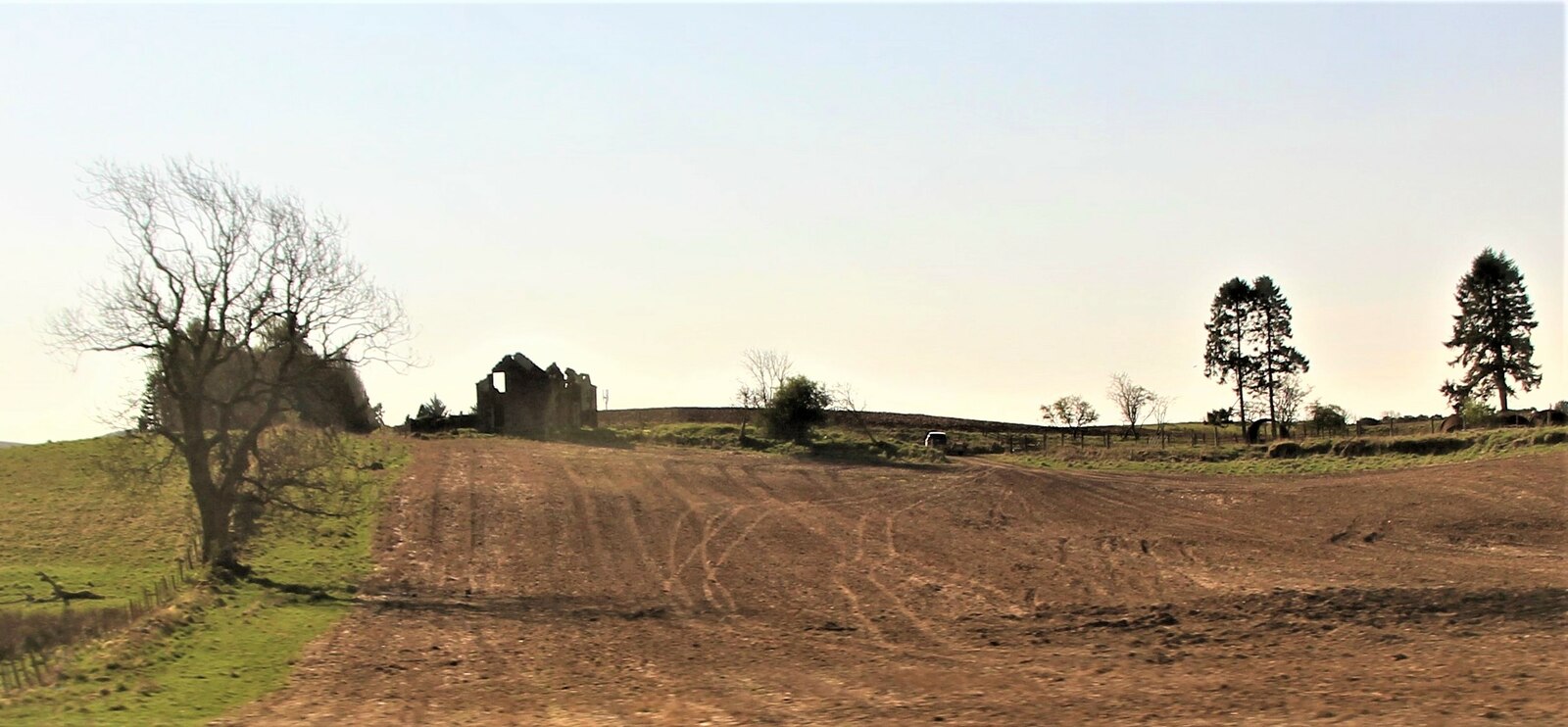
Fortified place · Roman
Glenbank
Perth and Kinross
The Romans pulled it down themselves when they left. Aerial photography found it again in 1983.
- Near Dunblane
- Some walking
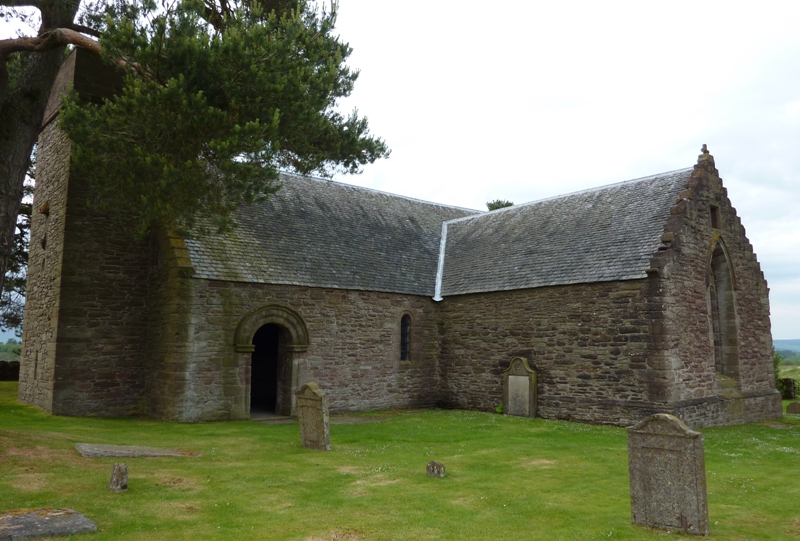
Building or ruin · Medieval
Tullibardine Chapel
Perth and Kinross
A large part of the chapel dates to 1446, when it was built by Sir David Murray, Baron of Tullibardine, of Tullibardine Castle, as a family chapel…
- Near Auchterarder
- 1 min walk from car park

Fortified place · Roman
Strageath
Perth and Kinross
One of the chain of forts along the Gask Ridge, and the name survives in three farms and a mill.
- Some walking
Questions people ask
- What kind of camps are these?
- Temporary marching camps, thrown up by armies on the move and occupied for a matter of days. They are defined by their ditch and rampart and by the absence of anything permanent inside — dug by the soldiers who would sleep in them and abandoned the next morning.
- Why does it matter that there are two?
- Where camps are superimposed, one army has passed this way after another. The relationship between the two sets of ditches is the only surviving record that either column came through at all, since nothing else remains once the tents have gone.
- Is this an isolated site?
- No. The two camps belong to an extensive complex of Roman military sites in this district, so the hill records movement through a wider corridor rather than a single episode.
Sources
The Ancient Codex, in your pocket
Get the Pocket Codex app
Carry the directory with you — Black Hill Roman Camps and thousands of ancient places across Britain and Ireland, offline, wherever you roam.