
One of the chain of forts along the Gask Ridge, and the name survives in three farms and a mill.
Three modern places carry this fort’s name - Strageath Mains, Strageath Mill and Strageath Hall - which is an unusually long survival for a name attached to a Roman installation abandoned nearly two thousand years ago.
The site holds both a fort and a military camp near the River Earn, and the distinction matters: a fort is a garrison post built to be held, a camp the temporary enclosure of an army on the move. Having both on one piece of ground records two different kinds of Roman presence.
Strageath belonged to the chain known as the Gask Ridge, the line of works the Romans used in their push north in the first and second centuries AD. Ardoch, Bertha, Inchtuthil, Battledykes, Stracathro, Raedykes and Normandykes belong to the same system. It predates Hadrian’s Wall, which makes it among the earliest Roman frontier arrangements anywhere in the empire.
The site is a scheduled monument and has been examined many times, most recently by the Roman Gask Project.
What follows is drawn from published sources, with each claim labelled by how firmly it is established.
History
Strageath is the site of a Roman fort and military camp near the River Earn in eastern Scotland, and a scheduled monument. Fort and camp on the same ground record different kinds of Roman presence — one a garrison post, the other the temporary enclosure of an army on the move. It was one of a chain of fortifications known as the Gask Ridge, used by the Romans in their march northward in the first and second centuries AD. Other notable installations in that chain are Ardoch, Bertha, Inchtuthil, Battledykes, Stracathro, Raedykes and Normandykes.
The Gask system is among the earliest Roman frontier arrangements anywhere, predating Hadrian's Wall, and Strageath is one of its better-studied components. The site has been examined on numerous occasions, most recently by the Roman Gask Project. The name has outlived the fort by a very long way. Strageath persists in the present-day Strageath Mains, Strageath Mill and Strageath Hall — three modern places carrying a name that attached itself to this ground before the fort was abandoned.
Cultural influences
-
An early Roman frontier corridor
Strageath formed part of the Gask Ridge chain, an early Roman frontier system guarding the River Earn corridor before Hadrian’s Wall.
Connections
-
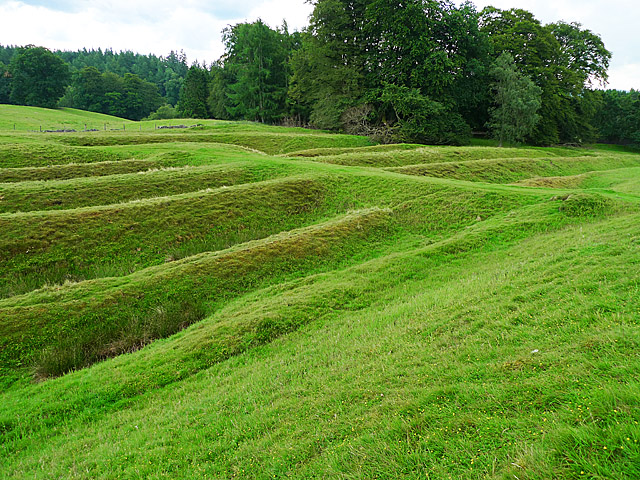
Photo: Dr Richard Murray / Wikimedia Commons / CC BY-SA 2.0 Another installation of the Gask Ridge chain, to the south-west.
-
River Earn
The river the fort stands near, in the corridor the Gask system was built to watch.
Discovery & excavation
The fort and camp have been examined repeatedly, most recently by the Roman Gask Project.
What to look for
-
The fort and camp
Two kinds of Roman work on one site - a garrison post and a temporary marching enclosure.
-
The surviving name
Strageath Mains, Strageath Mill and Strageath Hall all carry the Roman-era name of this ground.
Plan your visit
- Location
- 56.3417°N · 3.7839°W
- Access
- Open access
- Terrain
- Moderate walking
- Time needed
- About 45 minutes
- What survives
- The fort and temporary camp survive as archaeological earthworks, with no standing Roman buildings.
Opening & admission
- Scheduled Roman fort and camp near the River Earn; the nearby heritage trail reaches the river but does not establish access to the fort.
Nearby places
Sacred place · Prehistoric
North Mains
Perth and Kinross
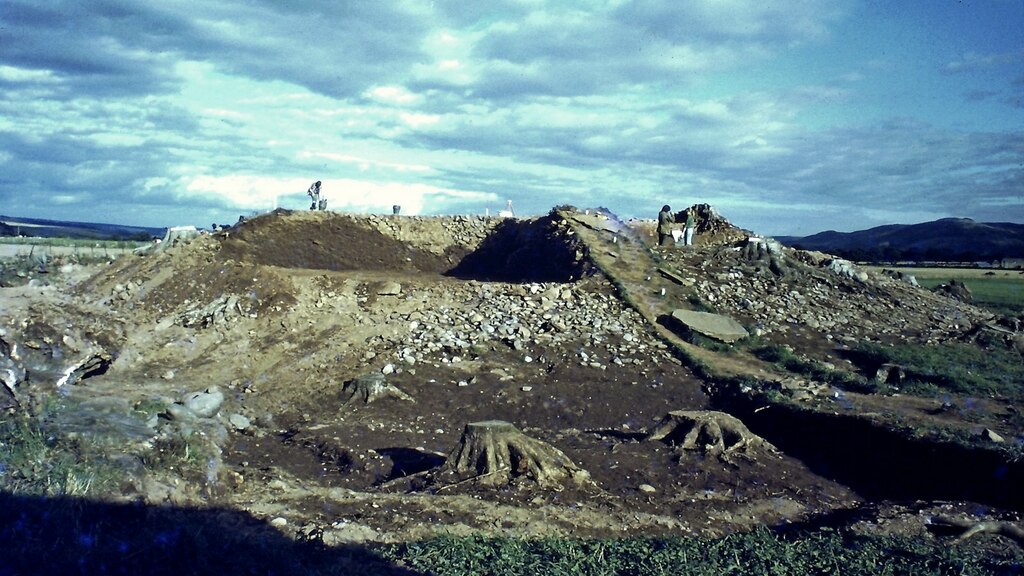
Two pits and a cremation were placed here before the henge was built: a prehistoric earthwork of bank and ditch enclosing a circular space, with th…
- Near Crieff
- Some walking
Building or ruin · Medieval
Tullibardine Chapel
Perth and Kinross
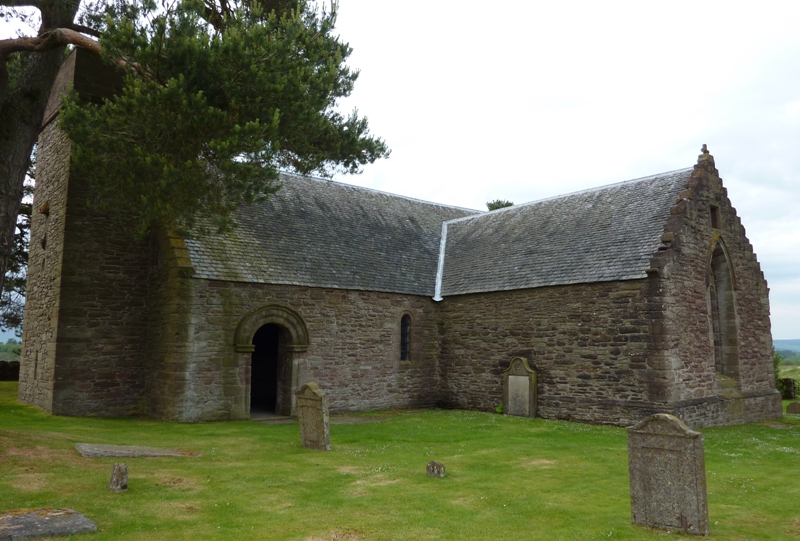
A large part of the chapel dates to 1446, when it was built by Sir David Murray, Baron of Tullibardine, of Tullibardine Castle, as a family chapel…
- Near Auchterarder
- 1 min walk from car park
Ancient tree · Medieval
Eppie Callum's Oak
Argyll and Bute
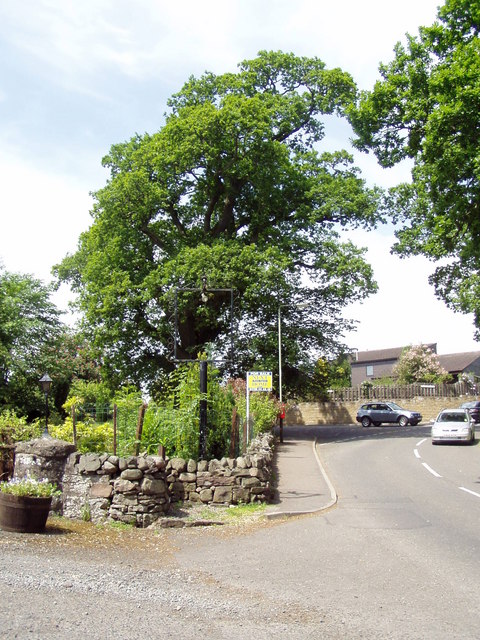
Eppie Callum’s Oak is a named living landmark whose value lies in the survival of local landscape memory, even though its age and namesake remain u…
- Near Argyll and Bute
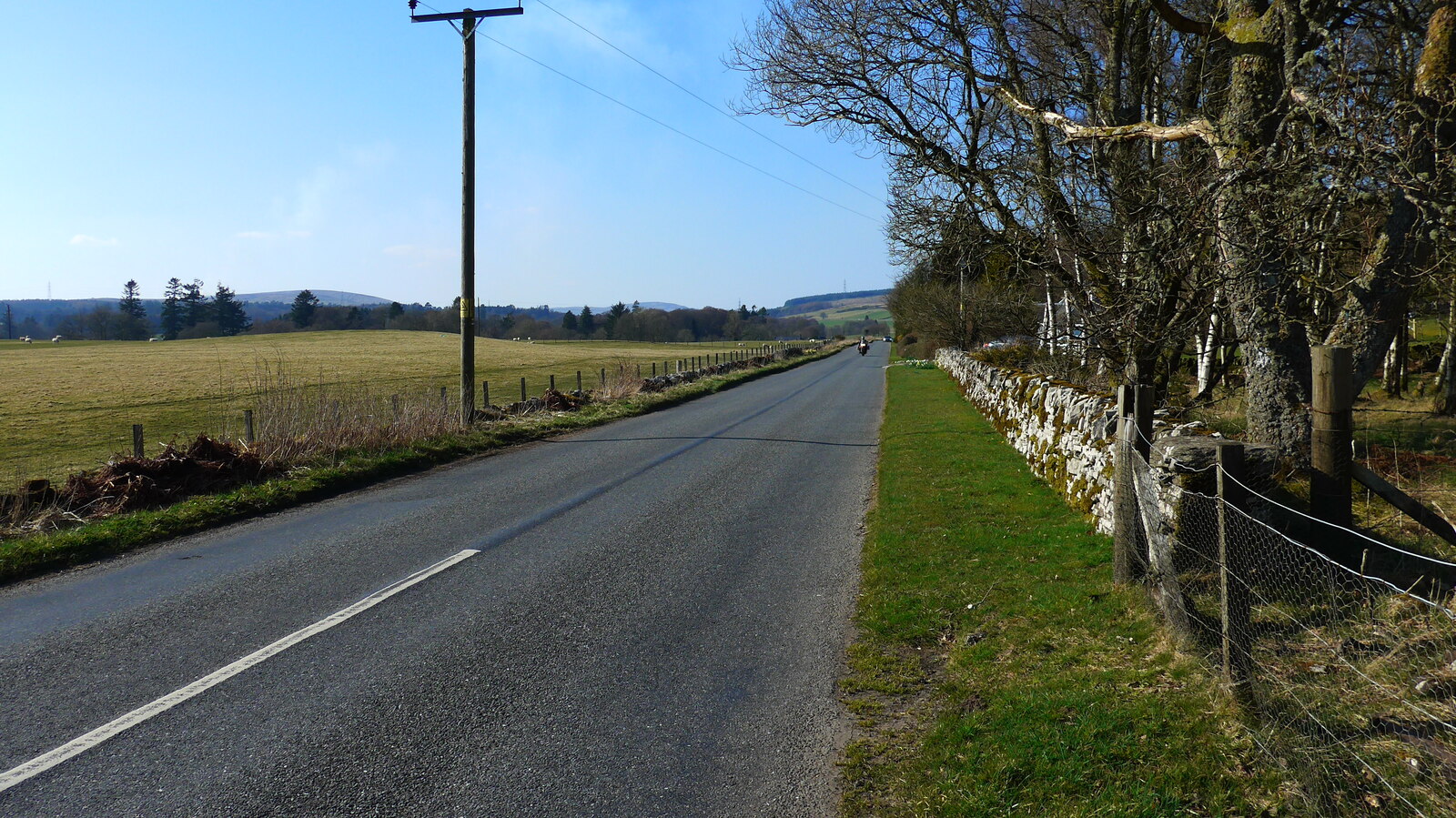
Fortified place · Roman
Black Hill Roman Camps
Perth and Kinross
Two Roman camps within the extensive military complex centred on the fort at Ardoch.
- Some walking
The setting
Near Strageath, about 462 metres away.
Photo: M J Richardson / Wikimedia Commons / CC BY-SA 2.0
Questions people ask
- What is the Gask Ridge?
- A chain of Roman fortifications used in the march northward in the first and second centuries AD, among the earliest frontier systems anywhere, running through Ardoch, Bertha, Inchtuthil and others.
- Has it been studied?
- Yes, on numerous occasions, most recently by the Roman Gask Project.
Sources
The Ancient Codex, in your pocket
Get the Pocket Codex app
Carry the directory with you — Strageath and thousands of ancient places across Britain and Ireland, offline, wherever you roam.