A large part of the chapel dates to 1446, when it was built by Sir David Murray, Baron of Tullibardine, of Tullibardine Castle, as a family chapel and burial place. It is now a scheduled monument (a site protected by law for its archaeological importance) and…
Few medieval churches anywhere in Scotland survive as completely as the Murrays’ family chapel at Tullibardine. A large part of it dates to 1446, and it is now a scheduled monument.
Sir David Murray, Baron of Tullibardine, formerly of Ochtertyre, built it as a family chapel and burial place for Tullibardine Castle. Members of the Murray family, a subsidiary line of the Dukes of Atholl, were buried here until 1900. An armorial plaque on the north external wall of the chancel displays the arms of David and his wife, Isabel Stewart.
The chapel was rebuilt or extended around 1500 with transepts and a small tower, the work of David’s grandsons. William Murray, who died in 1513, built the part towards the west where his father’s coat of arms is impaled, and Andrew Murray built alongside him; the arms on the south transept gable relate to Andrew’s marriage to Margaret Barclay. The two were ancestors of the Murrays of Balvaird.
The chapel has remained unaltered since.
What follows is drawn from published sources, with each claim labelled by how firmly it is established.
History
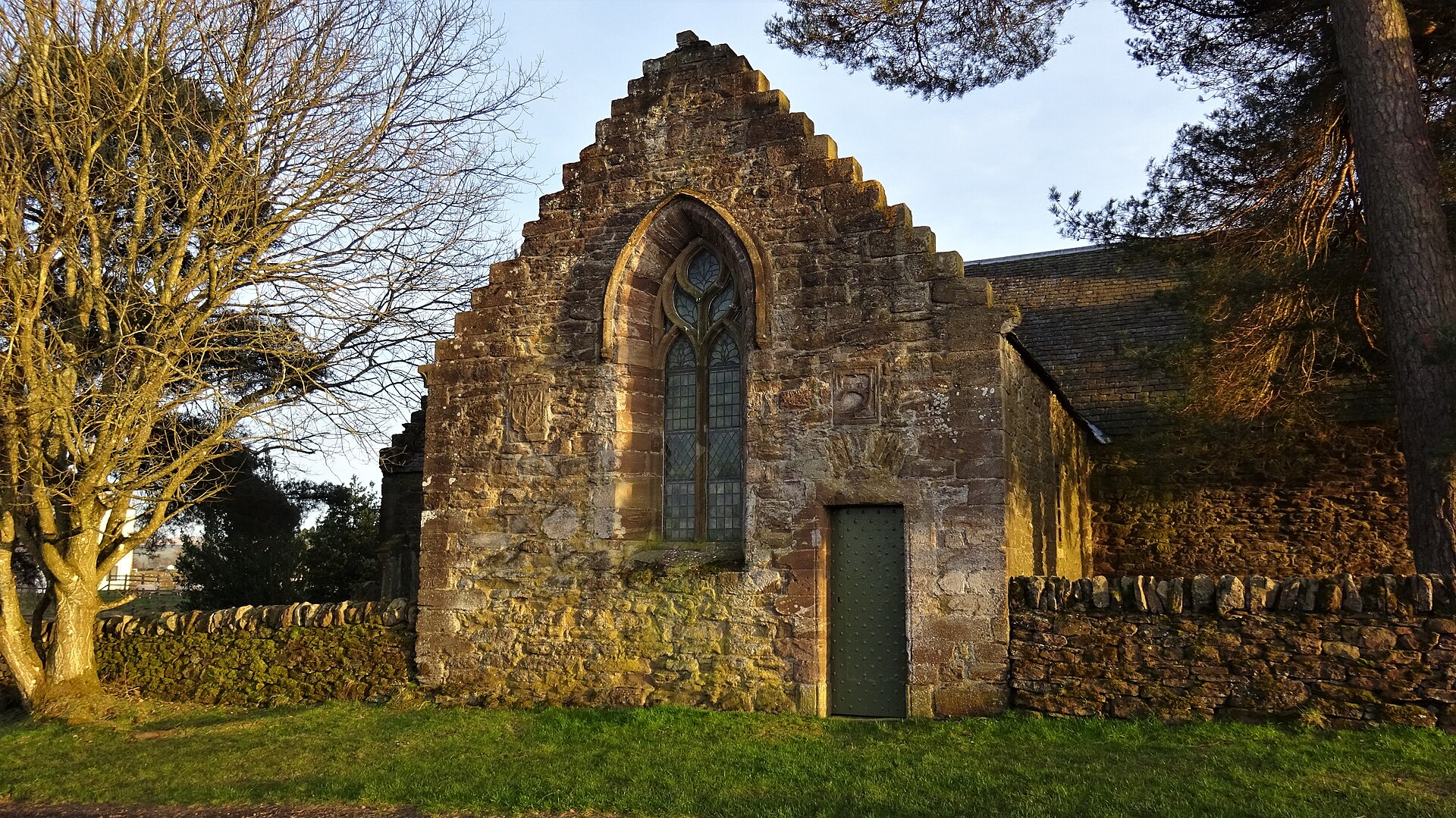
A large part of the chapel dates to 1446, when it was built by Sir David Murray, Baron of Tullibardine, of Tullibardine Castle, as a family chapel and burial place. It is now a scheduled monument and one of the most complete medieval churches in Scotland. Around 1500 the chapel was rebuilt or extended with transepts and a small tower by David's grandsons — William Murray (died 1513), who built the western part bearing his father's impaled arms, and Andrew Murray. Members of the Murray family were buried here until 1900, and the chapel has remained essentially unaltered since.
People
-
Sir David Murray, Baron of Tullibardine
Builder of the chapel in 1446 as a Murray family chapel and burial site
-
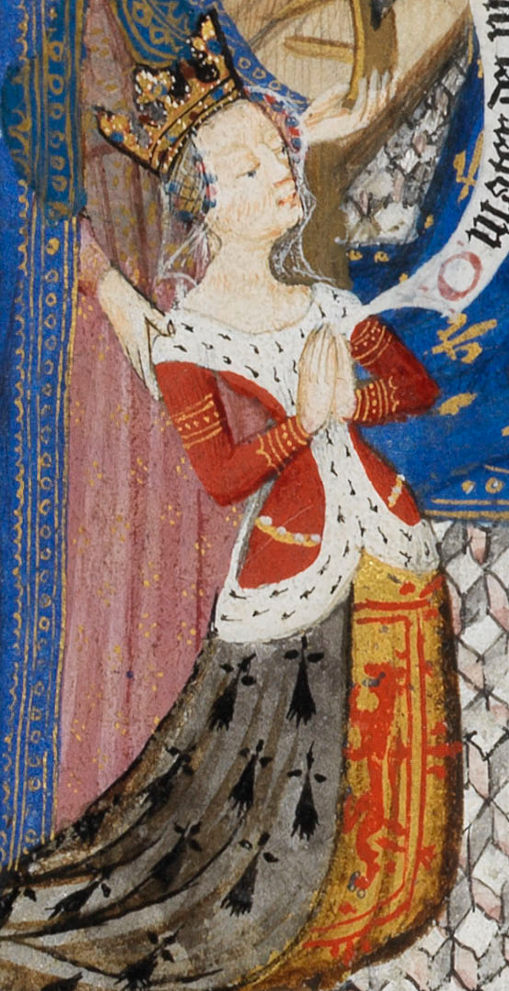
Portrait: . The original uploader was Mt99lp at English Wikipedia. / Wikimedia Commons / Public domain Isabel Stewart
Wife of Sir David Murray; the couple's coat of arms appears on an armorial plaque on the chancel's north wall
-
William Murray (died 1513)
Grandson of David; extended the chapel westward c. 1500
-
Andrew Murray
Grandson of David; co-extended the chapel c. 1500, his marriage to Margaret Barclay recorded in arms on the south transept gable
-
Margaret Barclay
Wife of Andrew Murray; their marriage commemorated in the south transept arms — they were ancestors of the Murray of Balvaird family
Cultural influences
-
The Murray family, subsidiaries of the Dukes of Atholl, whose patronage as a private family chapel and mausoleum shaped the building and preserved it unaltered.
Connections
-
Tullibardine Castle
The Murray seat for which the chapel was built as family chapel and burial place
-
Dukes of Atholl
The senior line of the Murray family of which the chapel's founders were subsidiaries
-
Murray of Balvaird family
Descended from Andrew Murray and Margaret Barclay, commemorated in the chapel's arms
In culture
-
Murray heraldry
Armorial plaques on the chapel record Sir David Murray and Isabel Stewart, and later Murray marriages, preserving the building’s role as a dynastic memorial.
What to look for
-
The armorial plaque
The armorial plaque on the north external wall of the chancel, displaying the coats of arms of founder Sir David Murray and his wife Isabel Stewart.
-
The transept arms
The arms on the south transept gable relating to the marriage of Andrew Murray and Margaret Barclay.
-
The added transepts
The transepts and small tower added c. 1500, and the western section bearing William Murray's father's impaled arms — together making this one of the most complete and unaltered medieval churches in Scotland.
Plan your visit
- Location
- 56.3011°N · 3.7637°W
- Nearest settlement
- Auchterarder
- Access
- Open access
- Start point
- 2m north west of Auchterarder off the A823 Crieff road. · There is no bus/coach access to Tullibardine Chapel.
- Time needed
- About 30 minutes
- Start point
- Roadside by Tullibardine Chapel, off the A823 — No dedicated car park and no bus/coach access (HES). Visitors pull in on the verge/lane beside the chapel, about 2 miles NW of Auchterarder off the A823. Park considerately on the narrow rural road.
Opening & admission
Free entry
Nearby places
Sacred place · Prehistoric
North Mains
Perth and Kinross
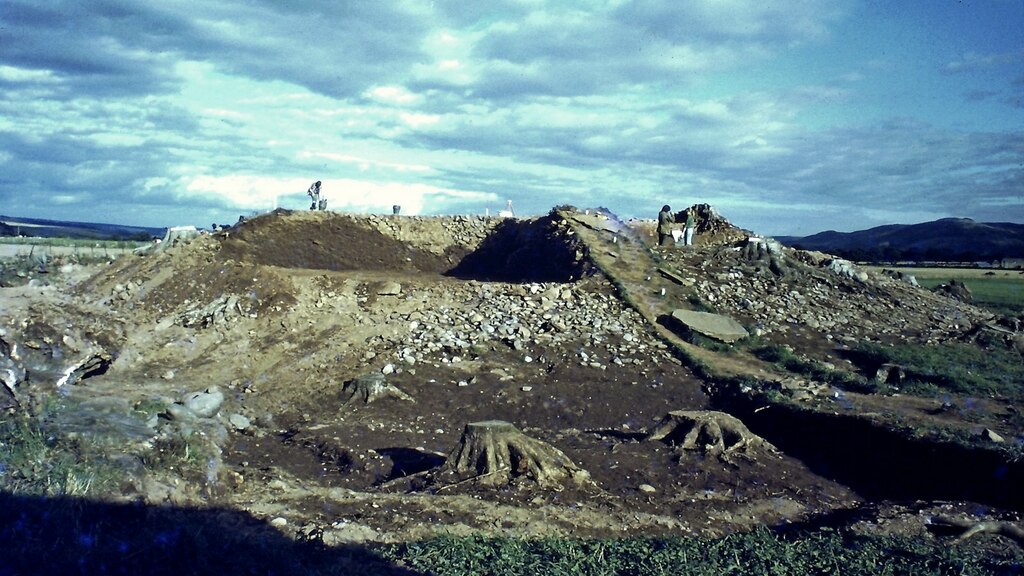
Two pits and a cremation were placed here before the henge was built: a prehistoric earthwork of bank and ditch enclosing a circular space, with th…
- Near Crieff
- Some walking

Fortified place · Roman
Strageath
Perth and Kinross
One of the chain of forts along the Gask Ridge, and the name survives in three farms and a mill.
- Some walking
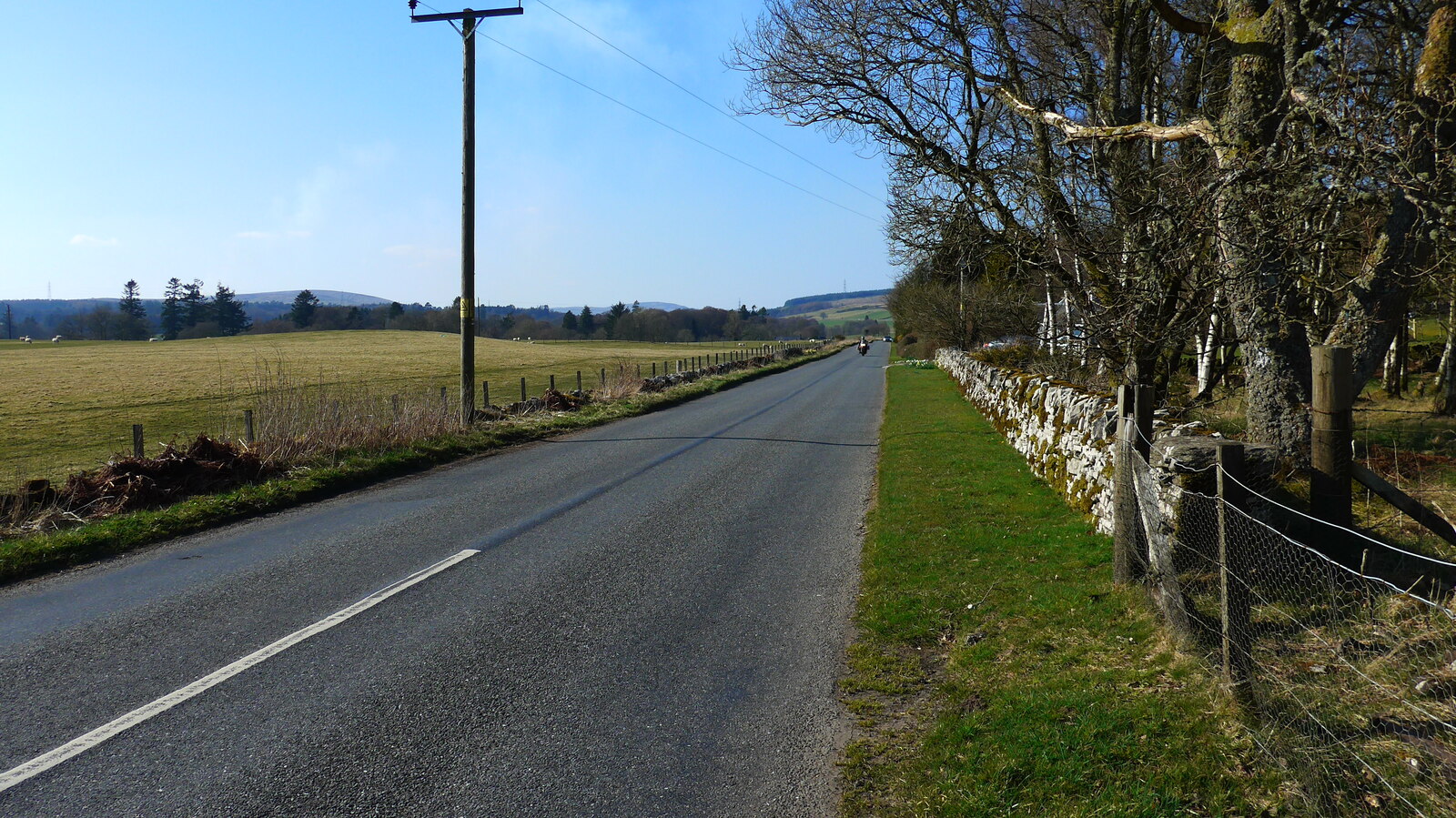
Fortified place · Roman
Black Hill Roman Camps
Perth and Kinross
Two Roman camps within the extensive military complex centred on the fort at Ardoch.
- Some walking
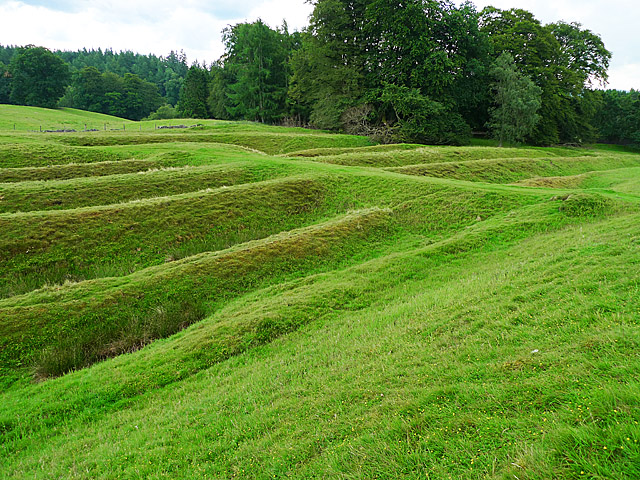
Fortified place · Roman
Ardoch Roman Fort
Perth and Kinross
Five ditches deep on two sides, and among the best-preserved Roman earthworks anywhere in the Empire.
Sources
- Canmore site record 26079 (accessed 2026-06-13)
- Trove (HES) record (accessed 2026-06-13)
- Wikipedia: Tullibardine Chapel (accessed 2026-06-13)
- Wikidata Q12013467 (accessed 2026-06-13)
Explore more: Building or ruins · Medieval · Perth and Kinross
The Ancient Codex, in your pocket
Get the Pocket Codex app
Carry the directory with you — Tullibardine Chapel and thousands of ancient places across Britain and Ireland, offline, wherever you roam.