A settlement of the first farming age on Rousay, discovered in the winter of 1937.
The man who dug Skara Brae dug this too. Vere Gordon Childe excavated Rinyo in 1938 and returned in 1946, working with W. G. Grant, and having the same archaeologist on both settlements is a large part of why the two can usefully be compared.
The site was found in the winter of 1937 to 1938 on the lands of Bigland Farm, in the north-east of Rousay. What came out of it was the ordinary equipment of a Neolithic household and workshop — flint implements, stone axes, pottery — along with stone balls and a stone mace-head. Carved stone balls are a peculiarly Scottish object, found in numbers and explained by nobody.
Rousay is an unusually crowded island archaeologically. More than a hundred sites have been identified on it, the Midhowe complex among them, where a drystone tower of the Iron Age and a chambered tomb of the Neolithic sit side by side above Eynhallow Sound. Rinyo belongs to the earliest layer of that sequence.
What follows is drawn from published sources, with each claim labelled by how firmly it is established.
History
Rinyo was a Neolithic settlement on Rousay in Orkney, found in the winter of 1937 to 1938 on the lands of Bigland Farm in the north-east of the island. It is one of the small number of Orkney settlements that can be set alongside Skara Brae. Neolithic settlements survive far less often than the tombs their builders left.
Vere Gordon Childe excavated it in 1938 and again in 1946, working with W. G. Grant. Childe had dug Skara Brae on the Mainland, and bringing the same excavator to both sites is part of why the two can be compared at all. Childe was the most influential prehistorian of his generation, and his interpretations shaped how both sites were read for decades.
The finds were domestic and industrial together — flint implements, stone axes, stone balls, pottery, and a stone mace-head. Carved stone balls of this kind are a distinctly Scottish object and their purpose has never been settled. A mace-head implies status rather than utility, which is worth noting on a settlement site. Rinyo sits within an exceptional concentration of archaeology. More than a hundred sites have been identified on Rousay, the Midhowe complex among them, a drystone tower and a chambered tomb side by side above Eynhallow Sound.
People
-
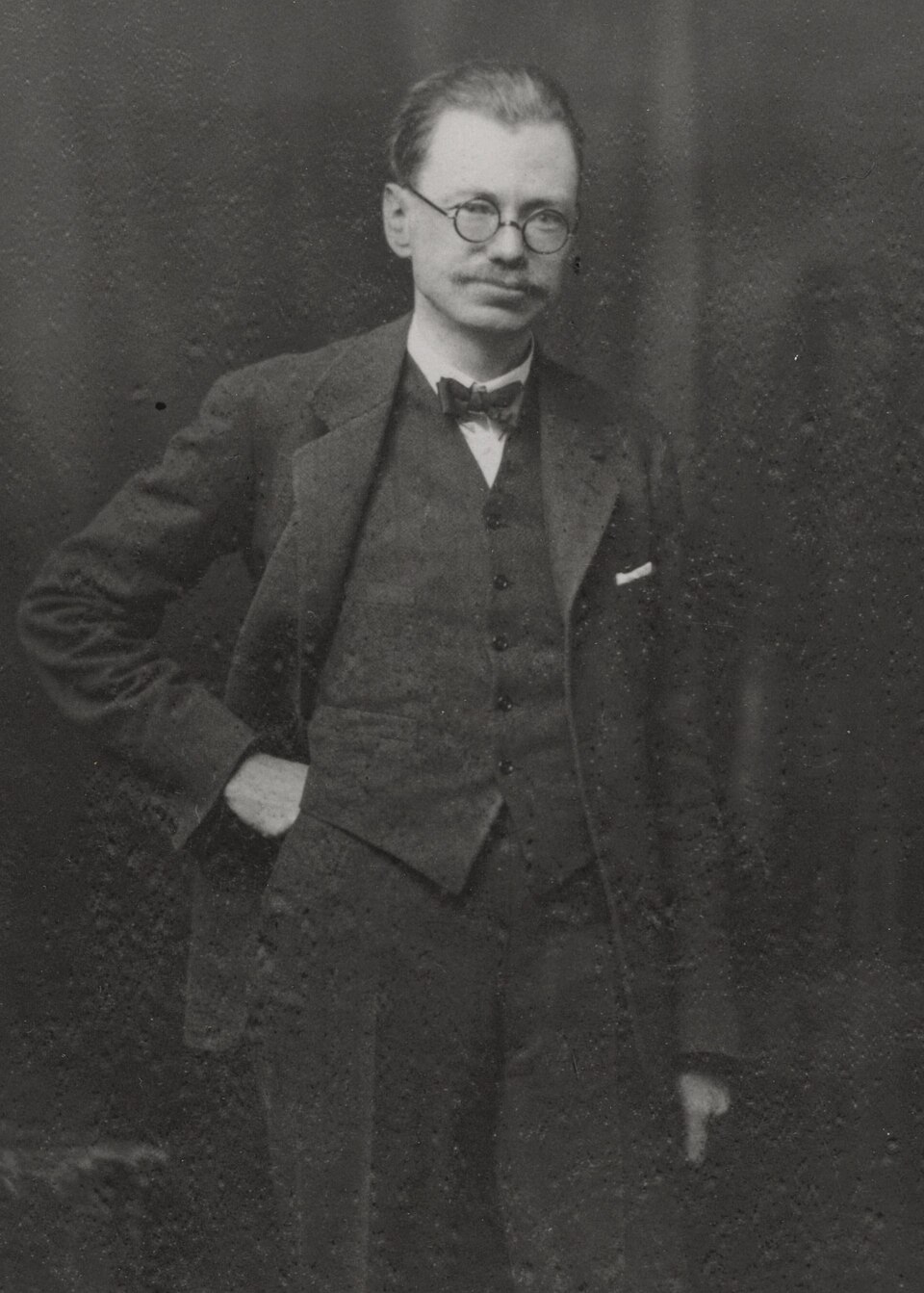
Portrait: Swan Watson, Andrew / Wikimedia Commons / Public domain Vere Gordon Childe
Prehistorian who excavated Rinyo in 1938 and 1946 after excavating Skara Brae on Mainland Orkney.
-
W. G. Grant
Archaeologist who worked with Vere Gordon Childe during Rinyo’s excavations in 1938 and 1946.
Cultural influences
-
Domestic tools, pottery, stone balls and a mace-head place Rinyo among the surviving settlements of Orkney’s first farming communities.
Connections
-
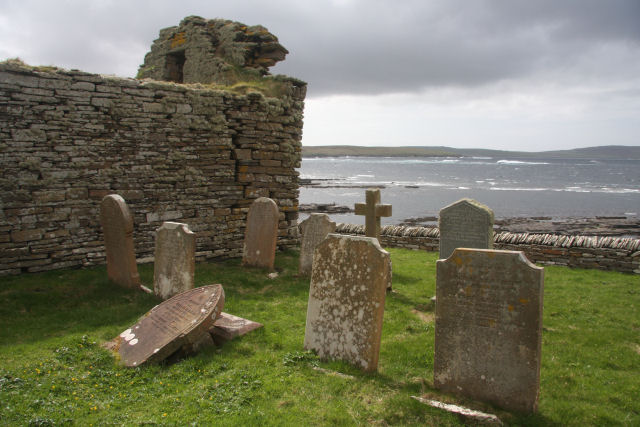
Photo: Bob Jones / Wikimedia Commons / CC BY-SA 2.0 Rinyo is one of more than a hundred archaeological sites identified on Rousay.
-
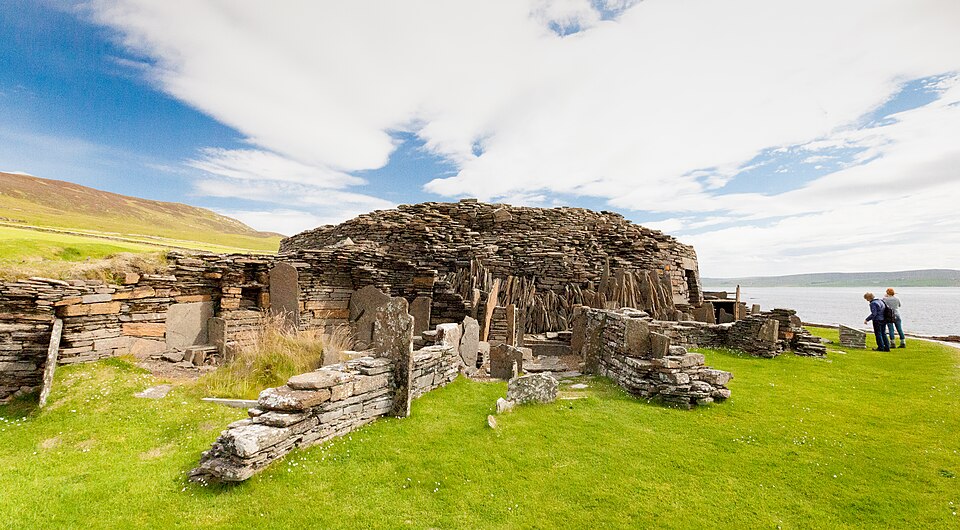
Photo: MichaelMaggs / Wikimedia Commons / CC BY-SA 4.0 Rinyo belongs to the dense sequence of archaeological sites on Rousay that includes the Midhowe complex.
-
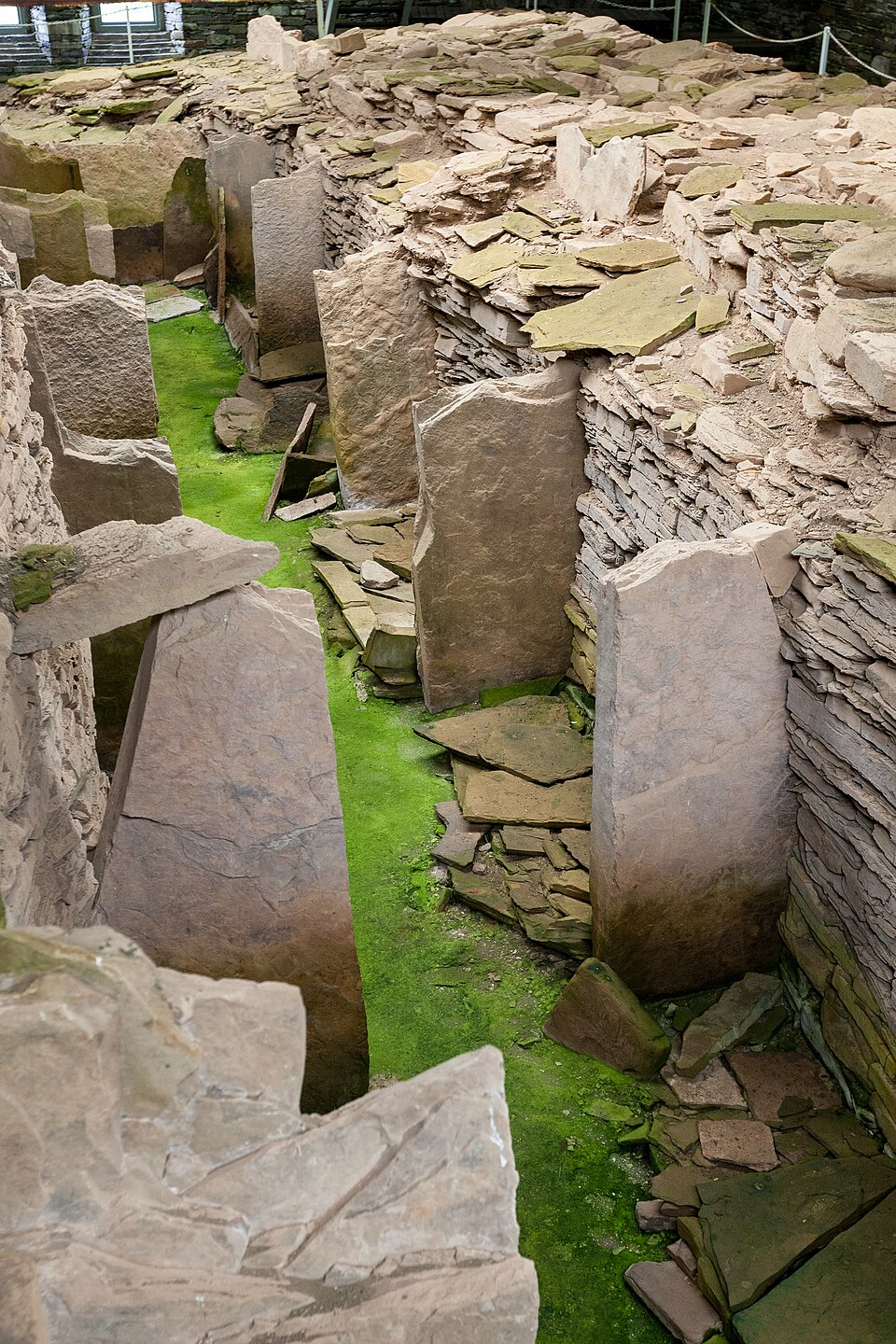
Photo: MichaelMaggs / Wikimedia Commons / CC BY-SA 4.0 Midhowe Chambered Cairn belongs to the same dense Rousay archaeological landscape as Rinyo and the nearby broch. The settlement and tomb together show how domestic and funerary sites accumulated around Eynhallow Sound across millennia.
Discovery & excavation
The settlement was found on Bigland Farm during the winter of 1937–38 and excavated in 1938 and 1946.
What to look for
-
Excavated by the man who dug Skara Brae
Vere Gordon Childe, who excavated Skara Brae on Mainland Orkney, dug here in 1938 and 1946 with W. G. Grant.
-
What came out of the ground
Finds included flint implements, stone axes and balls, pottery, and a stone mace-head.
-
Found on farmland in a winter
The site was discovered in the winter of 1937 to 1938 on the lands of Bigland Farm, in the north-east of Rousay.
Plan your visit
- Location
- 59.1733°N · 2.9822°W
- Nearest settlement
- Rousay
- Access
- Open access
- Terrain
- Moderate walking
- Time needed
- About 30 minutes
- Best time
- Daylight hours
Opening & admission
No reliable current admission details are recorded; verify before travelling.
Nearby places
Ancient place · Prehistoric
Rousay
Orkney Islands
A small hilly island north of Mainland, whose density of remains has earned it a reputation of its own.
- Some walking
Tomb or burial place · Prehistoric
Taversöe Tuick
Orkney Islands
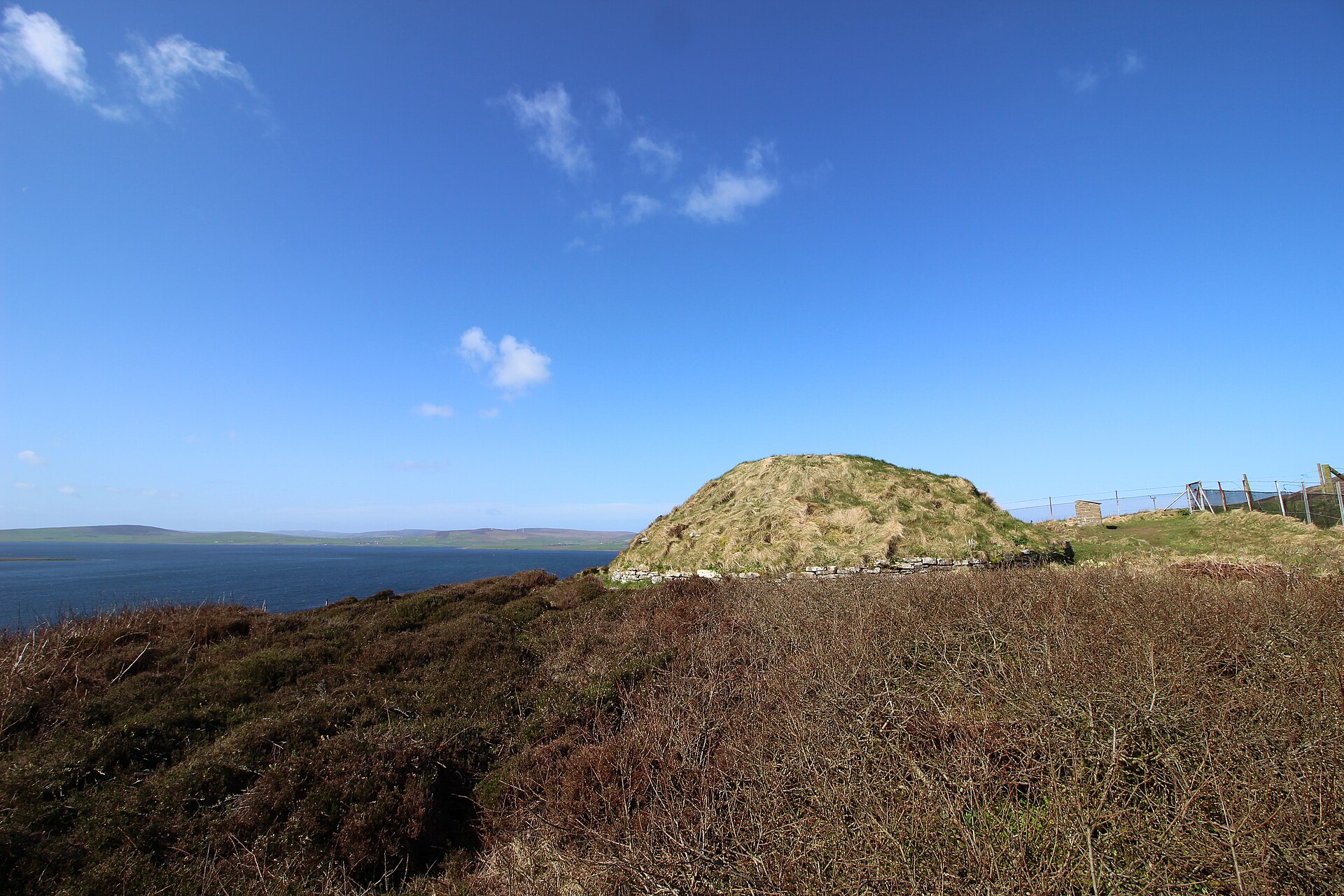
A burial mound on Rousay of about 4000–2500 BC, with a rare double-tiered chamber.
- Near Rousay
- Some walking
Tomb or burial place · Prehistoric
Blackhammer Chambered Cairn
Orkney Islands
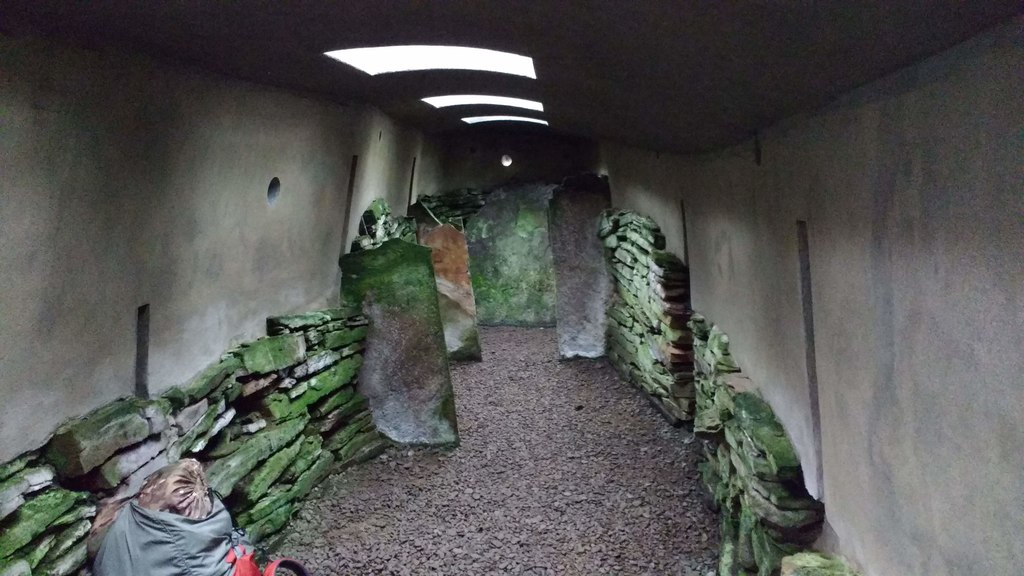
Blackhammer Chambered Cairn preserves a Neolithic, the late Stone Age, burial monument dating from roughly 4000–2500 BC, on Rousay in Orkney.
- Some walking

Tomb or burial place · Prehistoric
Knowe of Yarso chambered cairn
Orkney Islands
Knowe of Yarso preserves a burial mound built around a stone chamber, bringing together material remains and documented history that illuminate Ork…
- Rough ground
Questions people ask
- Who excavated Rinyo?
- Vere Gordon Childe, in 1938 and again in 1946, working with W. G. Grant. Childe had also excavated Skara Brae on the Orkney Mainland.
- When was it found?
- In the winter of 1937 to 1938, on the lands of Bigland Farm in the north-east of Rousay.
- What was found there?
- Flint implements, stone axes and stone balls, pottery, and a stone mace-head.
- What else is on Rousay?
- More than a hundred archaeological sites, including the Midhowe complex where a broch and a chambered cairn stand together.
Sources
Explore more: Ancient places · Prehistoric · Orkney Islands
The Ancient Codex, in your pocket
Get the Pocket Codex app
Carry the directory with you — Rinyo and thousands of ancient places across Britain and Ireland, offline, wherever you roam.