
The Ravenswood standing stone is a Bronze Age (roughly 2500–800 BC) monument whose repeated moves and survival within an Edinburgh housing estate make it an exceptional example of prehistoric (before any written account of Britain existed) heritage in a modern urban landscape.
A grey sandstone monolith enclosed by railings in a Ravenswood Avenue cul-de-sac preserves a fragment of prehistoric Edinburgh. The Ravenswood standing stone stands 1.85 metres high in The Inch and was erected around 2000 BC.
Its original purpose is unknown. It may have marked an ancient battle or served a ritual role, but it has no man-made markings and its original archaeological setting has been disturbed by successive relocations. The stone’s natural erosion grooves, quartz-bearing sandstone and ear-shaped cavity are therefore among its most legible features.
Moved for a road scheme, returned in 1891 and moved again for housing around 1971, it remains a scheduled monument. Historic Environment Scotland considers it worthy of protection for cultural significance even though relocation has removed its archaeological potential.
What follows is drawn from published sources, with each claim labelled by how firmly it is established.
History
The Ravenswood standing stone was erected around 2000 BC and originally stood in what is now Liberton glebe, about 60 metres south-west of the present Old Dalkeith Road. The original position was around 61 metres above sea level. It is a menhir, but its intended purpose is unknown. Suggestions that it marked an ancient battle or had a ritual function remain possibilities rather than established conclusions. The stone carries no human-made markings to settle that question.
The monument is formed from grey sandstone containing quartz crystals. It is 1.85 metres high, 70 centimetres across at the base and tapers towards the top. Natural erosion grooves appear on the east and west faces, and a large ear-shaped natural cavity occurs on the east face. A 1903 survey recorded four faces and detailed changes in circumference from base to top. These physical observations make the stone’s material form accessible without assuming that natural marks were deliberately carved.
The stone was moved in the early nineteenth century to make way for a road scheme, then returned to its original location in 1891. It received statutory protection as a scheduled monument on 18 October 1938. Around 1971, construction of a new housing estate led to another move, approximately 100 metres north of the original position. It was set in a concrete foundation and protected by metal railings, with the scheduled area amended in 2002 to reflect its new location.
The stone now stands in the footway at the north-west side of the cul-de-sac at the eastern end of Ravenswood Avenue in The Inch. Its position in a housing estate has led to it being described as possibly Britain’s most urban standing stone. The space became a local meeting point, associated with Guy Fawkes Night bonfires and children using the railings as a football target. Historic Environment Scotland notes that relocation has removed archaeological potential but regards the monument as culturally significant and worth protecting.
Cultural influences
-
A prehistoric stone in an urban setting
A Bronze Age standing stone now stands in an Edinburgh cul-de-sac after road and housing works moved it twice, making its modern setting part of how the monument is experienced.
Connections
-
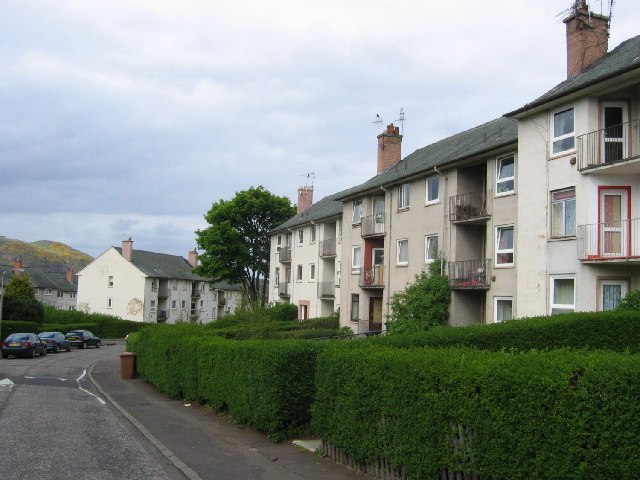
Photo: Richard Webb / Wikimedia Commons / CC BY-SA 2.0 The Inch
Relocated to Ravenswood Avenue, the stone survives within The Inch housing estate as a protected prehistoric monument of local cultural significance.
-
Old Dalkeith Road
The original location was about 60 metres south-west of the present road.
-
Auchencorth gowk stane
The stone is noted as similar in composition and appearance to this monument near Penicuik.
What to look for
-
Ear-shaped natural cavity
A large ear-shaped hollow is visible on the east face. It is a natural feature, like the grooves on both main faces, rather than evidence of deliberate carving.
-
Quartz-bearing sandstone
The 1.85-metre monolith is grey sandstone with quartz crystals, 70 centimetres wide at the base and tapering towards its top.
-
Concrete base and protective railings
The stone was set in concrete and enclosed by metal railings after its move for the housing estate around 1971, making its modern protection easy to see.
-
Street-corner setting
It stands in the footway at the north-west side of the Ravenswood Avenue cul-de-sac, about 100 metres north of its original Liberton glebe position.
Plan your visit
- Location
- 55.9222°N · 3.1492°W
- Nearest settlement
- Edinburgh
- Access
- Open access
- Terrain
- Easy going
- Time needed
- About 10 minutes
- What survives
- A 1.85-metre sandstone standing stone, set in concrete and protected by railings in a housing-estate footway.
Opening & admission
Free to view at any time; check Historic Environment Scotland's site for any current guidance.
- Stands in the footway of a housing estate cul-de-sac, set in concrete and surrounded by protective metal railings.
- No manmade markings; the stone can only be viewed from outside the railings.
Nearby places

Fortified place · Medieval
Craigmillar Castle
City of Edinburgh
Craigmillar Castle is one of Scotland's best-preserved medieval castles, combining a Preston tower house and defensive courtyards with the pivotal…
- Near Edinburgh
- Some walking

Sacred place · Medieval
St Anthony's Chapel and Hermitage
City of Edinburgh
The chapel above St Margaret's Loch is one of Edinburgh's least explained medieval buildings: no foundation record survives, and the earliest firm…
- Near Edinburgh
- Some walking

Sacred place · Medieval
Holyrood Abbey
City of Edinburgh
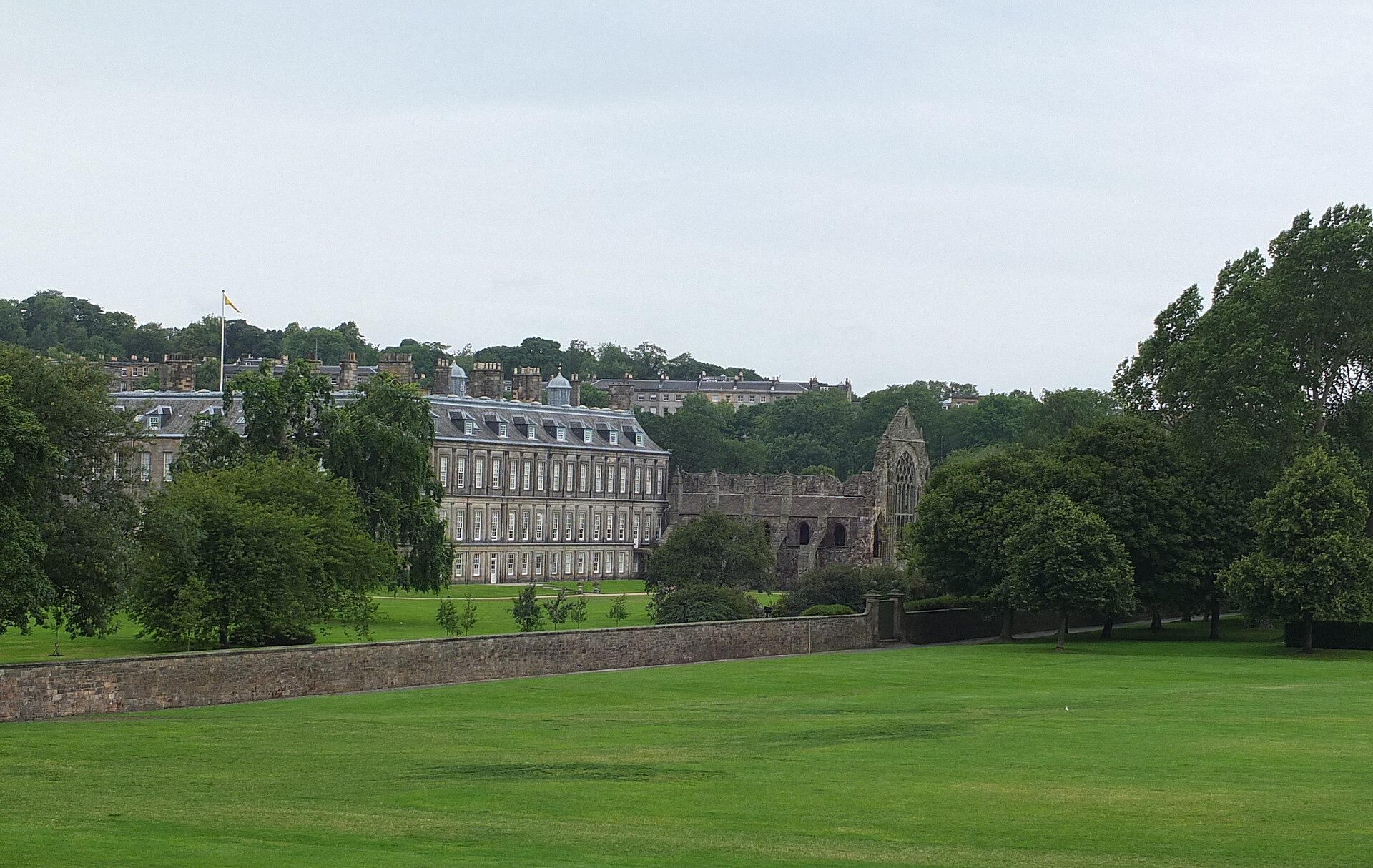
Holyrood Abbey is Edinburgh's ruined royal abbey, founded by David I and central to Scottish parliaments, coronations and palace life before a cata…
- Near Edinburgh
- Easy path
Questions people ask
- How old is the Ravenswood standing stone?
- It was erected around 2000 BC.
- How tall is the stone?
- It stands 1.85 metres high.
- Why is it in a housing estate?
- It was moved around 1971 to allow construction of the estate and now stands in a Ravenswood Avenue cul-de-sac.
Sources
The Ancient Codex, in your pocket
Get the Pocket Codex app
Carry the directory with you — Ravenswood standing stone and thousands of ancient places across Britain and Ireland, offline, wherever you roam.