
A solitary standing stone raised somewhere in prehistory, its silent presence over the Kintyre shoreline outlasting any record of who put it there or why.
On the Kintyre Peninsula, close to the scattered houses of Avinagillan, a single upright stone rises from open ground with no companions beside it, no wall, and no ditch to mark it out as a monument. It is a menhir - a solitary standing stone raised in prehistoric (before any written account of Britain existed) times - and today it counts among the least documented monuments of its kind on this stretch of Argyll and Bute’s coast.
Whoever set it upright left no written account of their reasons. The stone simply stands, angled to the sky within sight of the Kilbrannan Sound, the channel of sea that separates Kintyre from the Isle of Arran. No excavation record, no carved marking, and no surviving local tradition accompanies it; what can be said with confidence is limited to where it stands and what kind of monument it is.
What follows is drawn from published sources, with each claim labelled by how firmly it is established.
History
The Avinagillan standing stone was raised at some point during the prehistoric period, one of many single monoliths erected across the Kintyre Peninsula whose builders and original purpose left no written or archaeological trace. It stands today near the hamlet from which it takes its name, overlooking the Kilbrannan Sound that divides the peninsula from the Isle of Arran, with no accompanying artefacts, carvings, or excavation findings recorded to explain why this particular spot was chosen.
Cultural influences
-
Kintyre megalithic landscape
The standing stone belongs to the wider prehistoric monument landscape of Kintyre, where single stones and stone rows occupy prominent open-ground settings.
Connections
-
Kintyre Peninsula
The Avinagillan standing stone is a prehistoric menhir on the Kintyre Peninsula, overlooking the Kilbrannan Sound.
-
Kilbrannan Sound
The standing stone overlooks the Kilbrannan Sound, the channel between Kintyre and Arran. Although its builders’ purpose is unrecorded, the monolith’s coastal position makes the sound part of the visible landscape in which it was raised.
What to look for
-
A solitary monolith
A single upright stone standing alone in open ground, unaccompanied by any other stones, circle, or earthwork.
-
View toward the Kilbrannan Sound
The stone's position gives sight of the Kilbrannan Sound, the stretch of sea separating the Kintyre Peninsula from the Isle of Arran.
Plan your visit
- Location
- 55.8518°N · 5.4540°W
- Nearest settlement
- Campbeltown
- Access
- Open access
- Terrain
- Easy going
- Time needed
- About 20 minutes
- Best time
- Dry daylight, after confirming field access.
- What survives
- A single prehistoric standing stone survives in open ground.
- Facilities
- No visitor facilities are recorded.
Opening & admission
No admission details are recorded — check the managing body's site before travelling.
Nearby places
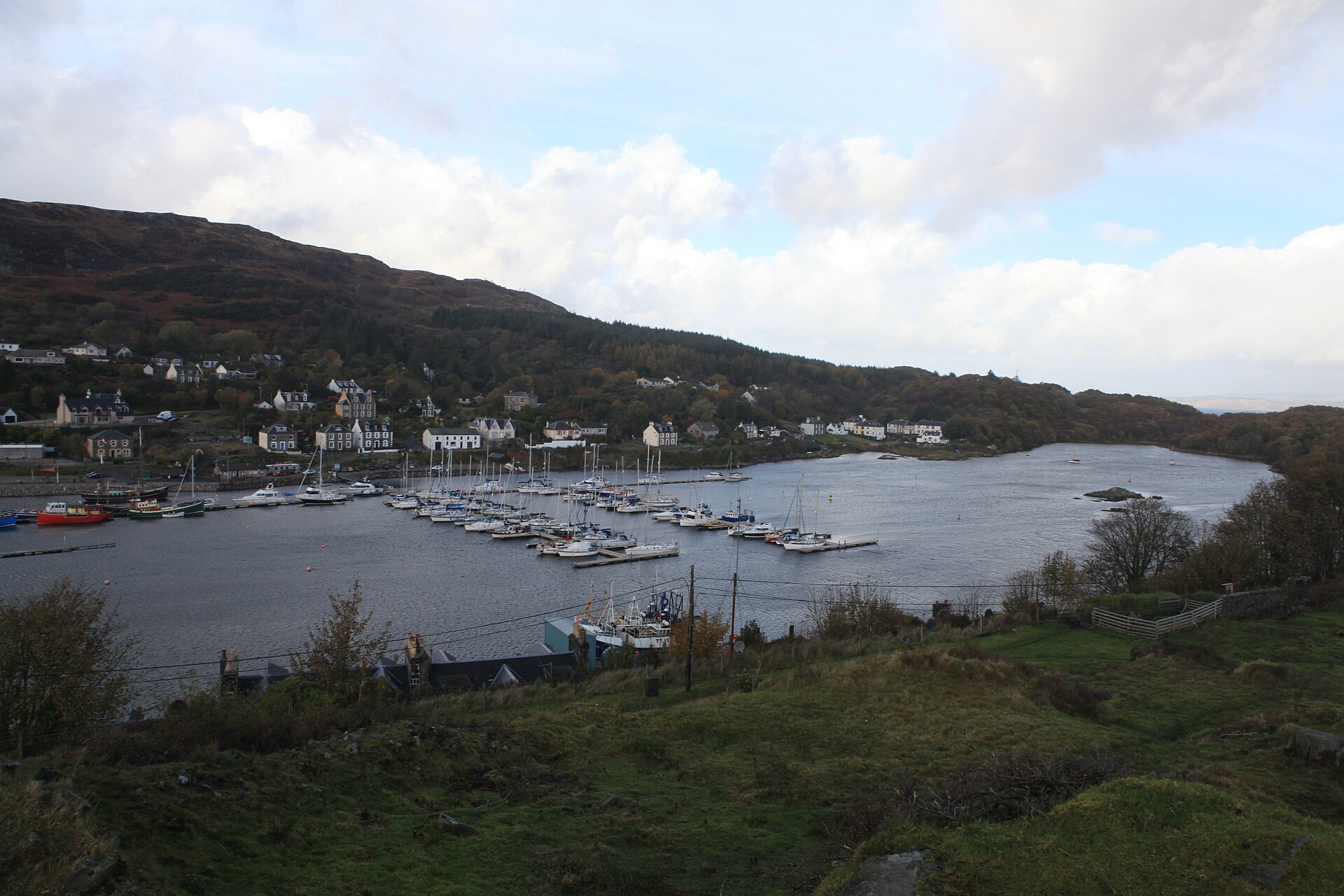
Fortified place · Medieval
Tarbert Castle
Argyll and Bute
A royal stronghold fought over for nearly a thousand years, from early-medieval burnings to a 1494 siege by a Scottish king, now looked after by th…
- Near Tarbert
- Some walking
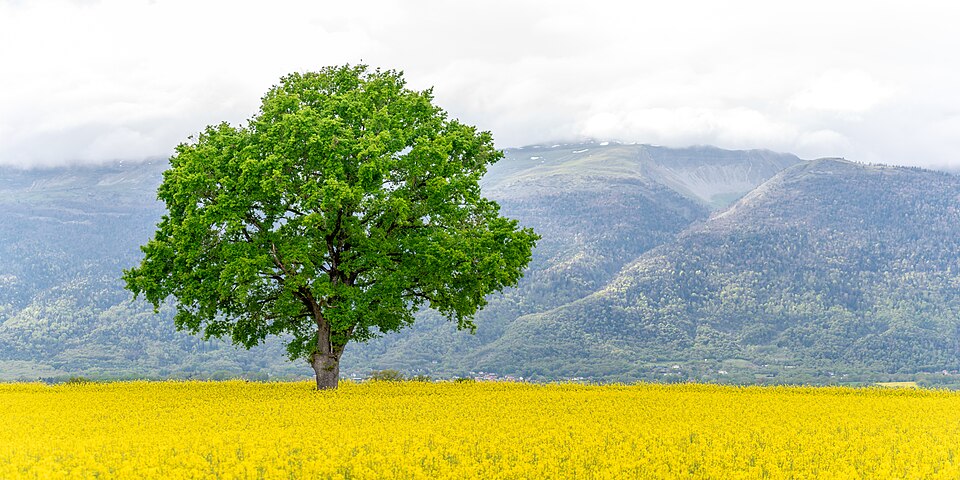
Fortified place · Medieval
Dùn a' Choin Duibh
Argyll and Bute
Its Gaelic name preserves a guardian-dog legend rather than any battle record, and its ridge commands an open sightline across four separate lands.
- Near Tobermory
- Rough ground
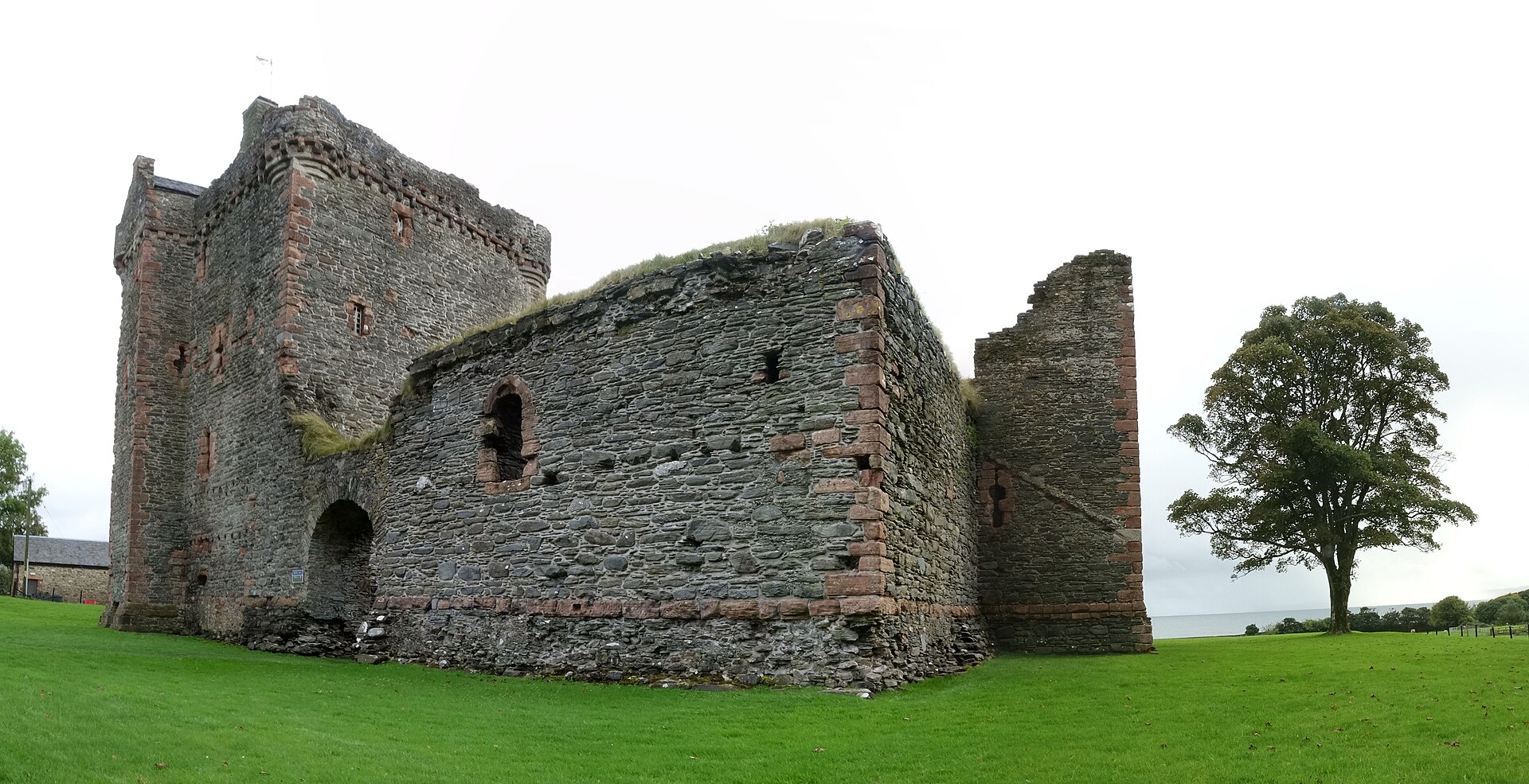
Fortified place · Medieval
Skipness Castle
Argyll and Bute
A working stronghold refortified across three centuries, ending its working life not by decay but under active siege in 1646: the last Scottish cas…
- Near Skipness
- Easy path
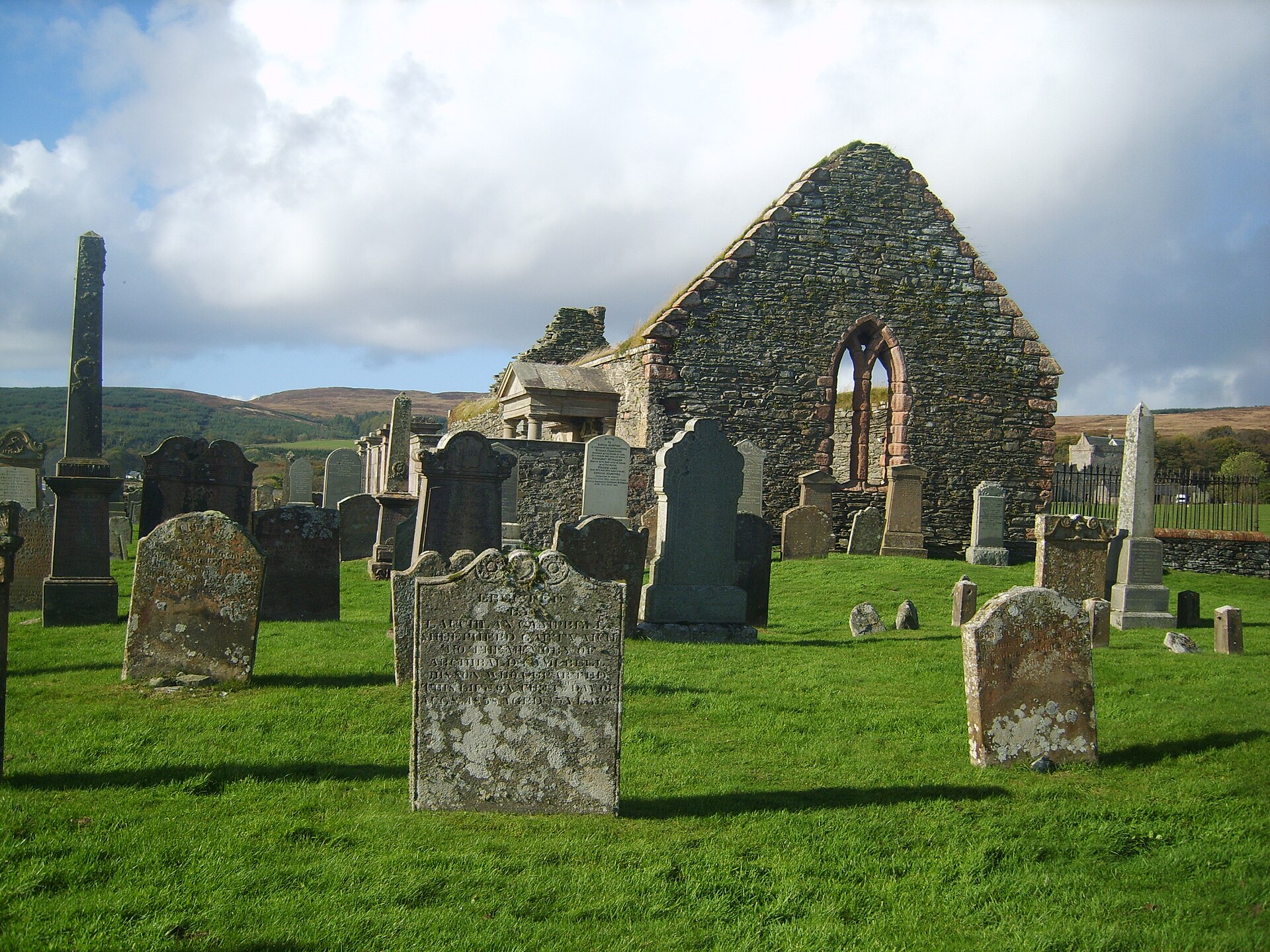
Building or ruin · Medieval
St Brendan's Chapel, Skipness
Argyll and Bute
A roofless chapel far larger than any other in Kintyre, standing beside five carved late medieval tombstones in a graveyard still used today.
- Near Skipness
- Easy path
Questions people ask
- What is the Avinagillan standing stone?
- A prehistoric menhir, a single upright stone, on the Kintyre Peninsula in Argyll and Bute, near the hamlet of Avinagillan.
- Where exactly is it located?
- It stands on the Kintyre Peninsula close to Avinagillan, within sight of the Kilbrannan Sound, which separates Kintyre from Arran.
- How old is the stone?
- No precise date survives. It belongs to the broader prehistoric tradition of standing stones raised across Scotland, though its own age is unrecorded.
- Has the stone been excavated or studied in detail?
- No excavation or detailed study is recorded. What is known is limited to its location, form, and classification as a menhir.
Sources
- Wikipedia: Avinagillan standing stone
- Wikidata: Avinagillan standing stone
- Megalithic Portal — Avinagillan standing stone
Explore more: Sacred places · Prehistoric · Argyll and Bute
The Ancient Codex, in your pocket
Get the Pocket Codex app
Carry the directory with you — Avinagillan standing stone and thousands of ancient places across Britain and Ireland, offline, wherever you roam.