
A working stronghold refortified across three centuries, ending its working life not by decay but under active siege in 1646 — the last Scottish castle to fall in that campaign of the Wars of the Three Kingdoms.
On the shore of Kilbrannan Sound, where the east coast of Kintyre looks across the water towards Arran, a squat rectangular tower and its curtain wall still command the narrow crossing point that made this stretch of coastline worth holding. The masonry has weathered to a soft grey, but the footprint left by successive builders is still legible on the ground: a core structure raised early, and additions bolted onto it as each generation’s needs and enemies changed.
Skipness Castle began as the stronghold of Clan MacSween in the early 13th century, guarding the sea route down the Kintyre peninsula at a time when control of the western seaboard was contested between Scottish, Norse and Hebridean lordships. Over the following three hundred years the castle was reworked rather than replaced, picking up new towers, ranges and defensive tweaks through the 13th, 14th and 16th centuries as it passed between different hands.
That long working life ran out only in the mid-17th century, and not from neglect: the castle was besieged during the Wars of the Three Kingdoms, and abandoned soon after. What survives today is the accumulated record of that whole span, standing beside the separately scheduled remains of Kilbrannan Chapel a short distance away.
What follows is drawn from published sources, with each claim labelled by how firmly it is established.
History
In the early 13th century Clan MacSween raised the main structure of Skipness Castle on the east coast of Kintyre, choosing a site that overlooked the Kilbrannan Sound and the sea approach along the peninsula. The castle they built formed the core around which every later addition was fitted, and its position reflects the importance of controlling this stretch of water rather than the land behind it.
Across the 13th, 14th and 16th centuries the castle was repeatedly refortified and extended, with later builders adding fortifications and other structures to the original MacSween core. Rather than being demolished and replaced, Skipness grew in layers, so that its walls carry the imprint of successive owners responding to changing military needs over some three hundred years.
In 1494 the castle was garrisoned with royal troops as part of King James IV's campaign to suppress the Lordship of the Isles, bringing Skipness directly into national politics rather than purely local rivalry. James IV appointed Duncan Forestar as keeper of the castle, placing a royal officer in charge of a stronghold that had begun as a clan seat.
In 1511 Archibald Campbell, 2nd Earl of Argyll, granted Skipness to his younger son, also named Archibald Campbell, folding the castle into the growing landholdings of the Campbell earls of Argyll during the century in which that family extended its authority across much of the western Highlands and Islands.
During the Wars of the Three Kingdoms, Skipness Castle was besieged in 1646 by forces under the command of Alasdair Mac Colla, the Royalist commander whose campaigns had already ranged widely across the western Highlands and Ireland. In the course of the siege, Alasdair's brother Gilleasbuig Mac Colla was killed in August 1646, making the attack on Skipness a costly one for the besieging family itself.
The castle was abandoned in the 17th century, its active military role ending in the aftermath of the 1646 siege and the wider settling of the Wars of the Three Kingdoms. It was left to stand, unaltered by later rebuilding, alongside the nearby remains of Kilbrannan Chapel.
People
-
Duncan Forestar
Appointed keeper of Skipness Castle by King James IV of Scotland in 1494, following the garrisoning of the castle with royal troops.
-
Archibald Campbell, 2nd Earl of Argyll
Granted Skipness Castle to his younger son, also called Archibald Campbell, in 1511, bringing the castle into Campbell hands.
-
Alasdair Mac Colla
Royalist commander who led the forces besieging Skipness Castle in 1646 during the Wars of the Three Kingdoms.
-
Gilleasbuig Mac Colla
Brother of Alasdair Mac Colla, killed in August 1646 during the siege of Skipness Castle.
-
James IV
Garrisoned Skipness with royal troops in 1494 during his campaign against the Lordship of the Isles.
Cultural influences
-
Kilbrannan Sound defence
The castle’s sea-facing position above Kilbrannan Sound shaped its role in controlling the coastal approach along Kintyre.
Connections
-
Kilbrannan Chapel
Stands close to Skipness Castle and is scheduled together with it as a single monument (SM13225) by Historic Environment Scotland.
-
Clan MacSween
Built the main structure of Skipness Castle in the early 13th century as their stronghold on the Kintyre coast.
-
Earls of Argyll (Clan Campbell)
Archibald Campbell, 2nd Earl of Argyll, granted Skipness to his son in 1511, bringing the castle into the Campbell family's western Highland holdings.
-
Lordship of the Isles
The 1494 royal garrisoning of Skipness took place during King James IV's campaign to suppress the Lordship of the Isles.
What to look for
-
The rectangular tower and curtain wall
The core MacSween-period tower and enclosing wall, positioned to overlook the Kilbrannan Sound and the sea route down the Kintyre coast.
-
Successive building phases
Additions and fortifications from the 13th, 14th and 16th centuries visible layered onto the original 13th-century core.
-
Kilbrannan Chapel
The ruined chapel standing near the castle, scheduled as part of the same monument.
Plan your visit
- Location
- 55.7680°N · 5.3364°W
- Nearest settlement
- Skipness
- Terrain
- Easy going
- Time needed
- About 45 minutes
- Best time
- Daylight, when the layered building phases and nearby chapel ruins can be seen clearly.
- What survives
- A substantial ruin retaining the MacSween-period core and later defensive additions.
- Facilities
- No dedicated visitor facilities are recorded at the castle.
Opening & admission
No current admission details are recorded — check Historic Environment Scotland's site before travelling.
- A scheduled monument (SM13225) with Historic Environment Scotland
Nearby places
Building or ruin · Medieval
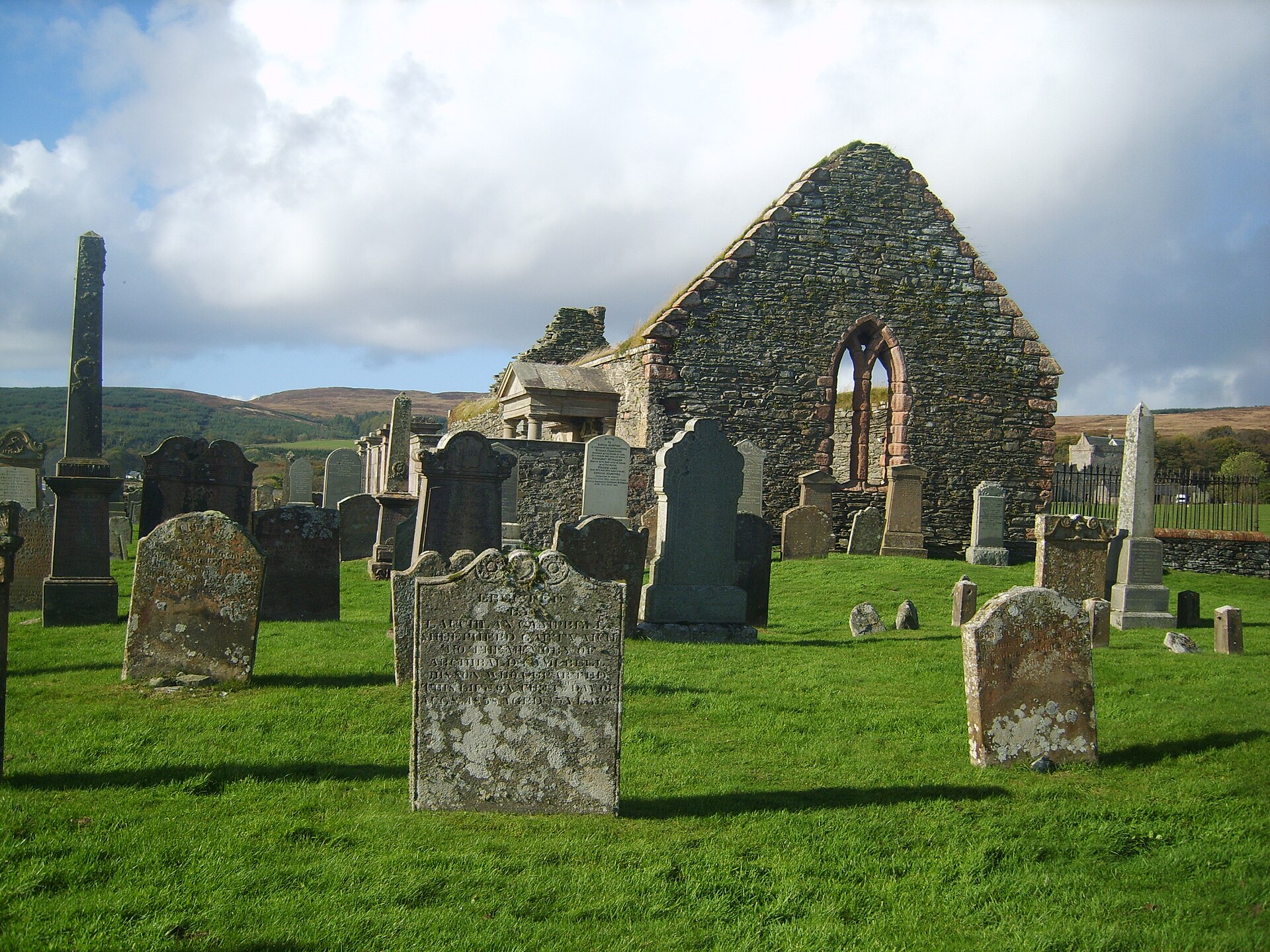
St Brendan's Chapel, Skipness
Argyll and Bute
A roofless chapel far larger than any other in Kintyre, standing beside five carved late medieval tombstones in a graveyard still used today.
- Near Skipness
- Easy path

Fortified place · Medieval
Lochranza Castle
North Ayrshire
Lochranza’s waterside tower links thirteenth-century lordship with Robert the Bruce’s reported 1306 landing, James IV’s island campaign and later a…
Fortified place · Medieval
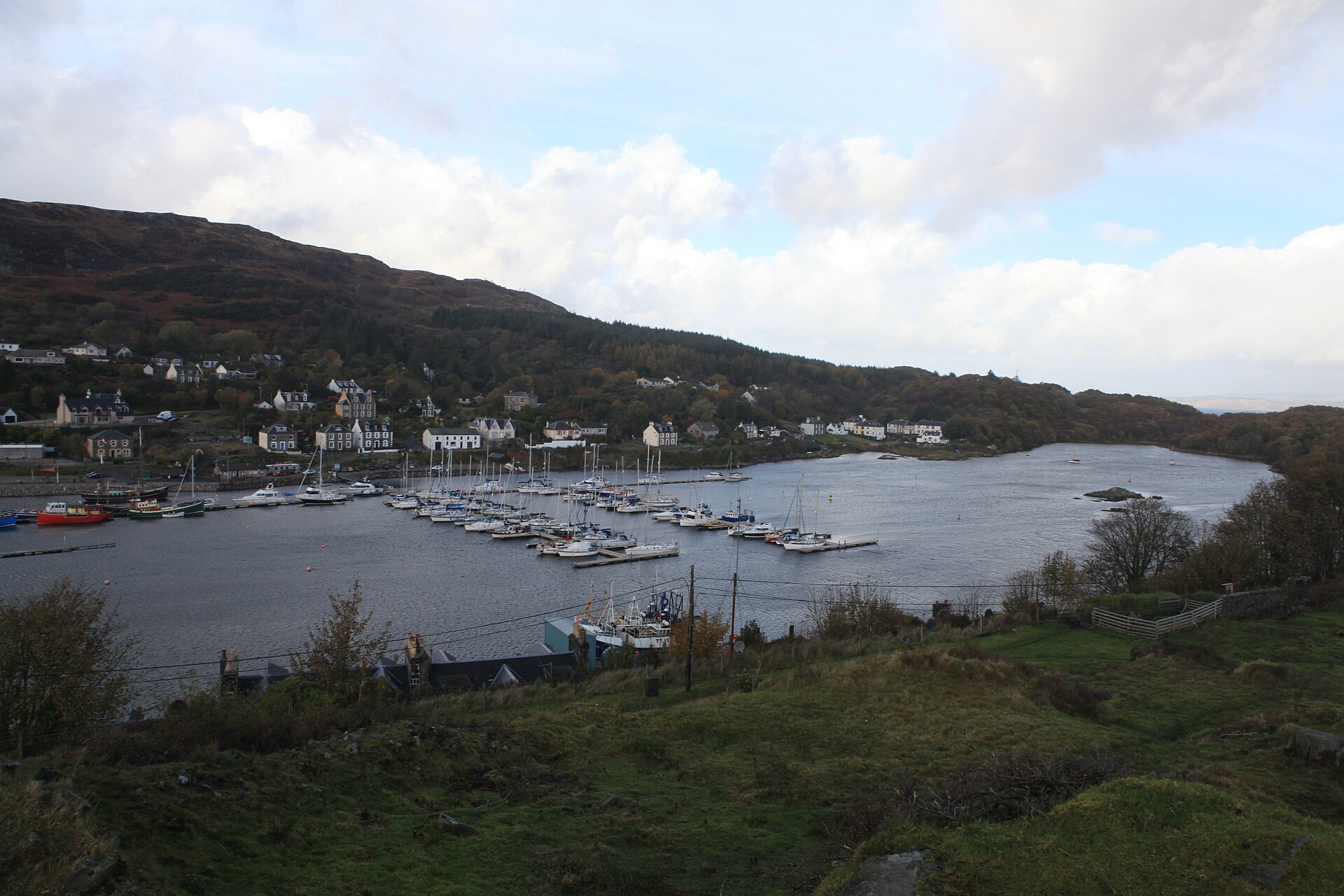
Tarbert Castle
Argyll and Bute
A royal stronghold fought over for nearly a thousand years, from early-medieval burnings to a 1494 siege by a Scottish king, now looked after by th…
- Near Tarbert
- Some walking
Sacred place · Prehistoric
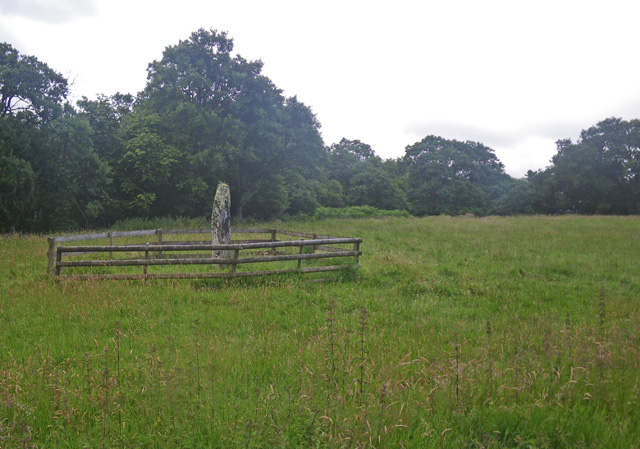
Avinagillan standing stone
Argyll and Bute
A solitary standing stone raised somewhere in prehistory, its silent presence over the Kintyre shoreline outlasting any record of who put it there…
- Near Campbeltown
- Easy path
Questions people ask
- Who built Skipness Castle?
- Clan MacSween built the main structure in the early 13th century, with later fortifications added by subsequent owners.
- What happened at Skipness Castle in 1646?
- It was besieged by forces under Alasdair Mac Colla during the Wars of the Three Kingdoms; his brother Gilleasbuig Mac Colla was killed in the siege.
- Who was Duncan Forestar?
- The keeper appointed by King James IV in 1494 after Skipness Castle was garrisoned with royal troops.
- When was Skipness Castle abandoned?
- It was abandoned in the 17th century, after the 1646 siege during the Wars of the Three Kingdoms.
- Is Skipness Castle a protected monument?
- Yes — it is a scheduled monument, listed jointly with the nearby Kilbrannan Chapel as SM13225.
Sources
- Wikipedia: Skipness Castle
- Historic Environment Scotland — Canmore
Explore more: Fortified places · Medieval · Argyll and Bute
The Ancient Codex, in your pocket
Get the Pocket Codex app
Carry the directory with you — Skipness Castle and thousands of ancient places across Britain and Ireland, offline, wherever you roam.