Lochranza’s waterside tower links thirteenth-century lordship with Robert the Bruce’s reported 1306 landing, James IV’s island campaign and later abandonment on Arran.
Lochranza Castle occupies a promontory at the head of Lochranza on northern Arran, where water, hills and a fortified tower house meet at close range. Its L-plan form and largely sixteenth-century fabric give the ruin a compact, defensive silhouette, while the site’s history reaches back to the thirteenth century. It is a place where the physical setting helps explain why successive owners valued a foothold on this part of the island.
The castle’s story moves through Scottish royal and aristocratic politics: the MacSweens, Walter Stewart, Robert II, James IV, the Hamiltons and later estate owners all figure in the record. It was associated with royal hunting, a campaign against the Lord of the Isles, seventeenth-century occupations and eventual eighteenth-century abandonment. Now cared for by Historic Scotland, it offers a tangible route into Arran’s connections with wider mainland and island power.
What follows is drawn from published sources, with each claim labelled by how firmly it is established.
History
The castle’s recorded history begins with the MacSweens in the thirteenth century. In 1262 King Alexander III granted the castle and its lands to Walter Stewart, Earl of Menteith. This transfer places Lochranza within the shifting patterns of royal patronage and lordship that shaped western Scotland, while its promontory position helps explain the strategic attraction of a defended base at the head of the loch.
Lochranza is associated in the source with Robert the Bruce, who is believed to have landed there in 1306 after returning from Ireland to pursue his claim to the Scottish throne. By 1371 the castle belonged to Robert II and may have served as a royal hunting lodge. These associations make the site a useful lens on how an Arran castle could participate in royal travel, refuge and recreation rather than functioning only as a local residence.
In the 1490s James IV used the castle during his campaign against the Lord of the Isles and Clan MacDonald. Later, Robert Montgomerie of Skelmorlie recovered it for the Marquess of Hamilton in 1600; it was occupied by the king in 1614 and used by Oliver Cromwell in the 1650s. The Hamilton family owned it by 1705, but it fell into disuse and was abandoned during the eighteenth century.
People
-
Robert the Bruce
Believed to have landed at Lochranza in 1306 on his return from Ireland to press his claim to the Scottish throne.
-
James IV
Scottish king associated with royal hunting at Lochranza Castle.
Cultural influences
-
James IV used Lochranza during his 1490s campaign against the Lord of the Isles and Clan MacDonald.
-
The castle’s owners and uses connect Arran with Scottish royal hunting and campaigns against the Lord of the Isles.
Connections
-
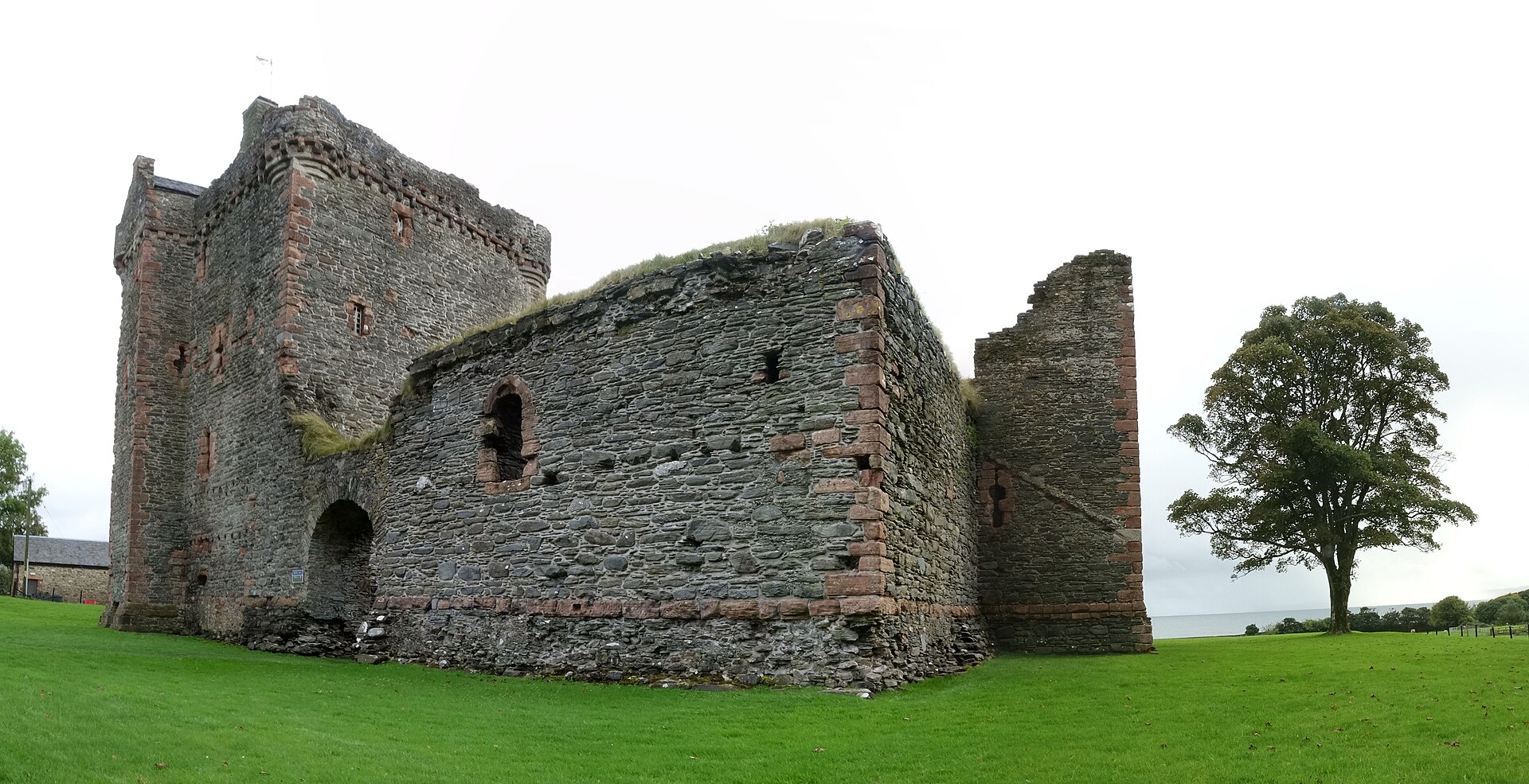
Photo: chdphd / Wikimedia Commons / CC BY-SA 4.0 Across the Kilbrannan Sound, Skipness has a similar hall-house; the two castles may share a 13th-century builder in Dougall MacSween.
-
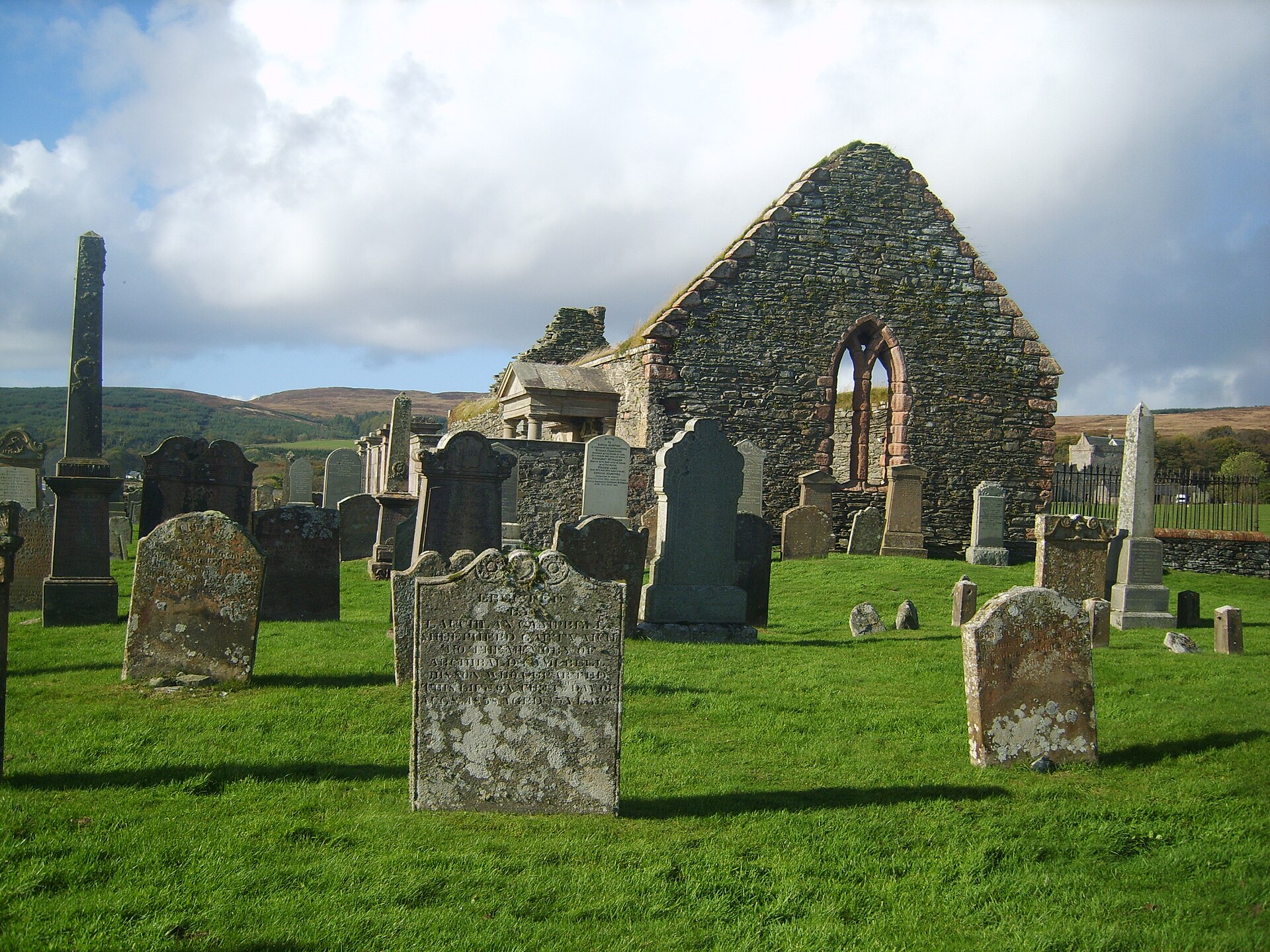
Photo: Calum Taylor / Wikimedia Commons / CC BY-SA 2.0 A medieval chapel in the same maritime landscape, providing ecclesiastical context for Lochranza’s island stronghold.
-

Photo: Sir Gawain / Wikimedia Commons / CC BY-SA 3.0 Another Arran castle, offering a regional comparison for the island’s medieval lordship and defensive sites.
In culture
-
Dom Joly and the Black Island
The castle appeared in Channel 4’s 2010 programme, where it was presented as Kisimul Castle on Barra.
What to look for
-
The L-plan tower
Look at the L-plan arrangement of the fortified tower house. Most of the visible structure dates from the sixteenth century, so the form provides a direct starting point for considering how the castle was remade long after its thirteenth-century origins.
-
The promontory
Take in the promontory setting at Lochranza. The castle’s placement at the head of the loch is central to its character: the building reads against water and surrounding northern Arran hills rather than as an isolated inland tower.
-
The changing owners
Notice the compact, vertical massing of the ruin and imagine its role within a series of changing owners. The MacSweens, Stewarts, Scottish kings, Hamiltons and Blackwood-Davidsons connect the fabric to several different political and estate contexts.
-
The western seaways
Use the site to think about movement through the western seaways. The record links it to Bruce’s reported landing, James IV’s island campaign and seventeenth-century military occupation, all of which give its waterside location historical weight.
-
The abandonment
Look for the contrast between the defended medieval and early modern form and the later condition of abandonment. By the eighteenth century the castle was no longer in use; its present preservation in Historic Scotland’s care represents a further stage in the building’s long afterlife.
What is said
Folklore and tradition, recorded as what is said — not as established fact.
-
Bruce’s landing
Tradition associates Lochranza with Robert the Bruce’s 1306 return from Ireland before he renewed his struggle for the Scottish crown.
Plan your visit
- Location
- 55.7053°N · 5.2903°W
- Time needed
- About 45 minutes
- Best time
- Visit in daylight and dry conditions, when the castle ruins and loch setting can be viewed safely.
- What survives
- Roofless medieval castle ruins stand on a narrow peninsula projecting into Loch Ranza.
- Facilities
- No dedicated visitor facilities are documented at the ruins; plan to use facilities in nearby settlements.
Opening & admission
Free to visit.
- Open daily 9.30am–5.30pm from 1 April to 30 September; last entry 30 minutes before closing.
- Closed 1 October to 31 March; check Historic Environment Scotland for unexpected closures.
Nearby places
Building or ruin · Medieval
St Brendan's Chapel, Skipness
Argyll and Bute
A roofless chapel far larger than any other in Kintyre, standing beside five carved late medieval tombstones in a graveyard still used today.
- Near Skipness
- Easy path
Fortified place · Medieval
Skipness Castle
Argyll and Bute
A working stronghold refortified across three centuries, ending its working life not by decay but under active siege in 1646: the last Scottish cas…
- Near Skipness
- Easy path

Fortified place · Medieval
Brodick Castle
North Ayrshire
A Norse-named stronghold on the Clyde approaches, seized and re-seized by Norwegian kings, Bruce's lieutenants, Campbell raiders and Cromwell's gun…
Fortified place · Medieval
Kilmory Castle, Bute
Argyll and Bute
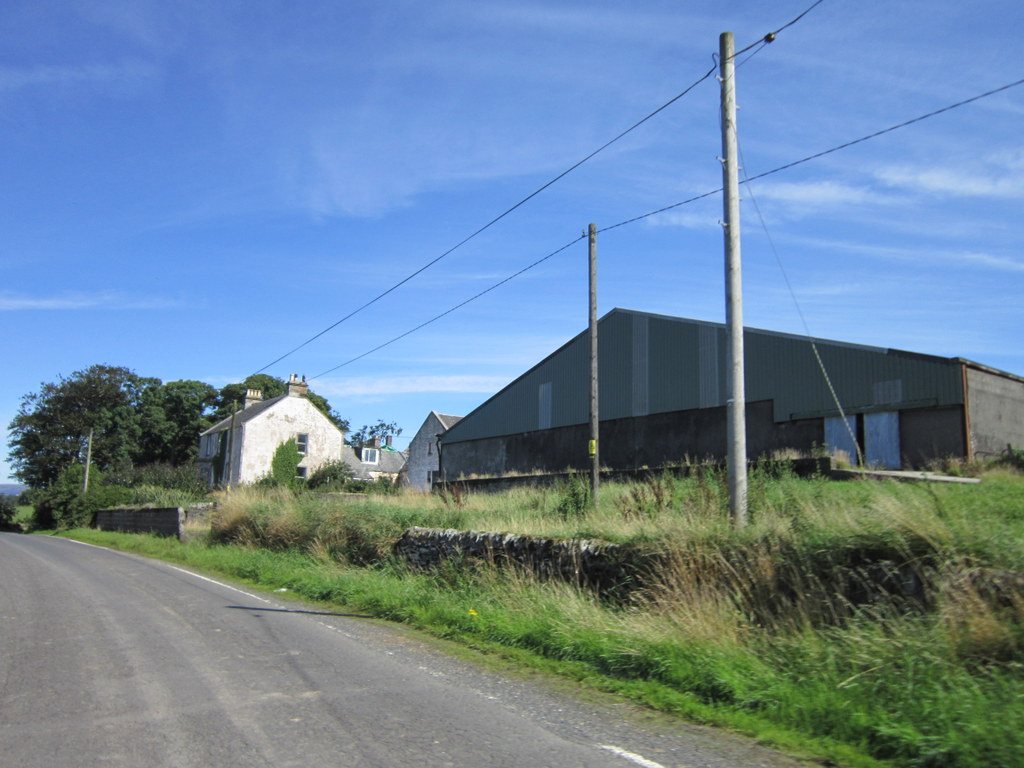
Its nickname, Crowner's Castle, preserves the memory of a hereditary legal office: coroner of Bute: held by one family for generations.
- Near Meikle Kilmory
- Some walking
The setting
Near Lochranza Castle, about 16 metres away.
Photo: Stephen McKay / Wikimedia Commons / CC BY-SA 2.0
Near Lochranza Castle, about 24 metres away.
Photo: James T M Towill / Wikimedia Commons / CC BY-SA 2.0
Near Lochranza Castle, about 36 metres away.
Photo: Rob Farrow / Wikimedia Commons / CC BY-SA 2.0
Near Lochranza Castle, about 43 metres away.
Photo: Scotia / Wikimedia Commons / CC BY 3.0
Questions people ask
- When was Lochranza Castle built?
- The castle dates from the thirteenth century, though most of the structure visible today was built in the sixteenth century.
- Did Robert the Bruce visit Lochranza Castle?
- It is believed that Robert the Bruce landed at Lochranza in 1306 after returning from Ireland to claim the Scottish throne.
- Who looks after Lochranza Castle today?
- The castle is in the care of Historic Scotland.
Sources
The Ancient Codex, in your pocket
Get the Pocket Codex app
Carry the directory with you — Lochranza Castle and thousands of ancient places across Britain and Ireland, offline, wherever you roam.