Its nickname, Crowner's Castle, preserves the memory of a hereditary legal office — coroner of Bute — held by one family for generations.
Broken masonry at Meikle Kilmory marks the stone tower that once watched Bute’s east coast. The building was already a ruin by the eighteenth century; fragments now survive where the tower stood.
Locally the site carries three names — Kilmory Castle, Kilmorie Castle, and Crowner’s Castle — the last a direct reference to the family who lived there. The castle was built in the 15th century as the residence of the Jamiesons of Kilmorie, who held the hereditary office of coroner of Bute, a position that gave the family both standing and a working title now etched into the building’s popular name.
The remains are protected today as a secular listed building, recognising the surviving stonework as a fragment of the island’s medieval settlement pattern even though little of the original structure still stands.
What follows is drawn from published sources, with each claim labelled by how firmly it is established.
The name
The name Crowner's Castle derives from the Scots term for coroner, reflecting the Jamiesons' hereditary office of coroner (crowner) of Bute — the officer responsible for holding inquests on the island.
History
In the 15th century a stone tower house was raised at Meikle Kilmory on the Isle of Bute to serve as the residence of the Jamiesons of Kilmorie, a family who held the hereditary office of coroner, or crowner, of Bute. The castle's alternative name, Crowner's Castle, records this inherited legal role, distinguishing the building from the many other tower houses built across the island during the same period.
By the 18th century the castle had already fallen out of use and stood as a ruin, its walls abandoned long before later antiquarians began systematically recording Bute's historic buildings. No later rebuilding or reoccupation of the site is recorded, and the remains have survived into the present largely as a fixed ruin rather than a continuously inhabited structure. In recognition of its surviving fabric, the ruin at Meikle Kilmory was later designated a listed building under Scotland's heritage protection system, a status applied to secular structures of historic interest even where, as here, only partial masonry remains above ground.
People
-
The Jamiesons of Kilmorie
The family who lived here and held the hereditary office of coroner of Bute, which is why the ruin is also called Crowner's Castle.
Connections
-
Meikle Kilmory
The place on Bute where the castle stands, and the source of the family name attached to it.
-
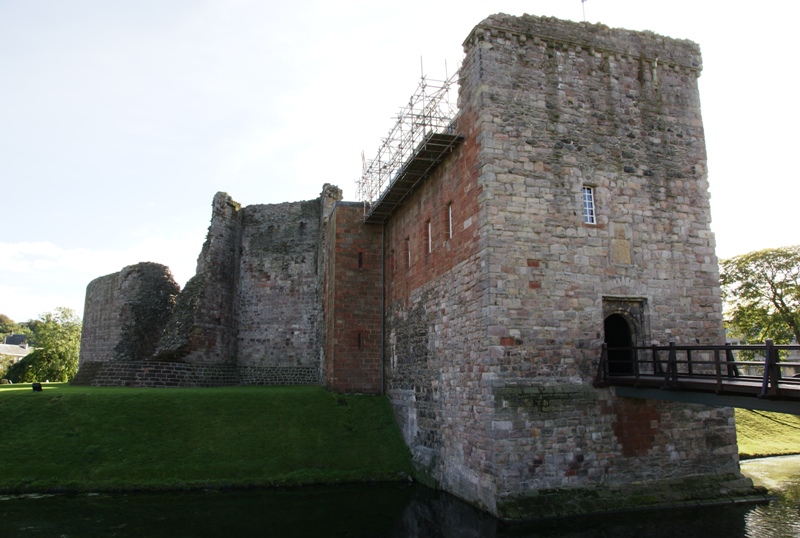
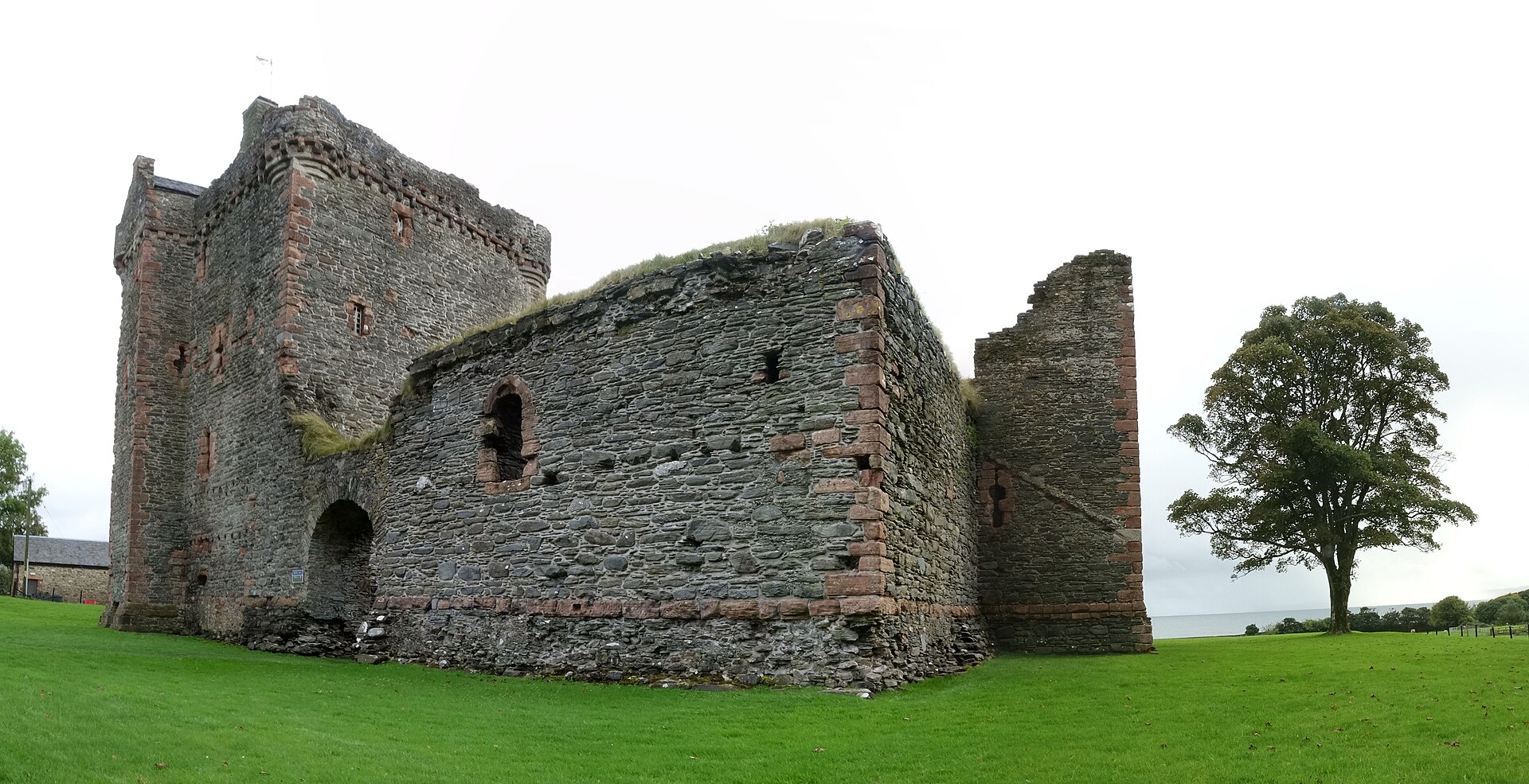
Photo: Otter / Wikimedia Commons / CC BY-SA 3.0 The principal stronghold of Bute, against which this smaller fifteenth-century house shows the scale of ordinary island gentry building.
-
Isle of Bute
The island the castle sits on, whose administration the Jamiesons held office within.
What to look for
-
Surviving masonry
Fragments of stone walling at Meikle Kilmory mark the footprint of the former tower house, though little of the original structure rises above ground level today.
Plan your visit
- Location
- 55.8043°N · 5.1117°W
- Nearest settlement
- Meikle Kilmory
- Terrain
- Moderate walking
- Time needed
- About 15 minutes
- What survives
- Only fragments of the former fifteenth-century tower house survive above ground.
Opening & admission
No current admission details are recorded — check with the local landowner or council before visiting.
- The remains are a ruin on private farmland at Meikle Kilmory and no public access route is documented.
Nearby places
Fortified place · Medieval
Rothesay Castle
Argyll and Bute
A huge circular curtain wall, some 42 metres in diameter and originally around 7.9 metres high, still stands on a low mound above the town of Rothe…
- Some walking
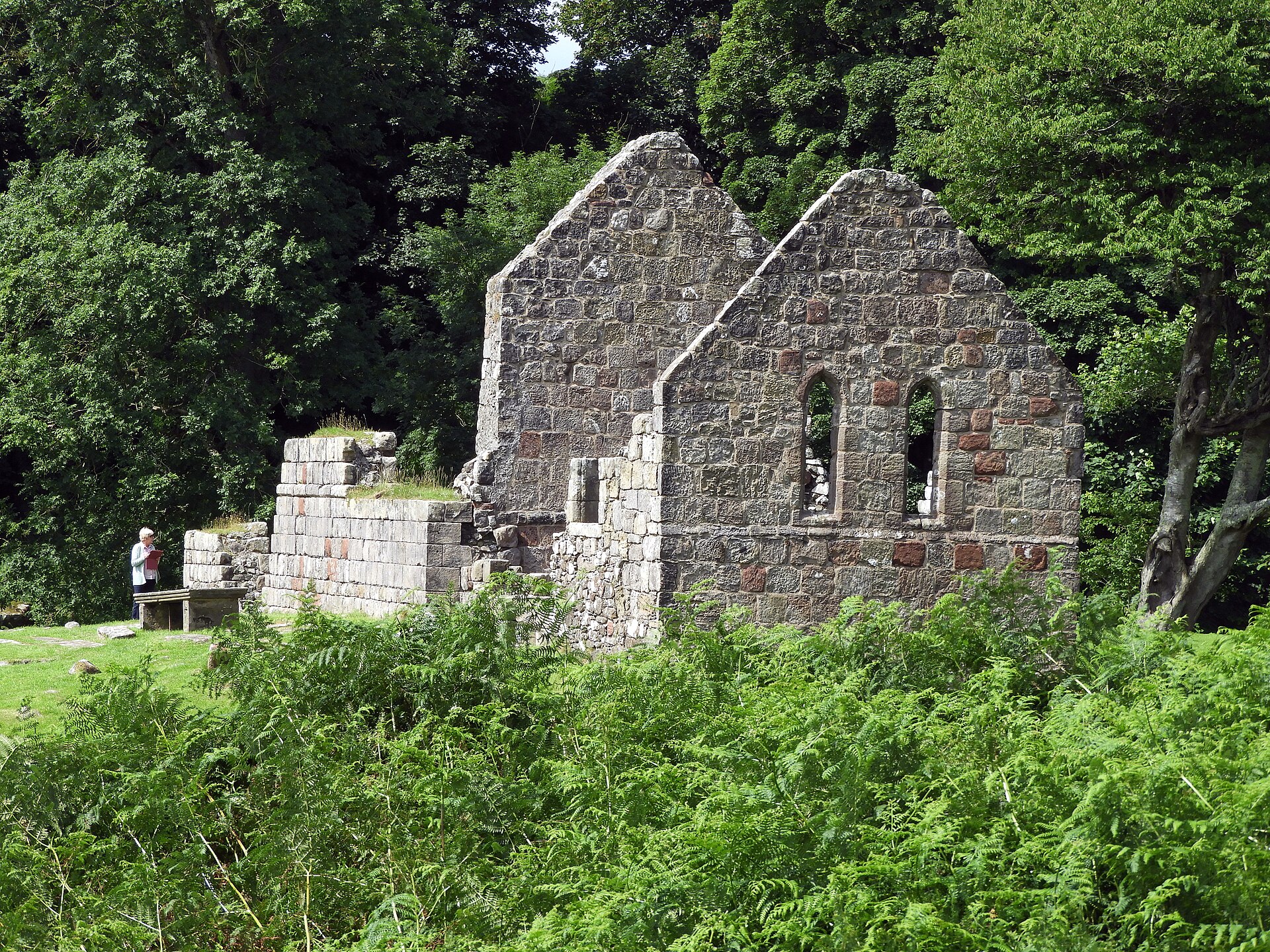
Building or ruin · Medieval
St Blane's Church
Argyll and Bute
Its identity was forged not by an ancient founding but by two centuries of Scottish church schism and reunion, condensed into a single Dunblane bui…
- Near Dunblane
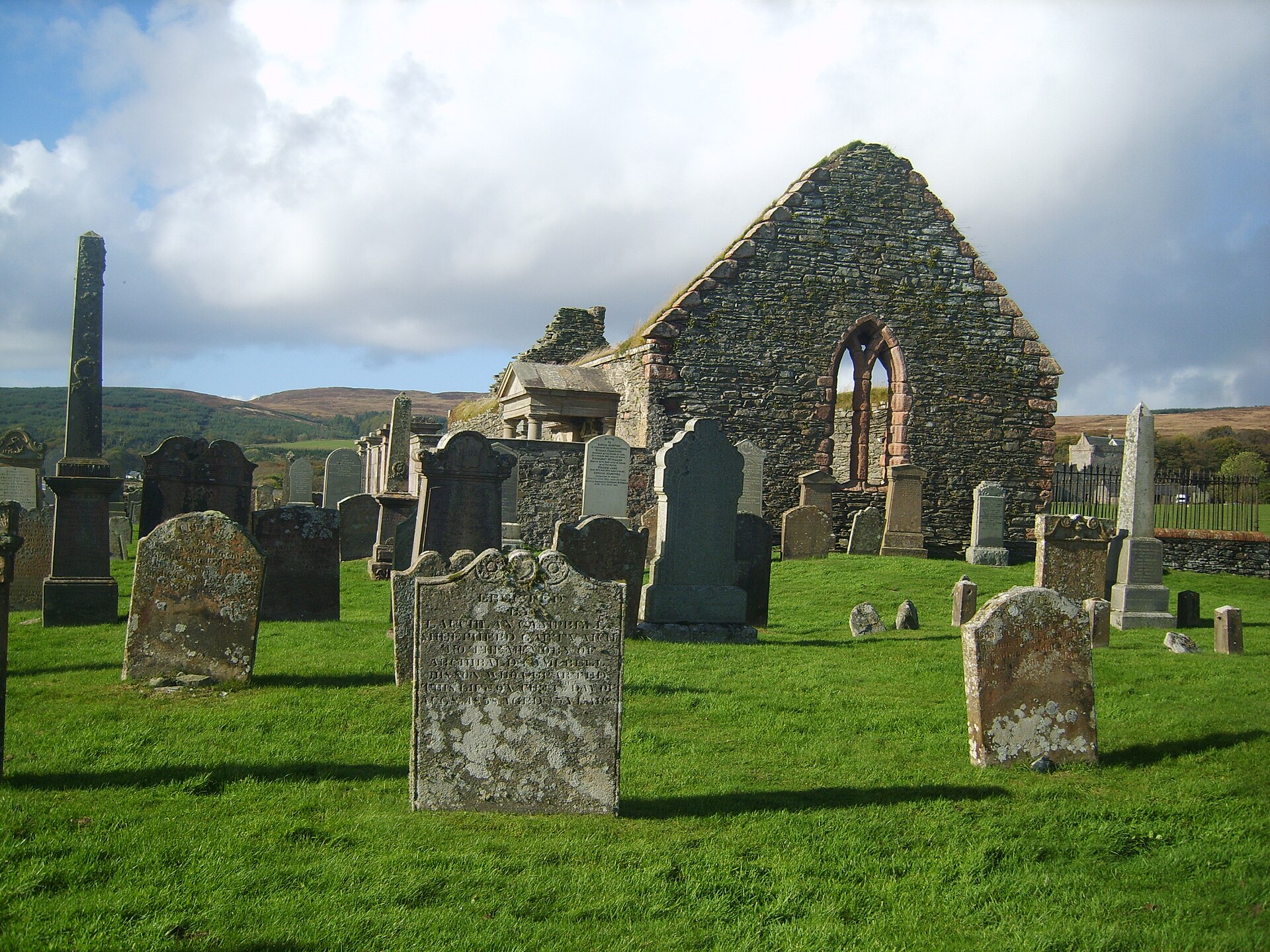
Building or ruin · Medieval
St Brendan's Chapel, Skipness
Argyll and Bute
A roofless chapel far larger than any other in Kintyre, standing beside five carved late medieval tombstones in a graveyard still used today.
- Near Skipness
- Easy path
Fortified place · Medieval
Skipness Castle
Argyll and Bute
A working stronghold refortified across three centuries, ending its working life not by decay but under active siege in 1646: the last Scottish cas…
- Near Skipness
- Easy path
Questions people ask
- What is Kilmory Castle?
- It is the ruin of a 15th-century castle at Meikle Kilmory on the Isle of Bute, once the residence of the Jamiesons of Kilmorie.
- Why is it also called Crowner's Castle?
- The name refers to the Jamiesons of Kilmorie, who held the hereditary office of coroner (crowner) of Bute while living at the castle.
- Who lived at Kilmory Castle?
- The Jamiesons of Kilmorie, hereditary coroners of Bute, occupied the castle as their family residence.
- When did Kilmory Castle fall into ruin?
- It was already a ruin by the 18th century, well before modern heritage recording of Bute's historic buildings began.
- Is Kilmory Castle protected today?
- Yes, the ruins are designated as a secular listed building, recognising the surviving stonework as historically significant.
Sources
The Ancient Codex, in your pocket
Get the Pocket Codex app
Carry the directory with you — Kilmory Castle, Bute and thousands of ancient places across Britain and Ireland, offline, wherever you roam.