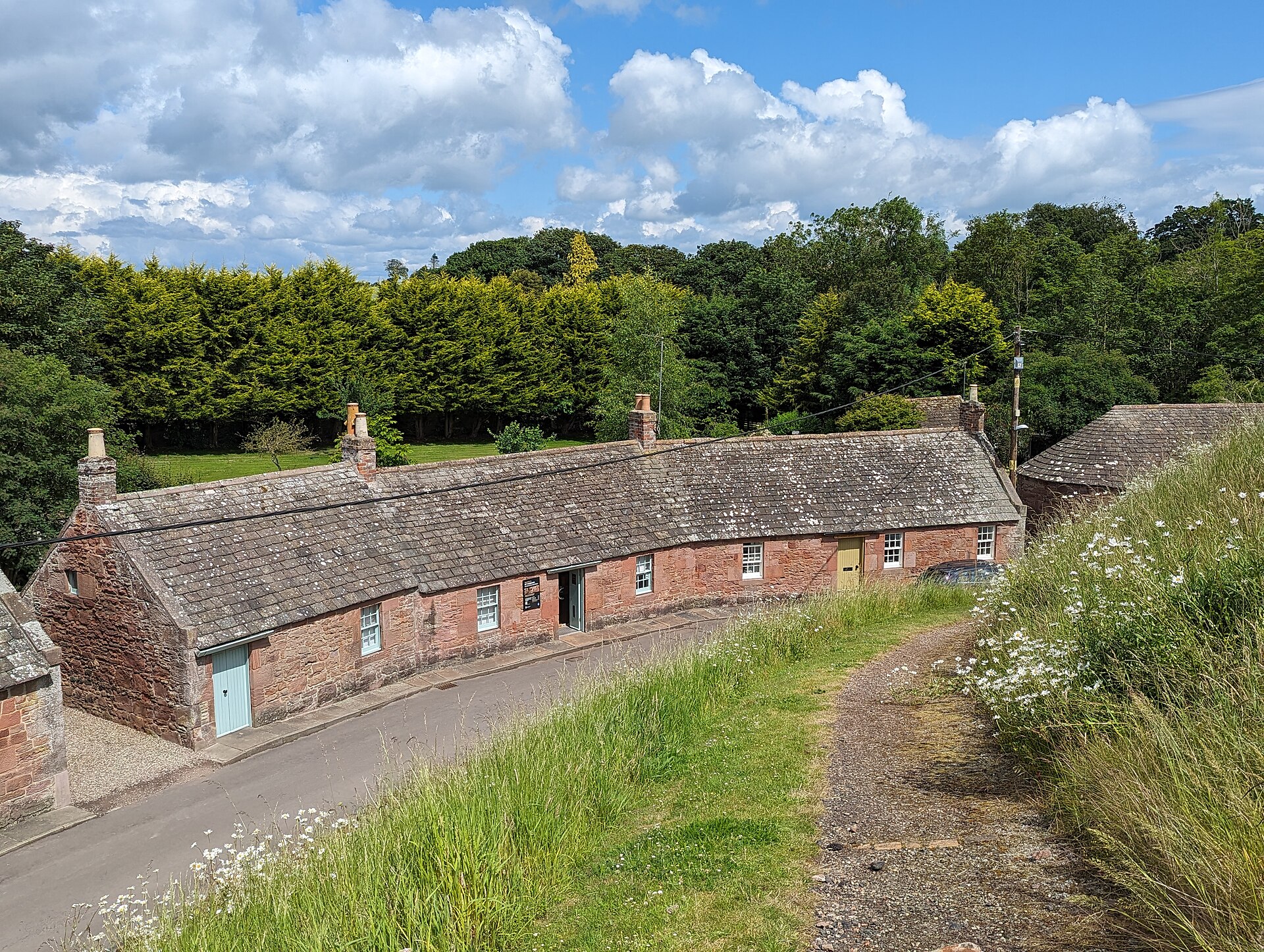
Two plain sandstone cottages beside an Angus church hold 38 carved Pictish (of the Picts, the people of northern and eastern Scotland from about AD 300 to 900) stones, including a 9th-century slab bearing a cross on one face and Pictish symbols with a Latin-script inscription on the other.
Inside two unassuming 19th-century cottages in the Angus village of St Vigeans sits one of the densest collections of Pictish carved stone anywhere in Scotland — 38 pieces, all recovered from a single grassy mound a few steps away. Visitors walking in off the street are met not by a grand ruin but by a room of quiet slabs, each one a fragment of a community that carved its beliefs and its politics into stone more than a thousand years ago.
The centrepiece is the Drosten Stone, a flat rectangular slab carved in the 9th century with a cross on one face and, on the reverse, a cluster of Pictish symbols alongside an inscription cut in Latin script — a rare instance of the Picts’ own carved symbol tradition appearing directly beside lettered text. The stones once stood upon the mound on which St Vigeans’ parish church still stands, a rise that had already been the centre of a royal estate and the site of a monastery founded in the 8th century, long before the present 12th-century church was built on top of it.
What survives today is essentially a rescued archive: stone that might otherwise have been broken up, built into walls, or lost, gathered instead into two adjoining sandstone cottages next to the churchyard and placed under Historic Scotland’s care. The building itself, a category B listed structure, is a modest container for a genuinely significant hoard of early medieval carving.
What follows is drawn from published sources, with each claim labelled by how firmly it is established.
History
During the 8th century St Vigeans became the site of a monastery, founded at a place that already functioned as the centre of a royal estate in the Early Middle Ages. The combination of royal and religious authority on the same low mound set the pattern for centuries of activity that followed, with the mound itself becoming the focus of building, worship and carving long before any of the surviving stones were cut.
In the 9th century, carvers working at or connected to St Vigeans produced the slab now known as the Drosten Stone, cutting a cross into one face and, on the reverse, a set of Pictish symbols paired with an inscription in Latin script. The stone is one of dozens eventually associated with the mound, together forming what is now the largest collection of its kind gathered at a single Scottish site.
Across the centuries that followed, further carved stones, crosses and sculptural fragments were produced and set up on or around the same mound, gradually building up the body of material that would eventually total 38 pieces. Their original arrangement on the mound is no longer known, but their survival as a single group, rather than scattered or lost, is unusual for Pictish carving of this period.
In the 12th century a new church was raised at St Vigeans directly on top of the earlier mound, a rise some 40 feet (12 metres) high that had already carried centuries of religious and secular significance. Building the medieval parish church on this spot, rather than beside it, meant that the carved stones from earlier centuries remained bound up with the fabric and ground of the church for hundreds of years afterwards.
By the 19th century two adjoining sandstone cottages had been built close to the church, structures that would later be repurposed to house the carved stones once they were recognised as a collection worth preserving and displaying rather than left dispersed through the church mound and its fabric. Those cottages are now a category B listed building in their own right.
In the modern era the collection of 38 stones, including the Drosten Stone, passed into the care of Historic Scotland, which manages the museum in the two cottages and publishes the visitor guide to the site. The result is a single, accessible room holding what had previously been scattered fragments of St Vigeans' royal and monastic past.
Connections
-
St Vigeans Church
The carved stones on display were originally part of the fabric of the parish church and the mound it stands on, and the church itself stands immediately next to the museum today.
-
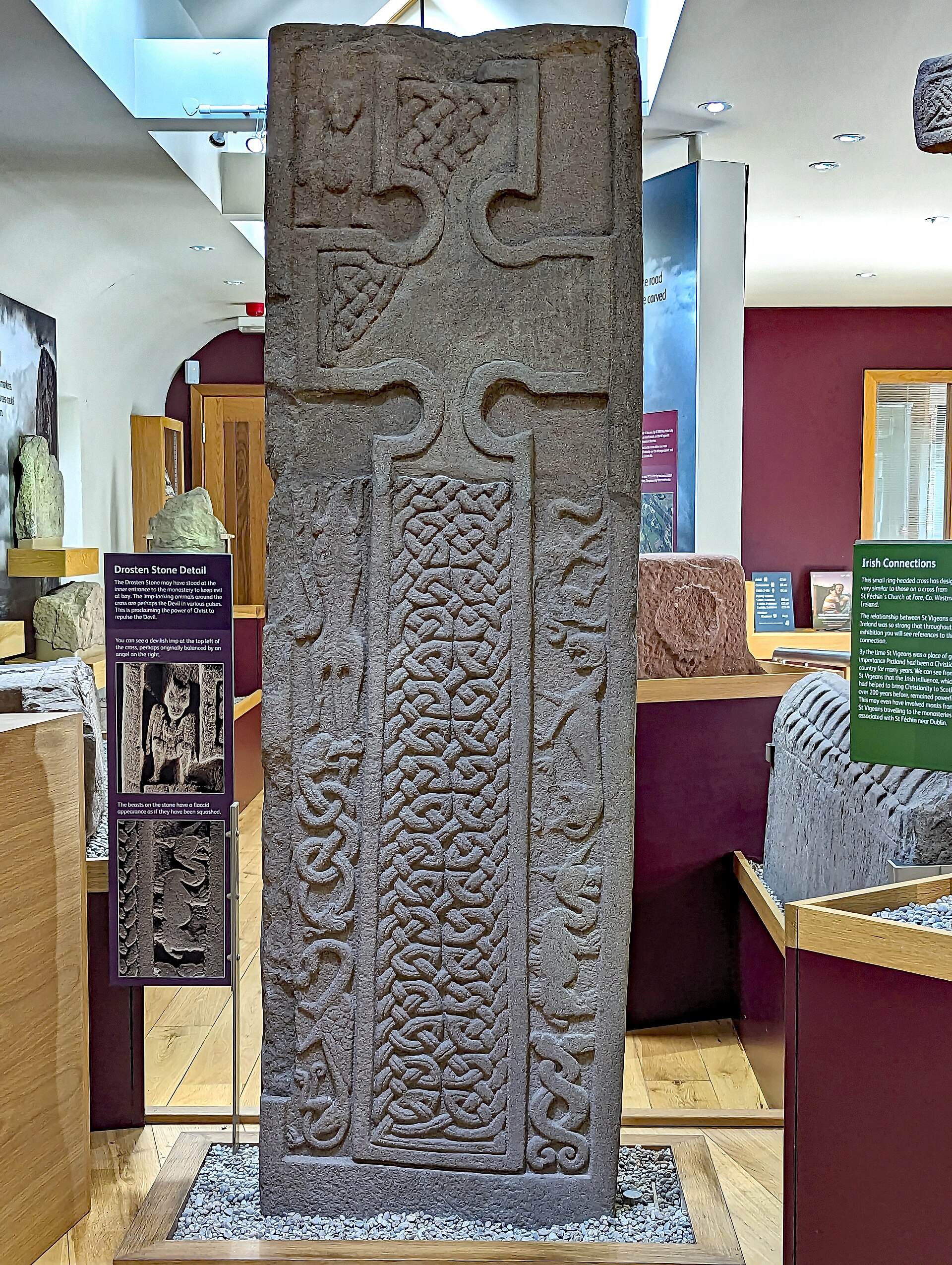
Photo: PaulT (Gunther Tschuch) / Wikimedia Commons / CC BY-SA 4.0 The museum’s centrepiece is a ninth-century Pictish slab, carved with a cross, symbols and a Latin-script inscription, recovered from the St Vigeans church mound.
In culture
-
The museum collection
The museum presents 38 Pictish carved stones gathered from the St Vigeans church mound, preserving the collection as a public display rather than leaving the pieces dispersed through the church fabric and grounds.
What to look for
-
The Drosten Stone
A 9th-century flat rectangular slab carved with a cross on one face and, on the other, Pictish symbols alongside an inscription in Latin script.
-
The wider stone collection
38 carved stones in total, all formerly set upon the old church mound, now gathered in one display.
-
The church mound
A rise around 40 feet (12 metres) high on which the present church was built in the 12th century, and which held the carved stones for centuries.
-
The museum cottages
Two adjoining 19th-century sandstone cottages, a category B listed building, standing close to the church.
Plan your visit
- Location
- 56.5770°N · 2.5904°W
- Nearest settlement
- St Vigeans
- Access
- Paid entry — managed visitor site
- Terrain
- Easy going
- Time needed
- About 60 minutes
- Best time
- Visit during the published museum opening hours, since the original stones are preserved indoors.
- What survives
- A museum collection of 38 Pictish carved stones, including the Drosten Stone, is displayed in two converted nineteenth-century sandstone cottages.
- Facilities
- The museum provides the relevant visitor facilities; check the official page for current opening arrangements.
Opening & admission
Managed as a visitor attraction with a museum building; check the Historic Environment Scotland site for current admission and opening details.
- Housed in two adjoining sandstone cottages next to St Vigeans Church
- Level village setting, easy access
Nearby places
Carved stone · Pictish & early medieval
Drosten Stone
Angus
One of the few Pictish (of the Picts, the people of northern and eastern Scotland from about AD 300 to 900) stones datable to a precise reign, its…
- Near St Vigeans
- Easy path
Sacred place · Medieval
Arbroath Abbey
Angus
In 1320 the Declaration of Scottish Independence: the Declaration of Arbroath: is believed to have been drafted here by Abbot Bernard, Chancellor o…
- Near Arbroath
- Easy path
Fortified place · Medieval
Ethie Castle
Angus
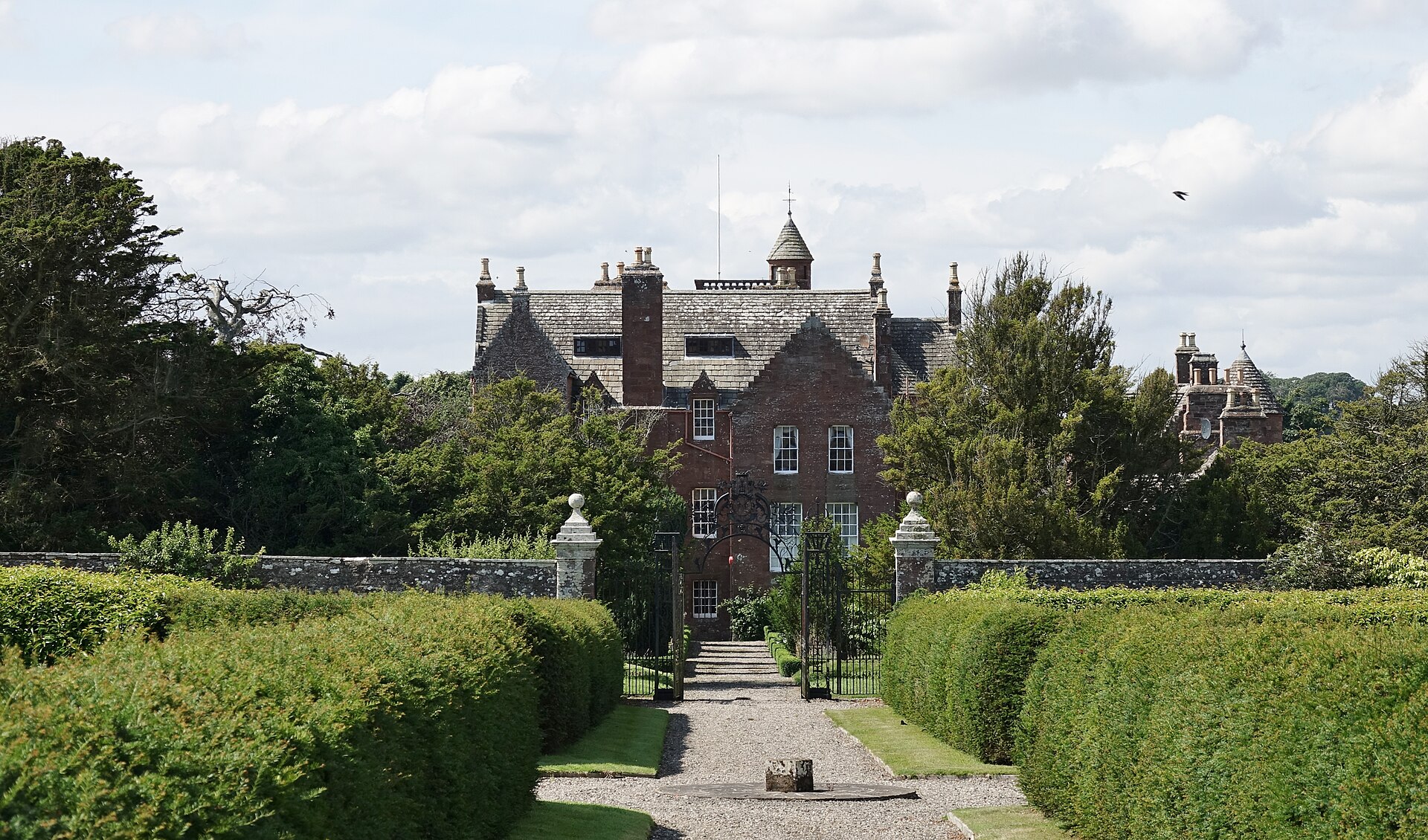
A working seat still lived in by a clan chief, Ethie carries the Trafalgar arms of an admiral earl and the murdered cardinal who once held it.
Carved stone · Pictish & early medieval
Camus Cross
Angus
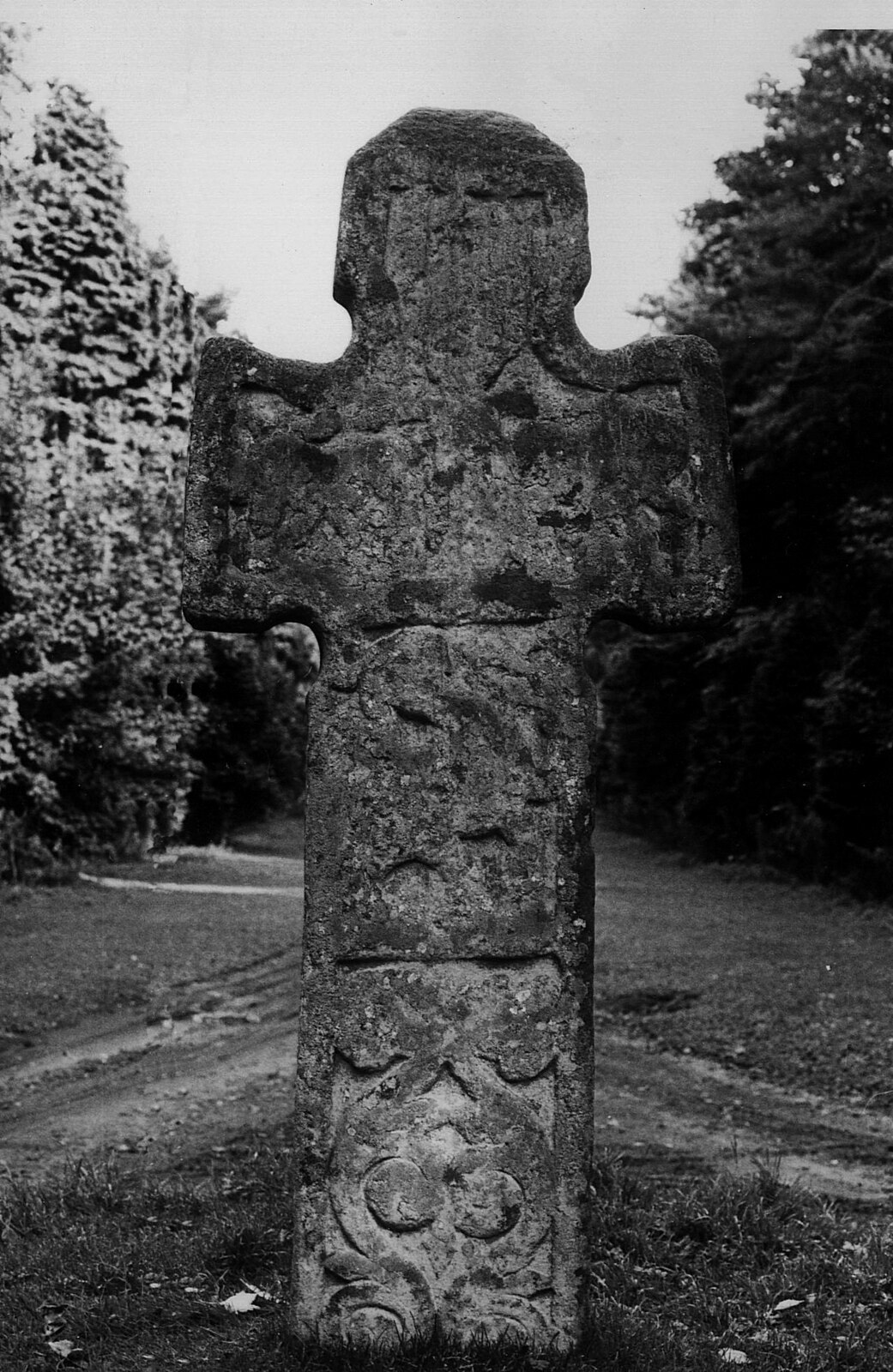
One of only two intact freestanding crosses surviving in eastern Scotland, its carving points to Irish monastic influence rather than the Viking le…
- Easy path
Questions people ask
- What is the Drosten Stone?
- A 9th-century carved slab with a cross on one face and Pictish symbols plus a Latin-script inscription on the other, part of the St Vigeans collection.
- How many carved stones are on display?
- 38 carved stones, all formerly standing upon the old church mound at St Vigeans, are displayed in the museum.
- Where is the museum housed?
- In two adjoining 19th-century sandstone cottages close to St Vigeans Church, a category B listed building.
- Who manages St Vigeans Sculptured Stones Museum?
- Historic Scotland manages the museum and publishes its visitor guide.
- Why was St Vigeans significant in the Early Middle Ages?
- It was the centre of a royal estate and the site of a monastery founded in the 8th century, before the present 12th-century church was built on the same mound.
Sources
- Wikipedia: St Vigeans Sculptured Stones Museum
- Historic Environment Scotland — Visitor Guide
Explore more: Carved stones · Pictish & early medieval · Angus
The Ancient Codex, in your pocket
Get the Pocket Codex app
Carry the directory with you — St Vigeans Sculptured Stones Museum and thousands of ancient places across Britain and Ireland, offline, wherever you roam.