Carved stone · Pictish & early medieval
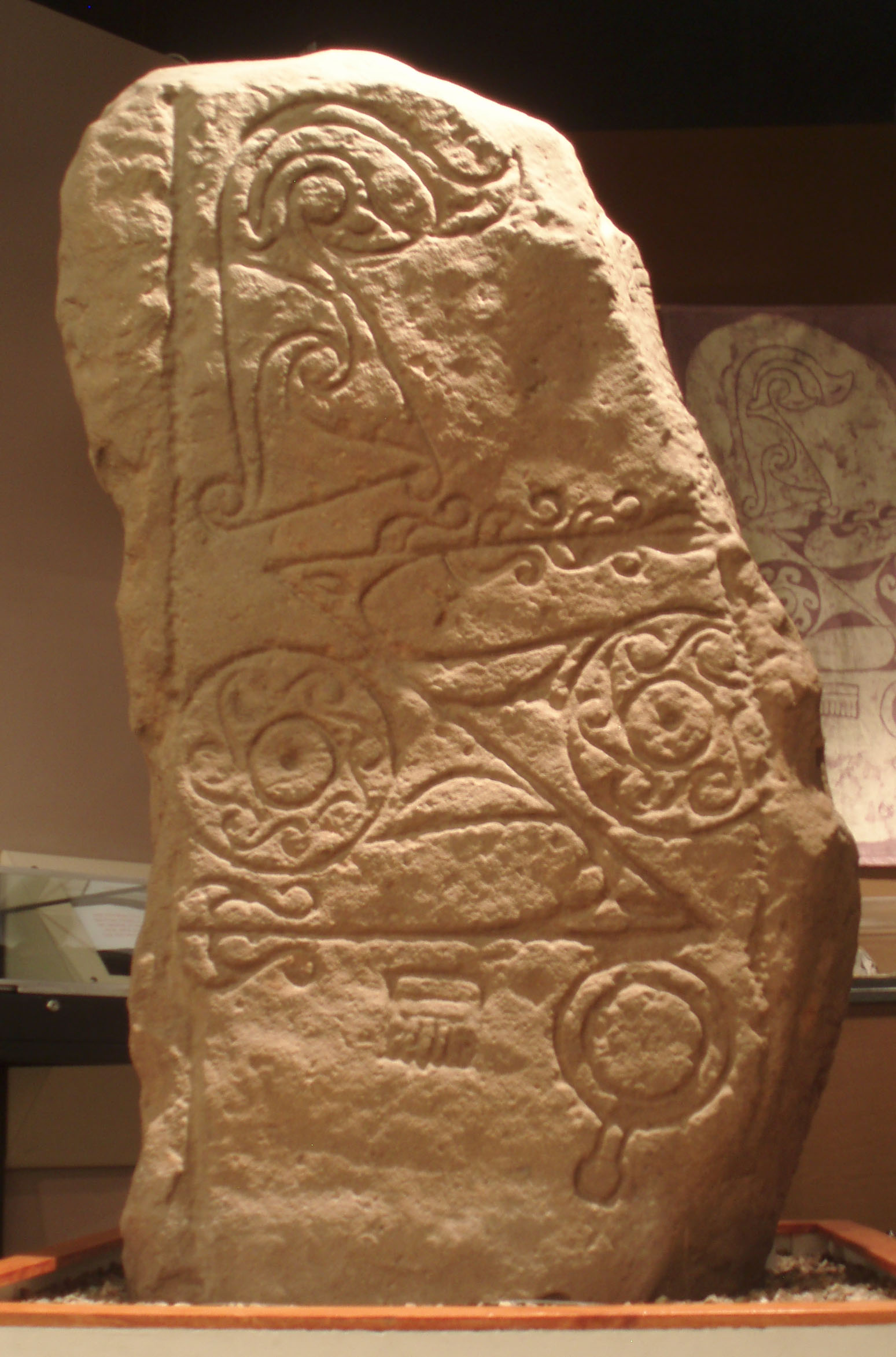
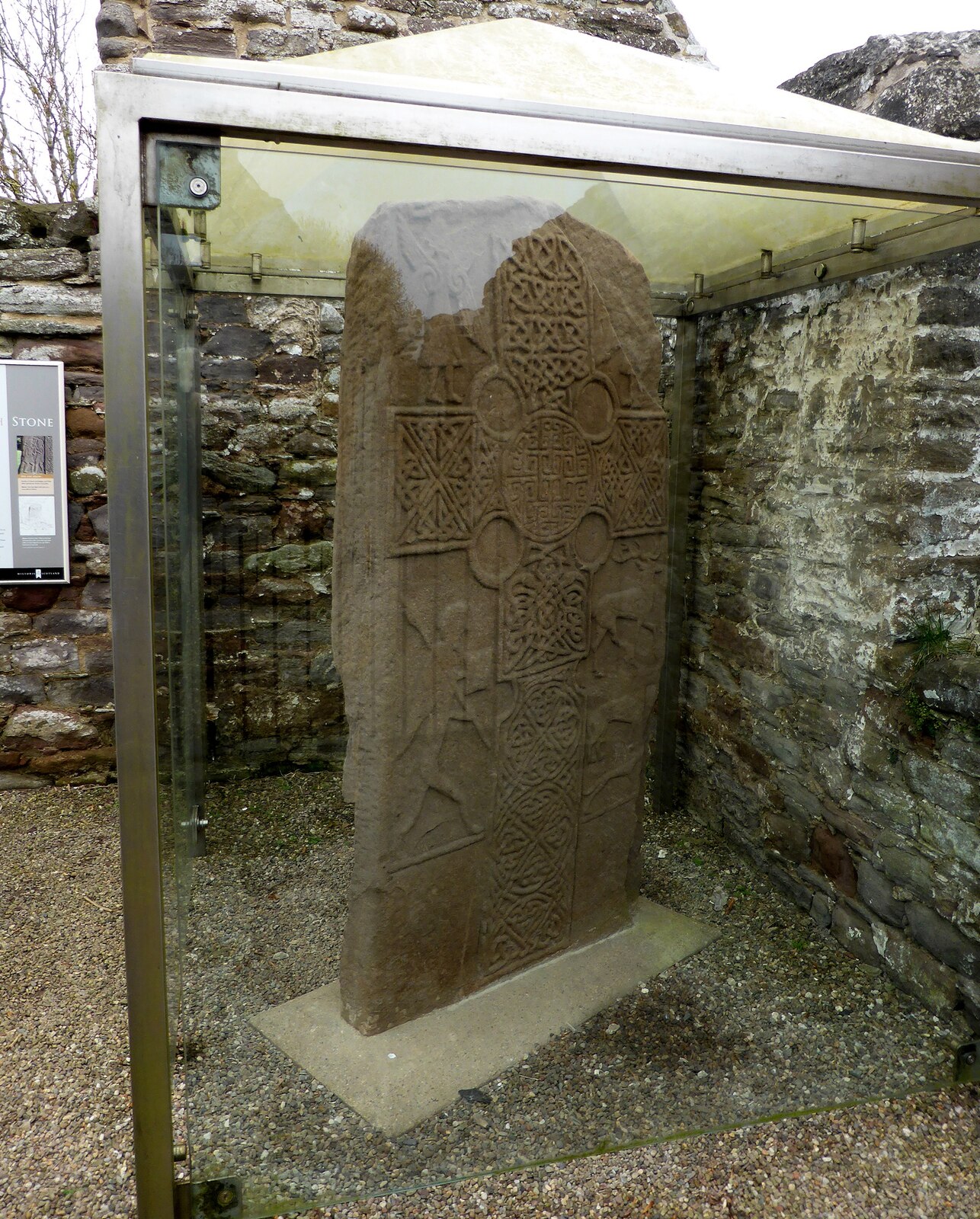
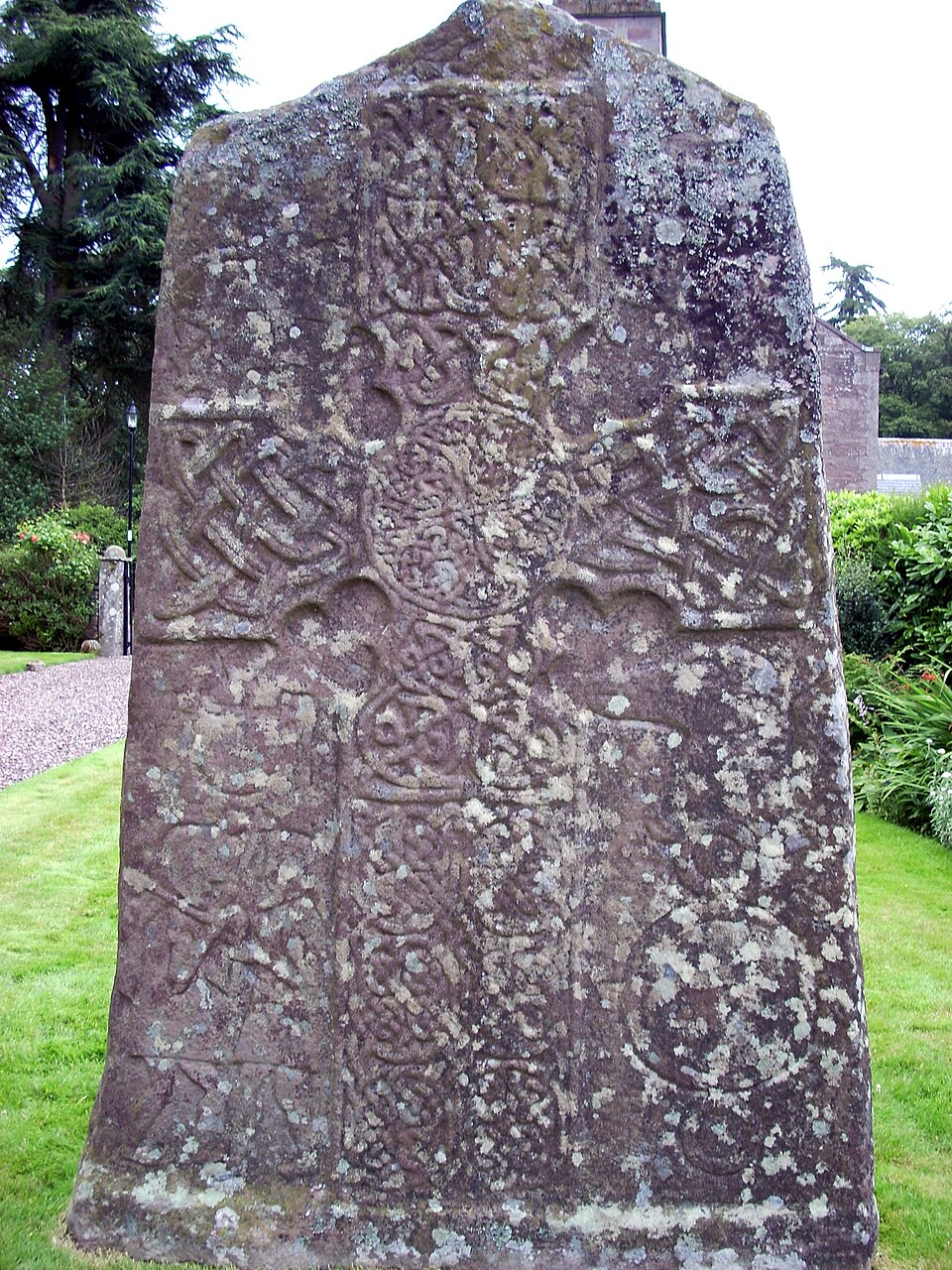
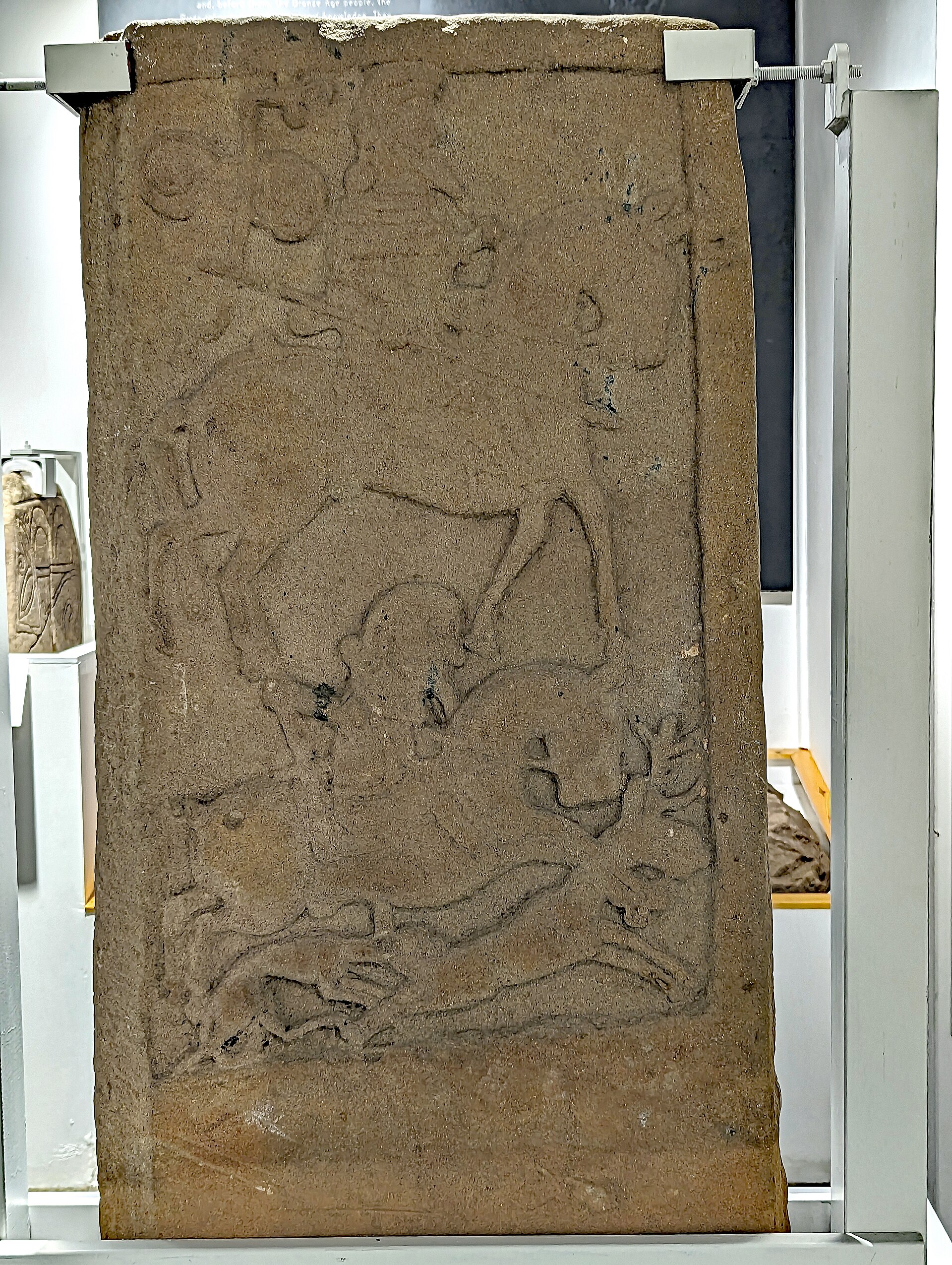
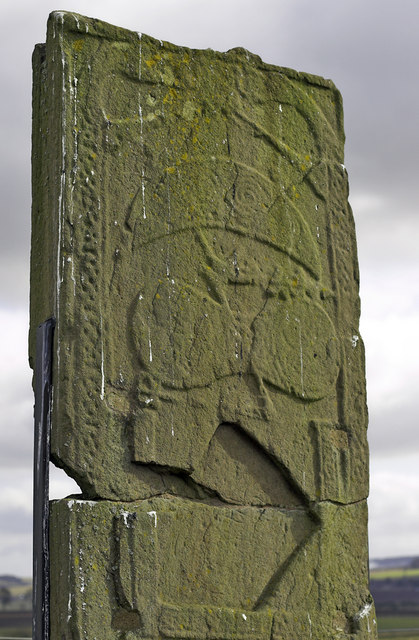
Glamis Manse Stone
Angus
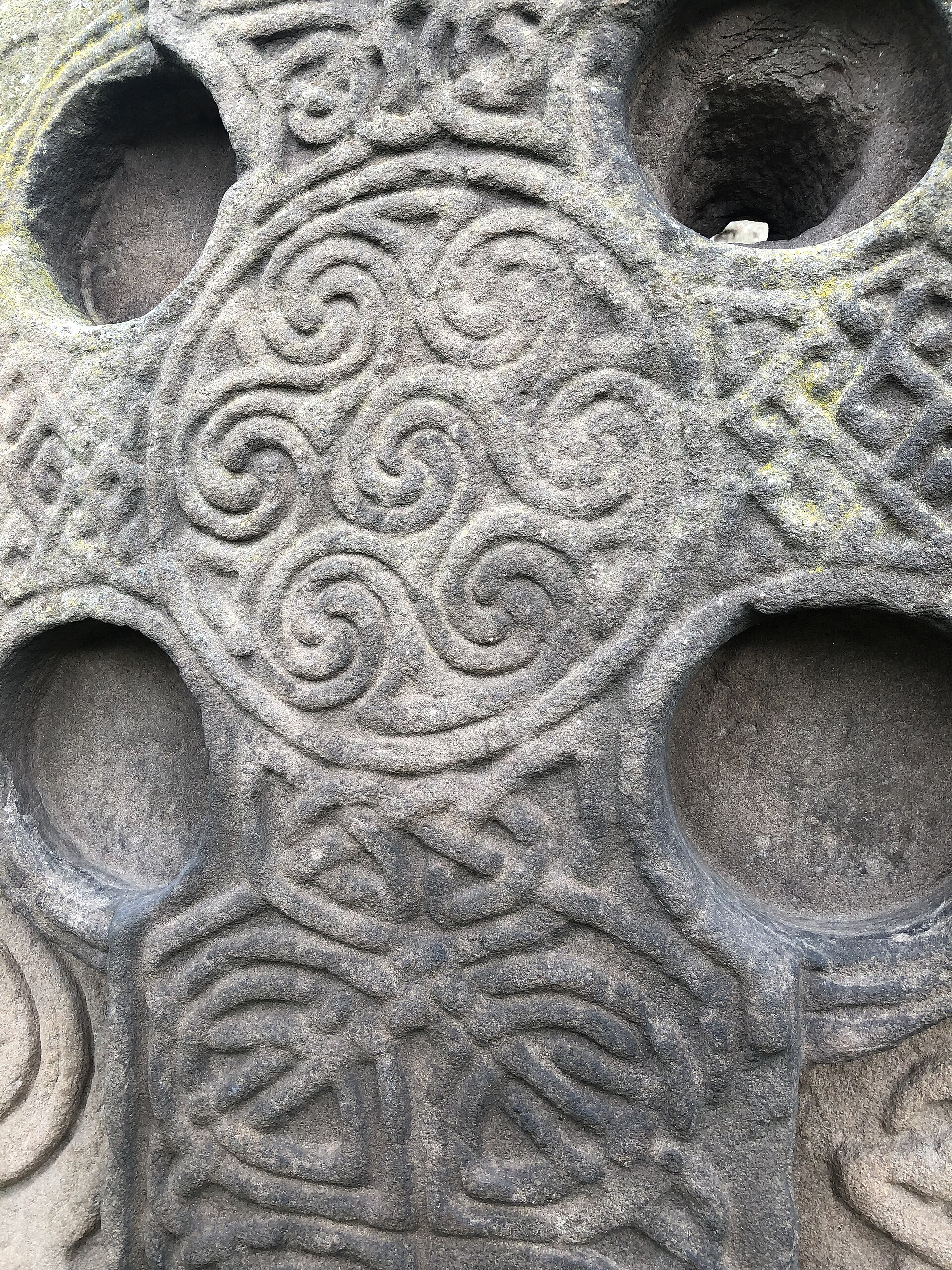
One of the most crowded cross faces in Pictish sculpture: axe-fighters, a cauldron with legs dangling from it, and a centaur share the stone with a…
- Easy path
Scotland · Region
27 places in Angus, from the deepest prehistory to the medieval world.
Carved stone · Pictish & early medieval
Angus
One of the most crowded cross faces in Pictish sculpture: axe-fighters, a cauldron with legs dangling from it, and a centaur share the stone with a…
Carved stone · Pictish & early medieval
Angus
The stones were carved during the height of Pictish (of the Picts, the people of northern and eastern Scotland from about AD 300 to 900) power in A…
Building or ruin · Pictish & early medieval
Angus
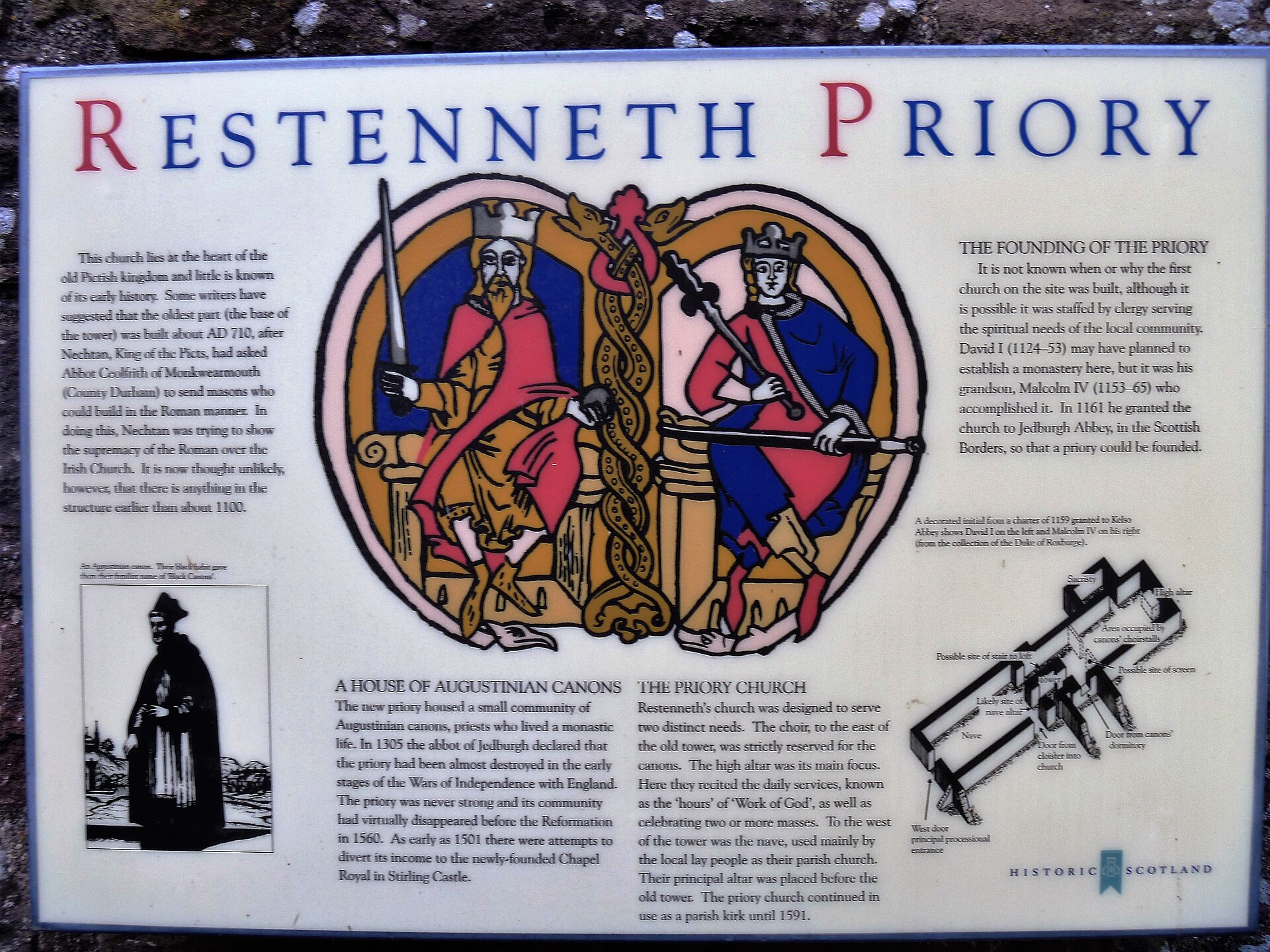
Restenneth Priory was a monastic house of Augustinian canons founded by Jedburgh Abbey, under the patronage of King Malcolm IV of Scotland, in 1153…
Carved stone · Prehistoric
Angus
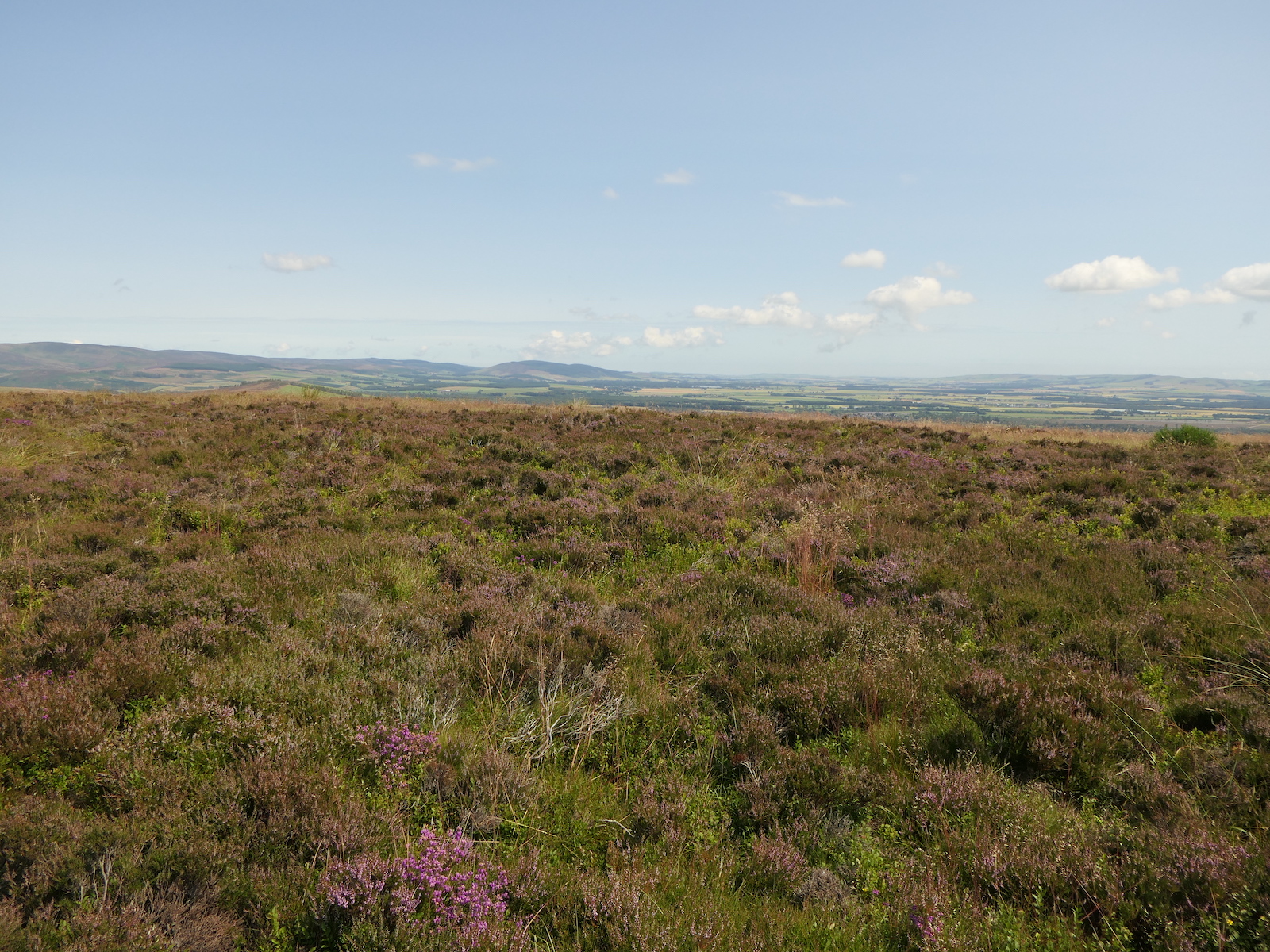
The neighbouring Brown Caterthun was repeatedly altered during the latter half of the first millennium BC; White Caterthun preserves the contrastin…
Minor monument · Medieval
Angus
Edzell’s square pigeon house, with diagonally opposed turrets and a later ruined extension, makes the working architecture and changing needs of th…
Fortified place · Medieval
Angus
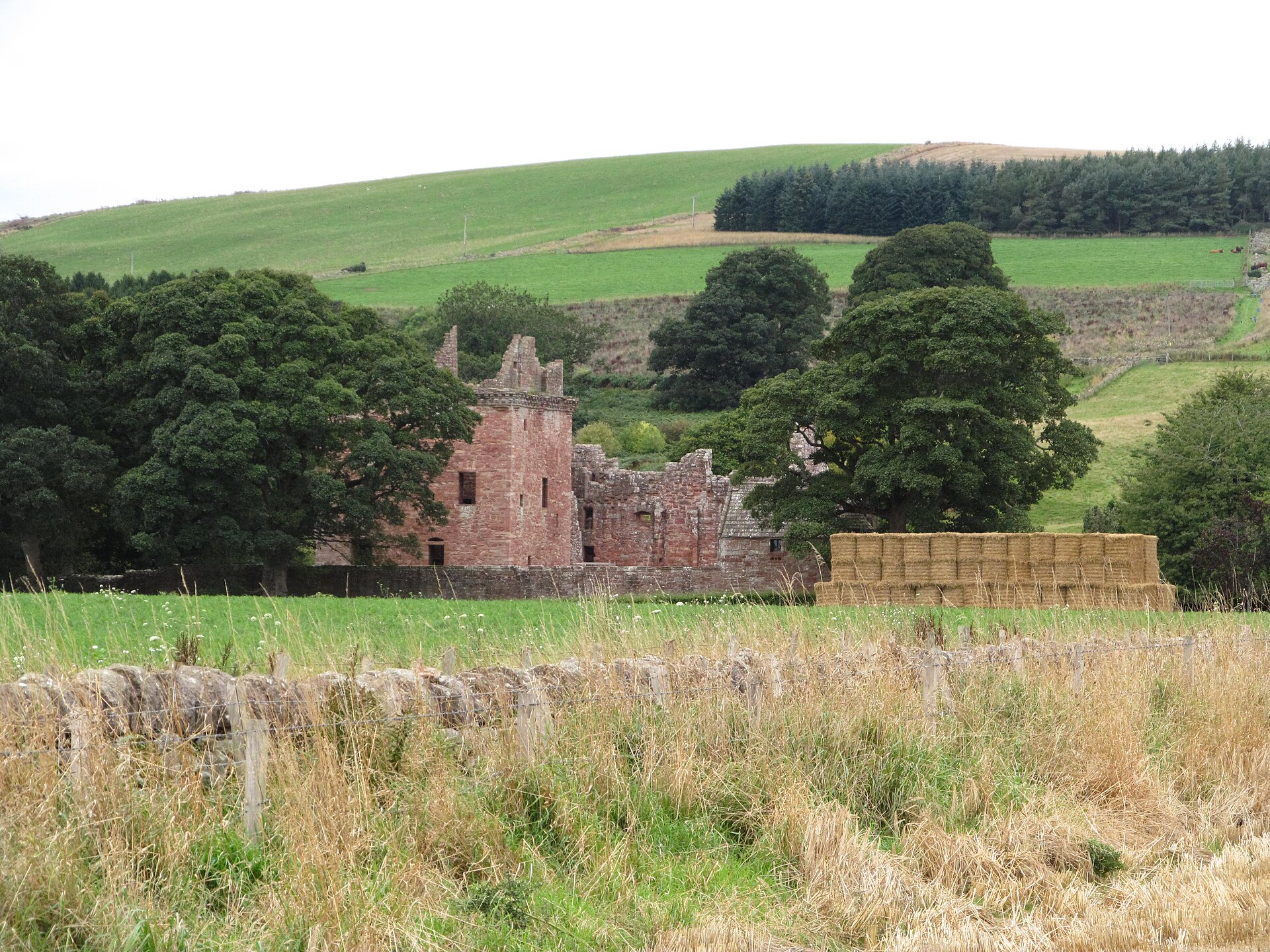
Its interior has scarcely been touched since the 1700s: spy-hole, private chapel and mural bedrooms all still in place, making it one of the most c…
Sacred place · Medieval
Angus
In 1320 the Declaration of Scottish Independence: the Declaration of Arbroath: is believed to have been drafted here by Abbot Bernard, Chancellor o…
Carved stone · Pictish & early medieval
Angus
Only the lower half of this Pictish (of the Picts, the people of northern and eastern Scotland from about AD 300 to 900) cross slab survives, yet l…
Fortified place · Roman
Angus
Assessed to have sheltered 50,000 to 60,000 men, this is one of the largest Roman camps ever built in Scotland: a single night's stop on a campaign…
Building or ruin · Medieval
Angus
A near-millennium-old round tower and an intricately carved Viking-age hogback stand beside a Gothic cathedral, forming one of Scotland's most comp…
Carved stone · Pictish & early medieval
Angus
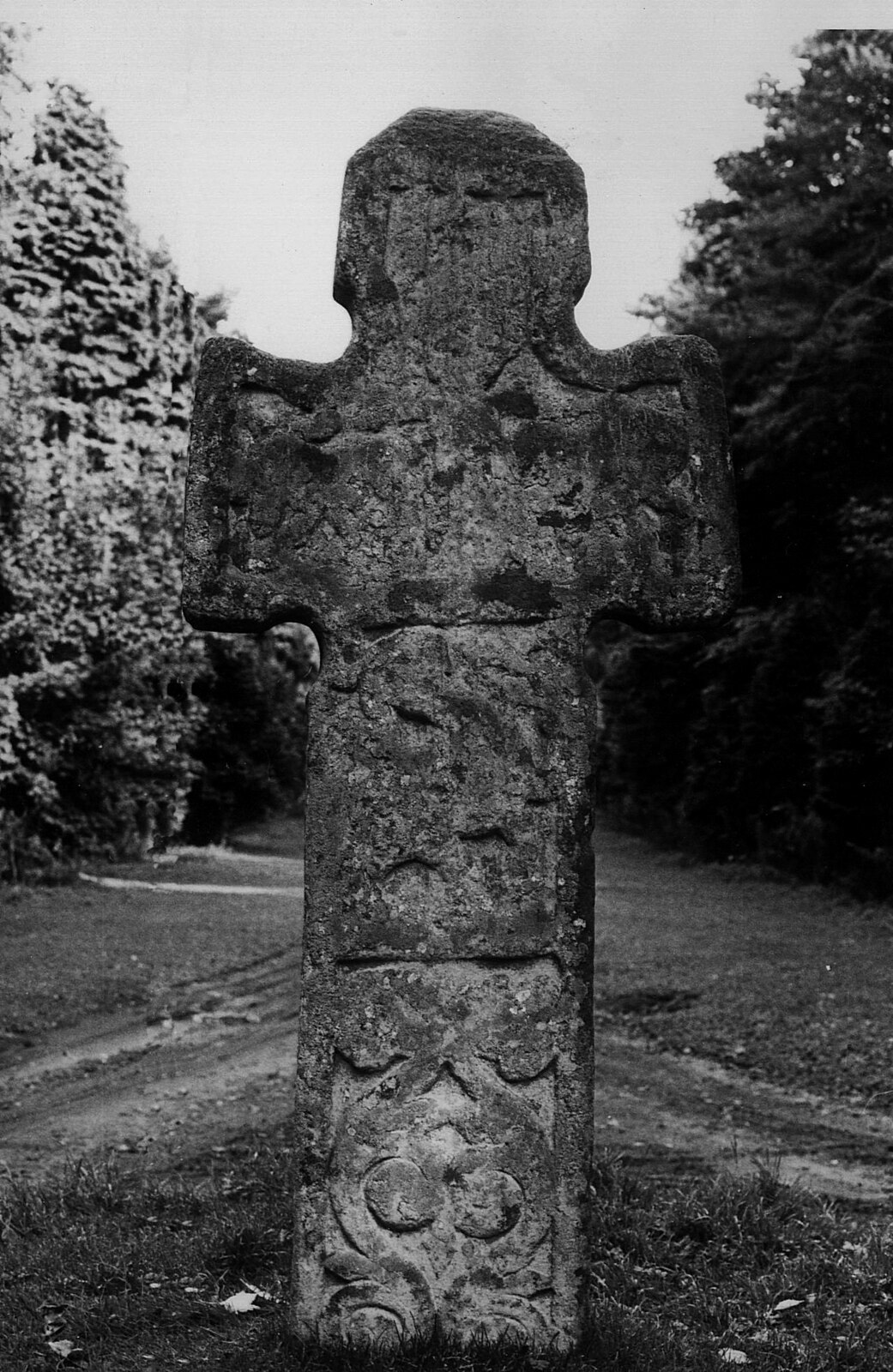
One of only two intact freestanding crosses surviving in eastern Scotland, its carving points to Irish monastic influence rather than the Viking le…
Sacred place · Prehistoric
Angus
By 1853, elderly locals in Glen Esk still recalled the circle looking fuller, before stone-robbing thinned it: a rare glimpse of a monument's decli…
Carved stone · Pictish & early medieval
Angus
One of the few Pictish (of the Picts, the people of northern and eastern Scotland from about AD 300 to 900) stones datable to a precise reign, its…
Carved stone · Pictish & early medieval
Angus
Its carved flower motif is rare among Pictish (of the Picts, the people of northern and eastern Scotland from about AD 300 to 900) symbol stones, w…
Carved stone · Pictish & early medieval
Angus
Carved on both faces with warriors, hunters, angels and a figure entangled with severed heads, it survived only because Georgian antiquarians pulle…
Fortified place · Medieval
Angus
Its walled garden is carved with the only known Scottish set of relief panels depicting planetary deities and the liberal arts, a Renaissance survi…
Fortified place · Medieval
Angus
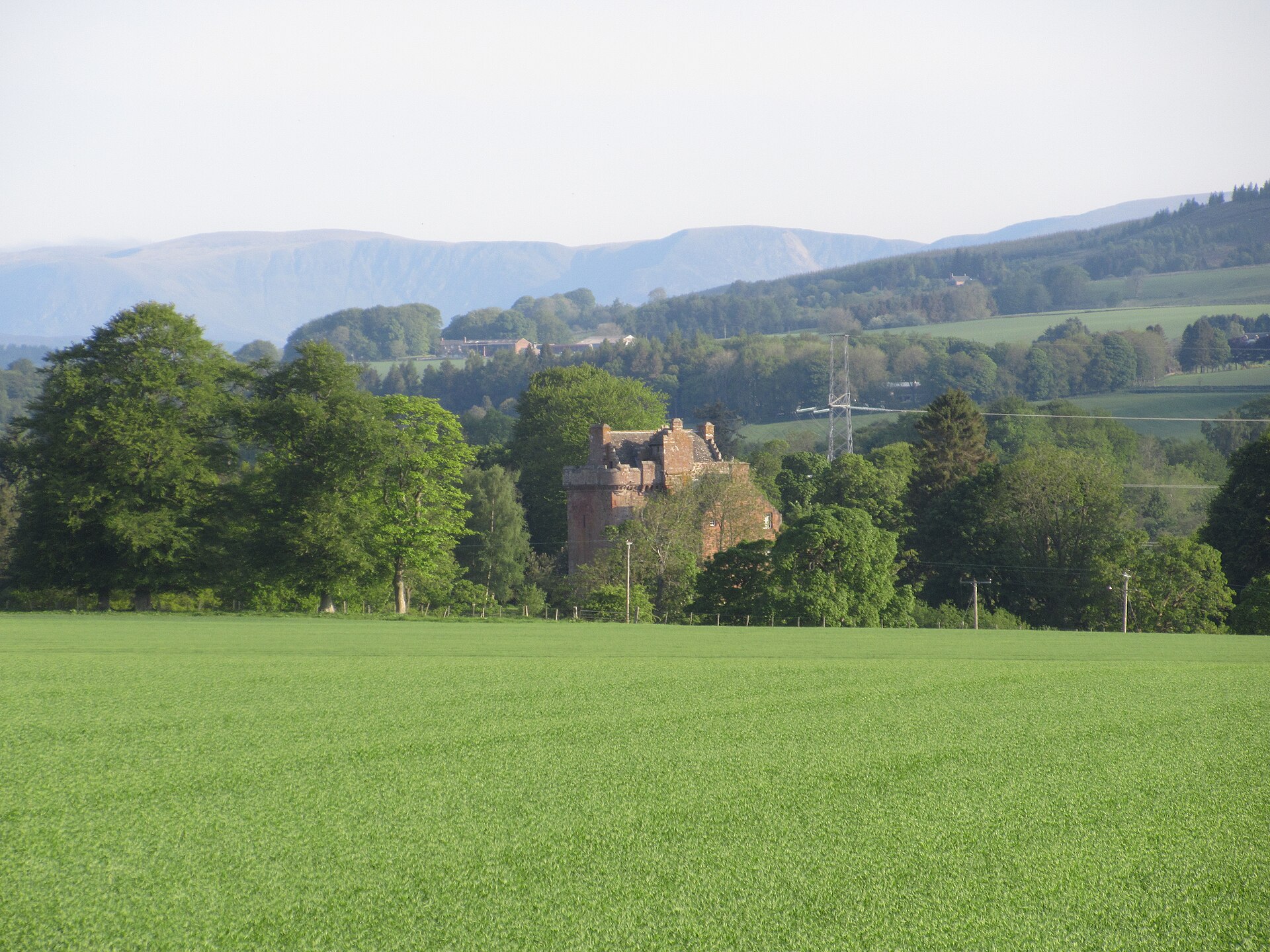
A working seat still lived in by a clan chief, Ethie carries the Trafalgar arms of an admiral earl and the murdered cardinal who once held it.
Fortified place · Medieval
Angus
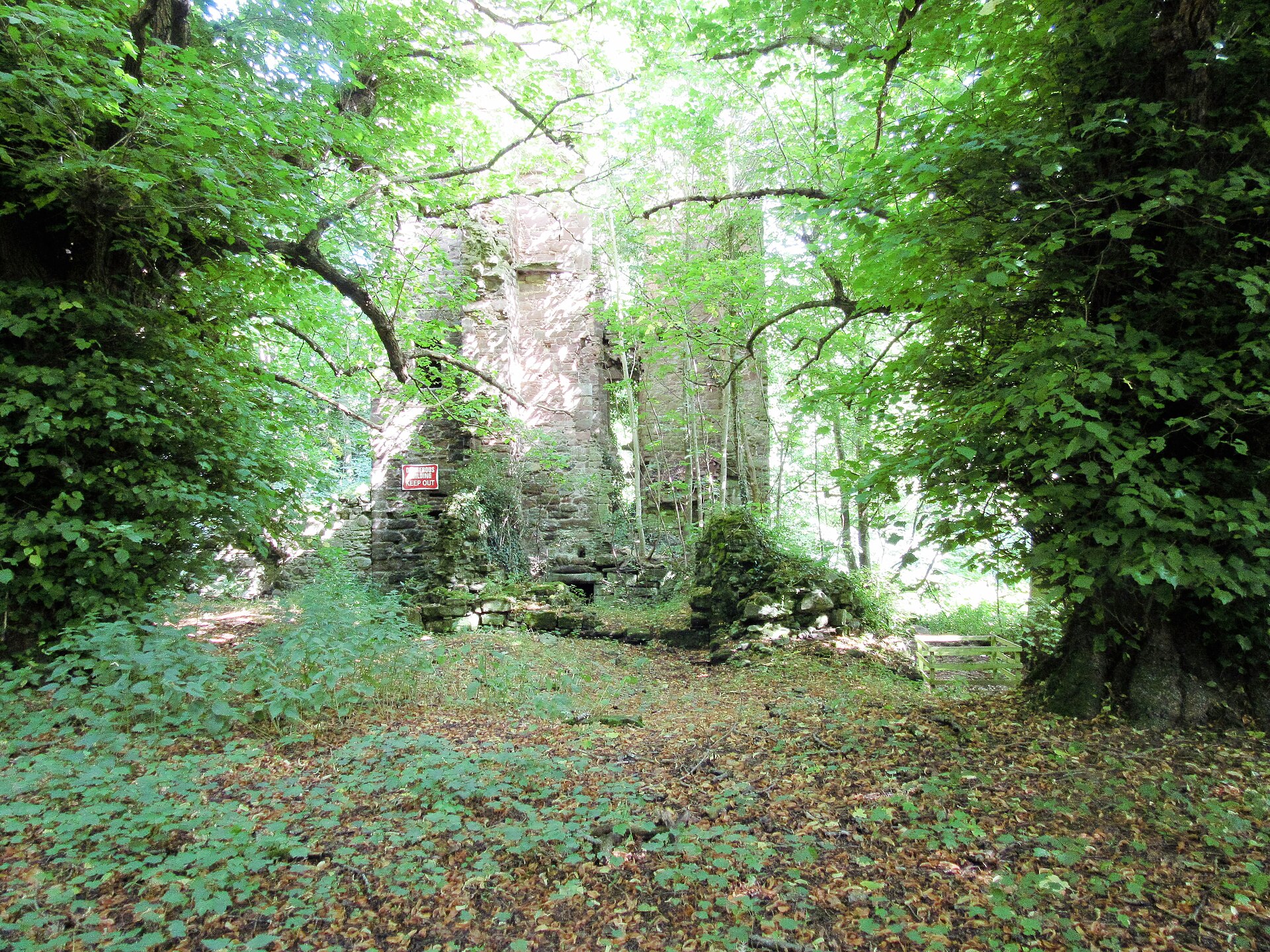
Finavon Castle combines the ruins of a 17th-century L-plan tower-house with excavated evidence of a larger medieval predecessor, preserving a long-…
Fortified place · Medieval
Angus
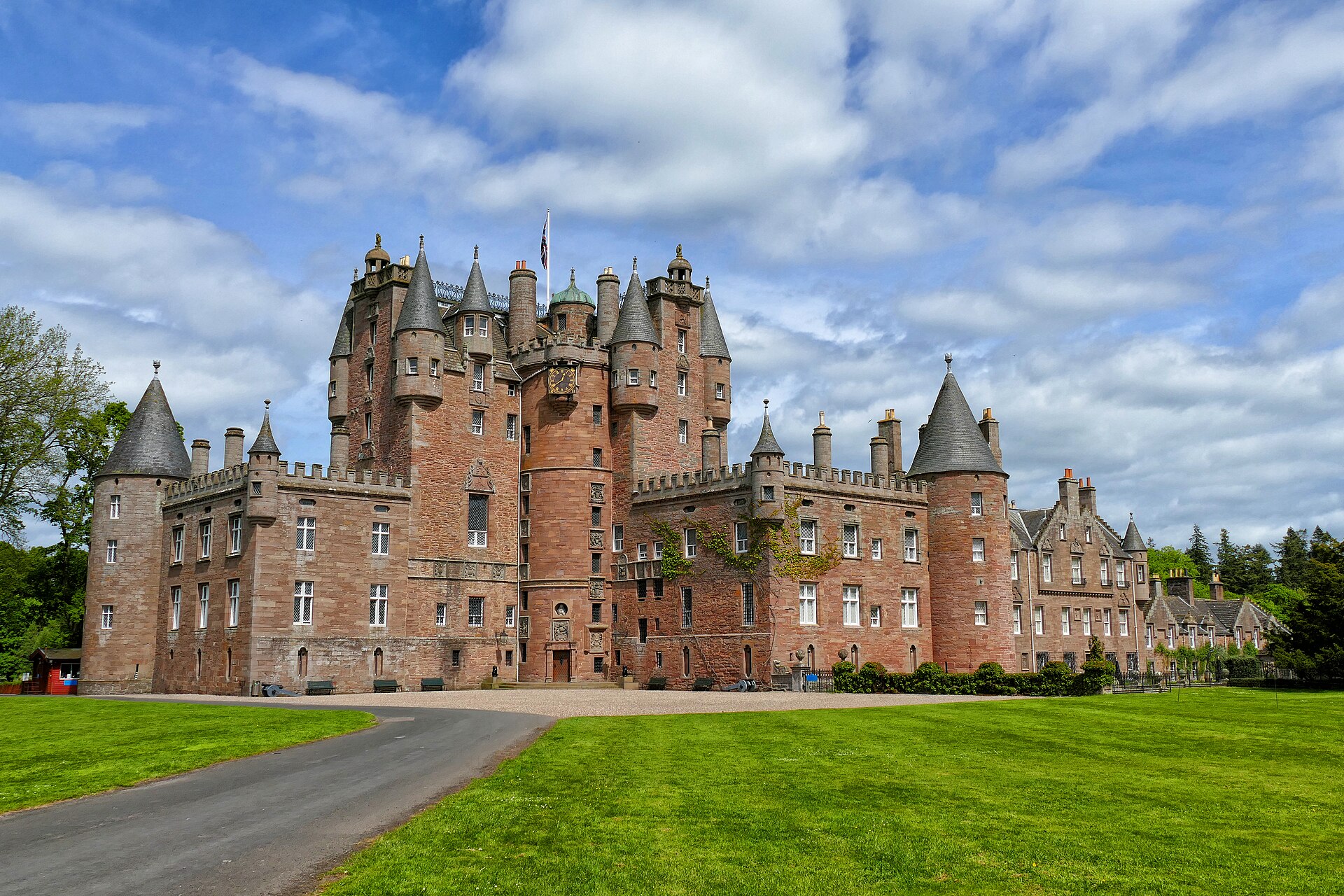
One family, the Lyons, has held this Strathmore estate since the 1370s, and its rooms have hosted a murdered king, a woman burned for witchcraft, a…
Carved stone · Pictish & early medieval
Angus
Its rear face still carries an older set of incised symbols beneath a later relief-carved cross: one of only two stones nearby known to have been r…
Fortified place · Roman
Angus
One of the smallest Roman installations in Scotland, grouped by archaeologists with Cargill II as the pair's most modest members rather than a majo…
Carved stone · Pictish & early medieval
Angus
The stones' Pictish symbols were carved as the symbol tradition itself was dying out: among the last such carvings made anywhere before it vanished…
Carved stone · Pictish & early medieval
Angus
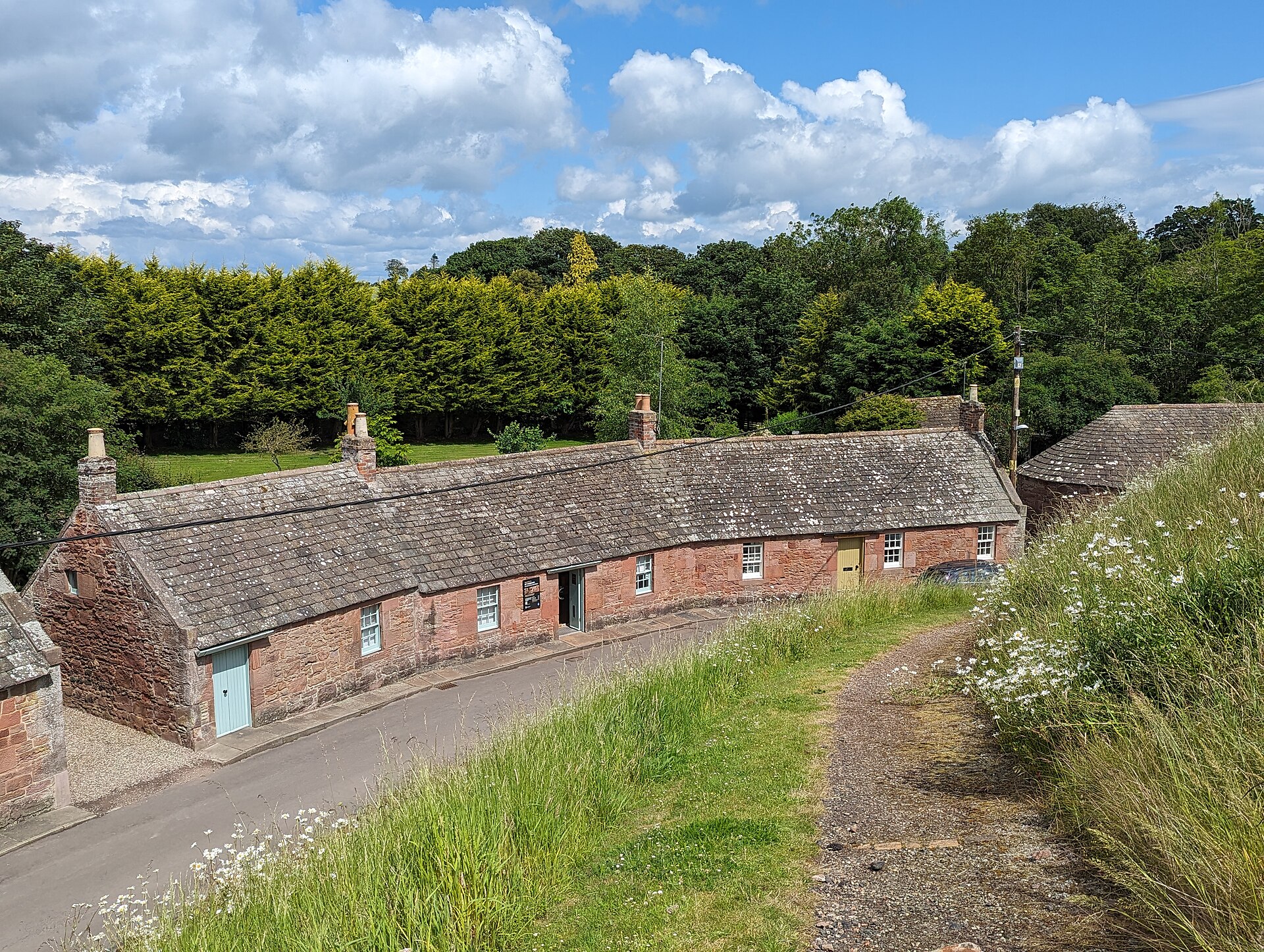
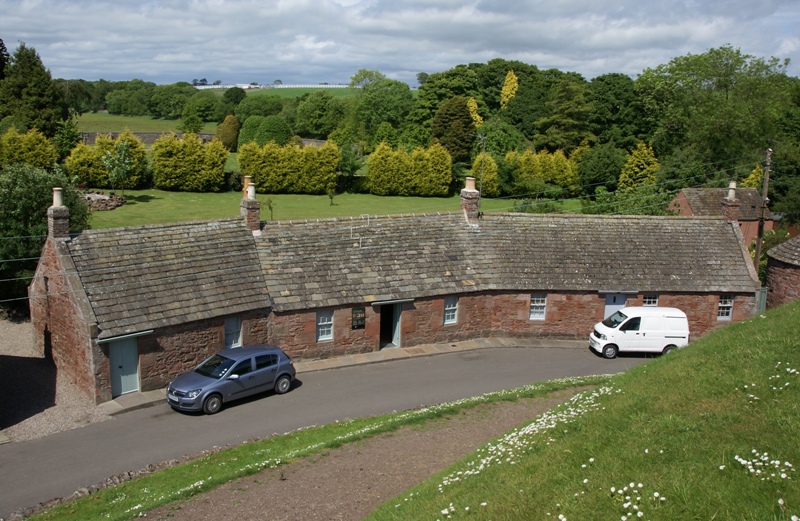
Two plain sandstone cottages beside an Angus church hold 38 carved Pictish (of the Picts, the people of northern and eastern Scotland from about AD…
Carved stone · Pictish & early medieval
Angus
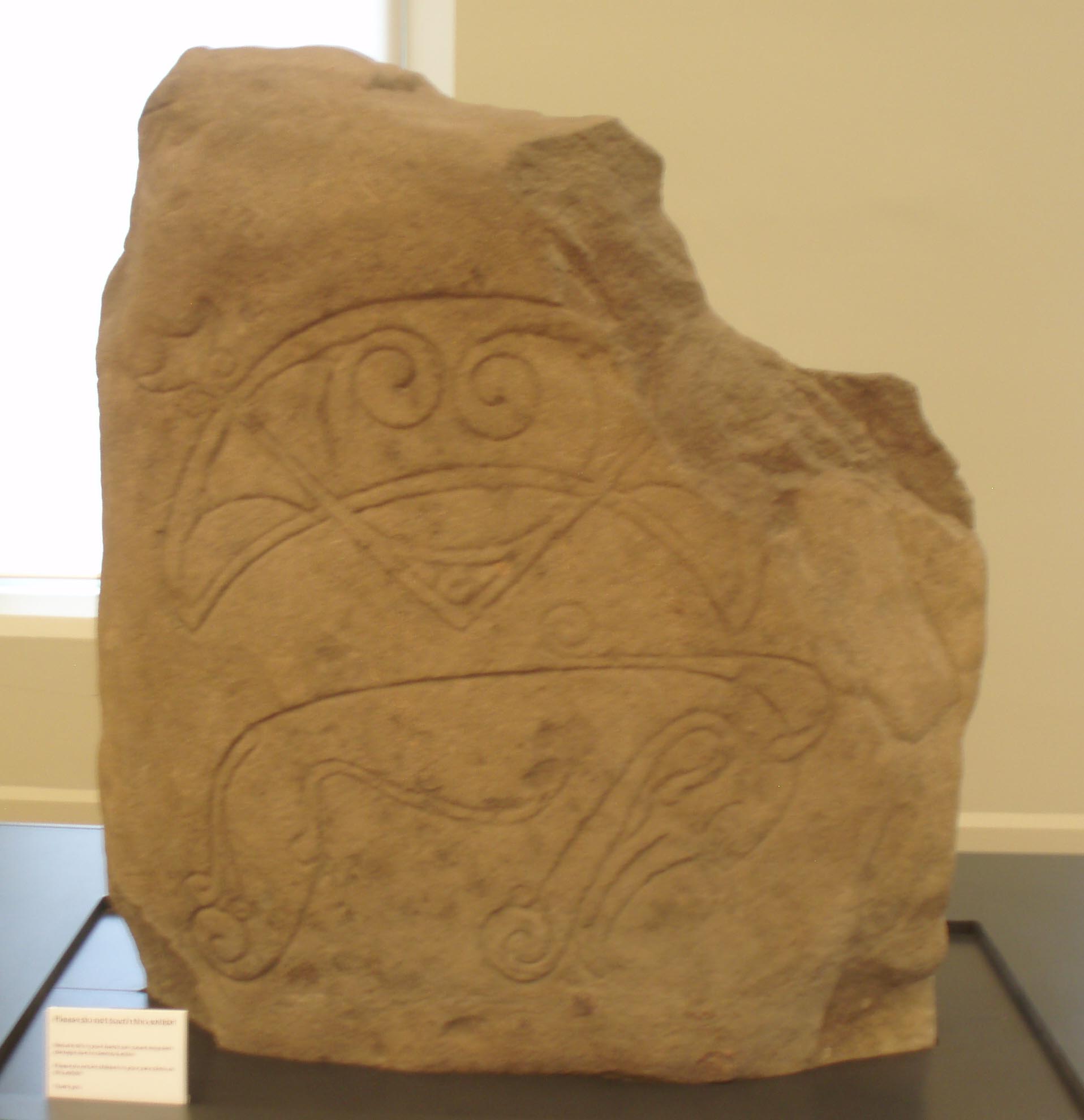
Carved with the Pictish beast and the crescent and V-rod, the stone was recycled as ordinary wall-stone for generations before Dundee Museums rescu…
Building or ruin · Medieval
Angus
Its walls incorporate two Bronze Age (roughly 2500–800 BC, when metal tools first spread) stones carved with cup-and-ring marks, built by Iron Age…
Briefer entries: recorded and worth knowing, with fuller pages to come.
Fortified place · Iron Age
Angus
Two Iron Age hillforts crown the same ridge: fortified settlements built by communities living before and during the early centuries of recorded hi…
Carved stone · Pictish & early medieval
Angus
St Orland’s in-situ cross-slab joins a richly interlaced Christian cross to symbols, hunters, a boat and beasts, preserving a remarkably complex pr…
No places match those filters.