
A near-millennium-old round tower and an intricately carved Viking-age hogback stand beside a Gothic cathedral, forming one of Scotland's most complete assemblages of medieval church sculpture.
High in Brechin’s slender round tower, a raised doorway carries a Crucifixion panel and two robed churchmen on its splayed sides — one gripping a bishop’s crosier, the other a plain Tau-shaped staff. The tower has stood here since around the year 1000, one of only two such structures ever built in Scotland.
The cathedral that eventually grew up alongside it dates from the 13th century and served as the seat of the Diocese of Brechin until the Scottish Reformation ended its Catholic life in the 16th century. Its later history has been one of loss and recovery: restorers who worked on the building in 1806 did it serious harm, and it took until 1902 for a further restoration to undo their damage and reveal what survived beneath it — a western gable with a flamboyant window, a Gothic doorway, the massive square tower, a shortened choir, and the original nave pillars and clerestory.
After centuries as a working church, the cathedral closed its doors for the last time as a sanctified place of worship at a special service on 28 November 2021, its ownership having passed to the Church of Scotland’s General Trustees the year before with instructions to sell it. A trust led by Caroline Carnegie, Duchess of Fife, has since taken on the building’s care, with the stated aim of turning it into a hub for the local community and for visitors.
What follows is drawn from published sources, with each claim labelled by how firmly it is established.
History
About the year 1000, masons raised a round tower immediately to the southwest of where the cathedral now stands, building it to a height of some 26 metres (86 feet) with a base circumference of 50 feet and walls of exceptional quality. Its narrow doorway, set well above ground level, was carved with a Crucifixion scene on the arch and with robed ecclesiastics — one holding a crosier, the other a Tau-shaped staff — on its splayed sides.
During the 14th century a hexagonal stone spire was added to cap the tower, giving it the profile it retains today. The cathedral also came to house two rare pieces of 11th-century Scottish stone carving: the so-called Brechin hogback, which fuses Celtic and Scandinavian motifs and ranks as the most elaborate known Ringerike-style carving in Scotland, and St Mary's Stone, a cross-slab whose circular border around a Virgin and Child motif echoes the ornament on the tower doorway.
The cathedral itself dates from the 13th century, built in the Pointed Gothic style as the seat of the Roman Catholic Diocese of Brechin. It served that role until the Scottish Reformation swept through Scotland in the 16th century, after which the building continued in use as a parish church but never again as a Catholic cathedral.
In 1806 a programme of restoration work intended to repair the ageing cathedral instead did it serious harm, altering and damaging fabric that had survived for centuries. The scars of that intervention remained part of the building's fabric for almost a hundred years, a reminder of how well-intentioned repair could do as much damage as neglect.
A further restoration, completed in 1902, undid much of the 1806 restorers' work and left visible today the western gable with its flamboyant window, a Gothic doorway, the massive square tower, a much-truncated choir, and the original nave pillars and clerestory. New stained glass installed in the chancel during this period is now reckoned among the finest in Scotland.
Scott Rennie served as minister of Brechin Cathedral between 1999 and 2009, continuing its long life as a working congregation. In February 2020 the Presbytery of Angus agreed a motion to dissolve that congregation, transferring ownership of the building to the General Trustees of the Church of Scotland with instructions to close and sell it. A local committee had hoped to mark the cathedral's 800th anniversary on 7 June 2020, but the Covid-19 pandemic made the planned celebration impossible.
The cathedral closed its doors for the final time as a sanctified church at a special service on 28 November 2021, bringing its centuries-long role as a place of worship to a close. Since then a committee of trustees led by Caroline Carnegie, Duchess of Fife, has taken over responsibility for the building's care, with the stated aim of restoring it as a focal point and hub for both the local community and visiting tourists.
People
-
Scott Rennie
Served as minister of Brechin Cathedral from 1999 to 2009.
-
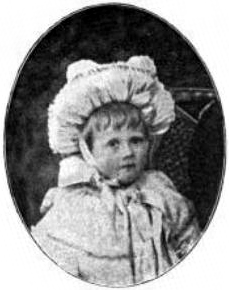
Portrait: W. and D. Downey (no individual credited) / Wikimedia Commons / Public domain Caroline Carnegie, Duchess of Fife
Leads the committee of trustees established to care for and develop the cathedral after its closure as a working church.
Cultural influences
-
Irish and Scandinavian artistic traditions
Brechin’s round tower belongs to a form far more common in Ireland, while the cathedral’s hogback combines Celtic and Scandinavian Ringerike-style carving.
Connections
-
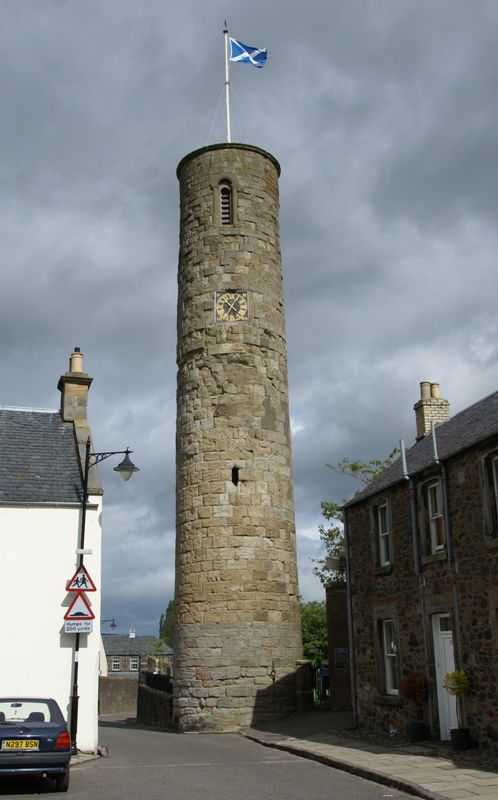
Photo: Otter / Wikimedia Commons / CC BY-SA 3.0 Abernethy Round Tower, Perthshire
The only other Scottish example of this type of round tower, making Brechin's one of just two in the country.
-
Ireland's round towers
Structures of this kind are common in Ireland, and Brechin's masonry is rated as superior to all but a very few of the Irish examples.
-
General Trustees of the Church of Scotland
Took ownership of the cathedral in 2020 under a dissolution motion, with a mandate to close and sell the building.
What to look for
-
The Round Tower doorway
A narrow doorway raised above ground level, its arch carved with a Crucifixion scene and its splayed sides carrying relief figures of ecclesiastics holding a crosier and a Tau-shaped staff.
-
The western gable and tower
The surviving 13th-century western gable, with its flamboyant window, Gothic doorway, and the massive square tower that still dominates the building's silhouette.
-
The nave pillars and clerestory
Original medieval pillars and clerestory windows in the nave, among the few sections of the building's fabric to survive largely intact.
-
Stained glass in the chancel
Modern stained glass installed during the early 20th-century restoration, considered among the finest of its kind in Scotland.
-
The Brechin hogback
An 11th-century carved stone monument combining Celtic and Scandinavian motifs, regarded as the most elaborate known example of Ringerike-style sculpture in Scotland.
-
St Mary's Stone
An inscribed cross-slab whose circular border framing a Virgin and Child motif echoes the carved ornament on the Round Tower's doorway.
Plan your visit
- Location
- 56.7307°N · 2.6615°W
- Nearest settlement
- Brechin
- Time needed
- About 60 minutes
- Best time
- Visit during the published visitor opening or event times, with daylight useful for viewing the surviving masonry and details.
- What survives
- The medieval cathedral and adjoining round tower survive, although the cathedral is now managed by a trust rather than as a regular church.
- Facilities
- No dedicated visitor facilities are identified in the cited heritage or operator source; check the official page for current arrangements.
Opening & admission
Check with the managing trust before visiting, as opening arrangements are being re-established.
- The building closed as a working church in November 2021 and ownership passed to Church of Scotland trustees, who intend to reopen it as a community and visitor hub.
- The attached Round Tower is a scheduled monument standing immediately adjoining the cathedral.
Nearby places

Fortified place · Iron Age
Caterthun
Angus
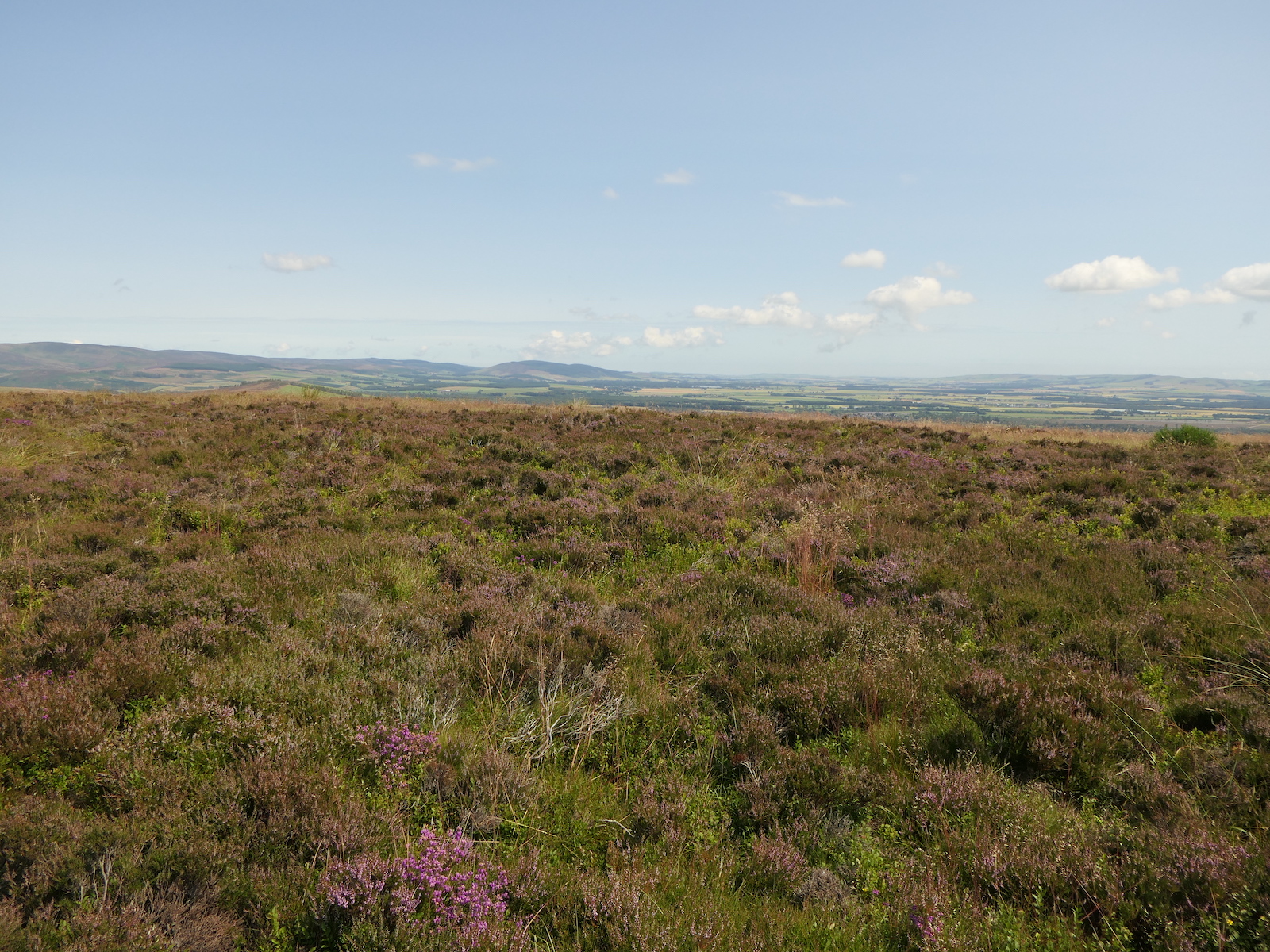
Two Iron Age hillforts crown the same ridge: fortified settlements built by communities living before and during the early centuries of recorded hi…
- Some walking
Carved stone · Prehistoric
White Caterthun
Angus
The neighbouring Brown Caterthun was repeatedly altered during the latter half of the first millennium BC; White Caterthun preserves the contrastin…
- Near Brechin
- 15 min walk from car park
- Some walking
Carved stone · Pictish & early medieval
Aberlemno Sculptured Stones
Angus
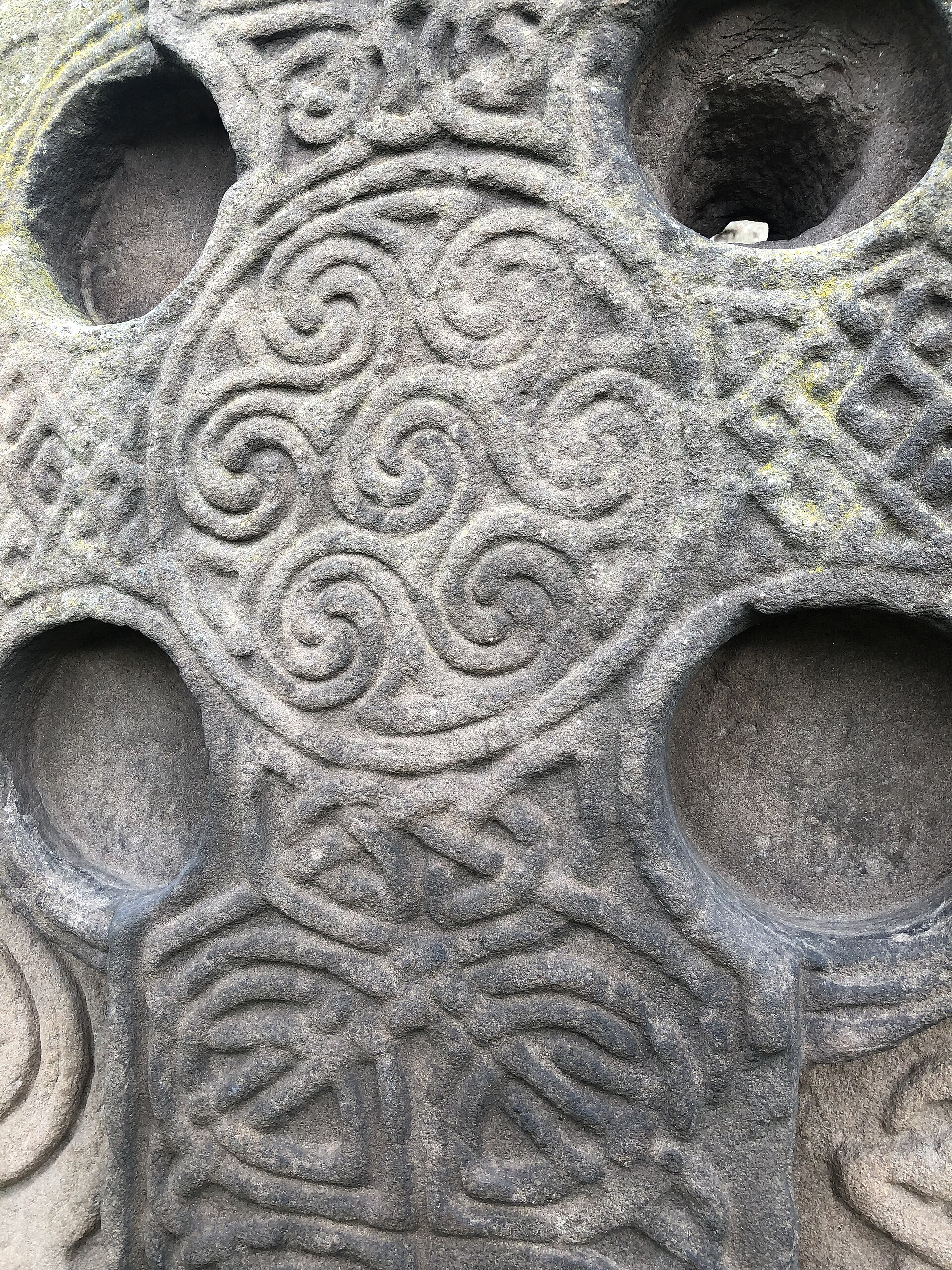
The stones were carved during the height of Pictish (of the Picts, the people of northern and eastern Scotland from about AD 300 to 900) power in A…
- Near Aberlemno
- 31 metres from car park
- Easy path
Minor monument · Medieval
Dovecot, Mains Of Edzell
Angus
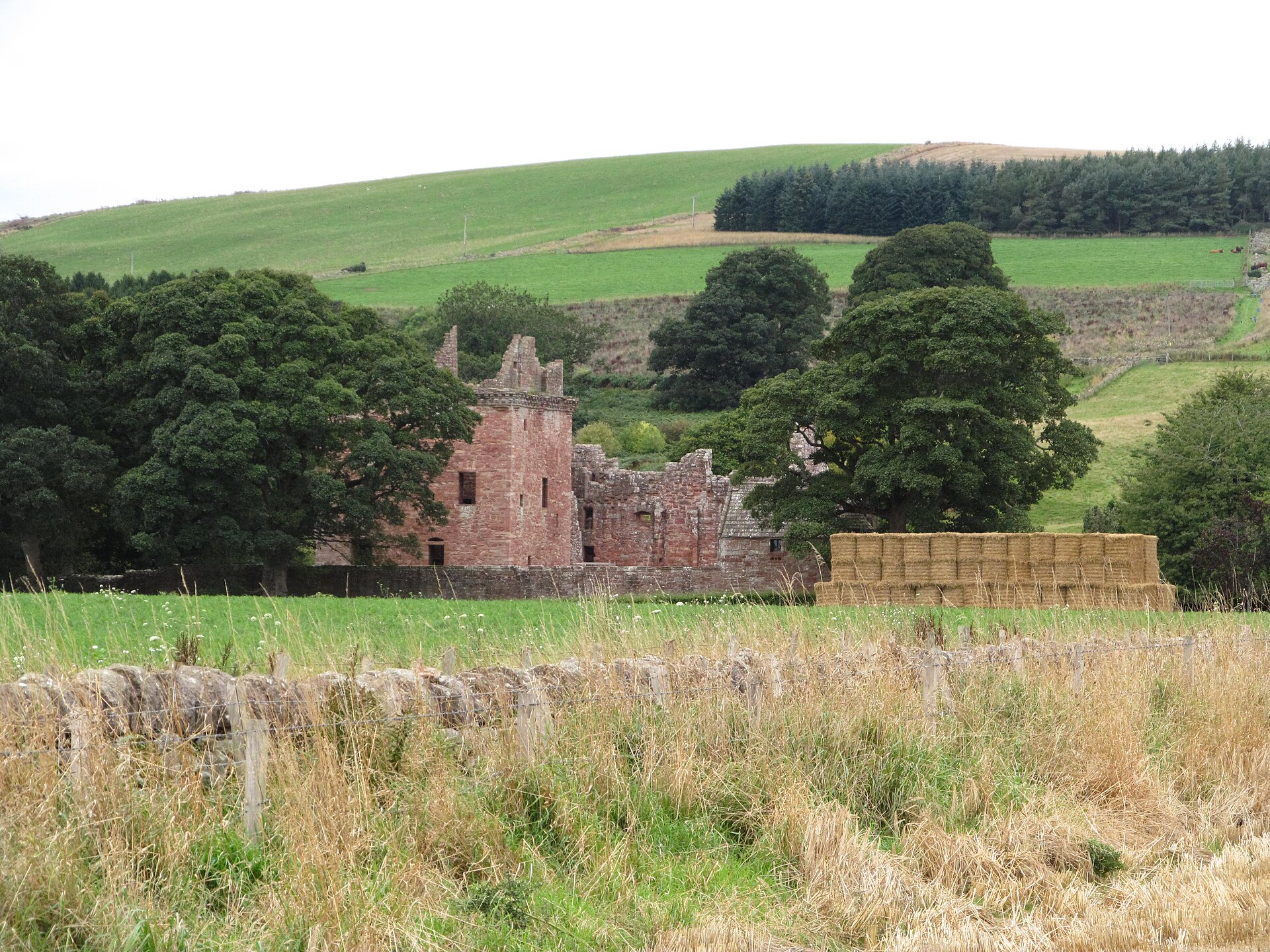
Edzell’s square pigeon house, with diagonally opposed turrets and a later ruined extension, makes the working architecture and changing needs of th…
- Near Edzell
Questions people ask
- How old is the Round Tower at Brechin Cathedral?
- It was built around the year 1000, making it roughly a thousand years old and one of only two round towers of its type ever built in Scotland.
- Why is Brechin's Round Tower unusual for Scotland?
- Round towers of this kind are common in Ireland but rare in Scotland — Brechin and Abernethy in Perthshire are the only two Scottish examples, and Brechin's masonry ranks among the finest.
- Is Brechin Cathedral still used for worship?
- No. It closed its doors for the final time as a sanctified church at a special service on 28 November 2021, ending centuries of use as a place of worship.
- What happened to the cathedral's original fabric?
- Restoration work in 1806 damaged much of the original building; a further restoration completed in 1902 undid that damage and revealed the surviving medieval gable, tower, choir, pillars and clerestory.
- Who owns Brechin Cathedral now?
- Ownership passed to the General Trustees of the Church of Scotland in 2020, and a trustees' committee led by Caroline Carnegie, Duchess of Fife, now oversees its care and future use.
Sources
- Wikipedia: Brechin Cathedral
- Encyclopædia Britannica (11th edition, 1911) — "Brechin"
- Brechin Cathedral and Round Tower, Lumina Technologies, 2005
Explore more: Building or ruins · Medieval · Angus
The Ancient Codex, in your pocket
Get the Pocket Codex app
Carry the directory with you — Brechin Cathedral and thousands of ancient places across Britain and Ireland, offline, wherever you roam.