A working seat still lived in by a clan chief, Ethie carries the Trafalgar arms of an admiral earl and the murdered cardinal who once held it.
Behind a small chapel and a sealed-off sitting room, a stair drops out of sight inside the thickness of the wall, built to let one man reach the Great Hall below without being seen from the rest of the house. It survives at Ethie Castle, a fortified tower house a few miles north of Arbroath in Angus, and it is tied to the last man to hold the title of Cardinal in Scotland.
The castle began around 1300 as a sandstone keep raised by the monks of Arbroath Abbey, and its ownership since then reads like a condensed history of Scotland’s ruling families: the de Maxwells, Cardinal David Beaton, the Carnegies who became Earls of Northesk, a Glasgow art collector, and finally the chief of Clan Forsyth, whose family restored it and still uses it as their seat.
Ethie is not a ruin kept behind railings. It is a functioning house that has absorbed four centuries of additions and one Napoleonic-era honour worked directly into its stonework, and its walls hold a ghost story alongside a claim to have supplied Sir Walter Scott with the model for one of his fictional castles.
What follows is drawn from published sources, with each claim labelled by how firmly it is established.
History
Around 1300 the monks of Arbroath Abbey raised a sandstone keep on the site, giving Ethie Castle its origin as an ecclesiastical holding rather than a purely military stronghold. The keep formed the core around which the later, much-altered castle grew, and its stone core still underlies the building that stands today.
Ownership later passed to the de Maxwell family before coming into the hands of David Beaton, who rose to become the last Cardinal in Scotland. Beaton's tenure left a physical mark on the castle: it still contains a small chapel and a room known as the Cardinal's Sitting Room, connected by a concealed stair to the Great Hall above, allowing private movement between the two spaces.
Beaton was murdered in St Andrews in 1546, a killing that formed part of the wider religious and political violence of the Scottish Reformation. His association with Ethie is remembered chiefly through the surviving chapel and sitting room rather than through any account of him living there day to day. In 1665 the Carnegie family purchased Ethie Castle. The Carnegies later rose to become the Earls of Northesk, and the family's ownership tied the castle to one of the notable naval careers of the Napoleonic era over the following century and a half.
The 7th Earl of Northesk served as a Vice Admiral and commanded alongside Nelson at the Battle of Trafalgar in 1805. In recognition of this, the Earl was granted the right to incorporate the word Trafalgar into his coat of arms, a device that is still set into a dormer window at Ethie Castle today. During the Carnegie era, Sir Walter Scott was a close friend of William Carnegie, 8th Earl of Northesk, and frequently stayed at Ethie Castle as his guest. The castle is reputed to have provided the model for the fictional Castle of Knockwinnock in Scott's novel The Antiquary.
In 1927 the castle and its grounds were bought by William Cunningham Hector, a Glasgow artist and antique collector. The castle later passed to Alistair Forsyth, chief of Clan Forsyth, who restored it; it now serves as the clan's seat.
People
-
David Beaton
Scotland's last Cardinal and Archbishop, who owned Ethie Castle and was murdered at St Andrews in 1546.
-
7th Earl of Northesk
Vice Admiral who commanded alongside Nelson at the Battle of Trafalgar in 1805 and was granted the right to add Trafalgar to his family's arms.
-
William Carnegie, 8th Earl of Northesk
Owner of Ethie Castle and close friend of Sir Walter Scott, who was a frequent guest there.
-
Sir Walter Scott
Novelist who is reputed to have used Ethie Castle as the model for Castle Knockwinnock in his novel The Antiquary.
-
William Cunningham Hector
Glasgow artist and antique collector who bought the castle and grounds in 1927.
-
Alistair Forsyth
Chief of Clan Forsyth, who restored the castle and made it the clan's seat.
Connections
-
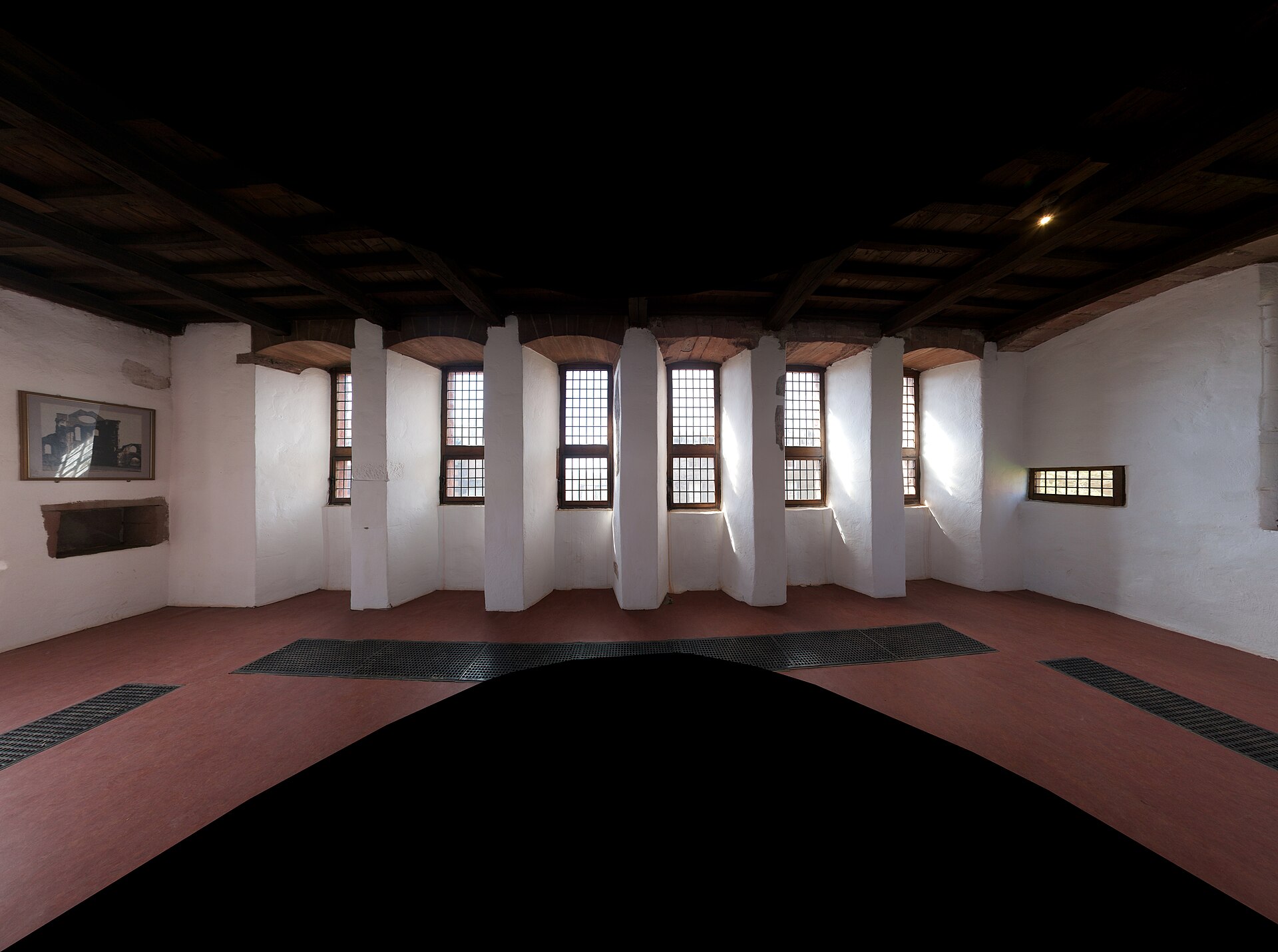
Photo: Tom Parnell from Scottish Borders, Scotland / Wikimedia Commons / CC BY-SA 2.0 The abbey's monks built the original sandstone keep at Ethie Castle around 1300.
-
Battle of Trafalgar
The 7th Earl of Northesk commanded alongside Nelson at Trafalgar in 1805, an honour commemorated in the arms displayed on a dormer at Ethie.
-
The Antiquary (Sir Walter Scott)
Ethie Castle is reputed to be the model for the fictional Castle of Knockwinnock in Scott's novel.
-
Clan Forsyth
Ethie Castle was restored by clan chief Alistair Forsyth and now serves as the clan's seat.
-
Earls of Northesk
The Carnegie family who bought Ethie in 1665 later became the Earls of Northesk, and held the castle for generations.
In culture
-
The Antiquary
Ethie Castle is reputed to be the basis for the fictional Castle of Knockwinnock in Sir Walter Scott's novel The Antiquary, reflecting Scott's own friendship with, and visits to, the Carnegie family who owned Ethie.
What to look for
-
The Cardinal's Sitting Room and secret stair
A small chapel and a room known as the Cardinal's Sitting Room survive from David Beaton's ownership, linked to the Great Hall above by a concealed staircase.
-
The Trafalgar arms
A dormer window at Ethie carries the coat of arms granted to the 7th Earl of Northesk, incorporating a reference to Trafalgar in honour of his command alongside Nelson.
What is said
Folklore and tradition, recorded as what is said — not as established fact.
-
The Grey Lady
The castle is said to be haunted by a spectre known as the Grey Lady.
-
Cardinal Beaton's ghost
Local tradition holds that the castle is also haunted by David Beaton, who was Abbot of Arbroath in the 16th century.
Plan your visit
- Location
- 56.6124°N · 2.5109°W
- Access
- Private — no general public access
- Time needed
- About 15 minutes
- Best time
- Daylight hours, for any permitted view from outside the private property.
- What survives
- The 14th-century castle remains a privately owned venue, retaining a chapel, Cardinal’s Sitting Room and historic interiors.
Opening & admission
Privately owned as a clan seat, not a general visitor attraction — check the castle's own site for any visiting arrangements.
Nearby places
Carved stone · Pictish & early medieval
St Vigeans Sculptured Stones Museum
Angus
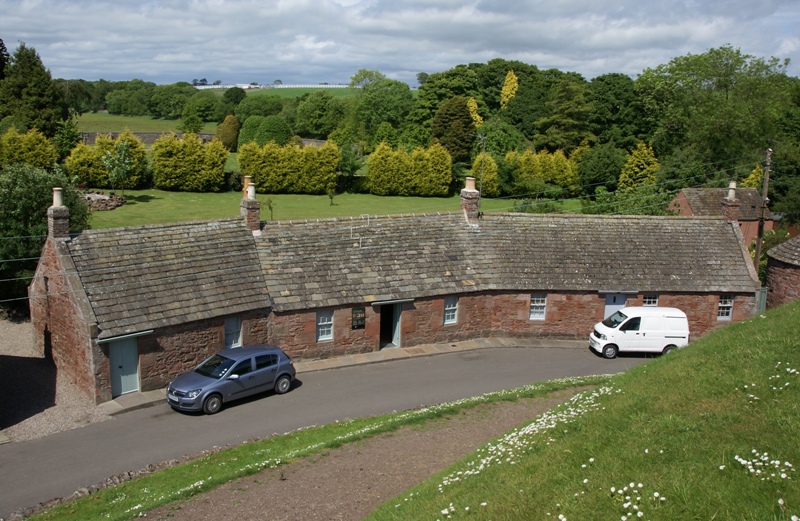
Two plain sandstone cottages beside an Angus church hold 38 carved Pictish (of the Picts, the people of northern and eastern Scotland from about AD…
- Near St Vigeans
- Easy path
Carved stone · Pictish & early medieval
Drosten Stone
Angus
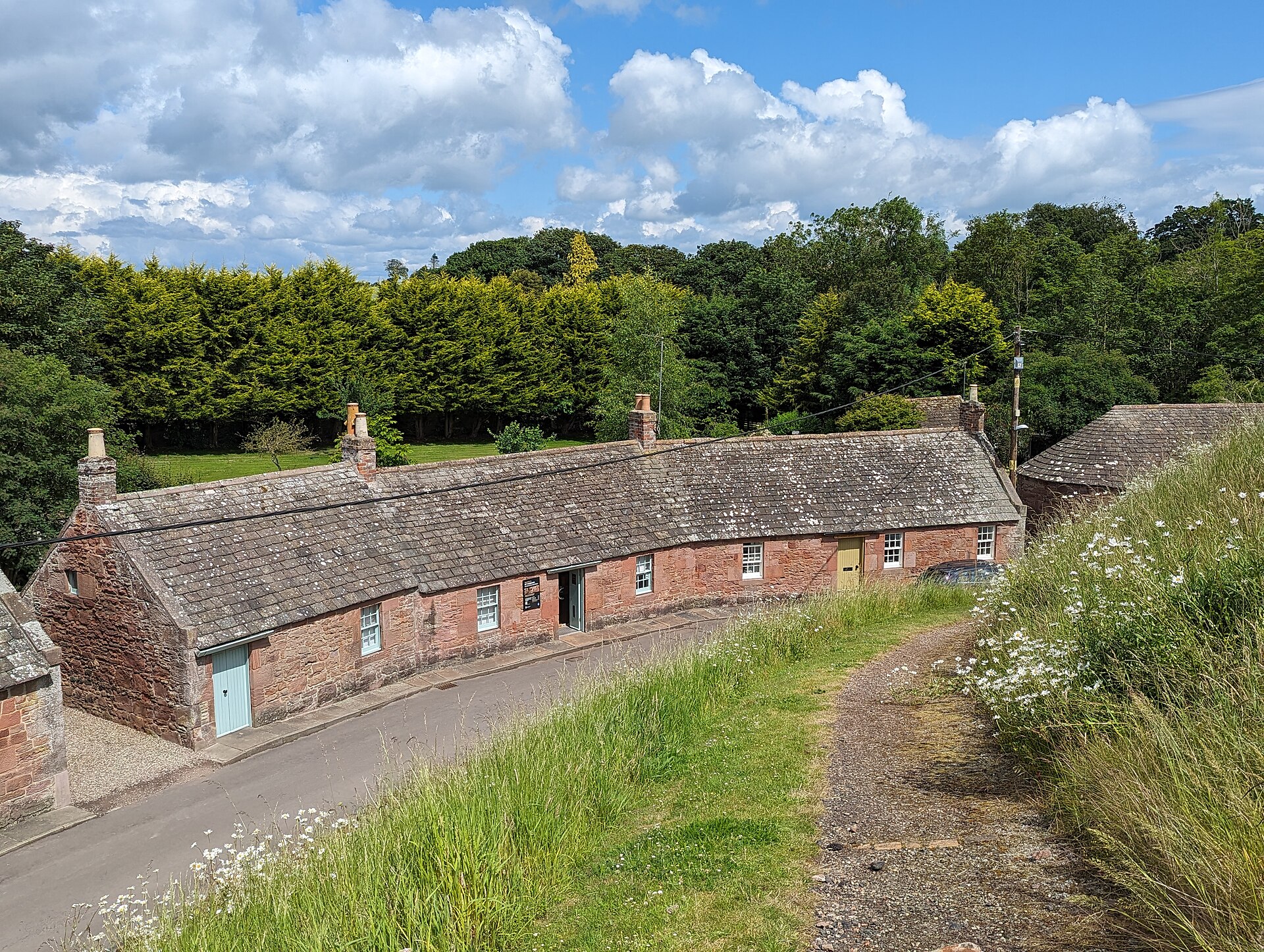
One of the few Pictish (of the Picts, the people of northern and eastern Scotland from about AD 300 to 900) stones datable to a precise reign, its…
- Near St Vigeans
- Easy path
Sacred place · Medieval
Arbroath Abbey
Angus
In 1320 the Declaration of Scottish Independence: the Declaration of Arbroath: is believed to have been drafted here by Abbot Bernard, Chancellor o…
- Near Arbroath
- Easy path
Building or ruin · Medieval
Brechin Cathedral
Angus
A near-millennium-old round tower and an intricately carved Viking-age hogback stand beside a Gothic cathedral, forming one of Scotland's most comp…
- Near Brechin
The setting
Wheat field between Ethie Barns and West Mains in the landscape around Ethie Castle; the castle is not visible.
Photo: Adrian Diack / Wikimedia Commons / CC BY-SA 2.0
Barley field between Ethie Barns and West Mains in the landscape around Ethie Castle; the castle is not visible.
Photo: Adrian Diack / Wikimedia Commons / CC BY-SA 2.0
Shelterbelt near Ethie Barns in the wider setting around Ethie Castle; the castle is not visible.
Photo: Mike Pennington / Wikimedia Commons / CC BY-SA 2.0
Questions people ask
- How old is Ethie Castle?
- It dates to around 1300, when monks from Arbroath Abbey built the original sandstone keep on the site.
- Who owned Ethie Castle before the Carnegie family?
- It belonged to the de Maxwell family and later to Cardinal David Beaton, Scotland's last Cardinal, who was murdered in 1546.
- What is the Trafalgar connection at Ethie Castle?
- The 7th Earl of Northesk commanded with Nelson at Trafalgar in 1805 and was allowed to add Trafalgar to his family's arms, shown on a dormer at the castle.
- Is Ethie Castle linked to a novel?
- It is reputed to be the model for Castle Knockwinnock in Sir Walter Scott's The Antiquary, reflecting his friendship with the 8th Earl of Northesk.
- Who owns Ethie Castle today?
- It was restored by Alistair Forsyth, chief of Clan Forsyth, and now serves as the clan's seat.
Sources
- Wikipedia: Ethie Castle
- Ethie Castle Home Page
Explore more: Fortified places · Medieval · Angus
The Ancient Codex, in your pocket
Get the Pocket Codex app
Carry the directory with you — Ethie Castle and thousands of ancient places across Britain and Ireland, offline, wherever you roam.