
Finavon Castle combines the ruins of a 17th-century L-plan tower-house with excavated evidence of a larger medieval predecessor, preserving a long-lived South Esk estate associated with the Lindsay Earls of Crawford and later Scottish landowning families.
A ruined tower stands beside the River South Esk south of Milton of Finavon in Angus. Finavon Castle, historically Finhaven, is a 17th-century tower-house whose visible fabric overlays archaeological evidence for a much older and more extensive medieval stronghold.
The Lindsay Earls of Crawford held the estate from 1375 and built the original castle. Their connection includes the 1546 marriage at Finavon of David Lindsay, 10th Earl of Crawford, to Margaret Beaton, daughter of Cardinal David Beaton.
Financial collapse forced the barony’s sale in 1625, after which it passed through several notable families. The surviving L-plan tower, nearby giant dovecote and Iron Age hillfort make the site a layered record of medieval lordship, early modern rebuilding and estate landscape.
What follows is drawn from published sources, with each claim labelled by how firmly it is established.
History
The Lindsay Earls of Crawford held the Finavon estate from 1375 and built the original castle on the site. Their long occupation established Finavon as a significant South Esk estate, while the archaeological evidence beneath the present tower indicates that the medieval complex was more extensive than the surviving ruins suggest. In 1546, David Lindsay, 10th Earl of Crawford, married Margaret Beaton, daughter of Cardinal David Beaton, at Finavon. The marriage places the castle within the high-status social and family networks of 16th-century Scotland during the later phase of Lindsay ownership.
The visible tower dates from about 1600 and is an L-plan tower-house of five storeys with a garret and courtyard. Excavation has shown that it was added to the north-east corner of a far older medieval structure, making the ruins a record of rebuilding rather than a wholly new 17th-century foundation. Extravagance ruined the Crawford fortunes, and the Finavon barony was sold under compulsion in 1625 to Alexander Lindsay, 2nd Lord Spynie. It subsequently passed through the Carnegie family, the Gordon Earls of Aboyne and the Gardynes, reflecting the continued life of the estate after the Crawford sale.
People
-
David Lindsay, 10th Earl of Crawford
Lindsay owner who married Margaret Beaton at Finavon in 1546, linking the castle to Cardinal Beaton’s family.
-
Margaret Beaton
Daughter of Cardinal David Beaton, whose 1546 marriage at Finavon joined two prominent Scottish families.
-
Alexander Lindsay, 2nd Lord Spynie
Bought the Finavon barony in the compelled 1625 sale that ended the Crawford family’s long ownership.
Cultural influences
-
Owned Finavon from 1375 and created the original medieval castle.
-
The surviving c.1600 L-plan tower represents a major rebuilding of the medieval site.
Connections
-
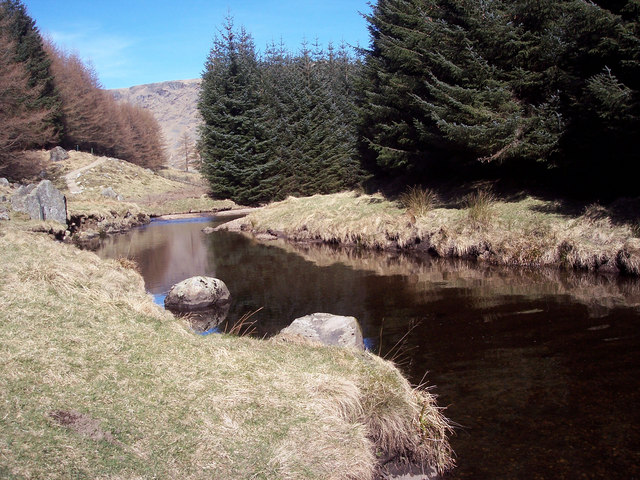
Photo: Trish Steel / Wikimedia Commons / CC BY-SA 2.0 River South Esk
Finavon Castle stands on the right bank of the River South Esk, just below the confluence with the Water of Lemno; the riverside position places the ruin within the former royal forest and barony of Finavon.
-
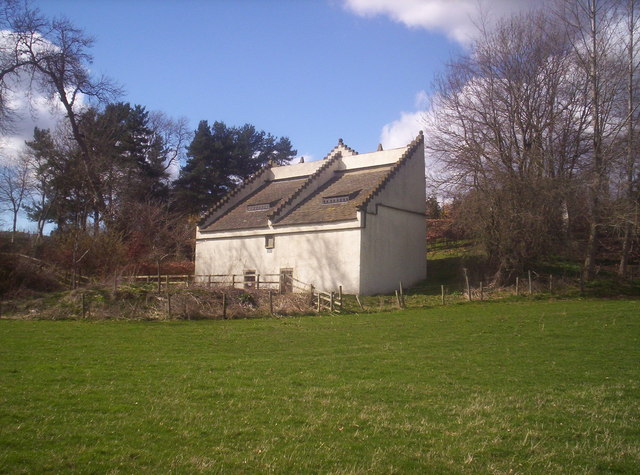
Photo: Dominic Dawn Harry and Jacob Paterson / Wikimedia Commons / CC BY-SA 2.0 Finavon Doocot
This nearby sixteenth-century dovecote has 2,400 nesting boxes and is traditionally described as Scotland’s largest, showing the scale of the Finavon estate.
-
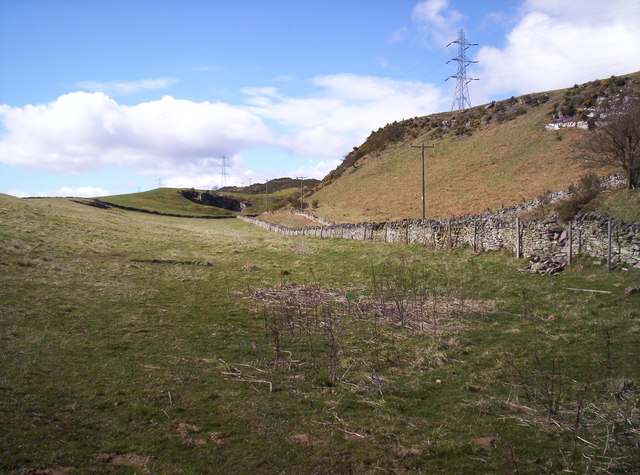
Photo: Dominic Dawn Harry and Jacob Paterson / Wikimedia Commons / CC BY-SA 2.0 Finavon Hill
The nearby vitrified Iron Age hillfort provides deep-time landscape context for Finavon, rather than evidence of a direct relationship with the later castle.
What to look for
-
L-plan tower-house
The visible c.1600 L-plan tower has five storeys, a garret and courtyard, recording the castle’s major early-modern rebuilding.
-
Older medieval fabric
Archaeology shows the tower was added at the north-east corner of a larger earlier medieval castle, rather than replacing it completely.
-
Finavon Doocot
The nearby sixteenth-century dovecote contains 2,400 nesting boxes, an unusually large survival from the wider Finavon estate.
Plan your visit
- Location
- 56.6973°N · 2.8234°W
- Nearest settlement
- Finavon
- Time needed
- About 15 minutes
- What survives
- The ruins retain a five-storey L-plan tower of about 1600, added to the north-east corner of an earlier medieval castle.
Opening & admission
No current admission or access details are recorded — check locally before visiting.
- The castle is a ruin on private estate land beside the River South Esk; no public access route is documented.
Nearby places
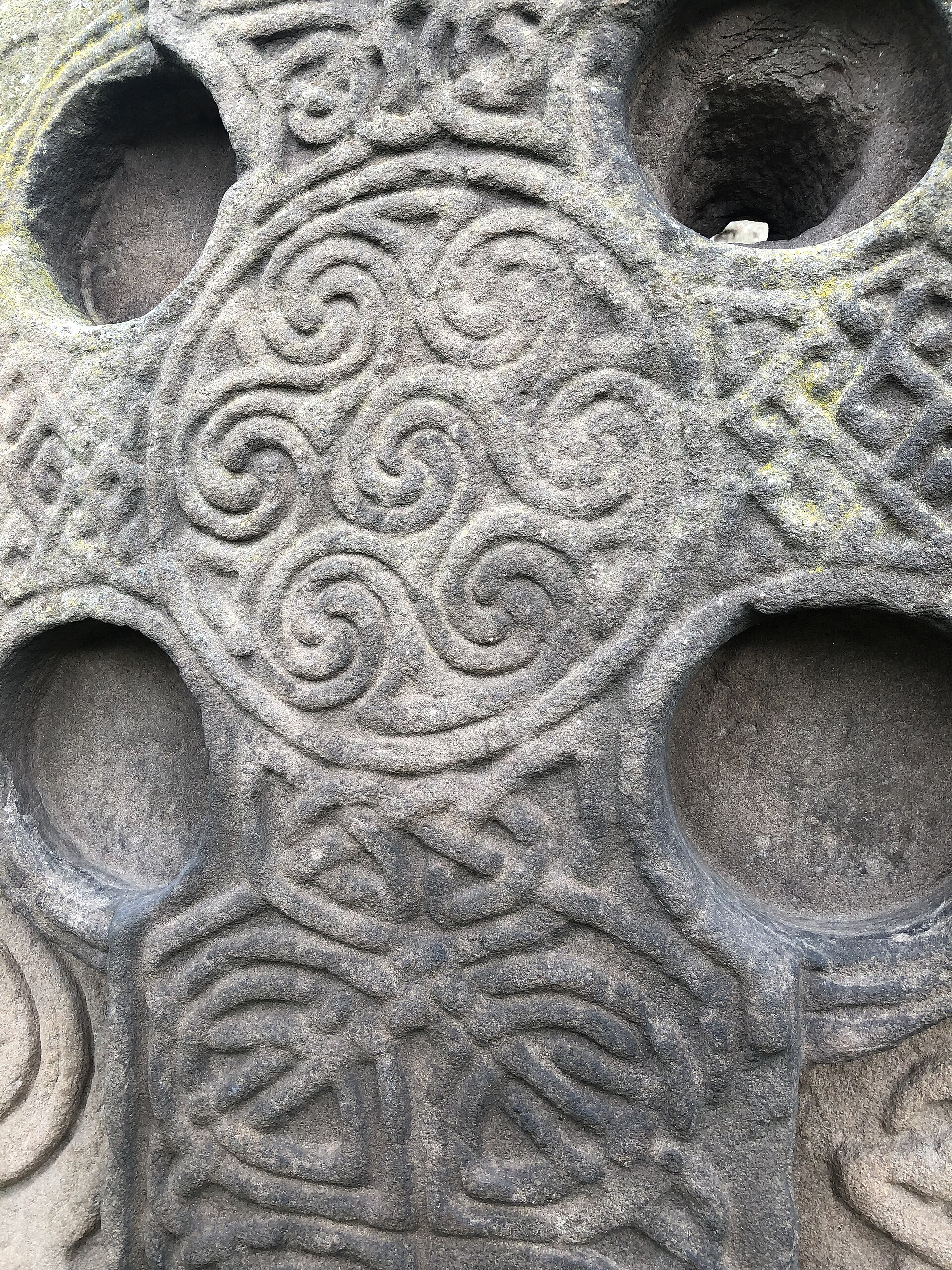
Carved stone · Pictish & early medieval
Aberlemno Sculptured Stones
Angus
The stones were carved during the height of Pictish (of the Picts, the people of northern and eastern Scotland from about AD 300 to 900) power in A…
- Near Aberlemno
- 31 metres from car park
- Easy path
Fortified place · Roman
Battledykes
Angus
Assessed to have sheltered 50,000 to 60,000 men, this is one of the largest Roman camps ever built in Scotland: a single night's stop on a campaign…
- Near Forfar
- Some walking
Building or ruin · Pictish & early medieval
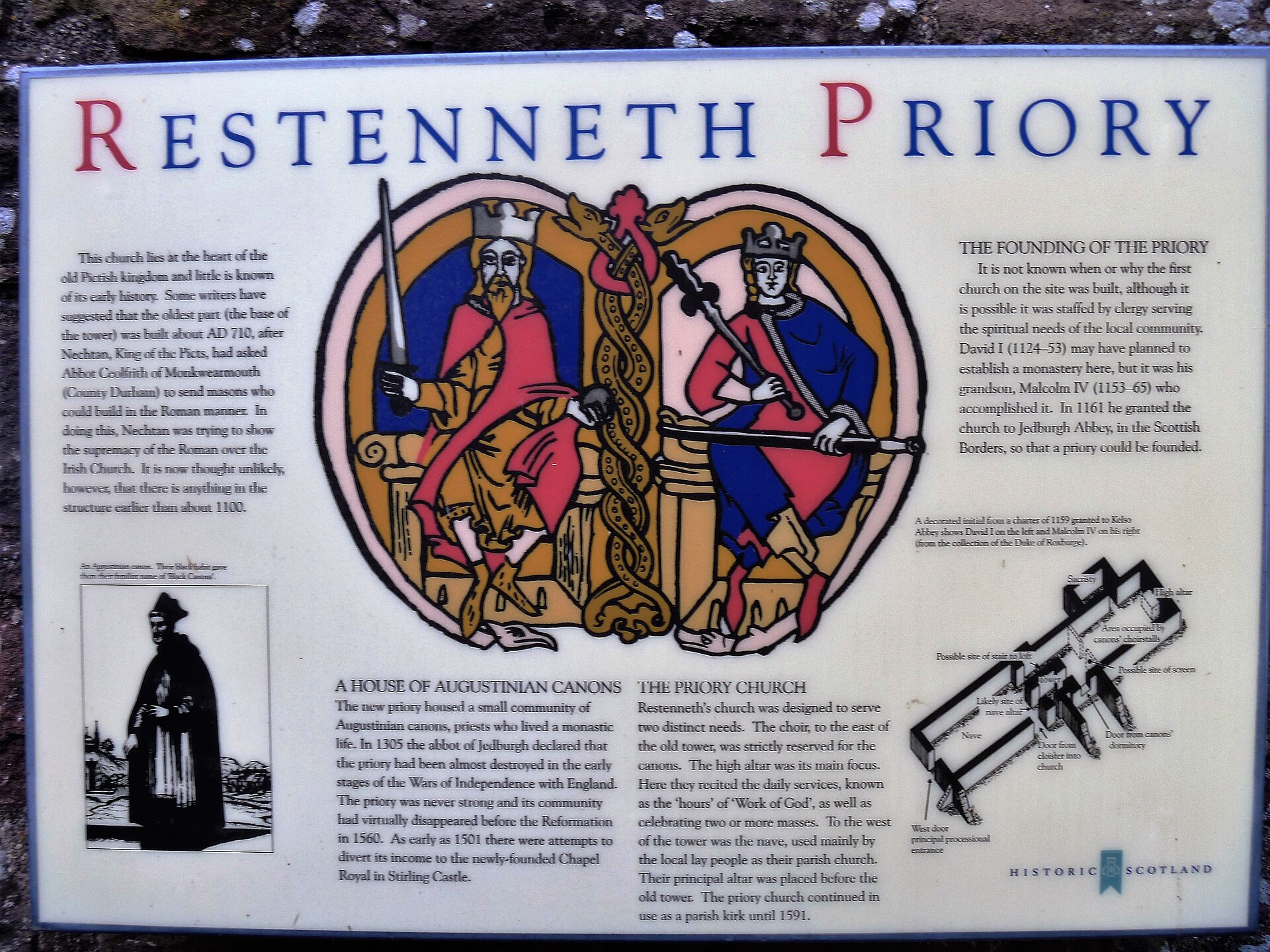
Restenneth Priory
Angus
Restenneth Priory was a monastic house of Augustinian canons founded by Jedburgh Abbey, under the patronage of King Malcolm IV of Scotland, in 1153…
- Near Forfar
- 3 min walk from car park
Carved stone · Pictish & early medieval
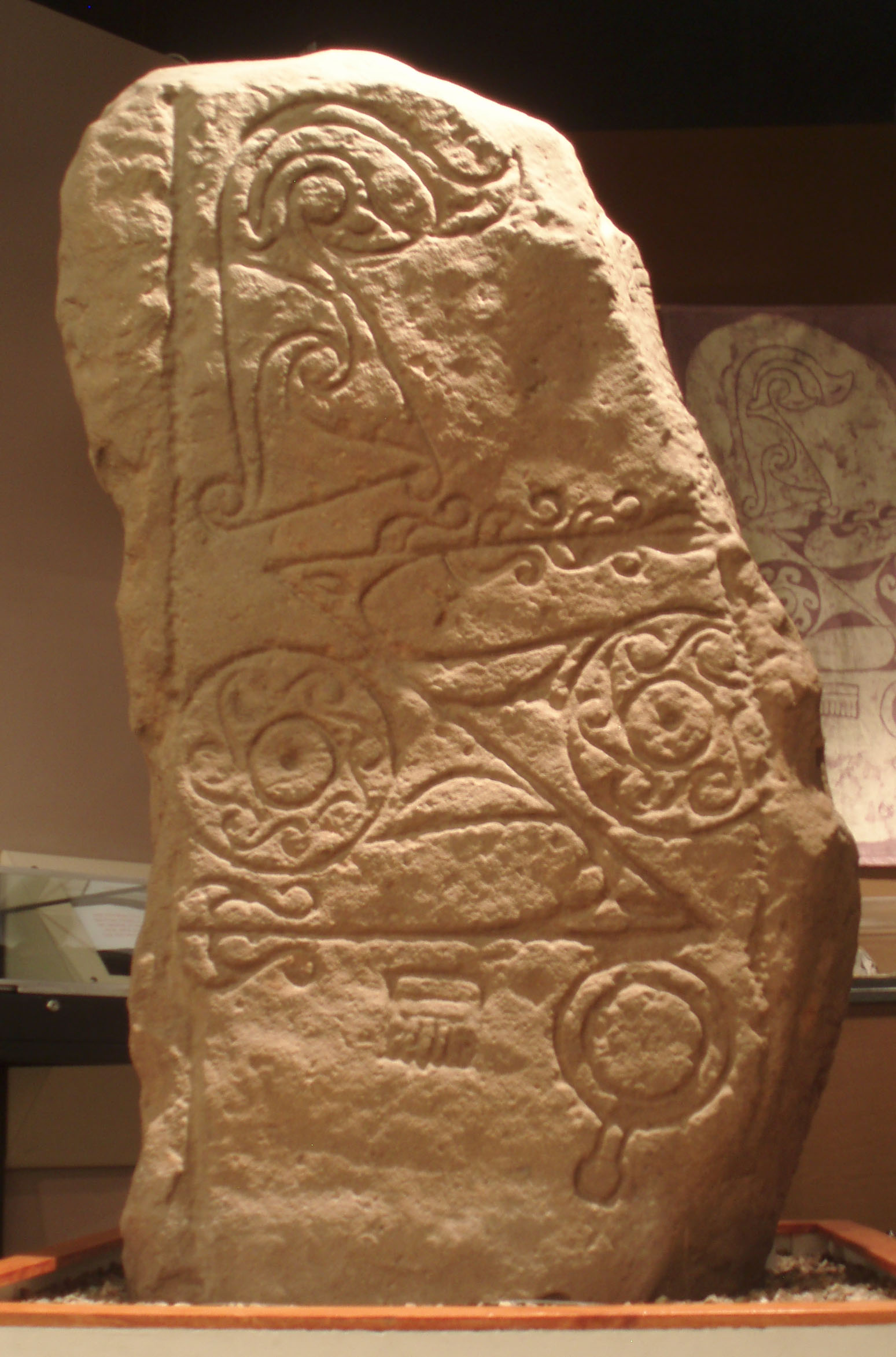
Dunnichen Stone
Angus
Its carved flower motif is rare among Pictish (of the Picts, the people of northern and eastern Scotland from about AD 300 to 900) symbol stones, w…
- Near Forfar
- Easy path
The setting
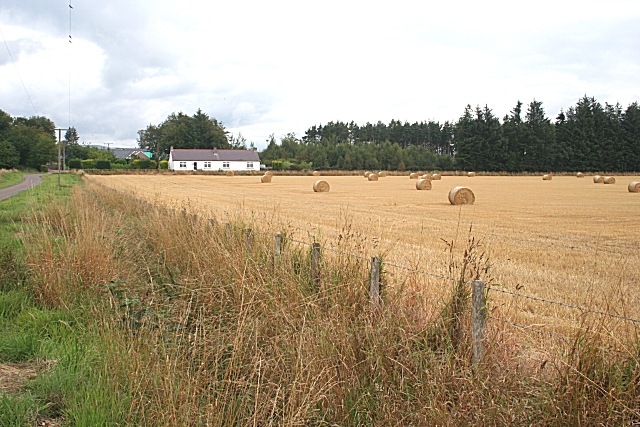
Field beside the A90 at Milton of Finavon.
Photo: Richard Webb / Wikimedia Commons / CC BY-SA 2.0
Farmland at West Mains of Finavon.
Photo: Richard Webb / Wikimedia Commons / CC BY-SA 2.0
Cereal field beside the A90 at Finavon.
Photo: JThomas / Wikimedia Commons / CC BY-SA 2.0
Questions people ask
- When was Finavon Castle built?
- The present tower dates from about 1600, but it was added to an older and more extensive medieval structure built on the Lindsay estate.
- Who owned Finavon Castle?
- The Lindsay Earls of Crawford held the estate from 1375; after a forced sale in 1625 it passed through the Spynie, Carnegie, Gordon and Gardyne families.
- What nearby historic features are associated with Finavon?
- Finavon Doocot, Scotland’s largest dovecote, lies nearby, as does the vitrified Iron Age hillfort on Finavon Hill.
Sources
The Ancient Codex, in your pocket
Get the Pocket Codex app
Carry the directory with you — Finavon Castle and thousands of ancient places across Britain and Ireland, offline, wherever you roam.