Restenneth Priory was a monastic house of Augustinian canons founded by Jedburgh Abbey, under the patronage of King Malcolm IV of Scotland, in 1153. It was always a small priory and very dependent on…
Restenneth’s surviving square tower rises from the ruins of the Augustinian priory beside Forfar, its lower stonework marking the part of the medieval house that still stands above the surrounding grass.
What follows is drawn from published sources, with each claim labelled by how firmly it is established.
History
Restenneth began as an Augustinian priory founded from Jedburgh Abbey in 1153, under the patronage of King Malcolm IV. Archaeological evidence suggests an earlier religious presence on the site, but the proposed association with a Pictish church mentioned by Bede remains speculative rather than established fact. The priory was always a small dependent house of Jedburgh. In 1501 it had only two canons and an annual income of £120; proposed incorporation into the Royal Chapel and then the archbishopric of St Andrews did not take effect, since priors continued to be recorded afterwards.
The church tower preserves the clearest sequence of Restenneth’s medieval construction. Historic Environment Scotland identifies its lowest three metres as masonry of about 1100, probably a tower porch; the tower was heightened later in the twelfth century and received its octagonal, splayed-foot spire in the fifteenth. The aisle-less nave and choir belong chiefly to the thirteenth century, so the standing building records several centuries of alteration rather than one foundation campaign.
The Augustinian community suffered during the Wars of Independence in the early fourteenth century, a period that helped leave it a small house by the end of the Middle Ages. King Robert I’s infant son John, twin brother of the future David II, was buried at Restenneth in the early 1300s. This royal burial connects the modest priory to the political upheaval of the Bruce dynasty without making it a royal foundation.
After the Reformation the priory became a secular lordship for Thomas Erskine, Viscount Fentoun, in 1606. George Dempster of Dunnichen, a later owner, used part of the choir as a family burial place, so the former monastery continued to receive commemorative use long after its canons had gone.
William Galloway and Dr John Stuart excavated the site in 1883. Most of the priory is now ruinous, but the square tower remains standing; Historic Environment Scotland records it as roughly fourteen metres high. The contrast between the surviving tower and the lower walls of the choir, nave and ranges makes the lost scale of the house legible without suggesting that the complex survives complete.
The buildings occupy a knoll that has been suggested as the site of a former crannog, although that interpretation remains uncertain. The visible ruins include choir walls with lancet windows and lower foundations of the nave and part of the chapter house. Their position, east of Forfar and now protected as a scheduled monument, keeps the monastic complex readable as a deliberately chosen, water-edged setting rather than an isolated church in open ground.
People
-
King Malcolm IV of Scotland
Royal patron under whom the Augustinian priory was founded in 1153, establishing Restenneth as a dependent house of Jedburgh.
-
Thomas Erskine, Viscount Fentoun
Received Restenneth as a secular lordship in 1606, after the Reformation ended its life as an Augustinian priory.
-
George Dempster of Dunnichen (1732–1818)
Post-Reformation owner who chose part of the choir as a family burial site.
-
William Galloway and Dr John Stuart
Antiquaries who excavated Restenneth in 1883, recording evidence beneath and around the surviving priory ruins.
Cultural influences
-
Augustinian canons regular — Restenneth was a daughter house founded and governed from Jedburgh Abbey, reflecting the 12th-century spread of the Augustinian order in Scotland under royal patronage.
Connections
-
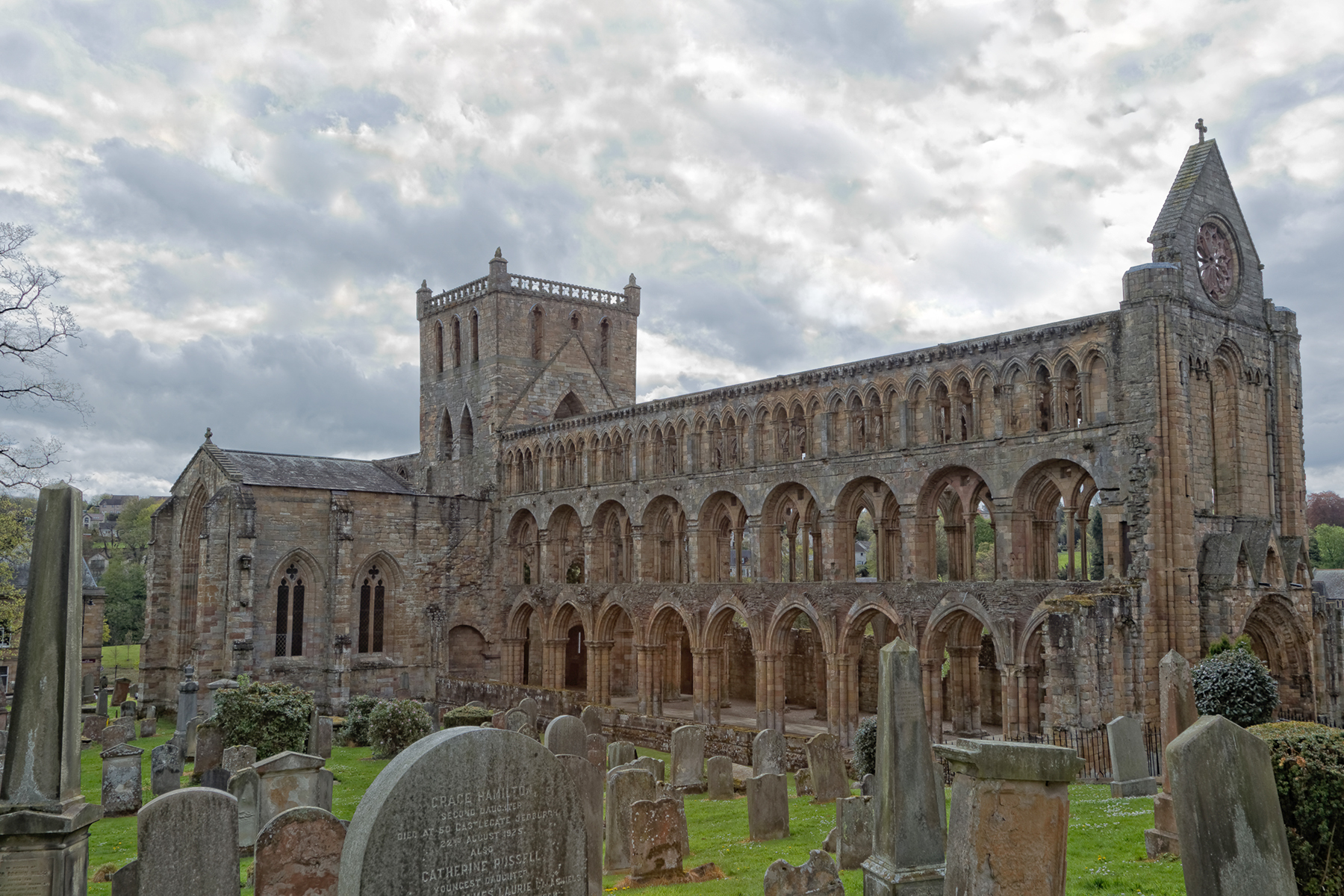
Photo: Antony McCallum / Wikimedia Commons / CC BY-SA 4.0 Restenneth was founded as an Augustinian dependency of Jedburgh Abbey, rather than an independent priory, linking its canons to the Borders mother house.
-
Angus Archives
The priory shares an access road with Angus Archives just outside Forfar, linking the medieval site with the county’s documentary collections.
-
Forfar
The nearby county town of Forfar lies about two kilometres west; Restenneth’s secluded grounds contrast with its civic and market centre.
Discovery & excavation
The priory was excavated in 1883 by William Galloway and Dr John Stuart. Although there is little literary evidence, archaeological evidence strongly indicates a monastery at Restenneth from very early times.
What to look for
-
The surviving tower
The surviving tower — the only part still standing while the rest of the priory is in ruins; its lower stage is argued by some to be very early.
-
The choir and burial place
The choir, part of which George Dempster of Dunnichen used as a family burial place.
-
The hidden rural setting
The secluded rural setting east of Forfar — from the priory the town and roads are hidden, leaving only the fields and the medieval (or earlier) architecture in view.
What is said
Folklore and tradition, recorded as what is said — not as established fact.
-
Restenneth may have been the Pictish church dedicated to St Peter, mentioned in Bede, said to have been built in 710 for Nechtán mac Der Ilei, King of the Picts. (speculation; not confirmed)
-
John Bruce, youngest son of Robert I and his second wife Elizabeth de Burgh and twin brother of David II, is reported to have been buried at the priory about 1327. (reported, not confirmed)
Plan your visit
- Location
- 56.6533°N · 2.8461°W
- Nearest settlement
- Forfar
- Access
- Open access
- Parking
- Parking available nearby — see the official getting-here page.
- Start point
- 2km east of Forfar on the B9113 Brechin Road.
- Time needed
- About 45 minutes
- Best time
- **April to September** Open between 9.30am and 5pm **October to March** Open between 10 and 4pm Opening times Open year-round.
- What survives
- A largely ruined Augustinian priory with a surviving 14-metre church tower; the aisle-less nave and choir survive at lower level.
- Facilities
- Historic Environment Scotland describes the site as exterior-only; no visitor facilities are stated on its official page.
- Start point
- Restenneth Priory car park, off the B9113 Brechin Road — HES confirms parking is available at the site, ~2km east of Forfar on the B9113 Brechin Road.
Opening & admission
Free entry
- **April to September** Open between 9.30am and 5pm **October to March** Open between 10 and 4pm Opening times Open year-round.
Nearby places
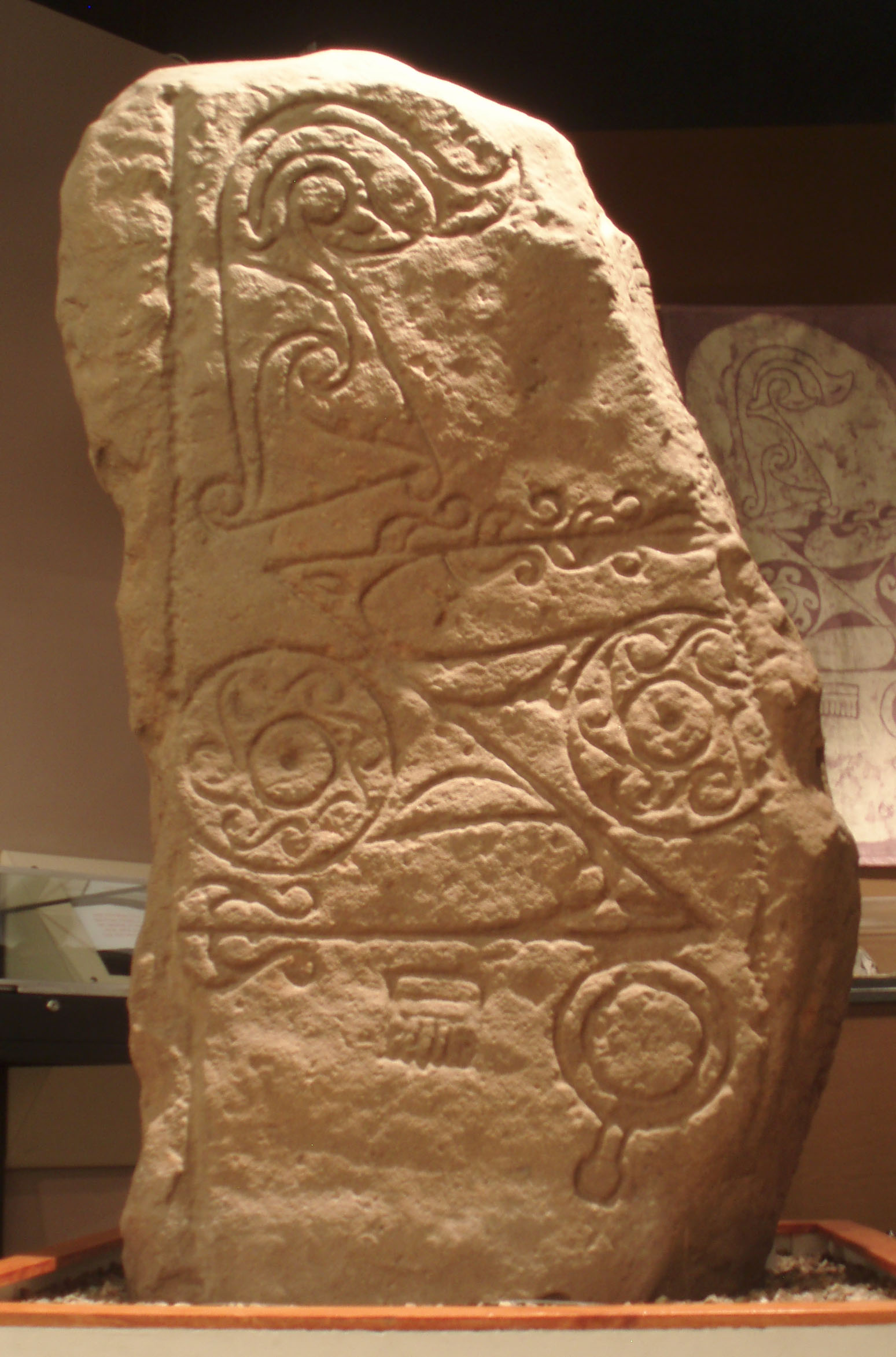
Carved stone · Pictish & early medieval
Dunnichen Stone
Angus
Its carved flower motif is rare among Pictish (of the Picts, the people of northern and eastern Scotland from about AD 300 to 900) symbol stones, w…
- Near Forfar
- Easy path
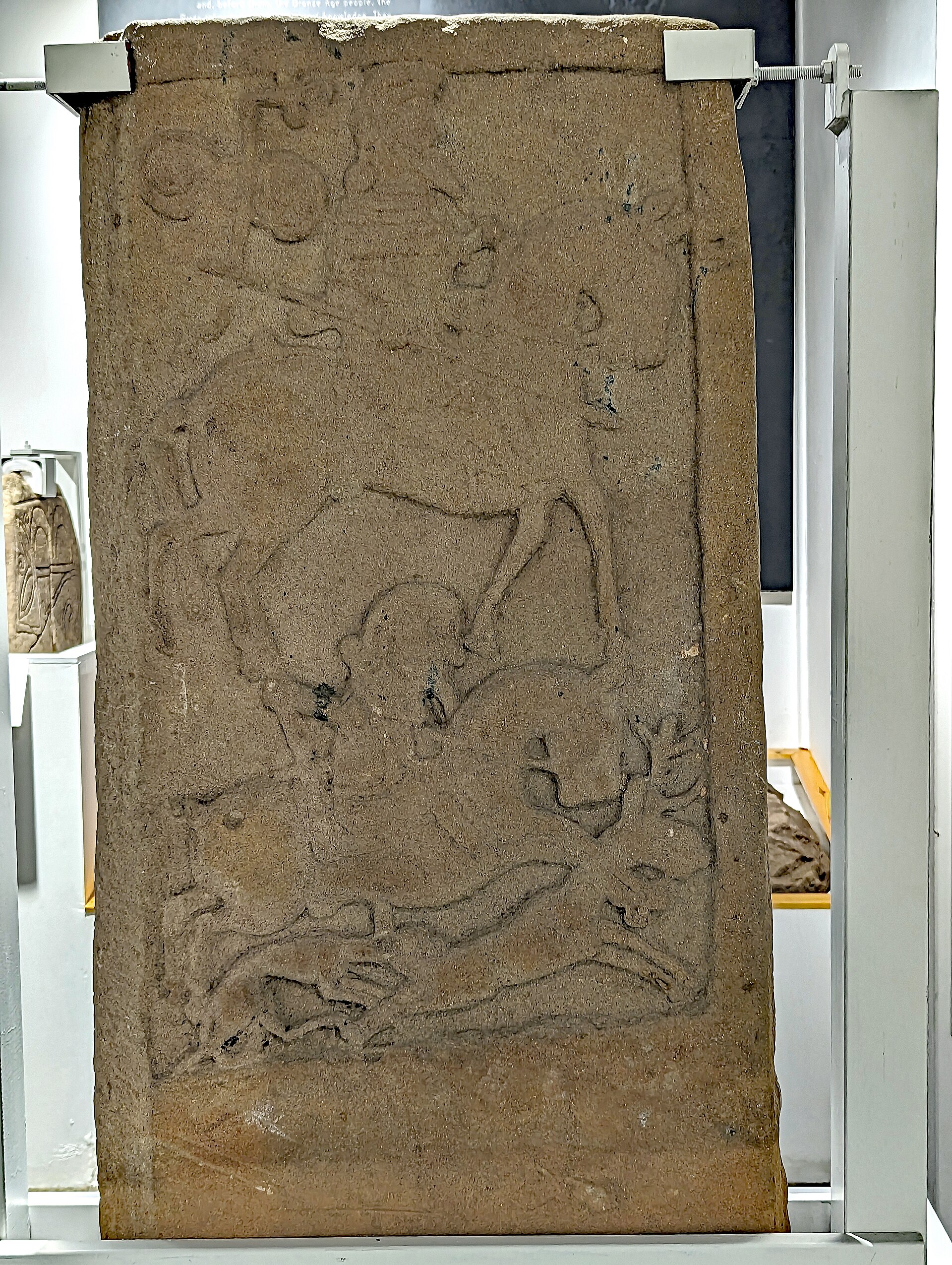
Carved stone · Pictish & early medieval
Kirriemuir sculptured stones
Angus
The stones' Pictish symbols were carved as the symbol tradition itself was dying out: among the last such carvings made anywhere before it vanished…
- Near Kirriemuir
- Easy path
Fortified place · Roman
Battledykes
Angus
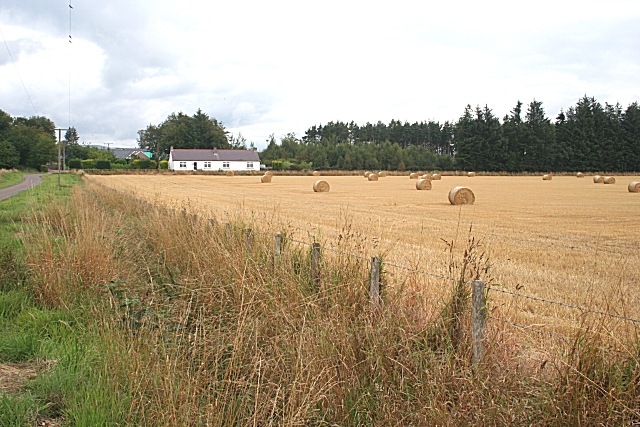
Assessed to have sheltered 50,000 to 60,000 men, this is one of the largest Roman camps ever built in Scotland: a single night's stop on a campaign…
- Near Forfar
- Some walking
Fortified place · Medieval
Finavon Castle
Angus
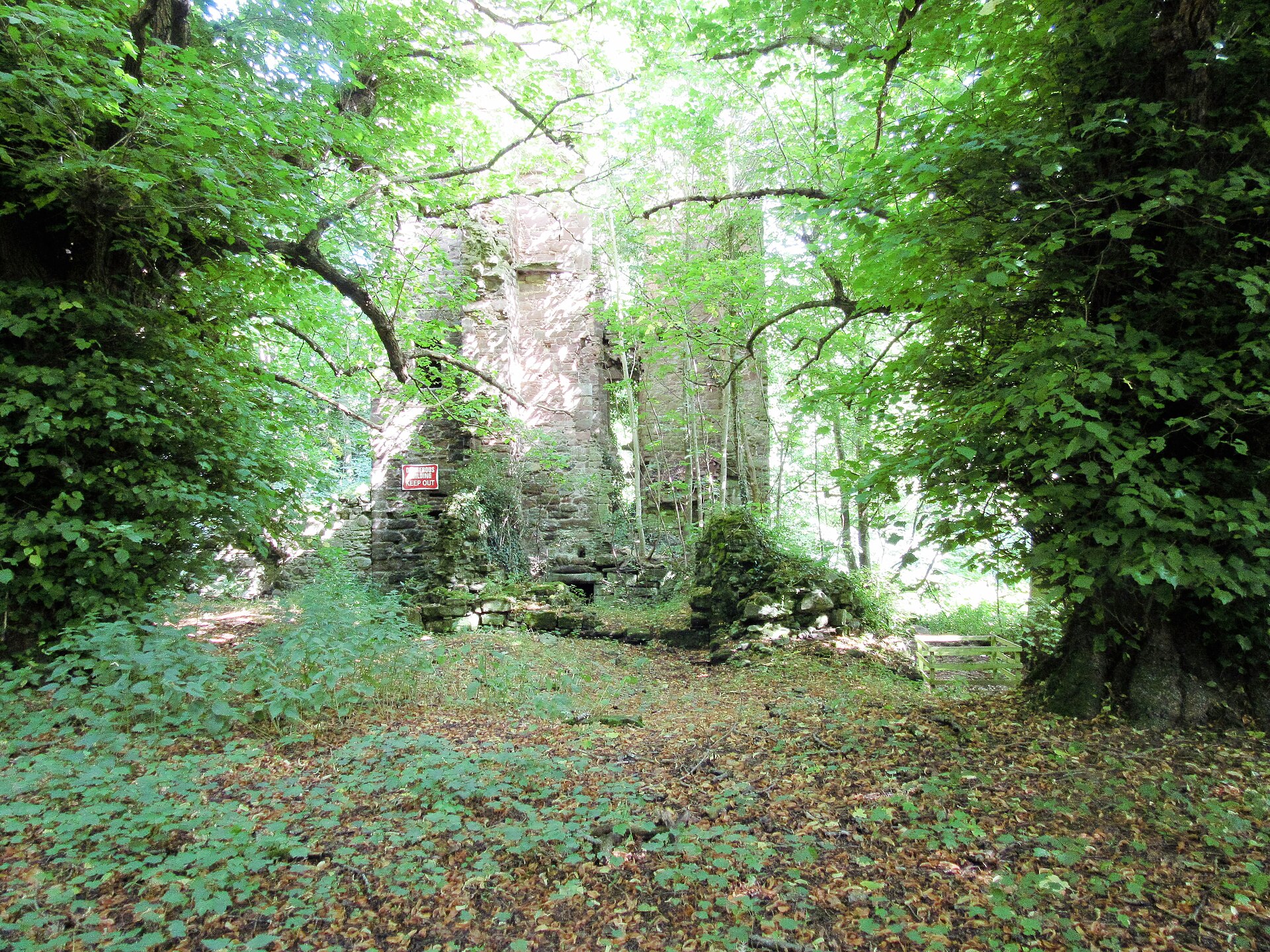
Finavon Castle combines the ruins of a 17th-century L-plan tower-house with excavated evidence of a larger medieval predecessor, preserving a long-…
- Near Finavon
Questions people ask
- Can visitors go inside Restenneth Priory?
- Historic Environment Scotland lists the priory as open year-round for exterior viewing only. Check its official page for current seasonal hours before travelling.
Sources
- Canmore site record 33745 (accessed 2026-06-13)
- Trove (HES) record (accessed 2026-06-13)
- Wikipedia: Restenneth Priory (accessed 2026-06-13)
- Wikidata Q7316106 (accessed 2026-06-13)
- Historic Environment Scotland: Restenneth Priory — History and stories
Explore more: Building or ruins · Pictish & early medieval · Angus
The Ancient Codex, in your pocket
Get the Pocket Codex app
Carry the directory with you — Restenneth Priory and thousands of ancient places across Britain and Ireland, offline, wherever you roam.