By 1853, elderly locals in Glen Esk still recalled the circle looking fuller, before stone-robbing thinned it — a rare glimpse of a monument's decline caught within living memory.
When the antiquarian Andrew Jervise visited Glen Esk in 1853, he did not just describe the stones in front of him — he sought out elderly residents who could remember the monument as it used to be. Their recollection was blunt: the circle had once stood fuller, before its stones were carried off in recent memory for building material. It is one of the few moments in Scottish antiquarian writing where the disappearance of a prehistoric (from the era before writing arrived in these islands) monument is caught almost as it happens, through the memory of people still alive to describe it.
The circle stands on Colmeallie Farm in Glen Esk, Angus, close to the point where the minor road for Tarfside and Loch Lee branches off the B966 north of Edzell. It belongs to a distinctive Scottish monument type known as a recumbent stone circle: a ring of upright stones built around one large stone laid on its side, usually flanked by a pair of taller uprights, a form concentrated in north-east Scotland.
What survives today is recorded and protected as a scheduled monument, its condition a direct legacy of the losses already noted in the nineteenth century. Later antiquarians, and eventually Historic Environment Scotland, took up where Jervise left off, keeping a formal record of a monument that local memory alone had once been enough to describe.
What follows is drawn from published sources, with each claim labelled by how firmly it is established.
History
In the years before Jervise's visit, the stones of the Colmeallie circle were steadily taken away, most likely for use in nearby field walls and farm buildings — a common fate for prehistoric monuments across rural Scotland once their original meaning had been forgotten. By the time any formal record was made, the ring had already lost much of the completeness that older residents of Glen Esk could still recall from their own lifetimes.
In 1853 the antiquarian Andrew Jervise visited Glen Esk and recorded the circle at Colmeallie, taking the additional step of speaking with elderly locals rather than relying on the stones alone. They told him the monument had once stood more complete, and that its stones had been plundered for building material within recent memory, turning his account into one of the earliest pieces of direct testimony about the deliberate destruction of a Scottish stone circle.
Historic Environment Scotland later scheduled the site as a monument of national importance, recorded under reference SM116, and it continues to be listed by heritage and antiquarian sources including the Megalithic Portal and Wikipedia — the same channels through which Jervise's nineteenth-century account has been preserved and passed on.
People
-
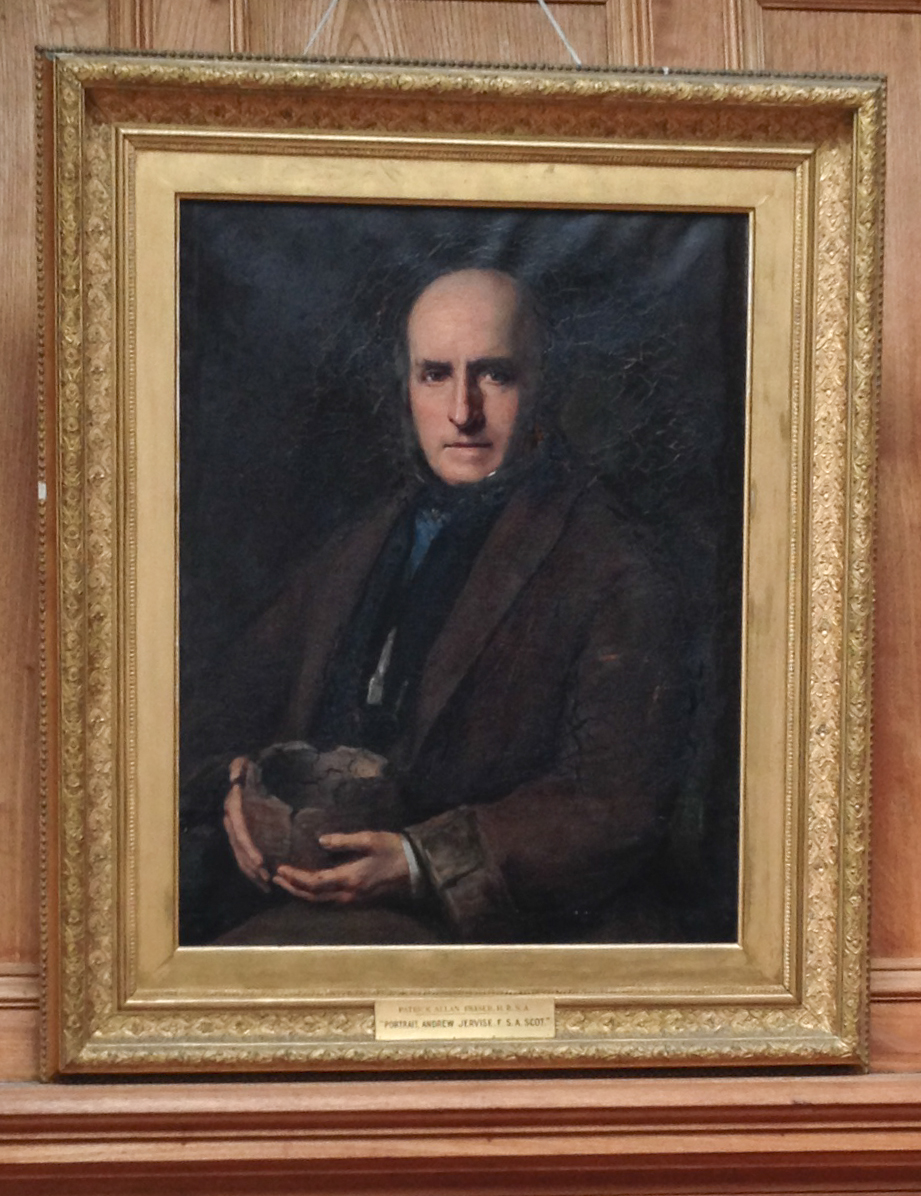
Portrait: Ray Oaks / Wikimedia Commons / CC BY-SA 3.0 Andrew Jervise
Nineteenth-century Scottish antiquarian who recorded the Colmeallie stone circle in 1853 and preserved local testimony about its more complete earlier state.
Cultural influences
-
Scottish stone circles
Colmeallie was one of the prehistoric stone circles of Glen Esk, though much of its original fabric was removed for local building material.
Connections
-
Glen Esk
The Angus glen the circle stands in, on the road running north from the B966 towards Tarfside and Loch Lee.
-
Edzell
The village eight kilometres south, the point the circle's position is measured from.
-

Photo: ED McIntosh / Wikimedia Commons / CC BY-SA 3.0 Easter Aquhorthies stone circle
A recumbent circle of the same north-east Scottish type, surviving nearly whole, against which Colmeallie's losses can be measured.
-
Loch Lee
The head of the glen the road past the circle leads towards.
Discovery & excavation
Antiquarian Andrew Jervise recorded the circle in 1853, including local testimony that stones had recently been removed for building material.
What to look for
-
The recumbent stone form
As a recumbent stone circle, Colmeallie originally combined a ring of upright stones with one large stone laid on its side, usually flanked by two taller uprights — a design found chiefly in north-east Scotland, though decades of stone-robbing mean not every element once described may still stand.
-
Its farmland setting
The circle sits on Colmeallie Farm in Glen Esk, close to where the unclassified road for Tarfside and Loch Lee leaves the B966 north of Edzell — a quiet, working agricultural landscape rather than a managed heritage site.
Plan your visit
- Location
- 56.8924°N · 2.7145°W
- Access
- Open access
- Terrain
- Easy going
- Time needed
- About 30 minutes
Opening & admission
Free to view; check the Historic Environment Scotland website for any current guidance before visiting.
- Sits beside an unclassified road linking the B966 to Tarfside and Loch Lee, near Colmeallie Farm.
Nearby places
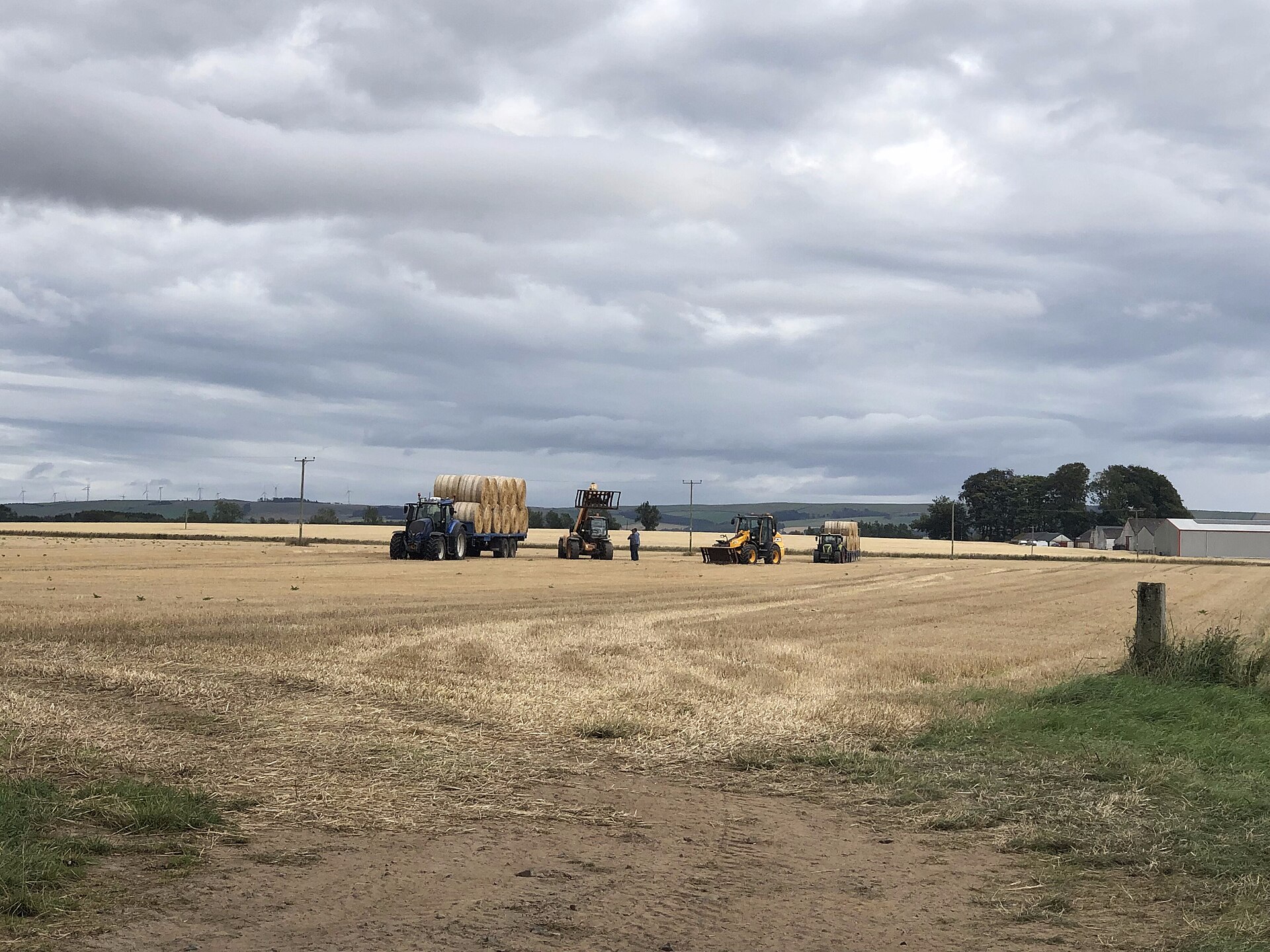
Minor monument · Medieval
Dovecot, Balbegno Castle
Aberdeenshire
This surviving seventeenth-century pigeon house preserves Balbegno Castle’s food infrastructure, from its crowstepped roof to a projecting masonry…
- Near Fettercairn
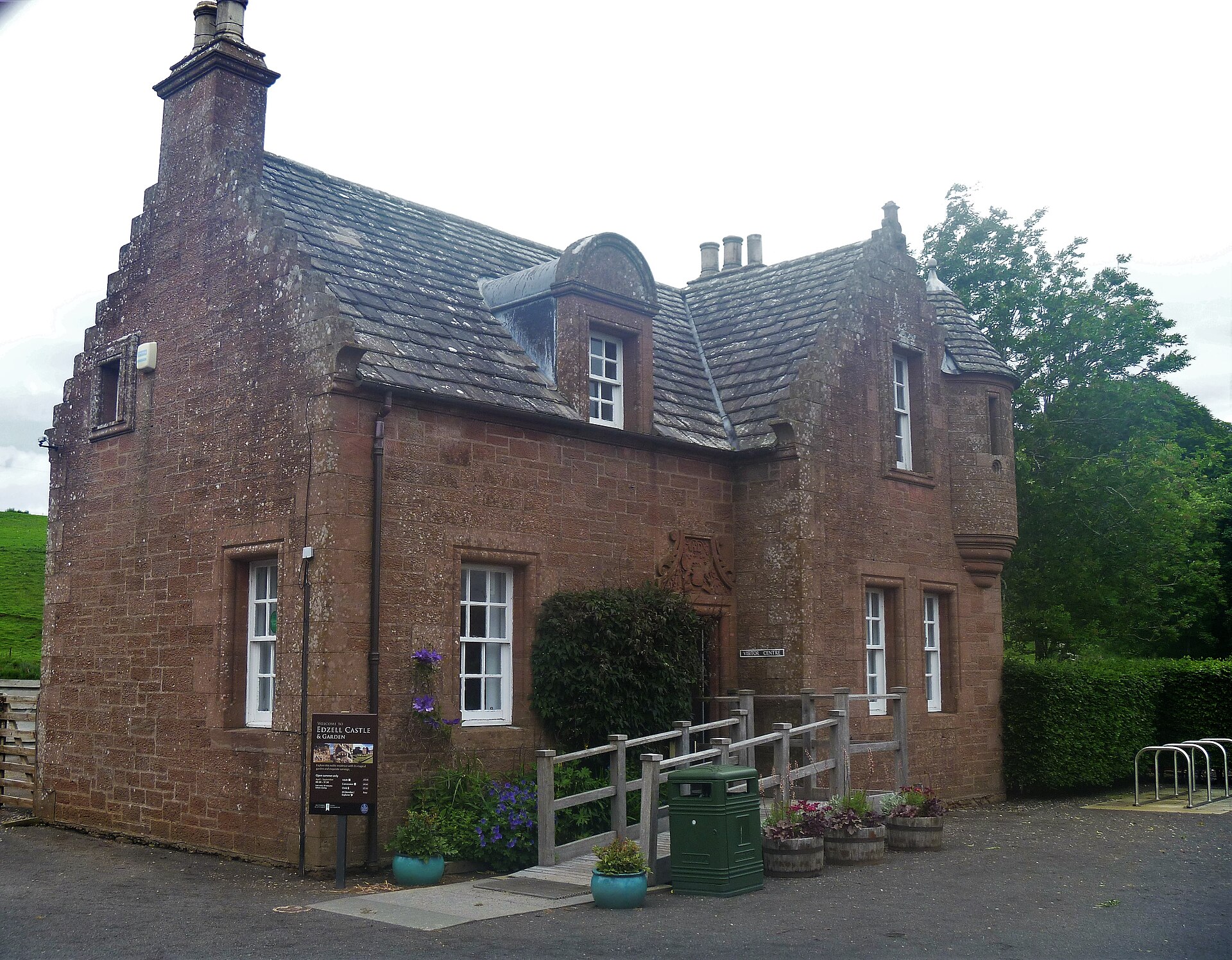
Fortified place · Medieval
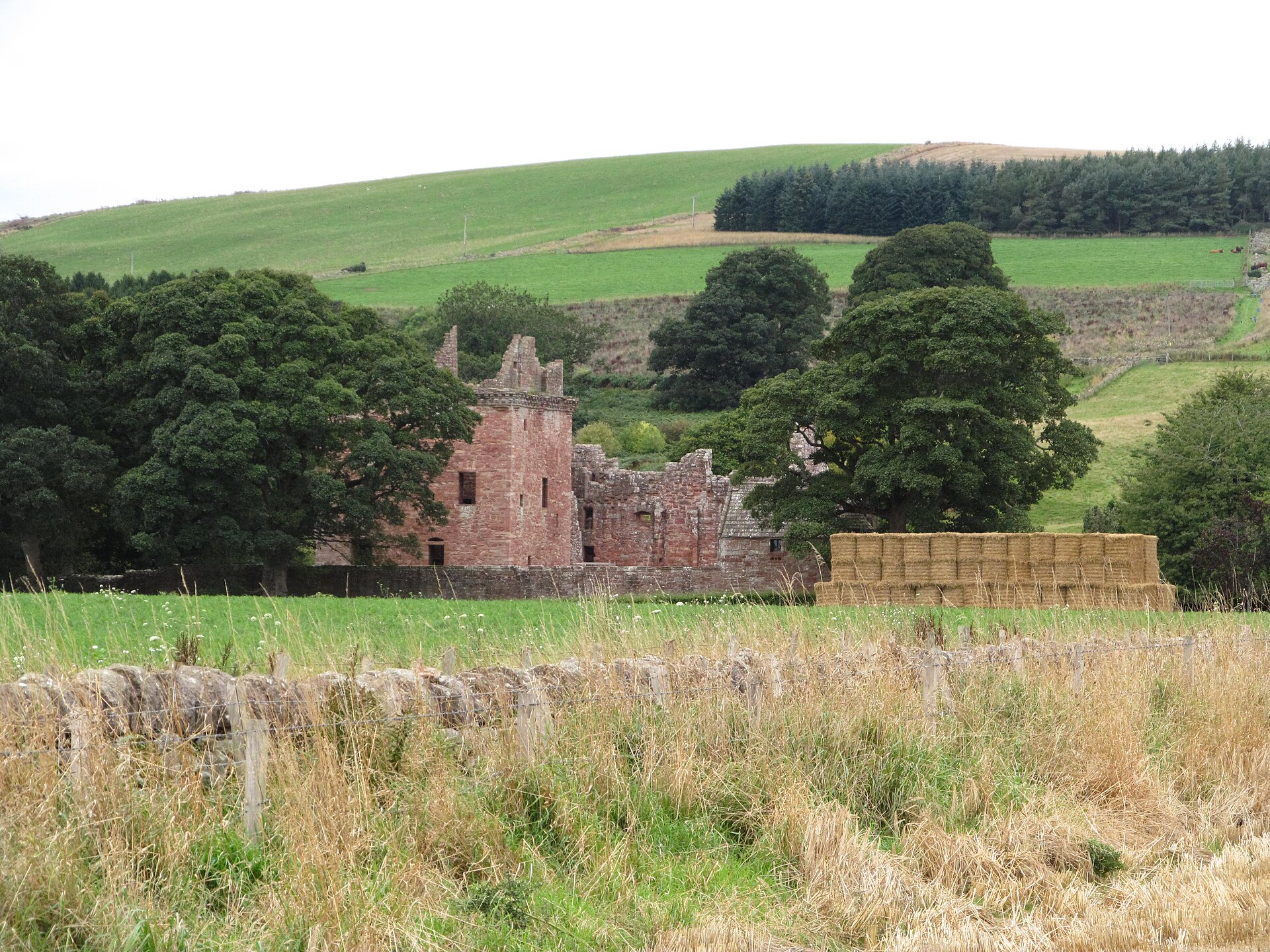
Edzell Castle and Garden
Angus
Its walled garden is carved with the only known Scottish set of relief panels depicting planetary deities and the liberal arts, a Renaissance survi…
- Easy path
Minor monument · Medieval
Dovecot, Mains Of Edzell
Angus
Edzell’s square pigeon house, with diagonally opposed turrets and a later ruined extension, makes the working architecture and changing needs of th…
- Near Edzell
Minor monument · Medieval
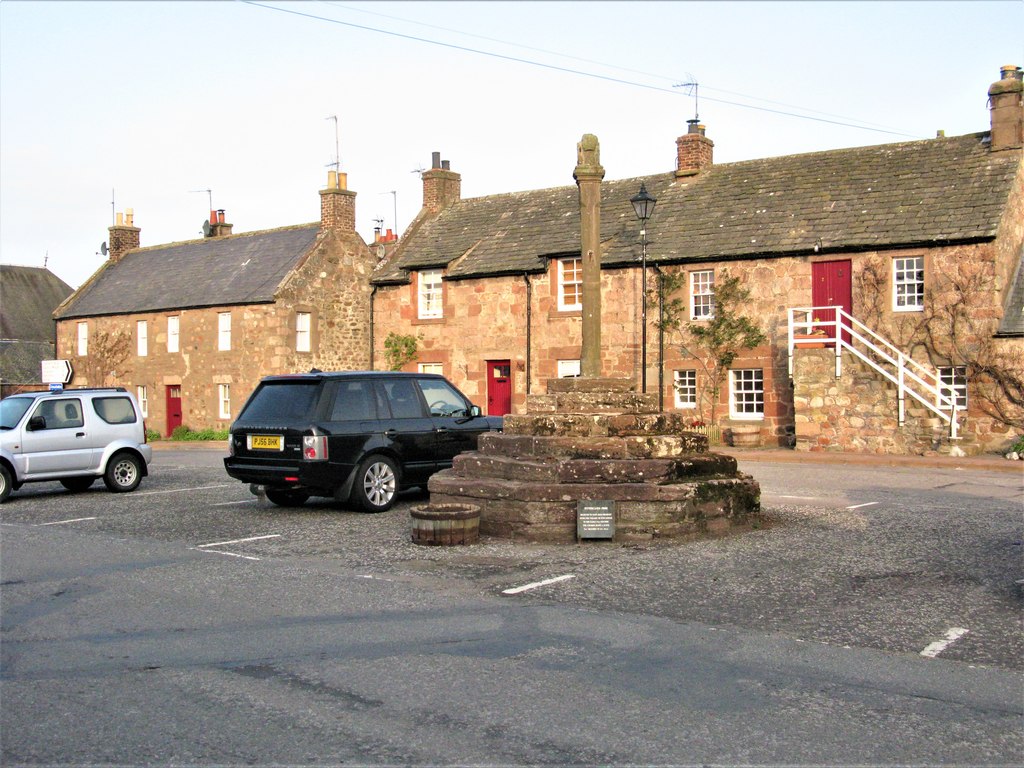
Market Cross, The Square, Fettercairn
Aberdeenshire
A 1670 market cross moved from Kincardine to Fettercairn in 1730 carries an ell measure, sundials and the arms of Scotland and the Earl of Middleton.
- Easy path
Questions people ask
- Where is Colmeallie stone circle?
- On Colmeallie Farm in Glen Esk, Angus, about 8 km north of Edzell, beside the unclassified road linking the B966 to Tarfside and Loch Lee.
- What is a recumbent stone circle?
- A ring of standing stones built around one large stone laid on its side, usually flanked by two taller uprights — a form concentrated in north-east Scotland.
- Why is the circle no longer complete?
- By 1853 antiquarian Andrew Jervise found elderly locals who remembered it fuller; its stones had been taken, likely for building material, within living memory.
- Is Colmeallie stone circle protected?
- Yes — it is scheduled as a monument of national importance by Historic Environment Scotland, under reference SM116.
- What is the grid reference for the site?
- NO 565 780, placing it in Glen Esk, Angus, Scotland.
Sources
- Wikipedia: Colmeallie stone circle
- Historic Environment Scotland — Canmore (SM116)
- The Megalithic Portal
- Wikidata: Colmeallie stone circle
Explore more: Sacred places · Prehistoric · Angus
The Ancient Codex, in your pocket
Get the Pocket Codex app
Carry the directory with you — Colmeallie stone circle and thousands of ancient places across Britain and Ireland, offline, wherever you roam.