
The Kilberry Sculptured Stones preserve medieval cross-slabs and grave markers from a parish church destroyed in the 17th century, keeping a dispersed religious-art tradition visible in a dedicated shelter beside the later rebuilt Kilberry Castle in Knapdale.
A purpose-built shelter in the grounds of Kilberry Castle displays a small but significant group of medieval carved stones. The collection includes cross-slabs and grave markers originally associated with the parish church at Kilberry in Knapdale.
The medieval church was destroyed in the 17th century, making the surviving sculpture an important physical link to the lost building and its burial community. Rather than remaining in the churchyard, the stones are now gathered and protected in the castle grounds.
Historic Environment Scotland cares for the collection. Its setting beside Kilberry Castle connects two layers of local history: medieval ecclesiastical sculpture and an estate site whose 1497 Campbell castle was later rebuilt into a 19th-century mansion.
What follows is drawn from published sources, with each claim labelled by how firmly it is established.
History
The Kilberry Sculptured Stones originated at the medieval parish church in the village of Kilberry, on the western side of Knapdale. Their cross-slabs and grave markers show that the churchyard and church community contained carved memorials and religious sculpture of the kind now preserved as a distinct historic collection. The medieval parish church was destroyed in the 17th century. The loss of the building made the surviving stones especially important as material evidence of its religious and funerary landscape, retaining forms of commemoration that would otherwise be known only through a vanished ecclesiastical site.
The carved stones were brought together for display in a purpose-built shelter in the grounds of Kilberry Castle. This protected setting allows the cross-slabs and medieval grave markers to remain accessible as a group while separating their survival from the destroyed church where they originally stood. Historic Environment Scotland now cares for the collection. The stones are displayed beside a castle site first occupied by a 1497 L-plan Campbell castle, destroyed in 1513 and incorporated into a mansion from 1844, giving the grounds a layered medieval, early-modern and Victorian history.
Cultural influences
-
Cross-slabs and grave markers formed part of the parish church’s religious and burial setting.
-
Cares for the stones in their purpose-built display shelter.
Connections
-
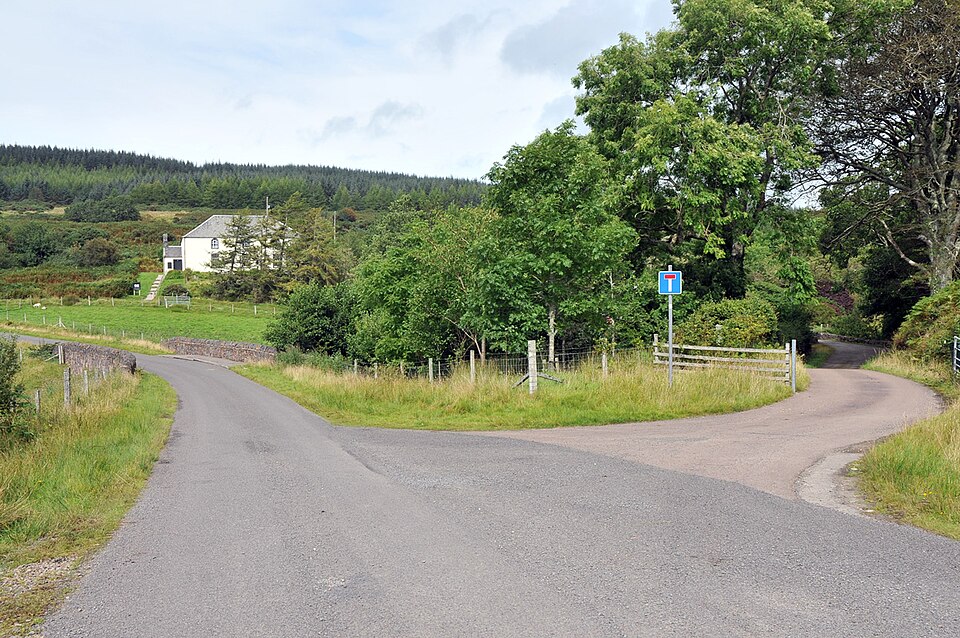
Photo: Steven Brown / Wikimedia Commons / CC BY-SA 2.0 Kilberry parish church
The medieval church from which the stones originated was destroyed in the seventeenth century, leaving the sculptures as evidence for its religious community.
-

Photo: Anne Burgess / Wikimedia Commons / CC BY-SA 2.0 Kilberry Castle
The stones are displayed in a purpose-built shelter within the castle grounds, where the collection is protected and publicly interpreted.
-
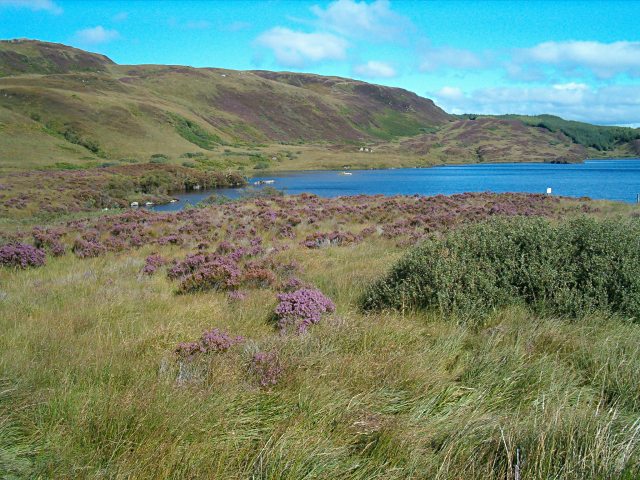
Photo: Patrick Mackie / Wikimedia Commons / CC BY-SA 2.0 Knapdale
Kilberry lies in Knapdale, the Argyll district that provides the coastal and ecclesiastical landscape context for the medieval church site.
What to look for
-
Cross-slabs
The collection includes carved medieval cross-slabs from the lost parish church, preserving religious sculpture after the building’s destruction.
-
Grave markers
Look for the medieval funerary markers preserved beside the cross-slabs, each recording burial and commemoration within the former parish community.
-
Purpose-built shelter
The stones are grouped in a dedicated shelter within Kilberry Castle’s grounds, allowing their carved surfaces to be viewed together.
-
Two separate protected groups
Historic Environment Scotland scheduled the stones on 15 March 2013, in the parish of South Knapdale, as two separate groups which together show the scale and range of medieval carving once associated with Kilberry church.
Plan your visit
- Location
- 55.8170°N · 5.6572°W
- Nearest settlement
- Kilberry
- Access
- Open access
- Terrain
- Easy going
- Time needed
- About 30 minutes
- Best time
- Daylight, when the sheltered collection can be viewed clearly.
- What survives
- Twenty-six sculptured stones are preserved in a purpose-built shelter.
- Facilities
- Check the official visitor page for current facilities and access arrangements.
Opening & admission
Free to view in the grounds; check the managing body's site before travelling for current arrangements.
- The stones are displayed in a purpose-built shelter in the grounds of Kilberry Castle.
Nearby places
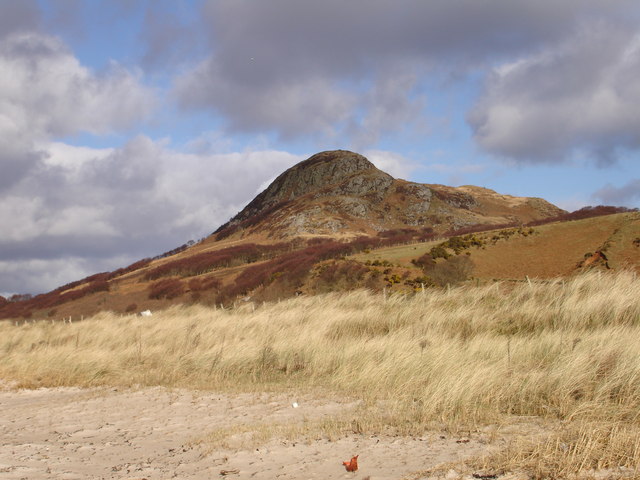
Fortified place · Medieval
Dun Skeig
Argyll and Bute
Two forts share one summit here: a compact Iron Age (the centuries before Rome arrived, from about 800 BC) dun with a single entrance, and beside i…
- Near Clachan
- Rough ground
Fortified place · Medieval
Dùn a' Choin Duibh
Argyll and Bute
Its Gaelic name preserves a guardian-dog legend rather than any battle record, and its ridge commands an open sightline across four separate lands.
- Near Tobermory
- Rough ground
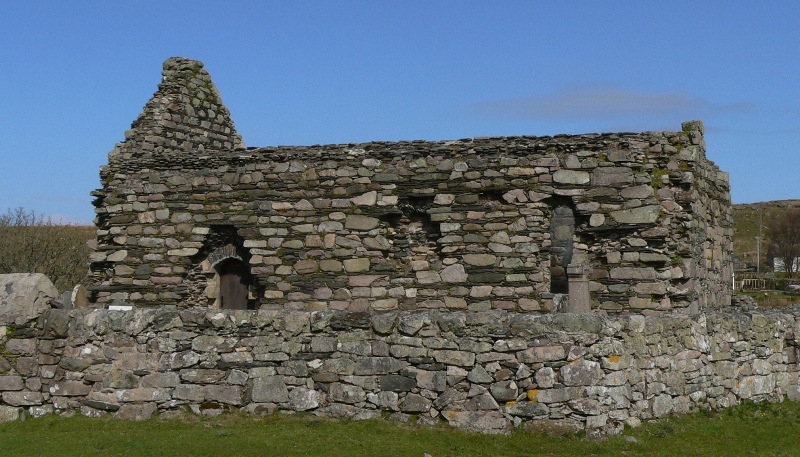
Tomb or burial place · Pictish & early medieval
Kilmory Knap Chapel
Argyll and Bute
Macmillan's Cross survives inside as one of the finest West Highland carvings anywhere: a clan chief and his hunting dogs cut into stone over six c…
- Near Kilmory, Knapdale
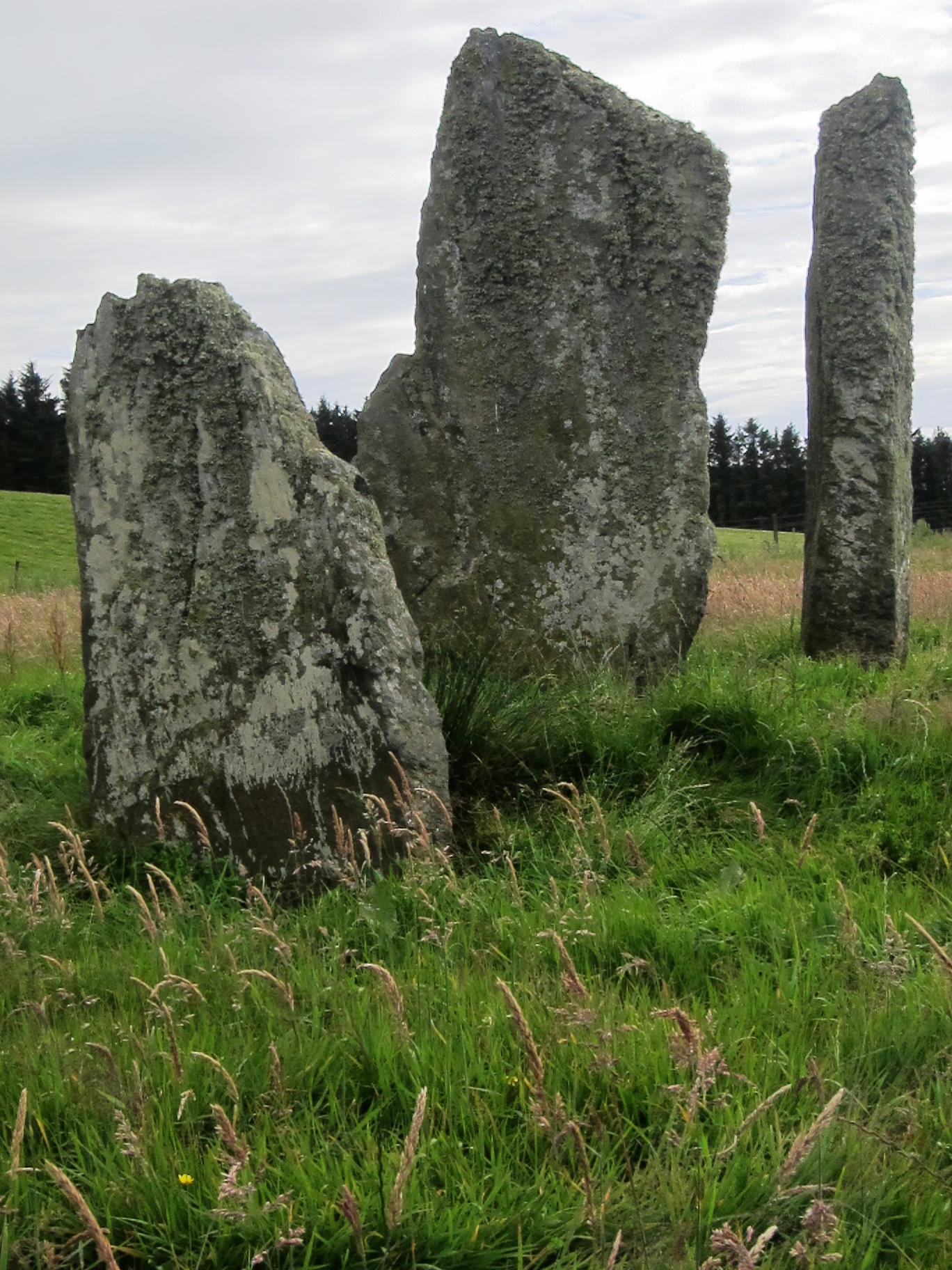
Sacred place · Prehistoric
Ballochroy
Argyll and Bute
Alexander Thom argued its central stone's flat face was cut to point exactly at sunset over a named Jura peak at the solstices: making Ballochroy o…
- Near Campbeltown
- Some walking
Questions people ask
- What are the Kilberry Sculptured Stones?
- They are a group of medieval cross-slabs and grave markers displayed in a purpose-built shelter at Kilberry Castle.
- Where did the stones come from?
- They originally came from Kilberry’s medieval parish church, which was destroyed in the 17th century.
- Who cares for the stones?
- Historic Environment Scotland cares for the Kilberry Sculptured Stones.
Sources
- Historic Environment Scotland: Kilberry Sculptured Stones
- Kilberry — Wikipedia
- Kilberry Sculptured Stones — Wikidata
- Historic Environment Scotland designation SM13279: Kilberry Castle, crosses 50m E of, and carved stones 215m NE of (accessed 2026-08-03)
Explore more: Carved stones · Medieval · Argyll and Bute
The Ancient Codex, in your pocket
Get the Pocket Codex app
Carry the directory with you — Kilberry Sculptured Stones and thousands of ancient places across Britain and Ireland, offline, wherever you roam.