
At 6.5 metres tall it is the largest surviving Pictish (of the Picts, the people of northern and eastern Scotland from about AD 300 to 900) cross-slab in Scotland, its east face carved with a battle scene that ends in a pile of severed heads.
A slab of pale sandstone rises more than twenty feet above a grass bank on the edge of Forres, its faces worked from edge to edge with carving that has survived over a thousand years of Moray weather. On one side a great Celtic cross is bound up in interlace so dense it almost swallows the shape beneath it; on the other, in four stacked panels, rows of horsemen give way to foot soldiers, then to a heap of headless bodies with their skulls piled beside them, and finally to an army marching off in triumph. No inscription explains what it commemorates, and for centuries observers have argued about which kings, which battle, and which century.
What follows is drawn from published sources, with each claim labelled by how firmly it is established.
The name
The name is traditionally linked to Sweyn Forkbeard, the Danish king whose forces are said to have been defeated nearby, though historians now regard this association as unreliable folklore rather than fact. An alternative and better-supported theory ties the stone to the killing of King Dubh mac Ailpin at Forres in 966.
History
Radiocarbon dating of charcoal recovered from the site produced a range spanning AD 600 to 1000, but the balance of scholarly opinion narrows the stone's erection to around AD 850 to 890, a period when Pictish and Gaelic art traditions were converging under expanding Scottish kingship. Old maps preserve evidence that the stone did not always stand alone. Timothy Pont's Mapp of Murray of around 1590, the military surveys of Roy and Ainslie from 1750 and 1789, and Robert Campbell's map of 1790 all record a second, now-vanished pillar alongside it, with Ainslie's map noting simply 'two curiously carved pillars'.
In 1745, as government troops marched past Forres only days before the Battle of Culloden, the soldier James Ray recorded seeing a single standing stone at the spot, suggesting the companion pillar had already been lost or destroyed by the mid-18th century. The chronicler Hector Boece, writing in the early 16th century and known more for storytelling than accuracy, attributed the stone to a figure named Sueno, cementing a name and a legend that would outlast the evidence behind them.
In the early 18th century, Lady Ann Campbell, Countess of Moray, had stepped stone plinths built around the base to stabilise the leaning slab, a repair still visible today and one of the earliest recorded acts of conservation at the site. Archaeological excavations in 1990 and 1991 uncovered evidence consistent with the old maps, supporting the idea that Sueno's Stone once stood as one of a pair of monumental slabs rather than a solitary marker.
To halt further loss of surface detail to Moray's weather, conservators encased the stone in armoured glass in the early 1990s, a measure intended to preserve carving that centuries of rain and frost had already begun to erase.
People
-
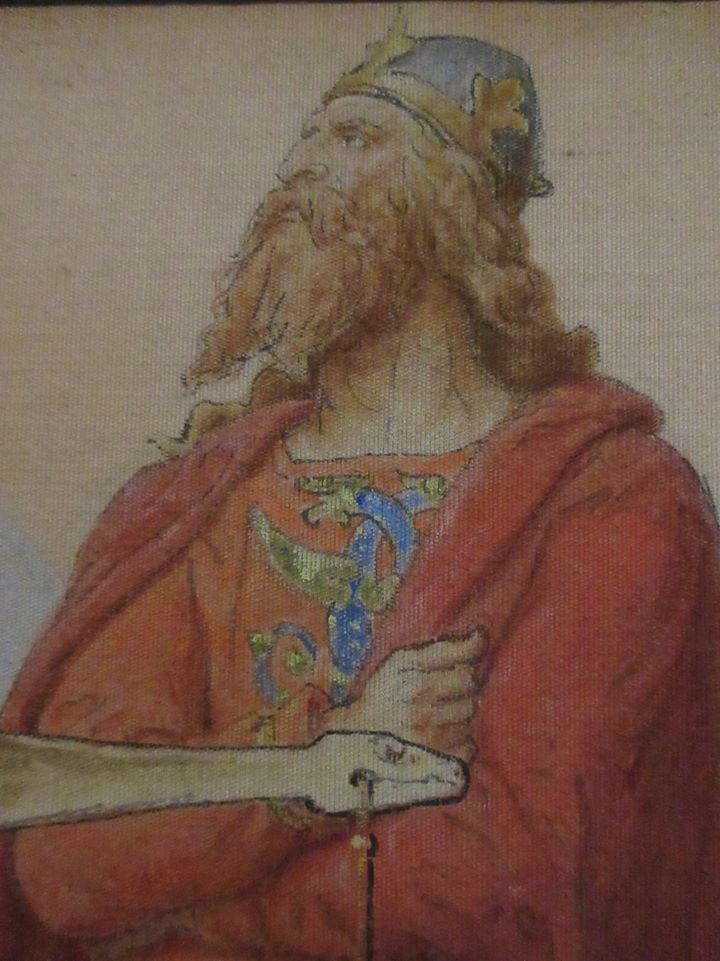
Portrait: Ole Ryhl Olsson / Wikimedia Commons / Public domain Sweyn Forkbeard
Danish king traditionally, but disputedly, credited as the stone's namesake.
-
Dubh mac Ailpin
King of Alba killed at Forres in 966, whom some historians believe the stone commemorates.
-
Kenneth MacAlpin (Cináed mac Ailpín)
Ninth-century king proposed by one theory as the figure whose military authority the carvings celebrate.
-
Malcolm II (Máel Coluim mac Cináeda)
King credited in an 18th-century tradition, now discounted, with the battle victory shown on the east face.
-
Lady Ann Campbell, Countess of Moray
Early 18th-century patron who had the stone's stepped stabilising plinths constructed.
-

Portrait: Unknown artist / Wikimedia Commons / Public domain Hector Boece
Early 16th-century chronicler who first attributed the stone to 'Sueno' in his histories.
-

Portrait: G88keeper / Wikimedia Commons / Public domain James Ray
Government soldier who recorded seeing the stone in 1745 while marching toward Culloden.
-

Portrait: Art Bromage from Seattle / Wikimedia Commons / CC BY-SA 2.0 Anthony Jackson
Scholar who proposed the carvings show the Christian Gaels of Dál Riata triumphing over Pictish enemies.
-

Portrait: Official Films, Inc. / Wikimedia Commons / Public domain Archie Duncan
Historian who argued the stone records the defeat and reburial of Dubh mac Ailpin in 966.
Cultural influences
-
Book of Kells
The vine-scroll patterns populated with human figures on the stone's side panels closely resemble imagery in the Book of Kells, supporting a date of around AD 800 to 900.
-
Tenth-century Irish crosses
The dense interlace and crowded figural panels compare closely with contemporary Irish high crosses, situating the stone within a shared Gaelic and Pictish artistic tradition.
Connections
-
Battle of Culloden site
James Ray passed Sueno's Stone in 1745 while marching with government troops only days before the battle was fought nearby.
-

Photo: Patrick Mackie / Wikimedia Commons / CC BY-SA 2.0 Dál Riata
One interpretation holds the carvings depict the triumph of the Christian Gaels of Dál Riata over their Pictish enemies.
-

Photo: Unknown author / Wikimedia Commons / Public domain Book of Kells
The stone's vine-scroll side panels are stylistically compared to figures in the Book of Kells to help date the carving.
-

Photo: Amwilson2000 at English Wikipedia / Wikimedia Commons / Public domain Forres
The stone stands on the north-eastern edge of the town, on a now-isolated stretch of the former road to Findhorn.
Discovery & excavation
Excavations in 1990 and 1991 investigated the ground around the stone and recovered charcoal later used for radiocarbon dating, while also finding evidence consistent with the old maps that a second monumental stone once stood nearby.
In culture
-
Pictish monumental sculpture
The stone’s cross, interlace and narrative battle panels are a major surviving example of early medieval Pictish carving.
What to look for
-
The west face cross
An elaborately interlaced Celtic cross fills the west face, with a poorly preserved figural scene beneath it that may depict a royal inauguration.
-
The battle panels
Four stacked panels on the east face show, from top to bottom, rows of horsemen, armed foot soldiers, decapitated soldiers with their heads piled beside a possible broch, and a victorious army leaving the field.
-
Edge knotwork
The narrow side panels carry typical Pictish interlace knotwork alongside vine-scroll patterns populated with human figures.
-
Stepped stone plinths
The stepped base built in the early 18th century by Lady Ann Campbell to stabilise the leaning slab remains visible today.
-
Protective glass casing
The stone has stood encased in armoured glass since the early 1990s, a measure taken to slow further weathering of the carved surfaces.
What is said
Folklore and tradition, recorded as what is said — not as established fact.
-
The witches of Macbeth
Local legend holds that the crossroads by the stone is where Macbeth first met the three witches, who were said to have been imprisoned within it and would be released only if the stone were broken, although the tale cannot be traced earlier than Shakespeare's play.
-
A monument to King Dubh
It has been suggested that the stone was raised as a monument to King Dubh mac Ailpin, reputedly killed by his own countrymen in 966 and possibly reburied on the site by his brother Kenneth II.
Plan your visit
- Location
- 57.6157°N · 3.5977°W
- Nearest settlement
- Elgin
- Access
- Open access
- Terrain
- Easy going
- Time needed
- About 45 minutes
Opening & admission
- Standing stone is in an armoured-glass case on a raised bank by the former road to Findhorn.
- Viewing is external; the protective case is part of the monument's conservation.
Nearby places
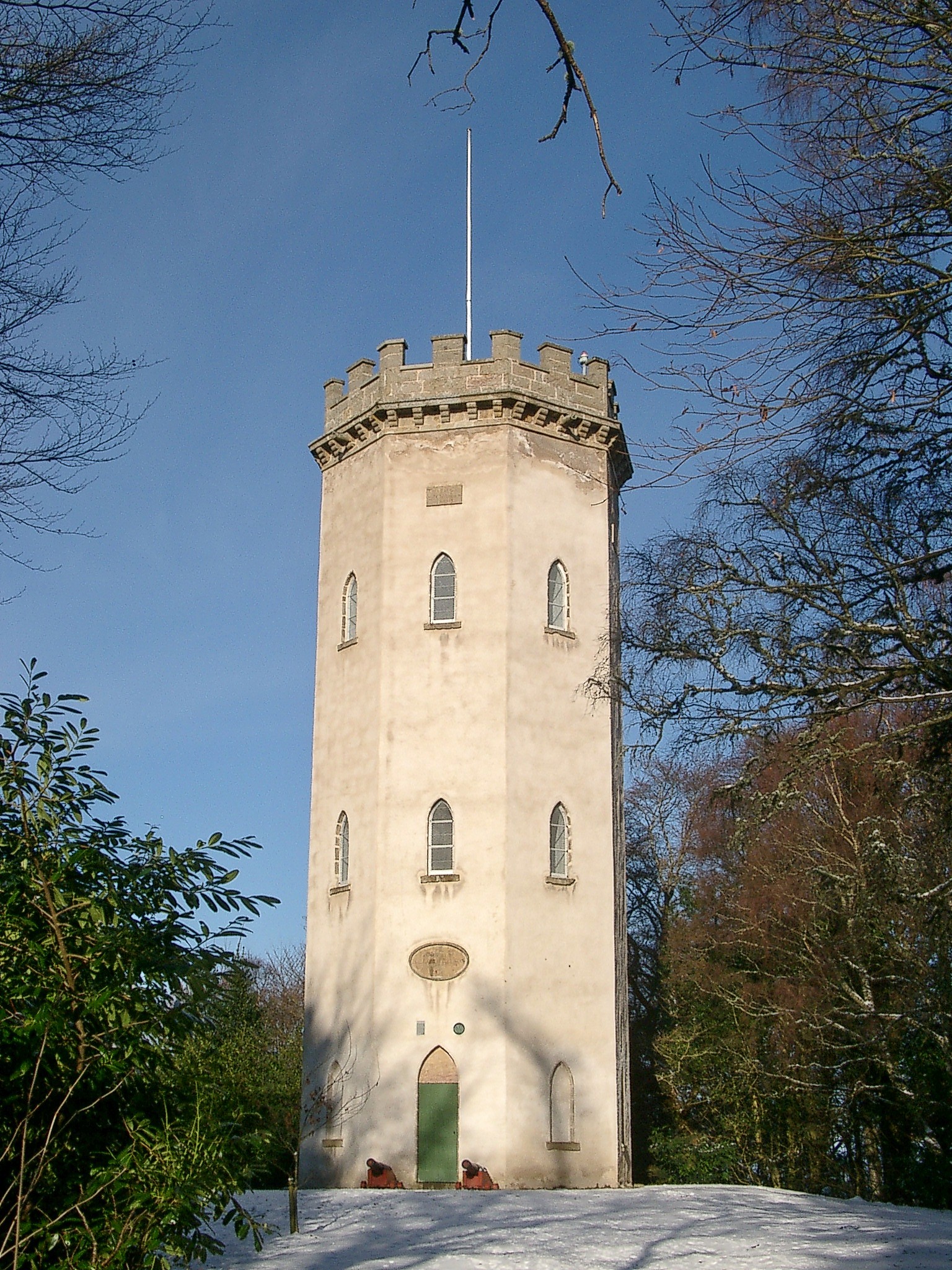
Fortified place · Iron Age
Cluny Hill
Moray
Cluny Hill brings together a confirmed prehistoric (before written records reached Britain) hillfort (an upland enclosure defended by earthen banks…
- Near Forres
- Some walking
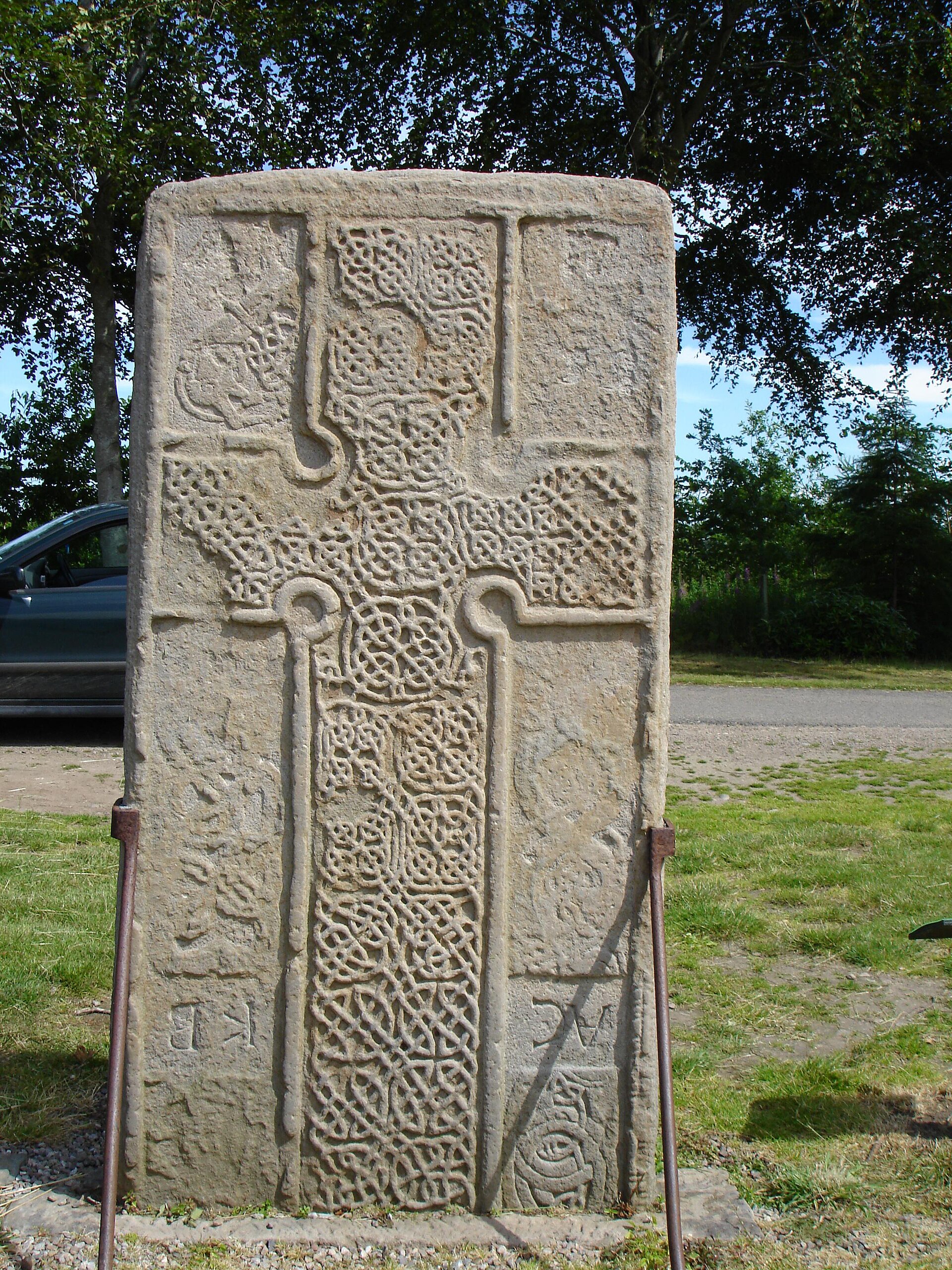
Carved stone · Pictish & early medieval
Rodney's Stone
Moray
Its Ogham inscription is the longest to survive from Pictish (of the Picts, the people of northern and eastern Scotland from about AD 300 to 900) S…
- Near Forres
- Easy path

Fortified place · Iron Age
Doune of Relugas
Moray
Doune of Relugas is a long-occupied promontory hillfort, a hilltop enclosure ringed by earth ramparts, overlooking the Findhorn valley, where a tim…
- Near Dunphail
- Some walking
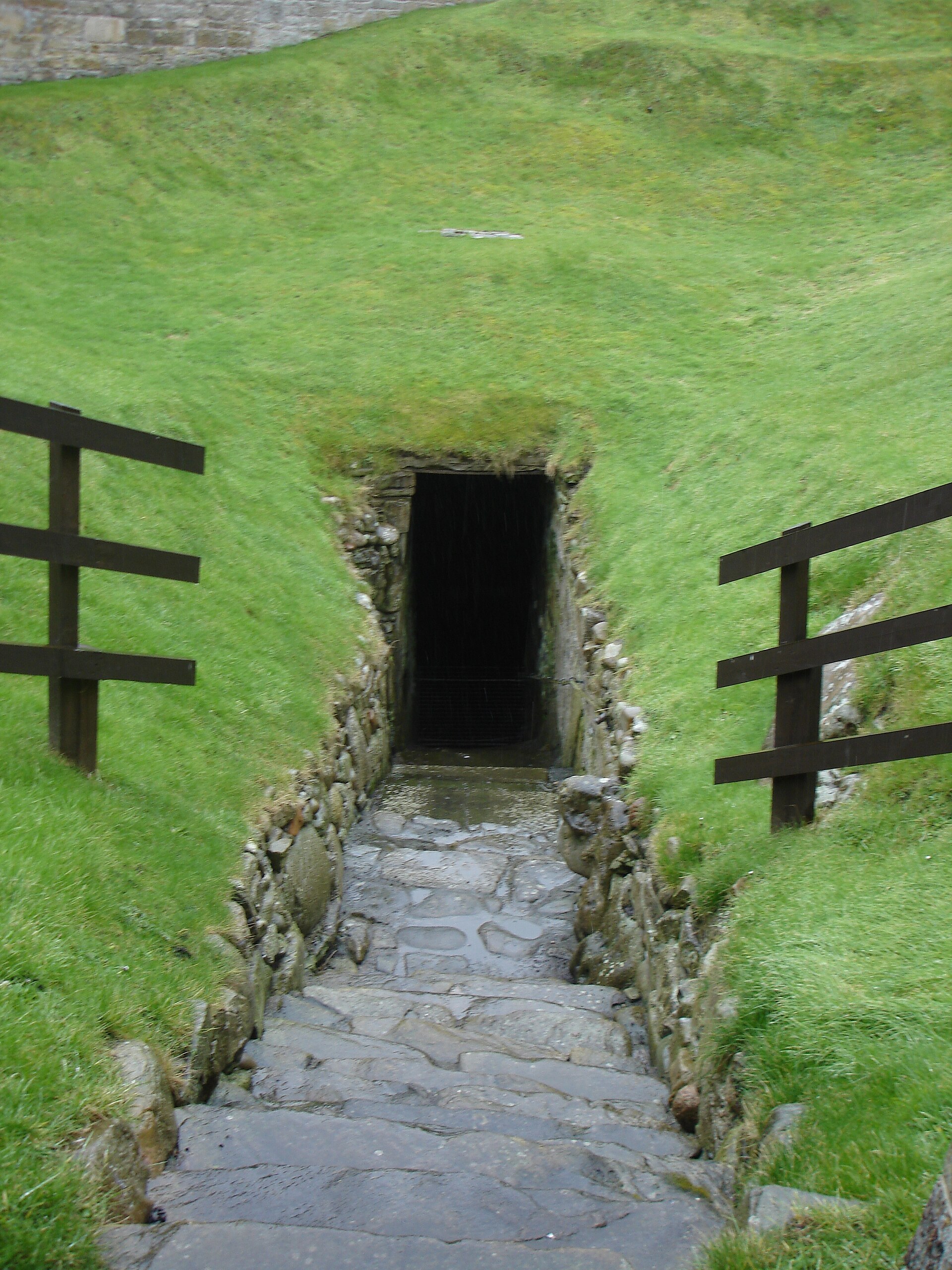
Fortified place · Iron Age
Burghead Fort
Moray
At roughly three times the size of any other early medieval (roughly AD 400–1100, between the Romans and the Normans) enclosed site in Scotland, th…
- Near Burghead
- 30 metres from car park
- Some walking
Questions people ask
- How tall is Sueno's Stone?
- It stands about 6.5 metres (21 feet) high, making it the largest surviving Pictish-style cross-slab in Scotland.
- Why is it called Sueno's Stone?
- Tradition links the name to the Danish king Sweyn Forkbeard, but historians now regard that association as unreliable folklore.
- What do the carvings show?
- One face bears an elaborate Celtic cross; the other shows four panels of a battle, ending in decapitated soldiers and a triumphant army.
- Did a second stone once stand here?
- Old maps from the 1590s to 1790s show a companion pillar, and 1990s excavations found evidence supporting that it once stood alongside this one.
- When was the stone carved?
- Radiocarbon dating and stylistic comparison point to around AD 850 to 890, though the wider possible range runs from AD 600 to 1000.
Sources
- Wikipedia: Sueno's Stone
- Historic Environment Scotland — Statement of Significance
- Proceedings of the Society of Antiquaries of Scotland
- The Kingship of the Scots 842–1292 (Duncan, 2002)
- Picts, Gaels and Scots: Early Historic Scotland (Foster, 2004)
Explore more: Carved stones · Pictish & early medieval · Moray
The Ancient Codex, in your pocket
Get the Pocket Codex app
Carry the directory with you — Sueno's Stone and thousands of ancient places across Britain and Ireland, offline, wherever you roam.