
Cluny Hill brings together a confirmed prehistoric (before written records reached Britain) hillfort (an upland enclosure defended by earthen banks), Forres’s 1806 Nelson memorial and a major nineteenth-century hydropathic institution later reused as Cluny Hill College by the Findhorn Foundation.
Cluny Hill rises on the eastern side of Forres in Moray. Its summit holds Nelson’s Tower, built in 1806 to commemorate Admiral Lord Nelson and the victory at Trafalgar, but the hill’s history reaches far earlier.
George Chalmers described a substantial earthwork and ditch on the summit in 1807, though it later became invisible at ground level. The former hillfort was confirmed in 2017 as an enclosure of about 3.6 hectares.
Below the summit, the 1864 Cluny Hill Hydropathic Establishment introduced a large-scale, company-financed health resort to the town. After wartime requisition and a hotel phase, the Findhorn Foundation acquired it in 1975 and renamed it Cluny Hill College.
What follows is drawn from published sources, with each claim labelled by how firmly it is established.
History
In 1806 Forres built Nelson’s Tower at the summit of Cluny Hill to commemorate Admiral Lord Nelson and the victory at Trafalgar. The public tower became the hill’s most prominent landmark, but later historical investigation showed that it occupied the site of a much older defended enclosure, creating an unusual overlap between a national naval memorial and a prehistoric monument.
Antiquarian George Chalmers recorded the summit earthwork in 1807 as a strong rampart and a ditch 12 feet wide enclosing more than six acres. He also noted a small bank-and-ditch enclosure, ten feet square, to the south. His account preserves evidence that was important after the fort became difficult to distinguish physically in the following centuries.
The Ordnance Survey marked the hill as a British Camp in 1938, but by 1963 no obvious trace of a fort could be seen. Investigation in 2017 nevertheless confirmed the hillfort, measuring about 3.6 hectares or 8.9 acres. The sequence demonstrates how low-relief archaeological sites can remain real and significant even when their earthworks have become visually elusive.
The Cluny Hill Hydropathic Establishment opened nearby in 1864, marking a change in nineteenth-century hydropathy. It could accommodate a larger clientele—65 visitors were resident in its first July—and drew people from the local area, Edinburgh, Glasgow, Cheshire and the Isle of Wight. Its scale required limited-company finance rather than the private partnerships typical of smaller ventures.
During the Second World War the hydropathic establishment was commandeered for troop use. It reopened in 1947 as the Cluny Hill Hotel under North British Hotels Ltd, but by 1975 was judged unprofitable and sold to the Findhorn Foundation for £60,000. The Foundation renamed it Cluny Hill College, giving the hill’s nineteenth-century health-resort building a new educational and community role.
People
-

Portrait: Lemuel Francis Abbott / Wikimedia Commons / Public domain Admiral Lord Nelson
Nelson’s Tower commemorates him and the victory at Trafalgar.
-

Portrait: James Tannock / Wikimedia Commons / Public domain George Chalmers
Recorded the hillfort’s rampart, ditch and smaller enclosure in 1807.
Cultural influences
-
Prompted construction of the 1806 summit tower.
-
Shaped the establishment that opened below the hill in 1864.
-
Bought the former hotel in 1975 and converted it into Cluny Hill College.
Connections
-

Photo: Amwilson2000 at English Wikipedia / Wikimedia Commons / Public domain Forres
Cluny Hill lies on the town’s eastern side and its hydropathic establishment drew visitors there.
-

Photo: Royal Commission on the Ancient and Historical Monuments of / Wikimedia Commons / Public domain A nearby smaller hillfort near Conicavel provides a regional comparison.
-

Photo: neil / Wikimedia Commons / CC BY-SA 2.0 A larger hillfort farther up the Findhorn valley at Dulsie Bridge provides another comparison.
Discovery & excavation
A 2017 investigation confirmed the hillfort after its ramparts and ditch had become difficult to distinguish on the ground.
What to look for
-
Nelson’s Tower
The 1806 public tower crowns the summit and commemorates Trafalgar.
-
Hillfort summit
The former rampart-and-ditch enclosure was confirmed in 2017 despite later loss of obvious surface traces.
-
Cluny Hill College
The former hydropathic and hotel building reflects the hill’s nineteenth- and twentieth-century reuse.
Plan your visit
- Location
- 57.6114°N · 3.6007°W
- Nearest settlement
- Forres
- Access
- Open access
- Terrain
- Moderate walking
- Time needed
- About 60 minutes
- Best time
- Dry daylight, for the climb and the views from the summit.
- What survives
- Nelson’s Tower remains prominent; the earlier hillfort survives chiefly as low, hard-to-read earthwork archaeology.
Opening & admission
- Hill and Nelson's Tower are described as publicly accessible in the source.
- The hillfort traces are not obvious on the ground.
Nearby places
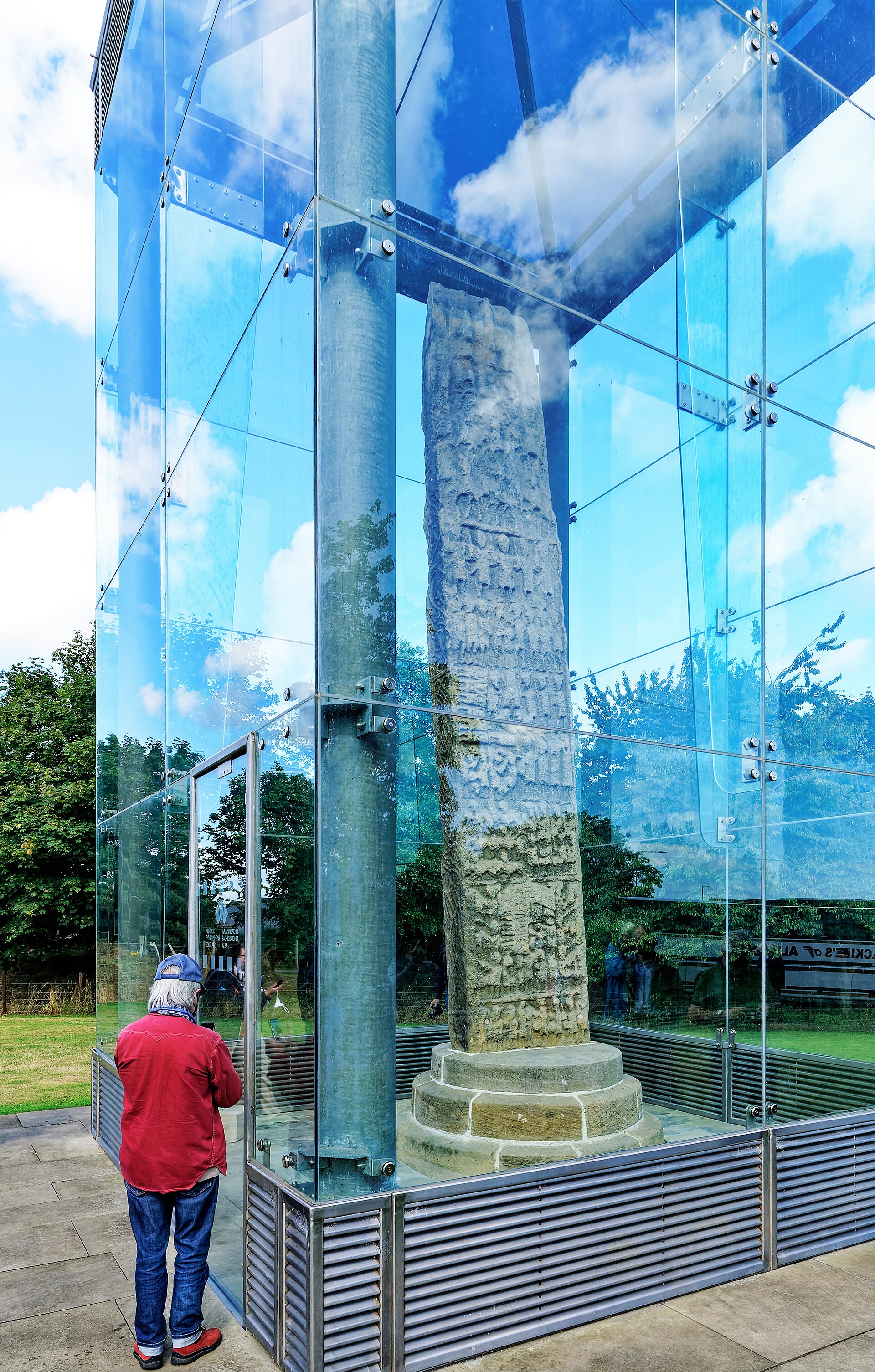
Carved stone · Pictish & early medieval
Sueno's Stone
Moray
At 6.5 metres tall it is the largest surviving Pictish (of the Picts, the people of northern and eastern Scotland from about AD 300 to 900) cross-s…
- Near Elgin
- Easy path
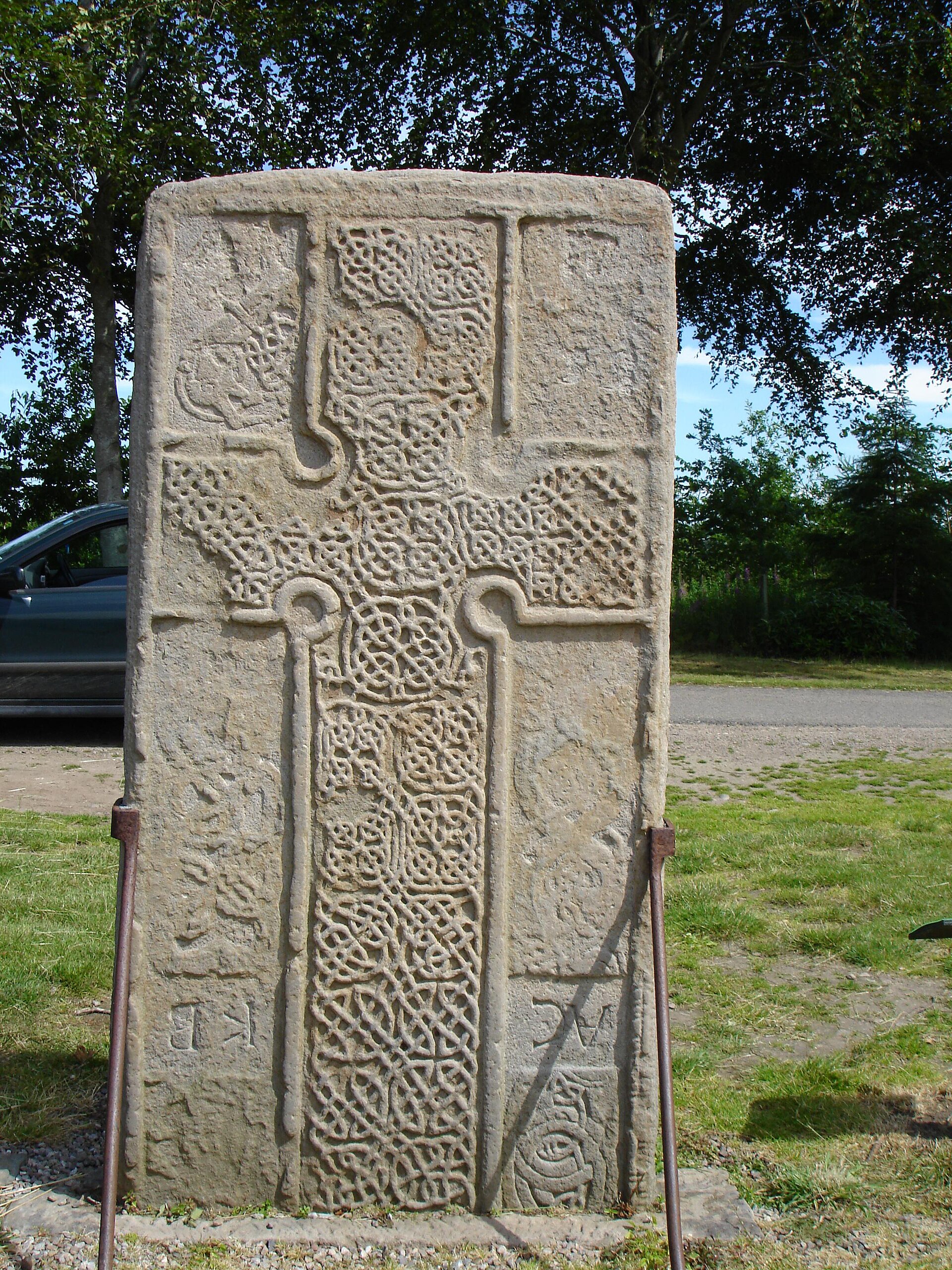
Carved stone · Pictish & early medieval
Rodney's Stone
Moray
Its Ogham inscription is the longest to survive from Pictish (of the Picts, the people of northern and eastern Scotland from about AD 300 to 900) S…
- Near Forres
- Easy path

Fortified place · Iron Age
Doune of Relugas
Moray
Doune of Relugas is a long-occupied promontory hillfort, a hilltop enclosure ringed by earth ramparts, overlooking the Findhorn valley, where a tim…
- Near Dunphail
- Some walking
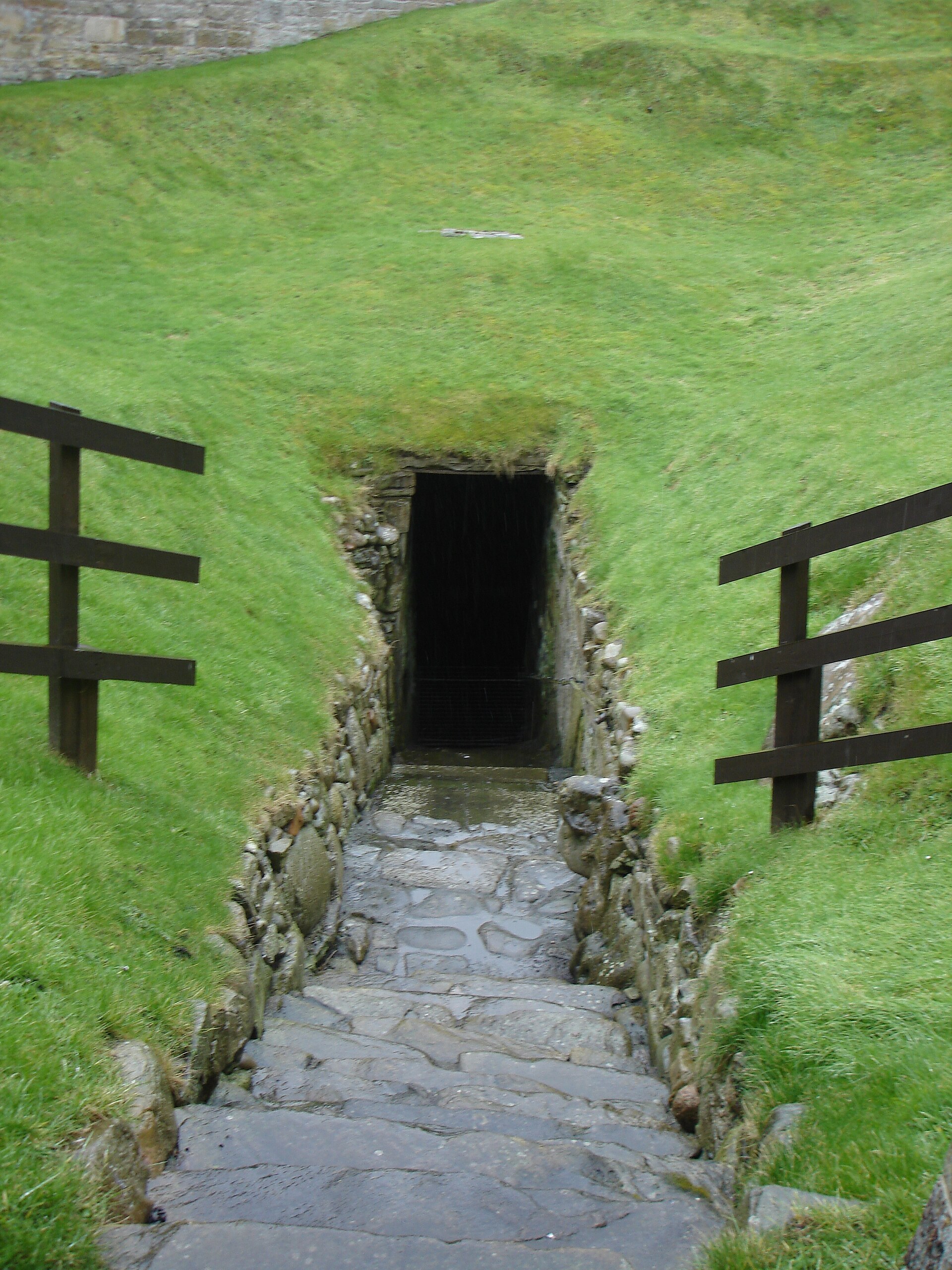
Fortified place · Iron Age
Burghead Fort
Moray
At roughly three times the size of any other early medieval (roughly AD 400–1100, between the Romans and the Normans) enclosed site in Scotland, th…
- Near Burghead
- 30 metres from car park
- Some walking
Questions people ask
- Was there really a hillfort on Cluny Hill?
- Yes. Although no obvious trace was seen by 1963, its 3.6-hectare enclosure was confirmed in 2017.
- Why was Nelson’s Tower built?
- It was built in 1806 to commemorate Admiral Lord Nelson and victory at Trafalgar.
- What became of the hydropathic establishment?
- After wartime troop use and a period as a hotel, the Findhorn Foundation bought it in 1975 and renamed it Cluny Hill College.
Sources
Explore more: Fortified places · Iron Age · Moray
The Ancient Codex, in your pocket
Get the Pocket Codex app
Carry the directory with you — Cluny Hill and thousands of ancient places across Britain and Ireland, offline, wherever you roam.