The fort's own name, Fort of the Strangers, and a battle remembered on the beach just to its north, seem to point at the same event from two different directions.
Tobar Fuar and Port Lobh are the paired landings beneath Colonsay’s Dùn Gallain. The promontory fort (a defended site built on a headland, using the drop to the sea as part of its protection) occupied the spur between those inlets and the open Atlantic.
The fort carries the name Dùn Galláin, Gaelic for the Fort of the Strangers, and that name is not the only trace of conflict tied to the place. A battle is remembered on the beach immediately to the north, Traigh an Tobair Fhuair, fought between Colonsay’s own people and a party of invaders who had come in from the sea. Name and story sit side by side, both pointing at the same memory of outsiders arriving on this stretch of coast.
What follows is drawn from published sources, with each claim labelled by how firmly it is established.
The name
Dùn Galláin translates from Gaelic as the Fort of the Strangers, a name that ties the headland to outsiders rather than to Colonsay's own people.
History
At an unrecorded date, a promontory fort was established on a headland on Colonsay's western coast, taking advantage of the sea cliffs on its exposed sides and commanding a view over the sheltered harbours of Tobar Fuar and Port Lobh below. The fort came to be known as Dùn Galláin, the Fort of the Strangers, a name that has outlasted any written record of who built it or when.
Tradition places a battle at Traigh an Tobair Fhuair, the beach directly north of the fort, in which the island's inhabitants met a party of invaders arriving from the sea. No date attaches to the encounter, but it sits alongside the fort's own name as a second thread pointing to the same memory of outsiders landing on this coast.
Connections
-

Photo: Dr Julian Paren / Wikimedia Commons / CC BY-SA 2.0 Another of the forts ringing Colonsay, part of the same defended landscape on a single small island.
-
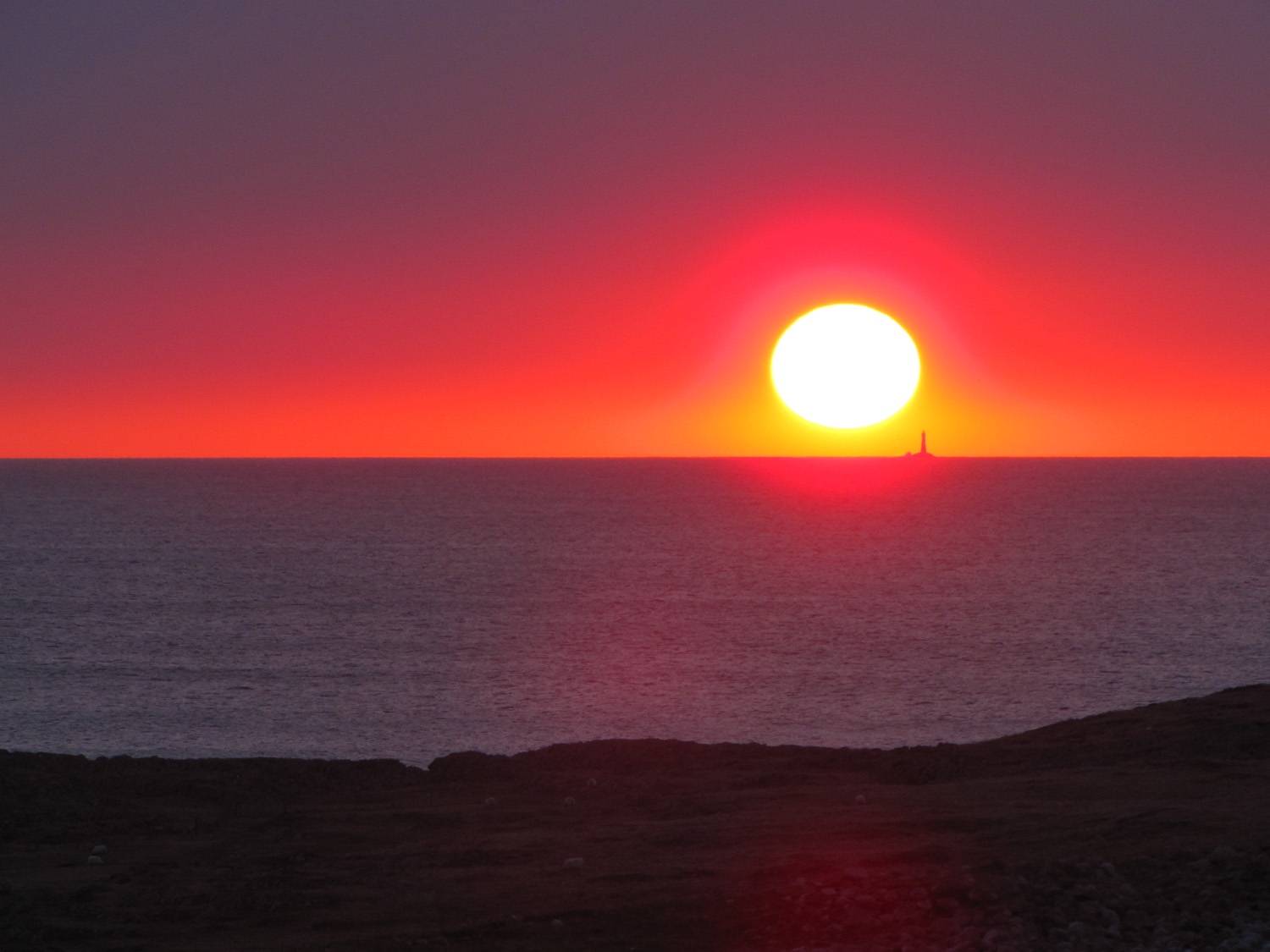
Photo: Bob Fowler / Wikimedia Commons / CC BY-SA 2.0 The middle fort of the Colonsay group, holding the ground between the island's other strongholds.
-
Colonsay
The Inner Hebridean island the fort stands on, whose harbours it was placed to watch.
-
Traigh an Tobair Fhuair
The shore just north of the fort, remembered as the place where islanders fought off invaders.
-
Tobar Fuar
One of the two natural harbours below the promontory, the landing the fort overlooks.
What to look for
-
The promontory itself
The fort sits on a headland cut off from the surrounding land, with the sea cliffs on its exposed sides standing in for built defences, in the manner of a promontory fort.
-
The two harbours below
From the fort, both Tobar Fuar and Port Lobh are visible, natural, sheltered inlets that would have given boats a landing place close by.
-
The beach to the north
Traigh an Tobair Fhuair, the beach traditionally linked to a battle between islanders and invaders, lies just beyond the fort's northern approach.
What is said
Folklore and tradition, recorded as what is said — not as established fact.
-
The battle at Traigh an Tobair Fhuair
Tradition holds that the island's inhabitants fought a party of invaders on the beach at Traigh an Tobair Fhuair, just north of the fort, and that this clash lies behind the name Dùn Galláin, the Fort of the Strangers.
Plan your visit
- Location
- 56.0575°N · 6.2602°W
- Nearest settlement
- Scalasaig
- Access
- Open access
- Terrain
- Rough ground — reasonable boots advised
- Time needed
- About 45 minutes
- What survives
- The fort survives as low remains on a cliff-edged coastal promontory above the harbours of Tobar Fuar and Port Lobh.
Opening & admission
No admission details are recorded, but as a coastal promontory fort it appears freely accessible; check locally before visiting.
Nearby places
Fortified place · Iron Age
Dùn Meadhonach
Argyll and Bute
Its Gaelic name, Middle Fort, hints at a lost network of strongholds along this stretch of Colonsay: of which this is now the only one still named.
- Near Lower Kilchattan
- Rough ground
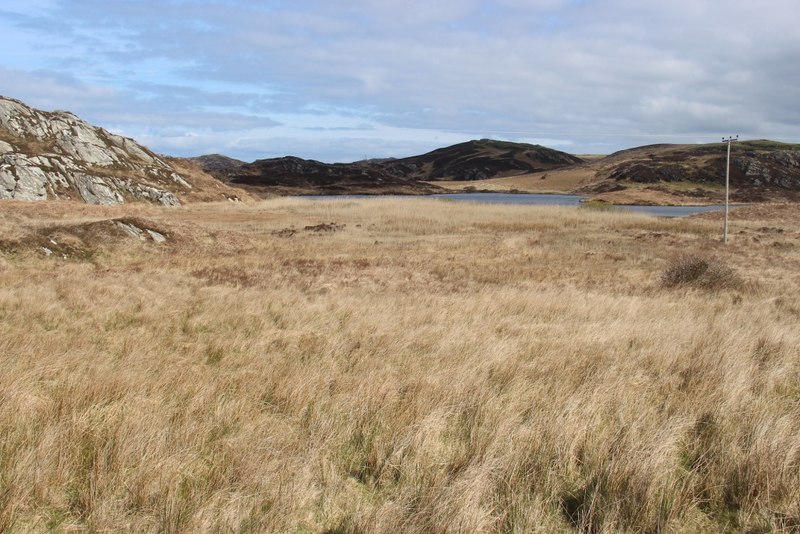
Fortified place · Medieval
Dùn Cholla
Argyll and Bute
Tradition ties this hilltop fort to an exiled Irish king and to Columba's first Scottish church: one summit knotted into two founding legends.
- Near Scalasaig
- Rough ground
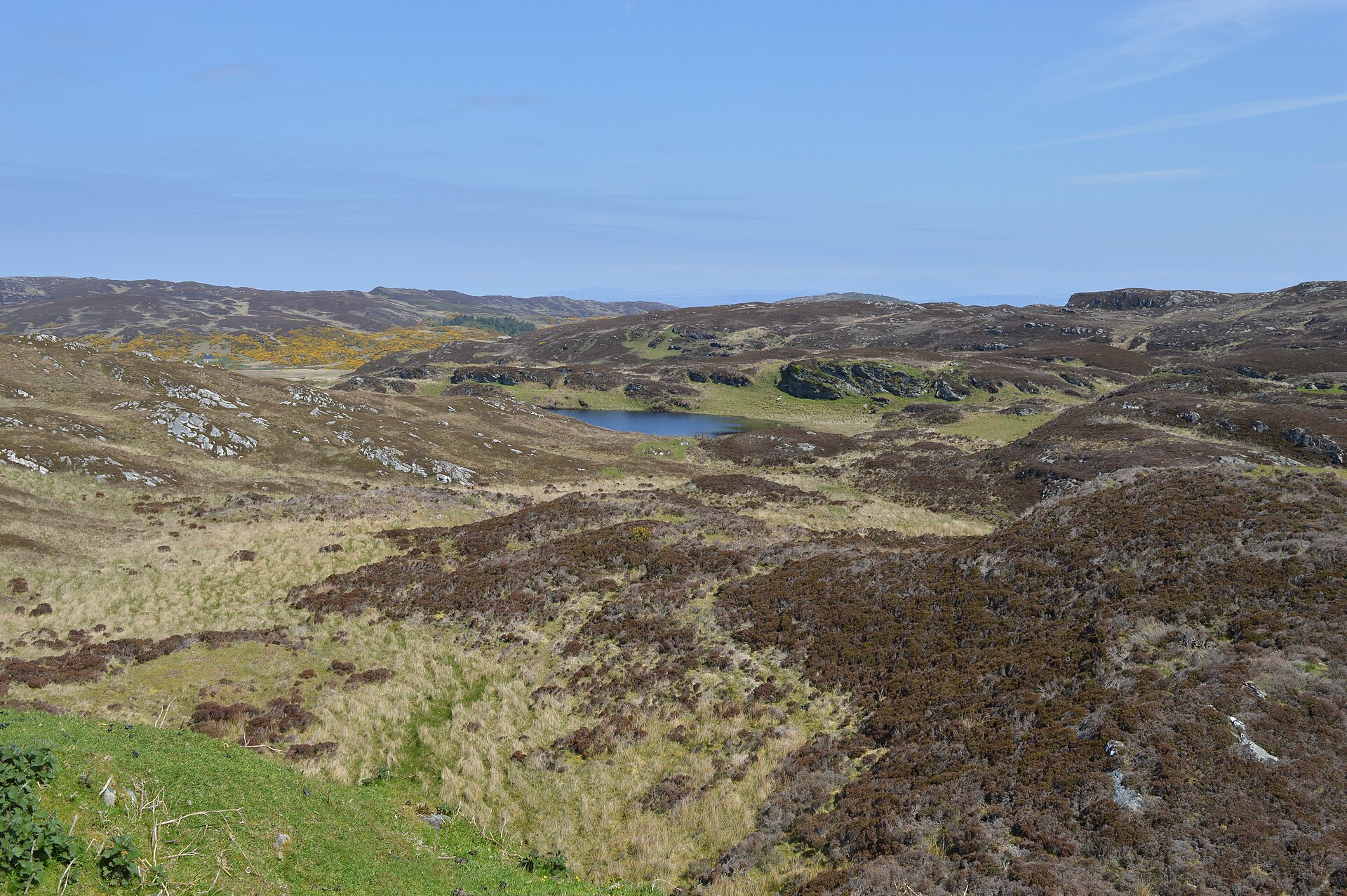
Fortified place · Medieval
Dùn Eibhinn
Argyll and Bute
A hilltop stronghold on Colonsay carries a Norse name to this day: Fort of Eyvind: a rare physical trace of Viking-era rule surviving in the Hebrides.
- Near Scalasaig
- Rough ground
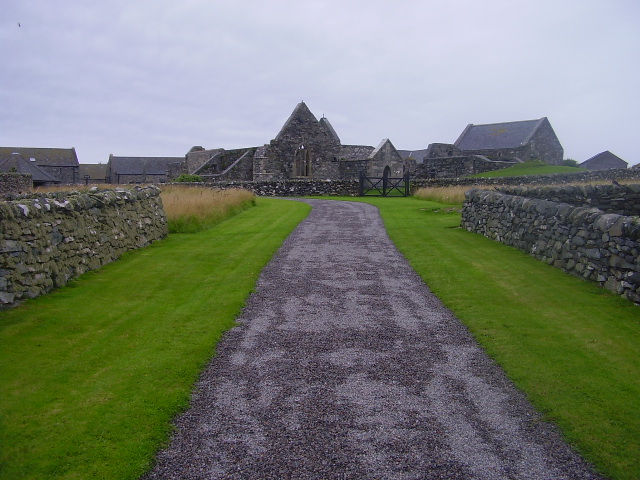
Building or ruin · Medieval
Oronsay Priory
Argyll and Bute
A tidal island monastery so remote that its own priors barely surface in the record, yet it left one of the finest carved crosses in the Hebrides s…
- Near Oronsay
- Rough ground
Questions people ask
- What does the name Dùn Galláin mean?
- It translates from Gaelic as the Fort of the Strangers, a name that echoes the outsiders remembered in connection with a nearby battle.
- Where is Dùn Galláin located?
- On a coastal promontory on the Inner Hebridean island of Colonsay, overlooking the natural harbours of Tobar Fuar and Port Lobh.
- What type of site is Dùn Galláin?
- It is a promontory fort, a defended settlement on a headland that uses the sea cliffs on its exposed sides as part of its defences.
- What battle is linked to the fort?
- Tradition places a battle between Colonsay's inhabitants and invaders at Traigh an Tobair Fhuair, the beach directly north of the fort.
- What is the grid reference for Dùn Galláin?
- NR34869314, marking its position on Colonsay's western coastline.
Sources
The Ancient Codex, in your pocket
Get the Pocket Codex app
Carry the directory with you — Dùn Galláin and thousands of ancient places across Britain and Ireland, offline, wherever you roam.