A tidal island monastery so remote that its own priors barely surface in the record, yet it left one of the finest carved crosses in the Hebrides still standing on its original base.
At low tide a stretch of sand and shingle connects the small island of Oronsay to its larger neighbour Colonsay, and it was that same tidal isolation, cut off twice a day by the sea, that let a community of Augustinian canons regular keep a monastery here for two centuries with almost no one from the Scottish mainland taking much notice. The ruined church, cloister (the covered walkway round a monastery’s central courtyard) buildings and a tall carved cross still stand close together on a low rise above the shore, weathered by Atlantic winds but remarkably complete for a house so far from any major town.
The priory was founded in the 14th century under the patronage of John of Islay, Lord of the Isles, and dedicated to St Columba, whose own monastic legacy in the Hebrides stretched back some eight centuries earlier. Some accounts suggest the foundation may have revived an older religious site rather than starting from nothing, though the evidence for this is thin. What survives instead is a scatter of later facts: a handful of named priors, a change of ownership after the Reformation, and a single stone cross carved with enough care that its inscription still names the man it was raised to remember.
That combination, extensive silence punctuated by sharp detail, is what makes Oronsay unusual among Scotland’s monastic ruins. Rather than a continuous documented history, what remains is a set of fixed points: a founding patron, a dedication, a run of priors whose names occasionally surface in official records, and a cross that fixes one death to a specific year with more precision than almost anything else known about the community that carved it.
What follows is drawn from published sources, with each claim labelled by how firmly it is established.
History
In the 14th century a community of canons regular, priests living under a monastic rule, was established on Oronsay under the patronage of John of Islay, Lord of the Isles, the most powerful figure in the Hebrides at the time. The house was dedicated to St Columba, and some later writers have suggested it continued or revived an earlier religious foundation on the same site, though little firm evidence survives to confirm this.
For much of its working life the priory left barely a trace in the surviving written record. Its remoteness from the Scottish Lowlands and the general scarcity of documents from the Hebrides mean that only occasional details, chiefly the names of individual priors, surface at all, leaving the bulk of the community's daily life and internal history essentially unrecorded.
Around 1510 the prior Colin died, and his memory was marked by the carving of the High Cross that still stands close to the ruined church, its inscription recalling his death and his presidency over the Oronsay community, making him one of the few individuals from the priory's history who can be dated with real confidence. The priory continued in operation until at least 1560, the year of the Scottish Reformation, by which point Robert Lamont, elected prior in 1555, was the last known holder of that office, marking the effective end of formal monastic life on the island.
In 1561, in the aftermath of the Reformation, the lands and property of the priory were granted in commendam, a legal arrangement placing church revenues in secular or non-resident hands, to Maol Choluim MacDubhthaich, transferring control of the priory's former estate away from any resident religious community. After James VI ascended the Scottish throne in 1583, he granted the former priory lands to the Bishop of the Isles, folding Oronsay's estate into the wider ecclesiastical administration of the Hebrides under the reformed church.
The ruins were restored and recorded in 1883 by the architect William de B M Galloway, with further excavation and recording carried out by the Ministry of Works in 1927; burial enclosures had continued to be added to the site as late as the 19th century, and the priory and its High Cross are today protected together as a scheduled monument.
People
-
John of Islay, Lord of the Isles
Patron who established the priory in the 14th century, tying its foundation to the Lordship of the Isles.
-
Colin, Prior of Oronsay
Prior commemorated on the High Cross, which recalls his death, probably in 1510.
-
Robert Lamont
Last known prior of Oronsay, elected to the office in 1555.
-
Maol Choluim MacDubhthaich
Received the priory's lands and property in commendam in 1561.
-
William de B M Galloway
Architect who carried out restoration, excavation and recording of the priory in 1883.
Cultural influences
-
Hebridean monastic network
The priory’s foundation under the Lord of the Isles and dedication to Columba shaped its place in the religious landscape of the Hebrides.
Connections
-
St Columba
The priory was dedicated to Columba, echoing his earlier monastic legacy across the Hebrides and Iona.
-
Bishop of the Isles
Received the priory's former lands from King James VI after 1583, bringing Oronsay's estate under the reformed diocesan structure.
Discovery & excavation
The site was restored, excavated and recorded in 1883 by the architect William de B M Galloway, with further excavation and recording carried out by the Ministry of Works in 1927; the results of that work remain visible in the standing ruins and the High Cross today.
What to look for
-
The High Cross
Standing about four metres east of the ruined monastery church on a four-tiered stone foundation, the cross carries scenes of the crucifixion on its western face and foliage motifs on its eastern face, with an inscription recalling the death of Prior Colin, probably in 1510.
-
The priory church and cloister ruins
The remains of the monastery church and associated buildings stand together on the site, restored and recorded in the 1880s and again in the 1920s and now protected as a scheduled monument.
-
19th-century burial enclosures
Additional burial enclosures were added to the site as late as the 19th century, showing the site's continued use as a burial ground long after its life as a working monastery had ended.
Plan your visit
- Location
- 56.0198°N · 6.2545°W
- Nearest settlement
- Oronsay
- Access
- Open access
- Terrain
- Rough ground — reasonable boots advised
- Time needed
- About 60 minutes
- Best time
- Daylight, planned around safe tidal access to Oronsay.
- What survives
- Substantial priory and High Cross ruins in open, remote ground.
- Facilities
- No visitor facilities are recorded on Oronsay; plan provisions before the tidal crossing.
Opening & admission
No current admission details are recorded — check the managing body's site before travelling.
- Only reachable via the tidal island of Oronsay, requiring careful crossing timing
- Ruins and High Cross stand in open, remote ground with no visitor facilities recorded
Nearby places
Fortified place · Medieval
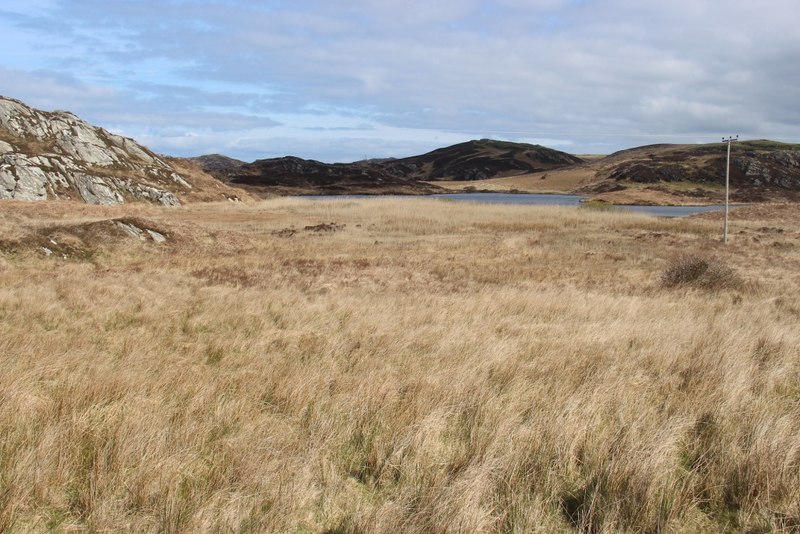
Dùn Cholla
Argyll and Bute
Tradition ties this hilltop fort to an exiled Irish king and to Columba's first Scottish church: one summit knotted into two founding legends.
- Near Scalasaig
- Rough ground
.jpg?width=800)
Fortified place · Prehistoric
Dùn Galláin
Argyll and Bute
The fort's own name, Fort of the Strangers, and a battle remembered on the beach just to its north, seem to point at the same event from two differ…
- Near Scalasaig
- Rough ground
Fortified place · Iron Age
Dùn Meadhonach
Argyll and Bute
Its Gaelic name, Middle Fort, hints at a lost network of strongholds along this stretch of Colonsay: of which this is now the only one still named.
- Near Lower Kilchattan
- Rough ground
Fortified place · Medieval
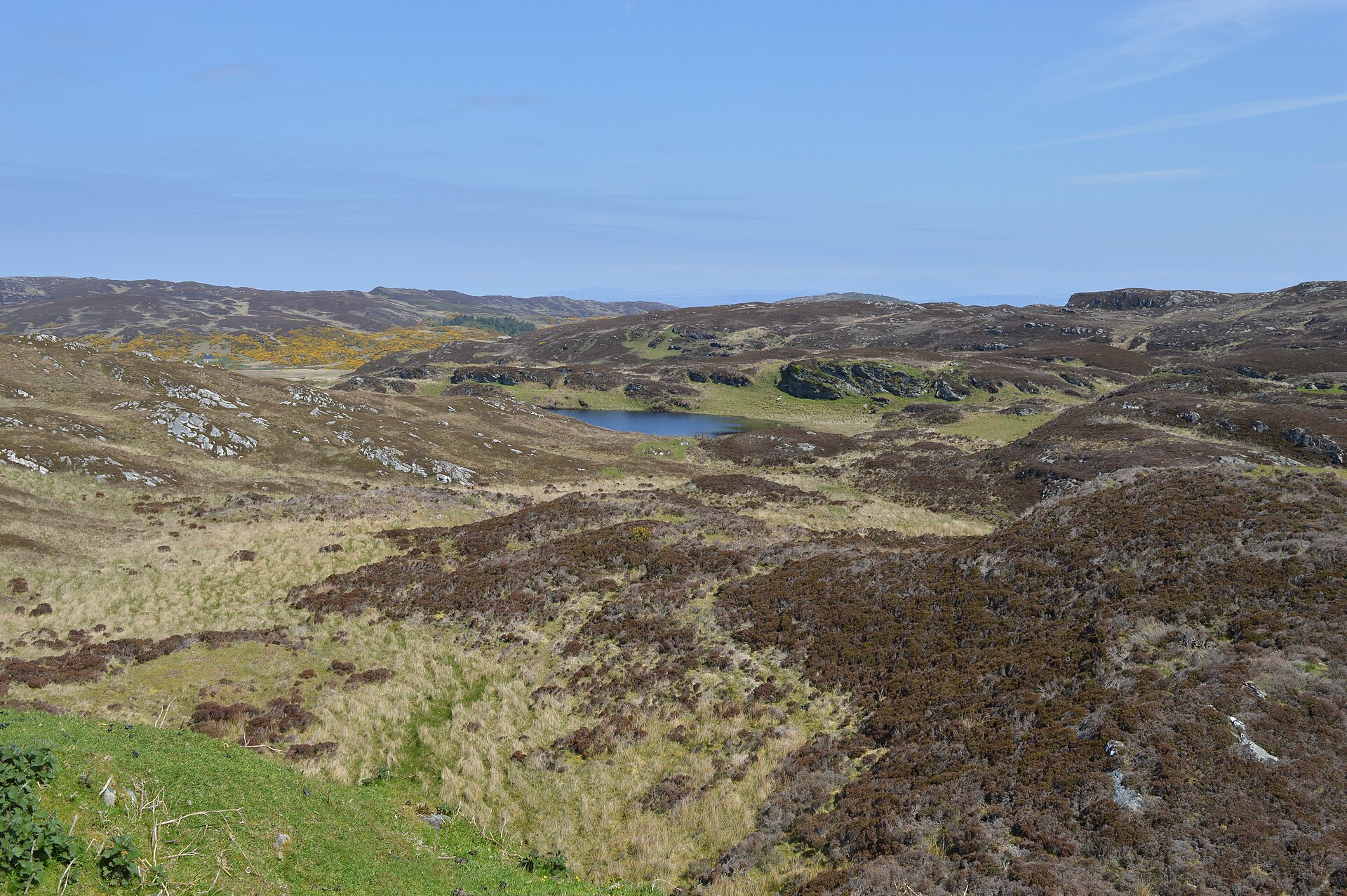
Dùn Eibhinn
Argyll and Bute
A hilltop stronghold on Colonsay carries a Norse name to this day: Fort of Eyvind: a rare physical trace of Viking-era rule surviving in the Hebrides.
- Near Scalasaig
- Rough ground
Questions people ask
- Who founded Oronsay Priory?
- It was established in the 14th century under the patronage of John of Islay, Lord of the Isles, and dedicated to St Columba.
- When did the priory stop operating?
- It continued until at least 1560, the year of the Scottish Reformation; Robert Lamont, elected prior in 1555, was its last known head.
- What is the High Cross at Oronsay?
- A carved stone cross standing near the ruined church, with crucifixion scenes on one face and foliage motifs on the other, commemorating Prior Colin's death around 1510.
- Why is so little known about the priory's daily history?
- Its remoteness from the Scottish Lowlands and the general scarcity of surviving records mean only occasional details, mainly priors' names, were ever documented.
- What happened to the priory's lands after the Reformation?
- They were granted in commendam to Maol Choluim MacDubhthaich in 1561, then given by King James VI to the Bishop of the Isles after 1583.
Sources
- Wikipedia: Oronsay Priory
- Cowan & Easson, Medieval Religious Houses: Scotland (2nd edn, London, 1976)
- Watt & Shead (eds.), The Heads of Religious Houses in Scotland from the 12th to the 16th Centuries (Scottish Records Society, 2001)
Explore more: Building or ruins · Medieval · Argyll and Bute
The Ancient Codex, in your pocket
Get the Pocket Codex app
Carry the directory with you — Oronsay Priory and thousands of ancient places across Britain and Ireland, offline, wherever you roam.