Tradition ties this hilltop fort to an exiled Irish king and to Columba's first Scottish church — one summit knotted into two founding legends.
On a hill above the shore of Colonsay stands the tumbled stonework of Dùn Cholla, a fort whose walls have looked out over this Inner Hebridean island for longer than any surviving record can fix a date to. Weather and time have worn the ramparts down, but their line still traces the crown of the hill, commanding views across the island and the surrounding sea that would once have let its occupants watch for anyone approaching by land or water.
What makes the site remarkable is less what remains of the stone than what has been remembered about it. Tradition holds that the fort sheltered Colla Uais, a legendary Irish king driven into exile after a dynastic struggle with his own kin, and that his name survives in the fort’s own — Dùn Cholla, Colla’s fort. The same hillside is also said to carry an even weightier claim: that in its shadow St Columba founded his first church on Scottish soil, before his ministry became fixed on Iona.
No excavation record or firm date has been passed down to anchor either story, and both survive today as tradition rather than documented history. But the pairing of a displaced Irish king and the earliest days of Scottish Christianity on the same modest hill gives Dùn Cholla a place in the island’s memory well beyond the size of its ruined walls.
What follows is drawn from published sources, with each claim labelled by how firmly it is established.
The name
Dùn Cholla combines the Gaelic dùn, meaning fort, with Cholla, the genitive form of Colla — a name tradition ties to Colla Uais, the exiled Irish king said to have sheltered at the site.
History
Long before any written record fixed a date to it, a fort was raised on this hill above Colonsay, its walls enclosing the high ground and commanding wide views across the island and the sea beyond. No firm date survives for its construction, and the earthwork's origins remain, in truth, unrecorded — its story has been preserved through tradition rather than through document or excavation.
According to tradition, the fort became a refuge in 310, when Colla Uais, a legendary Irish king, was driven from Ireland into exile after a dynastic struggle with his own kinsmen and is said to have taken shelter here, giving Dùn Cholla its name in Gaelic memory of that flight. Tradition also holds that, in the shadow of this same hill, St Columba established his first church in Scotland, a foundation remembered as preceding his better-known work on Iona and marking Dùn Cholla as a site bound up with the earliest days of Christianity in the country.
People
-
Colla Uais
Legendary Irish king said, by tradition, to have taken refuge at the fort after his exile from Ireland in 310.
-
St Columba
Tradition credits him with founding his first church in Scotland in the shadow of Dùn Cholla, before his ministry became centred on Iona.
Cultural influences
-
Early Christian memory on Colonsay
Local tradition connects the hill below Dùn Cholla with St Columba’s first church in Scotland, before his ministry became centred on Iona. That claimed association gives the fort a place in Colonsay’s remembered early Christian landscape, though it is not documented history.
Connections
-
St Columba and Iona
Tradition holds Columba founded his first Scottish church in the shadow of Dùn Cholla before his later, better-known mission was established on Iona.
-
Colla Uais and the Three Collas
Tradition names Colla Uais, a legendary Irish king ousted by his own kinsmen, as the fort's occupant after his exile from Ireland in 310.
Discovery & excavation
A 2012 excavation investigated the fort’s walls and interior to assess the surviving archaeology. It found deposits beneath the wall base, indicating earlier activity at the site before the visible defences were built.
What to look for
-
Hilltop ramparts
The fort's worn stone walls crown the summit of a hill on Colonsay, still tracing the line of the original defences.
-
Wide island views
From the fort's position, the surrounding coastline and sea approaches of Colonsay remain visible, showing why the hill was chosen for a defensive site.
What is said
Folklore and tradition, recorded as what is said — not as established fact.
-
Refuge of an exiled king
Tradition holds that Colla Uais, an Irish king exiled from his homeland in 310 after conflict with his own kin, took refuge at Dùn Cholla, and that the fort's name recalls him.
-
Columba's first church
Local tradition holds that St Columba established his first church in Scotland in the shadow of Dùn Cholla, before his ministry became fixed on Iona.
Plan your visit
- Location
- 56.0445°N · 6.2123°W
- Nearest settlement
- Scalasaig
- Terrain
- Rough ground — reasonable boots advised
- Time needed
- About 90 minutes
- What survives
- The fort survives as a defended hilltop enclosure on Colonsay, with its earthworks and stonework reduced to low remains.
Opening & admission
No current admission details are recorded — check for local access information before visiting.
- A hill fort on Colonsay; no public access route is documented.
Nearby places
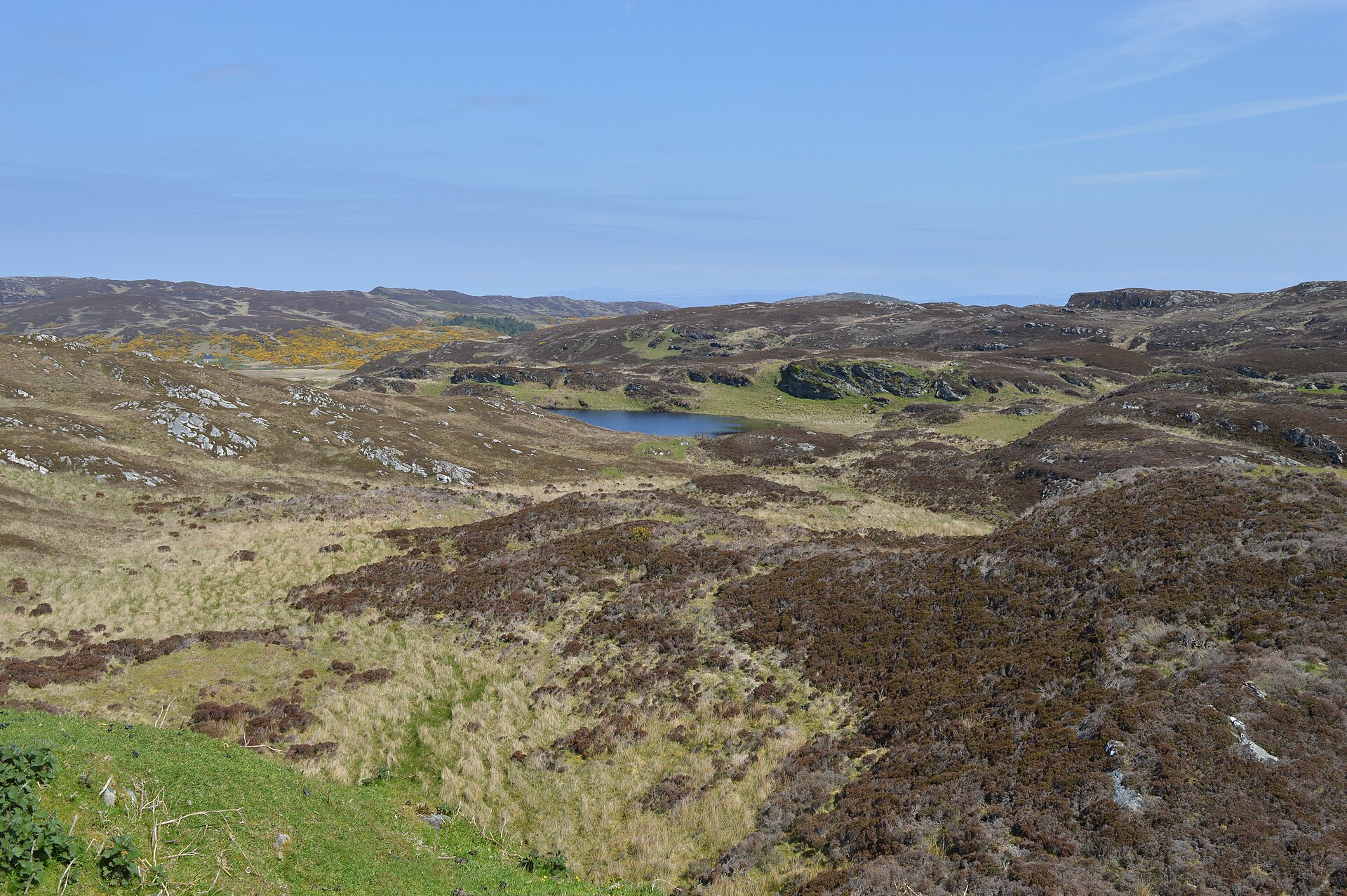
Fortified place · Medieval
Dùn Eibhinn
Argyll and Bute
A hilltop stronghold on Colonsay carries a Norse name to this day: Fort of Eyvind: a rare physical trace of Viking-era rule surviving in the Hebrides.
- Near Scalasaig
- Rough ground
.jpg?width=800)
Fortified place · Prehistoric
Dùn Galláin
Argyll and Bute
The fort's own name, Fort of the Strangers, and a battle remembered on the beach just to its north, seem to point at the same event from two differ…
- Near Scalasaig
- Rough ground
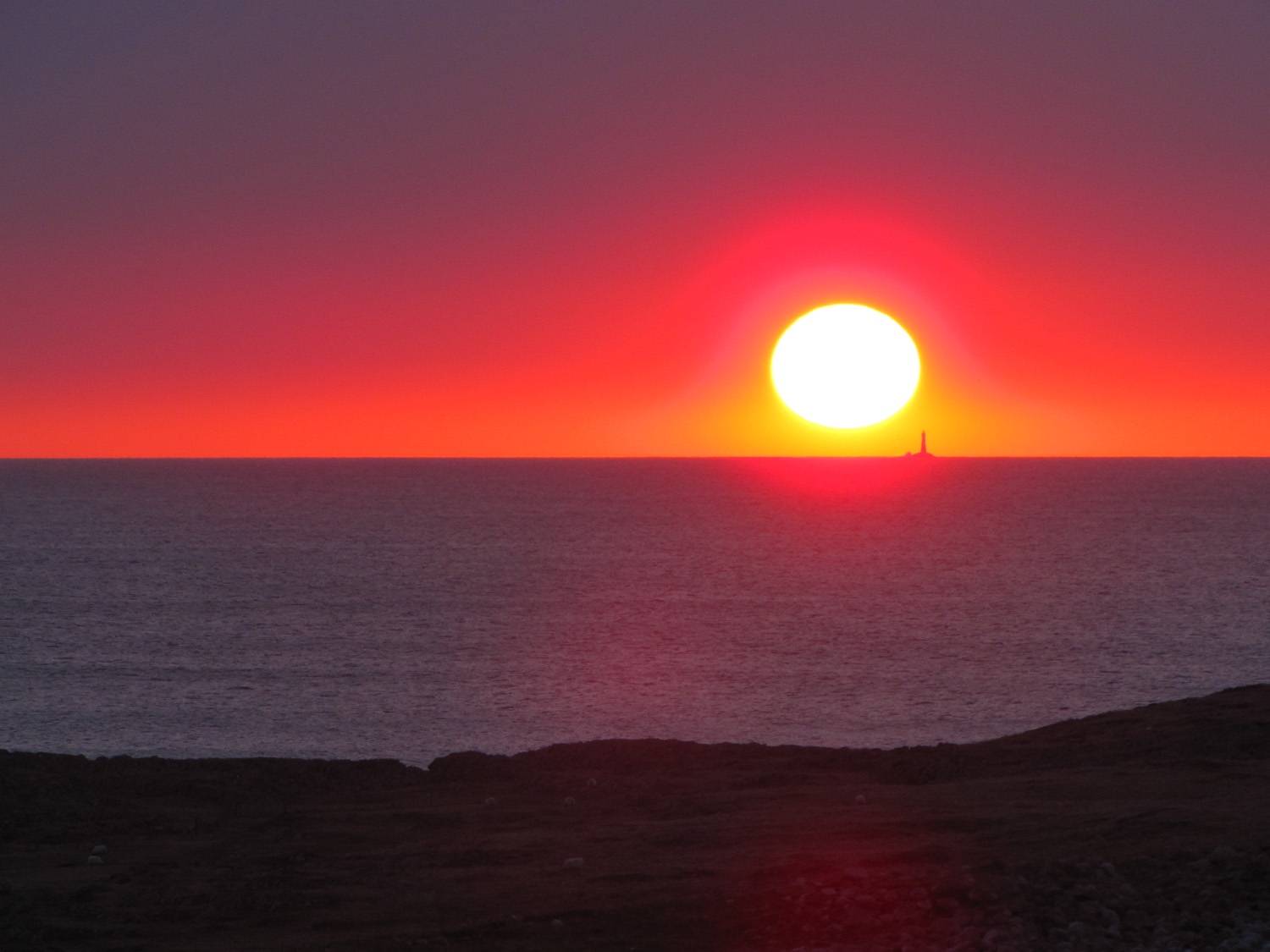
Fortified place · Iron Age
Dùn Meadhonach
Argyll and Bute
Its Gaelic name, Middle Fort, hints at a lost network of strongholds along this stretch of Colonsay: of which this is now the only one still named.
- Near Lower Kilchattan
- Rough ground
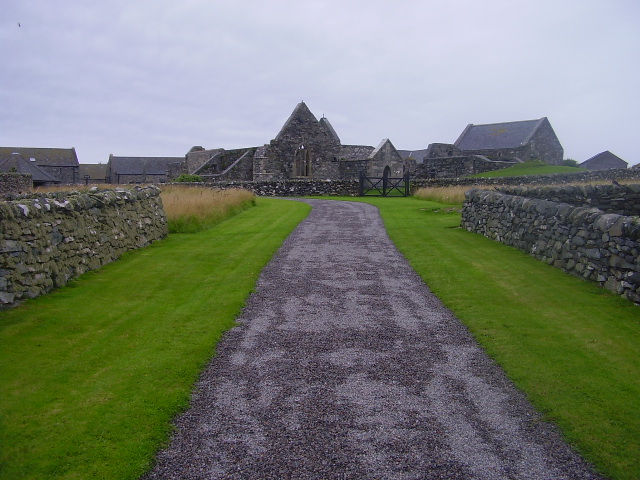
Building or ruin · Medieval
Oronsay Priory
Argyll and Bute
A tidal island monastery so remote that its own priors barely surface in the record, yet it left one of the finest carved crosses in the Hebrides s…
- Near Oronsay
- Rough ground
The setting
View across Loch Cholla from the track near Dùn Cholla.
Photo: Julian Paren / Wikimedia Commons / CC BY-SA 2.0
Questions people ask
- What is Dùn Cholla?
- A hill fort on the Inner Hebridean island of Colonsay, Scotland, its walls crowning a hilltop above the coast.
- Why is Dùn Cholla linked to Colla Uais?
- Tradition holds that Colla Uais, an Irish king exiled in 310 after conflict with his kin, took refuge at the fort, which may take its name from him.
- What is the fort's connection to St Columba?
- Tradition holds St Columba founded his first Scottish church in the shadow of Dùn Cholla, before his ministry became centred on Iona.
- Where is Dùn Cholla located?
- On the Inner Hebridean island of Colonsay, Scotland, at grid reference NR37759150.
- Is the fort's construction date known?
- No firm date survives; its origins are undocumented, and the site's story is preserved mainly through tradition.
Sources
The Ancient Codex, in your pocket
Get the Pocket Codex app
Carry the directory with you — Dùn Cholla and thousands of ancient places across Britain and Ireland, offline, wherever you roam.