Building or ruin · Roman
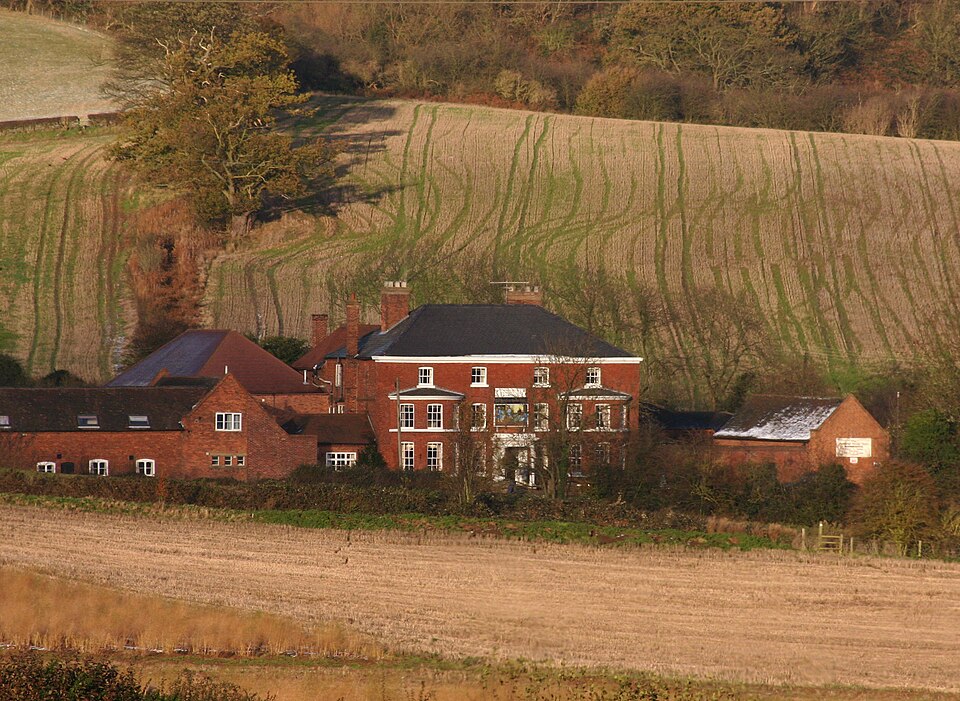
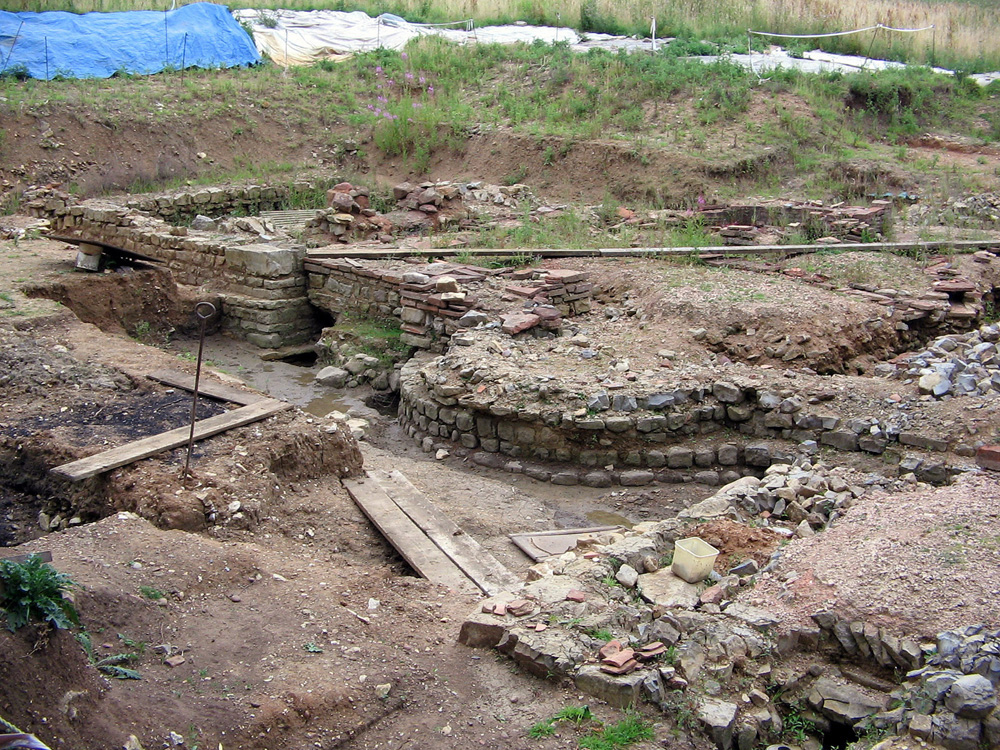
Tripontium
Warwickshire
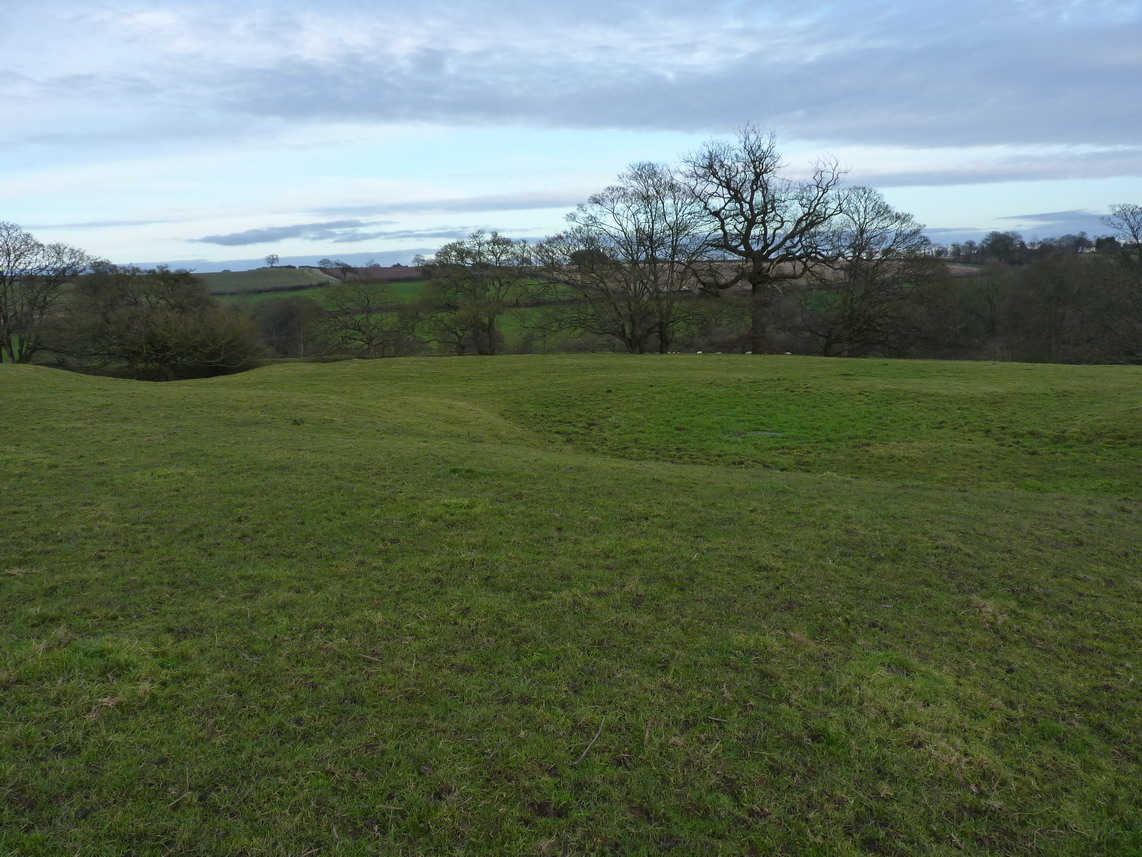
A Roman frontier post of AD 47 that grew into a town and was then lost for centuries, until an antiquarian: an early collector-scholar of antiquiti…
By type
Page 14 of 14.
Search and filters apply to these 85 places.
Building or ruin · Roman
Warwickshire
A Roman frontier post of AD 47 that grew into a town and was then lost for centuries, until an antiquarian: an early collector-scholar of antiquiti…
Building or ruin
Hampshire
Three of only four surviving Babcock & Wilcox boilers in existence still stand here, alongside a working 1914 steam engine that once pumped Winches…
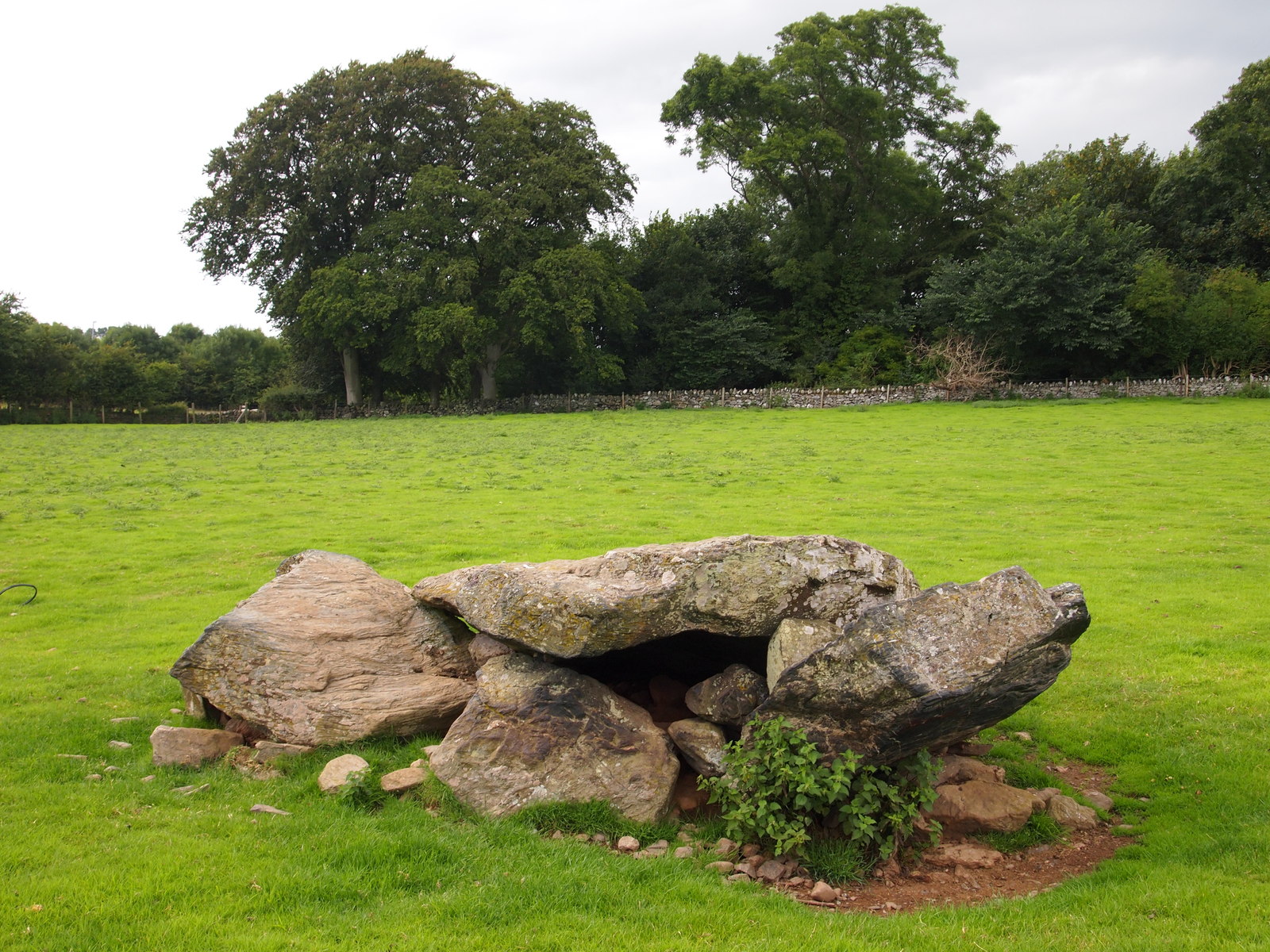
Tomb or burial place · Prehistoric
Isle of Anglesey
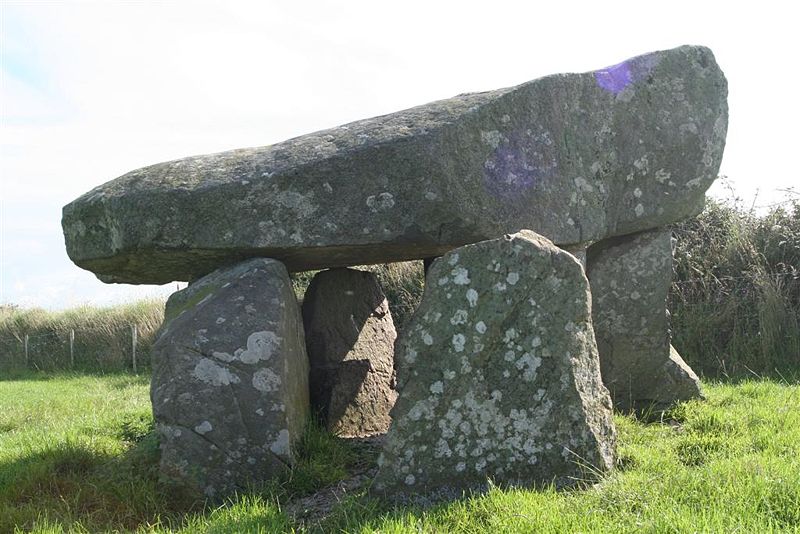
Excavation in 1935 found flint tools, a chip from a polished axe and Beaker pottery beneath the stones: evidence that Bronze Age (the period from a…
Building or ruin · Prehistoric
Oxfordshire
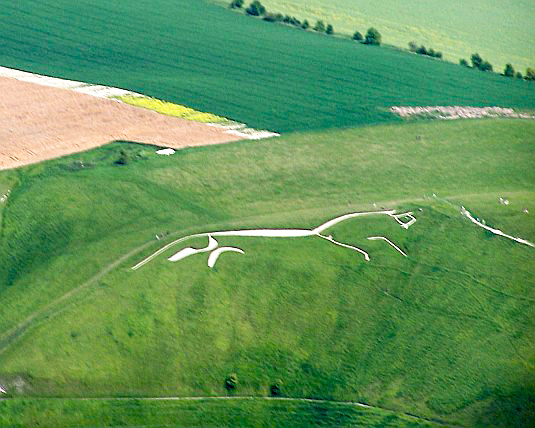
A hill figure 110 metres long, cut as deep trenches packed with crushed white chalk, older than the written record here.
Fortified place · Iron Age
Gloucestershire
Its double rampart (an encircling bank built for defence), terraced for over a mile around a 13-hectare hilltop, ranks it among the largest and bes…
Tomb or burial place · Prehistoric
Gloucestershire
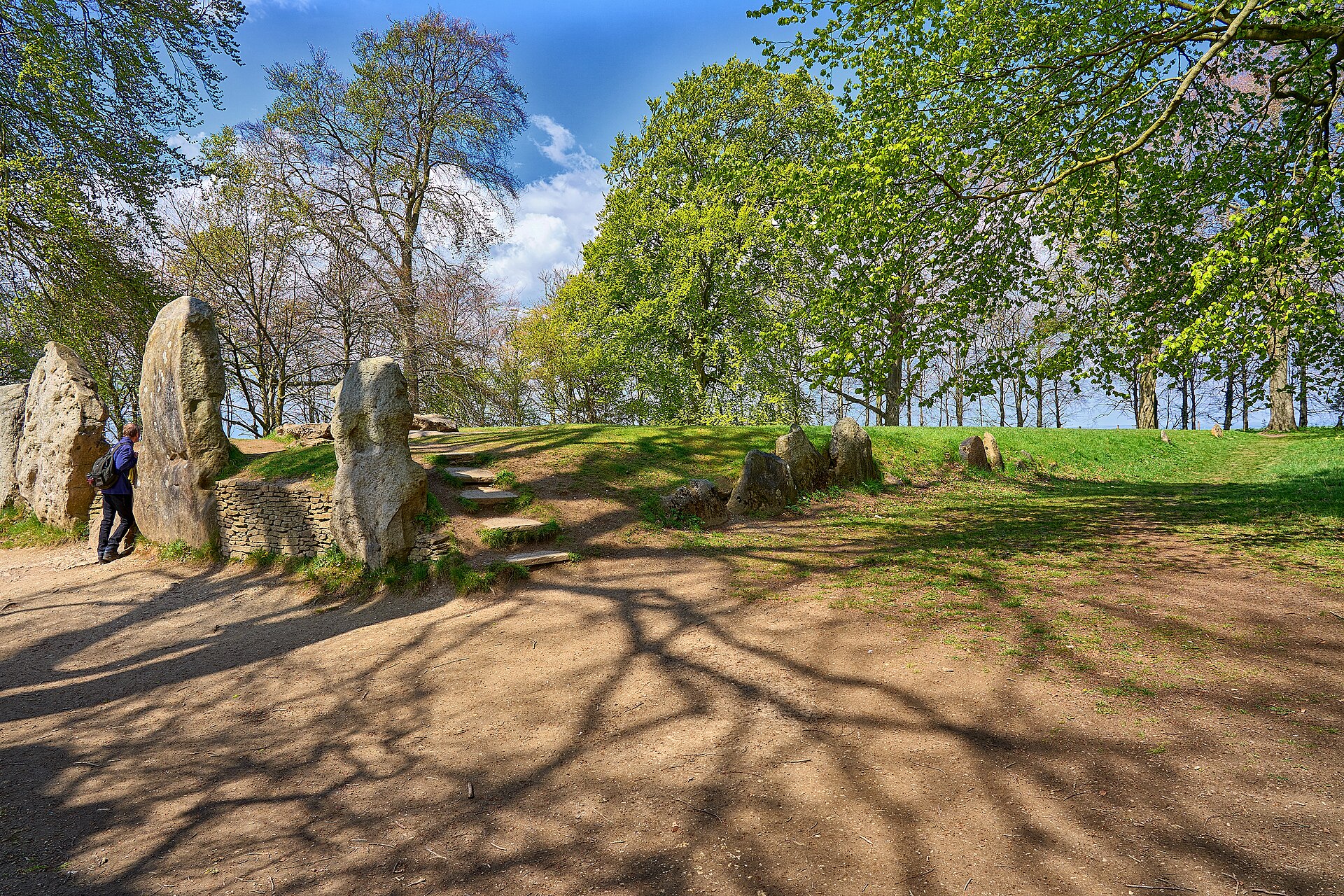
A five-thousand-year-old gallery grave that drew burials on and off for millennia: Neolithic (the closing Stone Age, roughly 4000–2500 BC) dead, a…
Tomb or burial place · Pictish & early medieval
Kent
Updown is a large seventh-century cemetery near the Kentish royal centre of Eastry, revealing Christian burial practice and long-distance ancestral…
Building or ruin · Medieval
Greater London
Known as Upminster Tithe Barn but more accurately a medieval grange barn, this timber-framed agricultural building preserves Waltham Abbey’s 15th-c…
Ancient place · Medieval
Suffolk
Painted grey during the war so it would not serve as a landmark for aircraft: RAF Shepherds Grove was close by.
Ancient place · Medieval
Shropshire
A deserted medieval village beside the surviving hamlet of Upton Cressett.
Sacred place · Medieval
Herefordshire
Raised in the bailey of a Herefordshire castle in the early 12th century, it is likely the county's earliest purpose-built castle chapel: and still…
Building or ruin · Medieval
Highland
Blown up in 1692 to deny it to Jacobite forces, its shattered gatehouse and leaning tower still mark almost four centuries of siege along the Great…
Building or ruin · Roman
Shropshire
A Romano-British settlement: Britain under Roman rule, AD 43–410: at the highest point of Watling Street, known from cropmarks and a stretch of ditch.
Building or ruin · Roman
Hampshire
At 58 hectares within its walls, this was one of the largest towns in Roman Britain: and the direct ancestor of modern Winchester.
Building or ruin · Roman
Norfolk
Venta Icenorum was the Roman civitas capital of the Iceni, a deliberately created second-century administrative and trading town whose 2009 excavat…
Building or ruin · Roman
Cumbria
A single ridge above Swindale Beck carries two forts stacked on top of each other: a Roman garrison abandoned around 410 and, six centuries later,…
Building or ruin · Roman
Hertfordshire
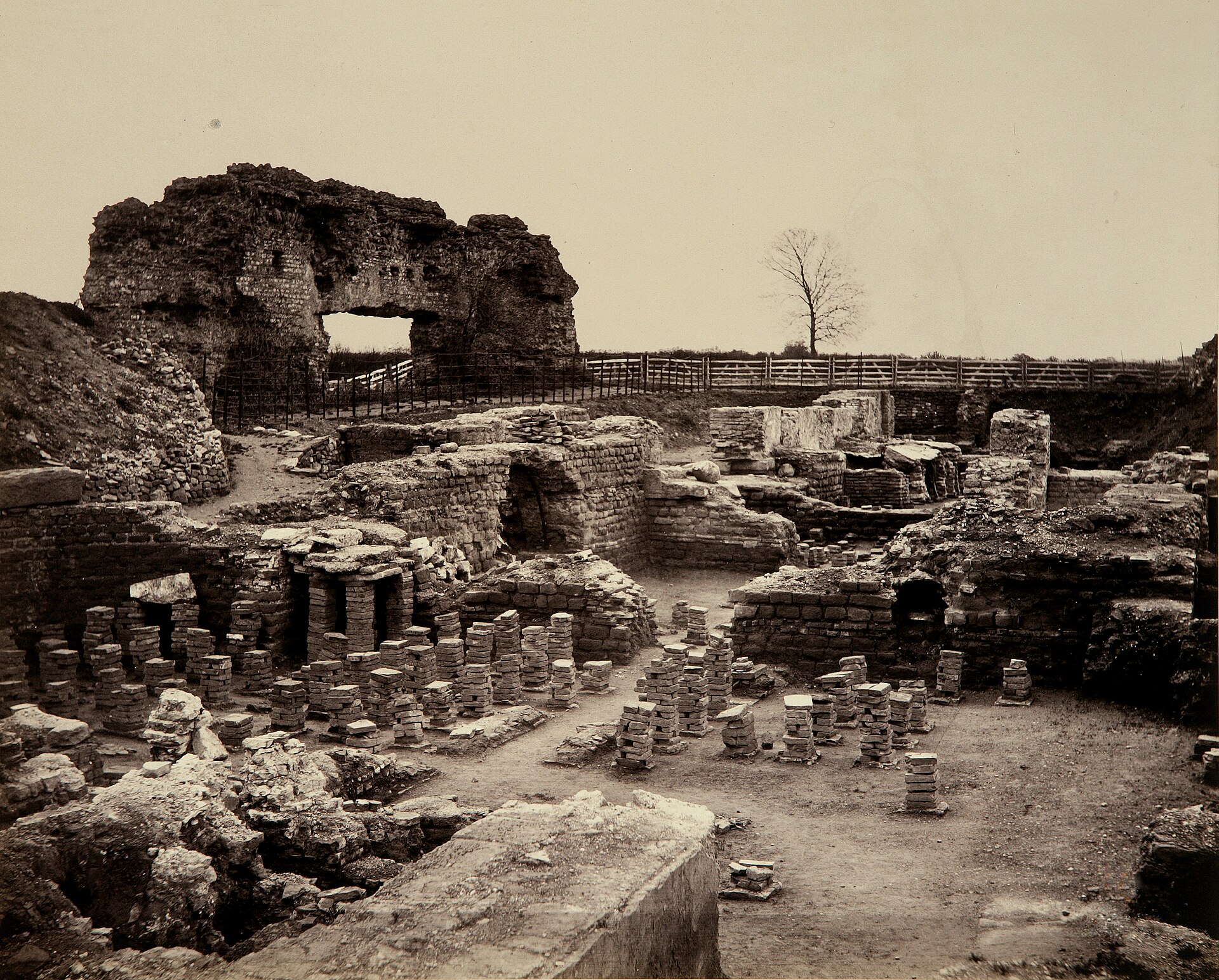
Sacked and burnt by Boudica in AD 61, rebuilt in stone twice over, its theatre survives as Britain's only fully excavated Roman stage theatre.
Ancient place · Iron Age
Wiltshire
Long before Stonehenge's stones went up, this hillside was already a gathering place: flint tools dug up here in 2010 were called ‘the most importa…
Building or ruin · Roman
Northumberland
Vindobala’s cavalry-focused plan, rebuilt after fire and divided by the modern Military Road, makes buried Roman frontier strategy visible in an op…
Building or ruin · Roman
Northumberland
A Roman auxiliary fort south of Hadrian's Wall which it pre-dated, and one of the most heavily excavated sites on the frontier.
Building or ruin · Roman
County Durham
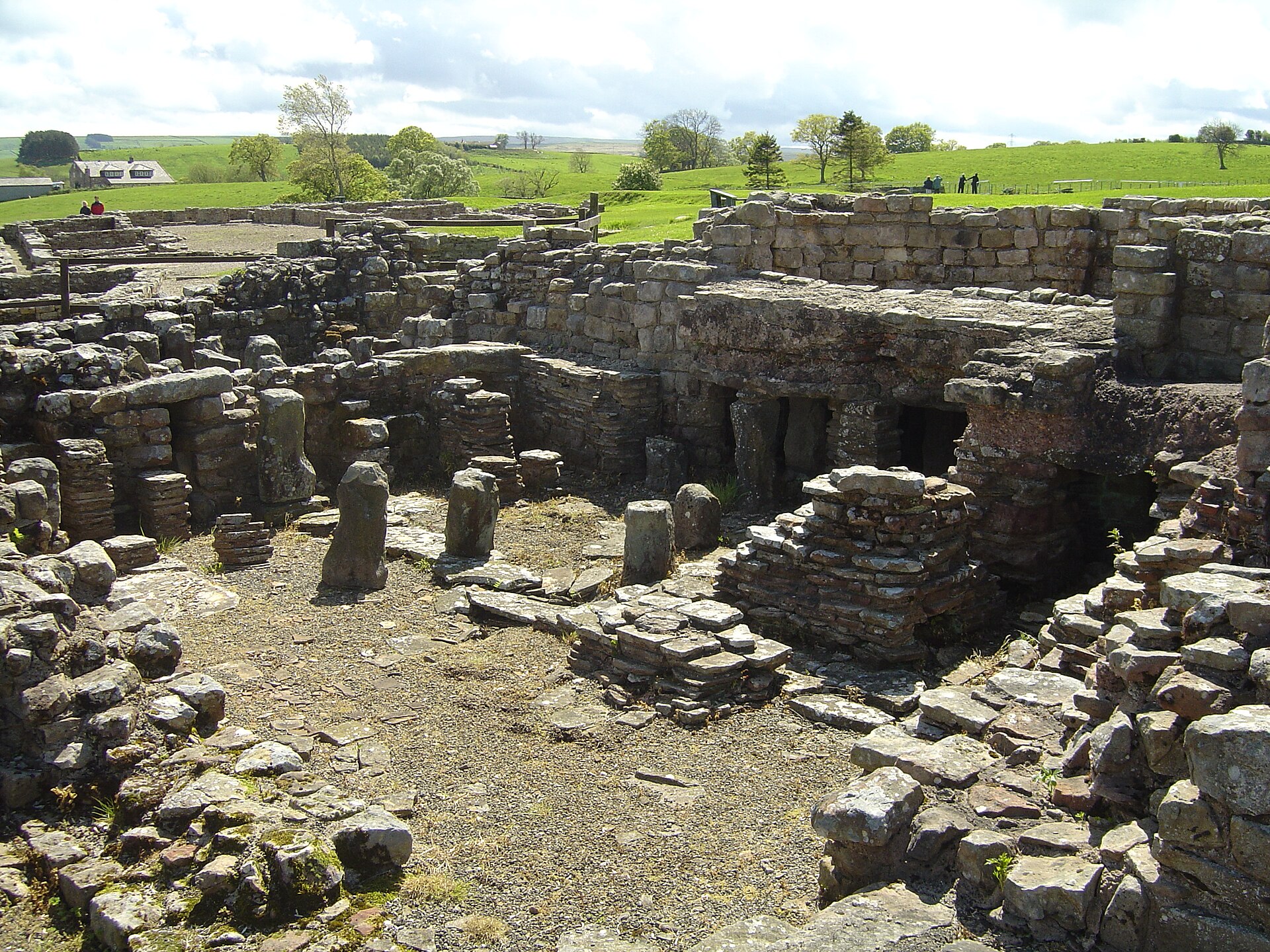
A whole English village grew directly on top of a Roman fort's footprint, so altars and rampart (a defensive embankment ringing the site) stone sti…
Building or ruin · Roman
Shropshire
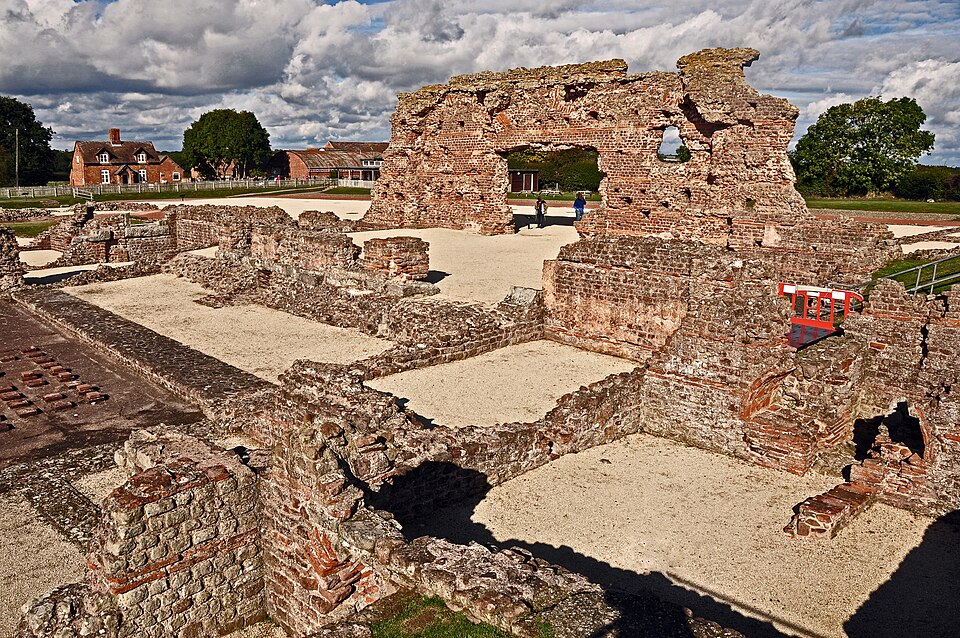
A Roman city at Wroxeter, once probably Britain's fourth-largest Roman settlement.
Ancient place · Iron Age
Somerset
Walton Common layers a late Iron Age (from around 800 BC up to the Roman conquest) banjo enclosure and Bronze Age (roughly 2500–800 BC) barrows ove…
Building or ruin · Prehistoric
Dorset
Warren Hill is the elevated heart of Hengistbury Head, where rich Stone Age archaeology and a protected heathland habitat meet expansive coastal vi…
Building or ruin · Roman
Tyne and Wear
A Roman fort known almost entirely from one aerial photograph taken in 1970, never excavated, and already on the Heritage at Risk Register.
Fortified place · Medieval
Wrexham
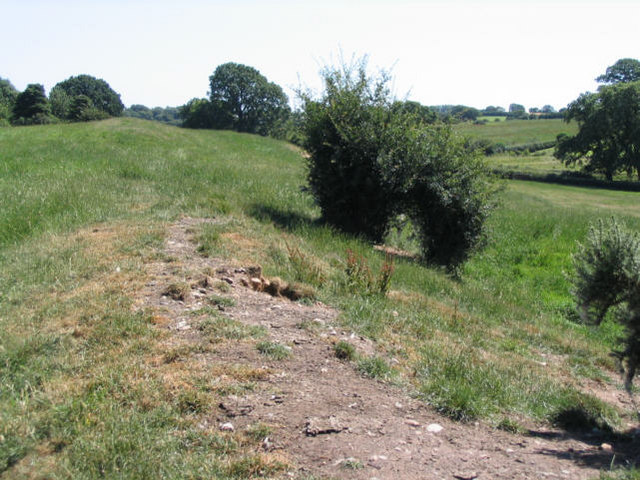
A second great frontier earthwork running alongside Offa's Dyke, judged the more sophisticated of the two: now mostly a hedge line and a cropmark.
Ancient place · Medieval
Norfolk
Waterden is a scheduled deserted medieval village whose tax records trace decline without a decisive Black Death shock, while streets, green, homes…
Sacred place · Prehistoric
Bedfordshire
Its curved bank and outer ditch so closely mirror the much larger Marden Henge in Wiltshire that the two river-edge sites may share a single Neolit…
Building or ruin · Prehistoric
Oxfordshire
A timber tomb was dismantled and rebuilt in stone within perhaps fifty years, capturing a Neolithic (the closing Stone Age, roughly 4000–2500 BC) c…
Tomb or burial place · Pictish & early medieval
Lincolnshire
One grave held grave goods rivalling Sutton Hoo in craftsmanship: a runic silver bracteate, cruciform brooches, and cushion covers sewn with matchi…
Building or ruin · Medieval
County Tyrone
Wellbrook Beetling Mill is the UK’s last publicly accessible working beetling mill, preserving water-powered linen finishing on the Ballinderry River.
Building or ruin · Roman
Hertfordshire
A working Roman bath suite survives intact in a steel vault beneath a live motorway junction, its hypocaust and plunge bath reached by tunnel nine…
Building or ruin · Prehistoric
Cardiff
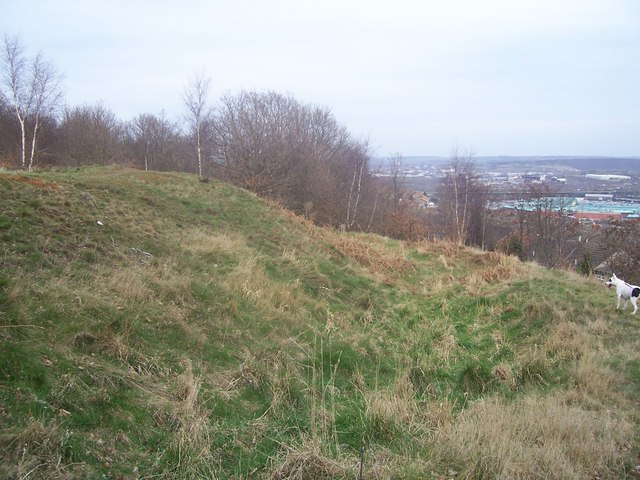
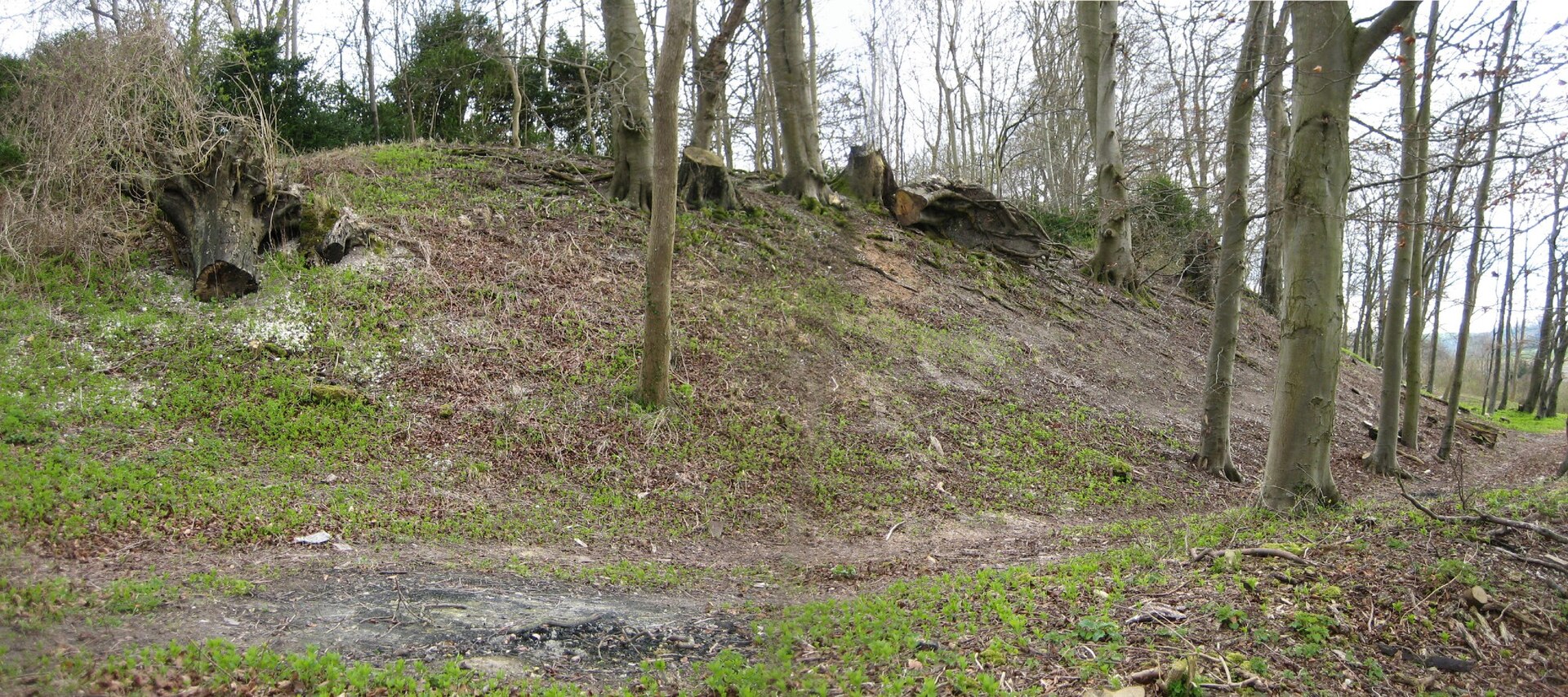
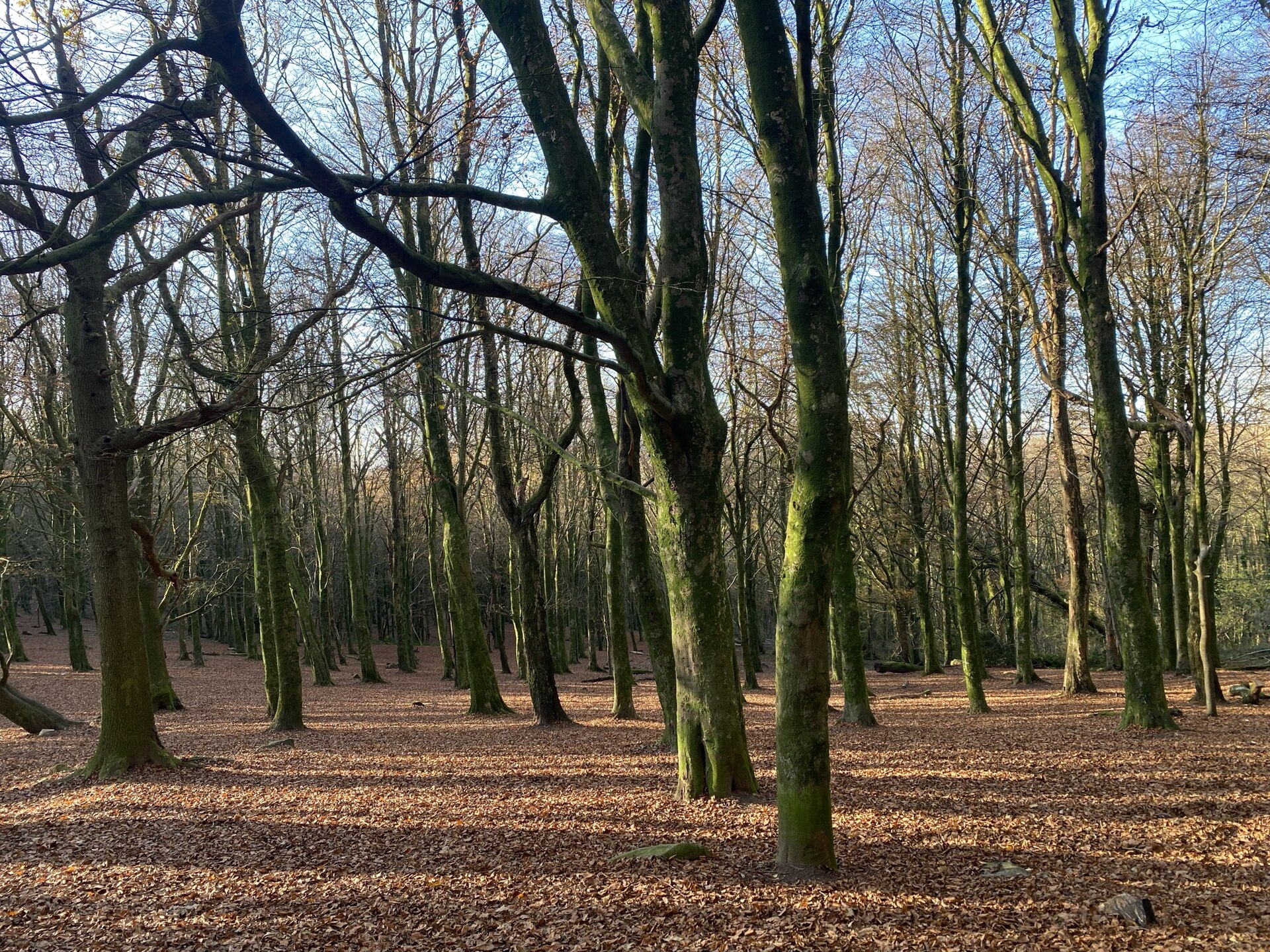
A modest earthwork enclosure: a mound or ditch formed by moving soil, not by building: on a wooded Cardiff hillside, its bank and ditch and a level…
Sacred place · Prehistoric
Isle of Anglesey
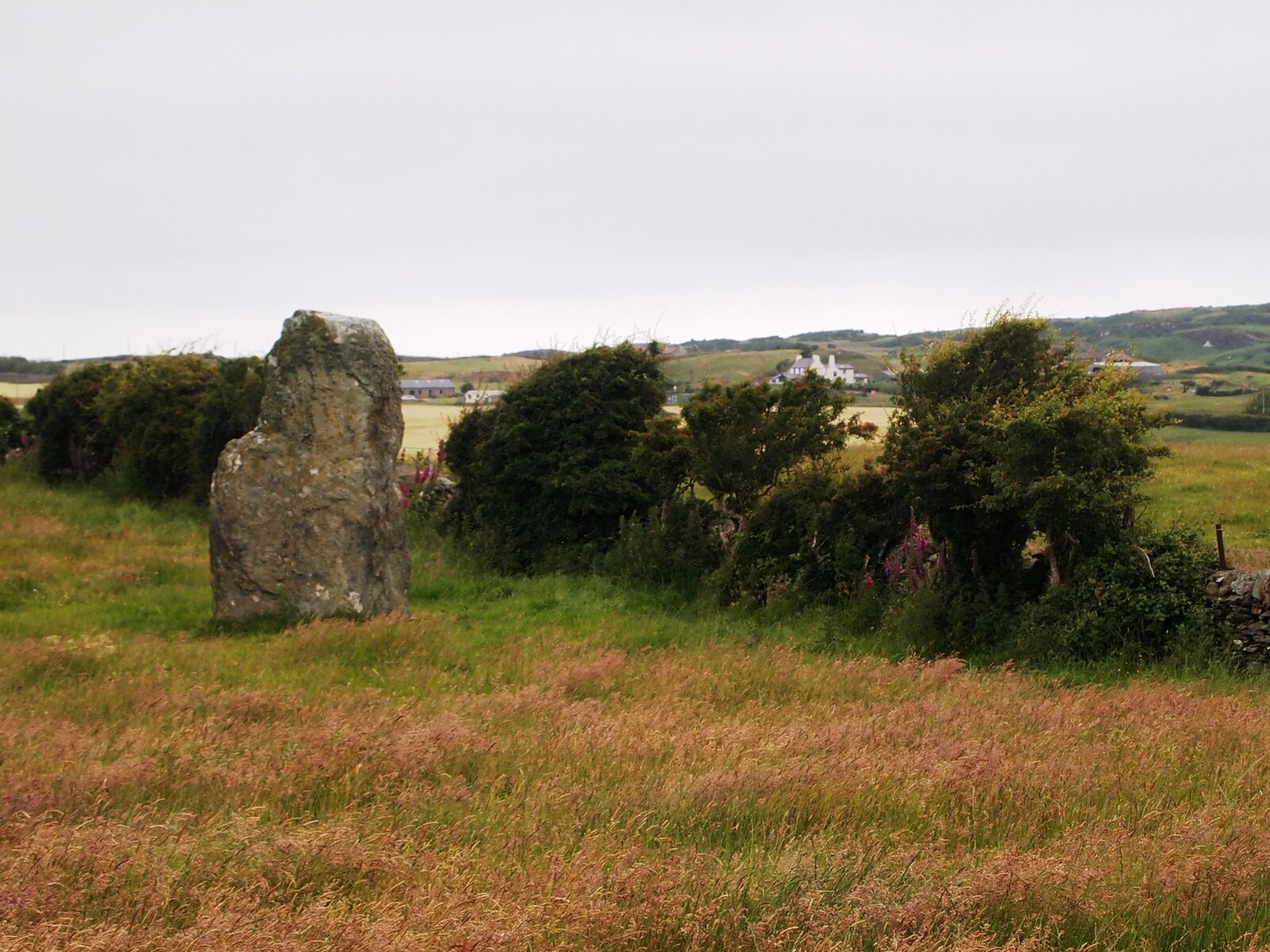
The Werthyr standing stone west of Amlwch stands 3.1 metres high; reports of a second upright and capstone preserve a fragmentary record of a once…
Tomb or burial place · Prehistoric
Wiltshire
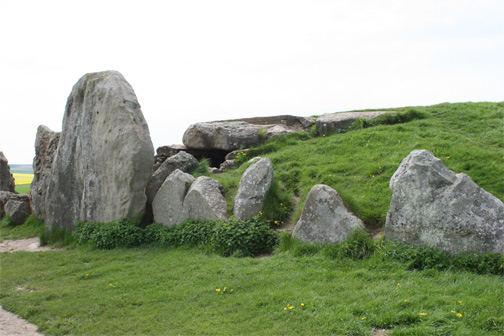
Its chamber's roof stands tall enough to walk upright in, a rarity among Neolithic (the closing Stone Age, roughly 4000–2500 BC) tombs, and it held…
Tomb or burial place · Prehistoric
Cornwall
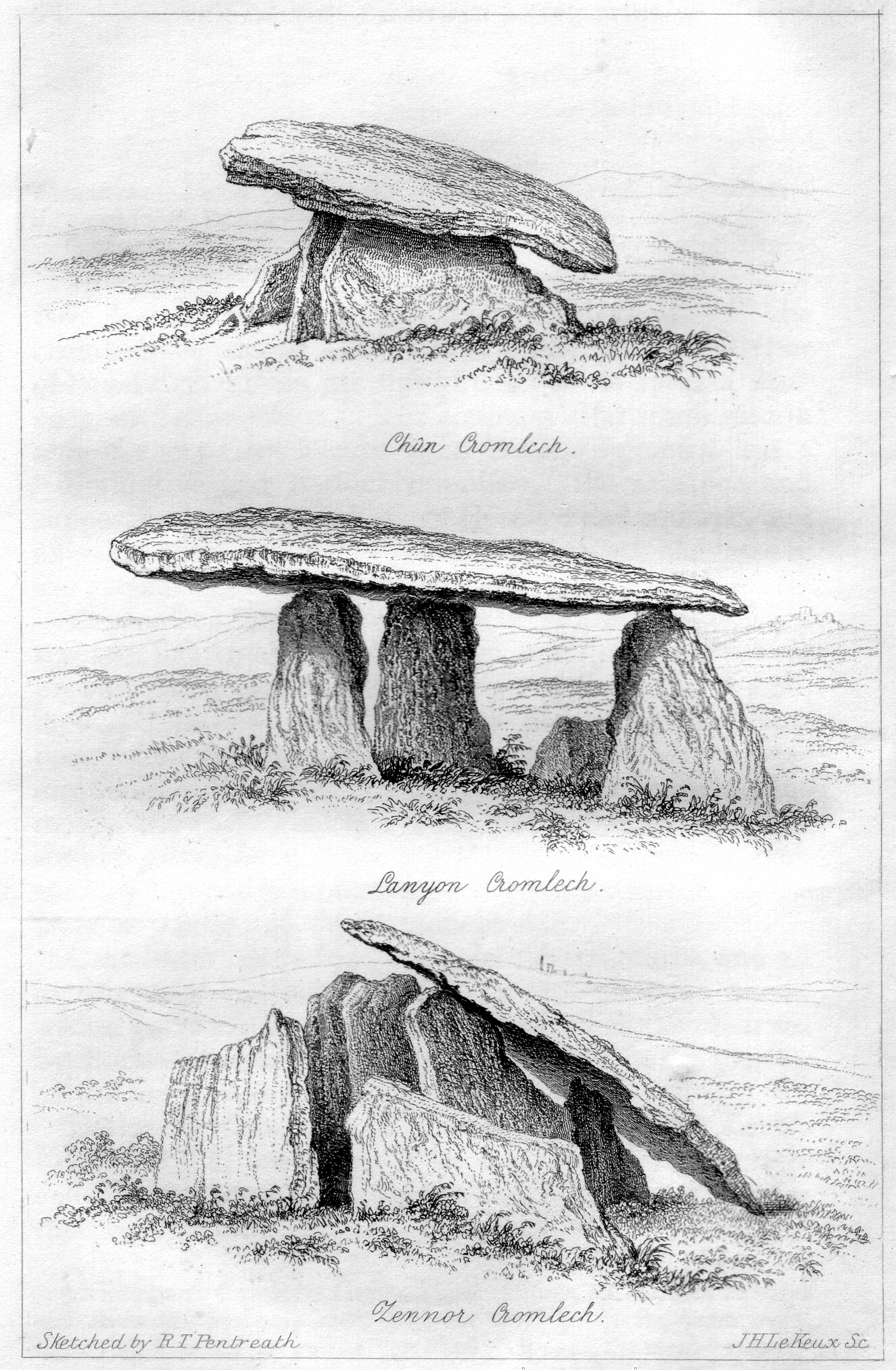
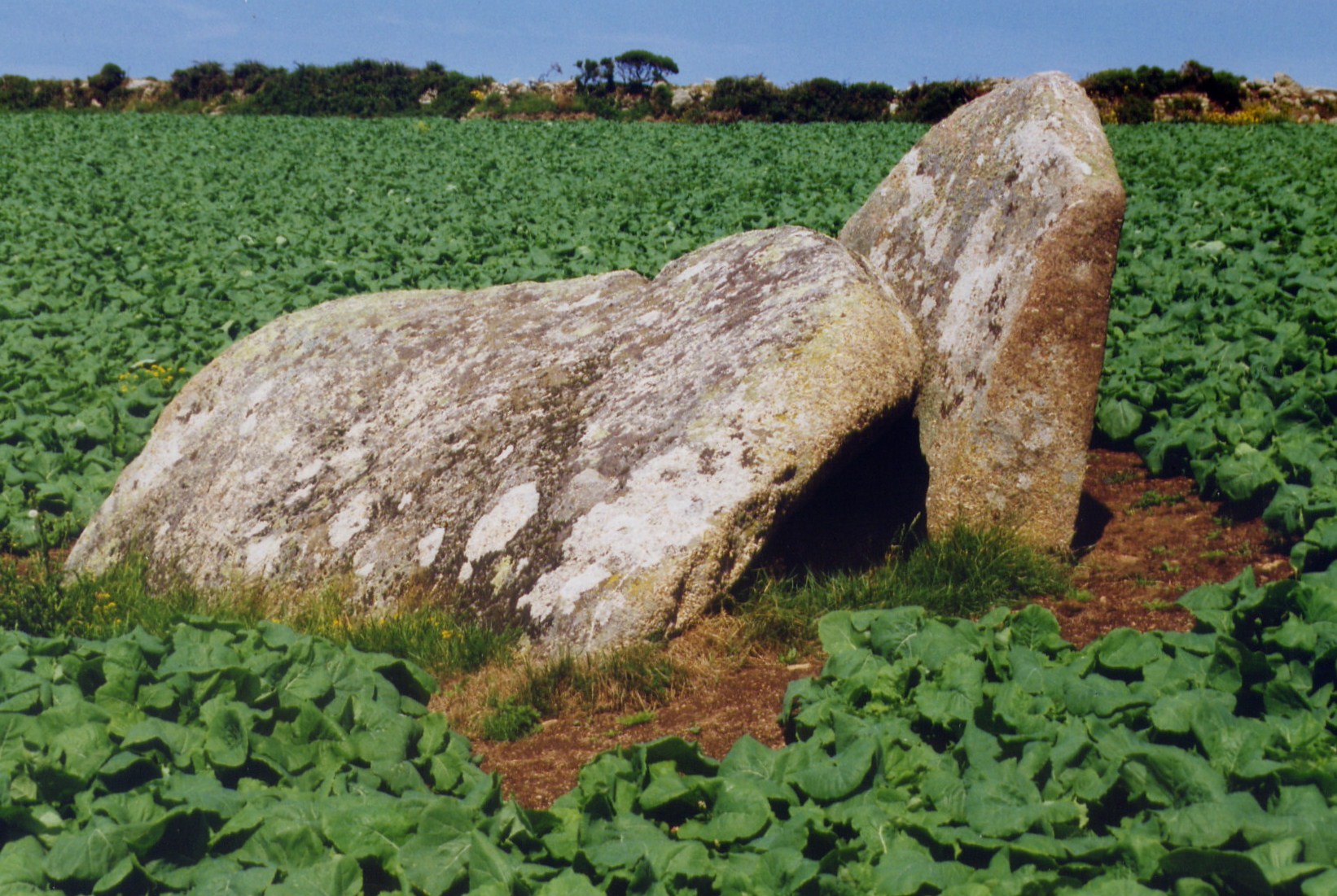
West Lanyon Quoit is a scheduled fragment of a prehistoric portal tomb: a tomb from from the era before writing arrived in these islands where upri…
Building or ruin · Medieval
Pembrokeshire
A small vaulted medieval house south of St Florence that four separate authorities classify four different ways: including one that says it was nev…
Fortified place · Medieval
Kent
Westgate condenses Canterbury’s Roman approach, medieval fear of invasion and four centuries of imprisonment into the largest surviving city gate i…
Building or ruin · Medieval
North Yorkshire
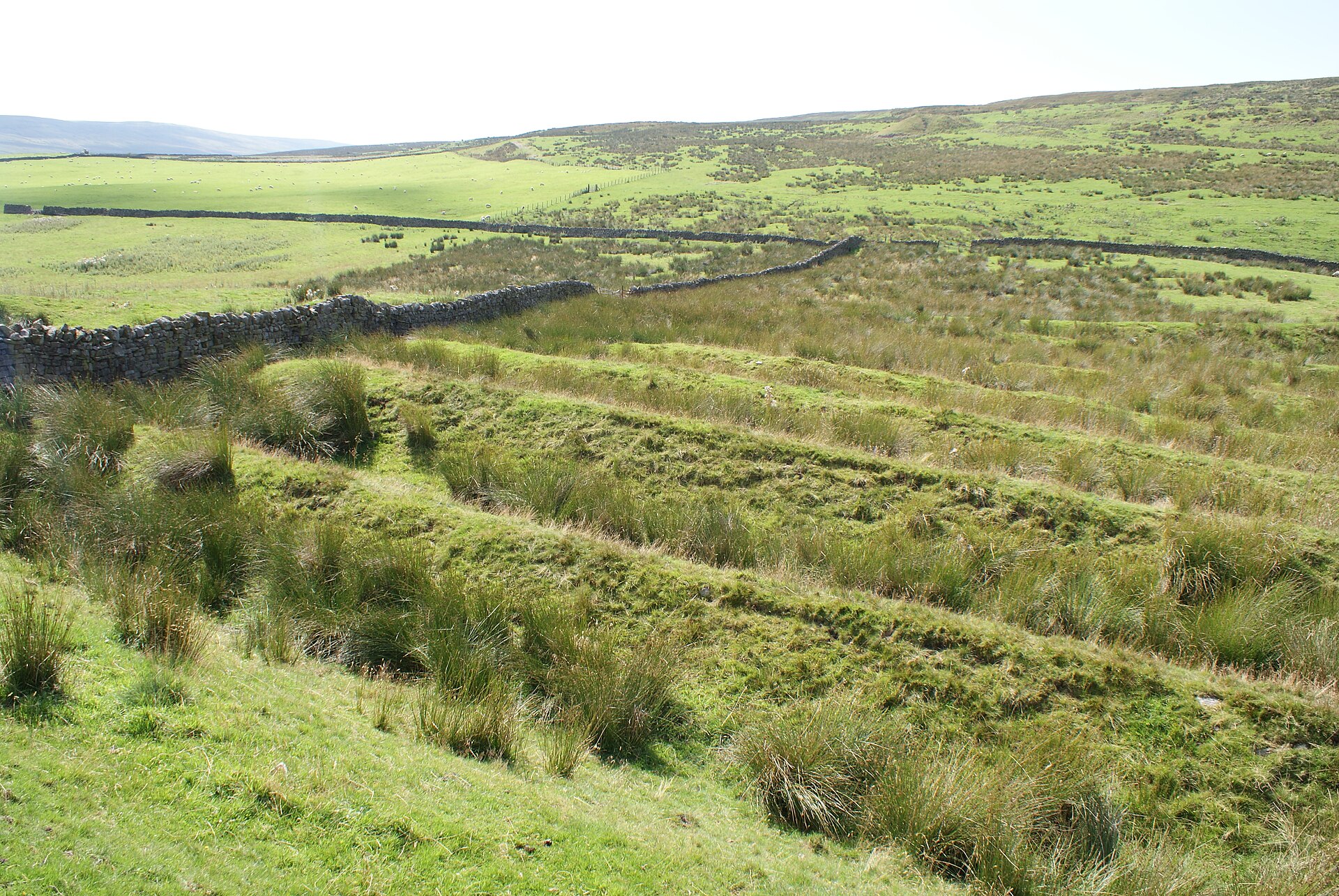
A whole medieval village vanished here, leaving only a roofless church and grass-grown house platforms: the excavation that first taught archaeolog…
Building or ruin · Medieval
Nottinghamshire
Walkable earthworks preserve the street, house plots and moated homestead of a Domesday settlement that vanished so completely it was recorded as a…
Tomb or burial place · Prehistoric
Wiltshire
In 1909 it became the first piece of land the National Trust ever bought purely to protect an archaeological site, setting a precedent still follow…
Building or ruin · Prehistoric
East Sussex
Whitehawk Camp is one of Britain’s earliest confirmed causewayed enclosures, preserving evidence of late Stone Age gathering, deposition and constr…
Minor monument · Prehistoric
Buckinghamshire
A vast chalk cross cut into a Buckinghamshire hillside whose age and purpose have never been established: one of England's few hill figures with no…
Building or ruin · Medieval
Pembrokeshire
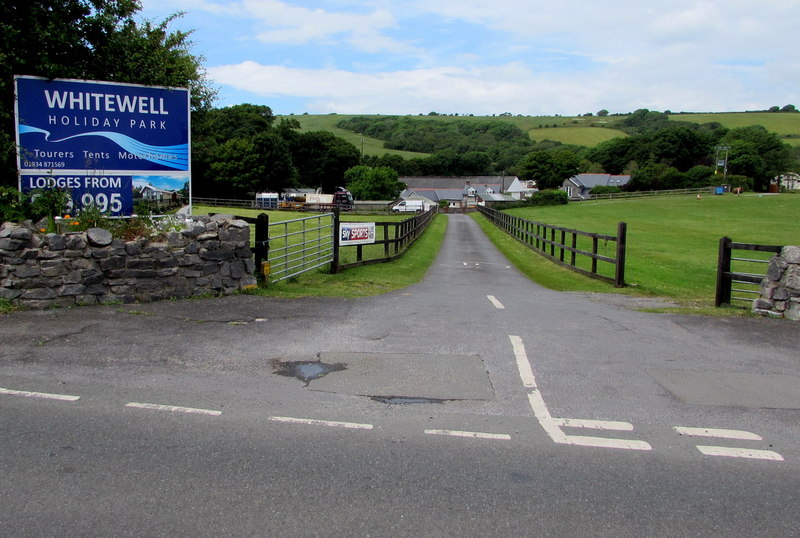
Three ruined medieval structures on the edge of Penally, all Grade I listed, all scheduled, and all now surrounded by a caravan park.
Building or ruin · Roman
Northumberland
Whitley Castle’s lozenge plan and exceptional concentric defences make its purpose as a high-Pennine Roman mining fort unusually legible today.
Building or ruin · Iron Age
Hampshire
A private manor house now sits inside earthworks reused across six millennia by hunters, herders, settlers and Anglo-Saxon refortifiers, all of who…
Building or ruin · Roman
Norfolk
Its cella walls still bear traces of Roman paint and mosaic beneath the soil, a rare survival of a Romano-Celtic shrine serving a community rooted…
Fortified place · Prehistoric
Hertfordshire
Its earthwork rings have vanished from the ground entirely, surviving only as ghostly cropmarks in aerial photographs: one link in a chain of six m…
Building or ruin · Pictish & early medieval
Greater London
Winchester Palace’s surviving hall and rose window recall a powerful bishop’s London residence on the Thames, where royal visitors, river supply, t…
Fortified place · Iron Age
South Yorkshire
Its rampart timbers were found vitrified: burned with such intensity that the stone facings fused, evidence archaeologists read as a trace of real…
Ancient place · Prehistoric
Wiltshire
At 21 acres it is the largest known Neolithic (the first farming age, roughly 4000–2500 BC) causewayed enclosure (a Neolithic enclosure whose ditch…
Fortified place · Iron Age
Wiltshire
Its ramparts were never built to one plan: three incomplete, irregular phases of construction, probably raised by separate work gangs, show a fort…
Settlement · Medieval
Dorset
Winterborne Farringdon is a deserted medieval village whose platforms, enclosures, tracks, lynchets and church remnant preserve the footprint of a…
Building or ruin · Roman
Lincolnshire
Systematic excavation between 1958 and 1967 turned this into one of the most completely documented Roman villa sites in England, with five mosaic f…
Building or ruin · Roman
East Riding of Yorkshire
A minor country lane in the East Riding still follows the exact line the Romans laid between the coast and York: and became one of David Hockney's…
Carved stone · Pictish & early medieval
West Midlands
Seven bands of vine scroll, animal and acanthus carving make this the only known English cross shaft worked in a rare southern continental Baroque…
Fortified place · Iron Age
Worcestershire
An Iron Age hillfort (an upland enclosure defended by earthen banks) where two armies faced off in 1405 and Glyndŵr's Welsh and French forces withd…
Fortified place · Iron Age
Dorset
Woodbury Hill combines an Iron Age hillfort: a defended hilltop settlement dating from from around 800 BC up to the Roman conquest: with a medieval…
Settlement · Iron Age
Dorset
Woodcutts Settlement is a classic Pitt Rivers excavation, revealing how a small farmstead on Cranborne Chase changed across three Roman-period phas…
Sacred place · Prehistoric
Wiltshire
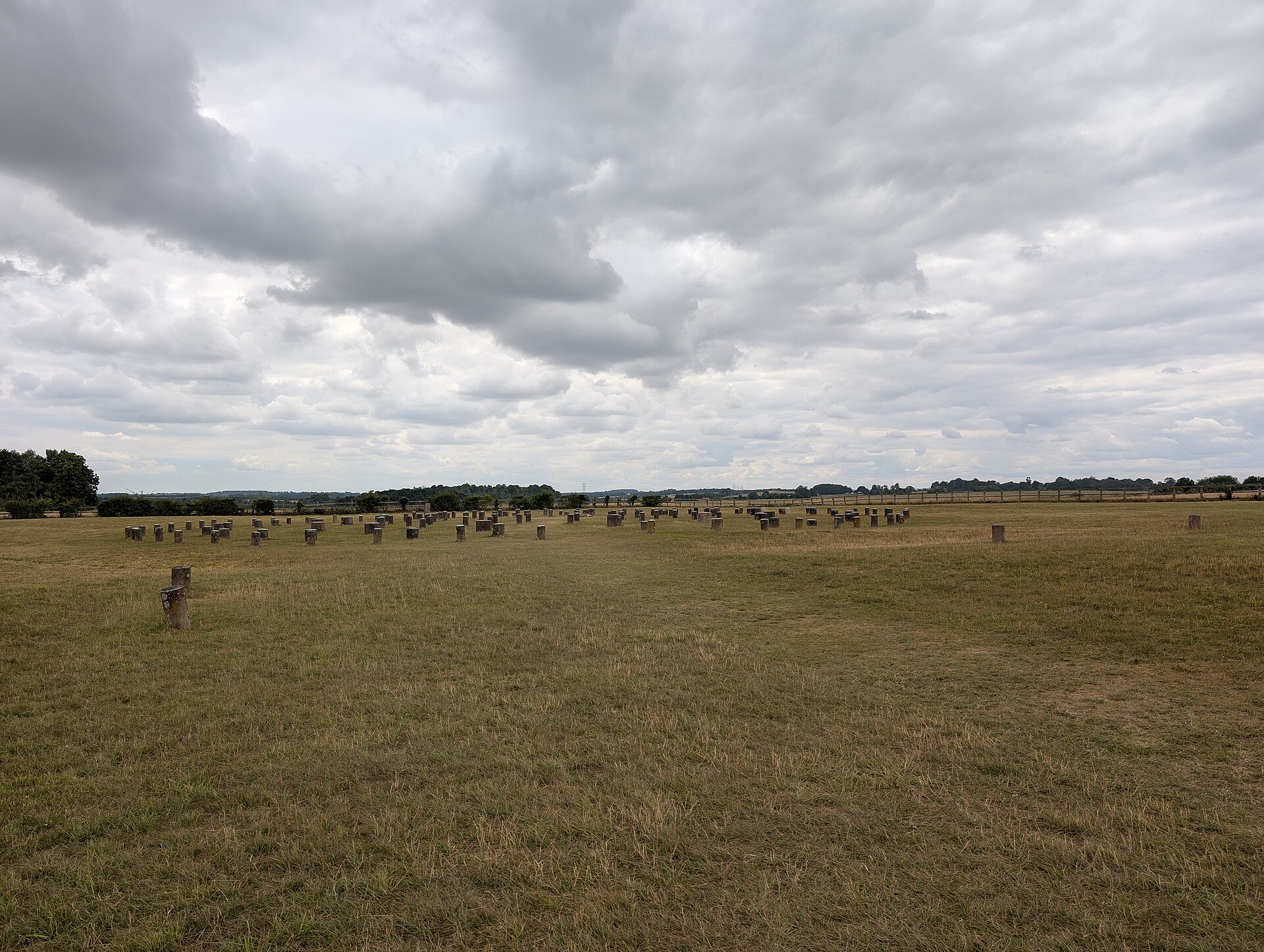
The timber rings share Stonehenge's scale and midsummer alignment almost exactly, evidence that wood, not just stone, could carry serious ceremonia…
Minor monument · Prehistoric
Cheshire
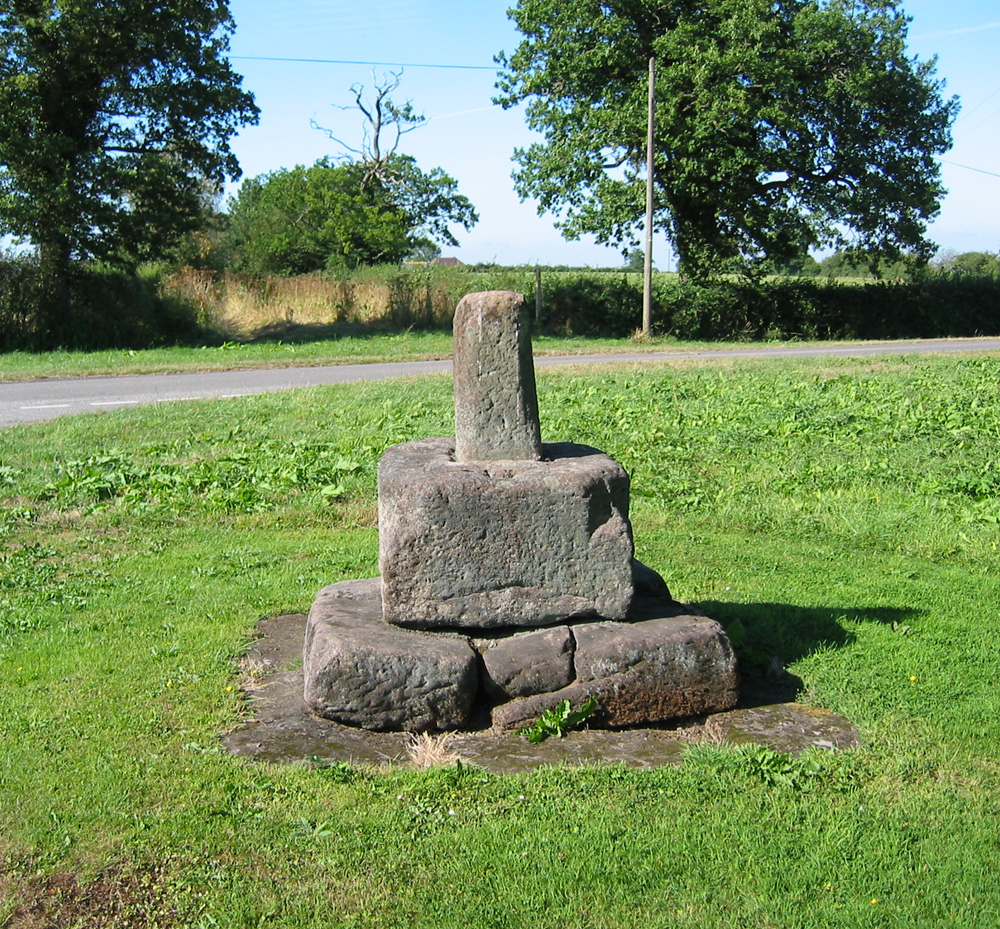
Woodhey Cross is a rare surviving late-medieval stepped cross that remains in its original Cheshire roadside position, preserving a small but subst…
Fortified place · Iron Age
Hampshire
Its southern rampart carries a crude flint-and-chalk horse, the only hill figure of its kind in Hampshire, cut into a hilltop enclosure still guard…
Tomb or burial place · Prehistoric
Dorset
Wor Barrow records an Early–Middle Neolithic mortuary monument and a landmark full excavation by Augustus Pitt Rivers, whose detailed results resha…
Ancient place · Medieval
South Yorkshire
Only ever powered by water. All three of its waterwheels have been restored to working order.
Building or ruin · Roman
Cumbria
A single-track road over Wrynose Pass runs on top of a Roman crossing of the fells, and its summit stone still marks the ancient meeting point of t…
Building or ruin · Medieval
Lancashire
Wycoller Hall is a Grade II* listed manor-house ruin whose Cunliffe family history, nineteenth-century dismantling and later conservation preserve…
Building or ruin · Roman
Hertfordshire
Long assumed a Roman villa, the excavated rooms above the Purwell wetlands may in fact be a bathhouse within a complex of ritual buildings, one of…
Fortified place · Roman
Powys
A cavalry fort held for three centuries by Spanish horsemen, quarried in 1093 to build Brecon Castle: and still standing three metres high in places.
Fortified place · Iron Age
Wiltshire
Traces of some 130 dwellings and nine infant burials in its ditches mark this out as one of Wessex's most intensively lived-in hillforts: yet it su…
Building or ruin · Medieval
North Yorkshire
Built in stages between 1220 and 1472, it is the largest cathedral completed anywhere during the Gothic period, its east window alone holding the l…
Sacred place · Medieval
Carmarthenshire
Believed to be the only Welsh church ever converted from Anglican to non-conformist worship: a reversal contemporaries themselves called remarkable.
Briefer entries: recorded and worth knowing, with fuller pages to come.
Fortified place · Prehistoric
Cornwall
Trevelgue Head is an Iron Age promontory fort: a coastal spur defended by banks thrown across its neck, the period from roughly 800 BC to the Roman…
Fortified place · Medieval
County Tyrone
Tullyhogue Fort was the O’Neill inauguration site, where ceremonial guardians and the Leac na Rí embodied the political sovereignty of Tyrone.
Tomb or burial place · Prehistoric
Isle of Anglesey
Ty Mawr is a collapsed Neolithic passage grave: a tomb reached by a stone-lined passage from the late Stone Age, roughly 4000–2500 BC in Britain: w…
Sacred place · Medieval
County Tyrone
Urney Glebe is a small Tyrone townland where a protected ecclesiastical site and carved cross slab preserve an early sacred landscape.
Building or ruin · Roman
Dorset
Waddon Hill is a short-lived Roman fort whose archaeology now reveals earlier Iron Age (from about 800 BC until the Romans came) activity beneath a…
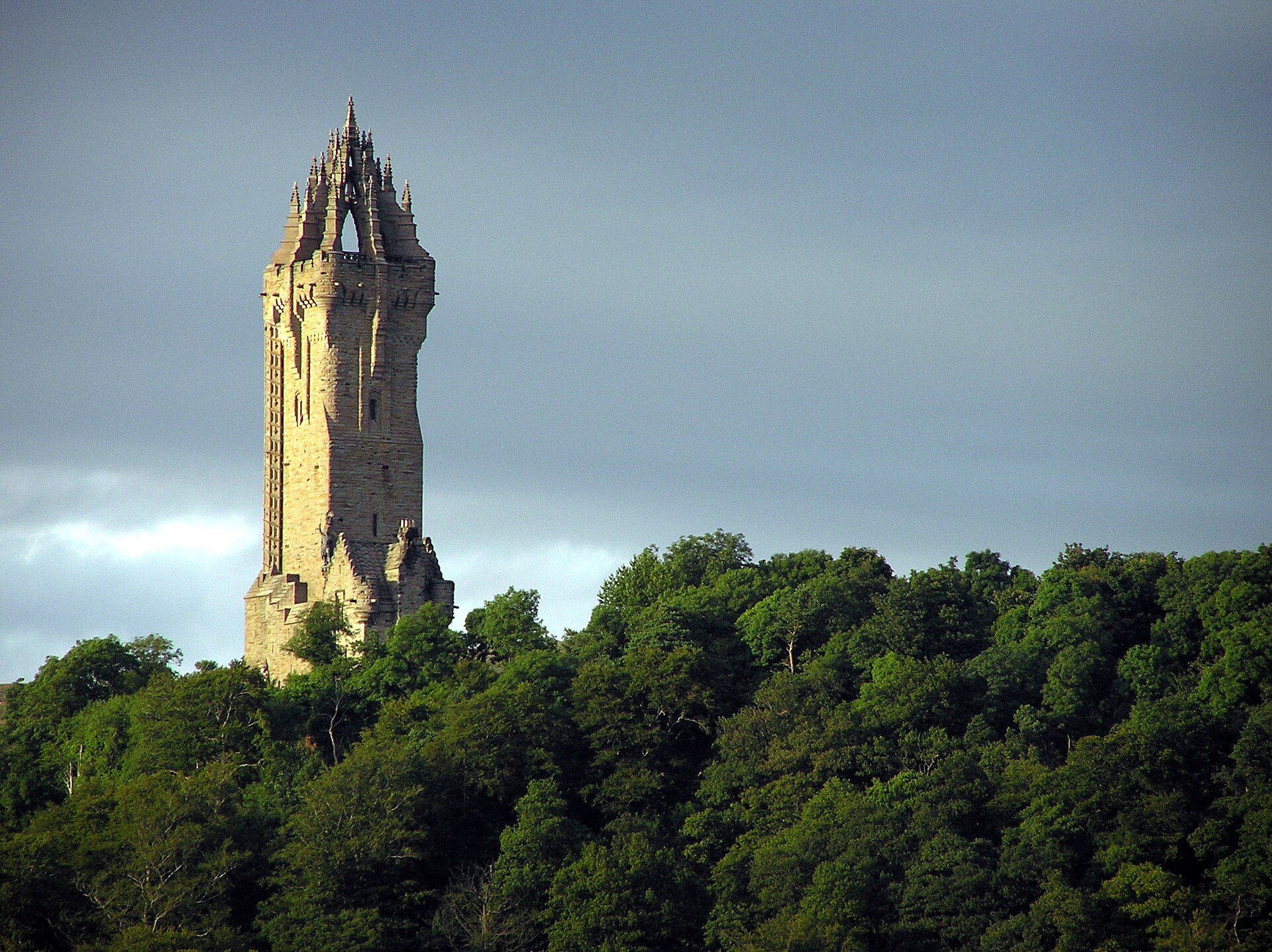
Building or ruin · Medieval
Stirling
Garibaldi helped pay for it. A statue of Wallace with Mel Gibson's face stood at the foot of the crag until the public loathing became unmanageable.
Fortified place · Iron Age
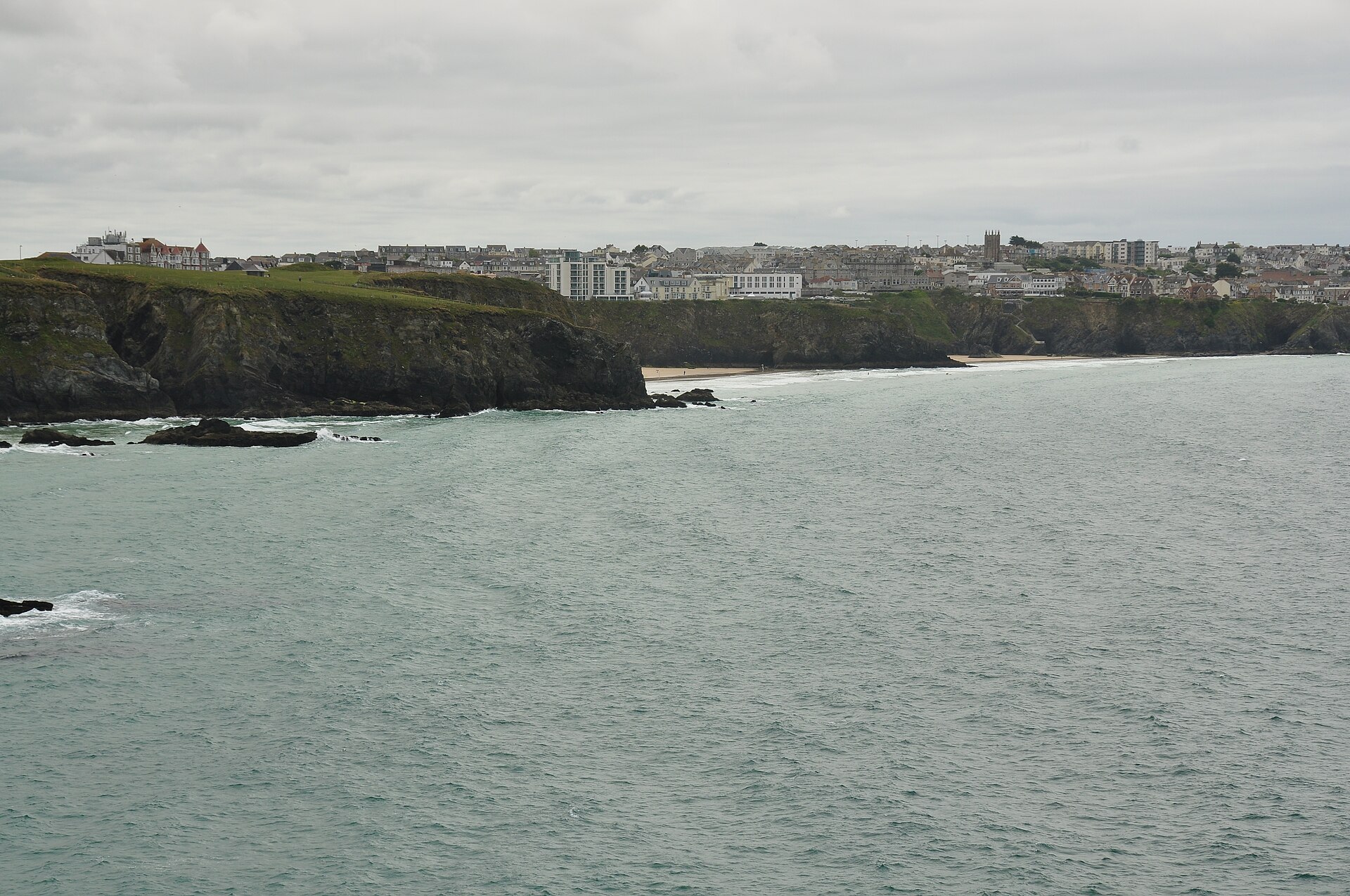
Cornwall
Warbstow Bury is one of Cornwall's largest Iron Age (from around 800 BC up to the Roman conquest) earthworks, with double ramparts, deep ditches an…
Building or ruin · Roman
Kent
Watling Temple is a reconstructed Roman sacred site within a newly discovered Newington manufacturing settlement whose archaeology reaches back to…
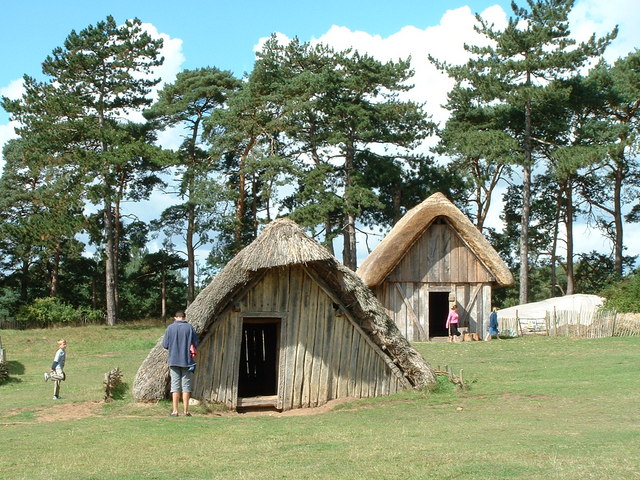
Ancient place · Pictish & early medieval
Suffolk
An archaeological site and open-air museum with traces of habitation from the first farmers onward.
Sacred place · Prehistoric
Kent
The White Horse Stone is a scheduled Blue Bell Hill sarsen with possible Neolithic (the closing Stone Age, roughly 4000–2500 BC) roots, later folkl…
Building or ruin · Medieval
County Down
The White House is a protected seventeenth-century Ards Peninsula dwelling, tied to the Savage family’s division of Ballygalget, Kirkistown, and Ba…
Sacred place · Pictish & early medieval
County Fermanagh
White Island preserves an early medieval: roughly AD 400–1100, between the Romans and the Normans: Lough Erne church whose Romanesque: the round-ar…
Building or ruin · Roman
North Yorkshire
York’s city walls trace nearly two millennia of defence, from Roman Eboracum to medieval bars and a living circuit shaped by later restoration.
Tomb or burial place · Prehistoric
Cornwall
Zennor Quoit is one of West Penwith's best-preserved prehistoric (before any written account of Britain existed) burial chambers, retaining a huge…
No places match those filters.












.jpg?width=800)


.jpg?width=800)

.jpg?width=800)

_-_geograph.org.uk_-_52046.jpg?width=800)