Sacred place · Medieval
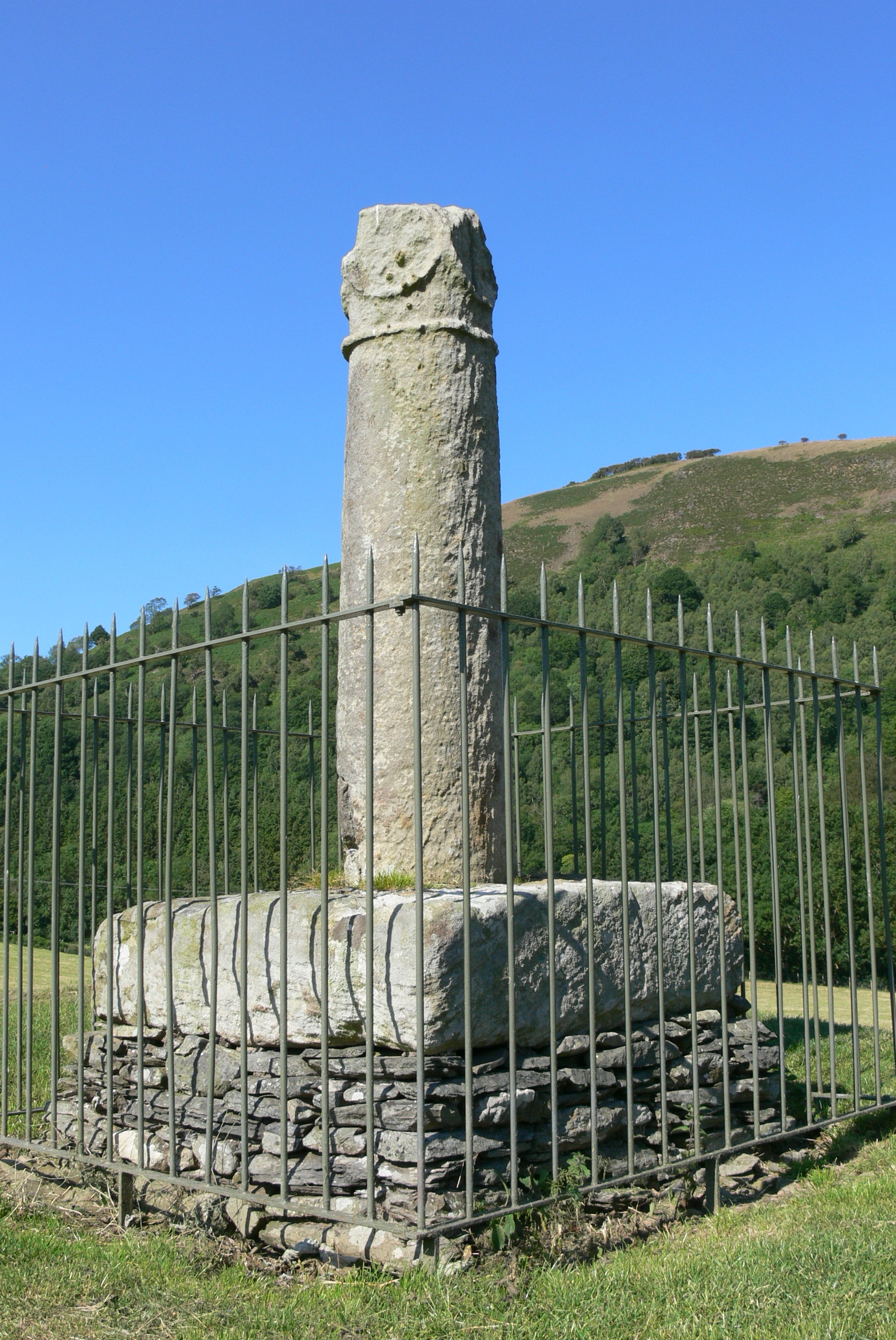
Pillar of Eliseg
Denbighshire
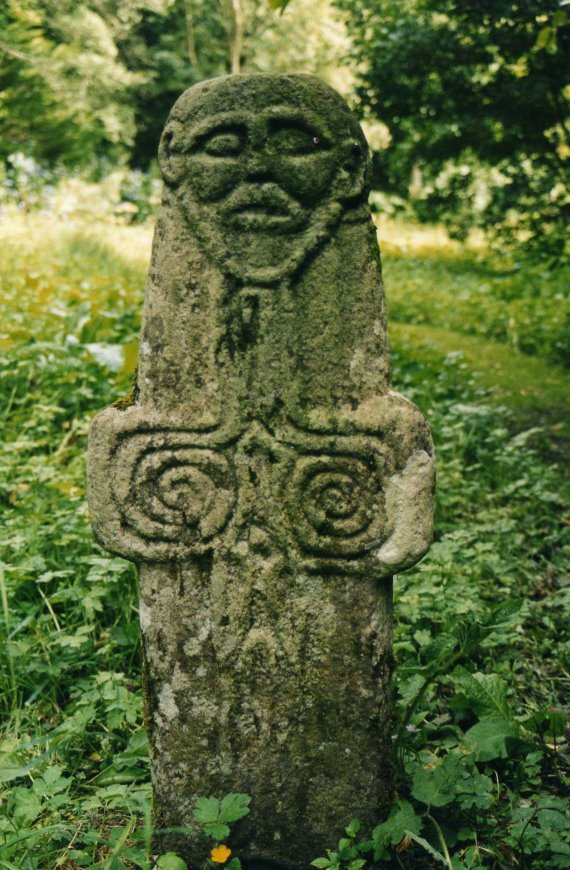
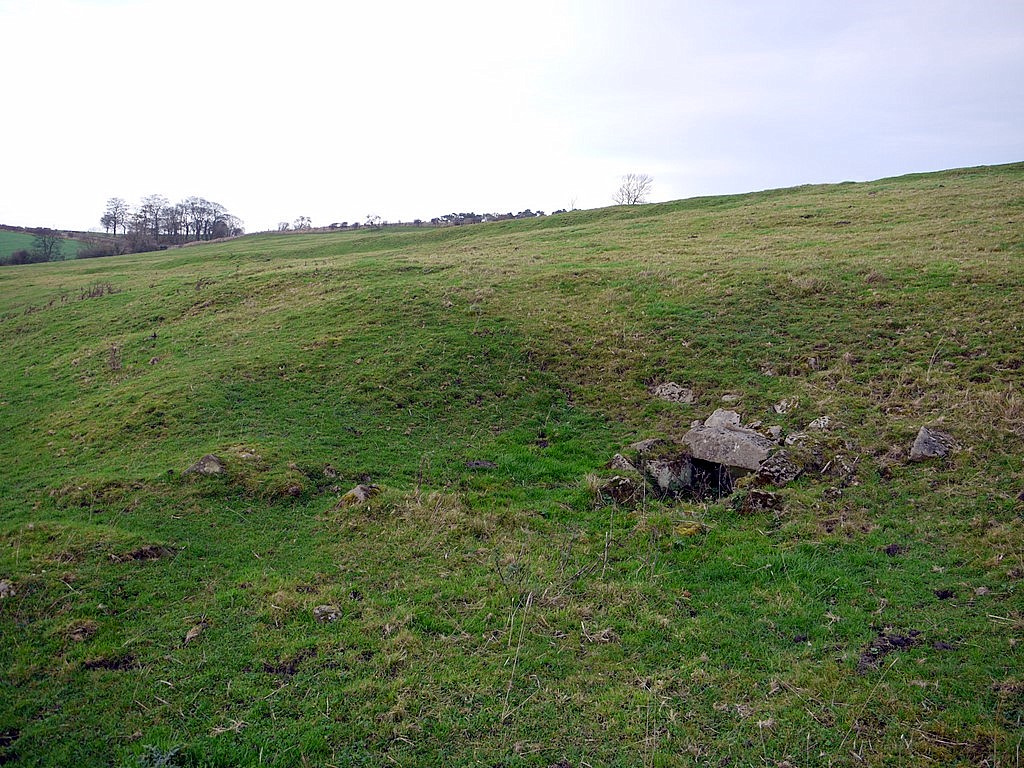
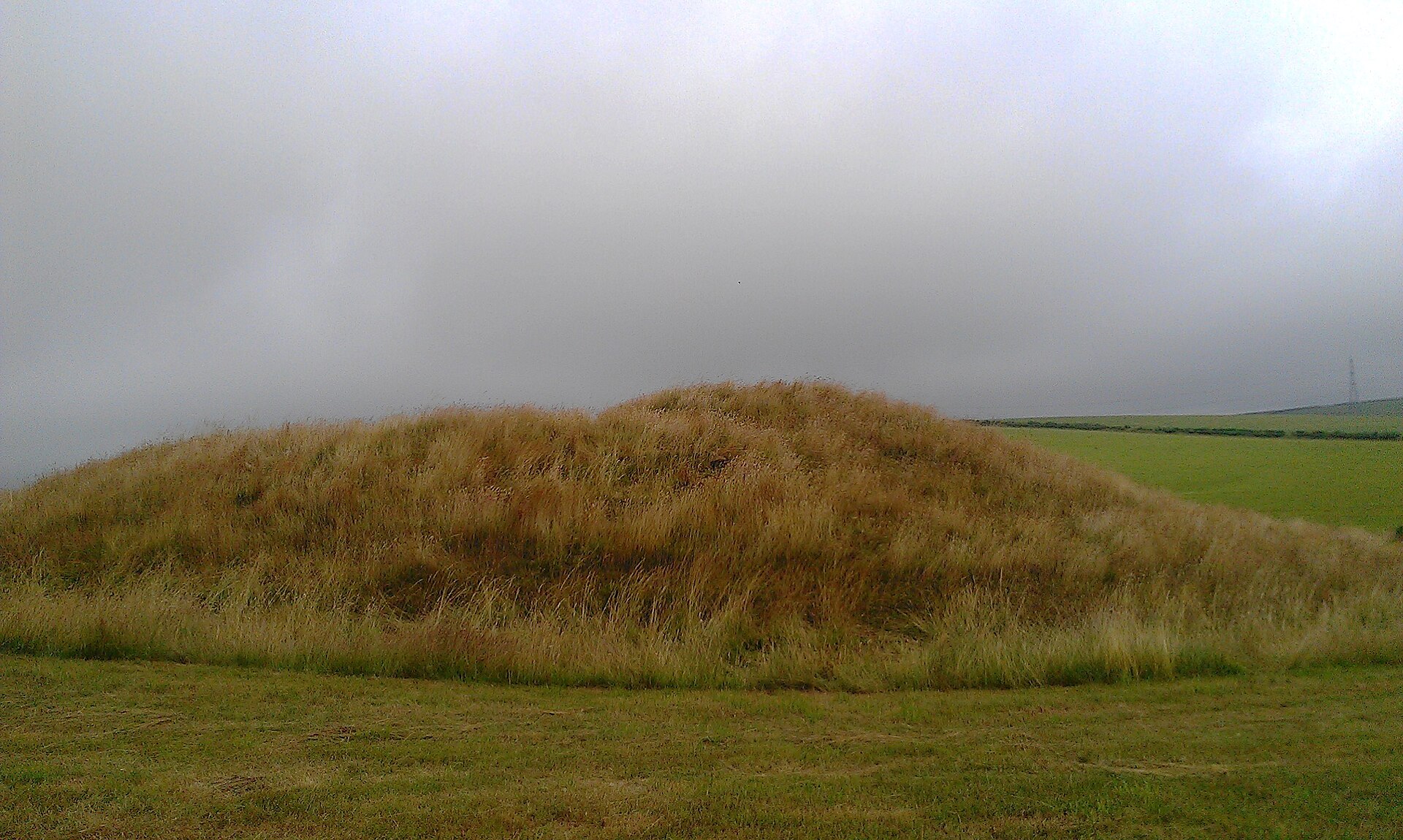
A ninth-century royal inscription and a Bronze Age (roughly 2500–800 BC, when metalworking spread) burial mound occupy the same stone, three thousa…
- Near Denbigh
- Some walking
By type
Page 11 of 14.
Search and filters apply to these 100 places.
Sacred place · Medieval
Denbighshire
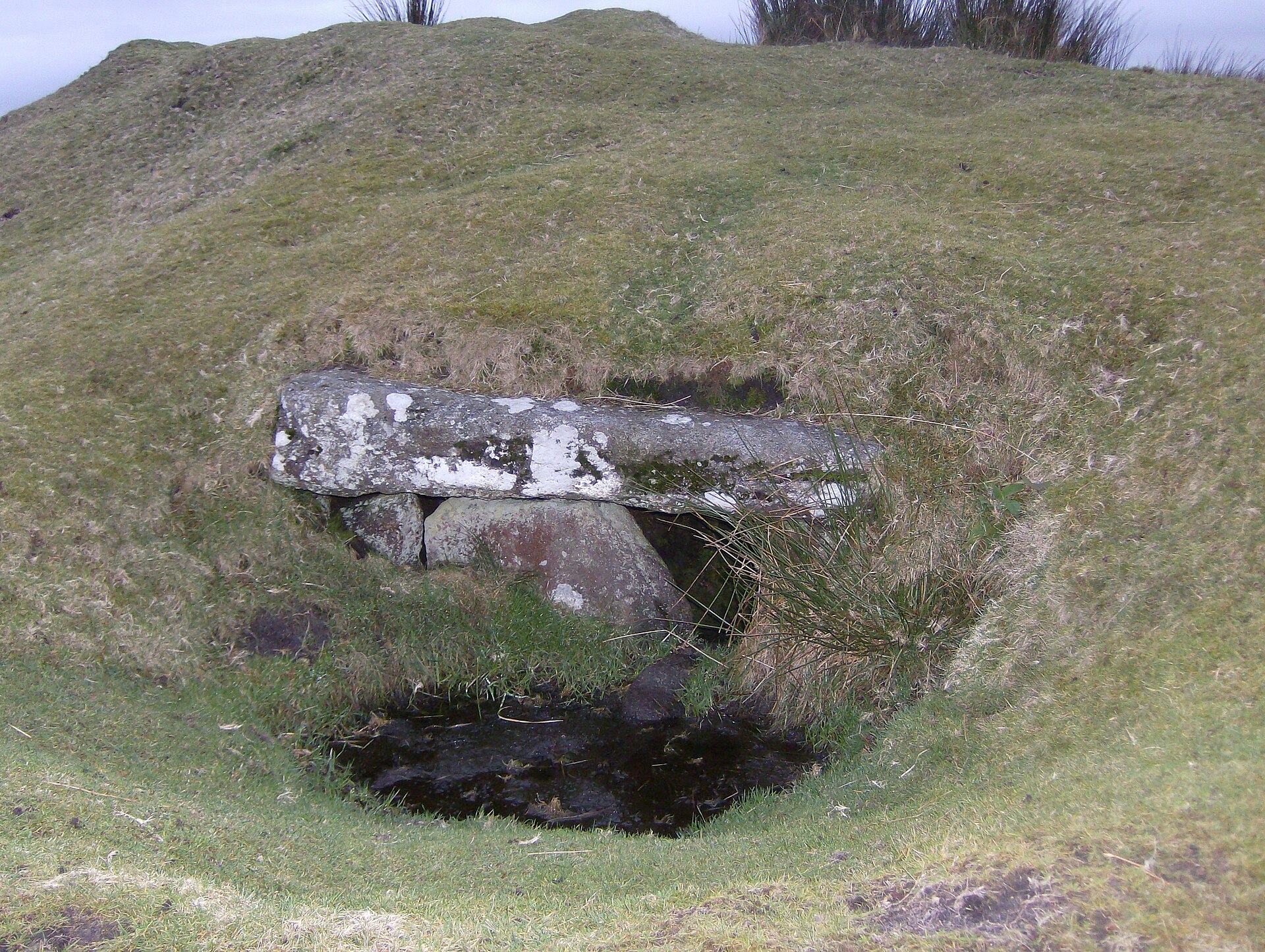
A ninth-century royal inscription and a Bronze Age (roughly 2500–800 BC, when metalworking spread) burial mound occupy the same stone, three thousa…
Building or ruin
Lincolnshire
A coal-fired scoop wheel once lifted up to 3.7 million tons of floodwater a year to keep Pinchbeck Marsh dry: now it is the earliest surviving A-fr…
Building or ruin · Medieval
Derbyshire
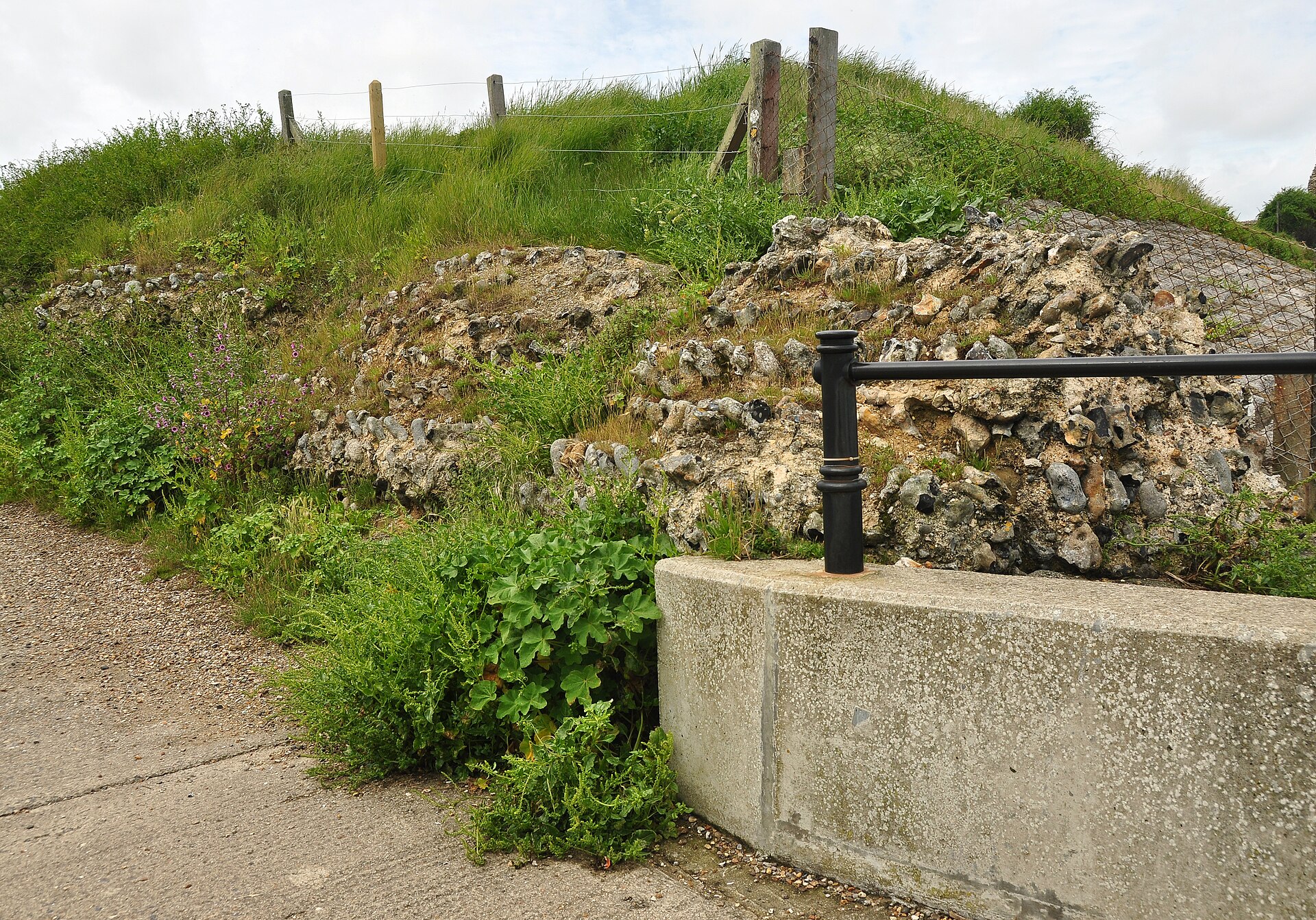
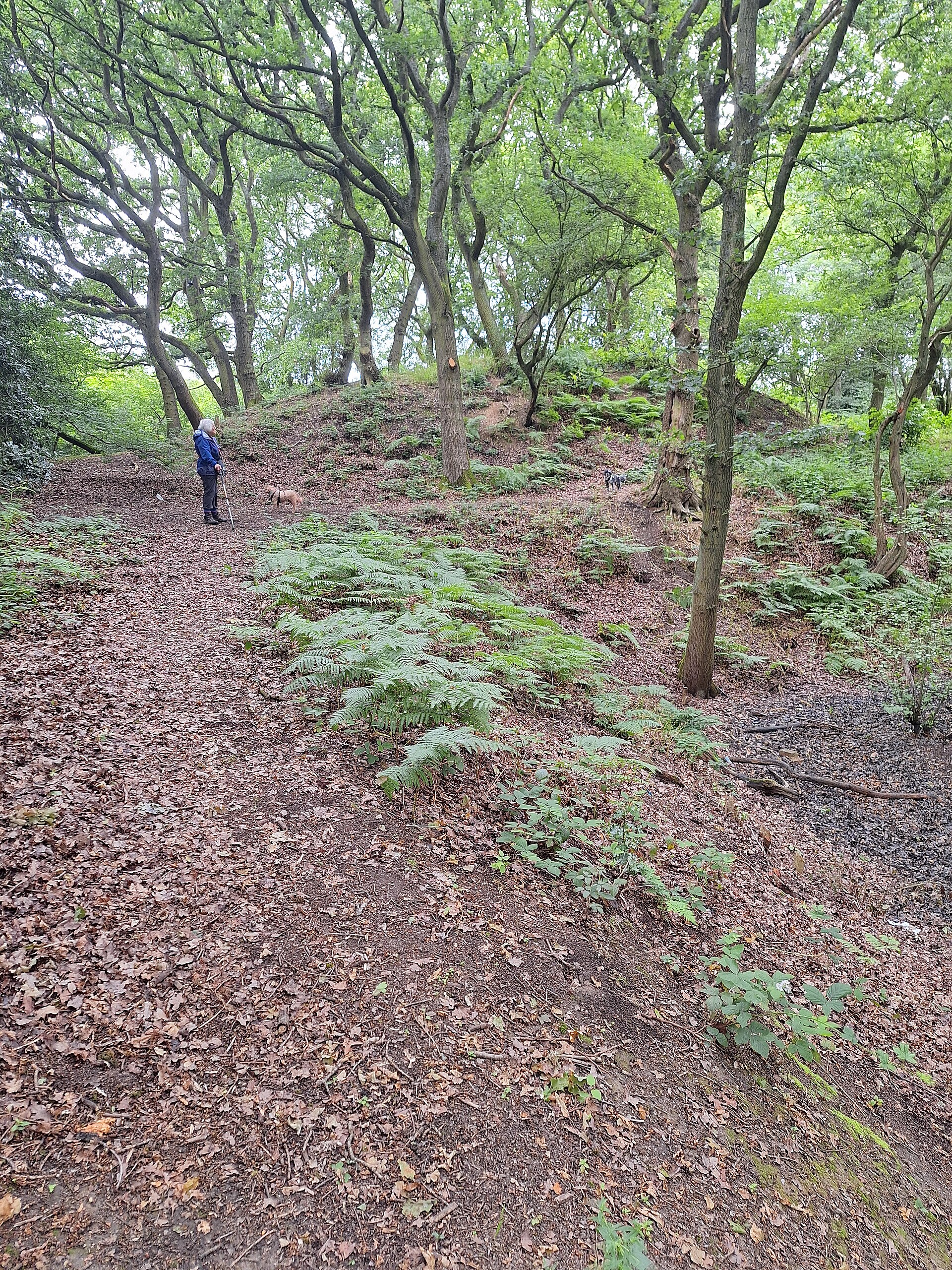
A three-metre mound and damp inner ditch in Castle Wood preserve Pinxton’s unusual medieval manor layout, with the moat inside its outer defences.
Building or ruin · Prehistoric
Devon
Pixie’s Hole is a scheduled Devon limestone cave whose late twentieth-century excavation revealed a rich Late Upper Palaeolithic concentration bene…
Building or ruin · Roman
Northumberland
Thirty-five metres of Wall that survive because William Hutton argued a workman out of demolishing them in 1801: ninety-five yards had already gone.
Building or ruin · Medieval
conwy-county-borough
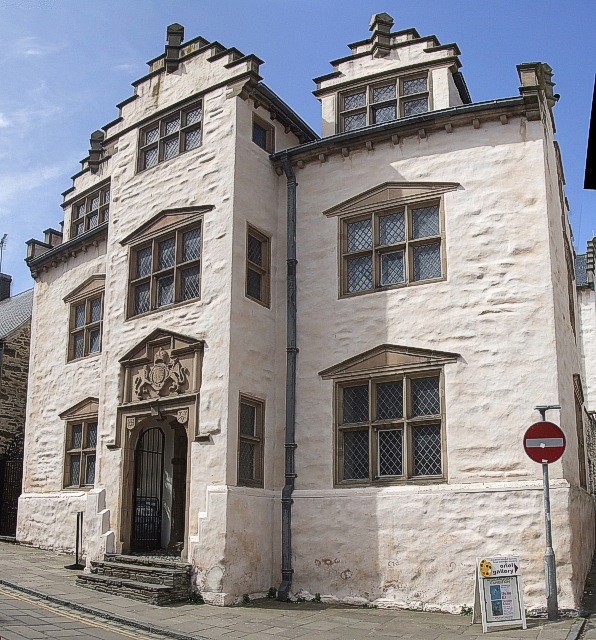
Robert Wynn's 1576–85 Conwy house retains rare Elizabethan plasterwork and a near-original plan, preserved by centuries of later reuse and restored…
Building or ruin · Medieval
Suffolk
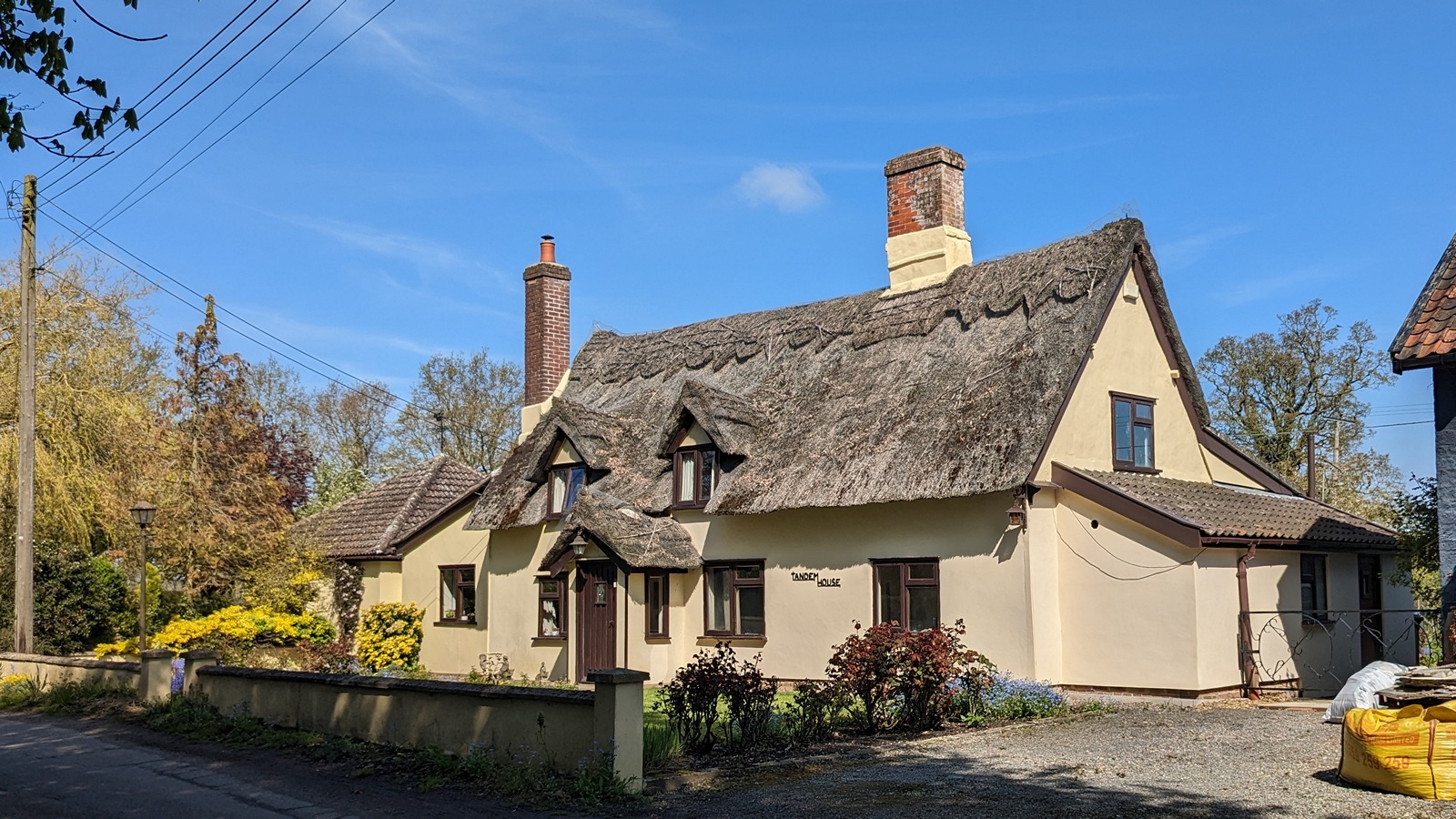
Thomas Clarkson leased the house in 1813, in the years between the abolition of the slave trade and the campaign against slavery itself.
Building or ruin · Medieval
Derbyshire
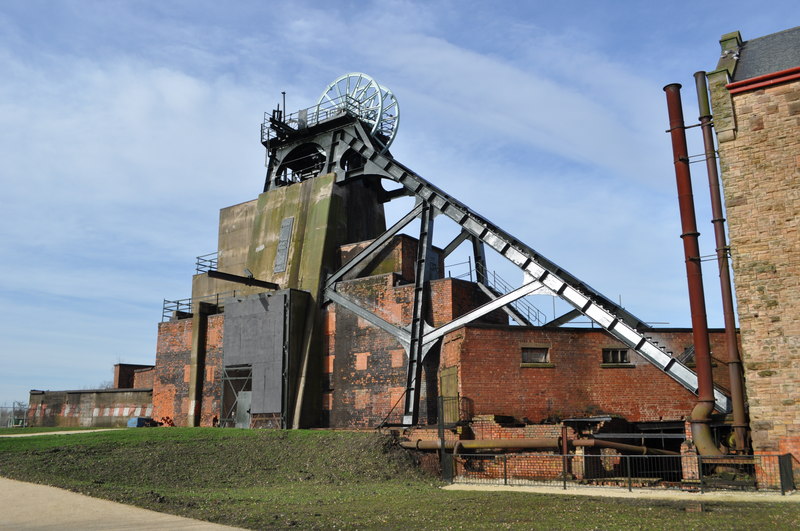
Its two steam winding engines, built in 1905 and 1922, are among the few in the world still preserved complete inside their original engine-house.
Building or ruin · Medieval
Conwy
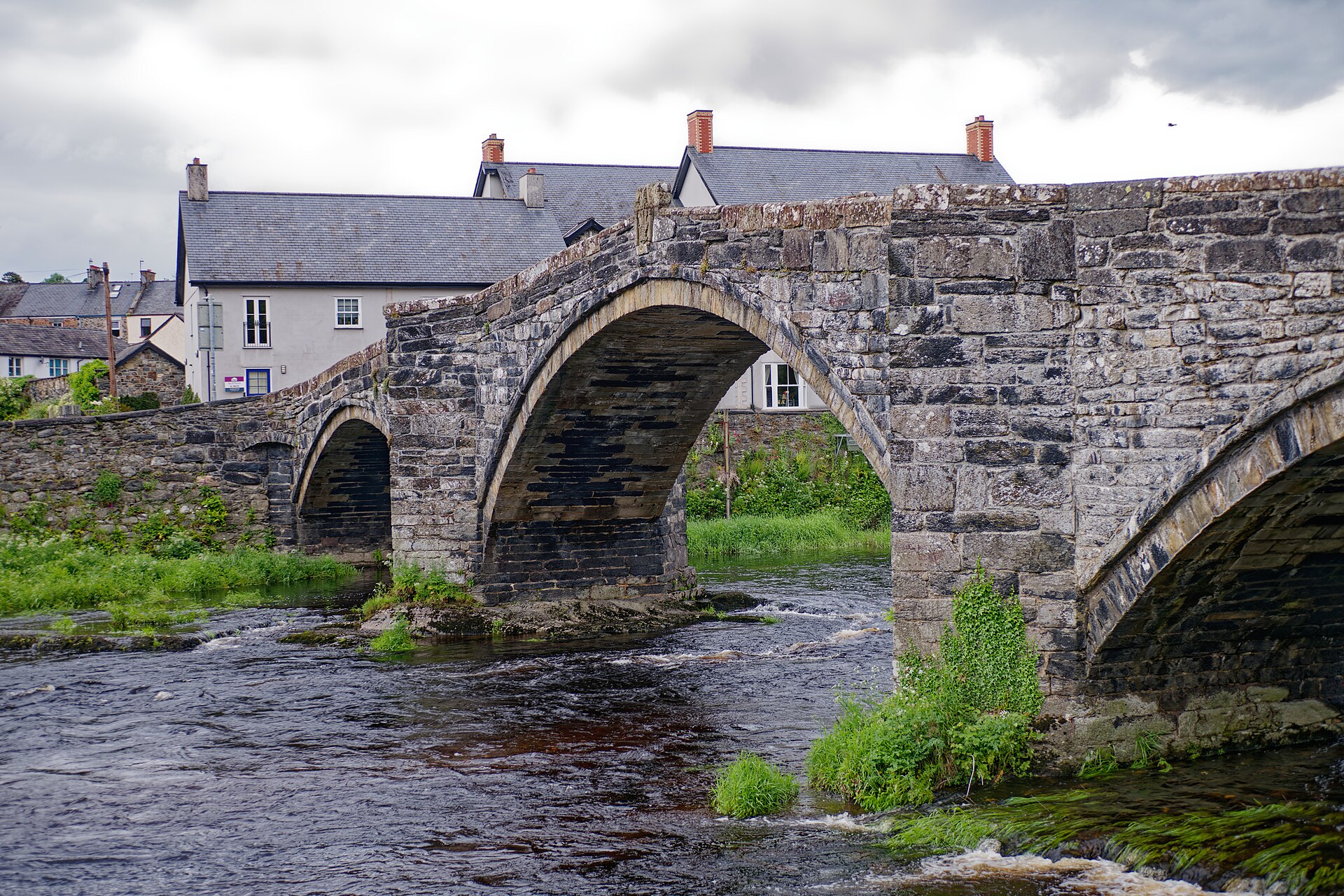
A Grade I listed, three-arched Llanrwst bridge completed in 1636, valued both for its design and for a long-running but unproven link to Inigo Jones.
Building or ruin · Medieval
gwynedd
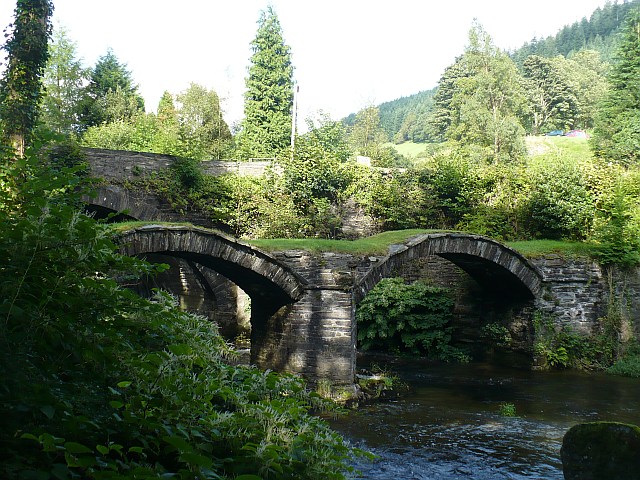
A bridge with no road left on it. Two arches still span the Dyfi, but the deck has gone and grass has closed over the top, leaving a crossing to be…
Building or ruin · Medieval
Merthyr Tydfil
Pont-y-Cafnau is the world’s earliest surviving iron railway bridge, built in 1793 to unite limestone transport and water power for Cyfarthfa Ironw…
Fortified place · Roman
Somerset
A bank of layered yellow and grey clay running between two former swamps, with an entrance that appears to be original.
Tomb or burial place · Roman
Lincolnshire
At least eleven Bronze Age (roughly 2500–800 BC, when metal tools first spread) burial mounds once stood on this ridge; five were bulldozed for iro…
Building or ruin · Medieval
Northumberland
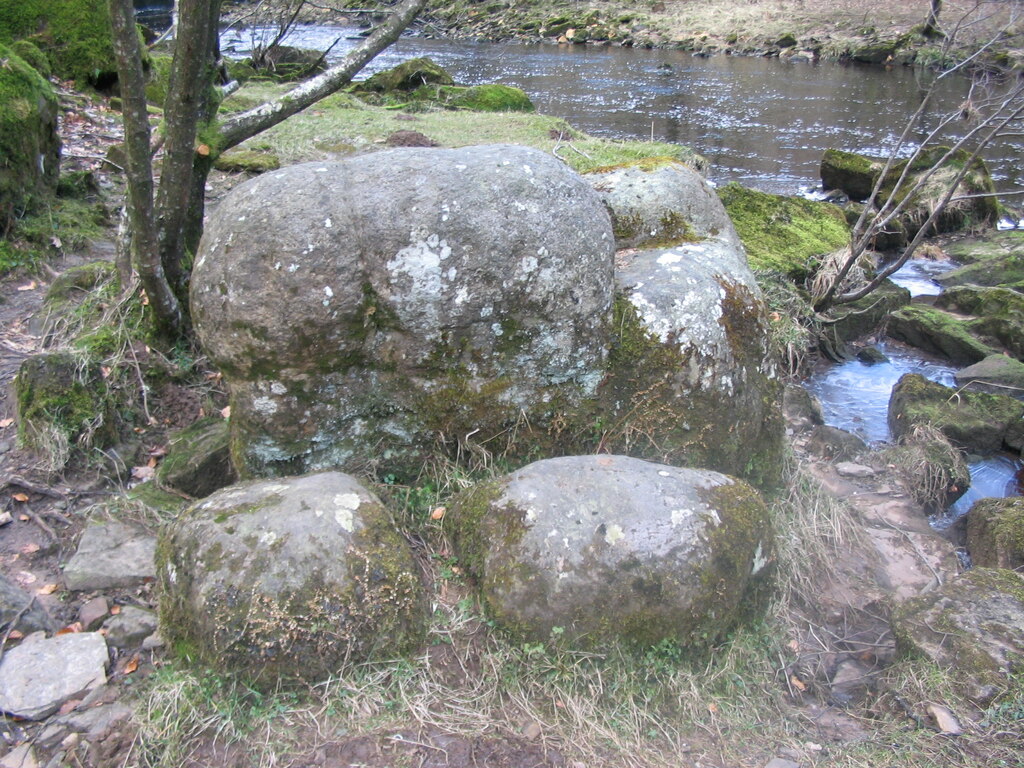
The Popping Stone preserves an unusually specific courtship tradition: and the mystery of why its single landmark boulder became three after 1870.
Fortified place · Medieval
Pembrokeshire
One half of a matched pair of Milford Haven forts, its hexagonal ramparts and eleven-gun casemates now stand fenced inside a working oil refinery r…
Building or ruin · Roman
Hampshire
Much of its course survives not as a monument but as a working hedgerow, lane and field boundary: a rare case study in how completely a Roman road…
Building or ruin · Roman
Hampshire
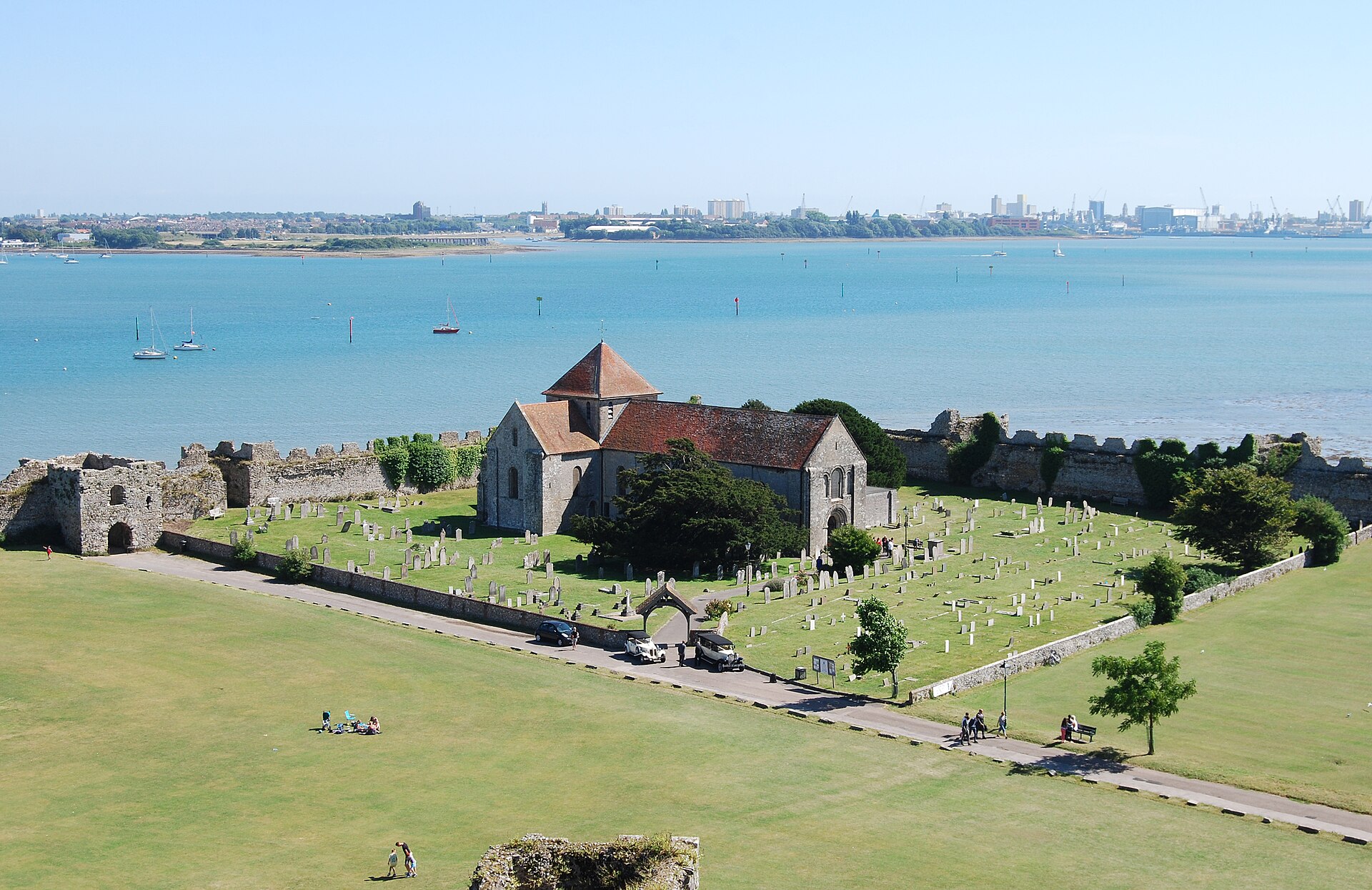
A Roman shore fort still standing to nearly its full height, with a Norman keep, a royal palace and a prisoner-of-war depot all built inside the sa…
Fortified place · Iron Age
Lancashire
Portfield Hillfort is a rare north-west English enclosure later enlarged with additional banks, with excavations revealing use from the late Stone…
Building or ruin · Roman
Northumberland
Portgate reveals Rome adapting to its own past: Hadrian’s Wall had to control fifty-year-old Dere Street rather than simply block it.
Building or ruin · Medieval
Isle of Anglesey
Porth Wen Brickworks preserves a rare coastal industrial system: quartzite quarries, gravity incline, fire-brick works and loading quay, much of it…
Fortified place · Medieval
gwynedd
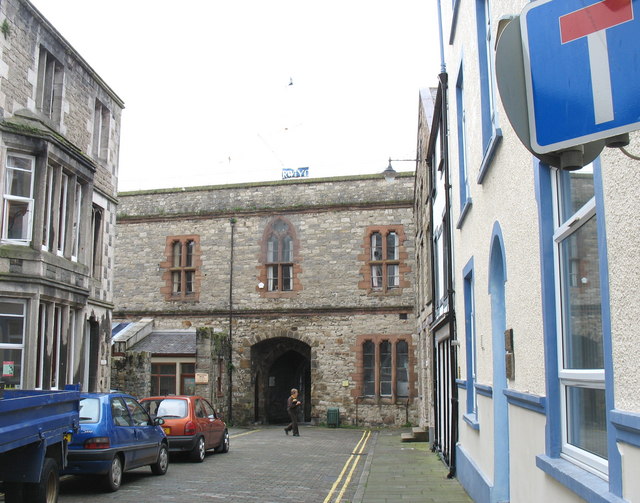
The seaward gate of Edward I's walled town at Caernarfon, badly damaged in the Welsh revolt of 1294 and repaired at a cost of £1,195: a third of wh…
Fortified place · Medieval
Powys
A fifteenth-century gatehouse in central Crickhowell, built for the Herbert family.
Building or ruin · Medieval
East Sussex
Portslade Old Manor is a rare surviving Norman manor house, linking Domesday landholding, a medieval fair and later charitable reuse within one sch…
Building or ruin · Medieval
Hampshire
Here, in 1803, ten labourers using Brunel's all-metal machines began outproducing 110 skilled craftsmen: the moment mass production entered the ind…
Building or ruin · Roman
Hampshire
Almost the entire circuit of Roman wall still stands to nearly its original height, making this the best-preserved Roman fort north of the Alps.
Building or ruin · Roman
Kent
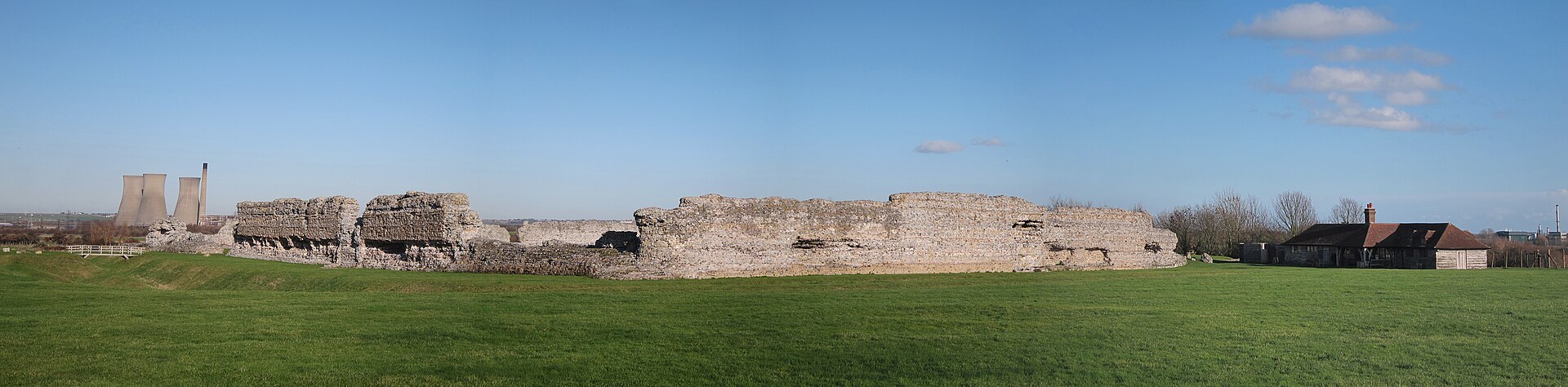
Portus Lemanis preserves a Roman naval and Saxon Shore stronghold above the former coast, explaining both Lympne’s name and the changing landscape…
Building or ruin · Roman
Dorset
Poundbury Hill preserves an exceptional sequence from early farming settlement through a hillfort, a defended enclosure on high ground, ringed with…
Tomb or burial place · Prehistoric
Isle of Anglesey
Two Neolithic tombs stand so close together that antiquarians still cannot agree whether they were ever one chamber beneath a single mound.
Sacred place · Prehistoric
Somerset
Four circular bank-and-ditch enclosures near Priddy in the Mendips, protected by law.
Tomb or burial place · Prehistoric
Somerset
Two Bronze Age barrow cemeteries on the two highest ridges in the district: scheduled in 1933, possibly to stop local schools digging them.
Fortified place · Medieval
Monmouthshire
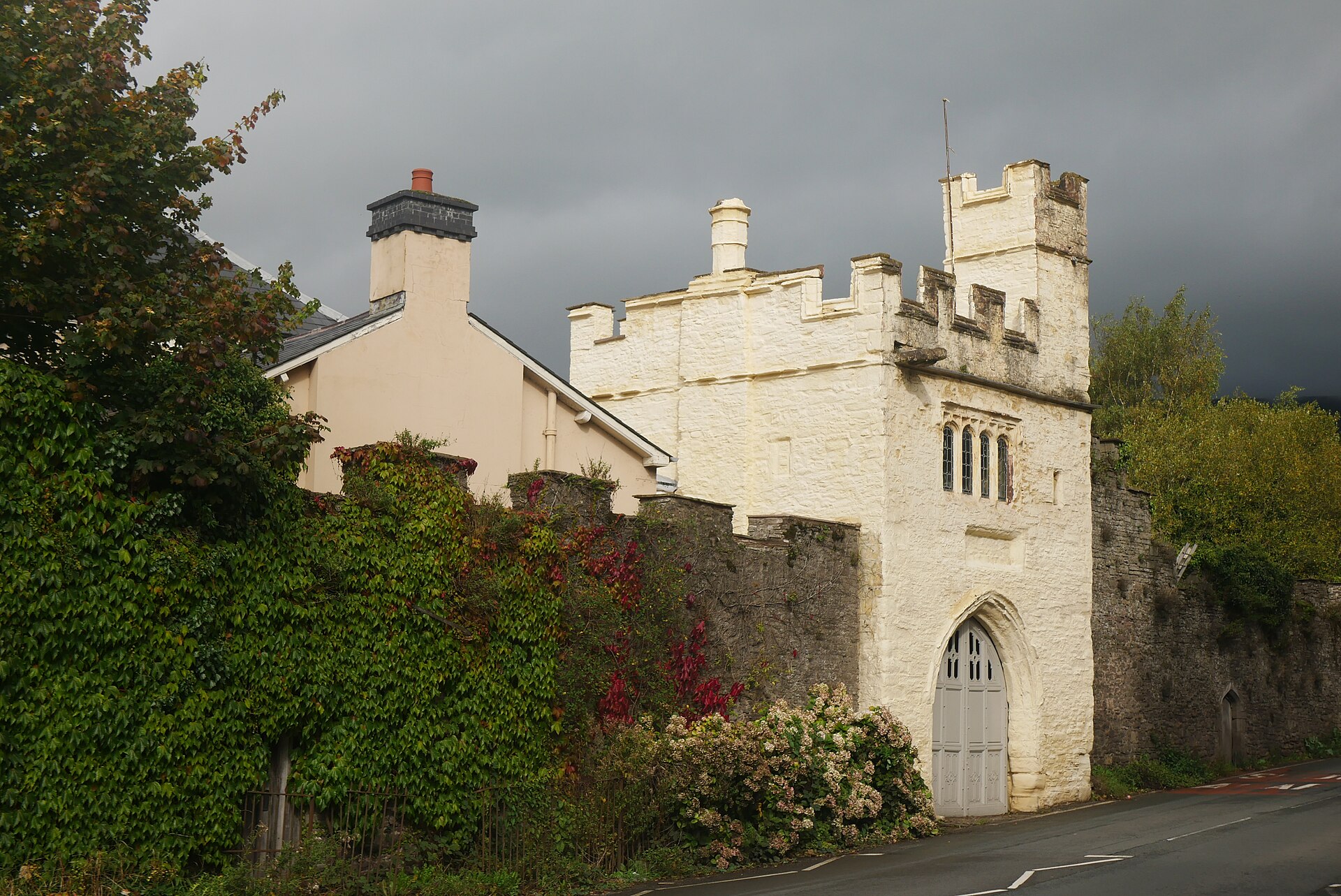
The only substantial survivor of a Benedictine priory founded around 1135: a gatehouse whose windows suggest it may have been built after the monks…
Carved stone · Medieval
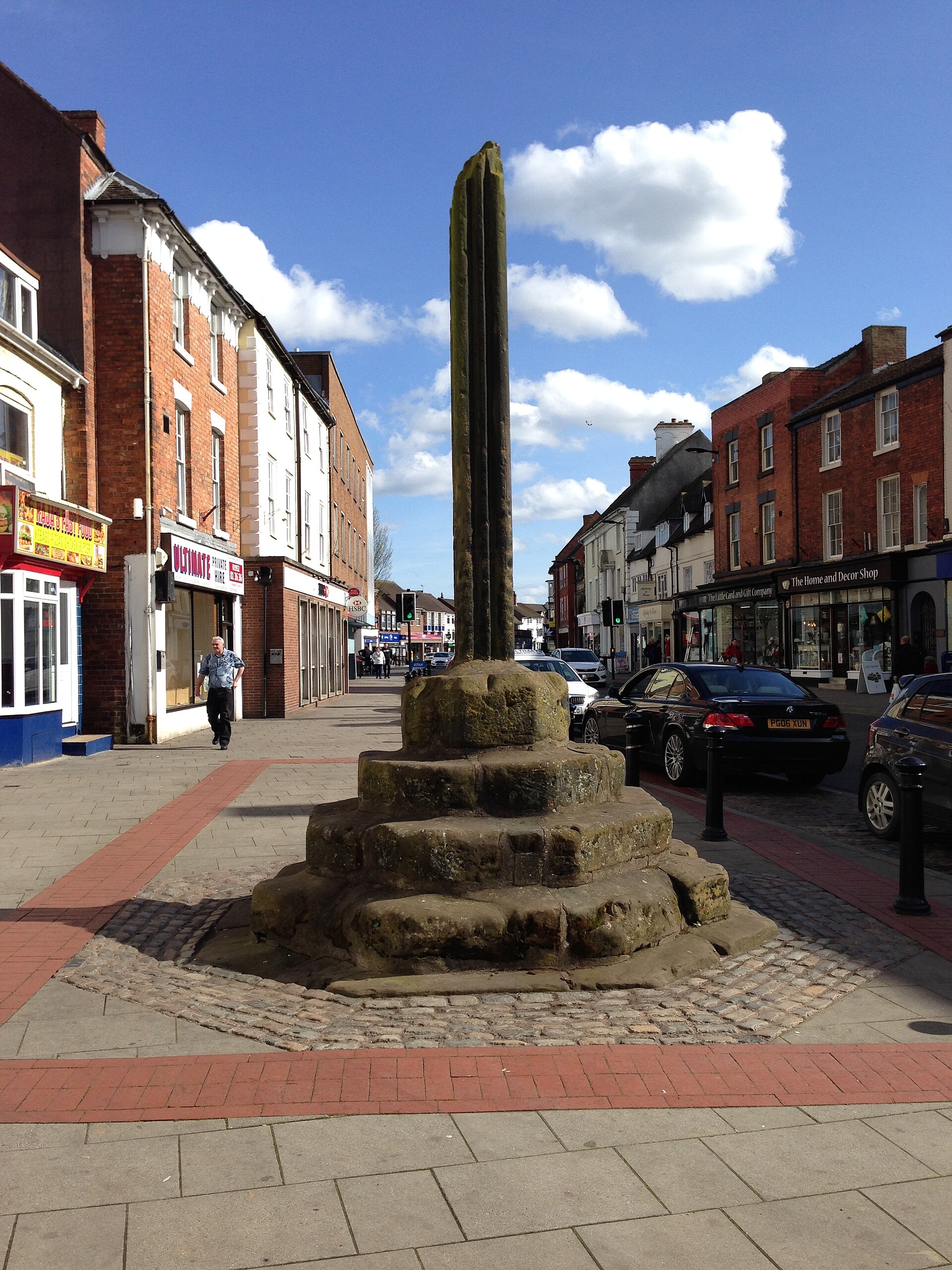
Shropshire
Puleston Cross is a medieval memorial and market monument whose relocation, disputed identity and archaeological surroundings preserve Newport’s ch…
Ancient place · Medieval
Monmouthshire
Six thousand feet of tunnel, worked by horses: the longest horse-powered tramway tunnel built in Britain, and originally just a mine.
Sacred place · Medieval
Bristol
A single Bristol plot carries two founding stories at once: a medieval Dominican friary (a house of friars, who worked among townspeople rather tha…
Building or ruin · Roman
Greater London
Queen’s House is England’s first consciously classical building, designed by Inigo Jones for Stuart queens and central to the river vista at Greenw…
Building or ruin · Roman
City of London
A silted tidal inlet in the middle of the City of London is the last surviving dock on the whole modern waterfront, its walls now doing duty as flo…
Building or ruin · Medieval
West Sussex
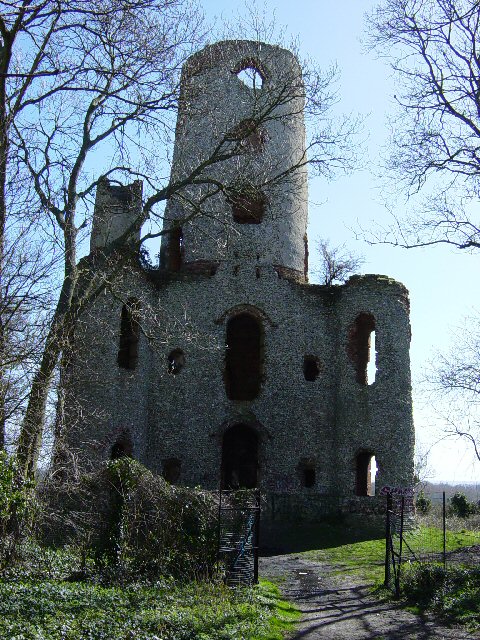
A four-storey brick folly of 1766–75, built either as a summerhouse or so an earl could watch his ships dock at Emsworth, and derelict since.
Fortified place · Medieval
Greater Manchester
Radcliffe Tower is the sole survival of a fortified 1403 manor house, a rare Grade I listed and scheduled remnant of local lordship in Greater Manc…
Building or ruin · Medieval
Oxfordshire
A Cold War frontline base whose F-111s flew the 1986 Libya raid and Gulf War combat missions is now being rebuilt, house by house, into a town of 6…
Building or ruin · Roman
Cumbria
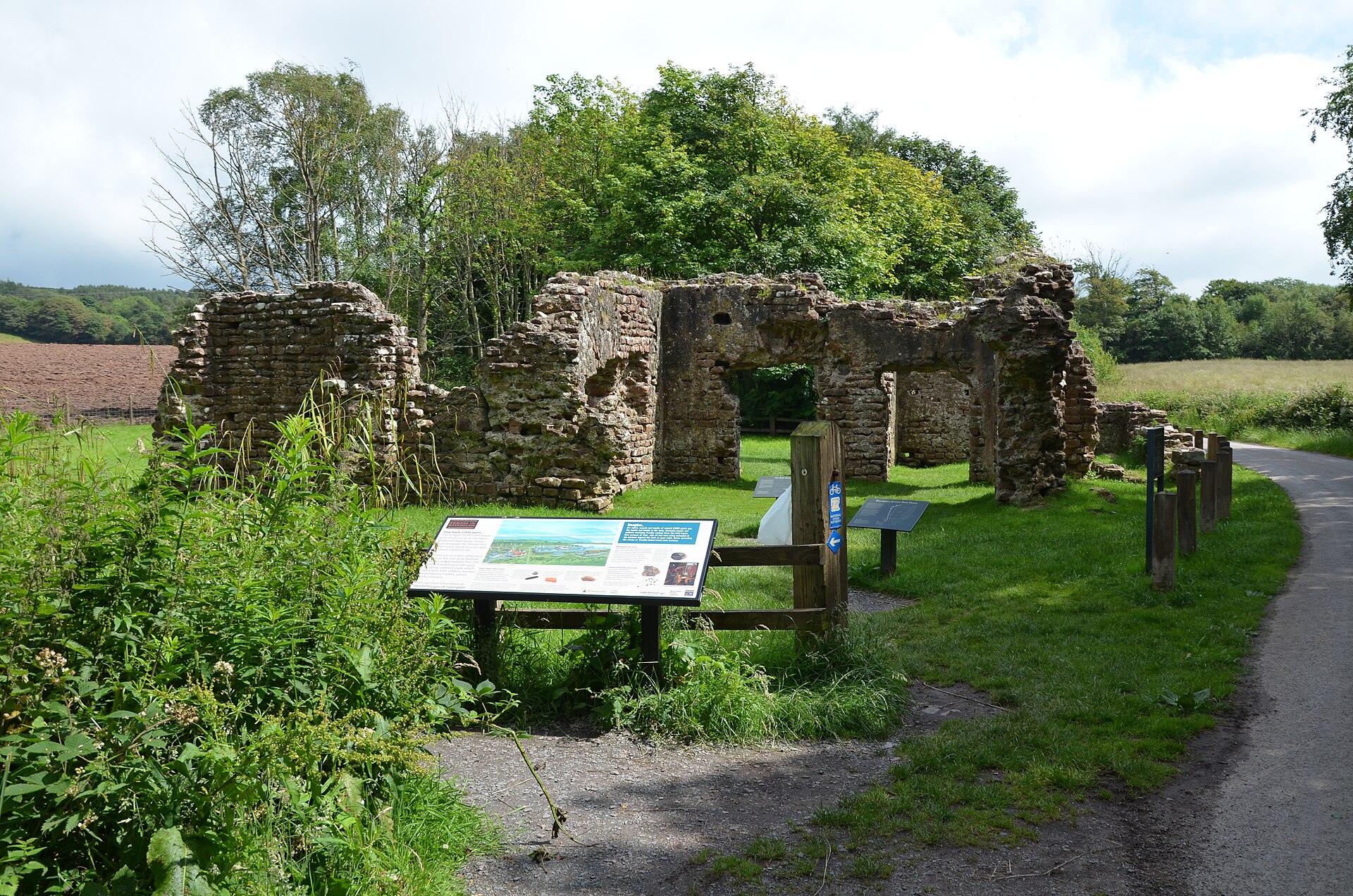
Its walls still stand nearly four metres high above the Cumbrian coast: one of the tallest surviving Roman structures in northern Britain, saved by…
Building or ruin · Roman
Leicestershire
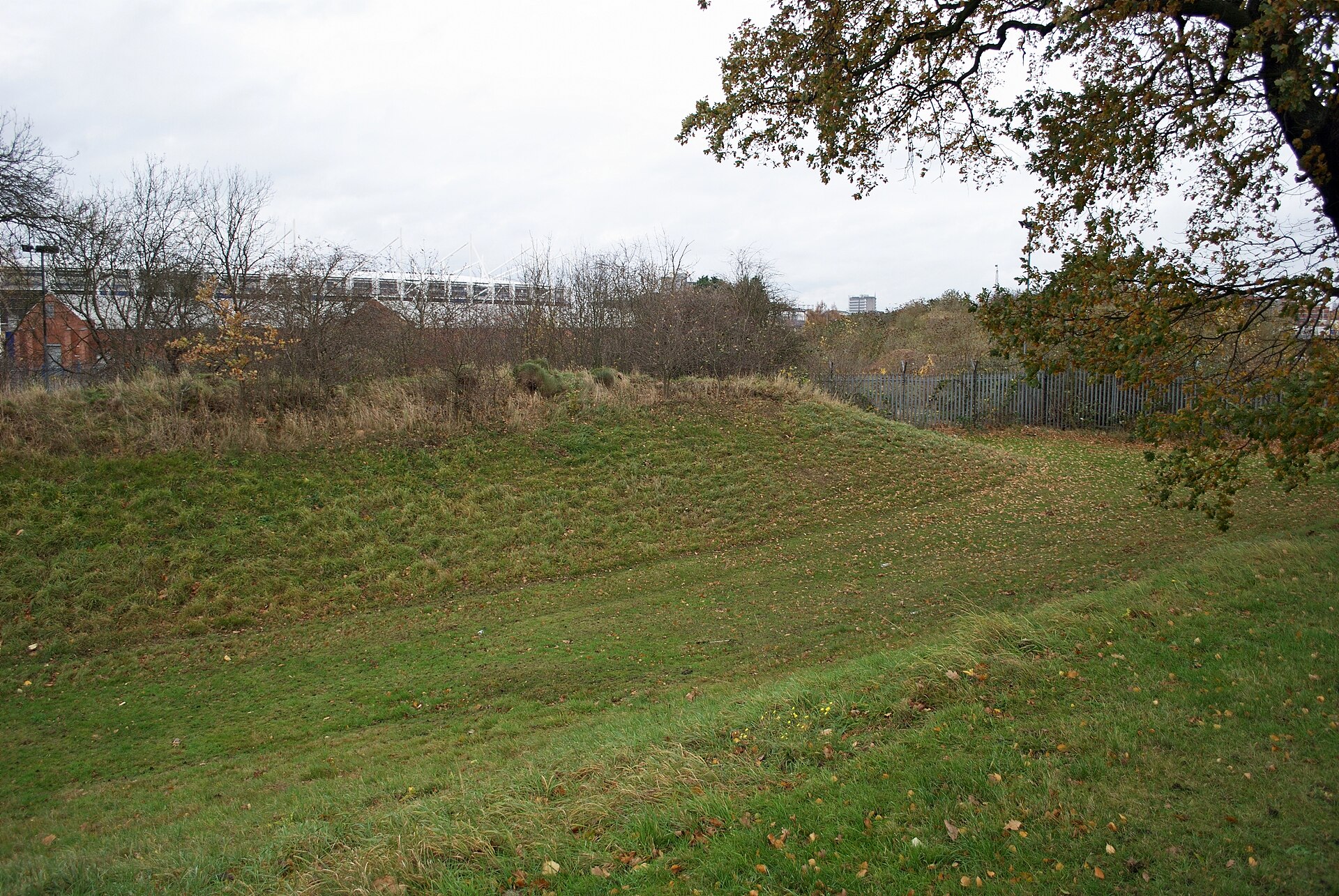
Raw Dykes is a scheduled Leicester earthwork (a bank, ditch or mound shaped from soil rather than built in stone), most likely a Roman aqueduct, wh…
Building or ruin
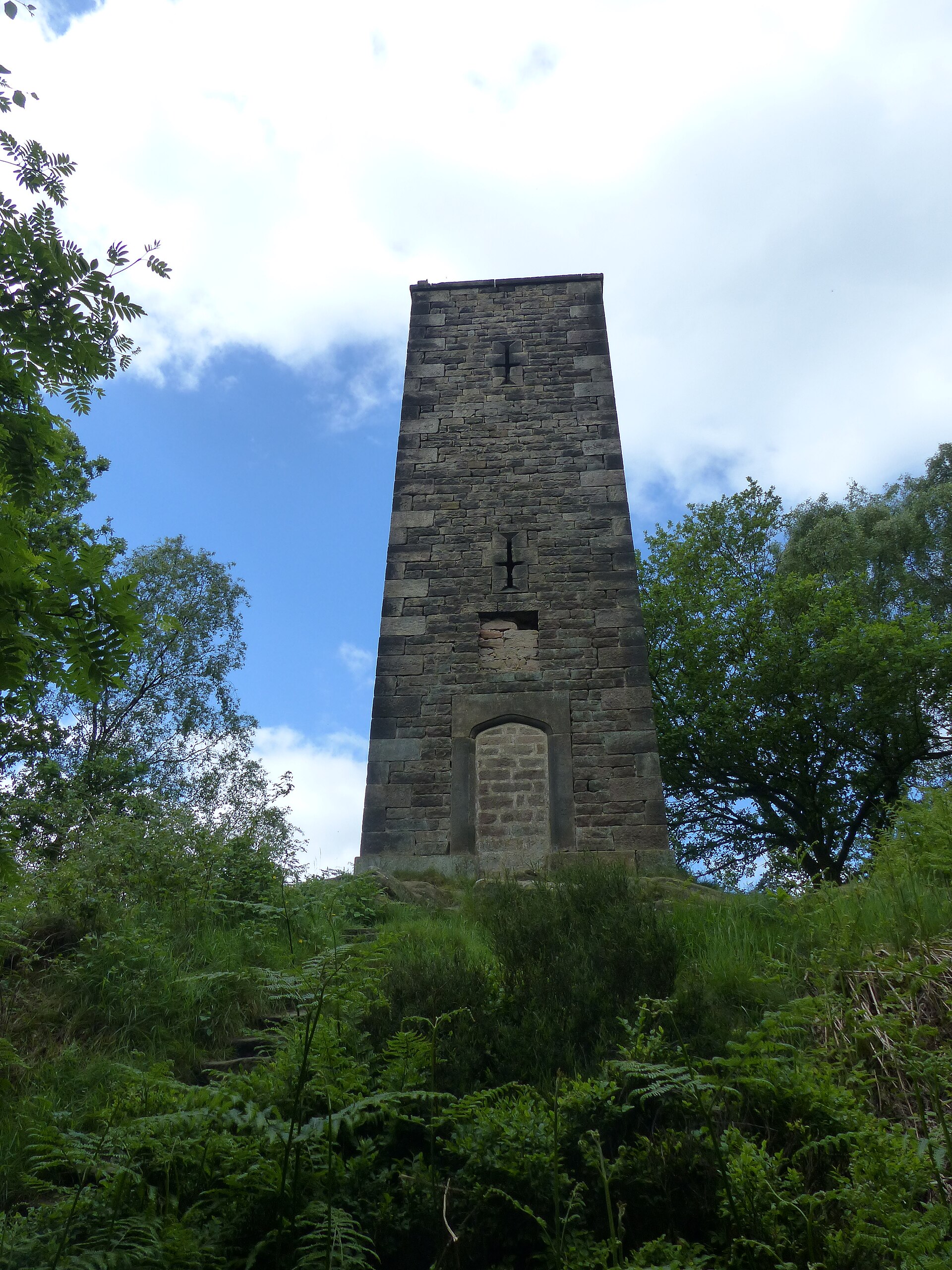
Derbyshire
Reform Tower is a compact gritstone monument that turns the 1832 Reform Act into a permanent political landmark on Stanton Moor, its blocked doorwa…
Building or ruin · Roman
Kent
One low headland carried a Roman signal station, a Saxon Shore fort, and a royal Anglo-Saxon monastery whose abbot rose to become Archbishop of Can…
Building or ruin
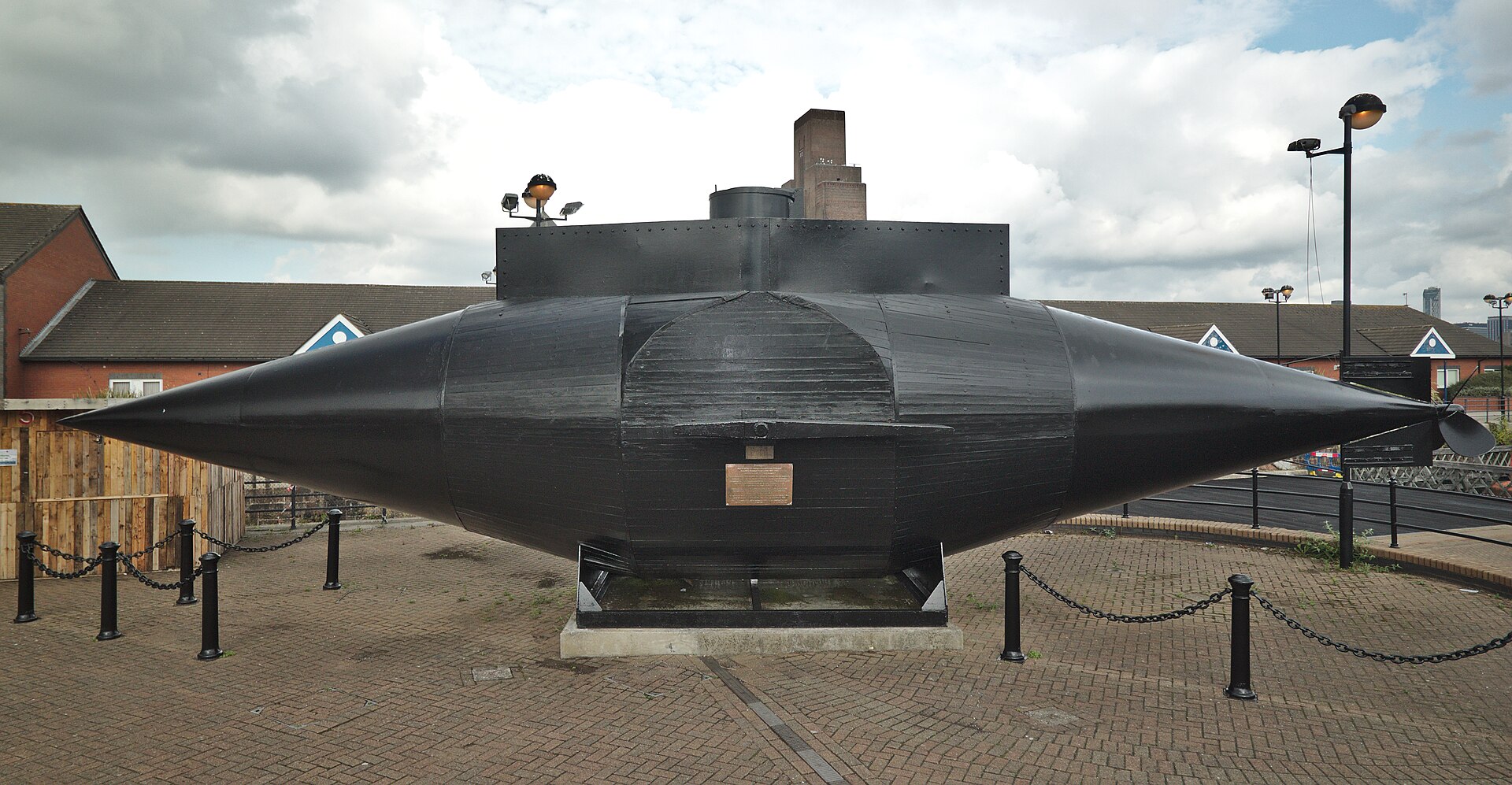
Denbighshire
Forty-five feet of iron plating, wrapped in wood and bound with iron straps, lies broken but intact on the seabed of Liverpool Bay off Rhyl, in 60…
Sacred place · Roman
County Durham
Rey Cross is a protected Stainmore landmark whose uncertain purpose: legendary Viking grave or boundary marker: was tested but not resolved by mode…
Carved stone · Medieval
Argyll and Bute
Its carver rendered Christ with spiral arms and a fishtail body, an image found nowhere else among Scotland's early medieval (roughly AD 400–1100,…
Building or ruin · Roman
Kent
The place where Roman Britain both began and ended: Claudius's invasion beachhead of AD 43 and, four centuries later, one of the last Roman foothol…
Tomb or burial place · Prehistoric
Cornwall
Rillaton Barrow produced the celebrated Rillaton Gold Cup, a rare Bronze Age (the period from about 2500 to 800 BC) grave object now displayed at t…
Tomb or burial place · Prehistoric
Kent
A metal-detected gold cup led to the discovery that this ploughed-out mound sits atop Kent's largest known assemblage of Neolithic (the late Stone…
Settlement · Iron Age
Dorset
Ringmoor is a well-preserved Iron Age (from around 800 BC up to the Roman conquest) and Romano-British (Britain under Roman rule, AD 43–410) farmin…
Sacred place · Medieval
North Yorkshire
Ripley Market Cross preserves the steps of a fifteenth-century market marker, later transformed by a sundial after the market itself faded.
Building or ruin · Prehistoric
Wiltshire
A single-causeway enclosure built centuries before Stonehenge existed, its lone entrance the rarest layout among Britain's Neolithic (the late Ston…
Sacred place · Prehistoric
Merseyside
Robin Hood’s Stone is a scheduled Bronze Age (roughly 2500–800 BC) standing stone in Liverpool, preserving cup-marked prehistoric (before written r…
Ancient place · Medieval
Worcestershire
A moat and the plough-marked streets of a vanished village survive side by side at Rock - proof that a 1328 market grant once served a settlement f…
Building or ruin · Roman
North Yorkshire
A working pub built directly over a legionary bath house, its caldarium still visible beneath the bar where soldiers of Rome's Ninth Legion once wa…
Building or ruin · Roman
Somerset
A public bathing complex around the sacred hot spring, with a temple raised here between AD 60 and 70.
Building or ruin · Roman
North Yorkshire
A single reassembled Roman column stands within sight of York Minster's towers: the last upright fragment of the legionary headquarters that once r…
Building or ruin · Roman
South Yorkshire
A working bridleway that still follows the exact line of a Roman road, letting a walker retrace Ermine Street on foot rather than read about it on…
Fortified place · Roman
South Yorkshire
A linear earthwork (a bank, ditch or mound shaped from soil rather than built in stone) running for miles north of Rotherham whose builders remain…
Building or ruin · Roman
Cambridgeshire
A hedge-lined green lane running for miles through open farmland turns out, on excavation, to be a working Roman road: one still walked as a public…
Building or ruin · Roman
Hertfordshire
A working stage where most Roman remains in Britain offer only an arena: proof that Verulamium supported genuine theatre, not just spectacle.
Building or ruin · Roman
Dorset
Dorchester’s Roman Town House is a rare scheduled domestic ruin where late Roman rooms, mosaics and town defences remain visible within a modern pu…
Building or ruin · Roman
Greater London
Wickham Court Farm is a scheduled Romano-British (Britain under Roman rule, AD 43–410) site beside the former London-to-Lewes route, where excavati…
Sacred place · Medieval
Midlothian
Rosslyn Chapel is a superbly carved fifteenth-century collegiate church (a church staffed by a college of priests, without being a monastery) whose…
Building or ruin · Prehistoric
Wiltshire
A farming settlement lived on this hilltop for roughly four centuries, then Victorian archaeology's most methodical excavator carved his findings s…
Fortified place · Medieval
Argyll and Bute
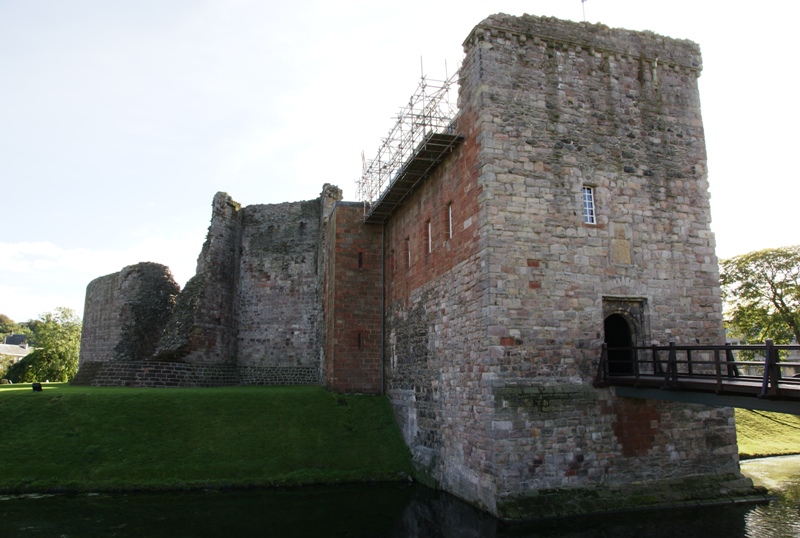
A huge circular curtain wall, some 42 metres in diameter and originally around 7.9 metres high, still stands on a low mound above the town of Rothe…
Tomb or burial place · Prehistoric
Lancashire
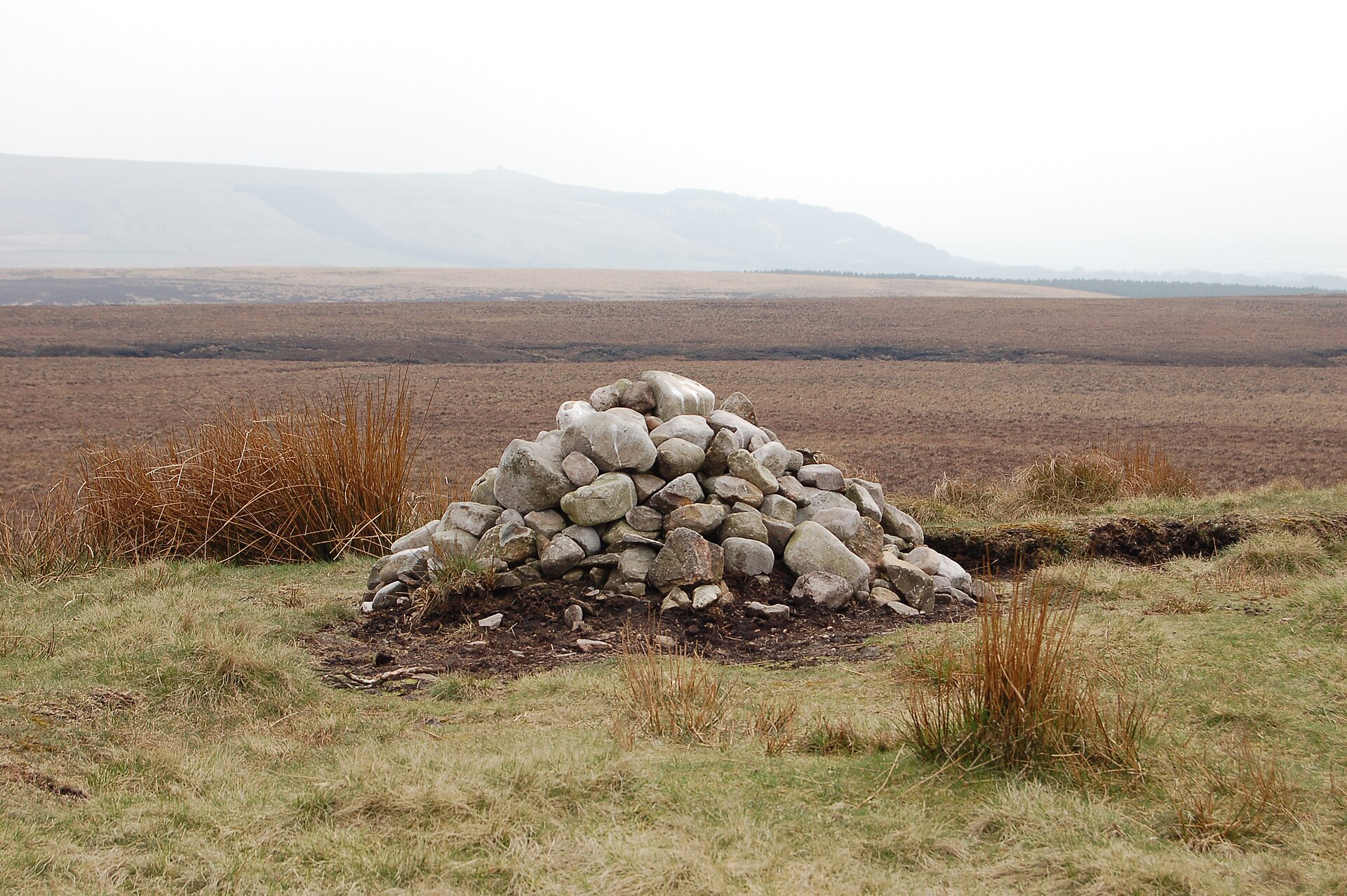
Round Loaf is a nationally important, unexcavated burial mound dating from the late Stone Age or the period from about 2500 to 800 BC, whose large…
Fortified place · Roman
Devon
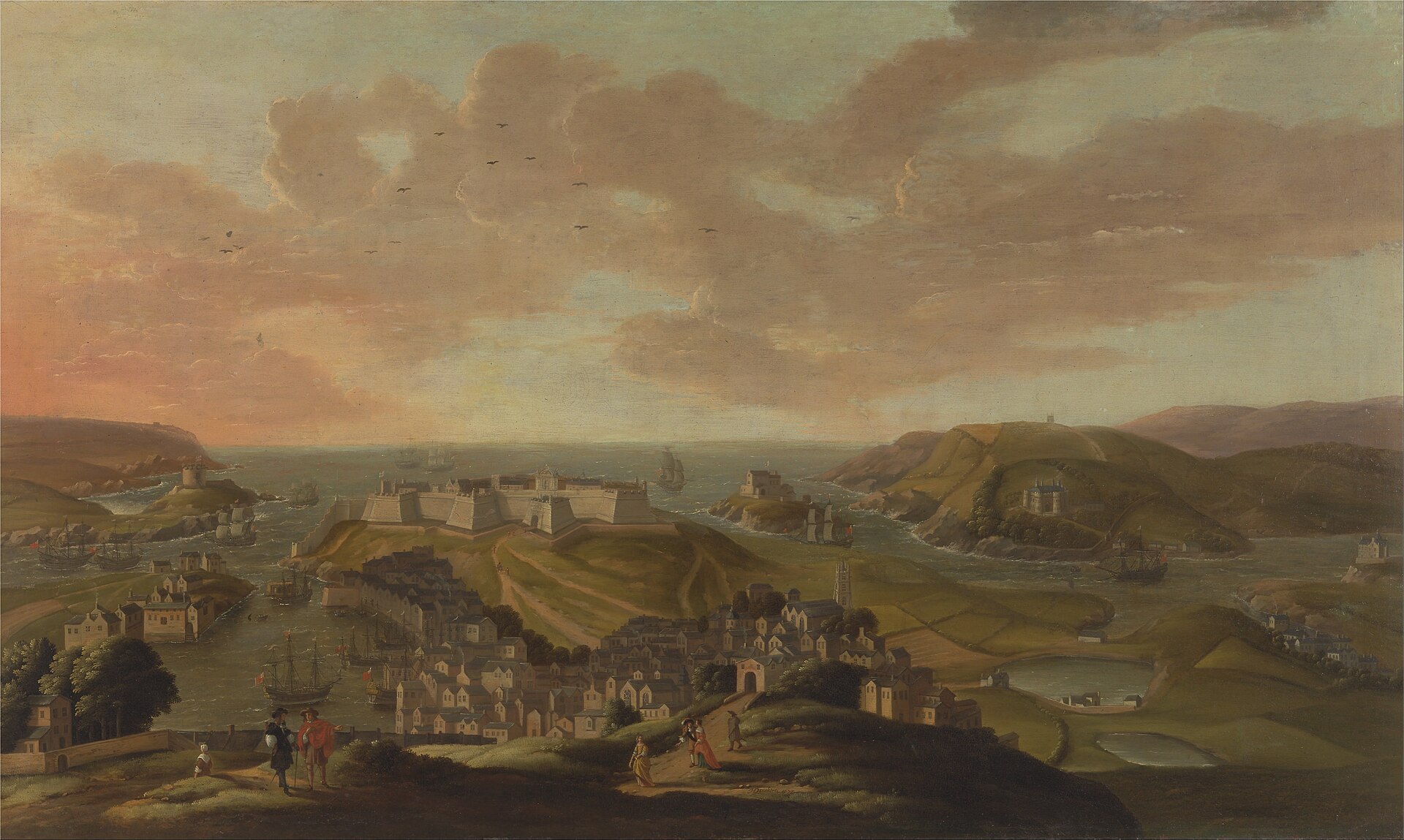
Plymouth’s Royal Citadel is a major seventeenth-century fortress that incorporated Drake’s defences and continues as an active military base overlo…
Building or ruin · Medieval
Greater London
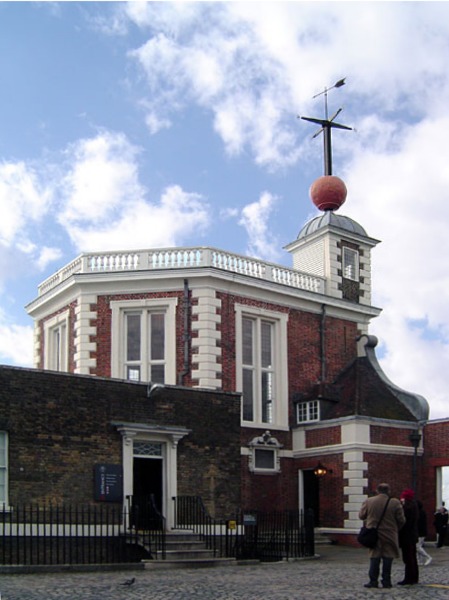
The Royal Observatory, Greenwich gave its name to Greenwich Mean Time and the prime meridian, making a hilltop scientific institution central to gl…
Sacred place · Medieval
Hertfordshire
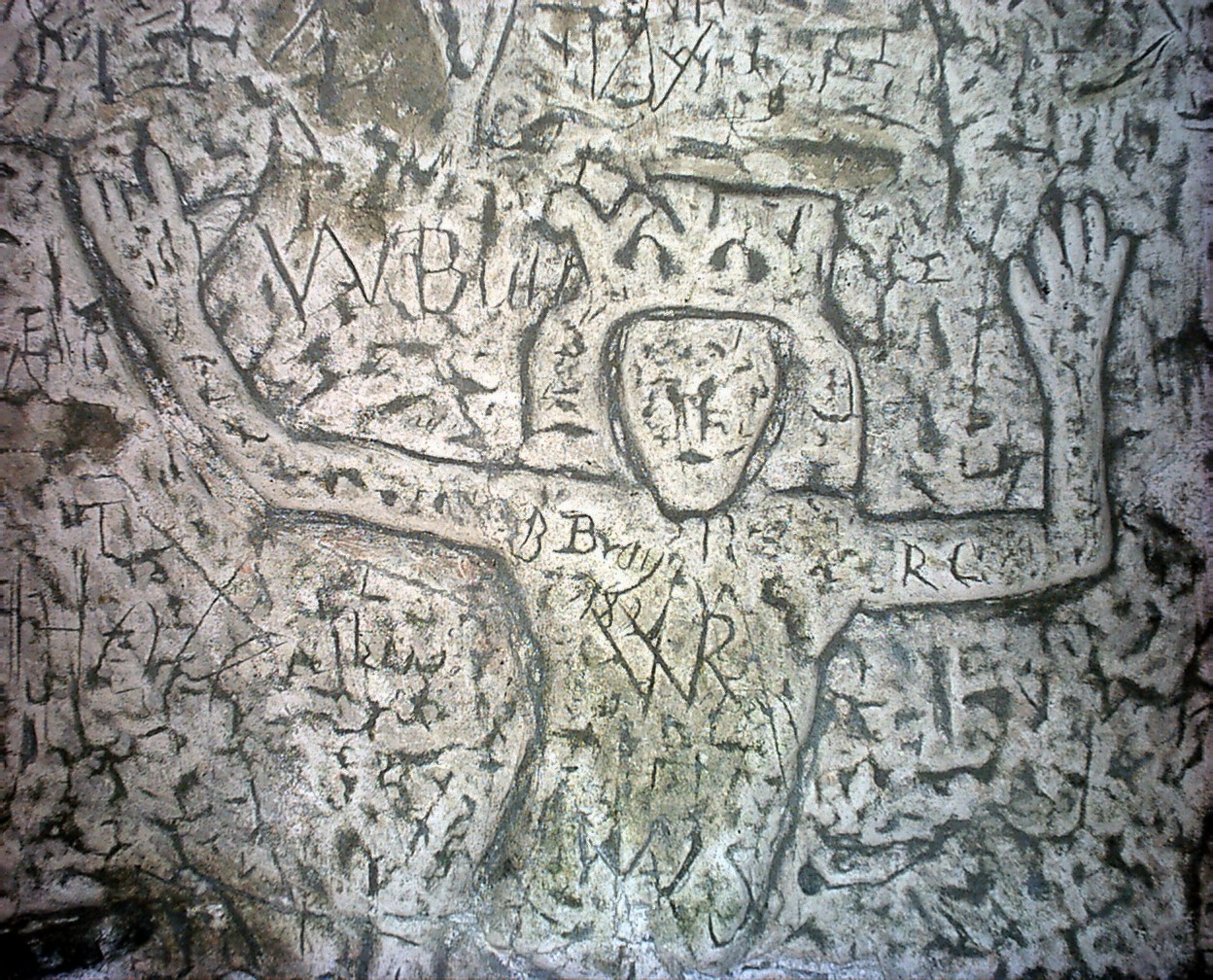
A bell-shaped chamber cut into solid chalk is covered floor to ceiling in medieval carvings found nowhere else in Britain, yet nobody has ever prov…
Building or ruin · Roman
Northumberland
Rudchester’s lost Mithraic temple is known from five altars saved after a 1844 ploughing discovery, rare evidence for soldiers’ cult life beside Ha…
Sacred place · Prehistoric
East Riding of Yorkshire
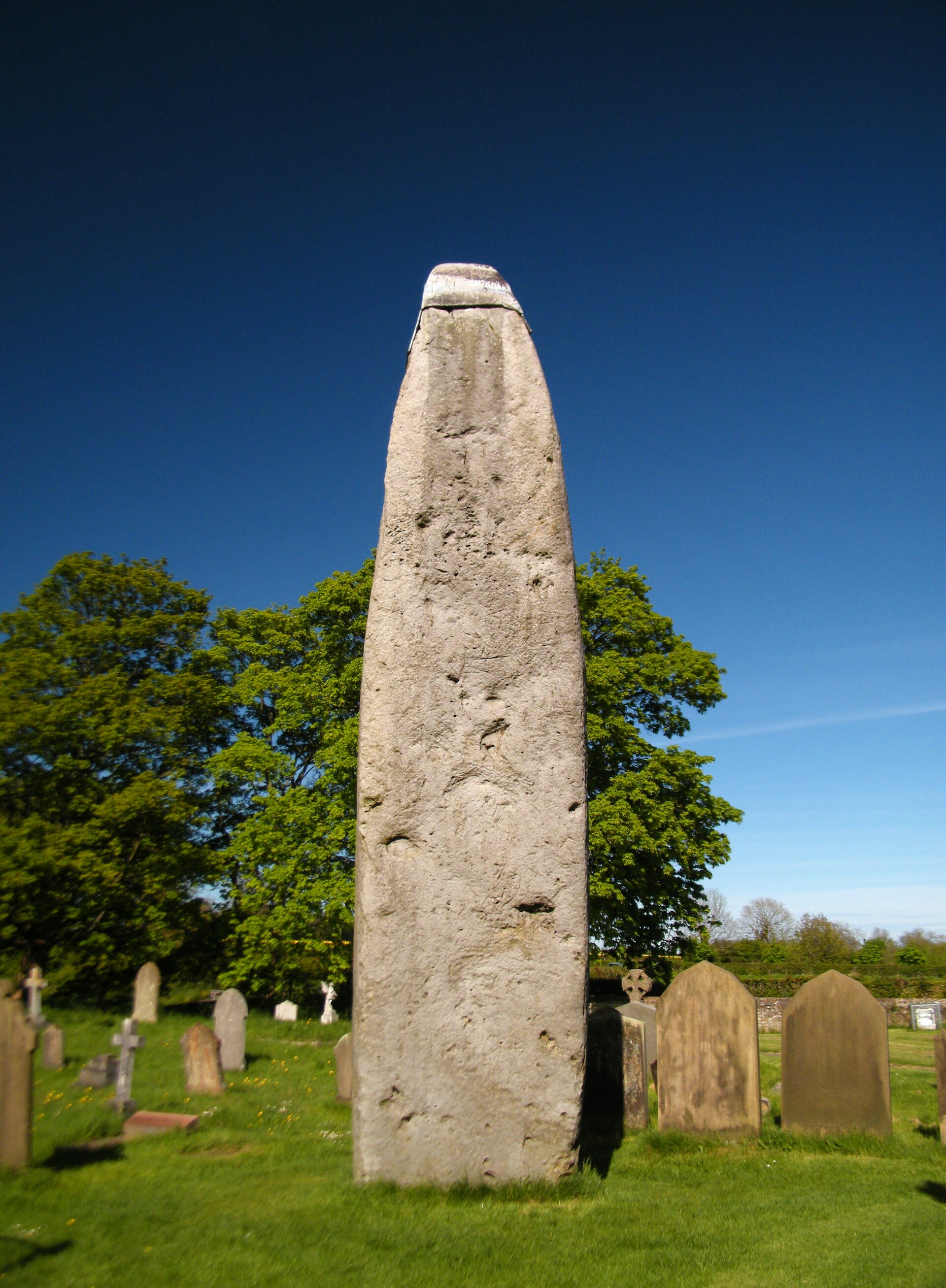
At over 25 feet, it is the tallest standing stone in Britain: and the Norman parish church beside it was built on already-sacred ground, not by coi…
Building or ruin · Roman
East Riding of Yorkshire
Rudston’s courtyard villa preserves Roman domestic life through its mosaics and bathhouse, while its fragile archaeology is threatened by continuin…
Sacred place · Medieval
Monmouthshire
The lone survivor of a vanished village: a Romanesque (the round-arched style that came before Gothic) chapel still standing above some twenty-five…
Sacred place · Medieval
North Yorkshire
Ruther Cross preserves a small but protected trace of historic movement at the former meeting of Ruthergate and Hutton Lane in Guisborough.
Building or ruin · Roman
Rutland
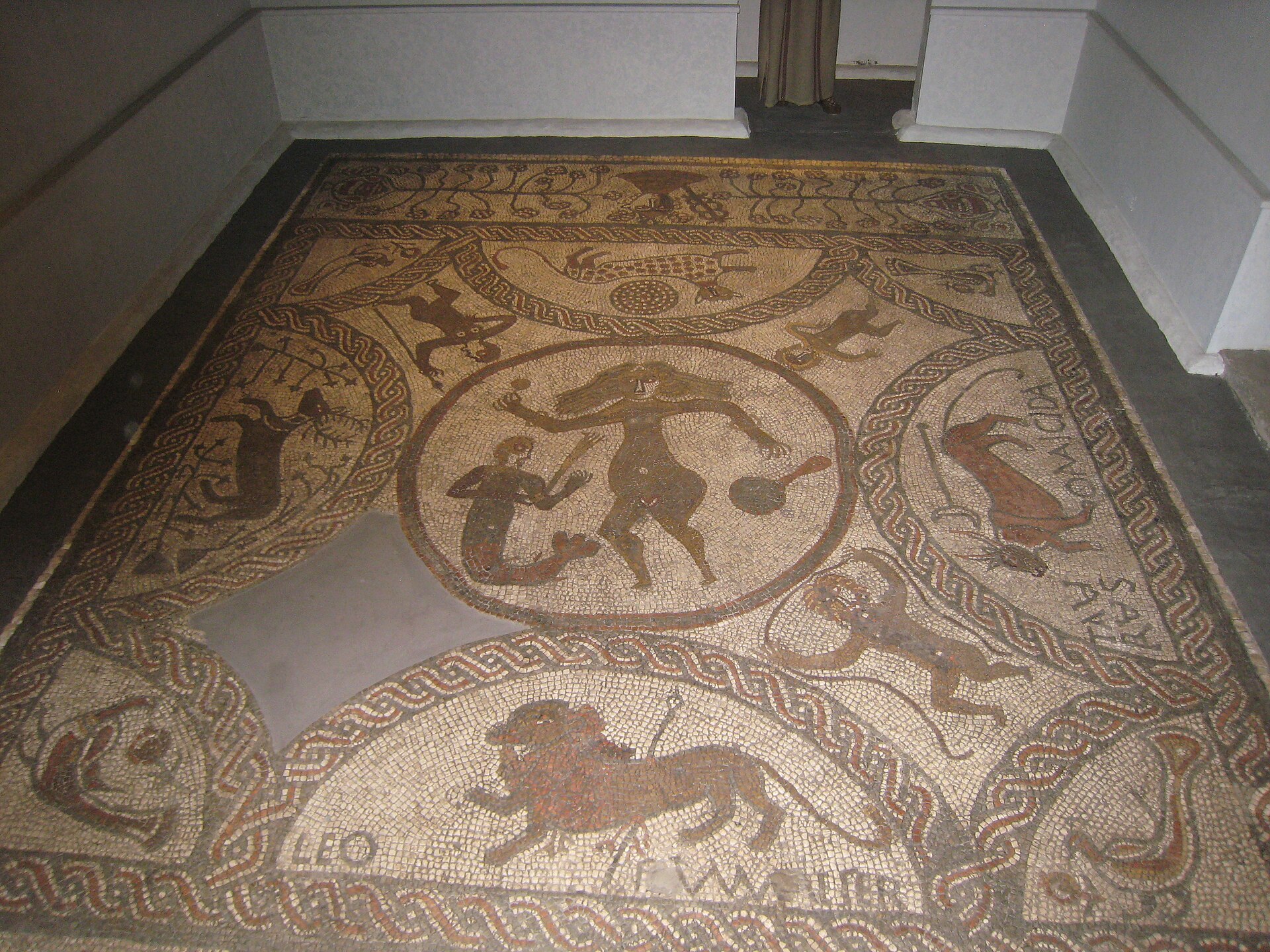
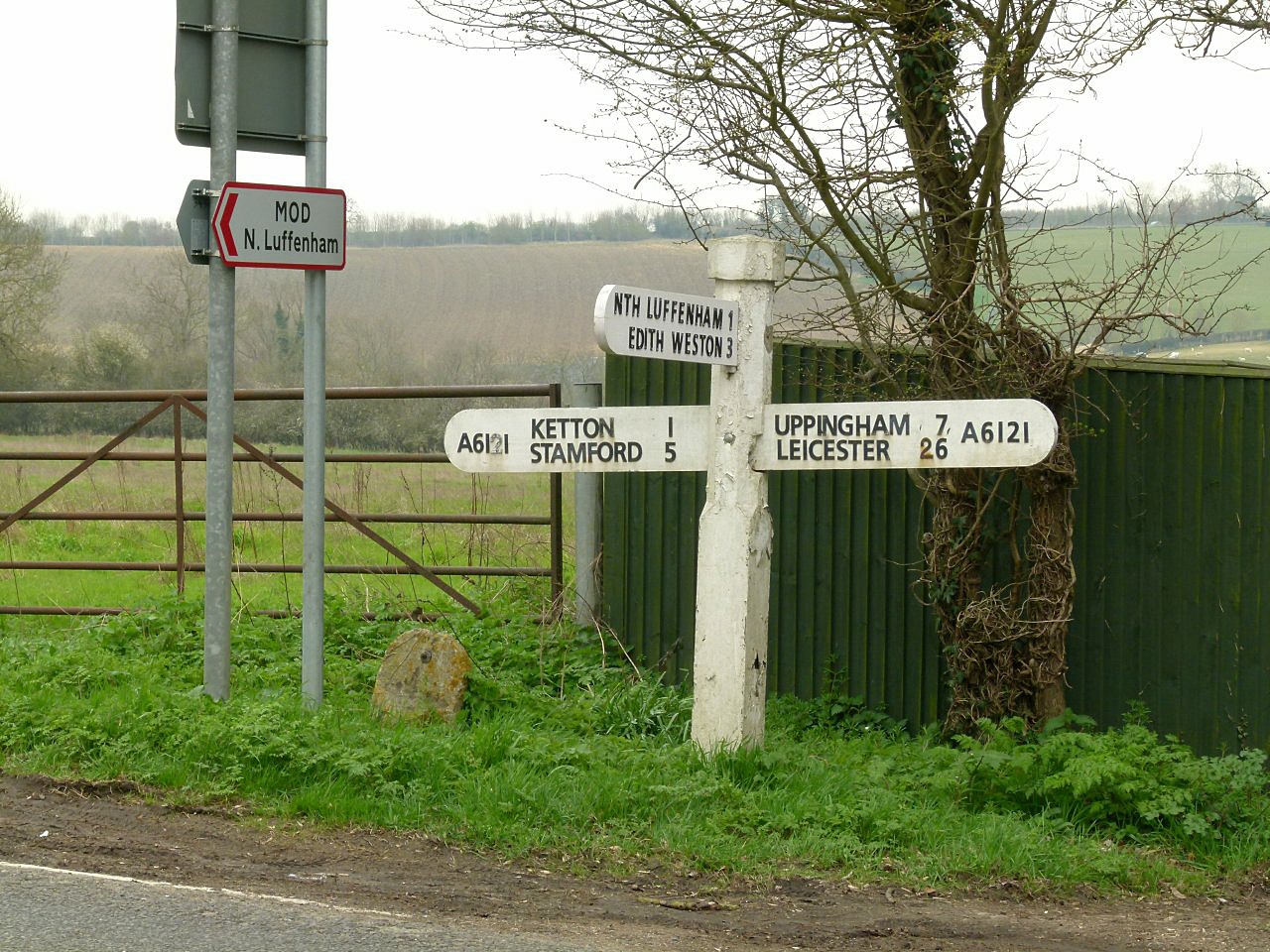
A Roman-period villa near Ketton, including a mosaic showing scenes from the Trojan War.
Fortified place · Medieval
Hertfordshire
A single moulded-brick gatehouse is all that survives of a manor whose 1683 occupants stood accused of plotting to kill a king.
Building or ruin · Medieval
Argyll and Bute
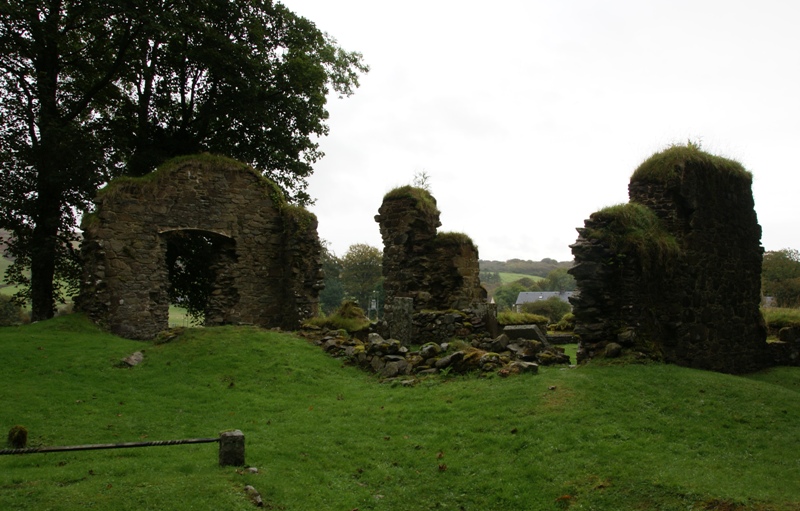
On a bluff above the confluence of Saddell Water and Allt nam Manach: the Water of the Monks: stand the fragmentary remains of a Cistercian monaste…
Ancient place · Medieval
West Midlands
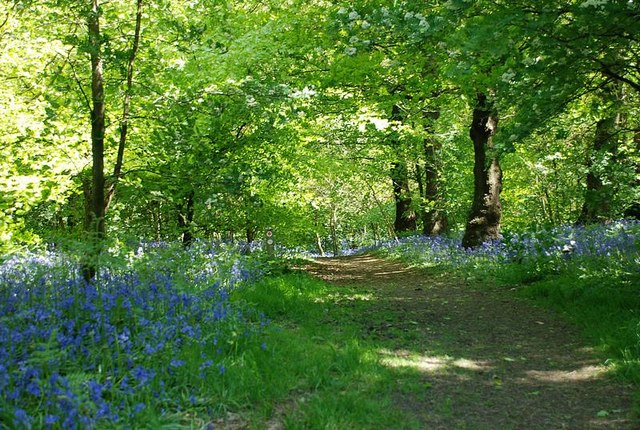
Beneath the bluebells and gorse of a Black Country nature reserve lie the buried workings of medieval coal miners and a spring once bottled as a cu…
Sacred place · Pictish & early medieval
Cheshire
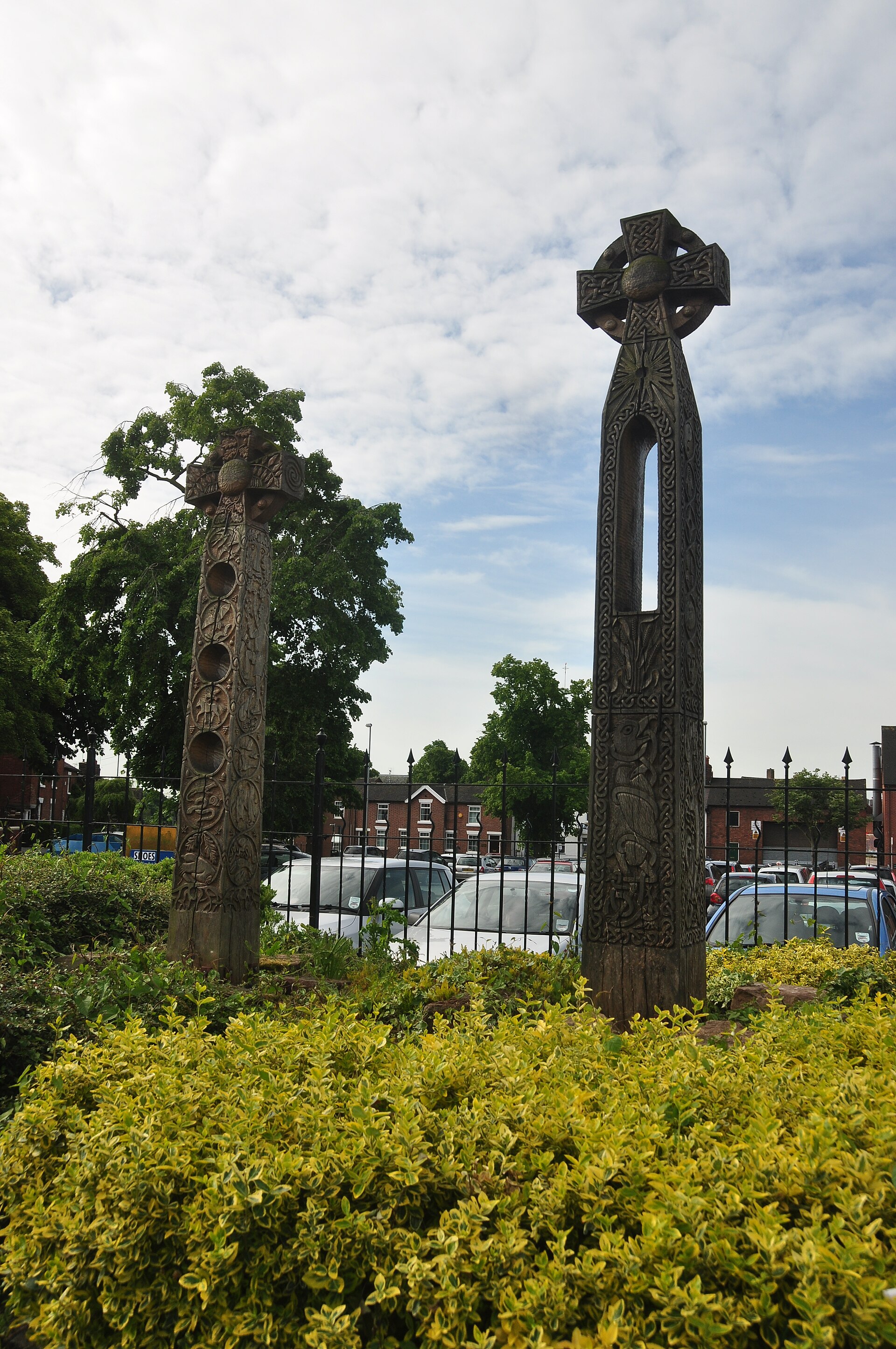
Sandbach’s paired ninth-century Anglo-Saxon crosses are an extraordinary public survival: carved with biblical scenes and interlace, dispersed afte…
Tomb or burial place · Pictish & early medieval
Kent
Described after its 1863 excavation as arguably the richest Anglo-Saxon burial ground yet discovered, it was later found to be far larger than the…
Building or ruin · Medieval
Suffolk
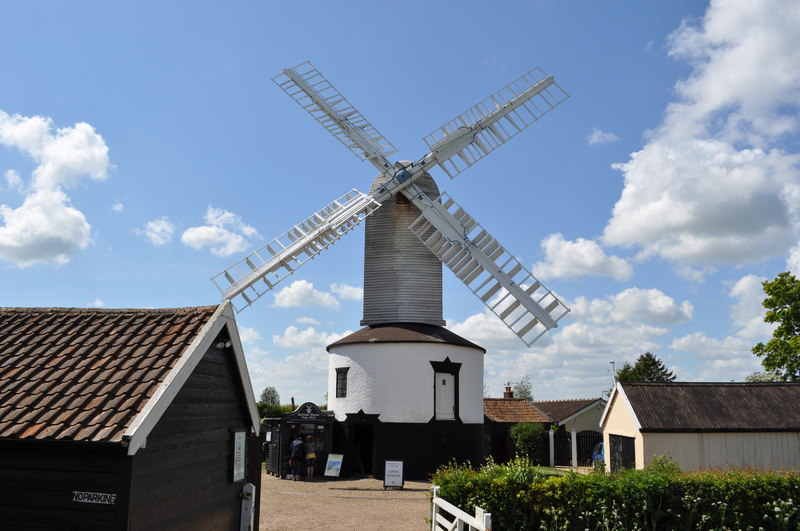
Raised three times during its working life, and rebuilt entirely between 1957 and 1960 using a crowntree salvaged from a demolished mill at Wetheri…
Fortified place · Medieval
Shetland Islands
Built by unpaid workers summoned from the parishes of Shetland, for an earl who was executed for misrule eight years after it was finished.
Fortified place · Iron Age
South Yorkshire
A double bank and ditch enclose a wooded hilltop above Rotherham with no obvious way in: an Iron Age (the centuries before Rome arrived, from about…
Sacred place · Medieval
Perth and Kinross
The crowning place of forty-two Kings of Scots and the site of Scotland's first parliament: now a Gothic Revival house with nothing left standing o…
Fortified place · Roman
North Yorkshire
Each stretch of bank and ditch differs enough in height and width to show separate work-gangs dug it, not one planned scheme.
Fortified place
Pembrokeshire
The only fort ever built of the inland line that was to guard Milford Haven from a landward attack, laid out for 32 guns and 128 men and never give…
Fortified place · Medieval
Cornwall
Scraesdon Fort is a Grade II listed Palmerston fort built to defend Plymouth's naval base, preserving the scale and strategic anxieties of nineteen…
Briefer entries: recorded and worth knowing, with fuller pages to come.
Tomb or burial place · Prehistoric
Herefordshire
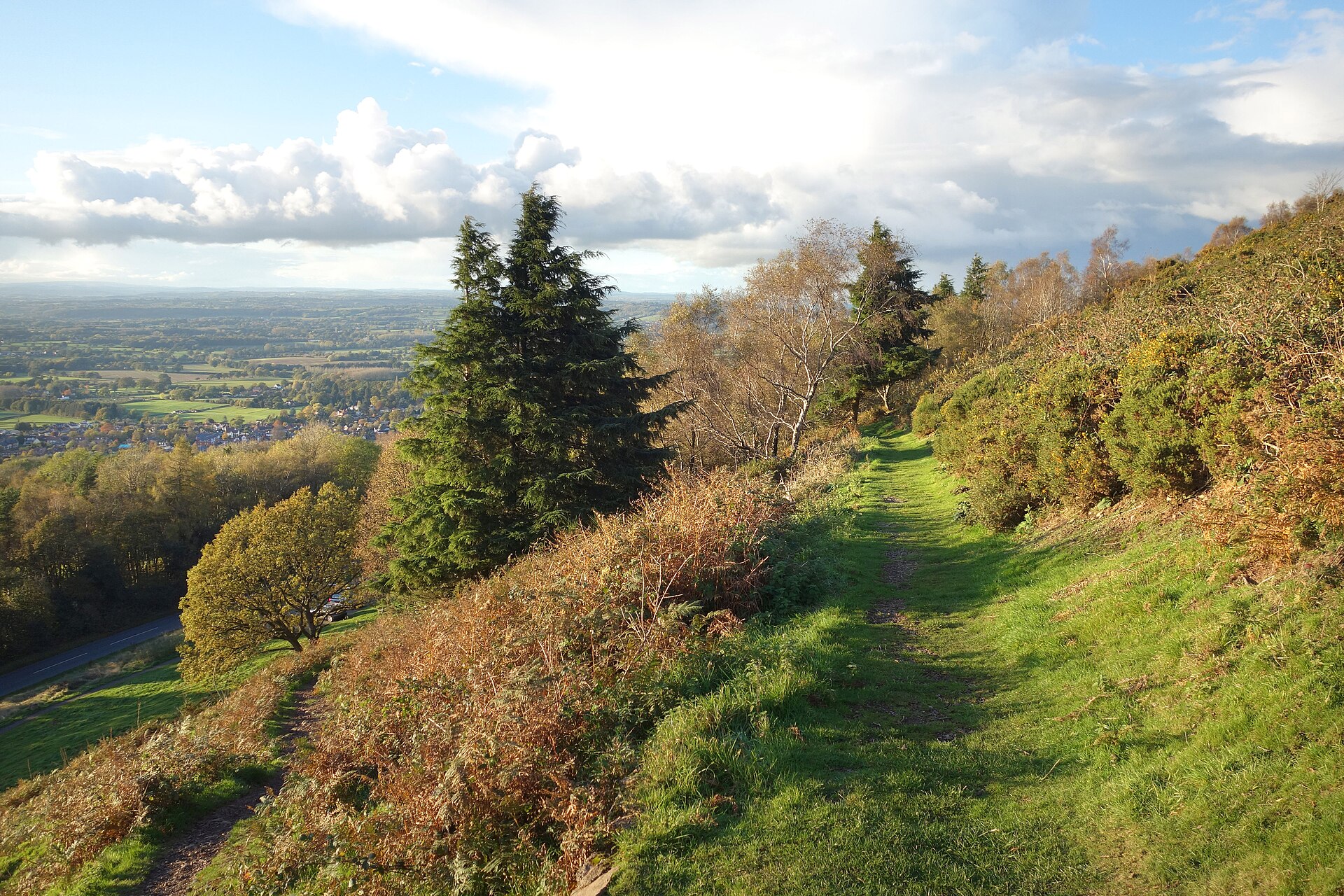
A summit on the Malvern ridge carrying two possible Bronze Age (roughly 2500–800 BC, when metal tools first spread) round barrows, burial mounds se…
Fortified place · Medieval
Essex
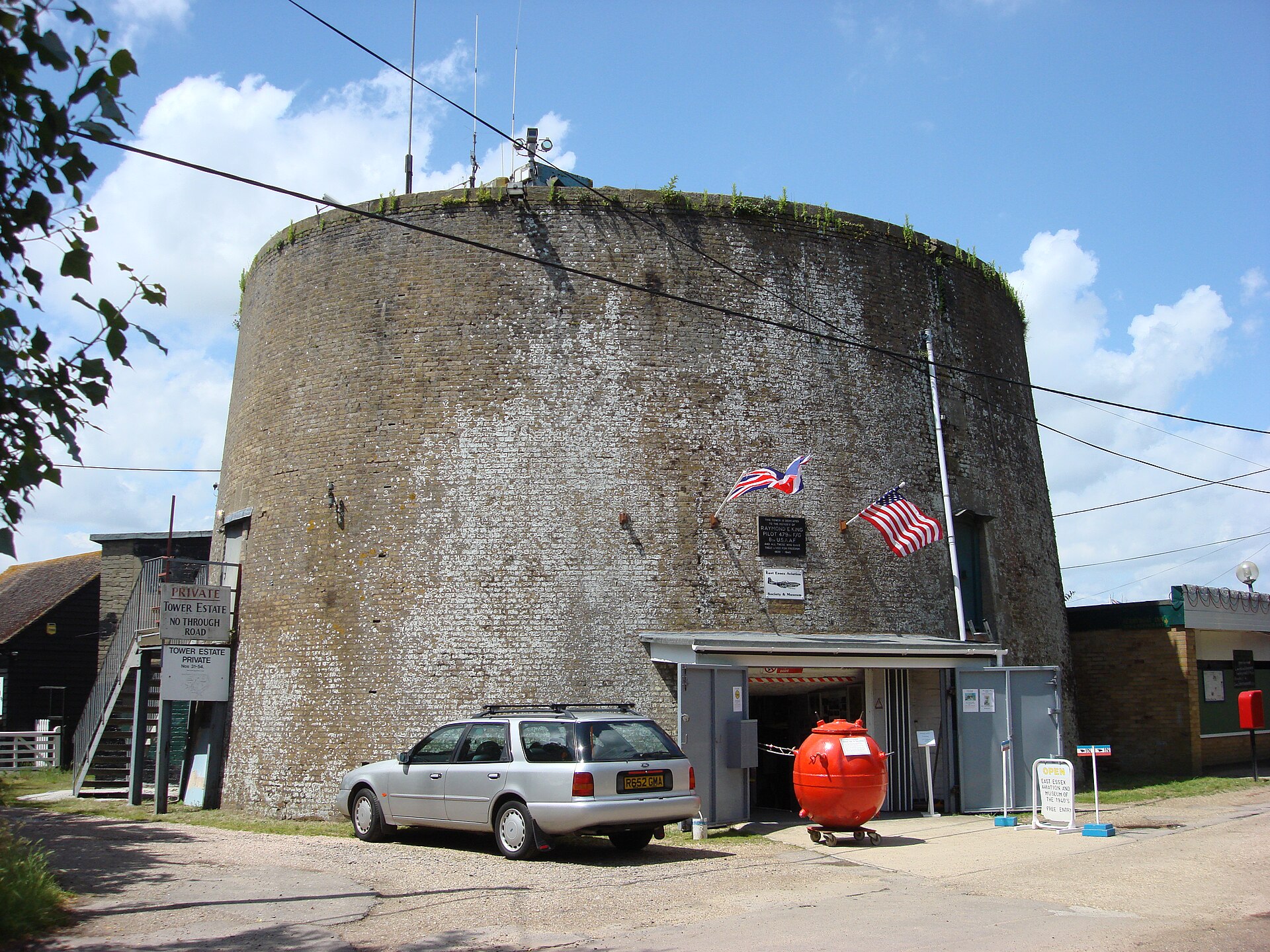
Point Clear’s Martello Tower is the earliest and most southerly east-coast example, transformed from a Napoleonic defence into a museum preserving…
Building or ruin · Roman
Devon
Pomeroy Wood is a Roman military site near Honiton where excavated ramparts, ditches and biological evidence point to a cavalry presence despite un…
Building or ruin · Roman
Tyne and Wear
The only Roman bridge outside Rome known to be named after an emperor. Hadrian's clan name was Aelius.
Tomb or burial place · Prehistoric
Dorset
Poor Lot Barrow Cemetery is an unusually large, low-lying Bronze Age (the period from about 2500 to 800 BC) burial landscape in Dorset, where forty…
Tomb or burial place · Prehistoric
Cornwall
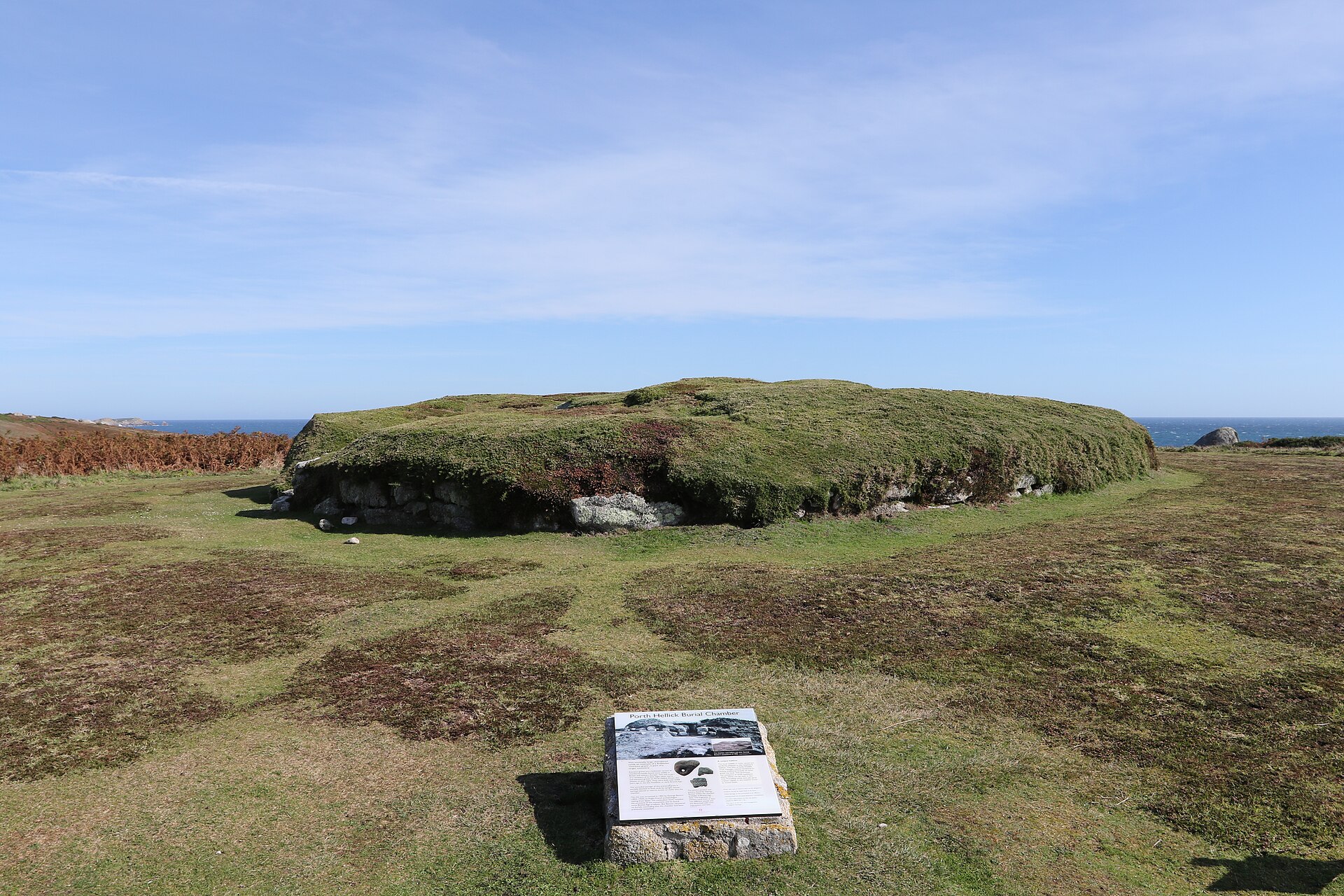
Porth Hellick Down contains the world’s largest surviving group of entrance graves, linking Neolithic burial monuments: from the closing Stone Age,…
Building or ruin · Medieval
Gwynedd
Somewhere between twenty and forty thousand hand-worked slates settled over the hull that had been carrying them, pinning the wreck to the bed of t…
Building or ruin · Roman
Suffolk
It ran from the Iceni capital at Venta Icenorum to the legionary base at Camulodunum: the A140 still follows part of it.
Building or ruin · Roman
Berkshire
A Roman route linking Silchester with Bath whose line still appears in fragments, carrying later drovers and travellers long after imperial rule en…
Building or ruin · Roman
Conwy County Borough
Sarn Helen is not a single monument but a name attached to several stretches of Roman road threading through Wales, the principal route running som…
Sacred place · Medieval
County Down
Saul Monastery brings Saint Patrick tradition, Viking and medieval disruption, and a surviving Augustinian abbey (a self-governing monastery, its h…
No places match those filters.






.jpg?width=800)