Tomb or burial place · Prehistoric
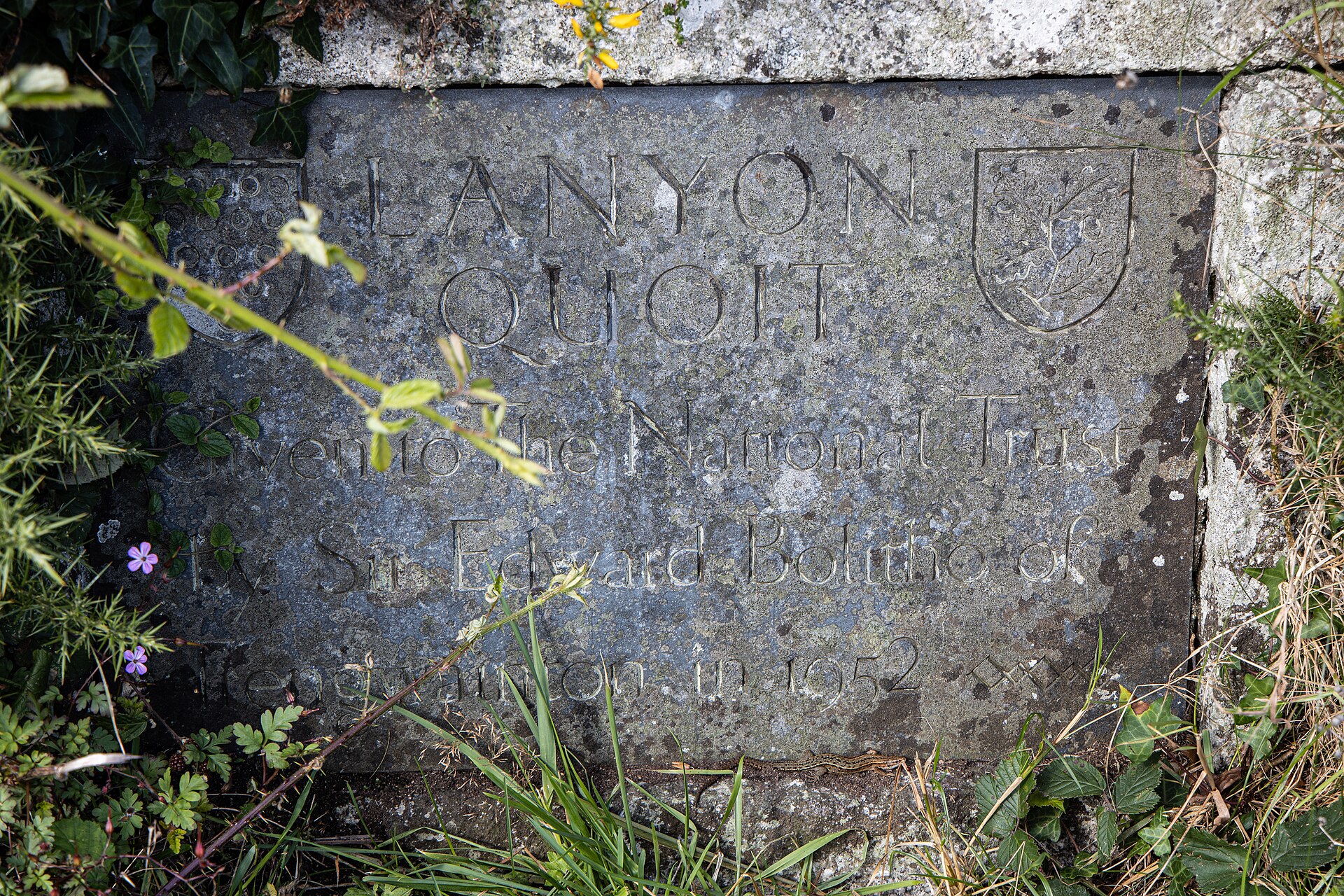
Lanyon Quoit
Cornwall
A great Cornish dolmen transformed by an 1815 storm collapse, then rebuilt by local effort into the three-legged monument seen today.
- Near Penzance
- Easy path
By type
Page 8 of 14.
Search and filters apply to these 100 places.
Tomb or burial place · Prehistoric
Cornwall
A great Cornish dolmen transformed by an 1815 storm collapse, then rebuilt by local effort into the three-legged monument seen today.
Fortified place · Iron Age
Cornwall
A compact Iron Age hillfort: an Iron Age settlement defended by banks and ditches on high ground, the centuries before Rome arrived, from about 800…
Building or ruin · Roman
County Durham
A Roman fort guarding the eastern gateway to the Stainmore Pass, later reoccupied so directly that a medieval castle rose inside its own perimeter…
Building or ruin · Roman
Cumbria
A Roman lookout tower whose stone walls, floor and even a soldier's skeleton lay hidden beneath a Cumbrian road until 1927, when excavation exposed…
Building or ruin · Roman
Northumberland
Lees Hall Roman Camp is an unusually fortified temporary camp near Hadrian’s Wall, with an outer work suggesting repeated or extended military use…
Sacred place · Roman
County Durham
The carved lettering that gave this Anglo-Saxon cross its name survived a thousand years only to be chiselled away after 1966, leaving historians a…
Sacred place · Medieval
Denbighshire
A vast Elizabethan preaching-house left roofless when its patron's money and his only son both ran out: the sole attempt at a new Protestant cathed…
Fortified place · Iron Age
Cornwall
Lesingey Round is a scheduled Cornish ringfort whose substantial bank and ditch preserve a late Iron Age (from around 800 BC up to the Roman conque…
Building or ruin · Prehistoric
Cornwall
Leskernick Hill preserves an exceptionally well-preserved Bronze Age (roughly 2500–800 BC) settlement landscape of houses, fields, cairns, stone ci…
Building or ruin · Roman
Staffordshire
A Roman posting station that outlived its own fortress, lost its bath house and inn to fire around 300, and gave the modern village its name - Wall…
Fortified place · Iron Age
Wiltshire
Excavation dated first occupation to the 7th century BC, making this one of the earliest hillforts built anywhere in Britain.
Carved stone · Medieval
North Yorkshire
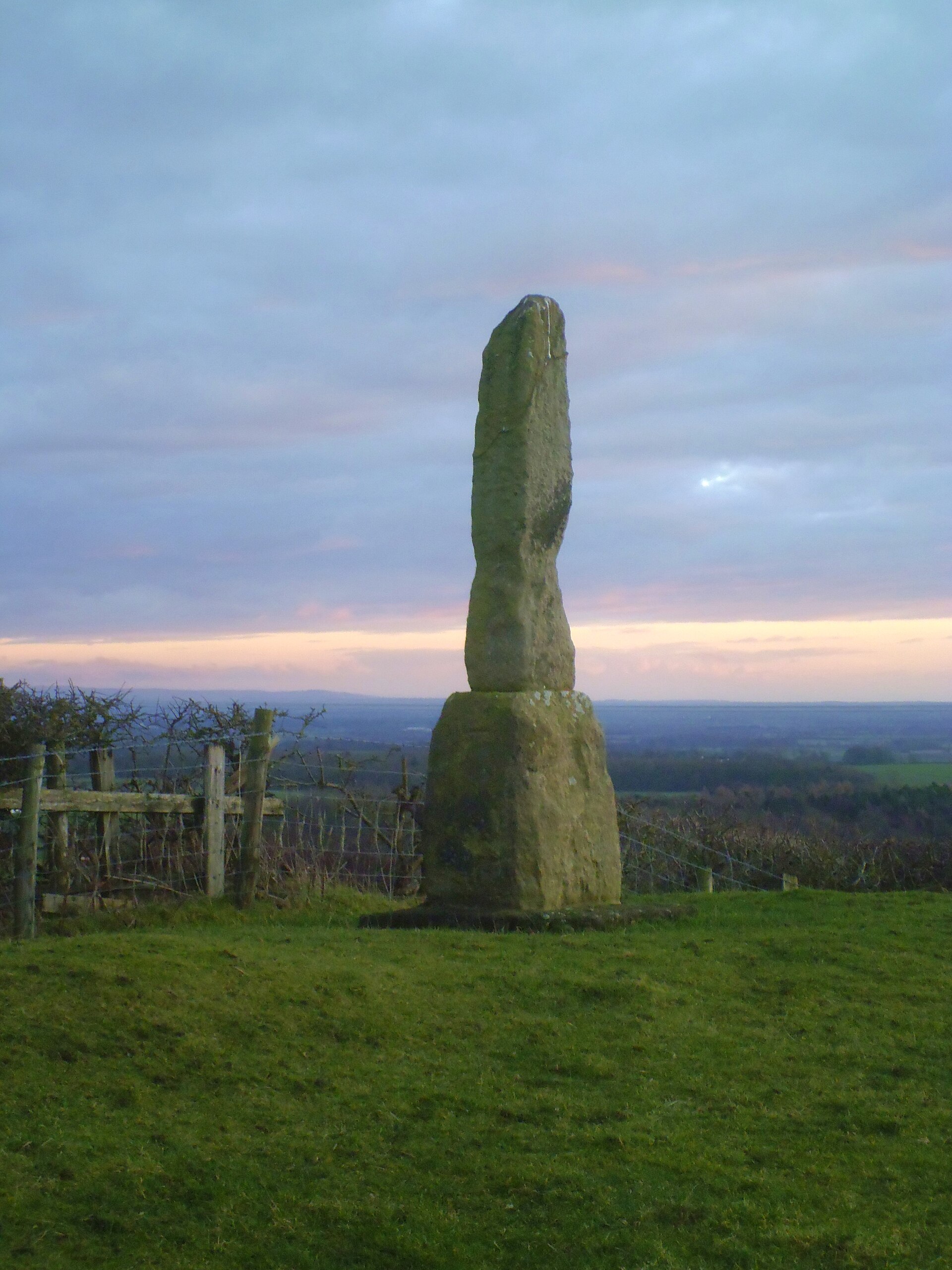
A stone cross on a windswept moorland burial mound marks where four ancient parishes meet, a boundary charter first named it in 1109, and it still…
Building or ruin · Medieval
Pembrokeshire
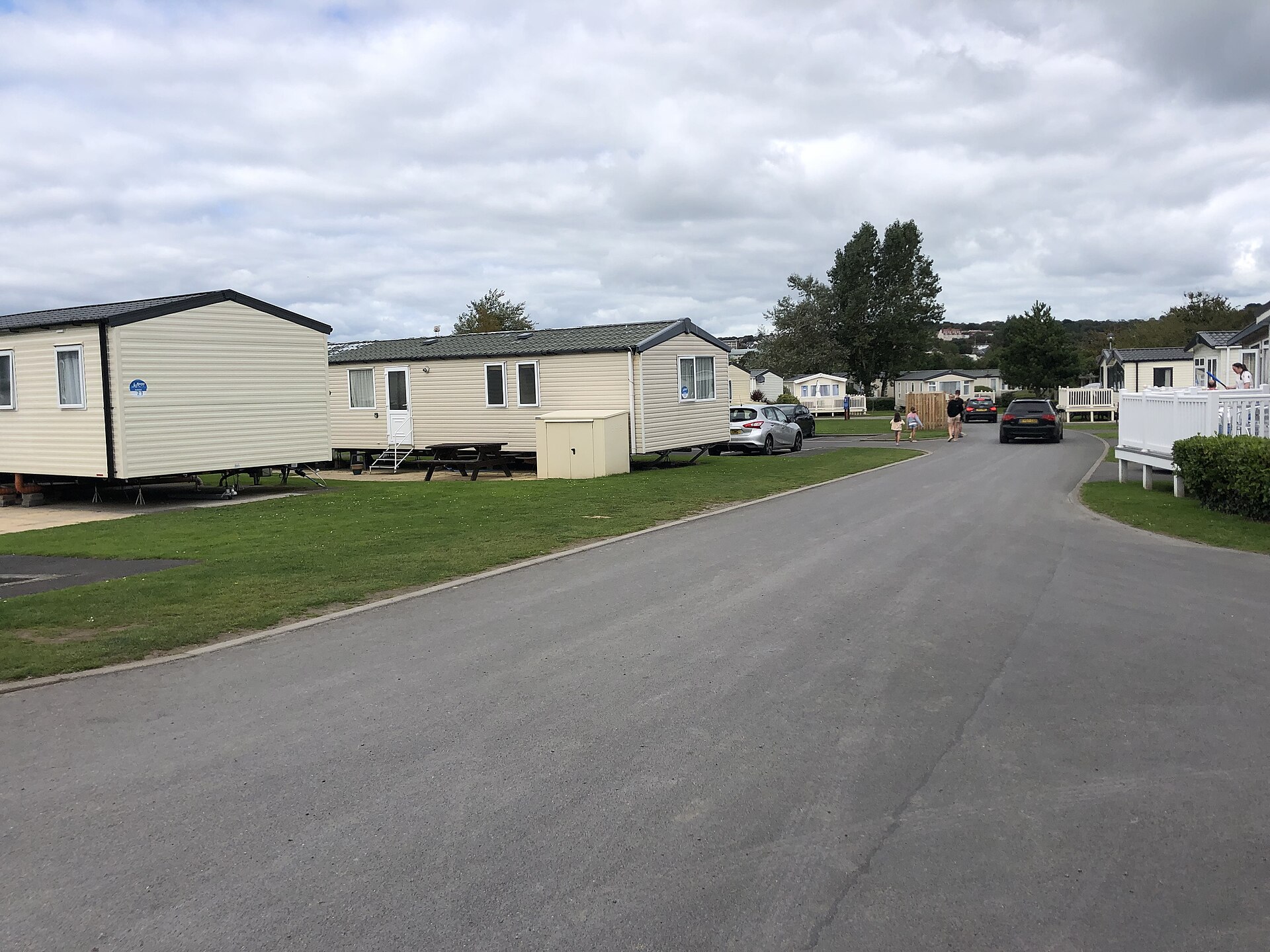
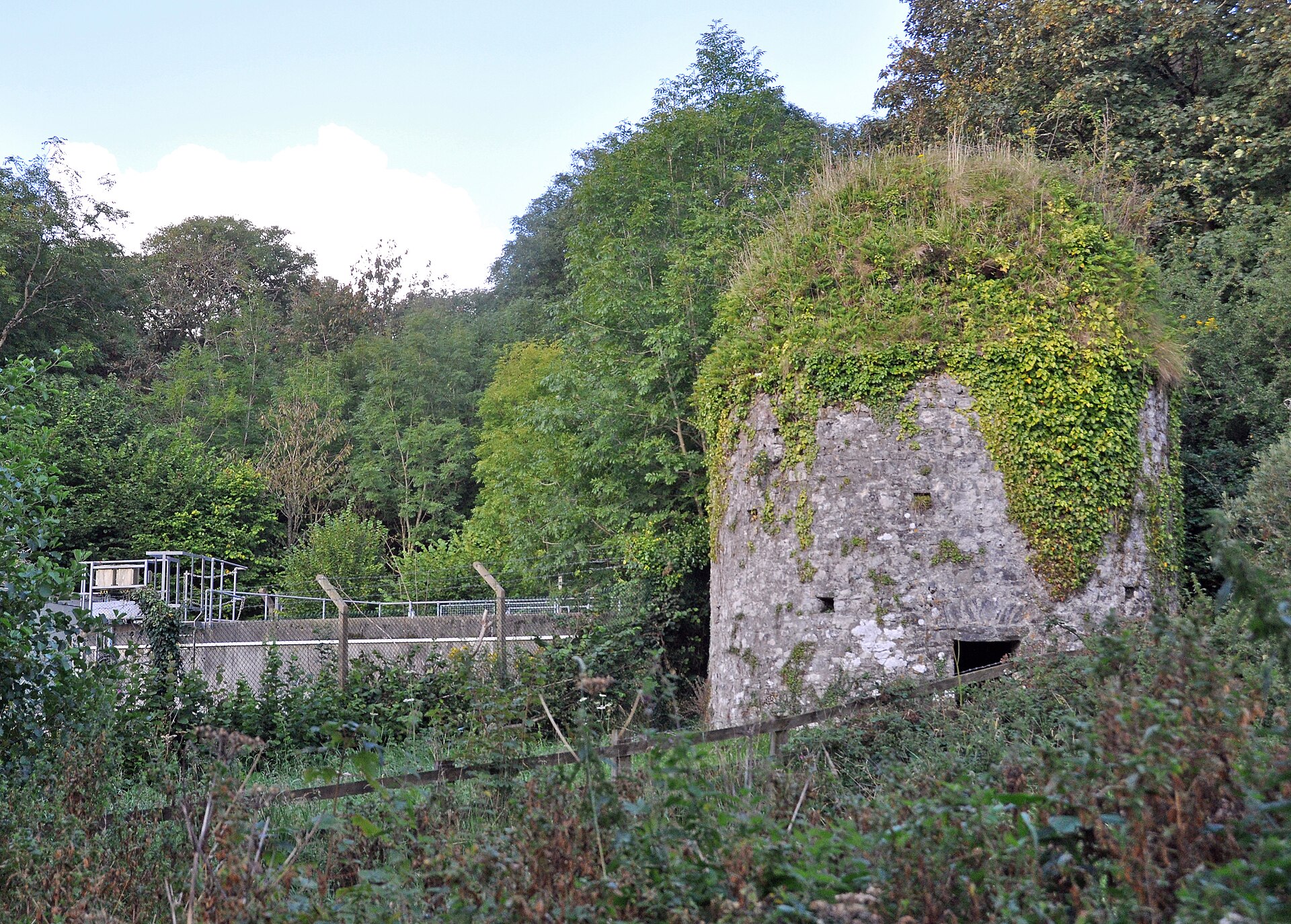
Twelve kilns nine metres high, the largest surviving in Pembrokeshire, standing in the grounds of a caravan park.
Sacred place · Medieval
Dumfries and Galloway
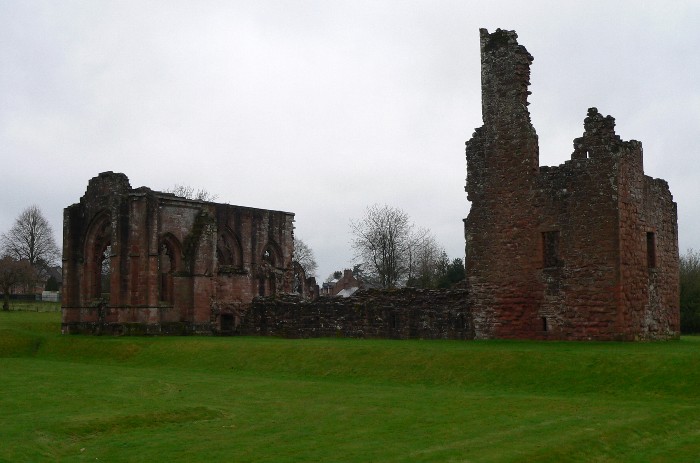
Lincluden’s ruins record the transformation of Galloway’s first nunnery into a richly endowed collegiate church: a church staffed by a college of p…
Building or ruin · Medieval
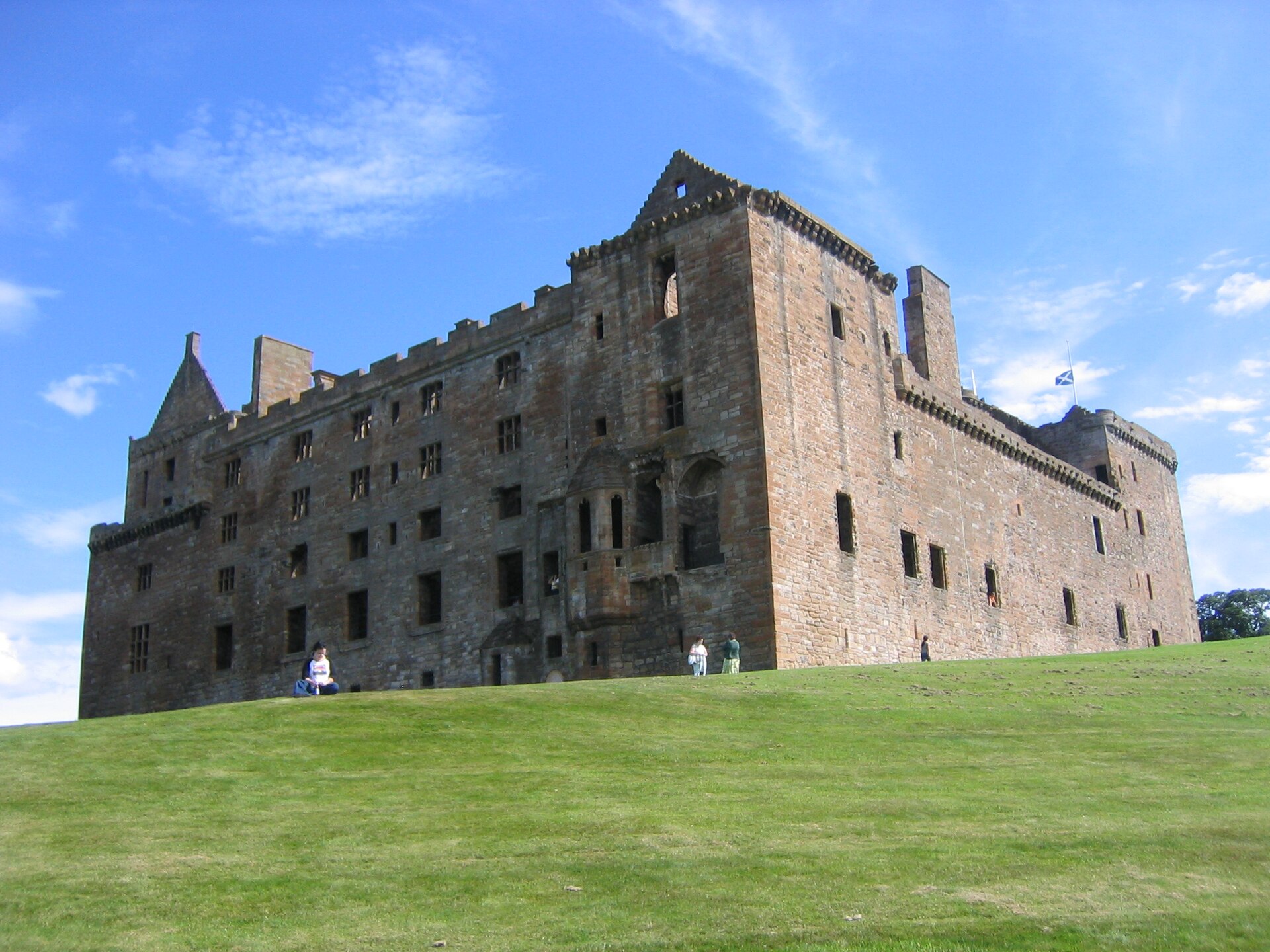
West Lothian
Taken back from the English by a hay merchant in 1313, birthplace of Mary Queen of Scots, and burned by accident in 1746.
Settlement · Prehistoric
Derbyshire
Post holes in a Buxton field mark timber houses built by people who were just learning to grow grain: among the earliest farming evidence found any…
Sacred place · Medieval
Berkshire
Its carved oak roof trusses, hidden by later ceilings for generations and only uncovered in 1980, survive as one of the clearest examples of early…
Building or ruin · Medieval
Cheshire
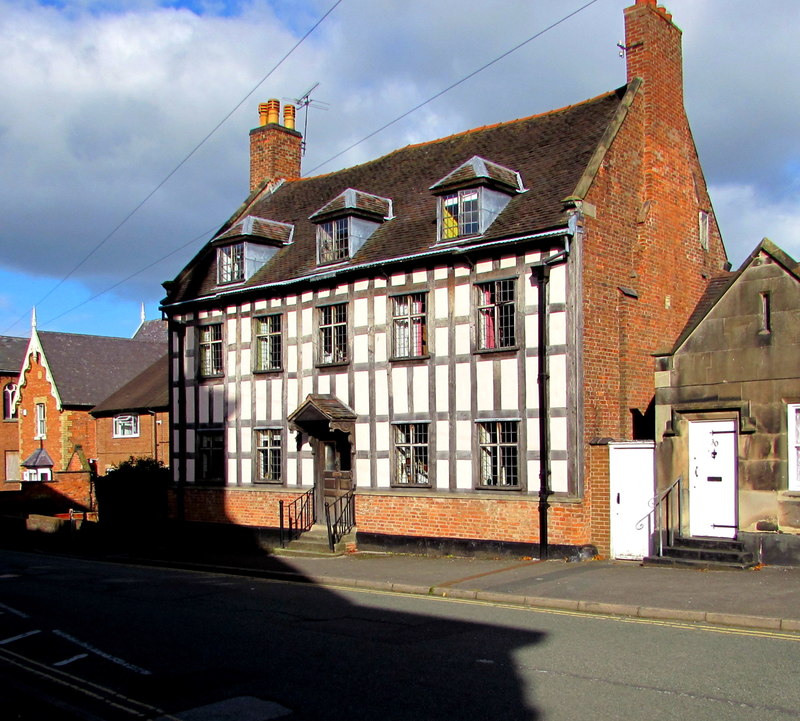
A timber-framed manor whose top-heavy Long Gallery and bowing floorboards have survived four centuries without a single wall left standing true.
Ancient place · Iron Age
Wiltshire
A ring of postholes here rewrote how archaeologists understood Iron Age (the period from roughly 800 BC to the Roman conquest) life, showing people…
Building or ruin · Roman
Wiltshire
A farmhouse that became a pagan temple: its Orpheus mosaic marks a religious cult centre built as Rome's empire turned against the old gods.
Building or ruin · Medieval
Gwynedd
Llanddona fish weir is a scheduled post-medieval (after about 1500) V-shaped tidal fish trap at Red Wharf Bay, preserving a large-scale form of coa…
Sacred place · Medieval
Isle of Anglesey
Llanfaes Friary preserves the buried remains of a Franciscan house founded for Joan, Lady of Wales, whose survival through Edward I’s forced depopu…
Building or ruin · Roman
Vale of Glamorgan
Two burials were dug straight through the tessellated pavement of rooms 8 and 9, and a contorted skeleton was found in the corridor.
Building or ruin · Prehistoric
isle-of-anglesey
A Neolithic chamber: of the first farming age, roughly 4000–2500 BC: roofed by a single limestone slab of about 25 tonnes, resting on only three of…
Building or ruin · Medieval
Conwy
A late-medieval Conwy house linked to the ancestry of the Tudor dynasty, preserved on Bryn Euryn after fire, quarry damage and modern conservation.
Building or ruin · Medieval
Isle of Anglesey
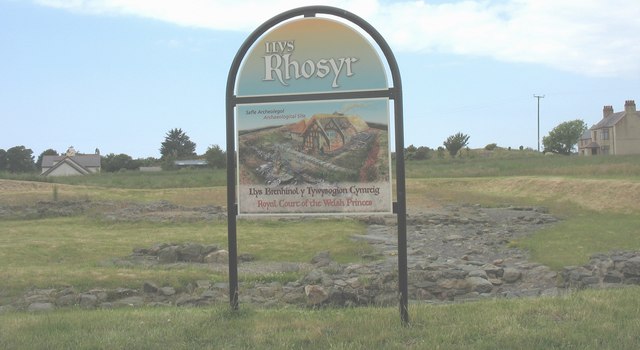
The only excavated royal court of the medieval Welsh kingdom of Gwynedd, its buried hall now has a full-scale twin standing at St Fagans in Cardiff.
Crossing or structure · Medieval
Argyll and Bute
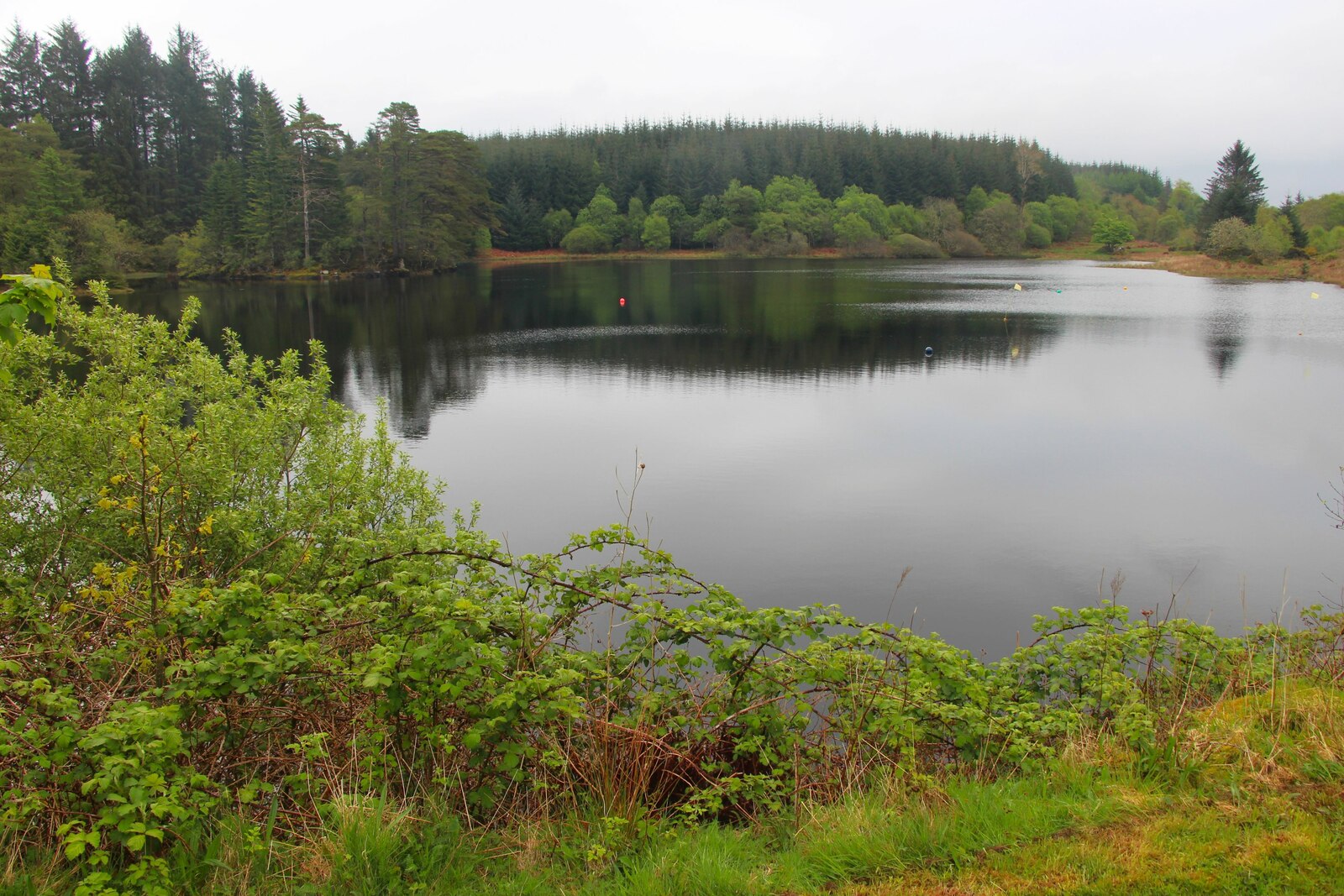
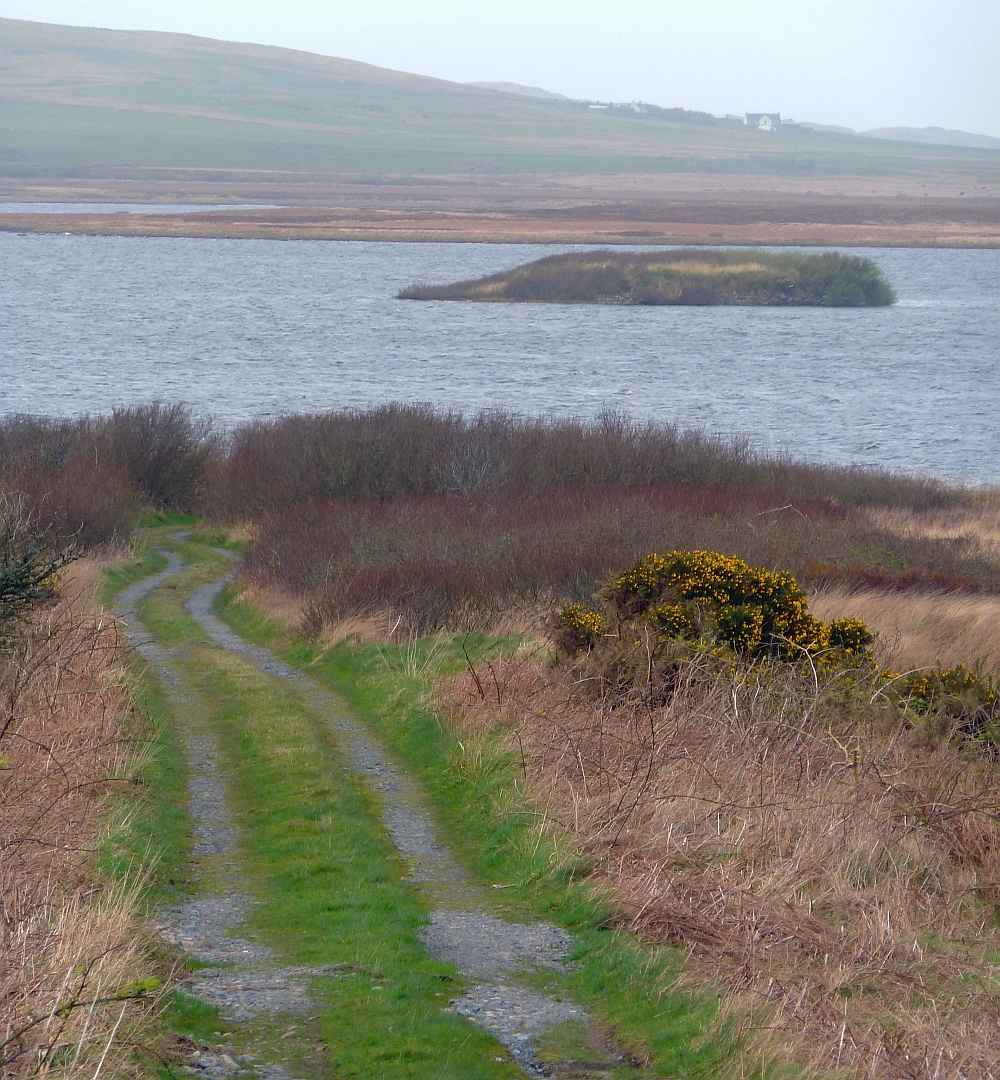
Loch a’ Bharain is a purpose-built Crinan Canal reservoir whose 1801 dam stabilised the summit reach and whose recent drainage exposed traces of an…
Fortified place · Medieval
Argyll and Bute
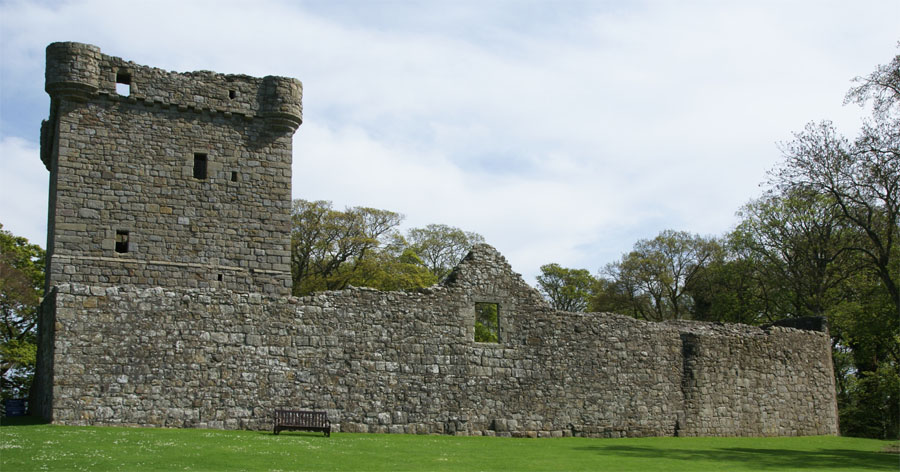
A Clan Donald stronghold so thoroughly reduced that its island now looks bare from the shore, yet its walls changed hands four times in fewer than…
Settlement · Medieval
Perth and Kinross
Besieged in 1335 by an English force that dammed the loch to drown it. The captain went off to a saint's festival, and the defenders broke the dam.
Fortified place · Medieval
Argyll and Bute
A staircase inside is said to be carved from a sacred yew felled on nearby Bernera Island: timber that reportedly survived at least two fires which…
Building or ruin · Roman
Hertfordshire
Excavation here traced five successive building phases on one plot, from a first-century round hut to a fourth-century villa, a rare stratified rec…
Building or ruin · Roman
City of London
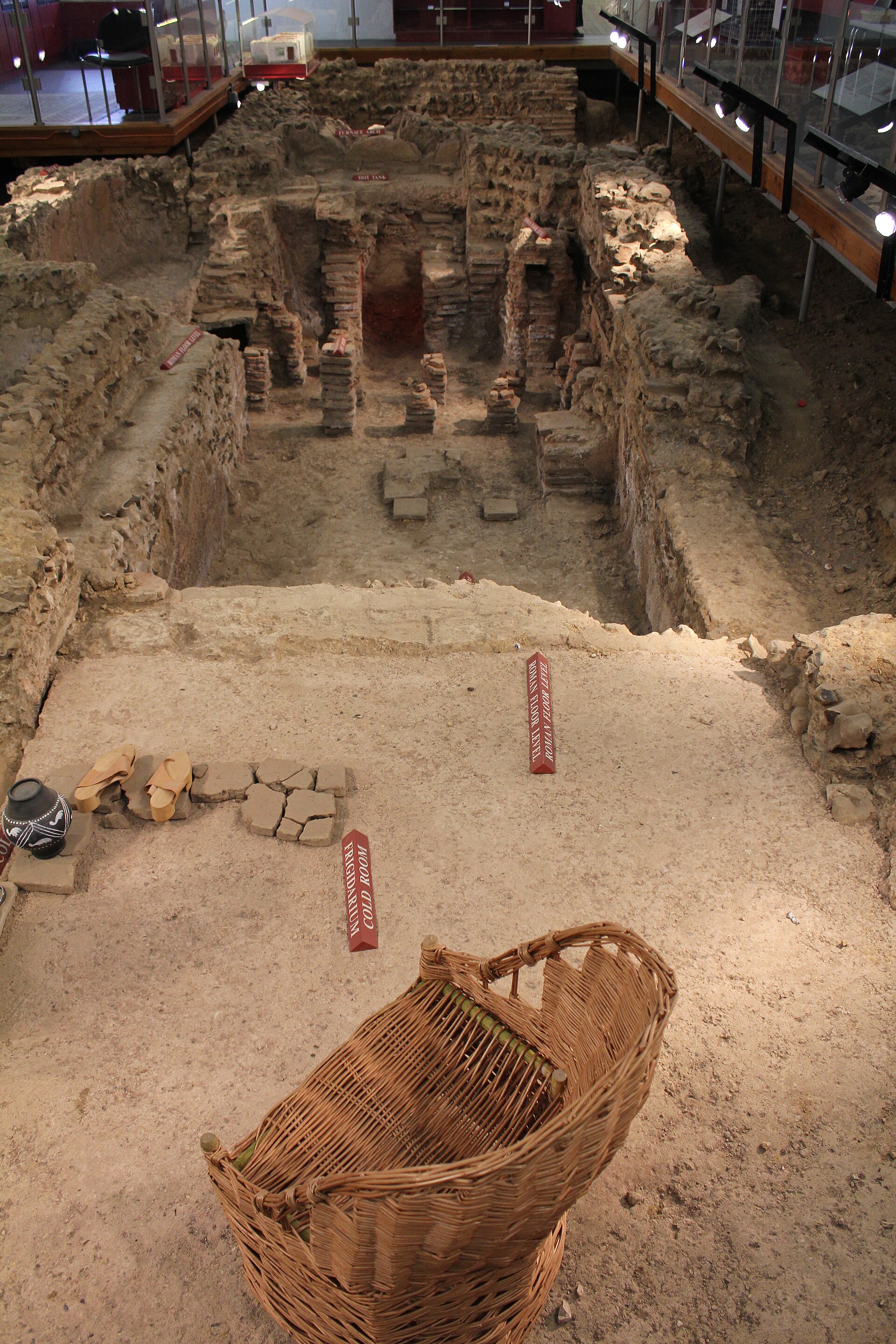
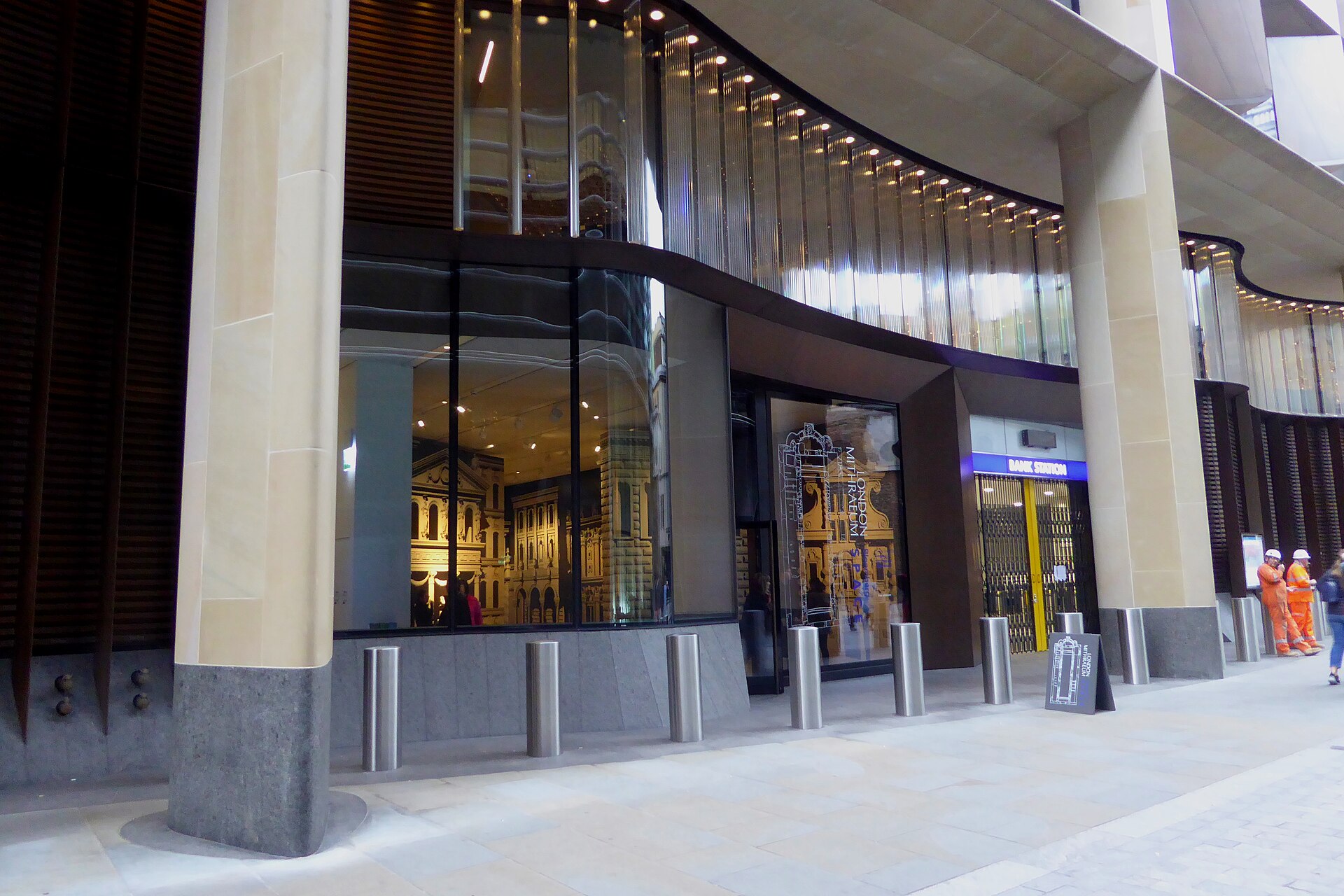
London's most famous twentieth-century Roman discovery: a soldiers' mystery temple, displaced for development and returned to a site beneath the Bl…
Building or ruin · Roman
Surrey
Its final miles have never been pinned down: archaeologists still argue whether the road ended at Brighton or Portslade, making it one of the few m…
Tomb or burial place · Prehistoric
East Sussex
A 180-foot earthen mound raised by Sussex's first farming communities, it belongs to a distinct chalk-downland style of long burial mound found now…
Tomb or burial place · Prehistoric
Staffordshire
Two cairns joined by a 200-metre bank of upright limestone slabs: a form found nowhere else in England, and still not understood.
Building or ruin · Prehistoric
East Sussex
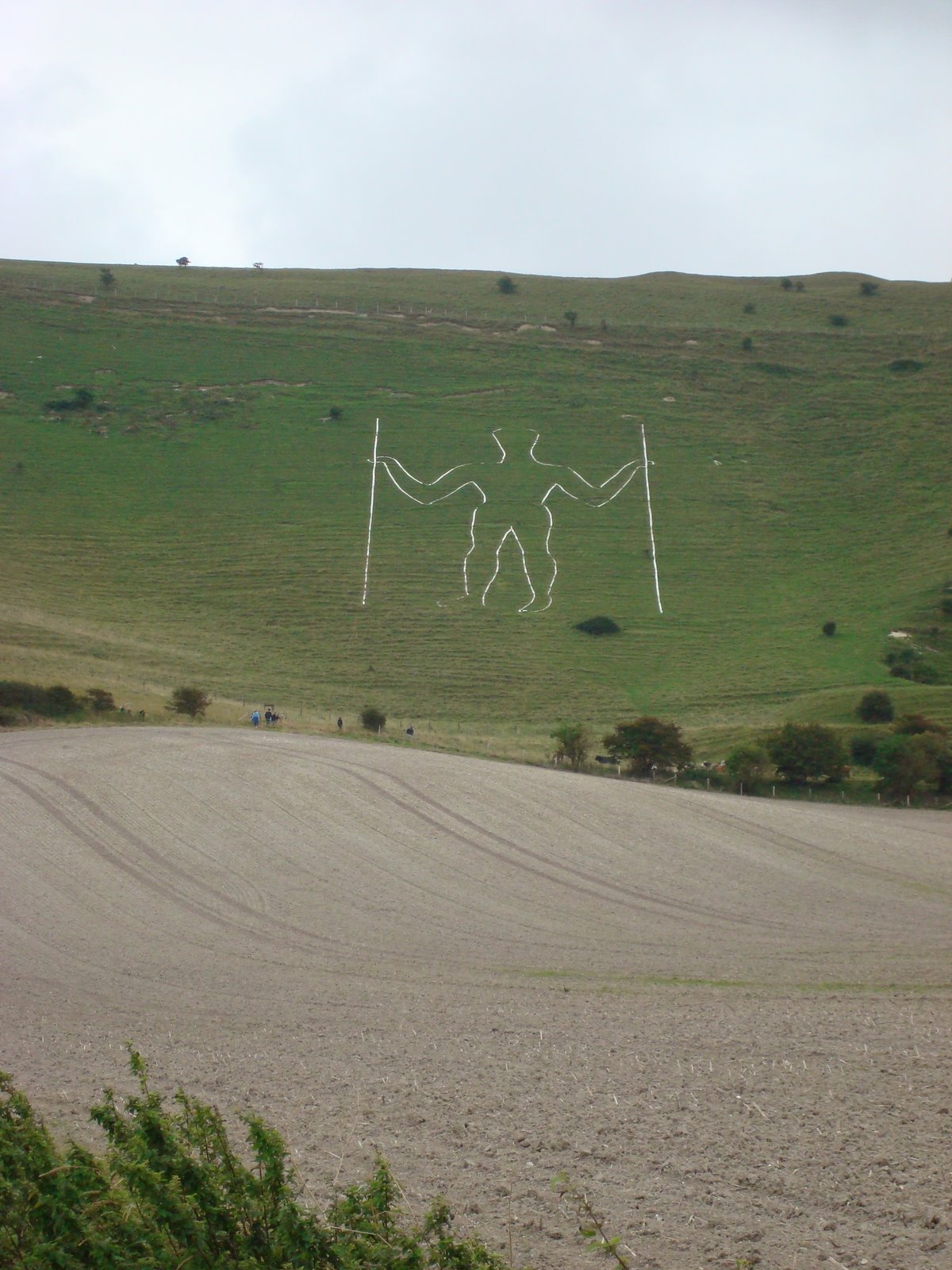
The Long Man is one of England’s two major surviving human hill figures, but archaeological work now suggests this famous chalk-downland image is E…
Building or ruin · Roman
County Durham
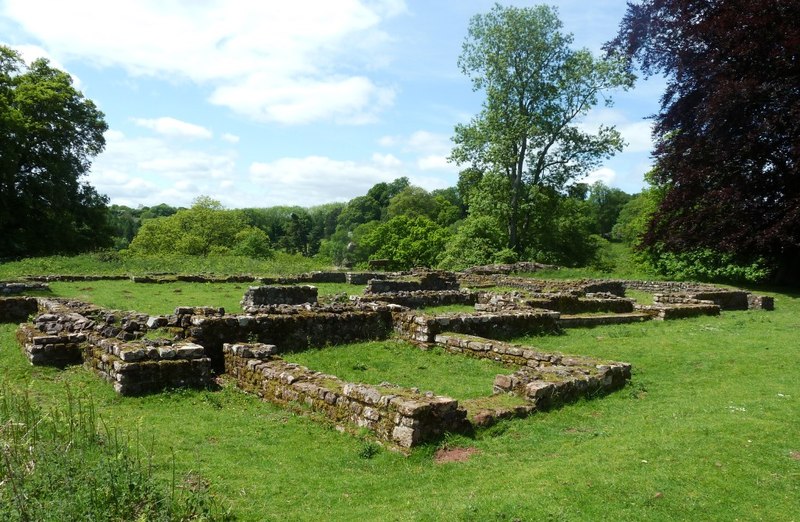
Its water supply was so oversized for an ordinary fort that archaeologists suspect large-scale iron smelting lay behind it: one of Roman Britain's…
Sacred place · Prehistoric
Gloucestershire
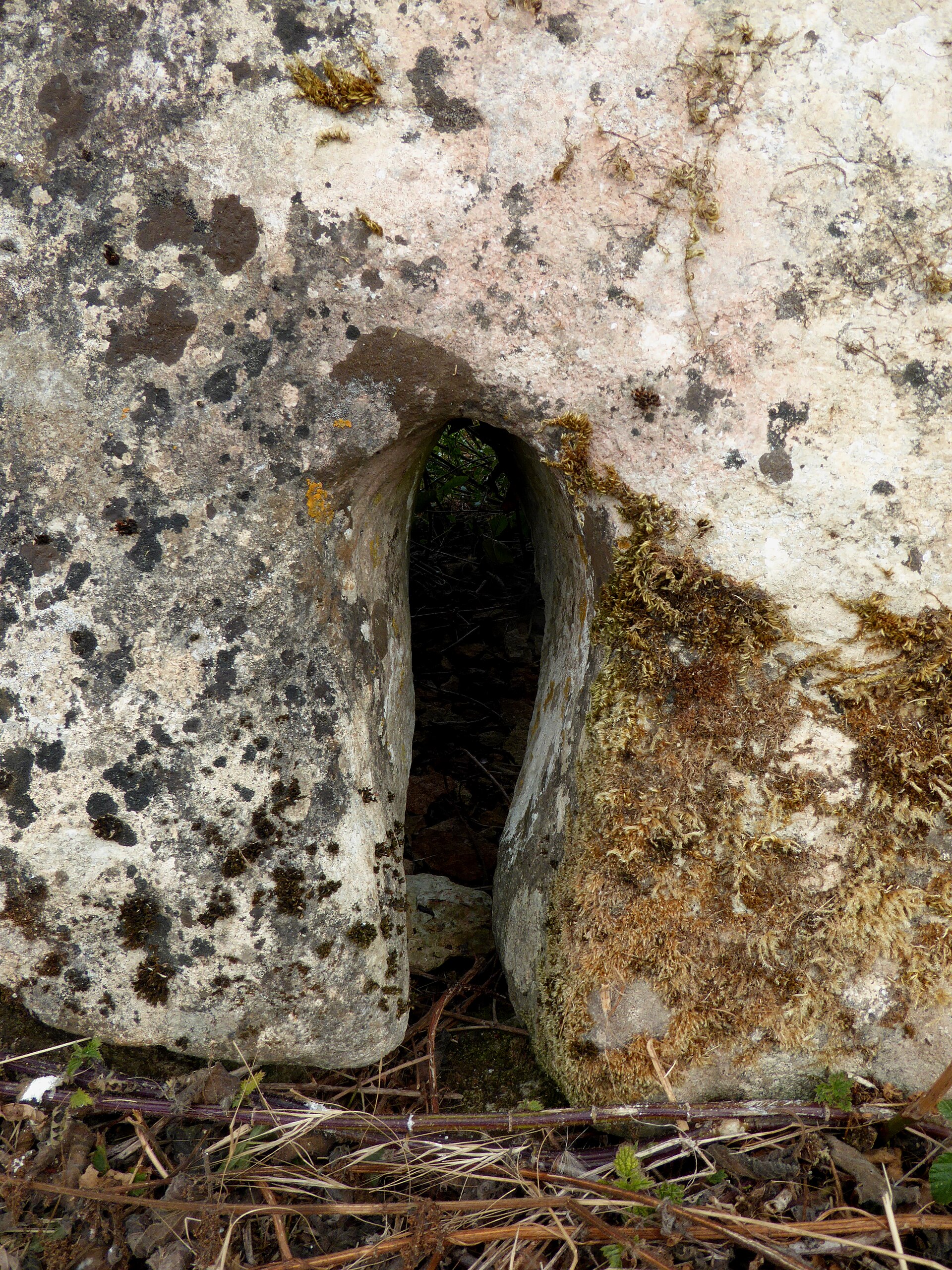
Longstone’s naturally pierced limestone links a surviving monolith with a local healing tradition, while nearby barrows and finds place it in an ol…
Fortified place · Medieval
Cambridgeshire
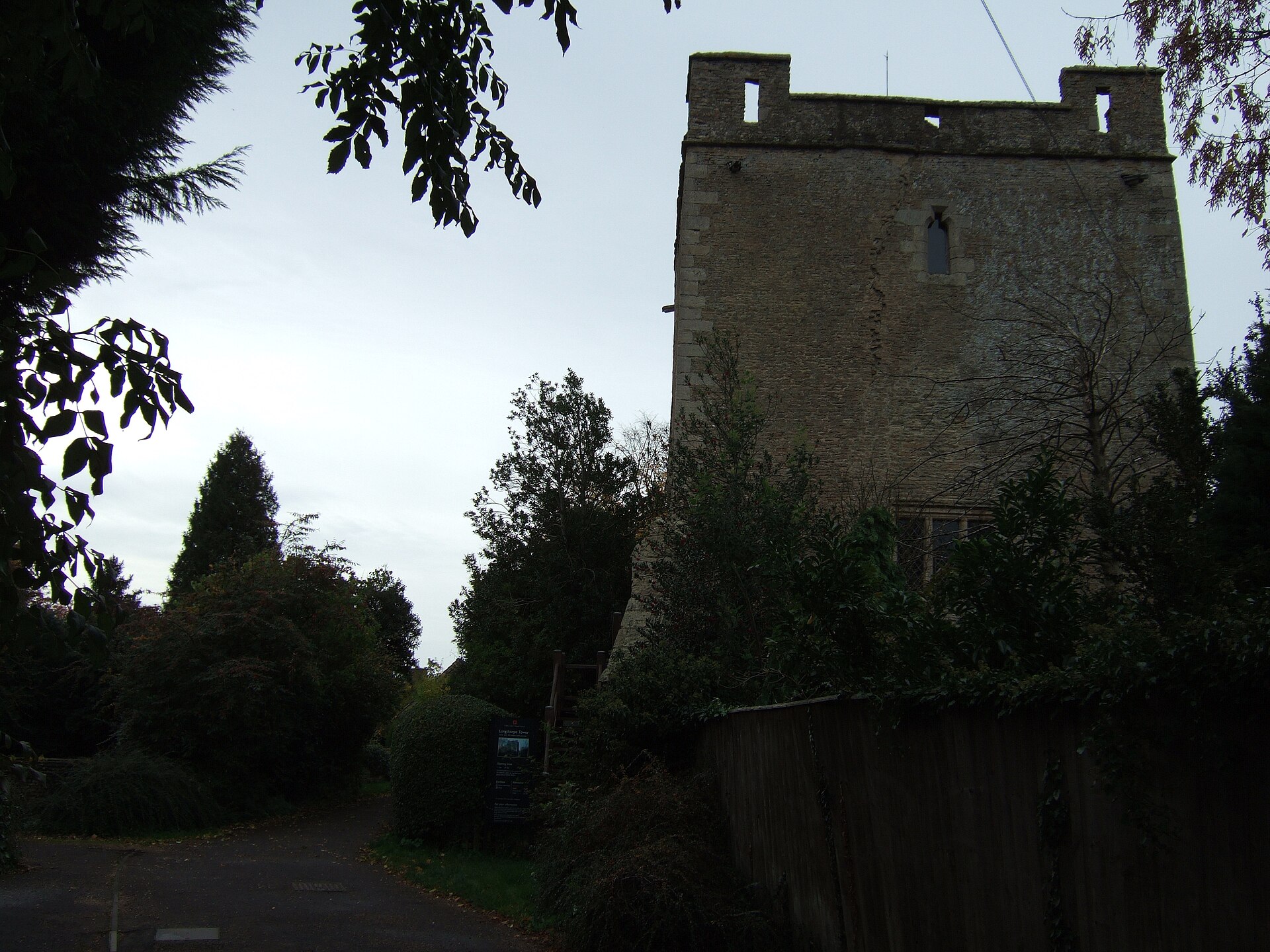
Beneath centuries of whitewash, Longthorpe Tower hid one of England's most complete sets of 14th-century domestic wall paintings, unseen until the…
Ancient place · Prehistoric
County Down
Loughbrickland Crannóg is a Scheduled Bronze Age artificial island that brings prehistoric (from the era before writing arrived in these islands) s…
Building or ruin · Medieval
East Lothian
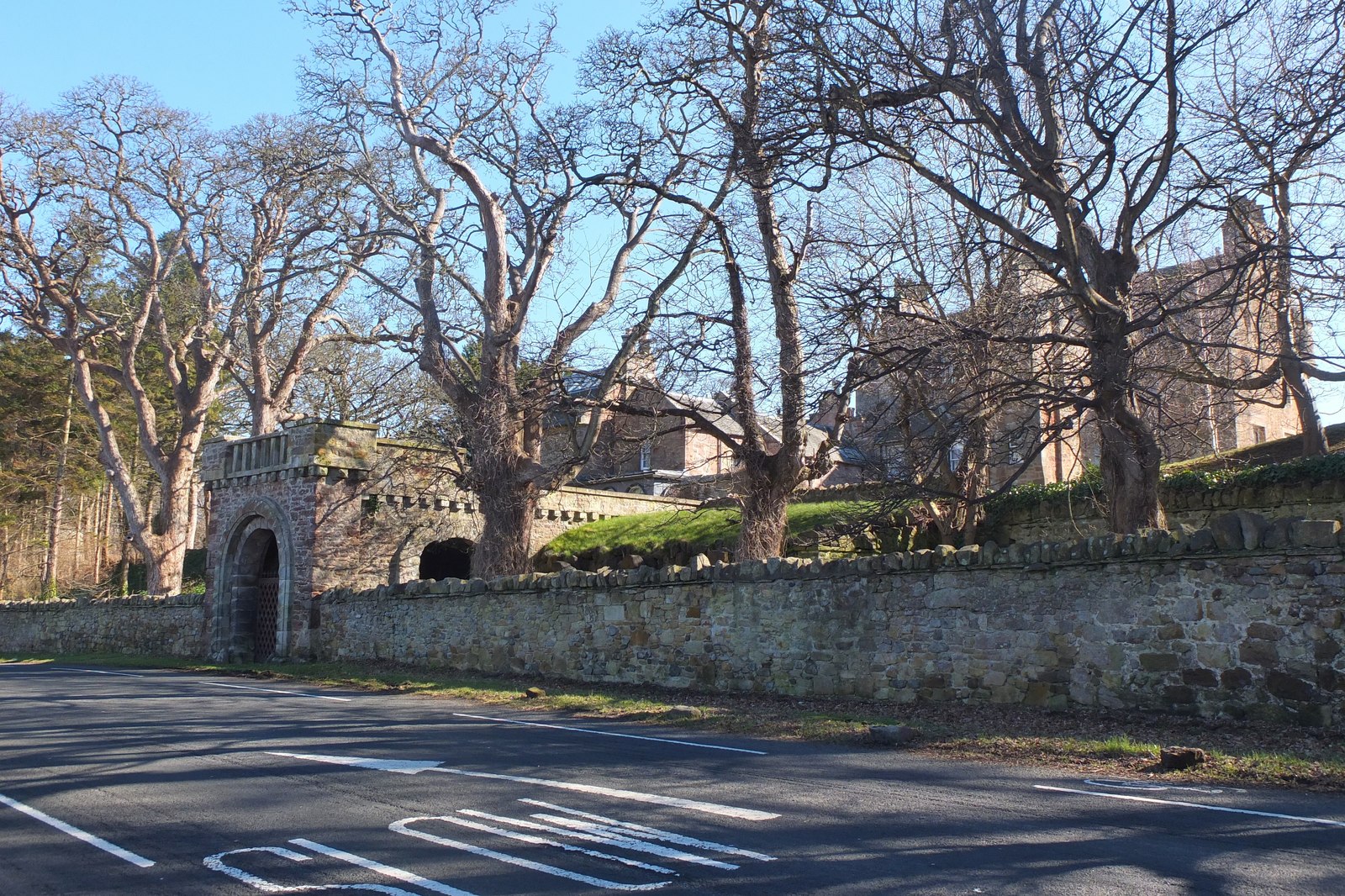
Luffness preserves a house within a former fortification, where medieval Lindsay power, a short-lived 1549 French–Scottish fort and later country-h…
Tomb or burial place · Prehistoric
Wiltshire
A false doorway: a capstone leaning on two uprights, leading nowhere. The real chambers held twenty-six people.
Building or ruin · Roman
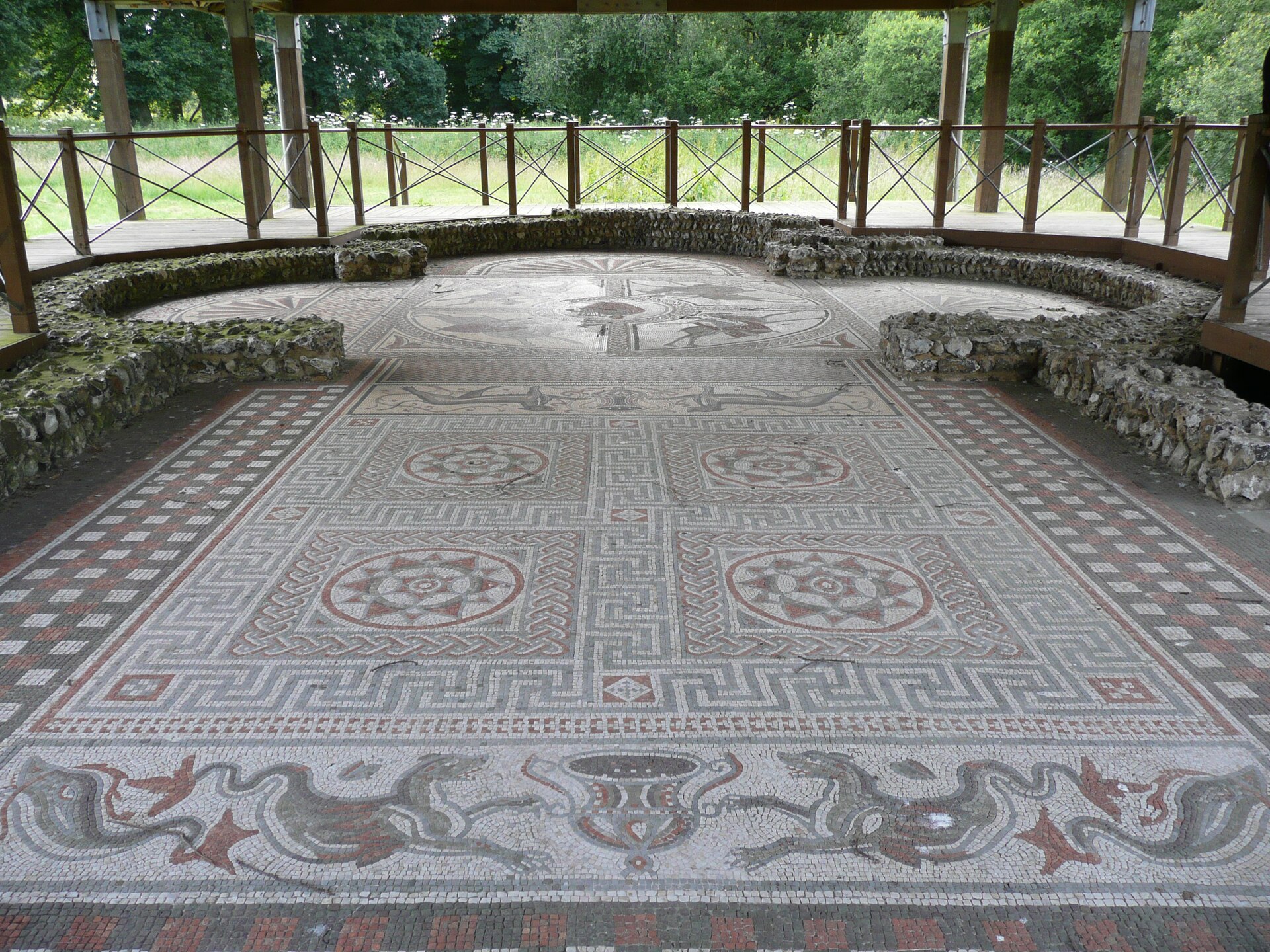
Kent
Lullingstone Roman Villa combines a high-status Darent Valley residence, major mythological mosaics and an exceptionally early British Christian ho…
Fortified place · Roman
Warwickshire
A Roman fort of unknown name on the south-eastern edge of Coventry, now open to the public.
Building or ruin · Roman
Gloucestershire
Lydney Park brings together a Bathurst country estate and one of Britain’s most evocative Romano-Celtic temple complexes, where the cult of Nodens,…
Tomb or burial place · Prehistoric
Oxfordshire
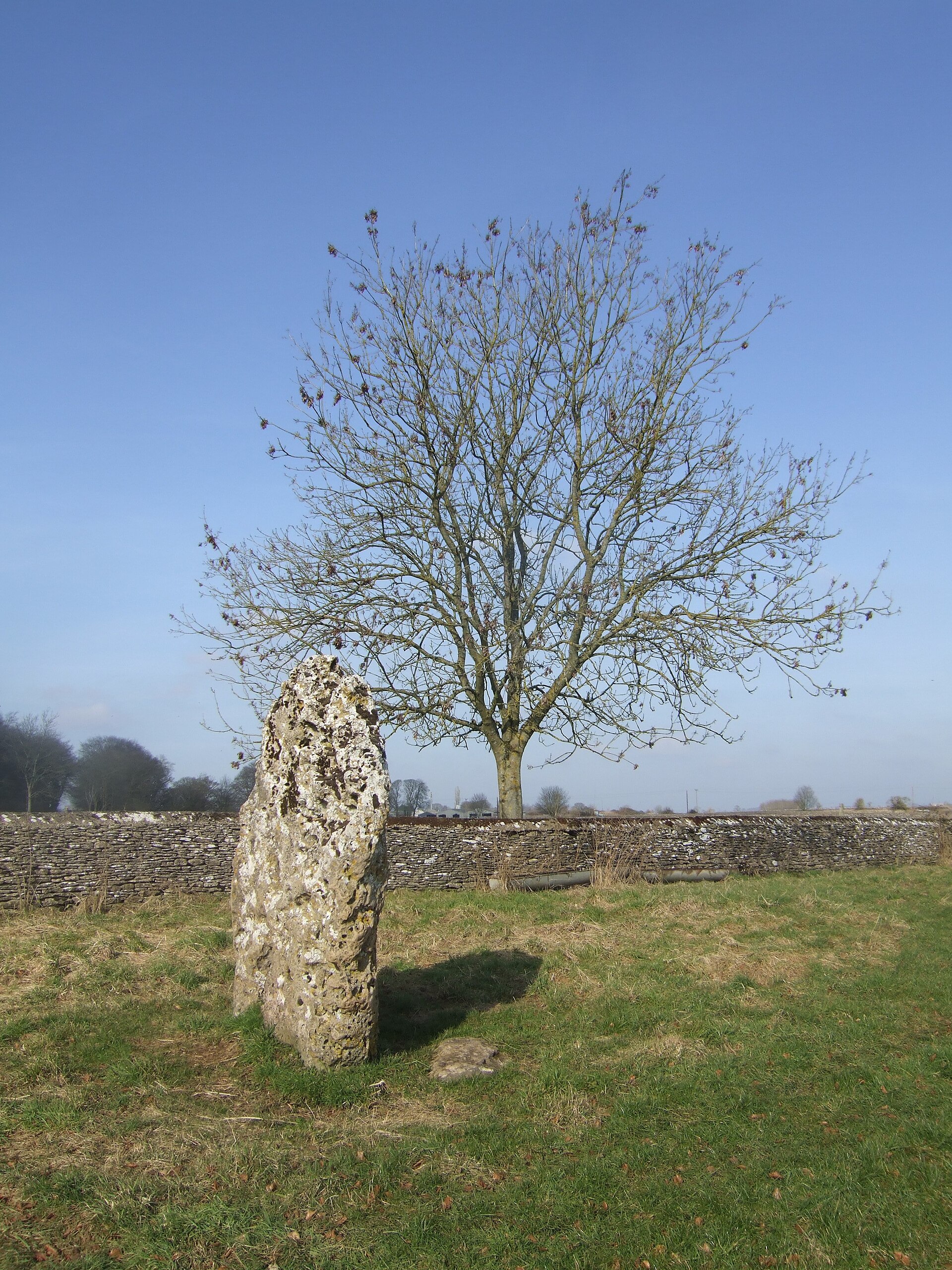
A long burial mound beside the A361, with a standing stone 1.8 metres high at its end.
Carved stone · Medieval
Greater Manchester
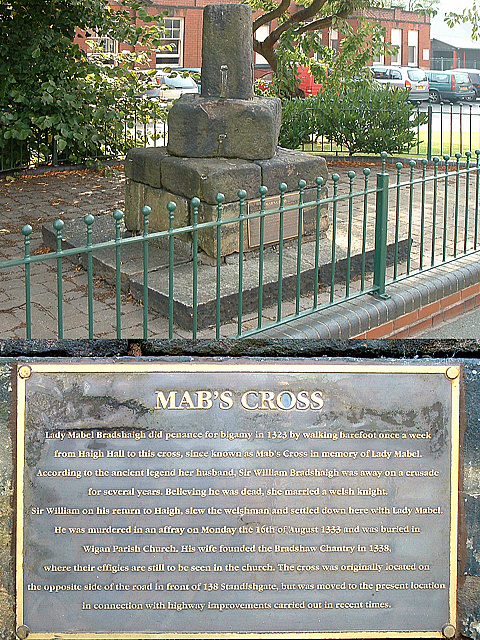
Mab’s Cross is a surviving medieval Wigan waymarker whose later association with Lady Mabel Bradshaigh shows how local legend can attach to a real…
Building or ruin · Medieval
Staffordshire
Edward III licensed its owner to make a castle of it in 1348 and made him a founder Knight of the Garter weeks later. The family lost it to an exec…
Sacred place · Medieval
Cornwall
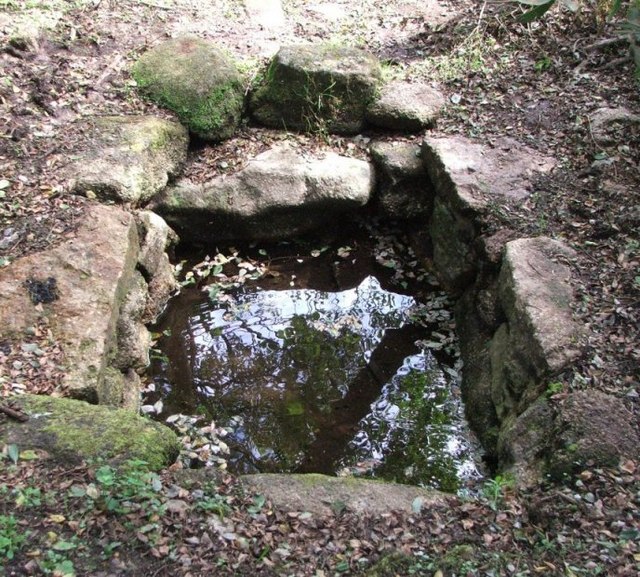
Madron Well and its ruined chapel combine an early Christian sacred landscape, a once vital water source and enduring Cornish traditions of healing…
Building or ruin · Medieval
flintshire
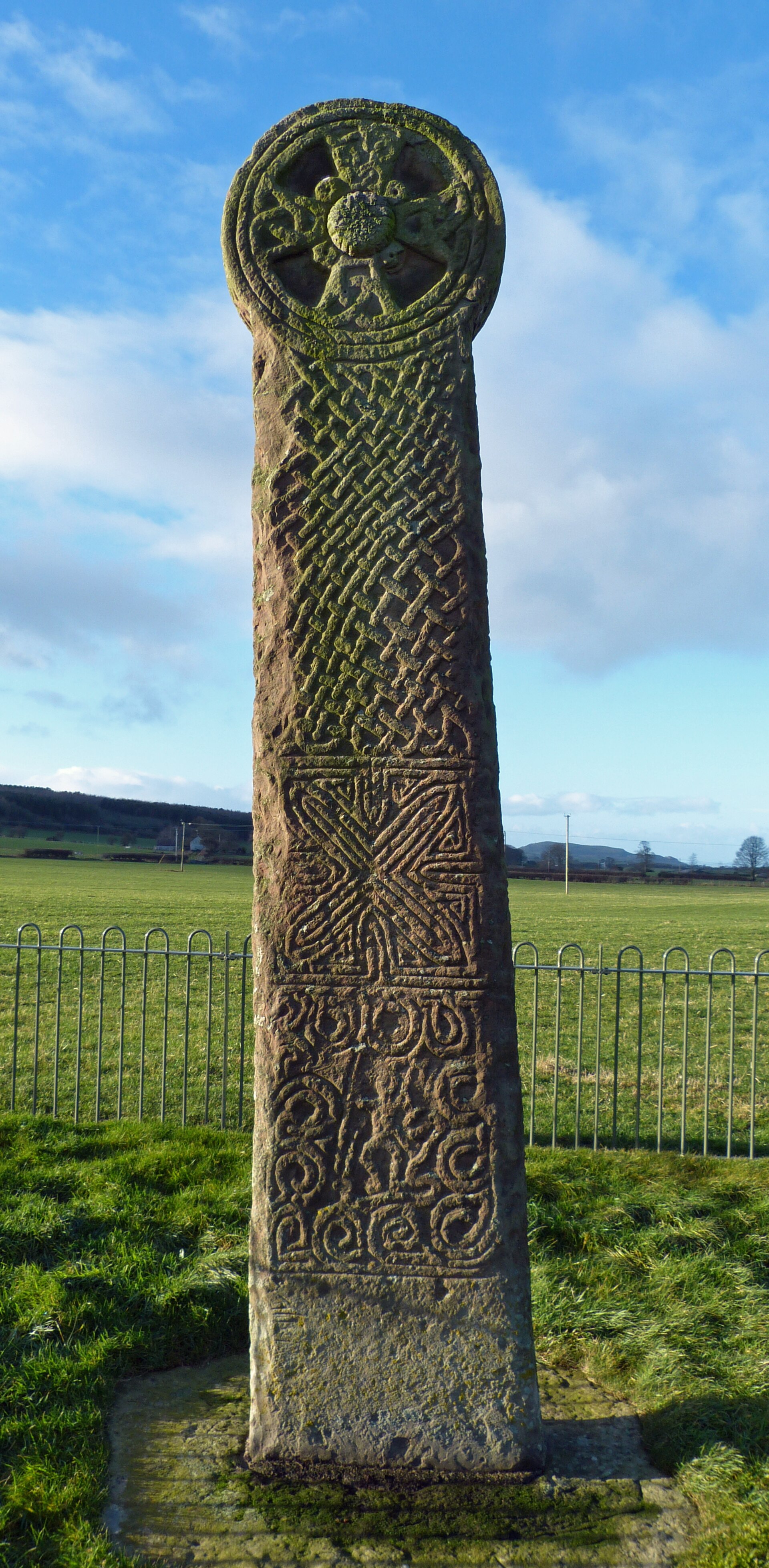
The tallest wheel cross in Britain, 3.4 metres from a single block, carved with a naked man treading on a snake: and nobody has agreed in three cen…
Sacred place · Medieval
Denbighshire
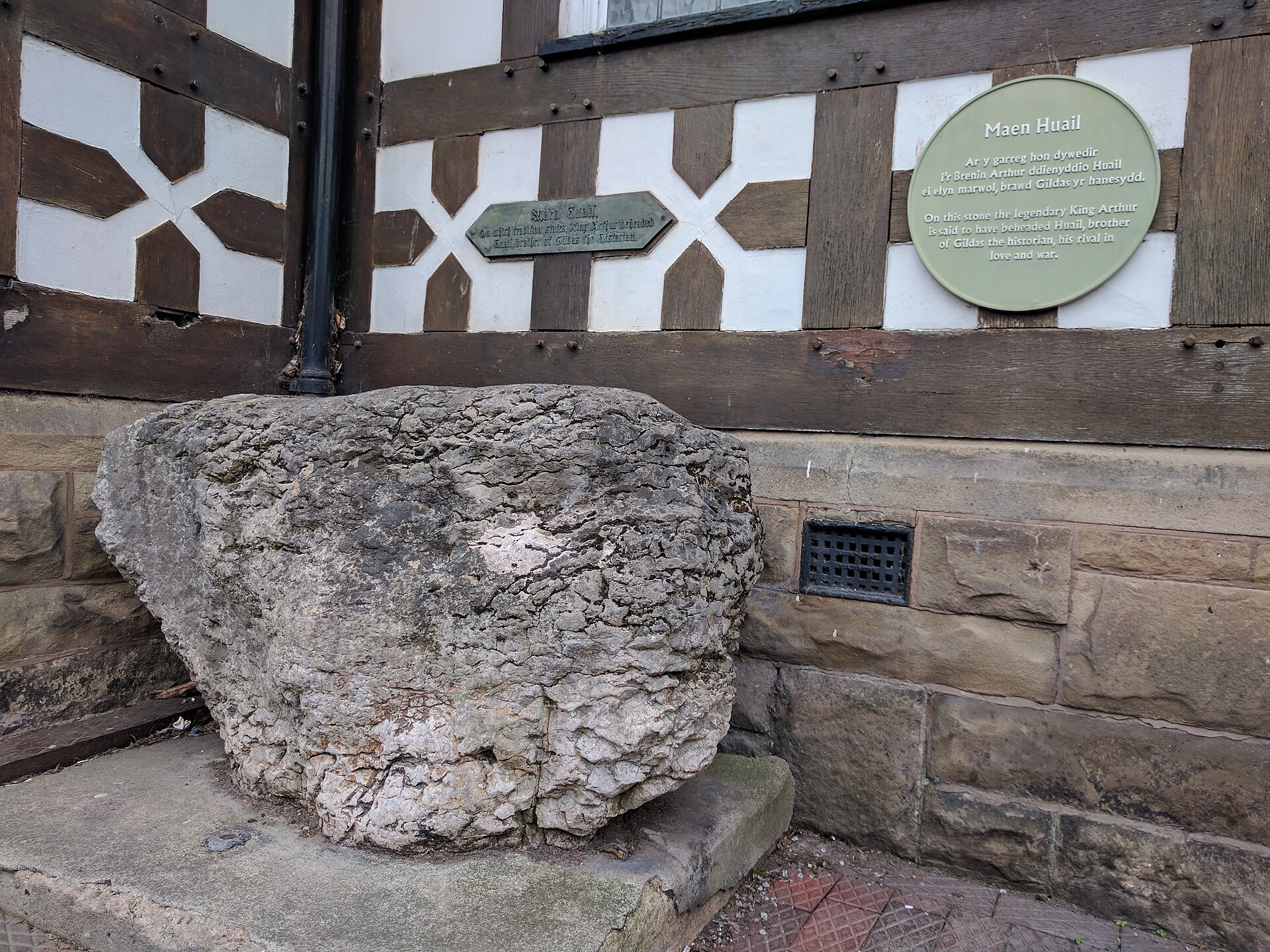
A humble market stone was recast by folklore as the execution block where King Arthur beheaded a rival: legend layered onto stone centuries after i…
Sacred place · Prehistoric
Powys
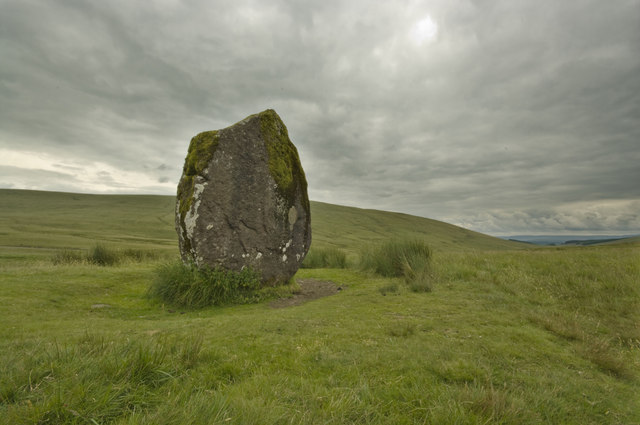
A diamond of Old Red Sandstone, twelve feet high, whose evening shadow reaches the river between April and September - which is probably the source…
Sacred place · Prehistoric
Powys
A ten-foot stone beside a Roman road, inscribed for a man called Dervacus: and named after a Madoc nobody can identify.
Building or ruin · Medieval
Leicestershire
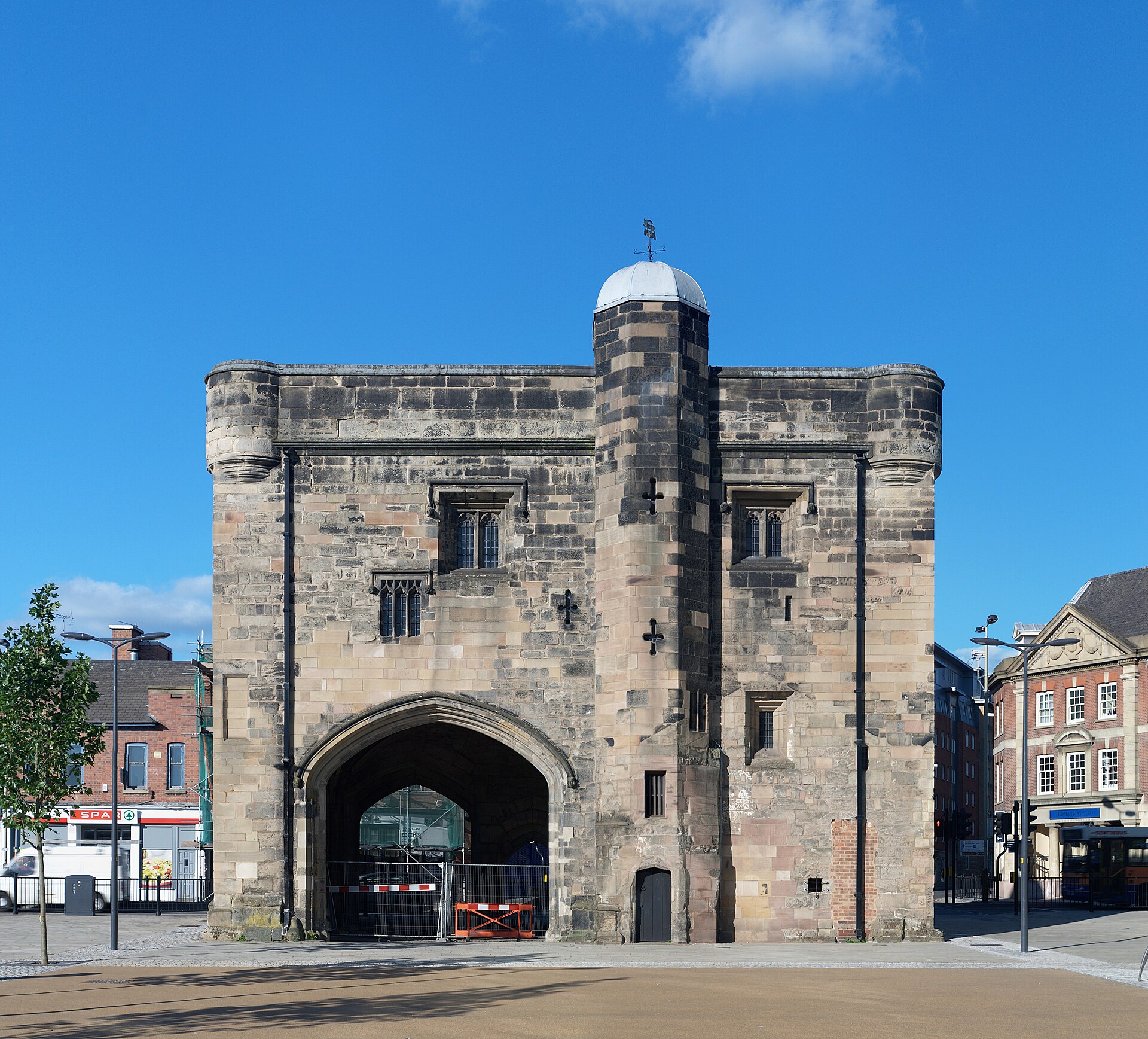
A medieval gatehouse that once guarded a religious precinct now stands marooned on a traffic island, its rooms having served as prison, militia hal…
Tomb or burial place · Prehistoric
Hampshire
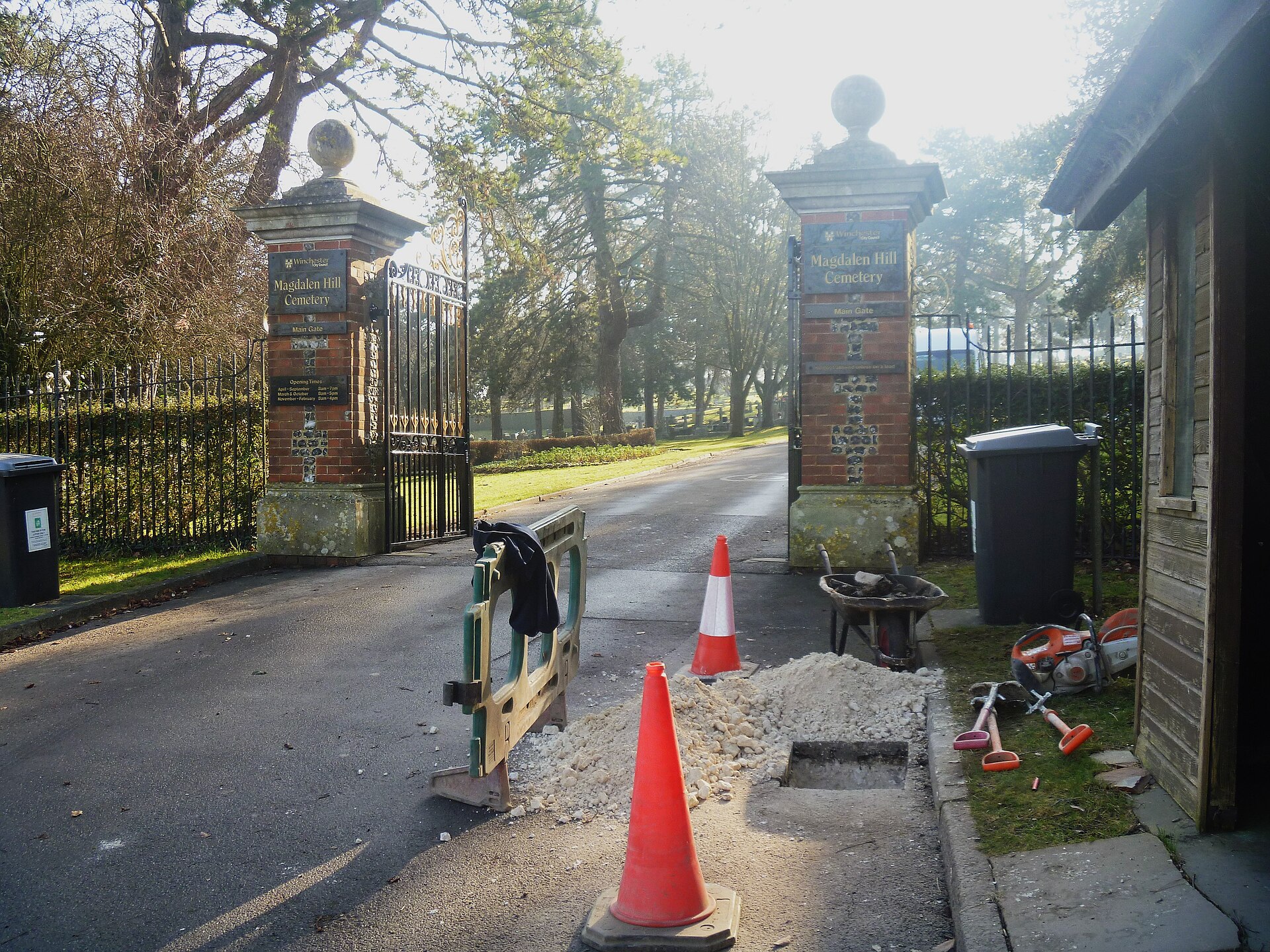
A chalk hillside east of Winchester carries three unconnected pasts in one place: a Bronze Age burial line, a medieval leper hospital turned First…
Building or ruin · Roman
Herefordshire
Its Roman name outlived the town itself: the Mercian sub-kingdom that absorbed this ground, the Magonsaete, took its own name directly from Magnis.
Building or ruin · Roman
Derbyshire
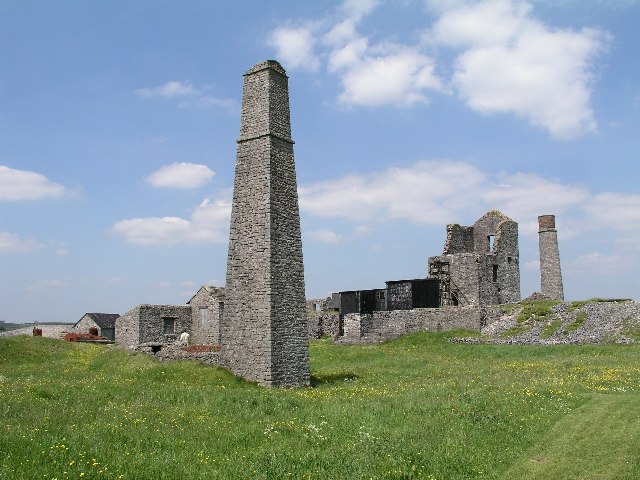
Derbyshire's last working lead mine, closed in 1958, survives with its Cornish engine house, twin chimneys and winding drum intact rather than demo…
Building or ruin · Roman
Dorset
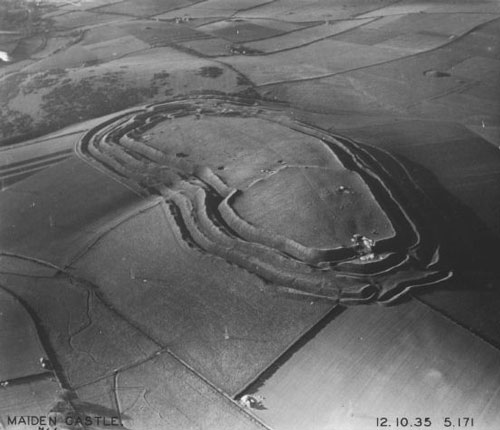
Maiden Castle is Britain’s largest hillfort, a defended settlement on high ground, and a vast prehistoric, from before written records reached Brit…
Fortified place · Iron Age
County Durham
An Iron Age promontory fort (a headland cut off by ramparts to make a defensible enclosure) east of Durham whose steep slopes and surviving earthwo…
Fortified place · Iron Age
North Yorkshire
Possibly one of only two banjo enclosures in northern England, entered along a rare funnelled avenue whose original purpose still divides archaeolo…
Tomb or burial place · Prehistoric
County Durham
A prehistoric burial mound: from from the era before writing arrived in these islands: became a medieval battle standard: Durham's monks raised St…
Fortified place · Prehistoric
Derbyshire
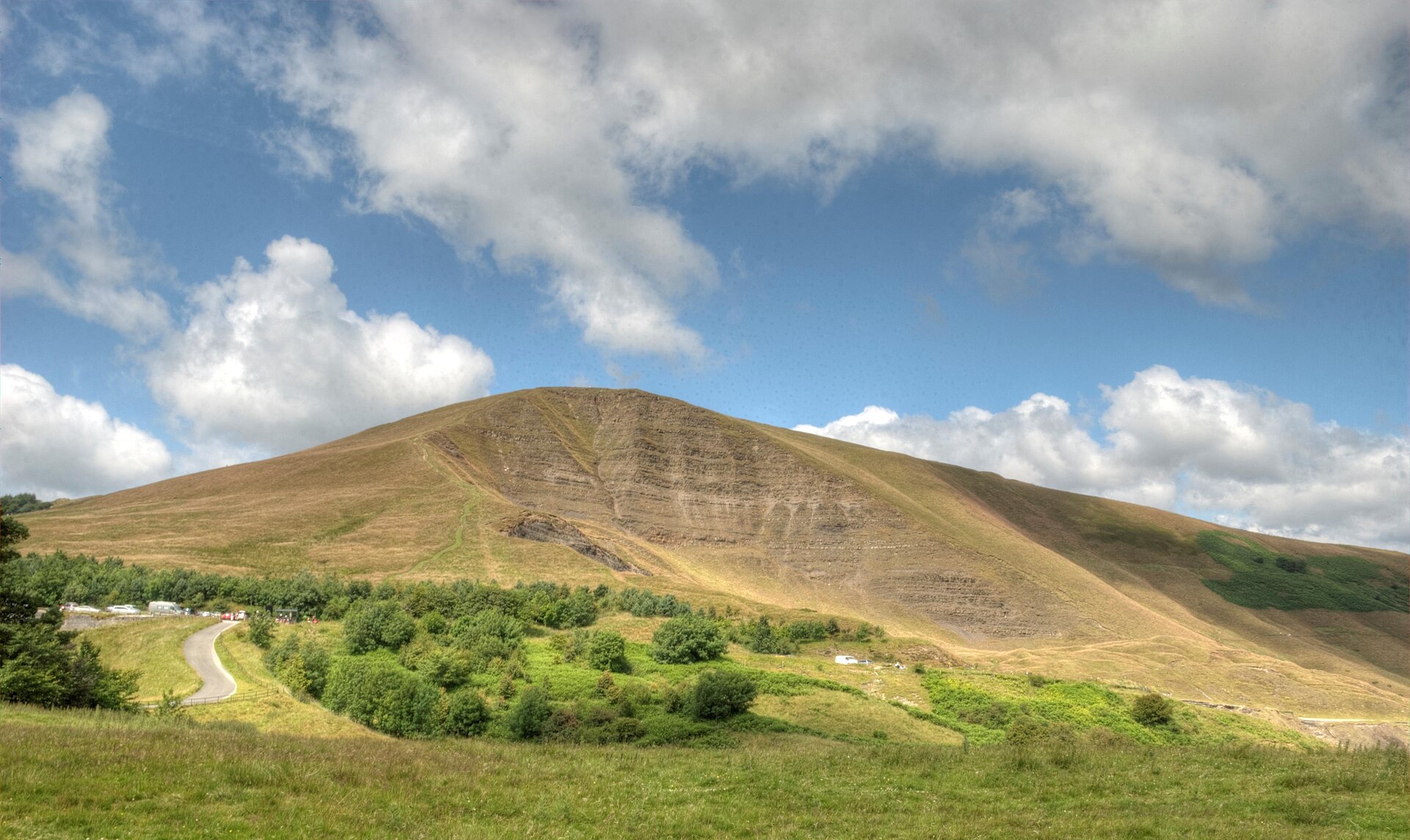
The summit rampart is being eaten by the hillside it stands on: the landslip behind the hill's "Shivering Mountain" nickname has been gnawing at th…
Building or ruin · Medieval
Monmouthshire
In July 1645, as the First English Civil War drew to its end, Nicholas Moore twice sheltered the fugitive king Charles I here: a private manor brie…
Building or ruin · Medieval
Pembrokeshire
A twelfth- or thirteenth-century dovecote within the castle estate, listed Grade II*.
Sacred place · Prehistoric
Wiltshire
Built from earth and timber rather than stone, Britain's largest known henge shaped its boundary around the River Avon: a landscape logic unmatched…
Building or ruin · Roman
Neath Port Talbot
Margam Roman villa is evidence for the largest known Roman villa in Wales, preserved beneath an unploughed deer park within a wider historic estate.
Building or ruin · Medieval
Neath Port Talbot
Margam Stones Museum holds one of Britain’s most important local collections of early Christian carving: 17 pre-Norman stones and later memorials t…
Building or ruin · Roman
Nottinghamshire
Margidunum’s Fosse Way settlement outlived Roman rule by a century, preserving evidence for a frontier post that became a durable small town.
Fortified place · Medieval
North Yorkshire
A moated manor still owned by battlements first licensed in 1310, its restored chapel hosted a wedding in 2001: the first since 1487.
Ancient place · Prehistoric
Hampshire
This modest rectangular bank on Martin Down gave its name to an entire class of Bronze Age settlement: everything now called a "Martin Down style e…
Building or ruin · Medieval
North Yorkshire
Masham Market Cross keeps a medieval market-place landmark legible through its surviving base, later shaft, and formal protection as both listed st…
Building or ruin · Roman
Dorset
Maumbury Rings is a rare Dorchester monument repeatedly reinvented: a late Stone Age enclosure, Roman amphitheatre, Civil War artillery fort, execu…
Building or ruin · Medieval
Warwickshire
A chair on which Henry VII was crowned after Bosworth, and the table the Gunpowder Plot was planned around, are both in this house.
Sacred place · Prehistoric
Cumbria
Its ring was raised from river cobbles rather than dug as a ditch-and-bank earthwork, a construction method that sets it apart from almost every ot…
Building or ruin · Medieval
Cardiff
By the end of the 18th century this was the largest tin-plate works on earth, and its water pump survives as a scheduled monument (legally protecte…
Building or ruin · Medieval
Cardiff
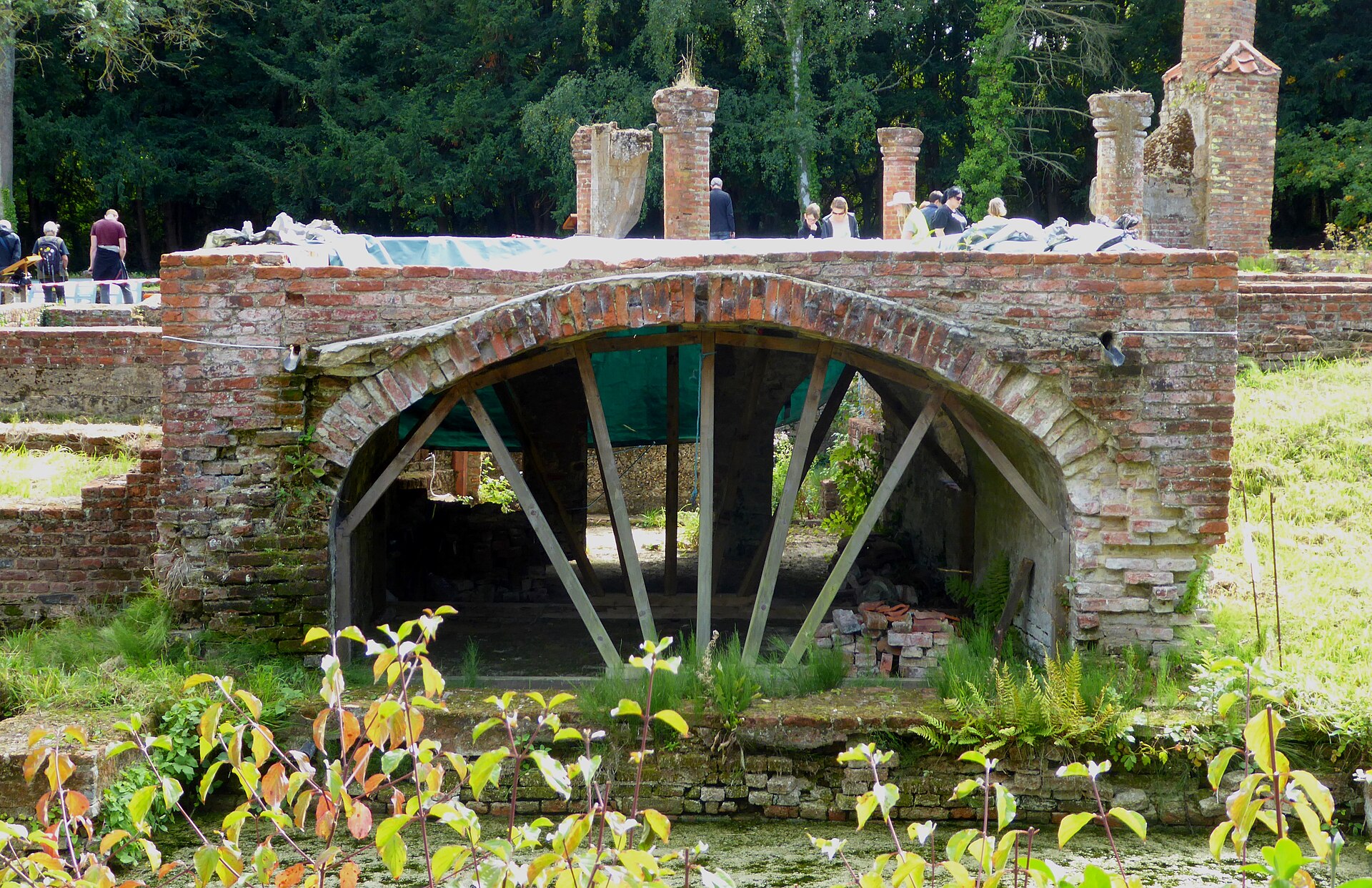
Built to settle a legal fight over stolen water, its towering paddle wheel and oak beams survive as one of Britain's few intact eighteenth-century…
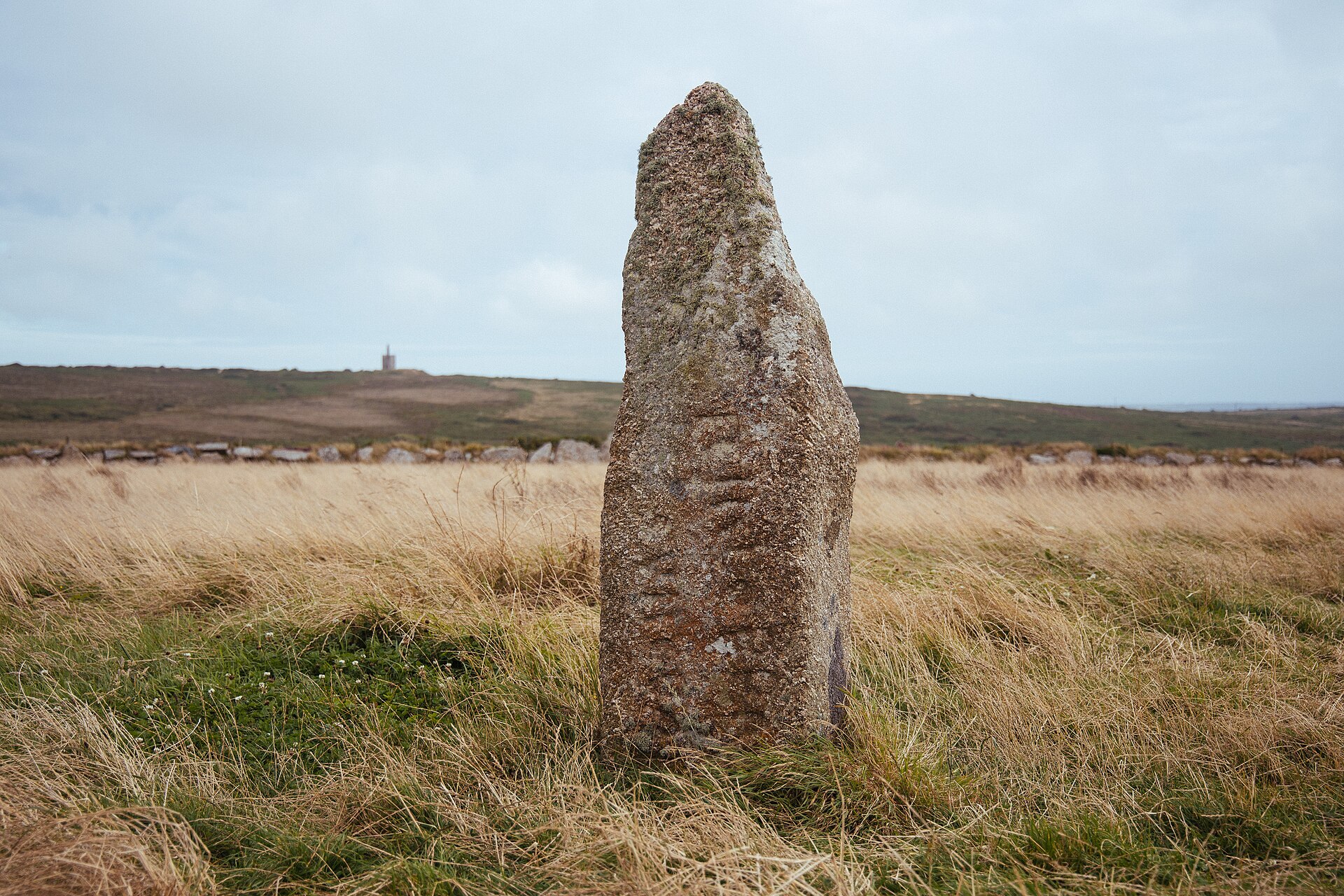
Sacred place · Pictish & early medieval
Cornwall
Mên Scryfa preserves an early medieval (roughly AD 400–1100, between the Romans and the Normans) Latin inscription on a standing stone, connecting…
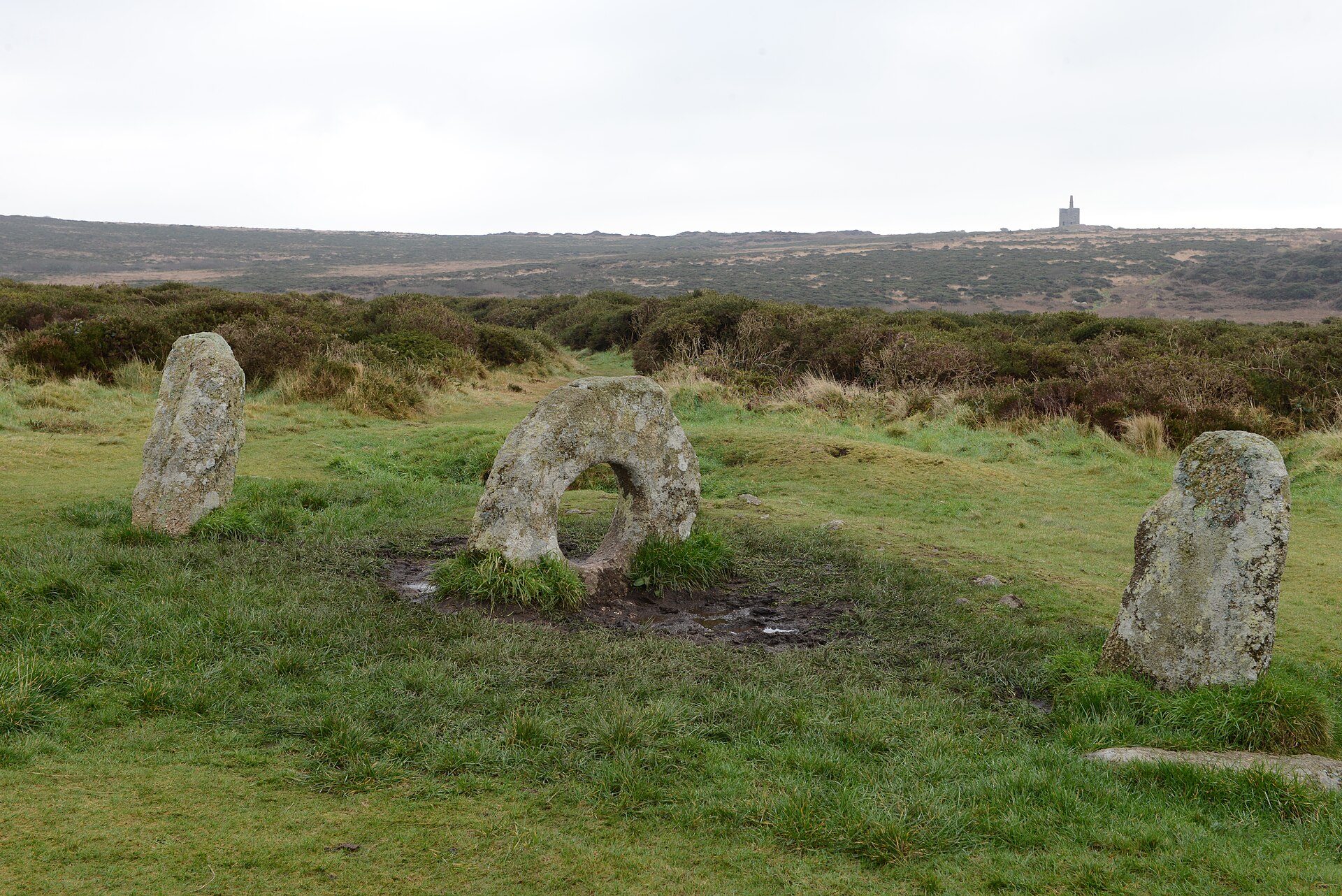
Building or ruin · Prehistoric
Cornwall
Mên-an-Tol is Cornwall’s best-known holed stone, combining an enigmatic late Neolithic monument: from the first farming period in Britain, roughly…
Tomb or burial place · Prehistoric
Staffordshire
A hill a few miles east of Leek, in the civil parish of Fawfieldhead.
Building or ruin · Roman
West Midlands
Rebuilt four times in little more than a century, Metchley is among the most excavated Roman military sites in the Midlands, its full occupation st…
Briefer entries: recorded and worth knowing, with fuller pages to come.
Carved stone · Prehistoric
Essex
The Leper Stone is a large sarsen near Newport whose association with a medieval leper hospital and possible prehistoric (predating the written rec…
Tomb or burial place · Medieval
County Tyrone
Letterbrat combines a Tyrone townland’s portal tomb, a Stone Age tomb of upright stones carrying a single great capstone, with a working quarry exp…
Building or ruin · Roman
Swansea
Beneath the streets of Loughor, at the mouth of the River Loughor where it meets the estuary that carries its name, lie the buried defences of a Ro…
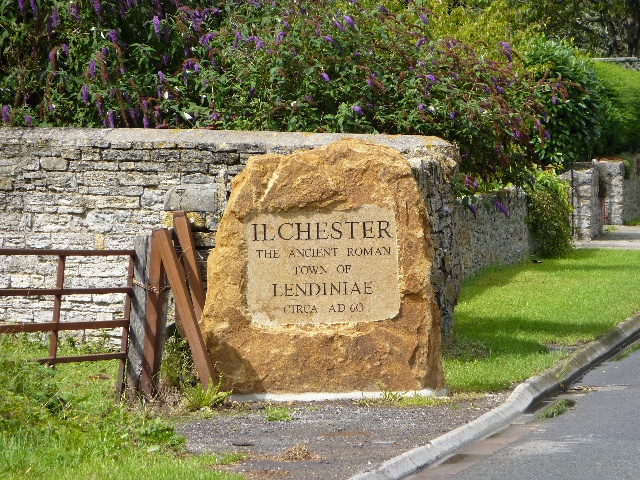
Building or ruin · Roman
Somerset
A small Roman town in Britannia, on the ground now occupied by Ilchester.
Building or ruin · Roman
Lincolnshire
Lindum Colonia, Roman Lincoln, developed from a legionary fortress into a veteran colonia with walls, public buildings, aqueduct, sewerage and indu…
Fortified place · Medieval
County Tyrone
Liskincon is a small Tyrone townland whose Scheduled rath (an early-medieval Irish farmstead ringed by an earth bank) preserves an ancient fort wit…
Fortified place · Medieval
County Down
Lisnagade is a large protected multivallate ringfort whose three massive banks and deep ditches preserve an early historic enclosure, with finds su…
Building or ruin · Roman
Kent
The London to Lewes Way is a 71-kilometre Roman road whose engineered route and surviving slag surfaces reveal long-distance movement across the We…
Building or ruin · Roman
City of London
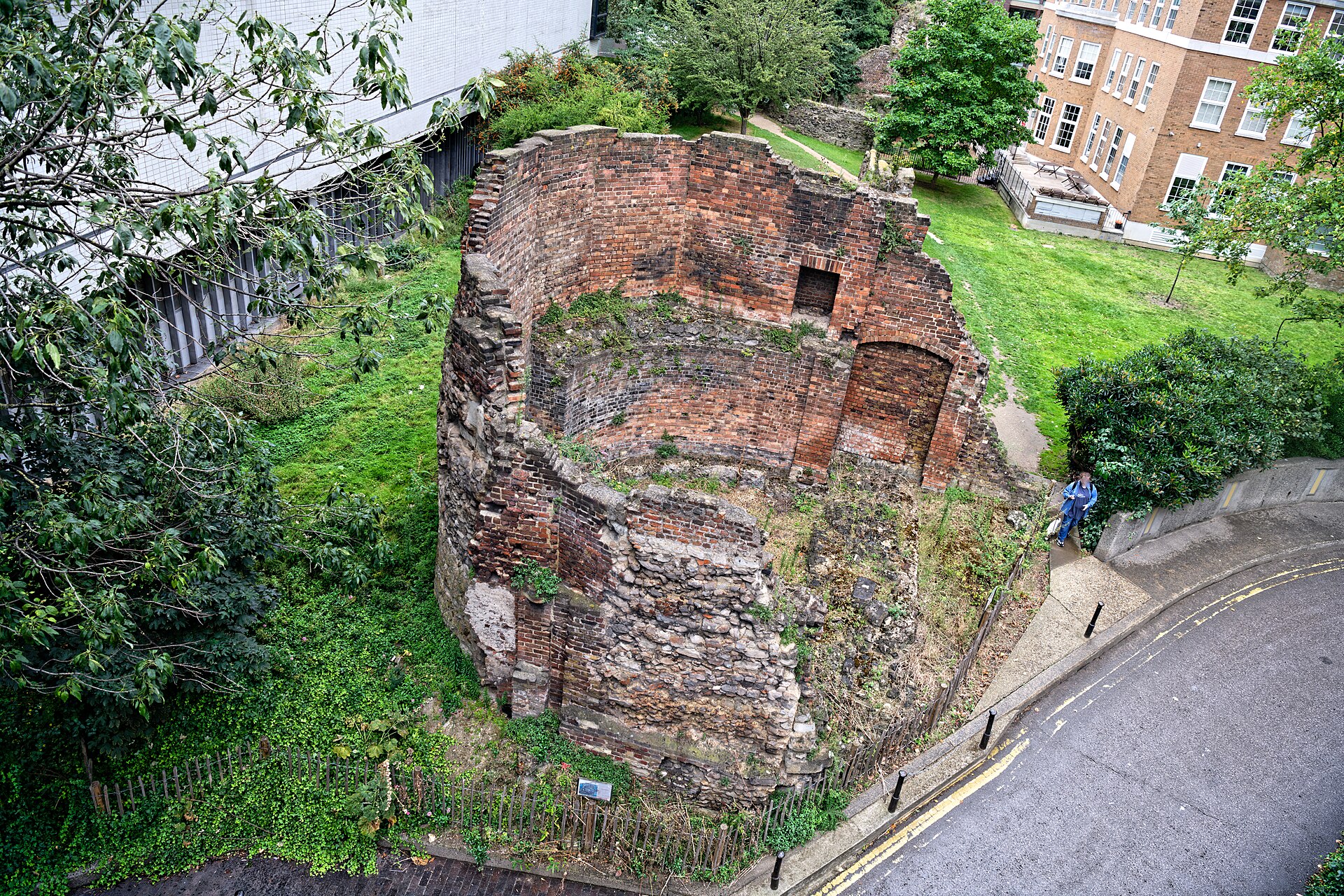
The Roman and medieval wall that made the City of London, shaping its gates, roads and boundary from around AD 200 into the modern street plan.
Sacred place · Medieval
Down
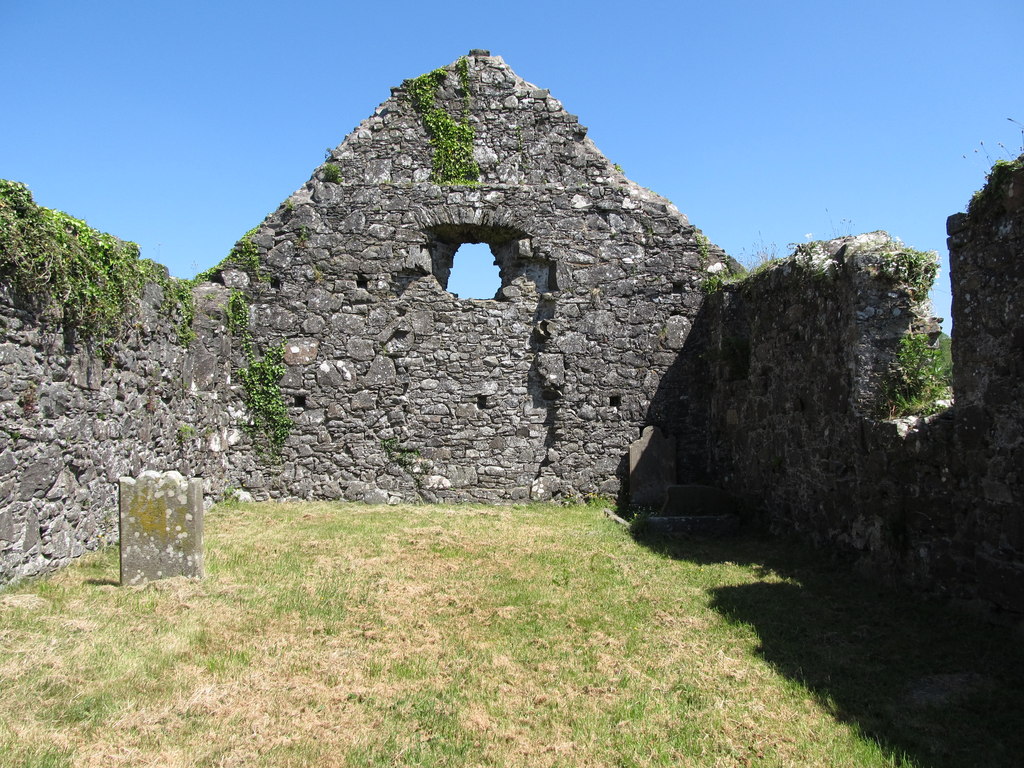
Loughinisland’s three church ruins make one island graveyard a record of changing worship, from medieval fabric to seventeenth-century rebuilding a…
Building or ruin · Roman
Carmarthenshire
In the early 1970s the River Cothi cut into its own bank near Pumsaint in Carmarthenshire and exposed a stamped Samian ware inkwell. That single fi…
Tomb or burial place · Roman
Kent
Few country parks combine a Domesday deer-park inheritance, Roman pottery, Second World War decoy works, and veteran trees supporting nationally ra…
Ancient place · Medieval
Flintshire
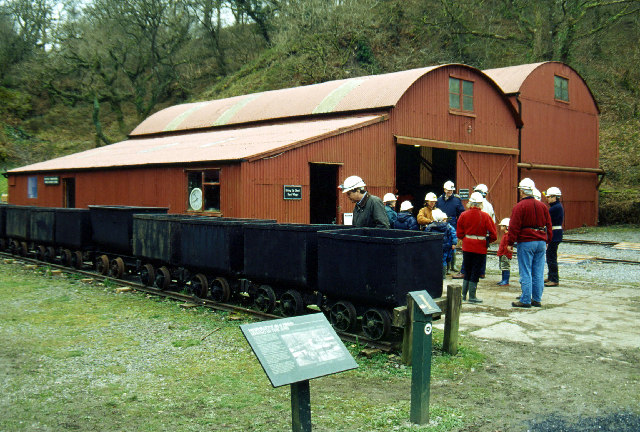
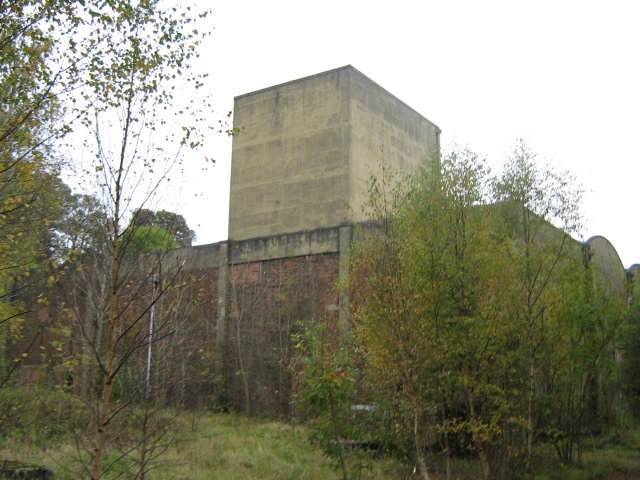
For a few weeks in 1942, a converted munitions shed in a quiet Flintshire valley held the leading edge of nuclear physics. Building P6, one of seve…
Building or ruin · Roman
Northumberland
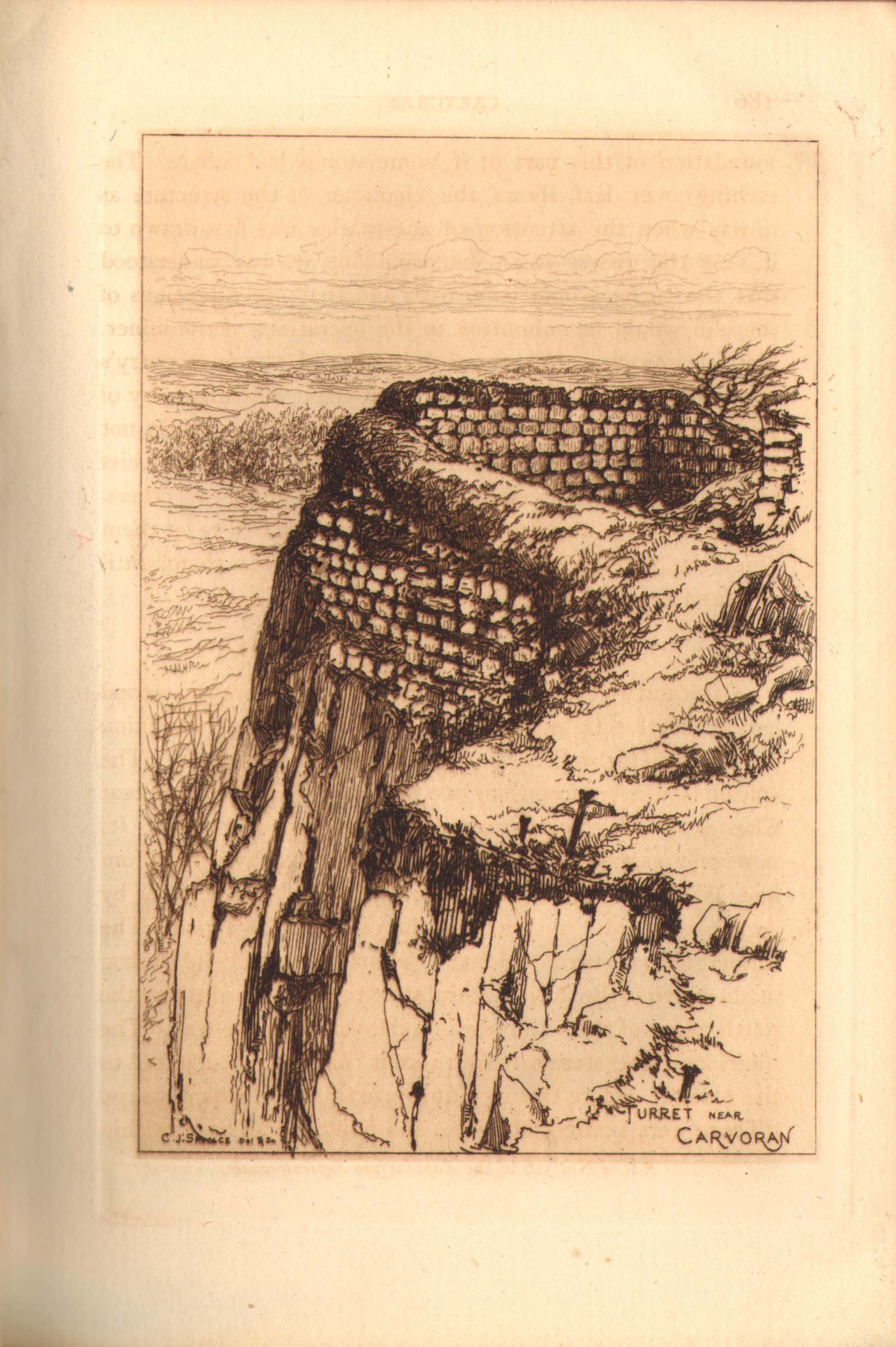
Magnis at Carvoran is a pre-Hadrianic road fort whose rare Hamian archers, civilian settlement, and Roman Army Museum preserve the military life of…
Fortified place · Iron Age
County Tyrone
Mallabeny’s large Scheduled hillfort (a hilltop enclosure ringed by earth ramparts) preserves a substantial ancient enclosure within a small County…
Building or ruin · Roman
Warwickshire
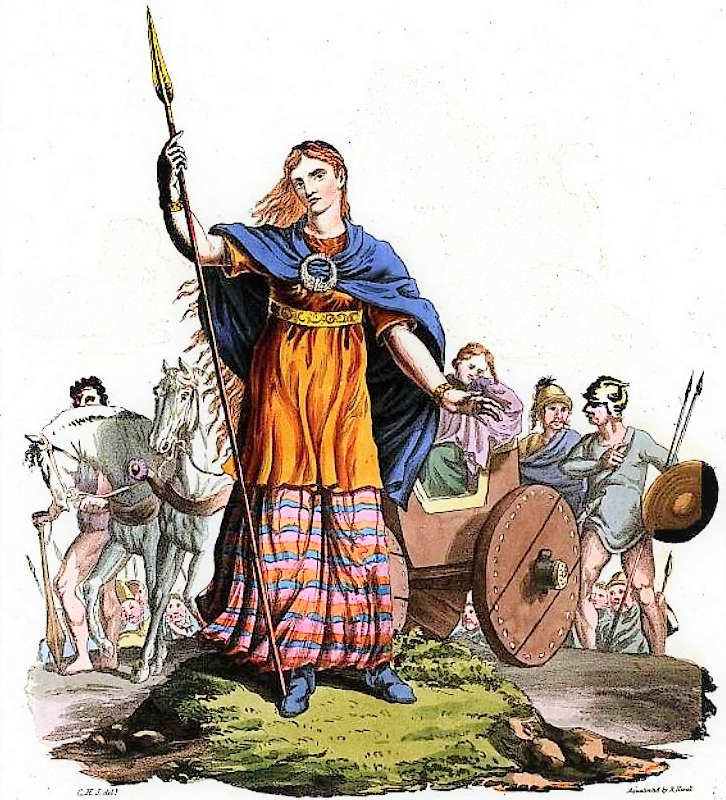
Up to seventy Roman pottery kilns have been found here. Boudica's final battle may have been fought nearby.
Building or ruin · Medieval
Greater London
The Manor of Scadbury links medieval Chislehurst, the Walsingham family and Christopher Marlowe to a 300-acre nature reserve, preserving a former e…
Tomb or burial place · Prehistoric
South Yorkshire
A moorland summit whose stone cairn (a mound of piled stones, often covering a burial) turned out, on dating, to be a deliberately built Bronze Age…
Settlement · Medieval
Antrim
Massereene Lower is a County Antrim barony with Ireland's largest documented concentration of ringforts, making this administrative landscape unusu…
Building or ruin · Roman
Shropshire
Mediolanum shows Whitchurch’s change from a Roman military fort to an industrial and commercial town on the Chester–Wroxeter route, with timber tra…
No places match those filters.















_-_geograph.org.uk_-_8178284.jpg?width=800)



Jun2004.jpg?width=800)


_-_geograph.org.uk_-_80448.jpg?width=800)